for me, i think i didn’t really begin to understand the concept of queer culture until about high school. i began to know people who identified as queer. i met my first lesbian couple in tenth grade. one of my best friends came out as gay.
i feel as though i was a pretty secluded child. i didn’t scrounge the internet like most people i knew. i just embraced the innocence of not knowing. maybe this was a bad thing? maybe it wasn’t? but i was finally starting to learn about what the queer community, queer culture, and queer history entailed. i had already had a passion for history and learning new things at this time. then, it had just meant that the scope of what i could learn about had grown. and that’s something exciting: when the boundaries of what you can/want to learn keeps growing.
recently i had a conversation with someone about to what extent you have to put pressure on yourself. that’s something a lot of people do: they put unnecessary pressure on themselves that isn’t benefiting them. there is a parallel between pressure now compared to world war ii.
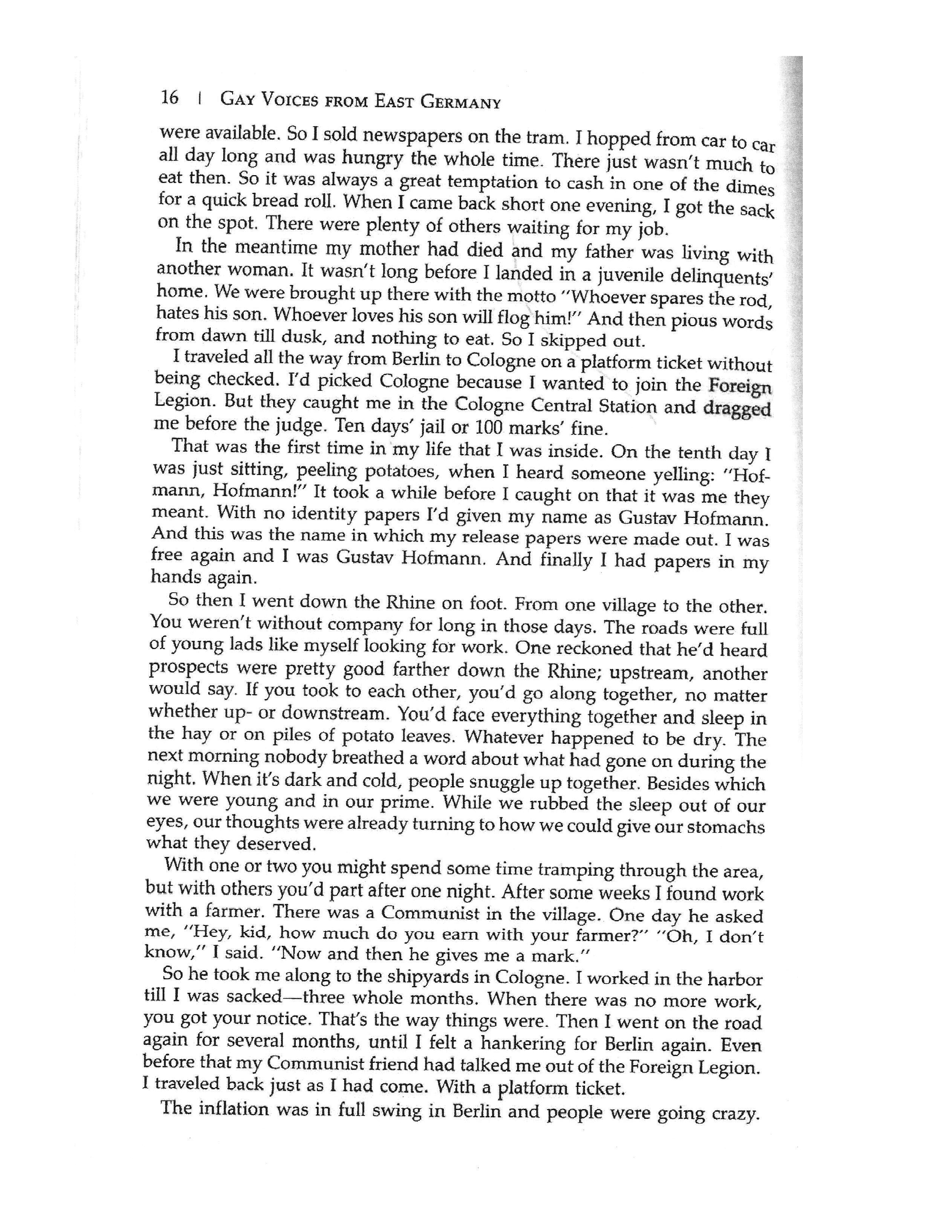
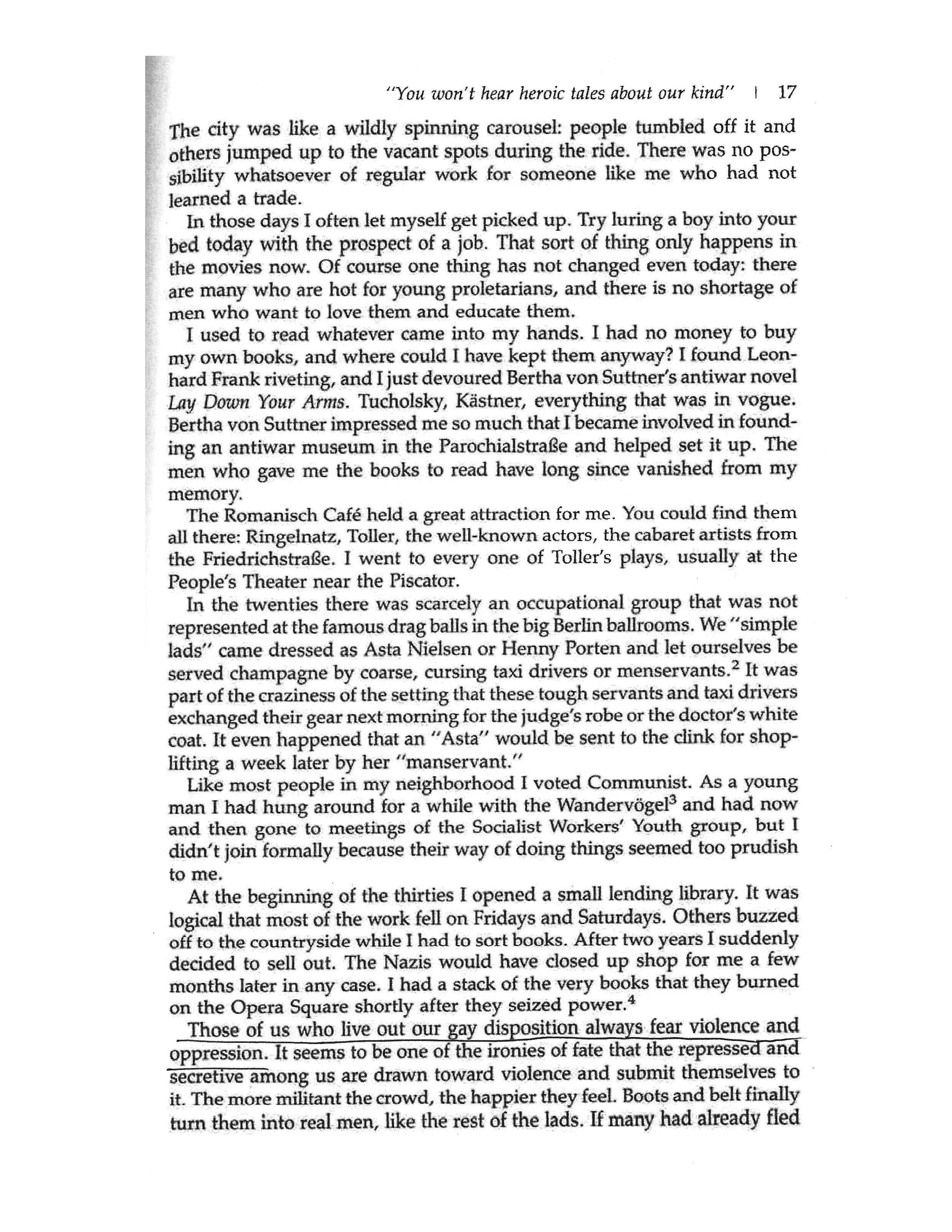
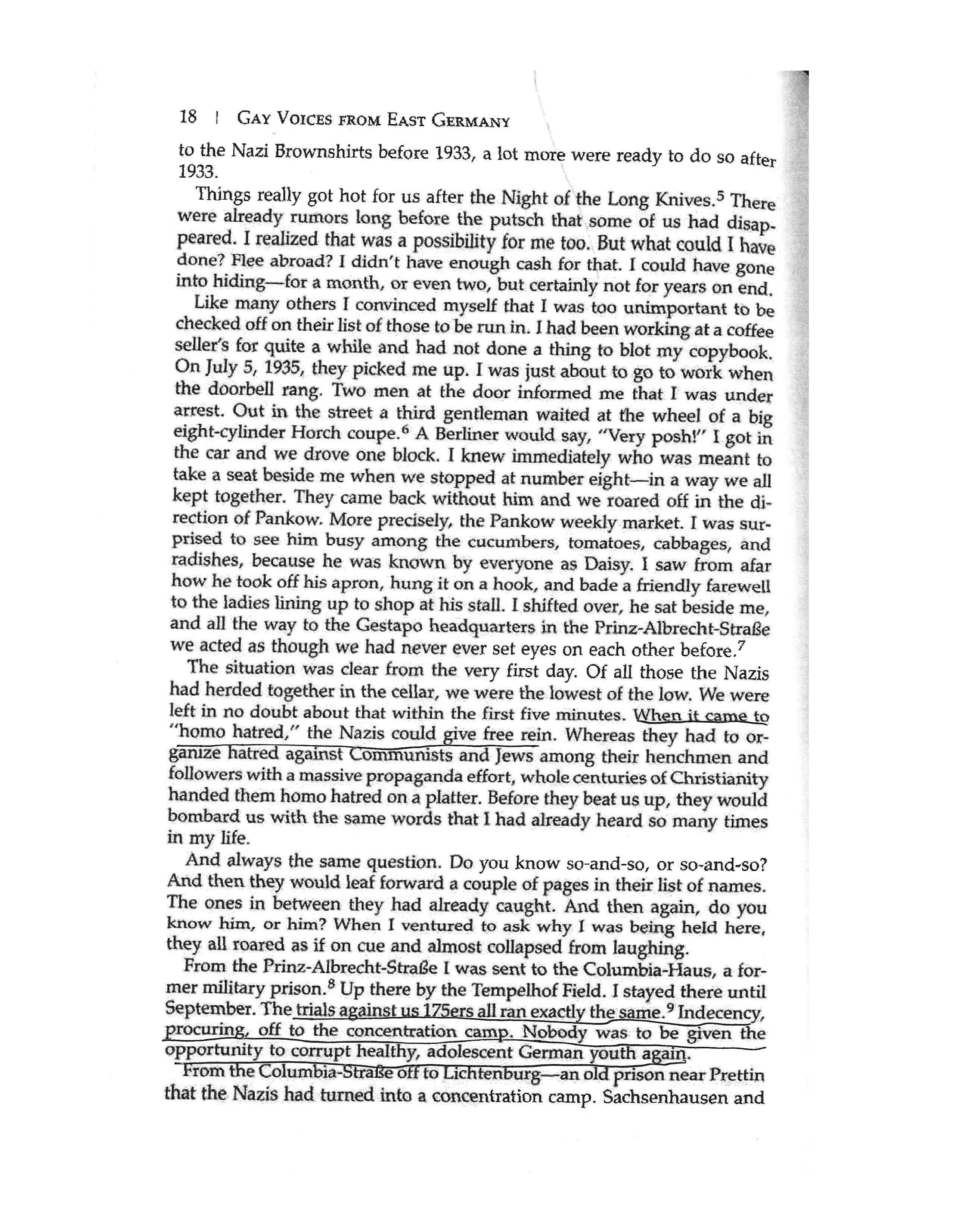
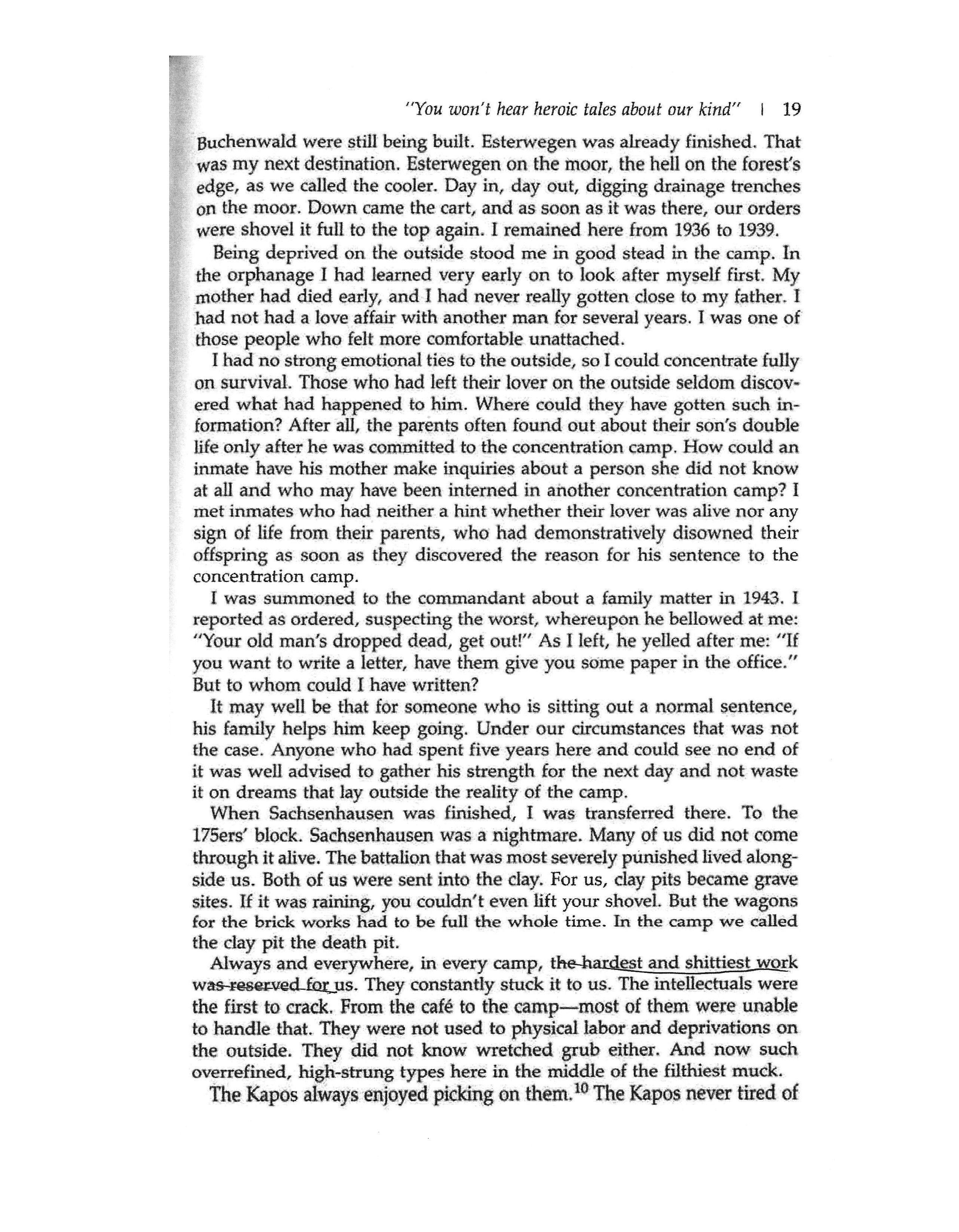
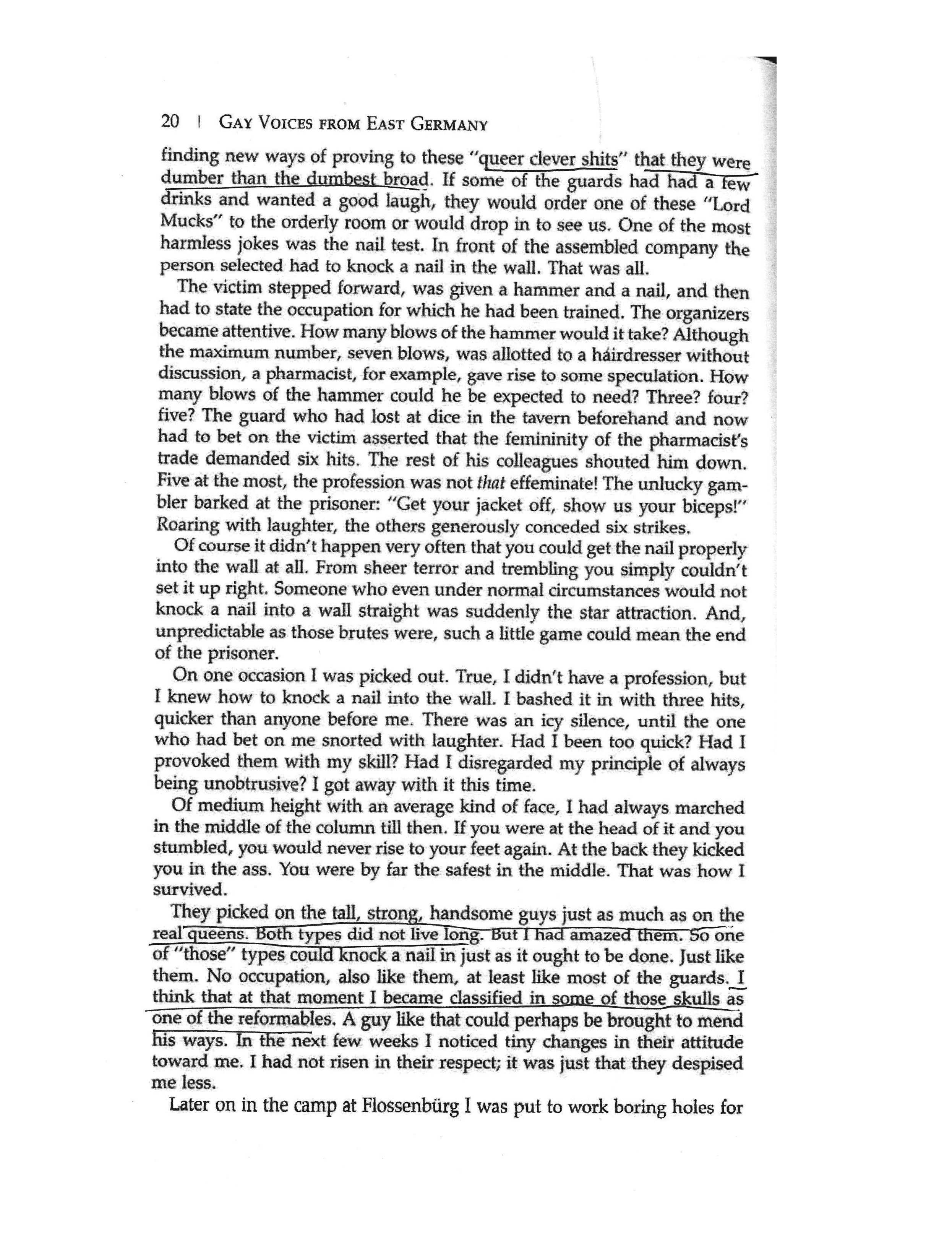
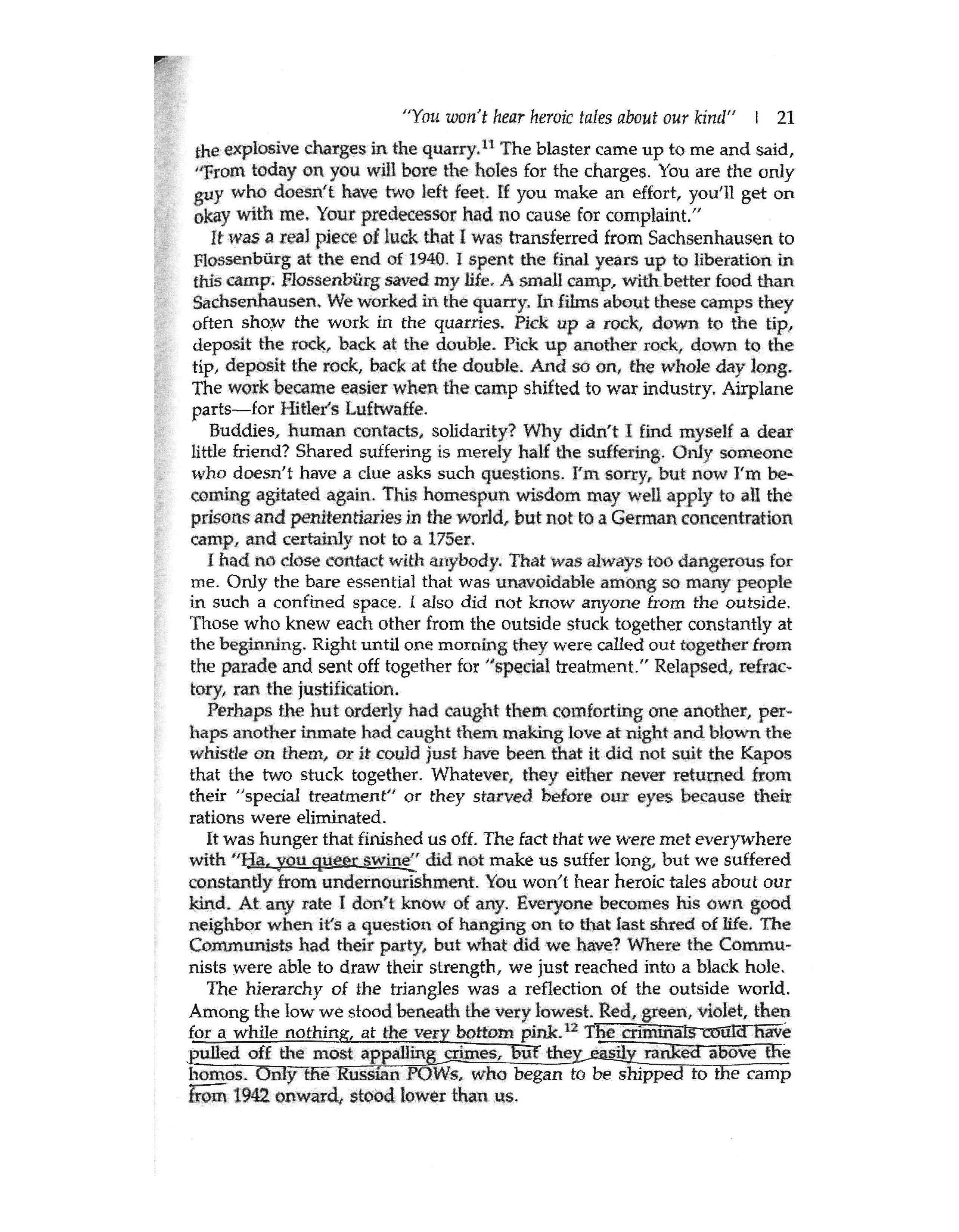
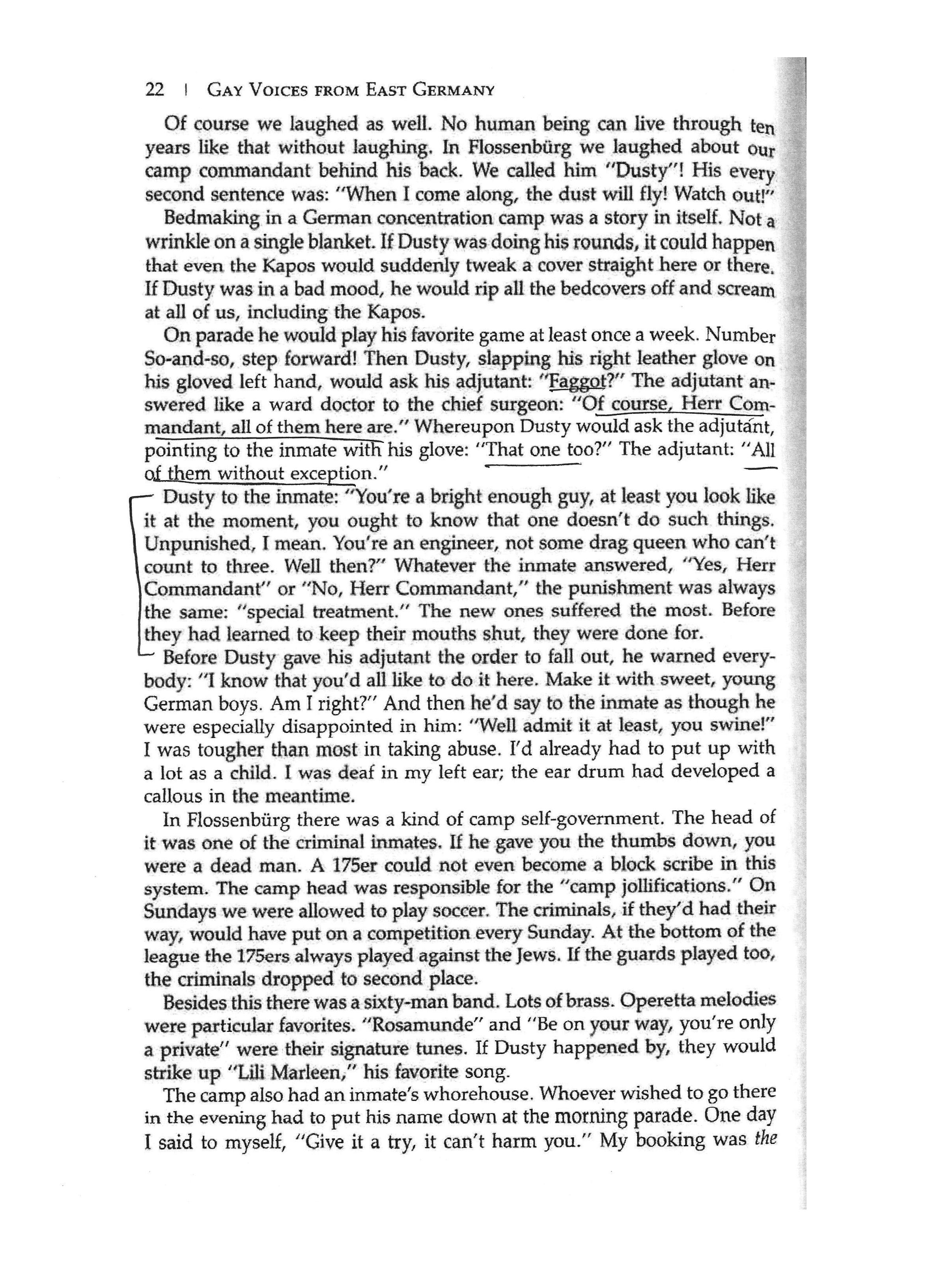
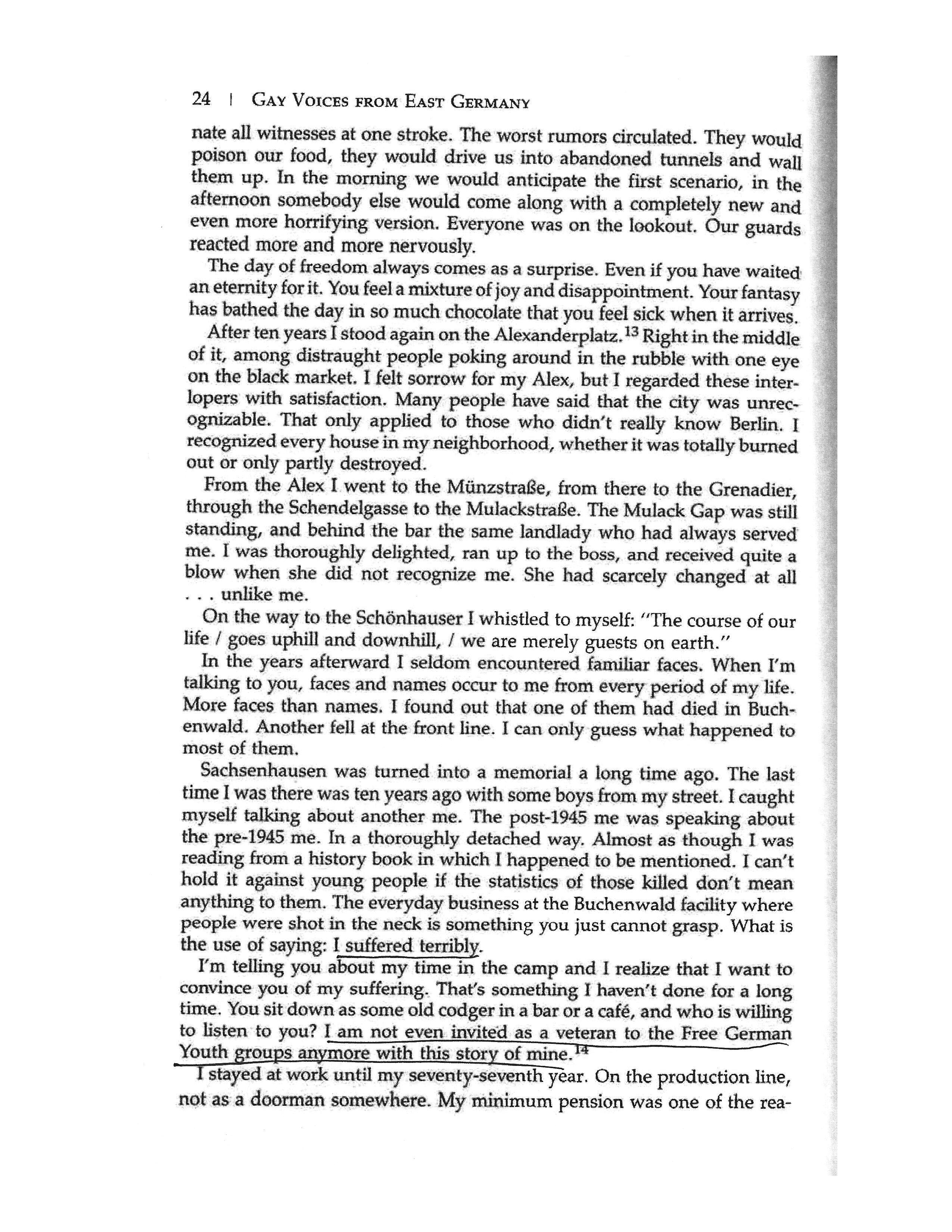
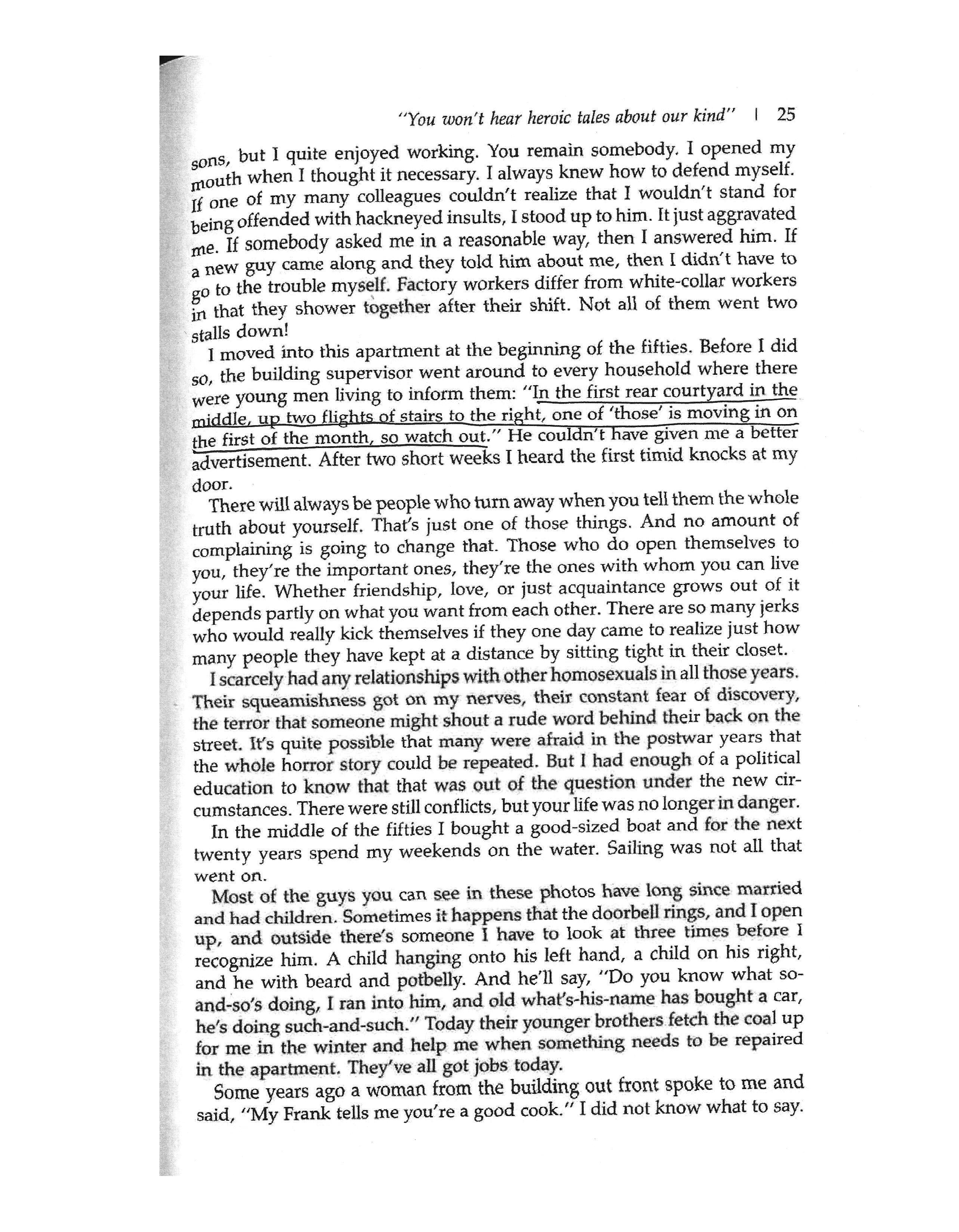
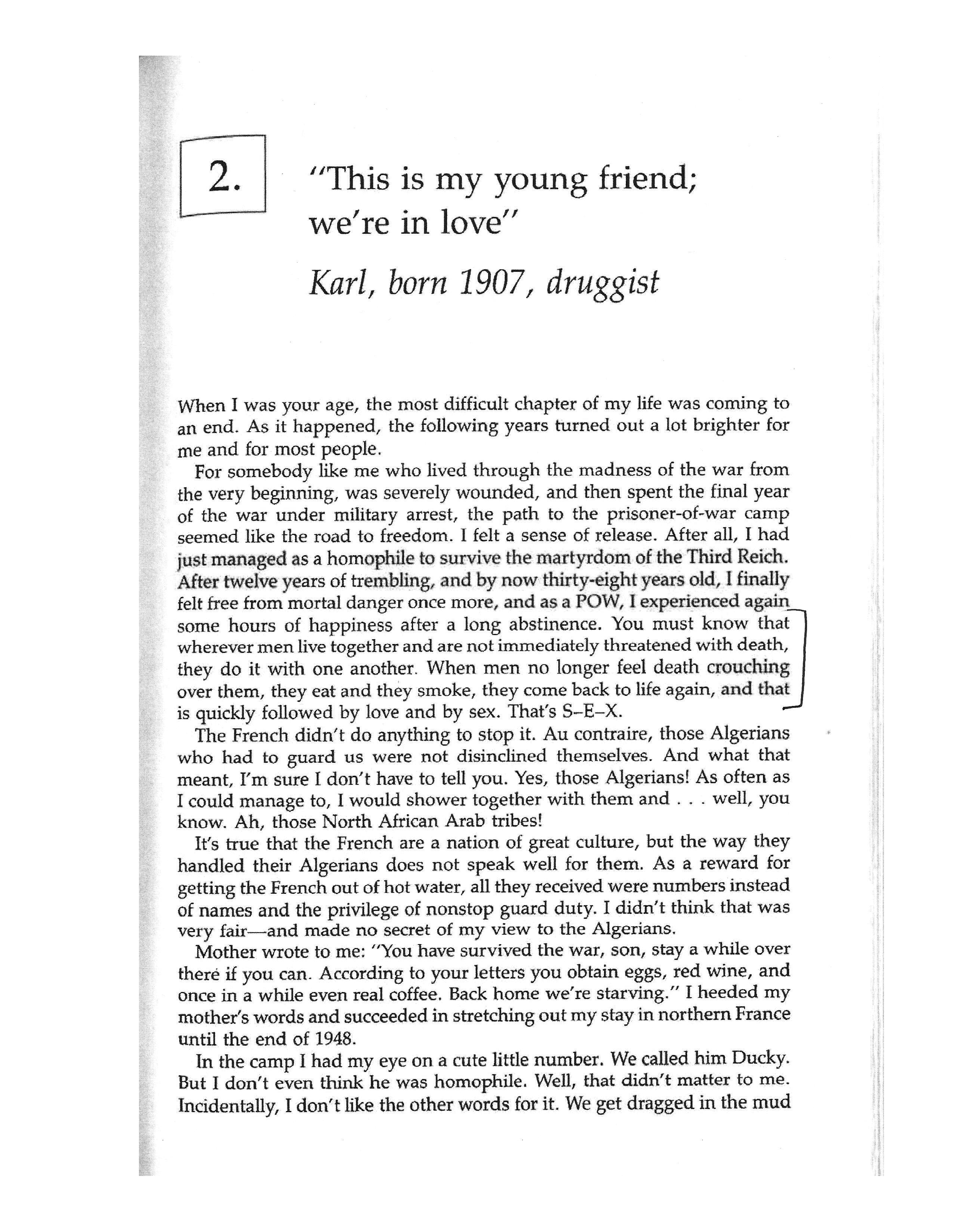
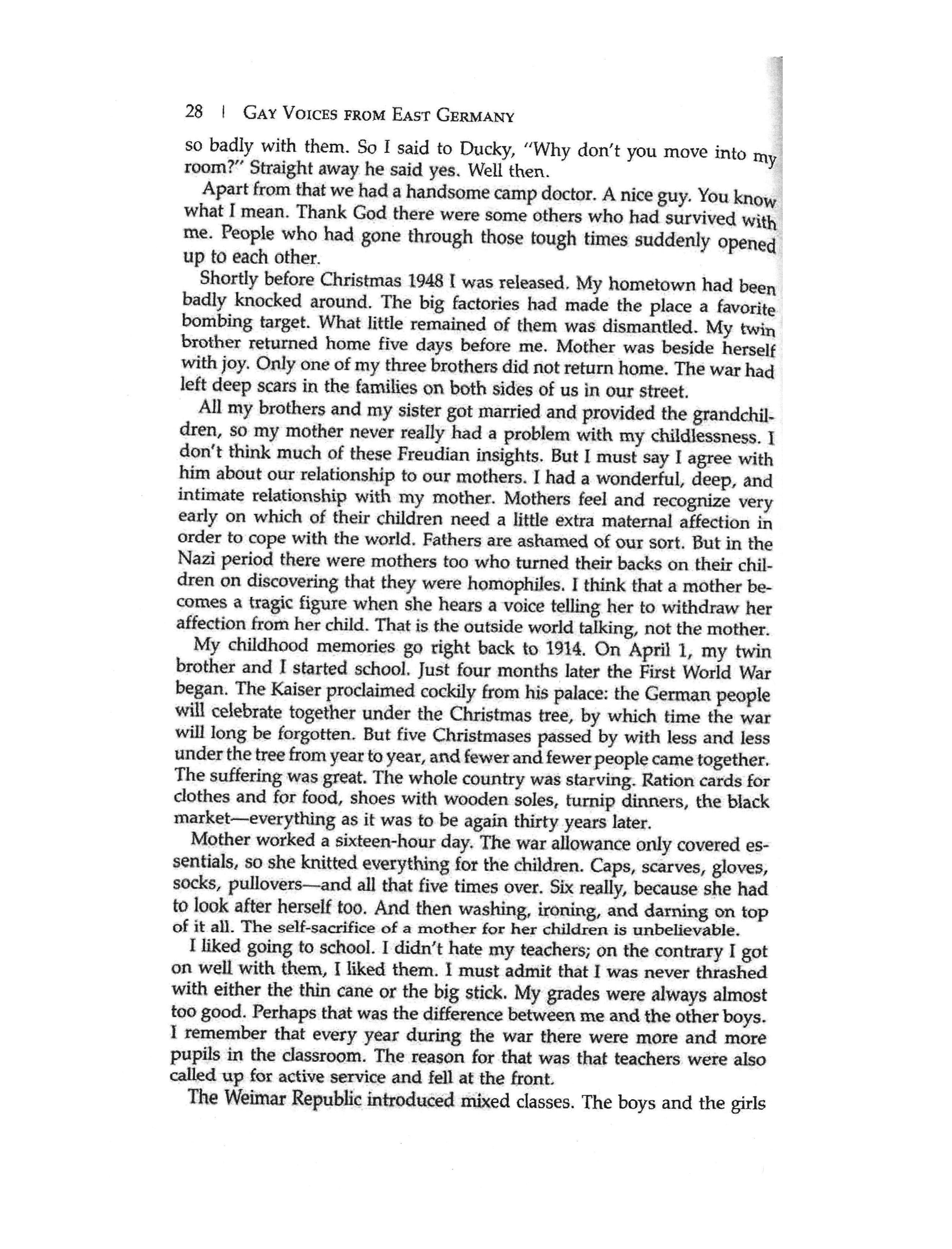
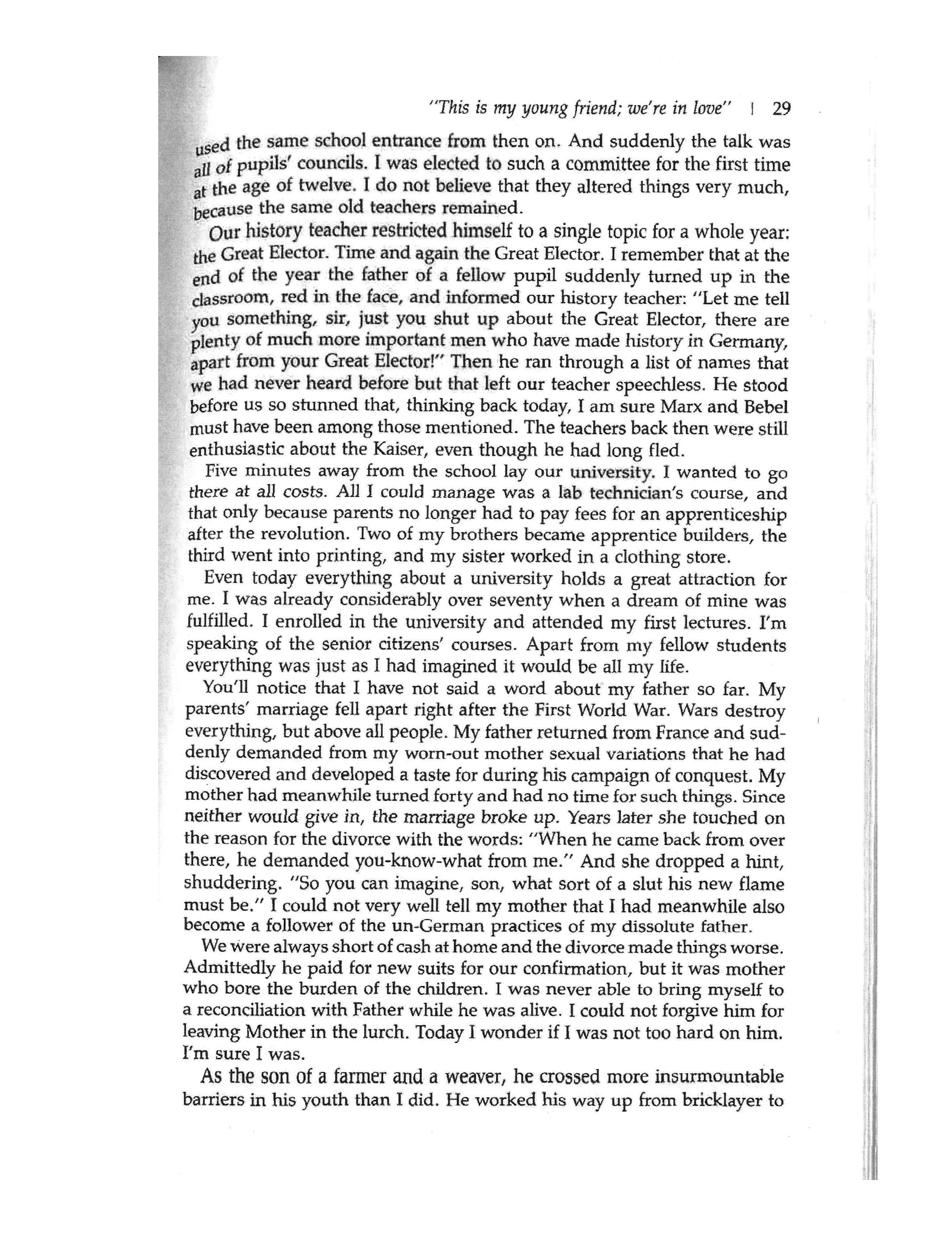
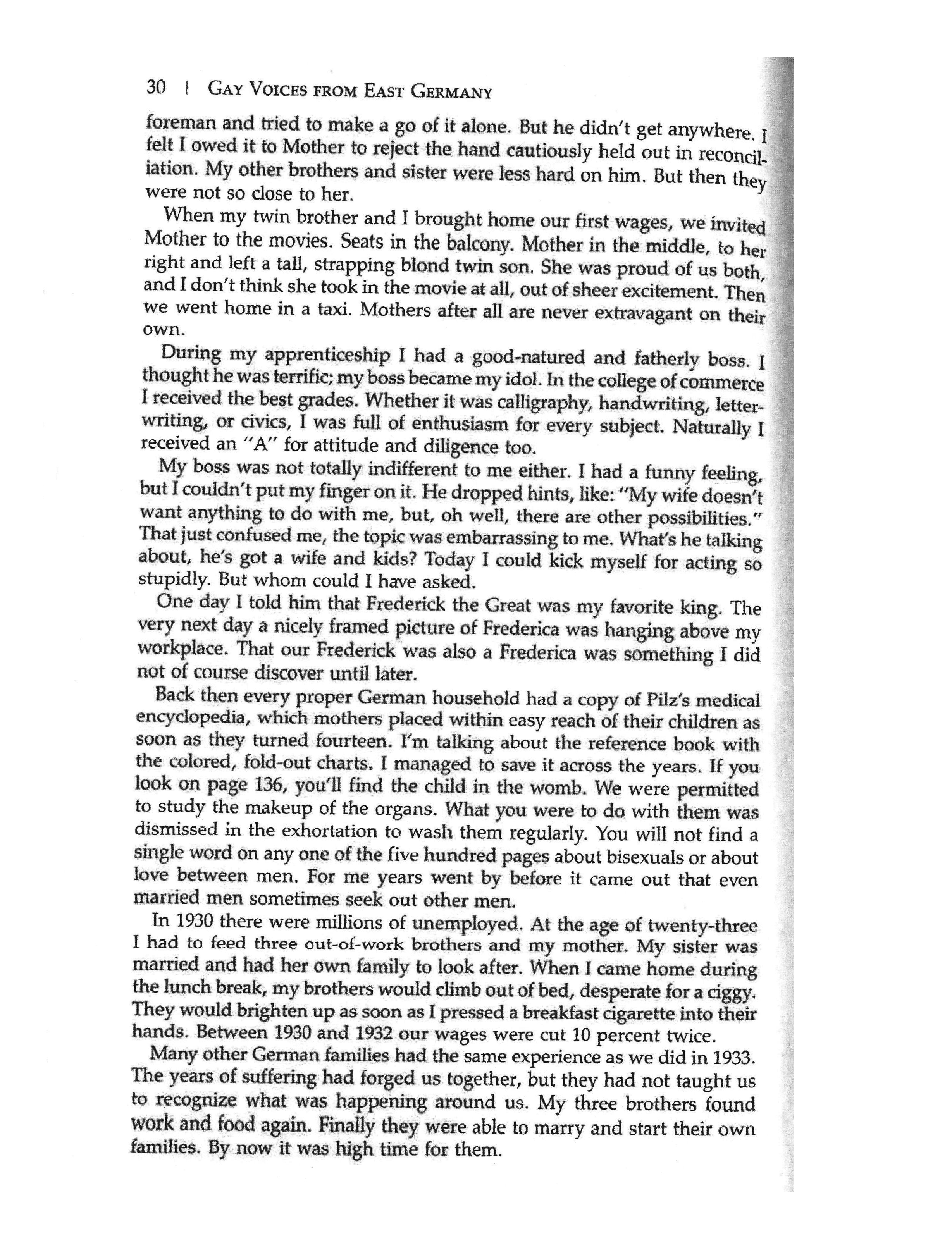
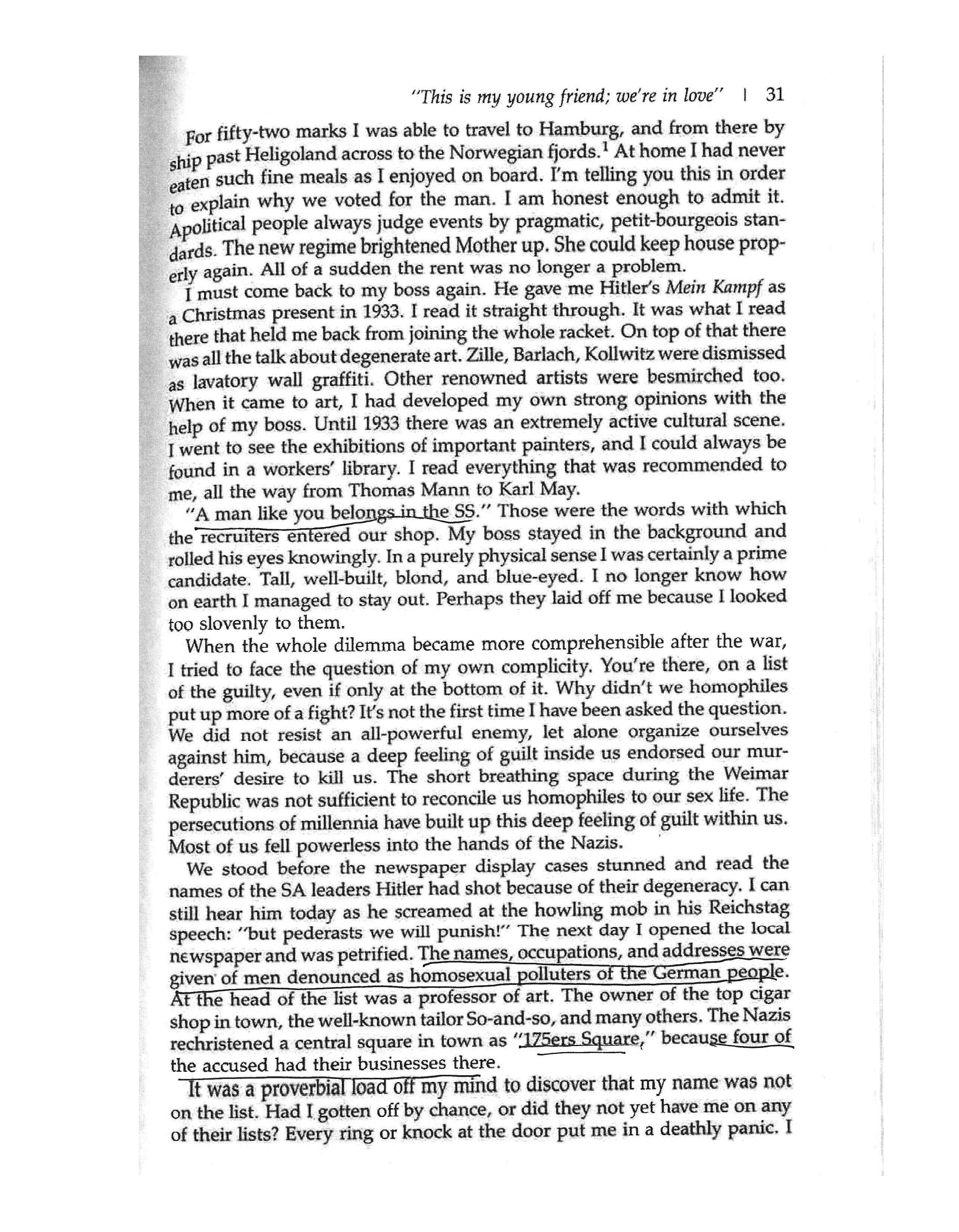
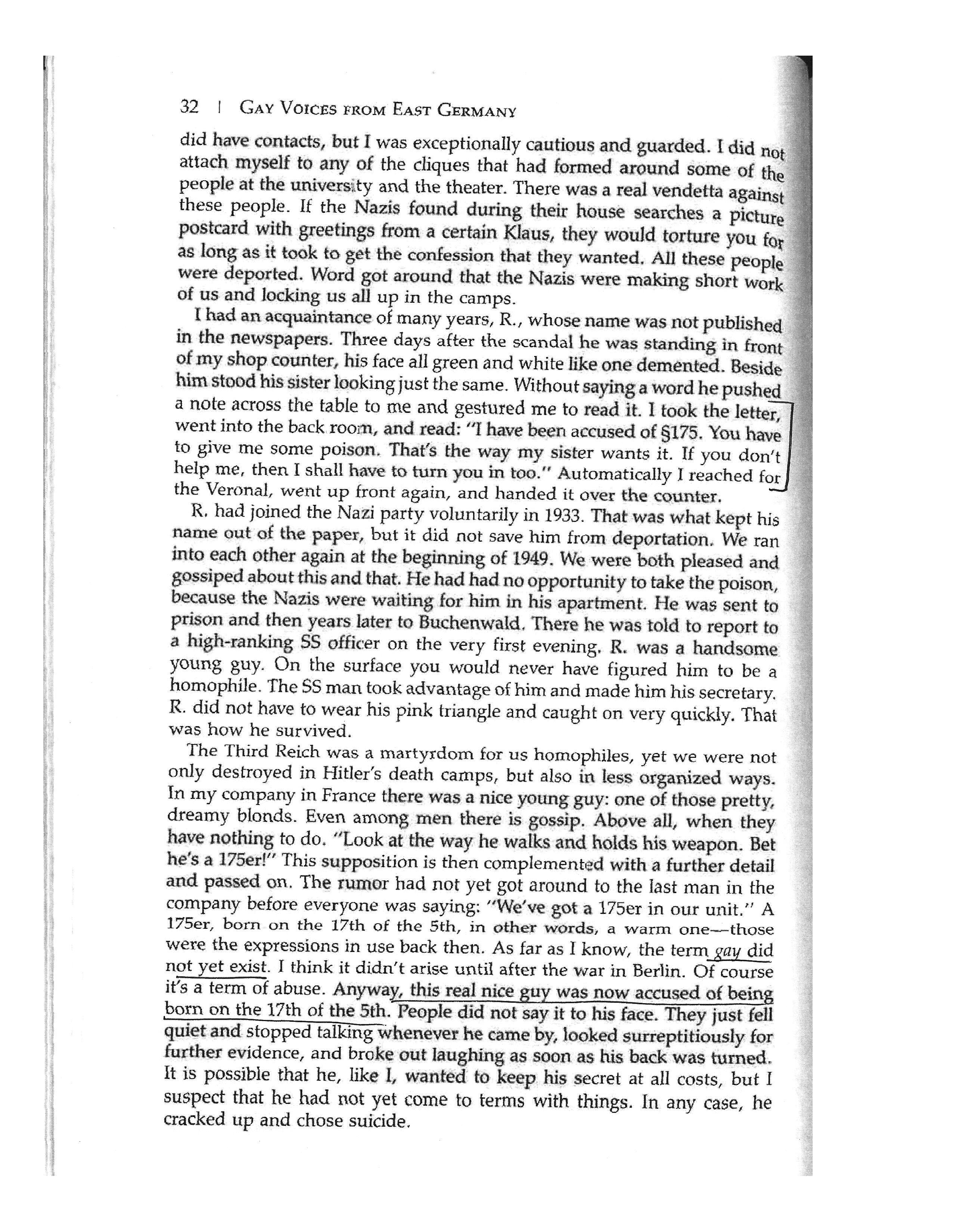
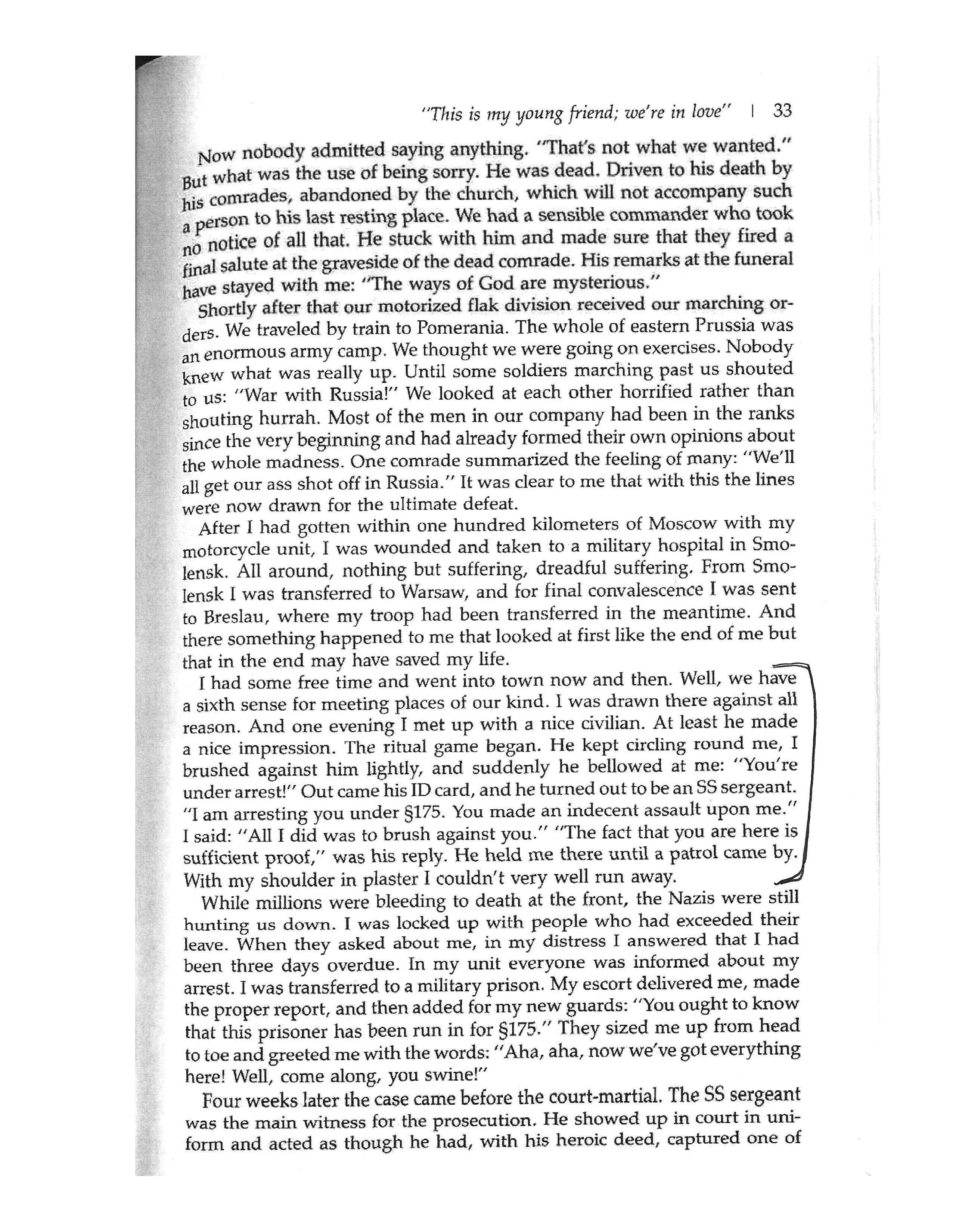
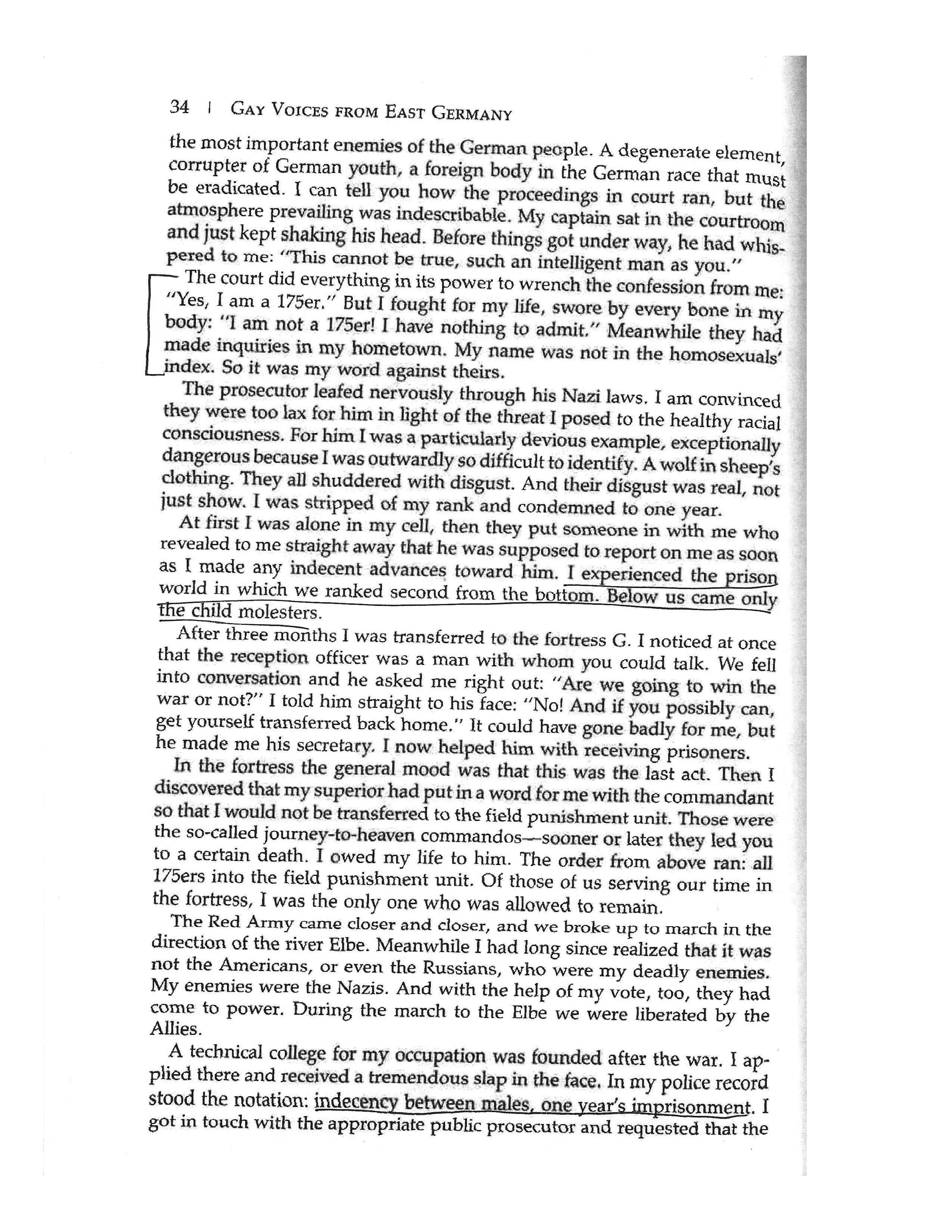
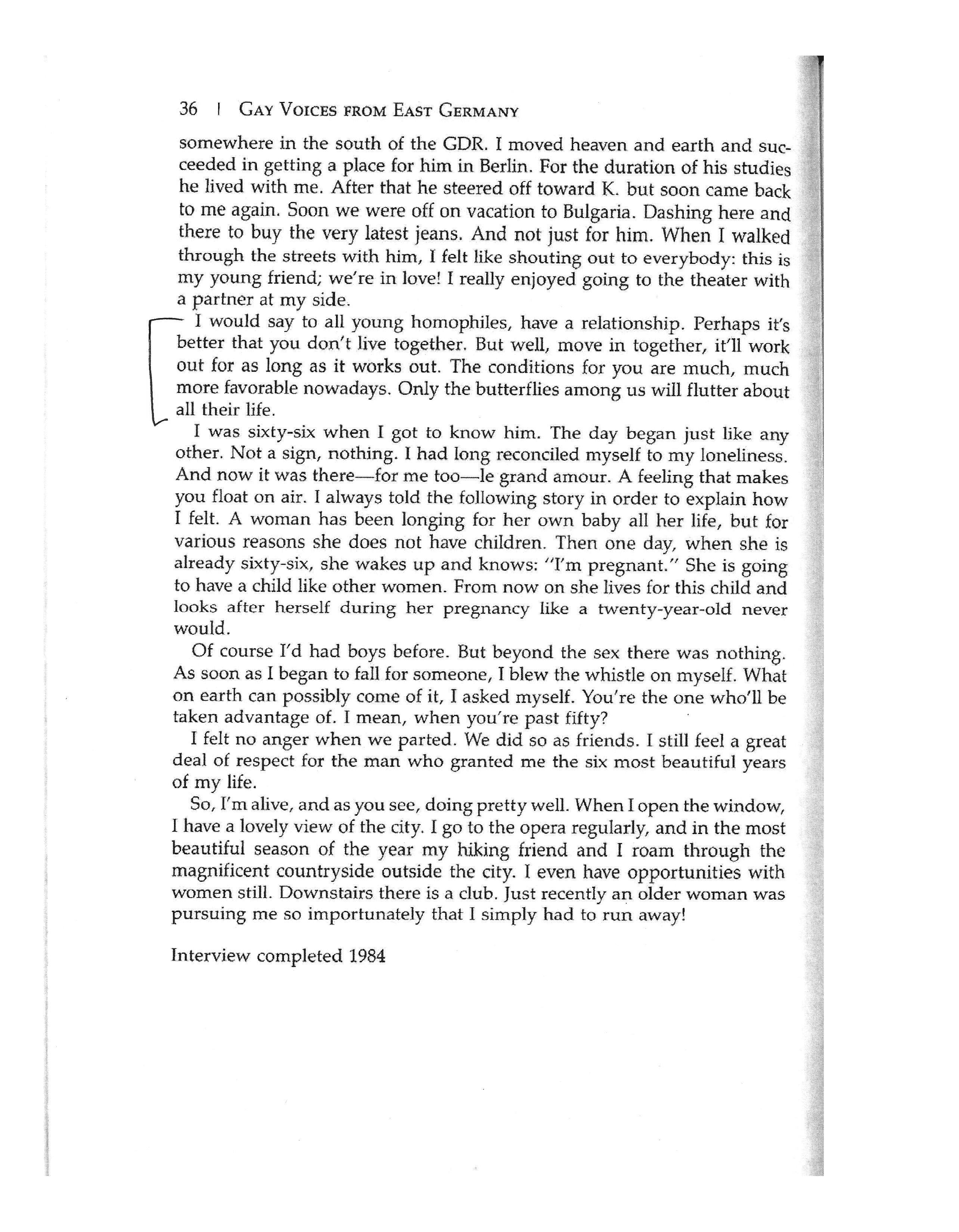
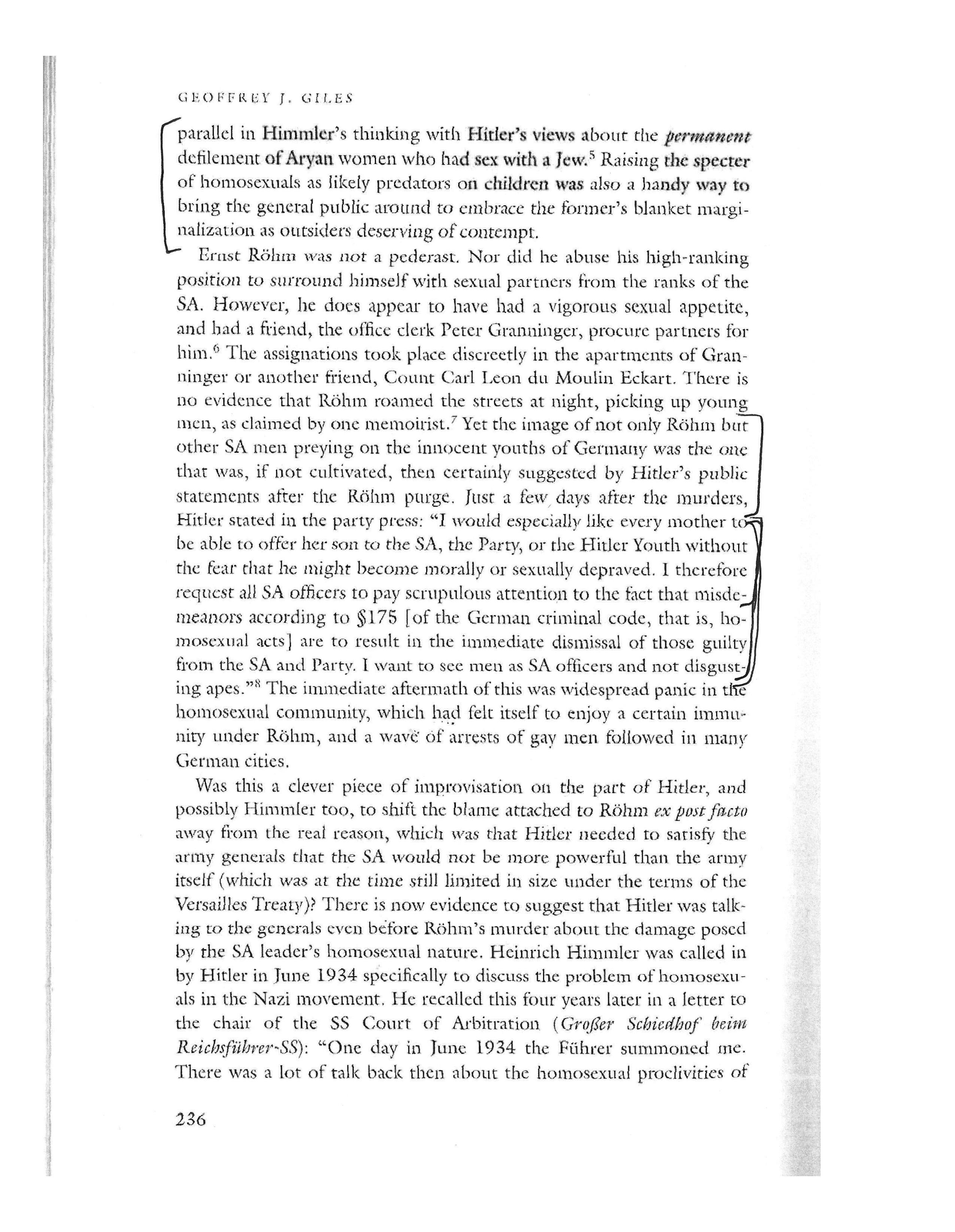
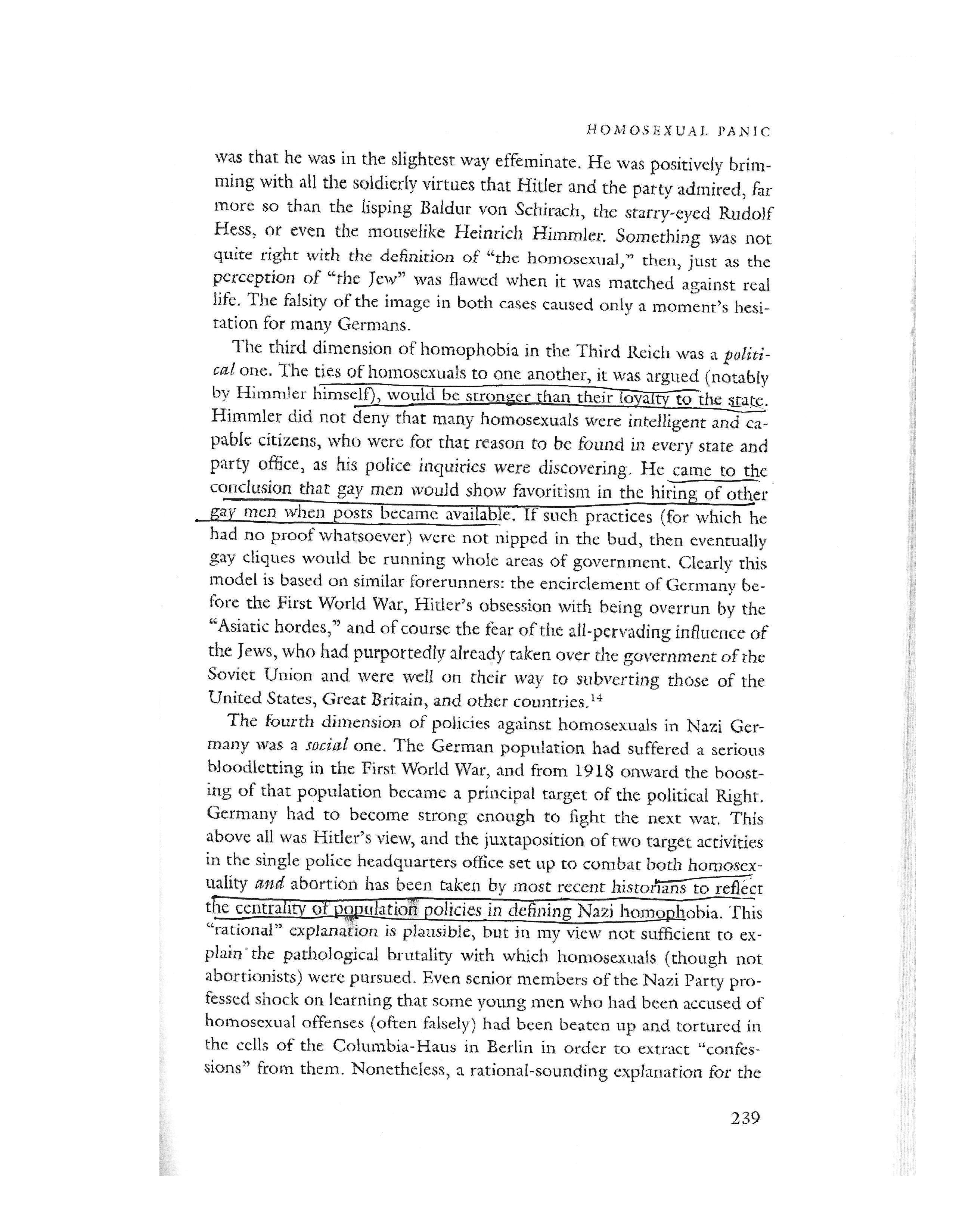
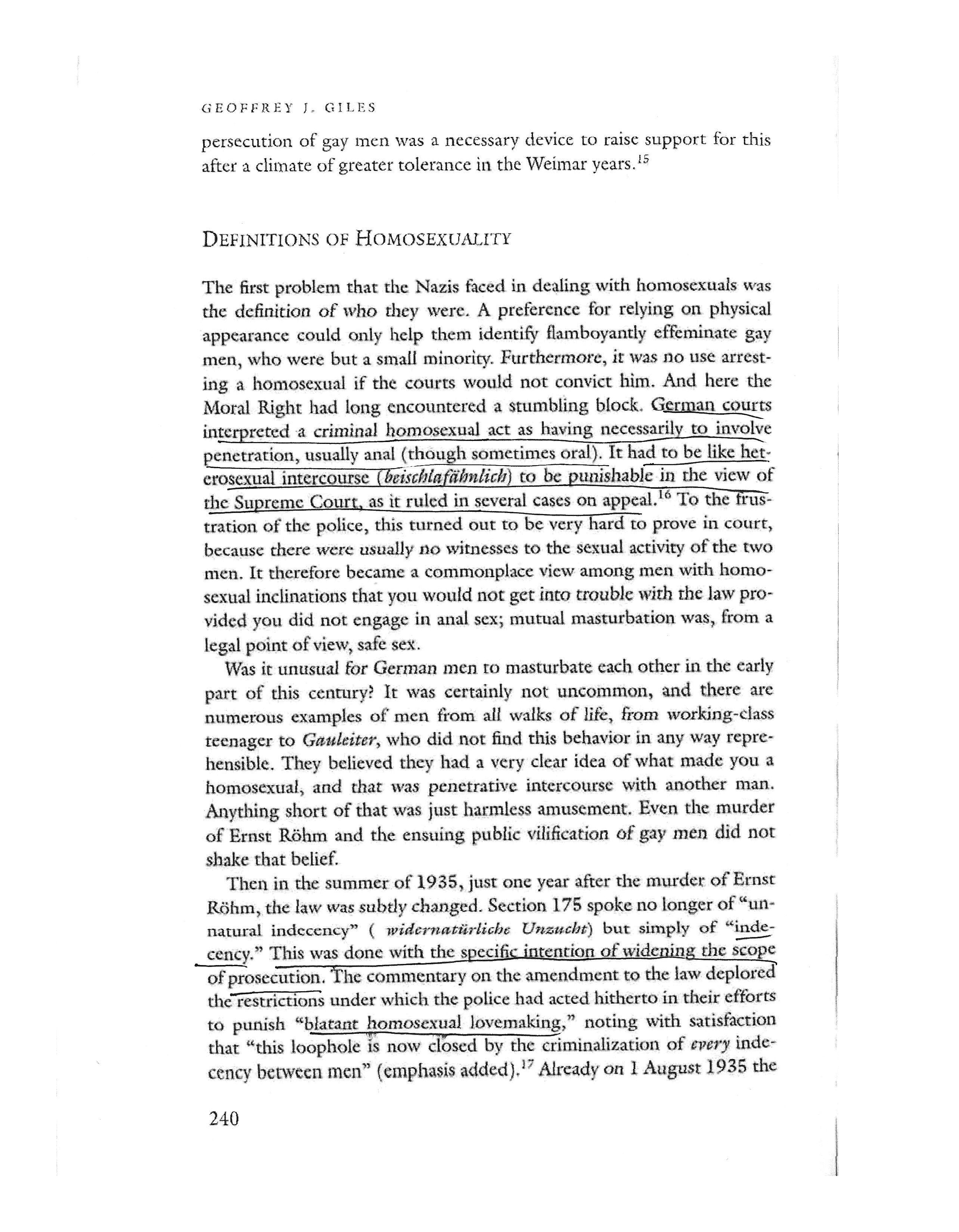
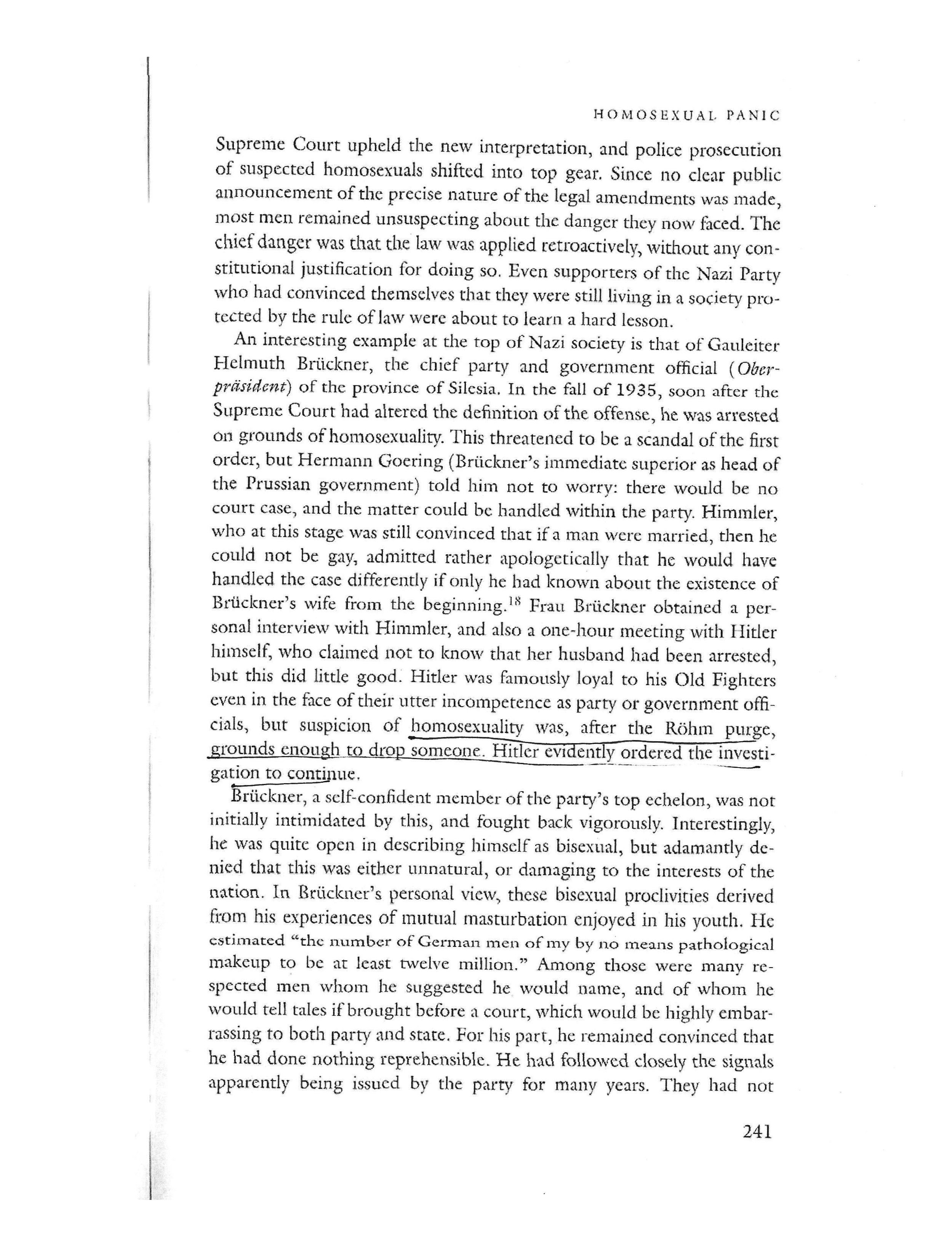
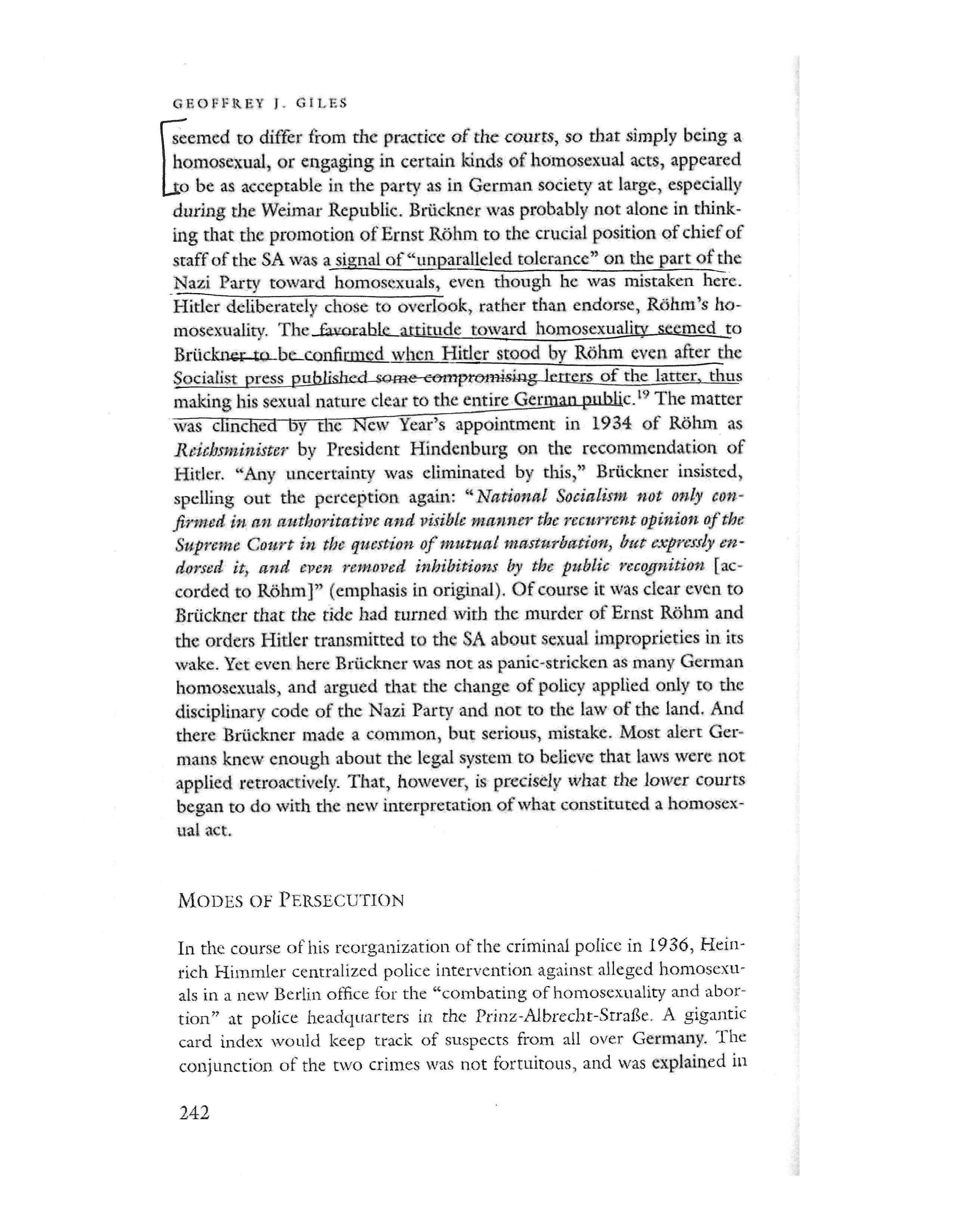
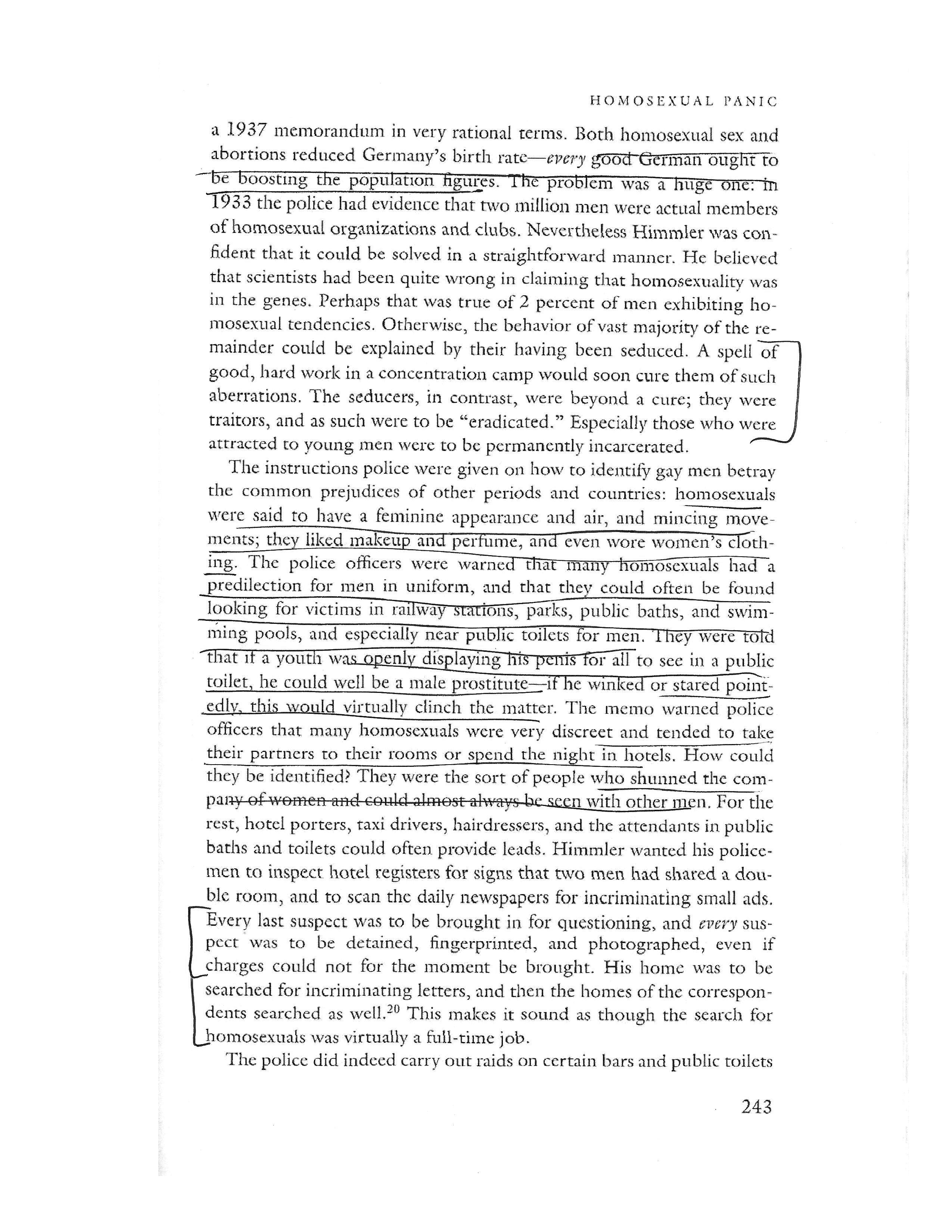
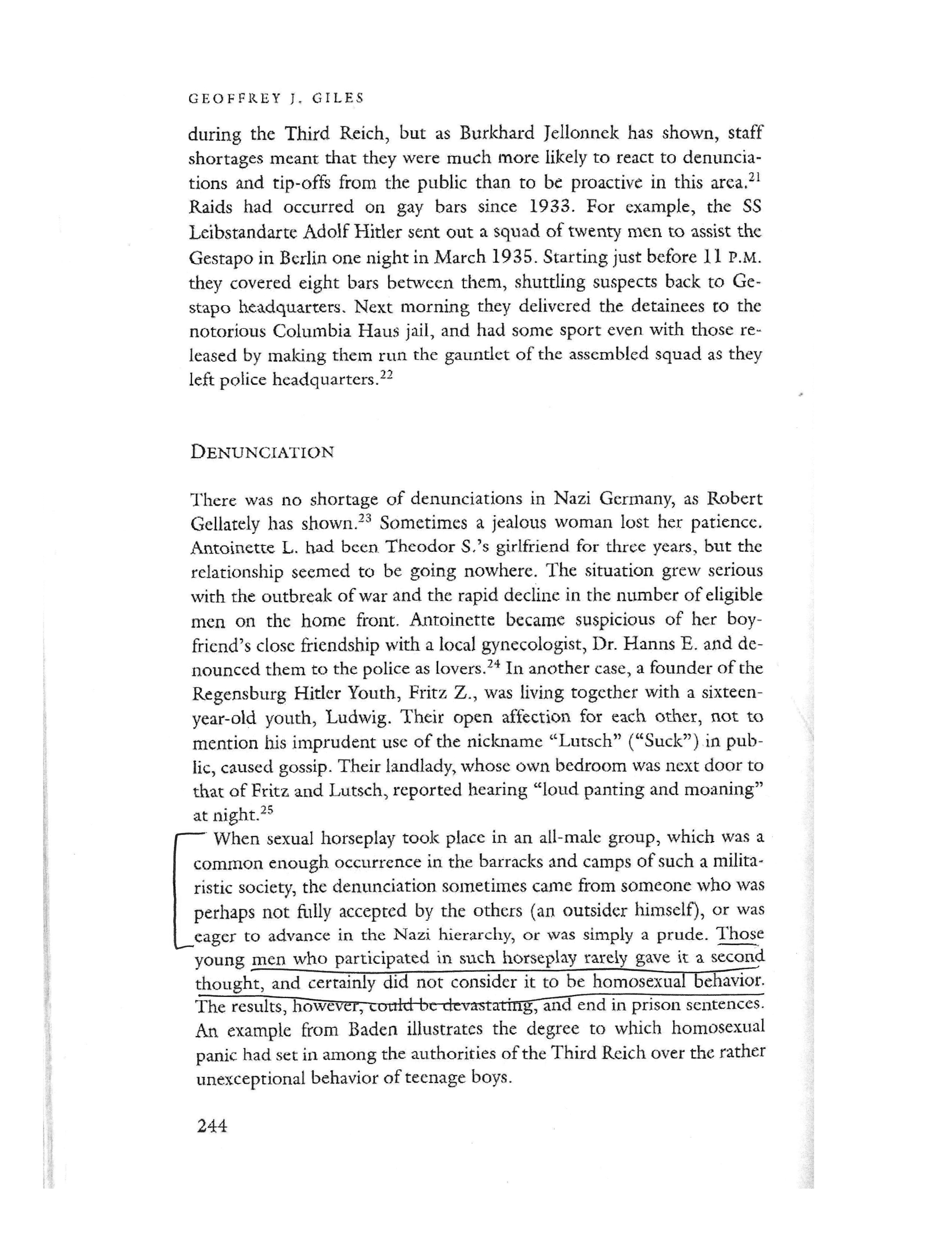
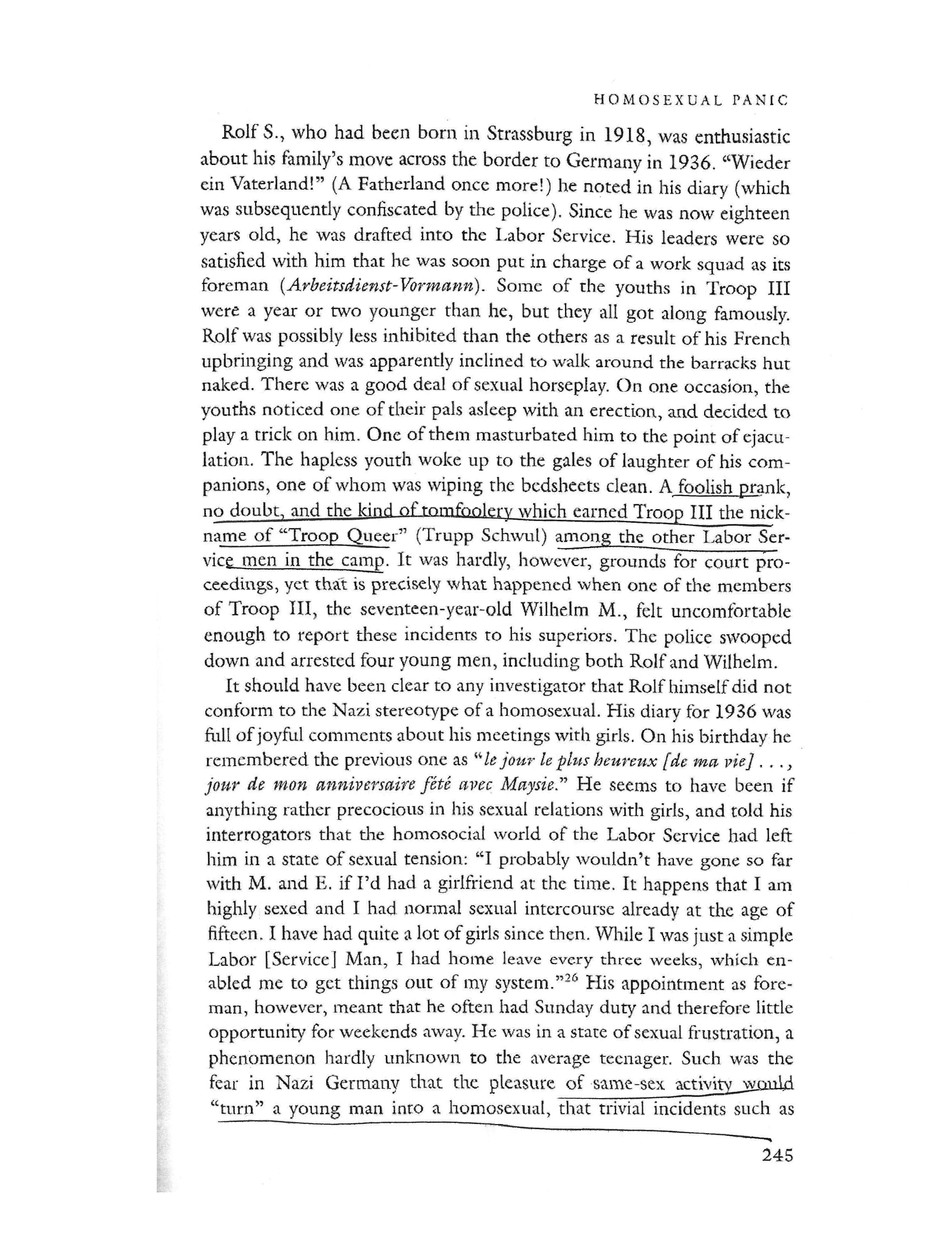
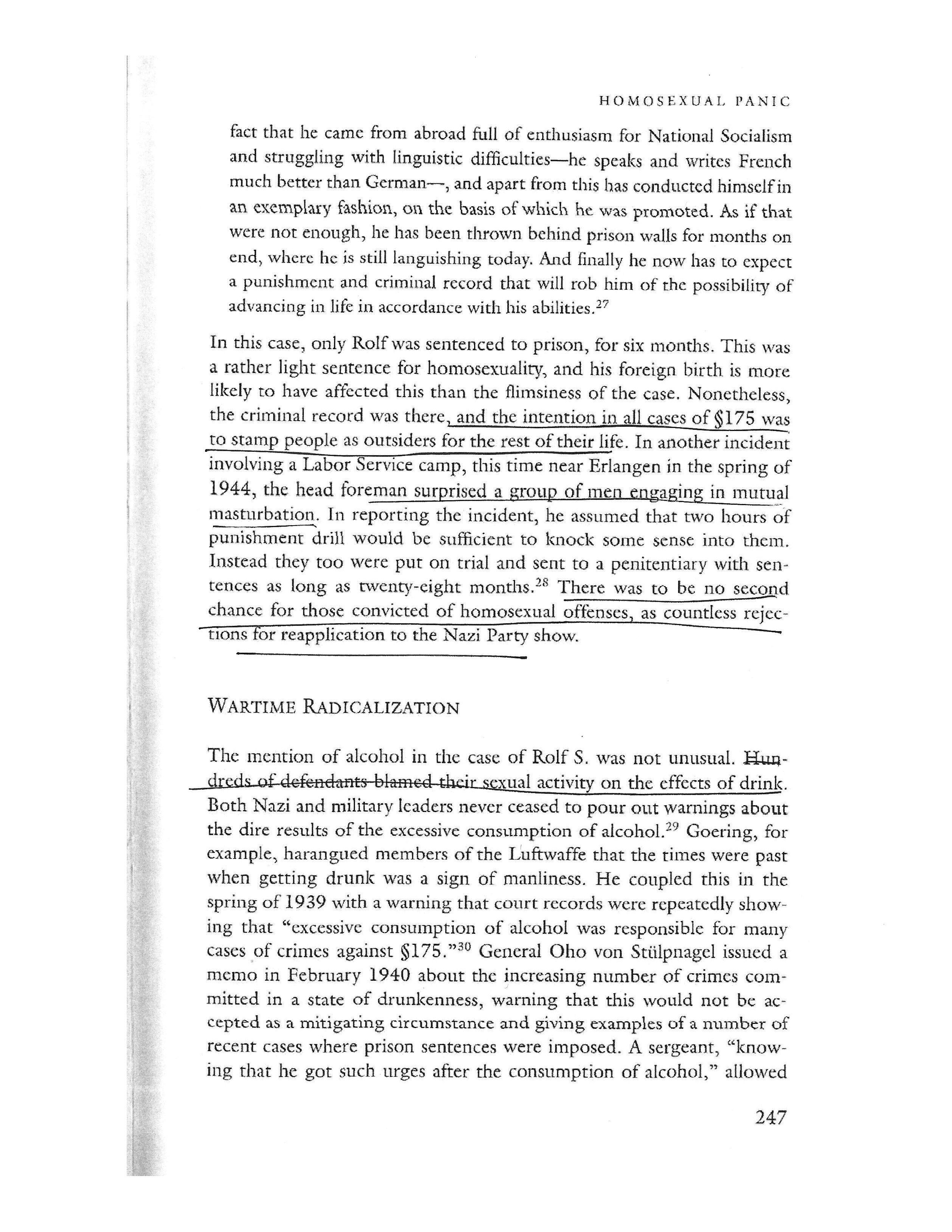
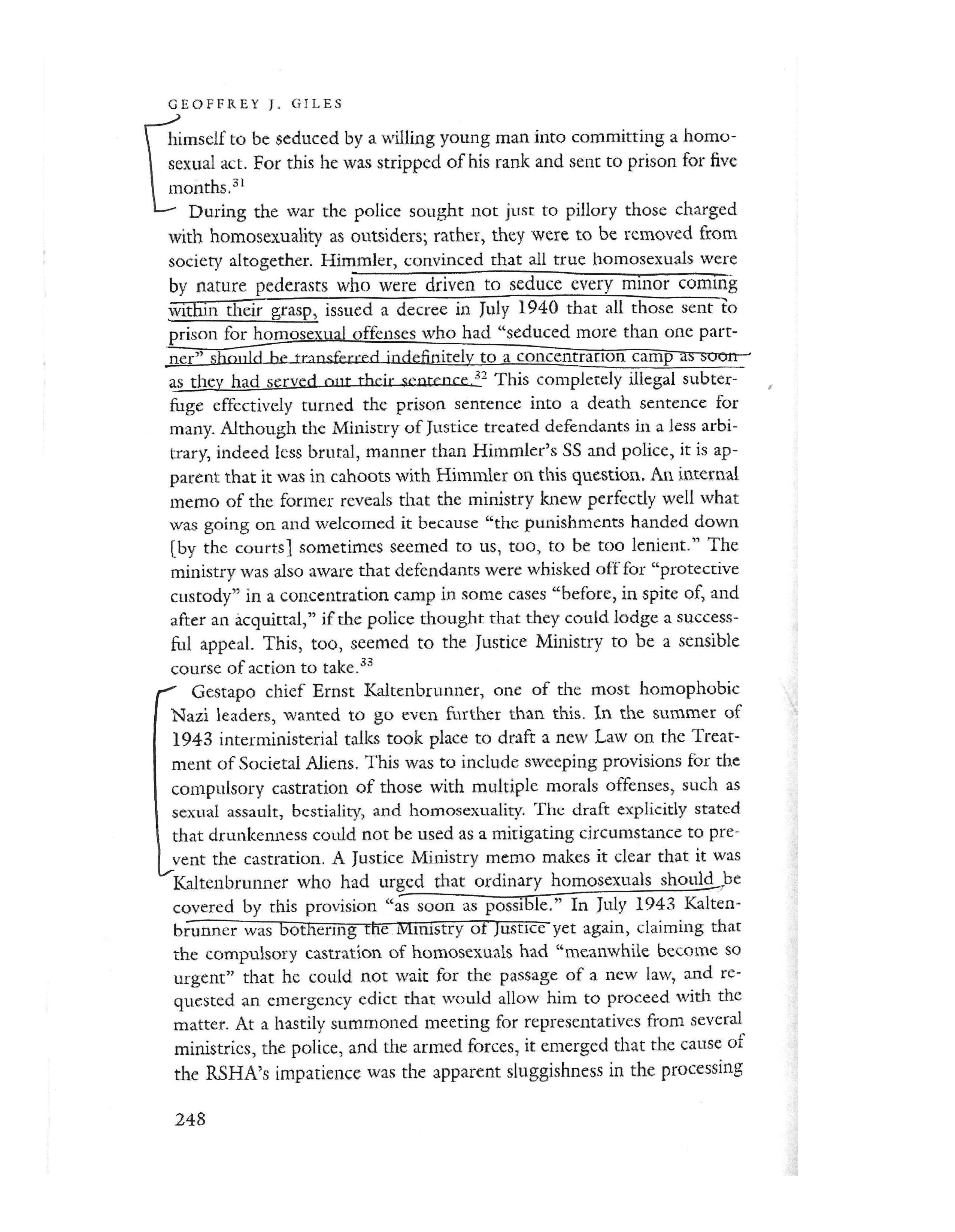
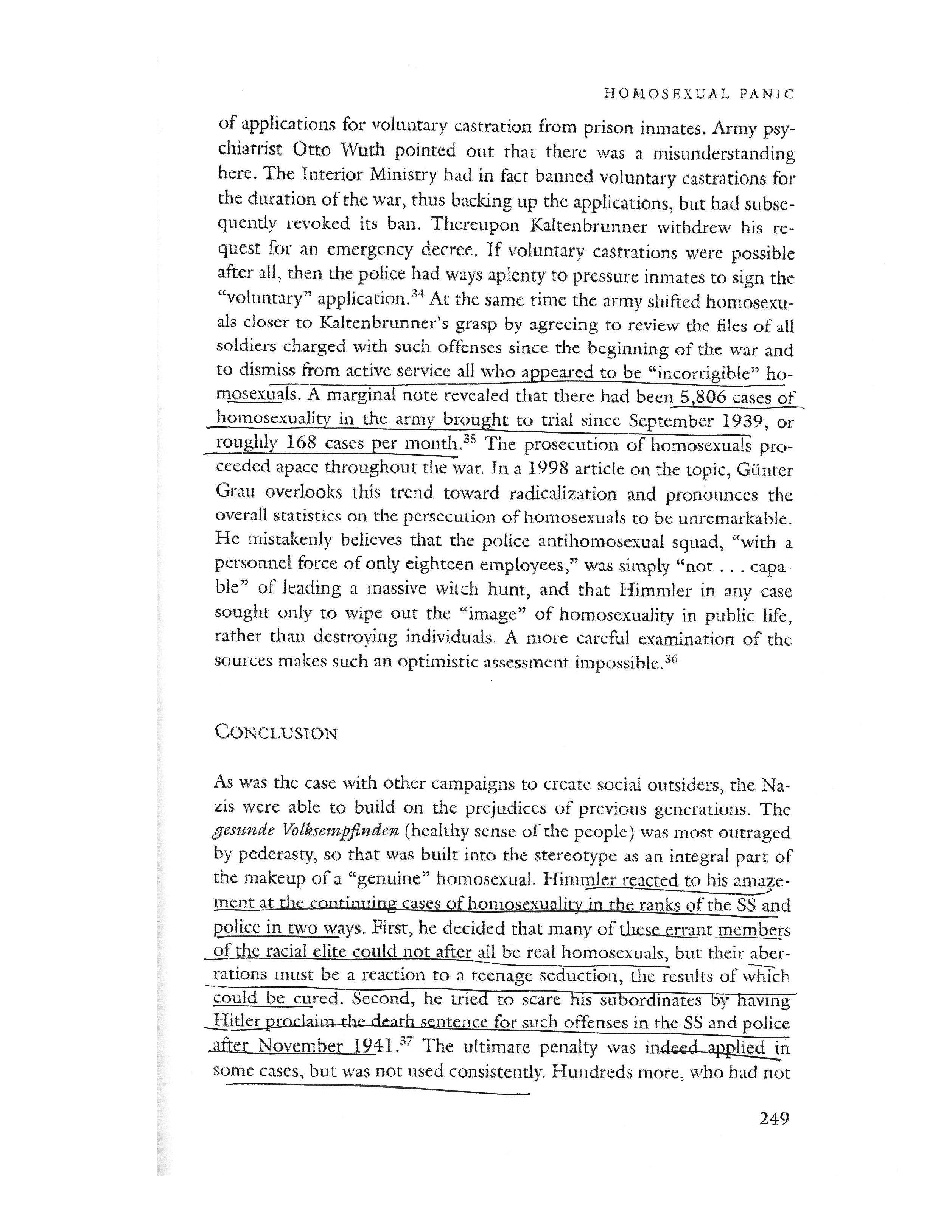
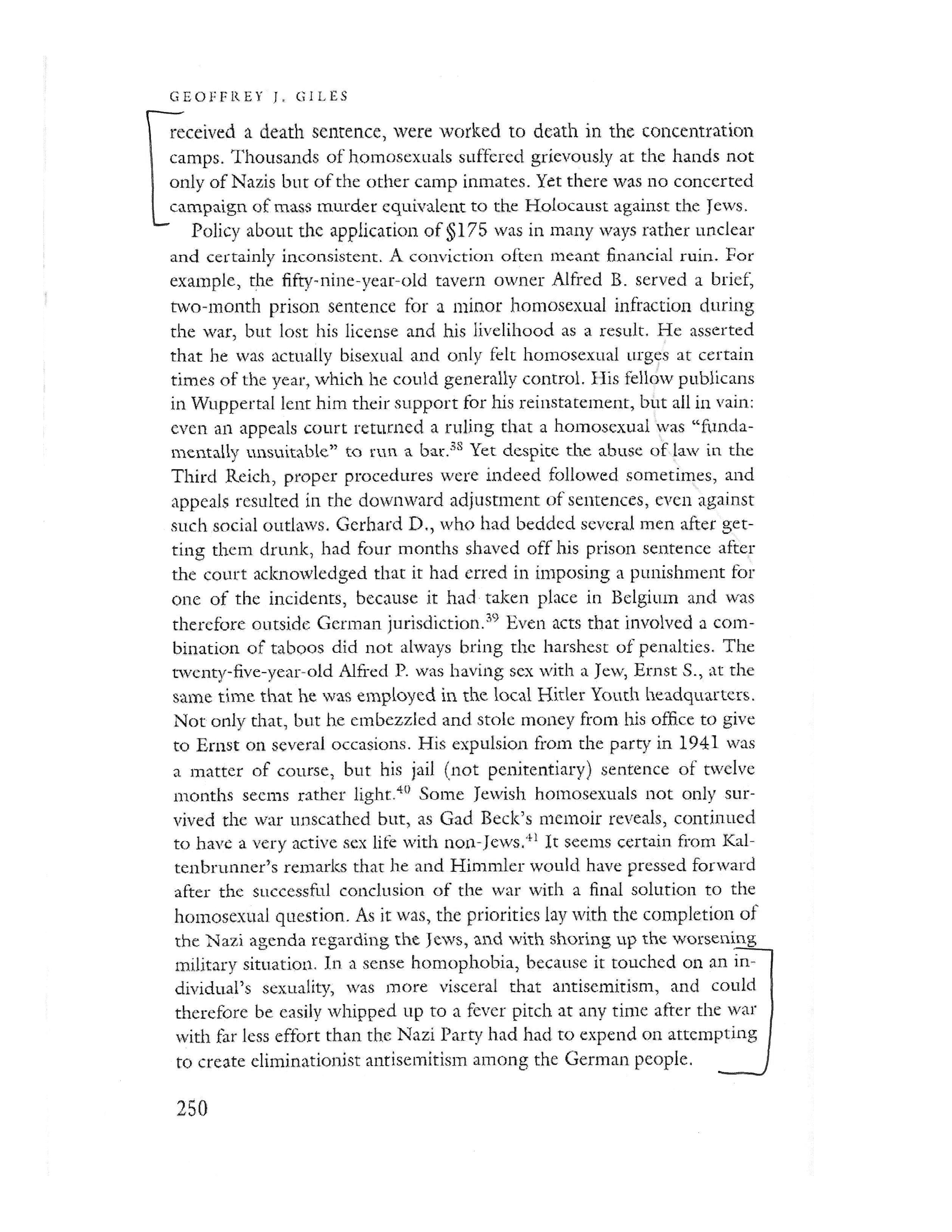
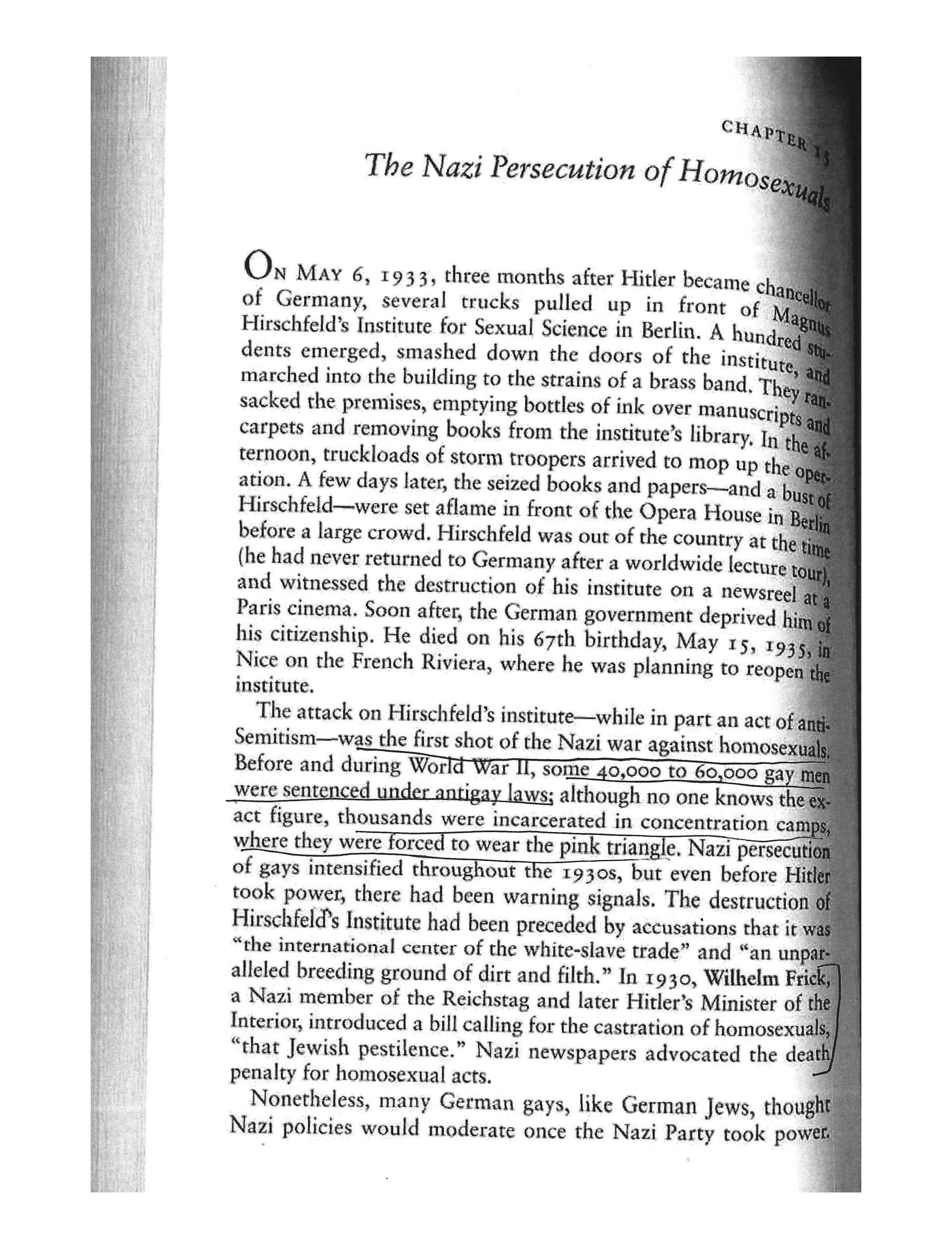
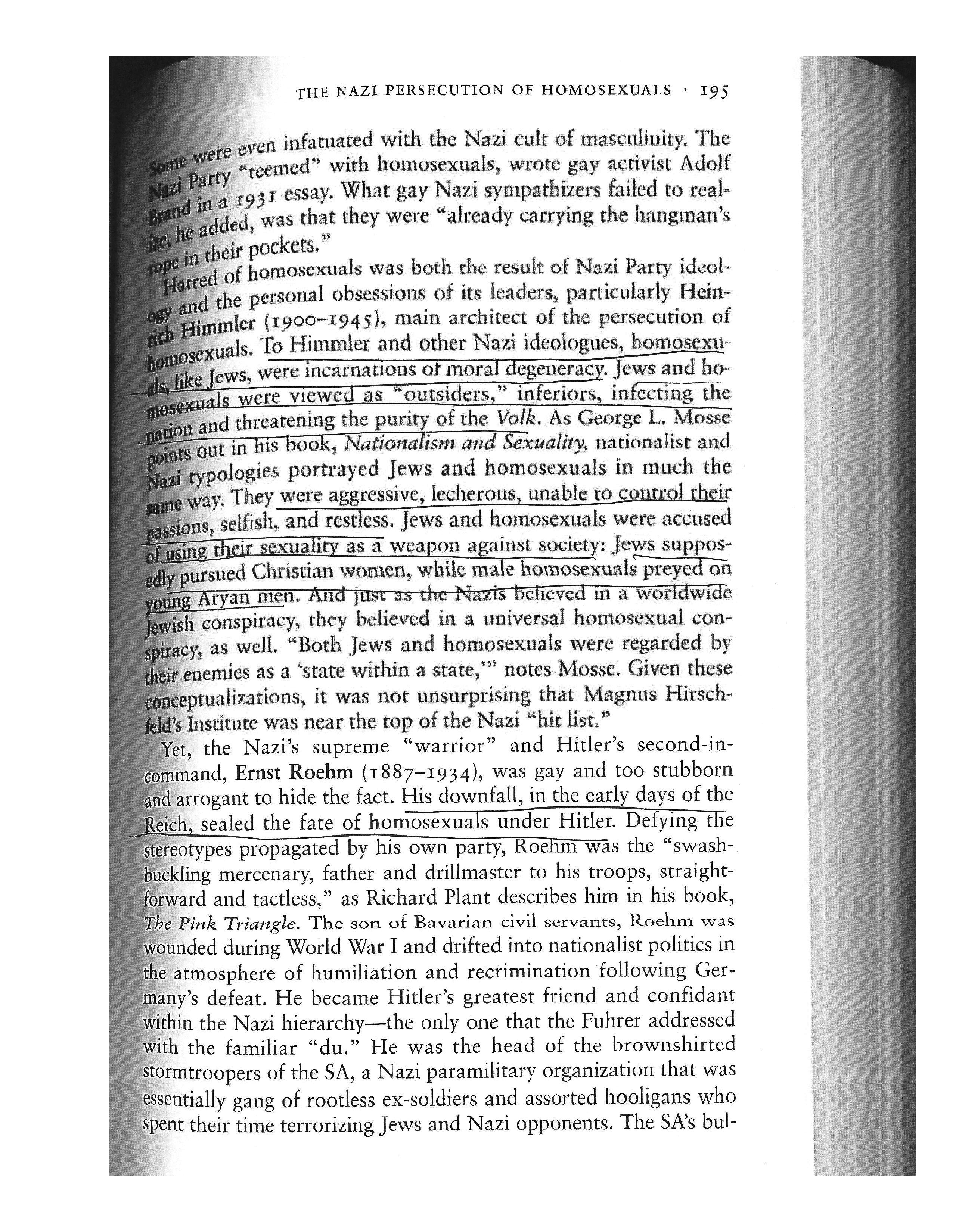
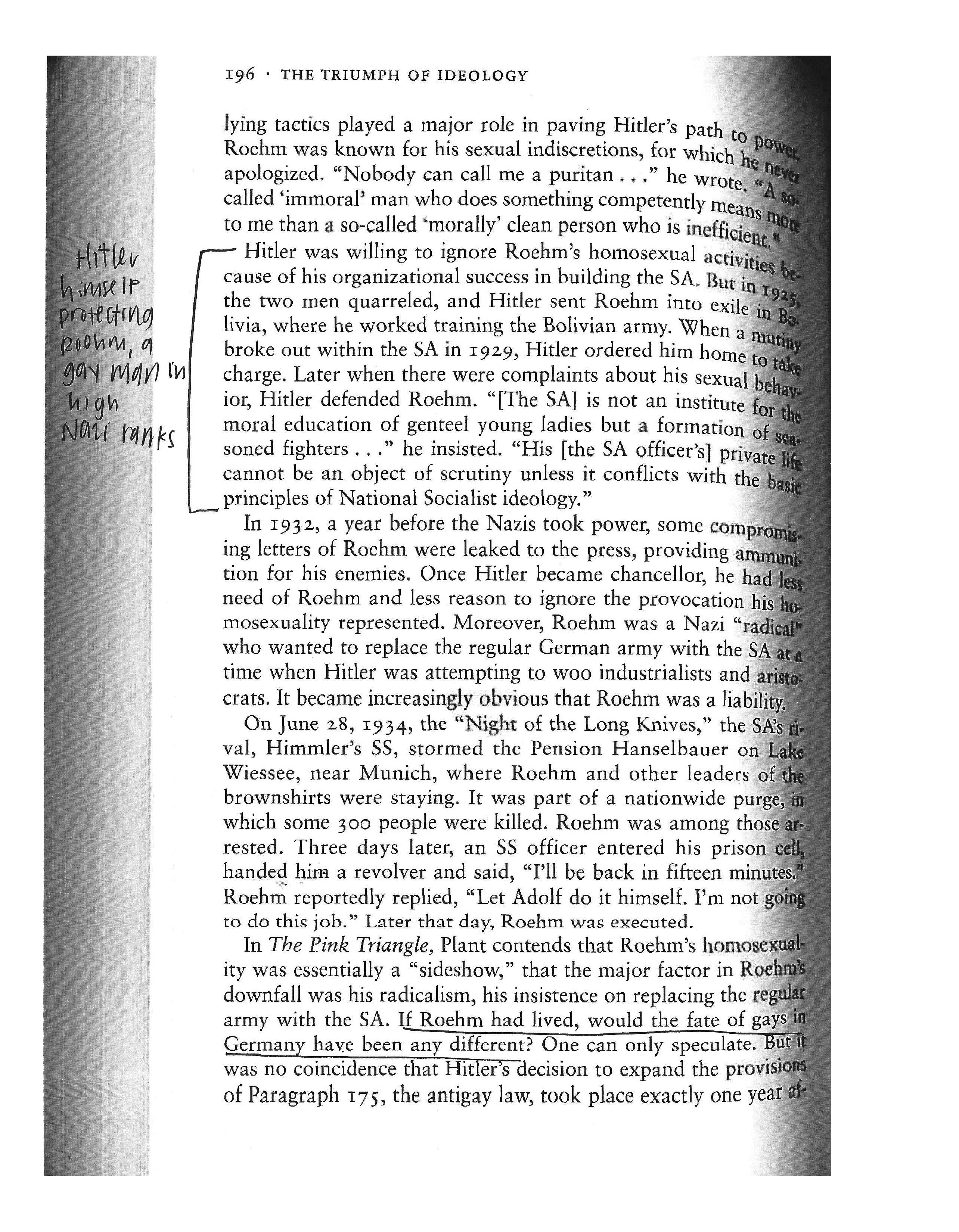
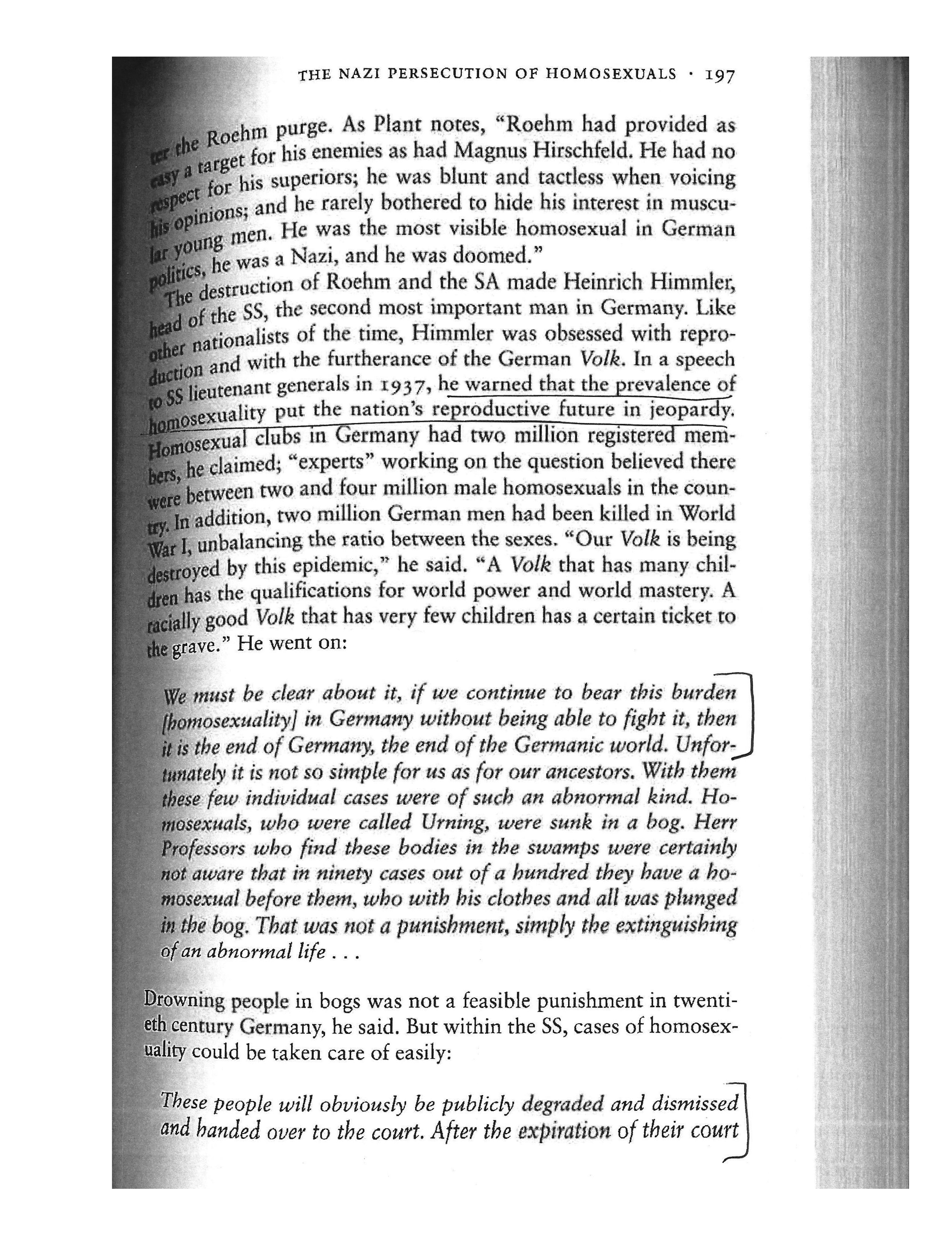
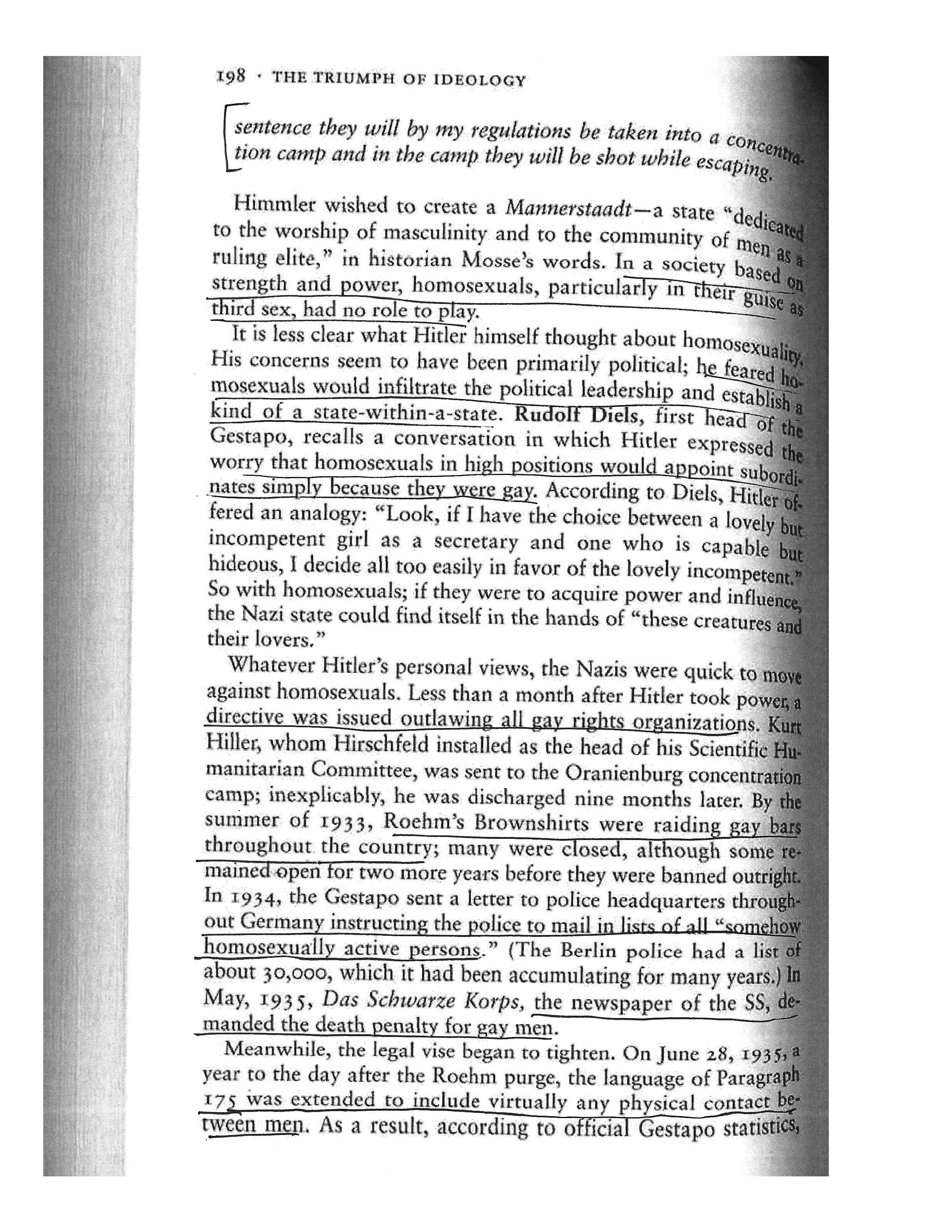
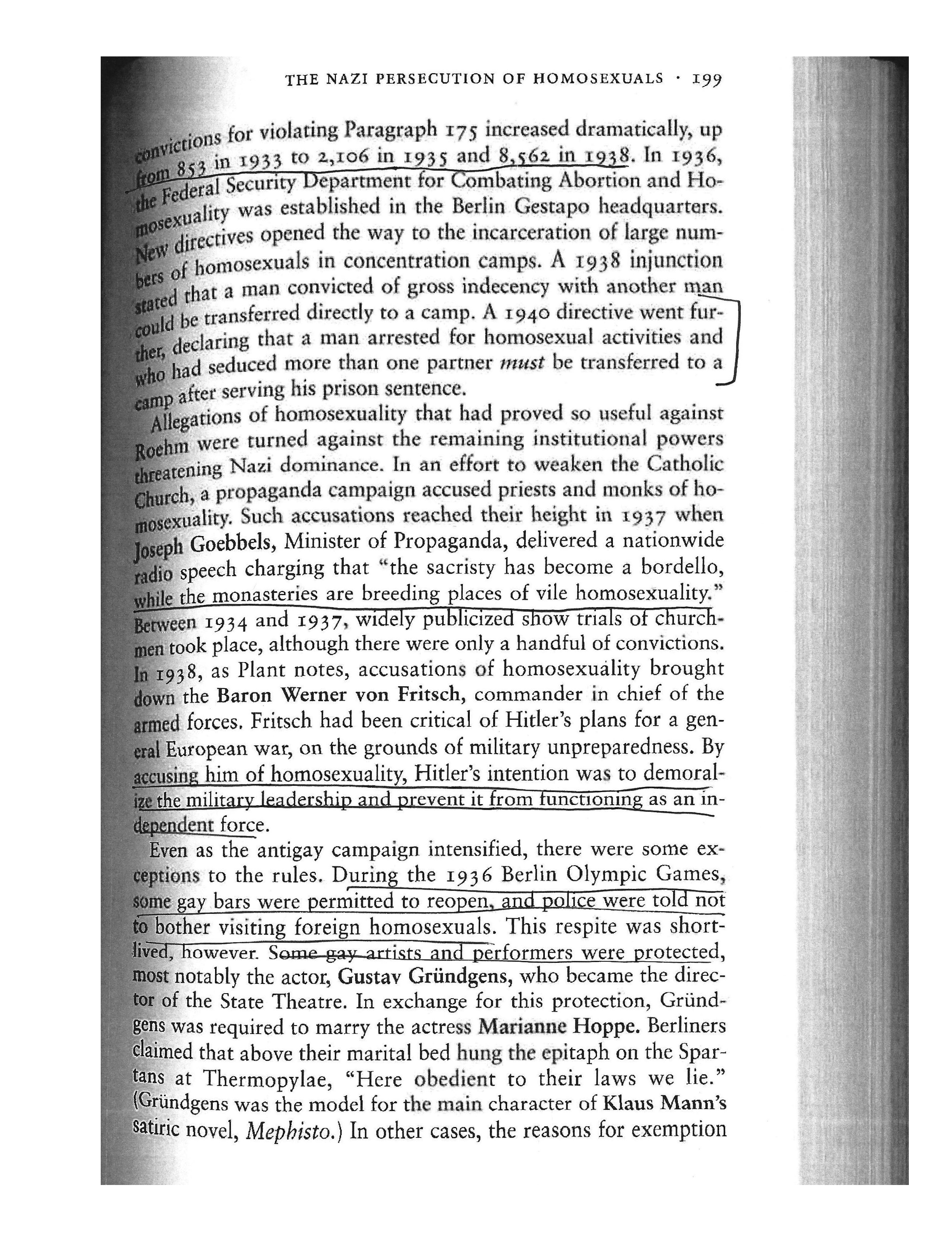
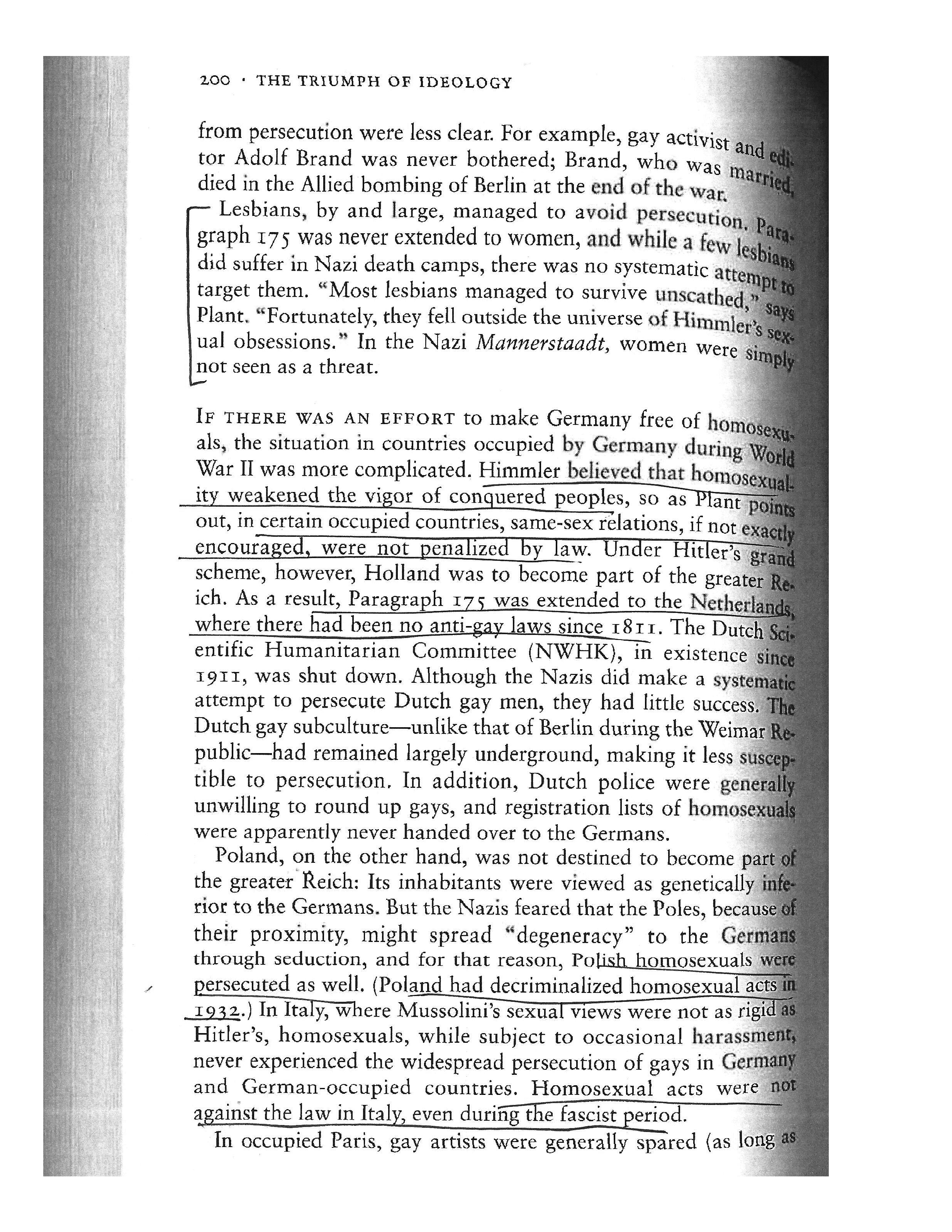
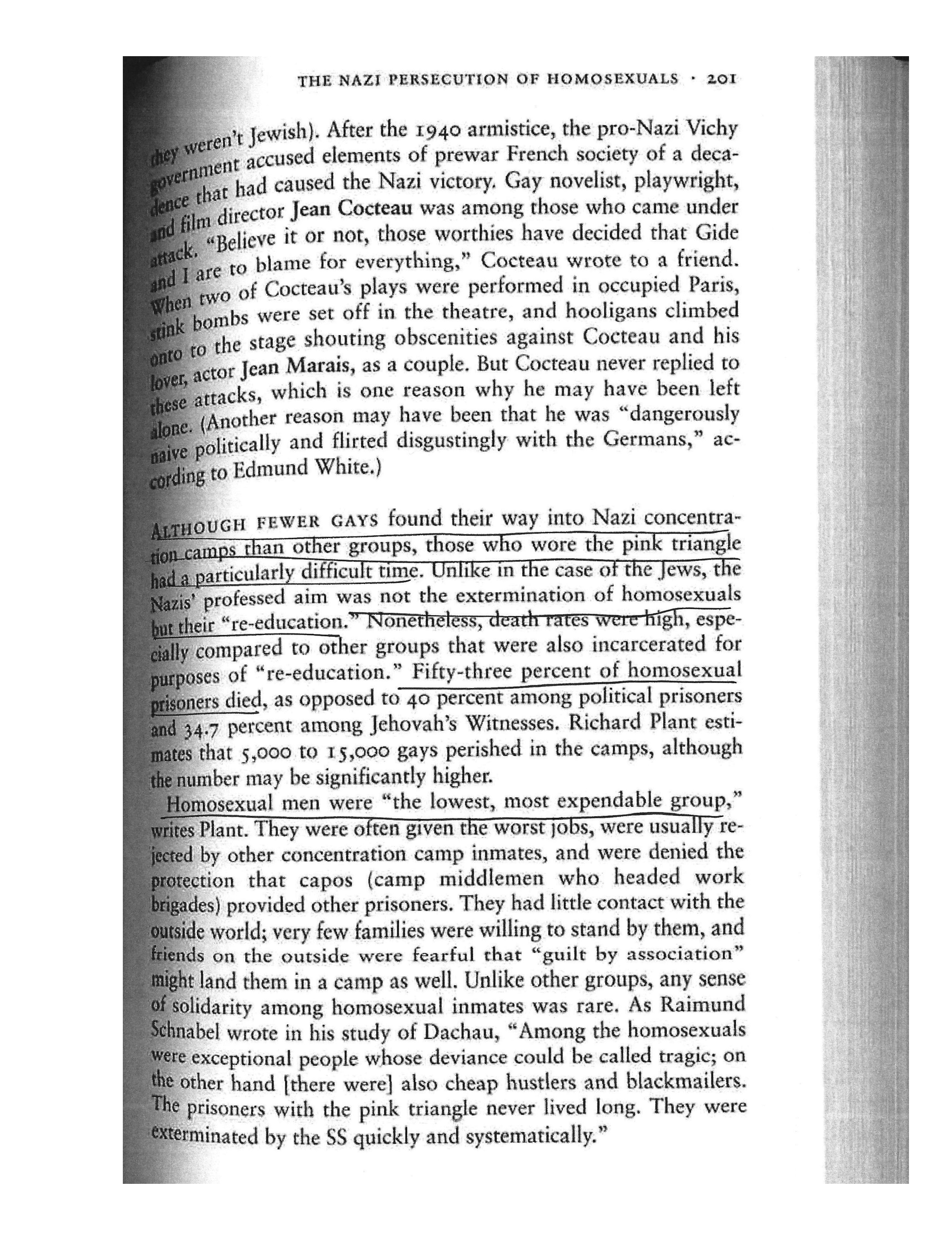
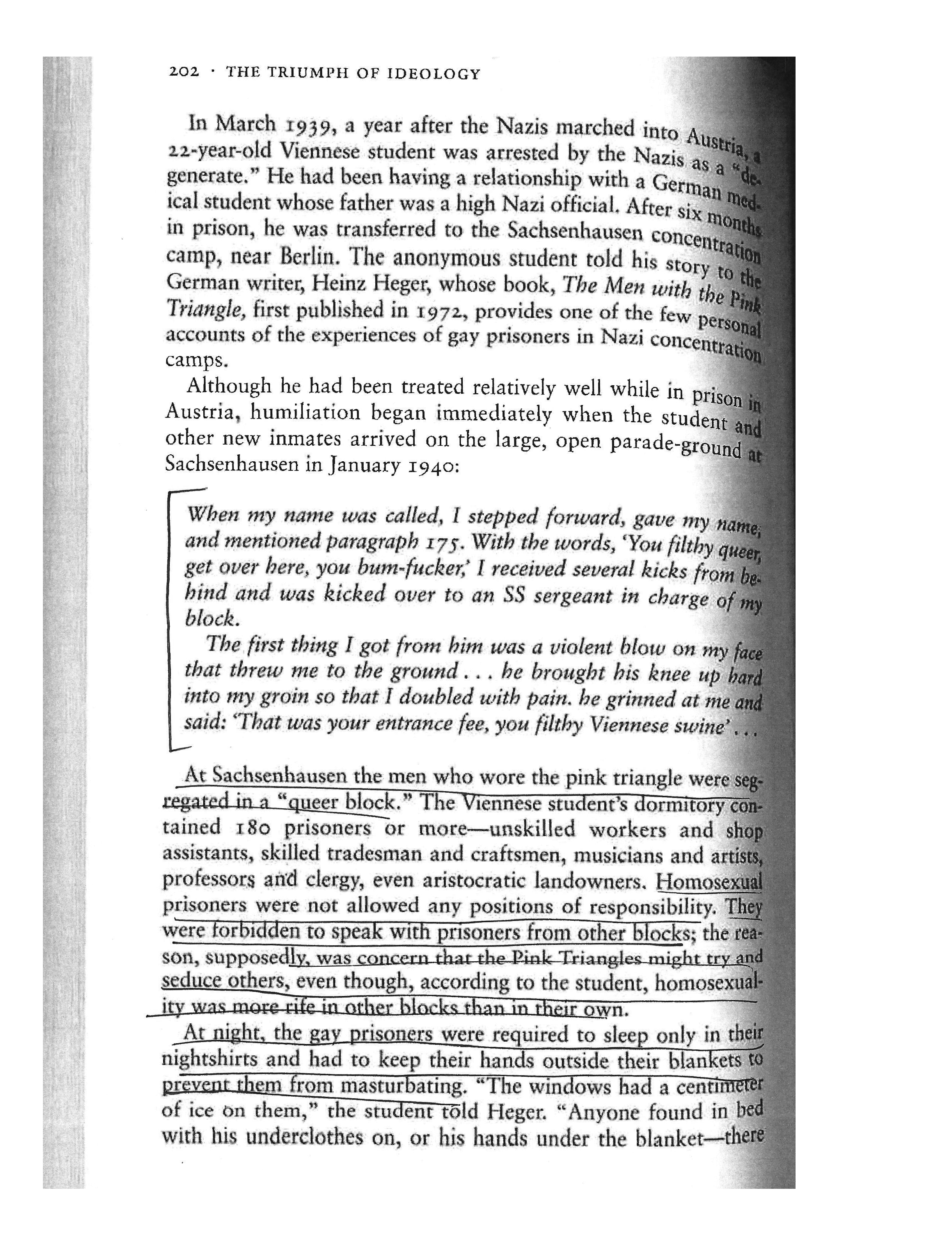
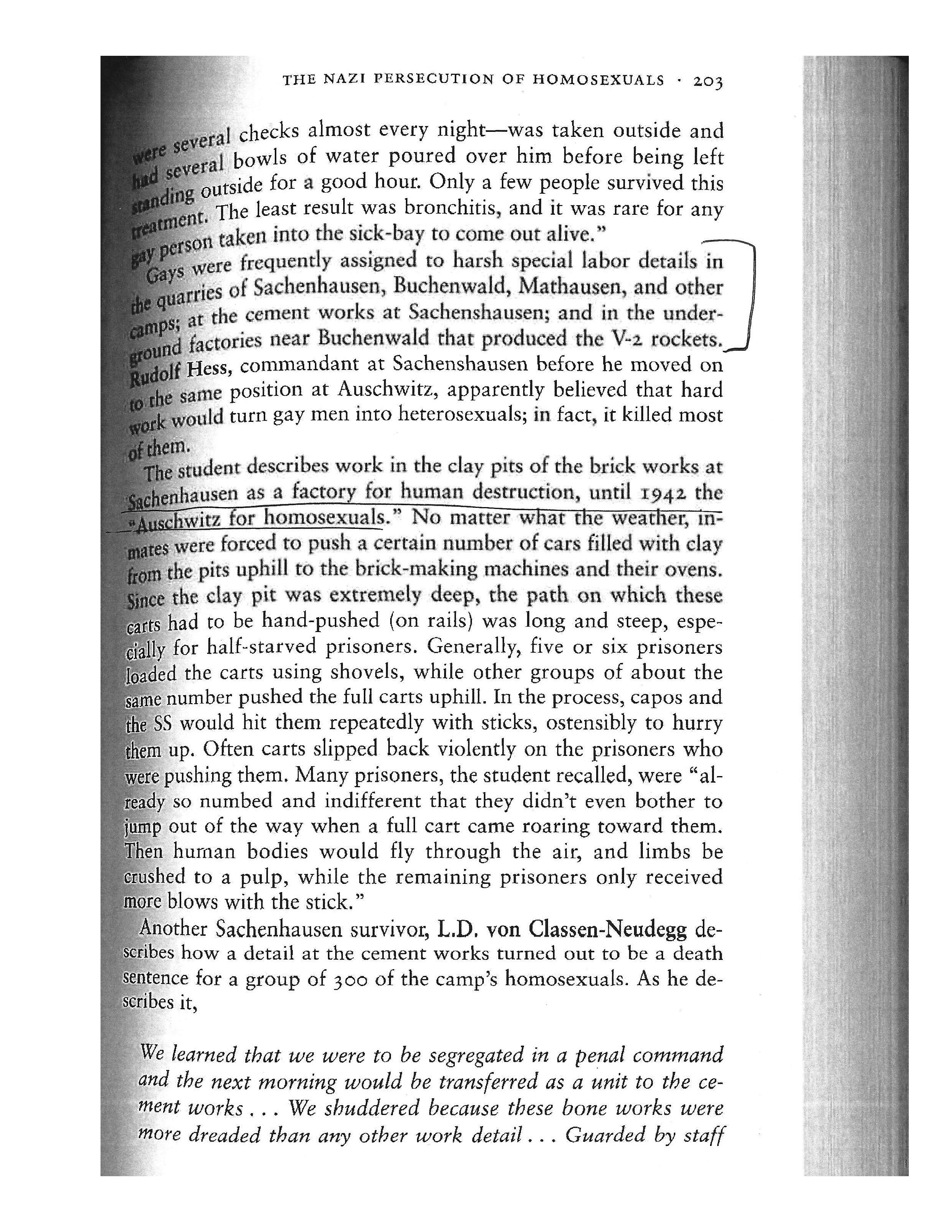
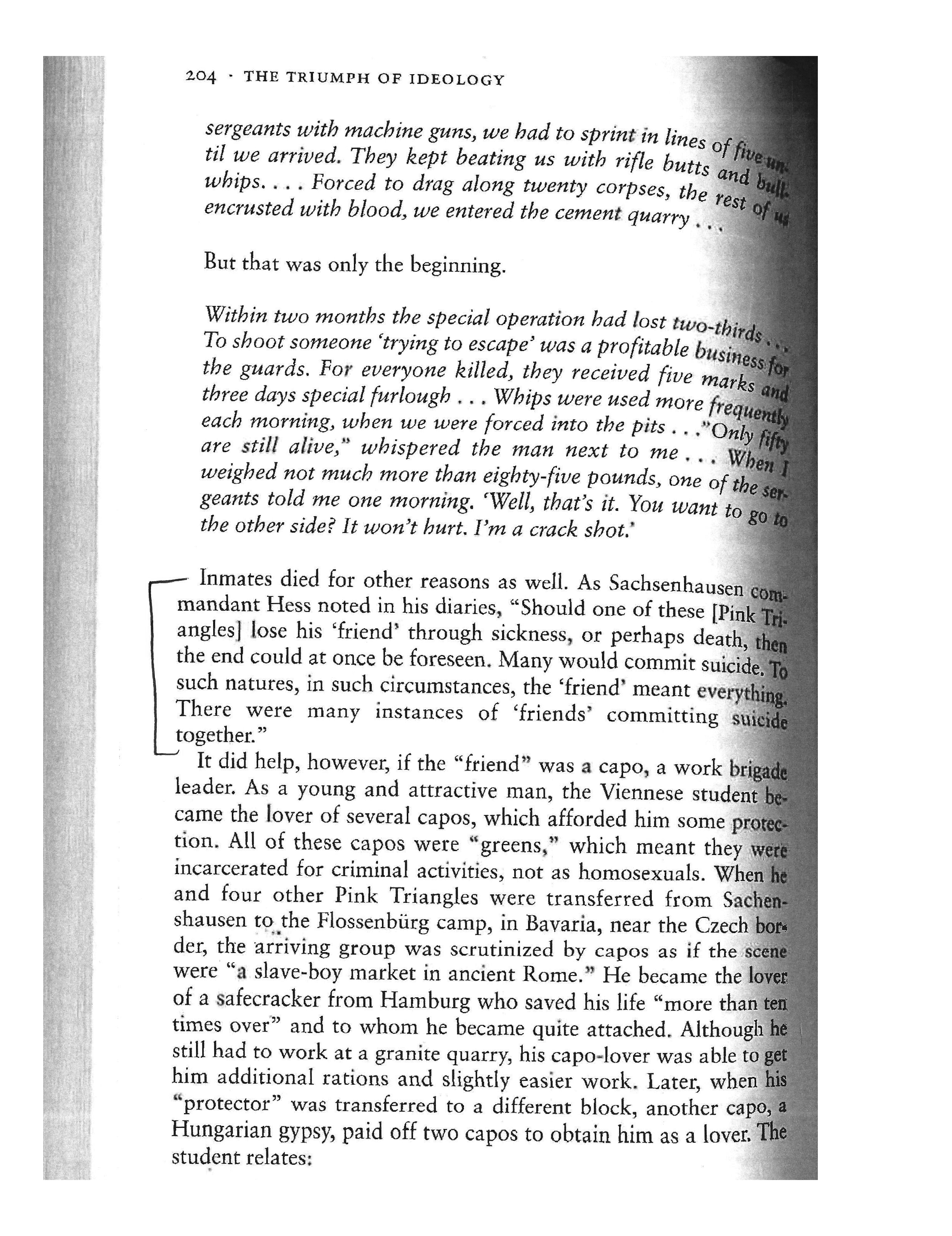
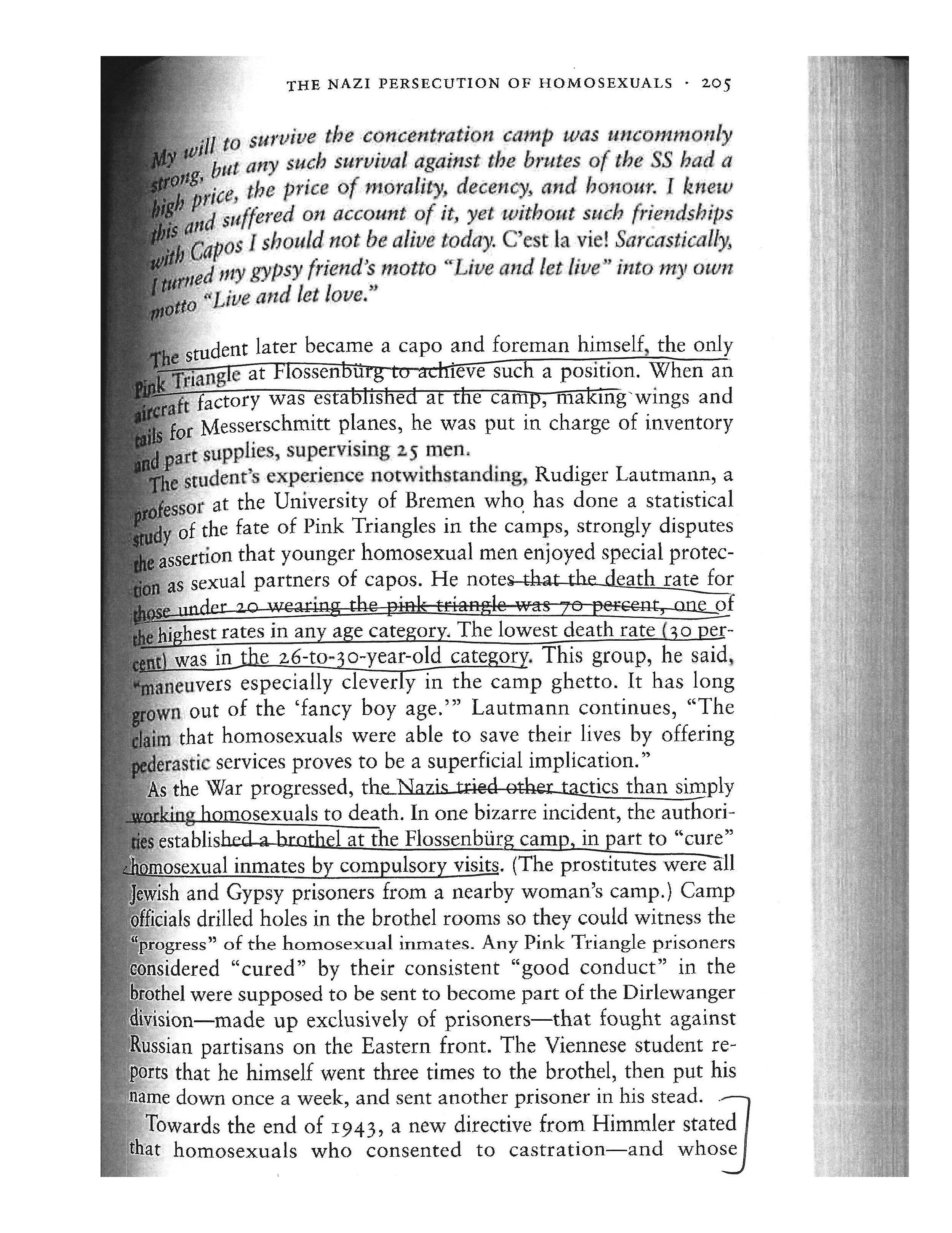
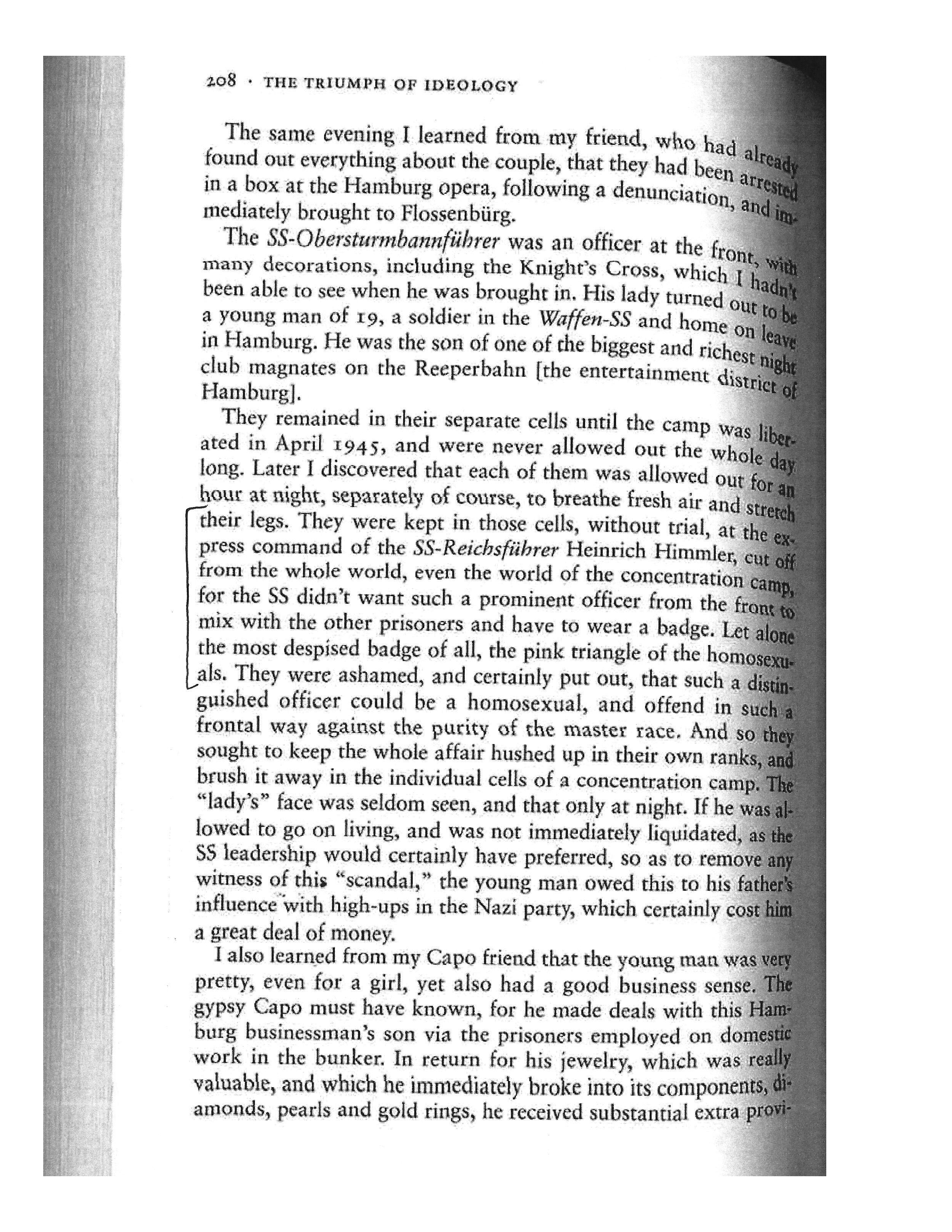
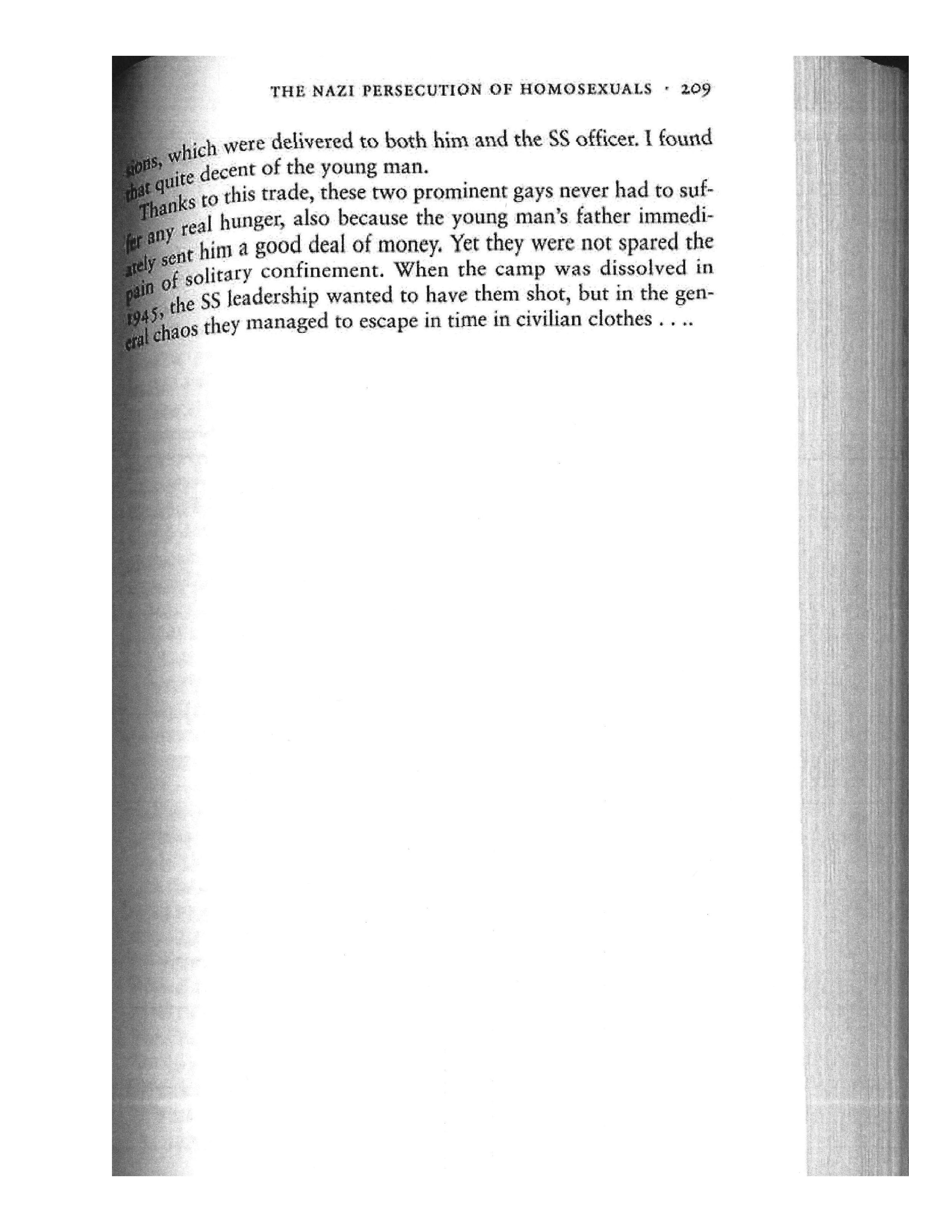
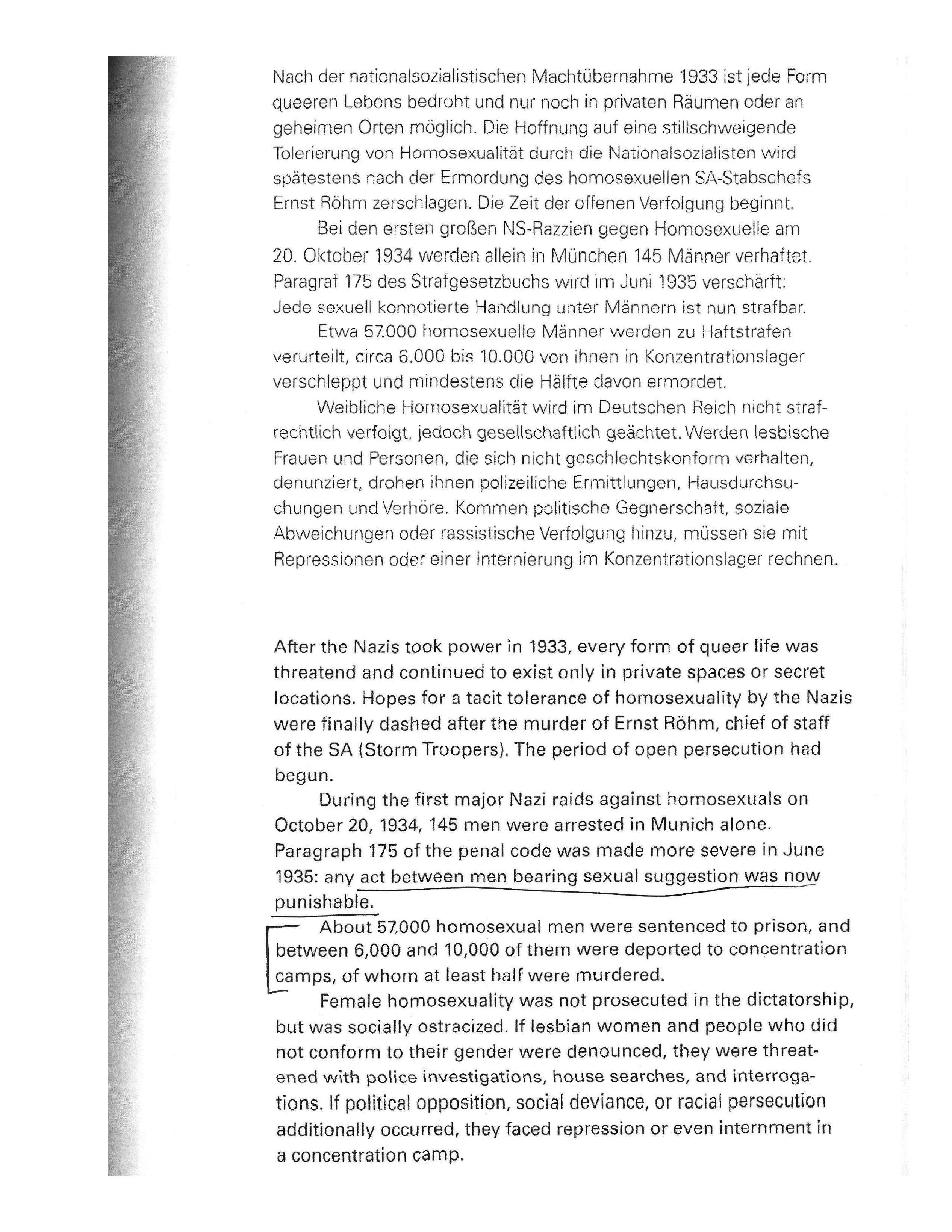
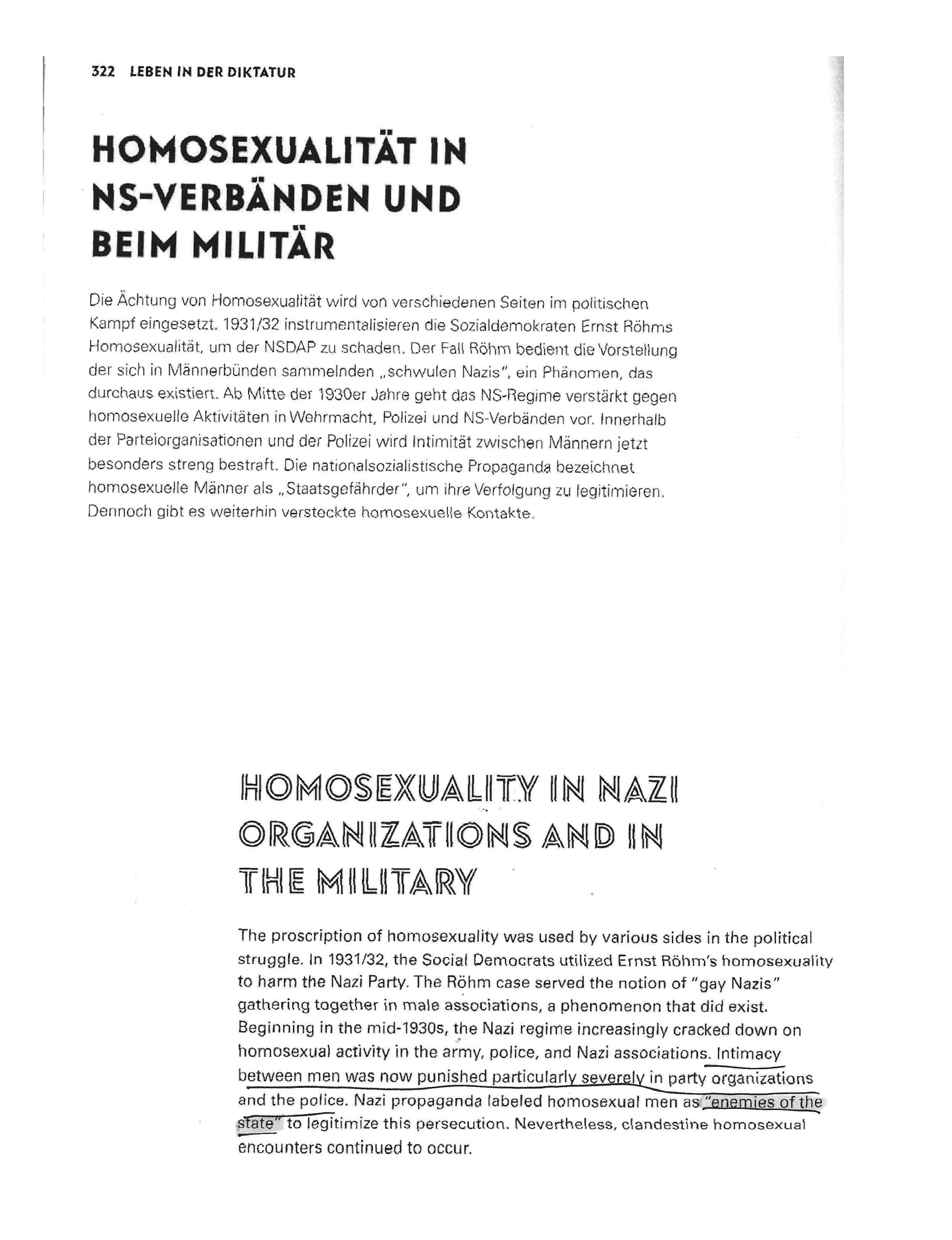
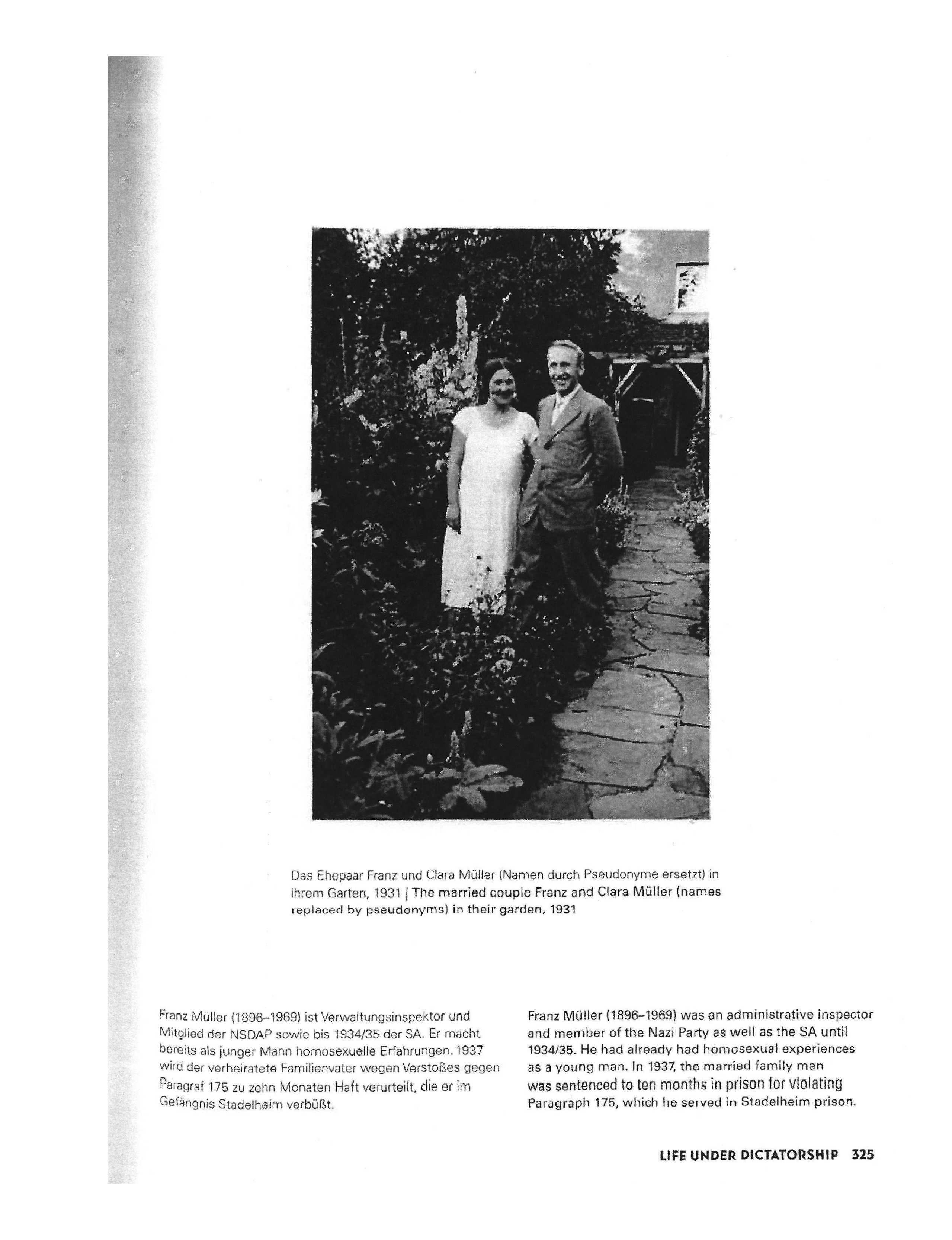
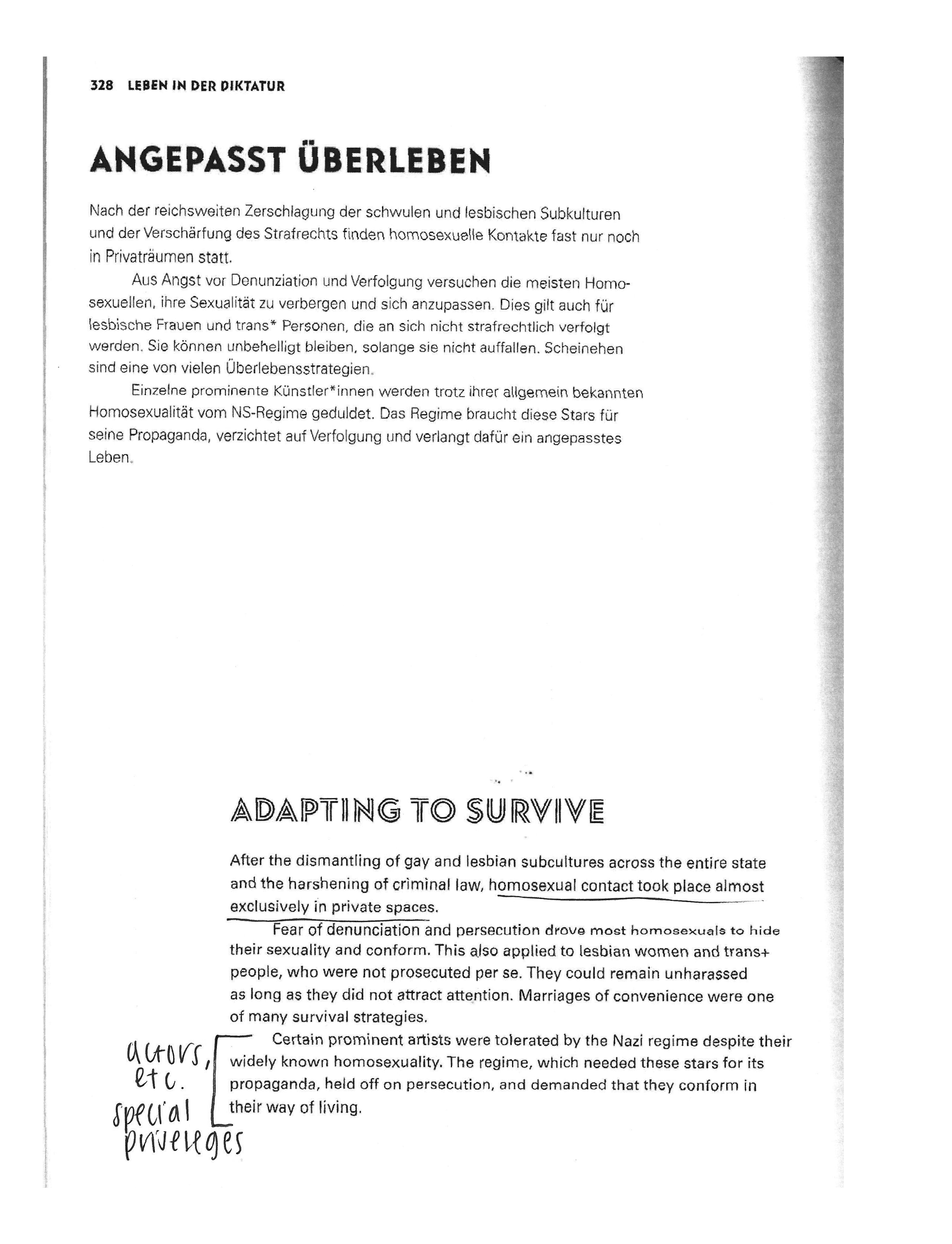
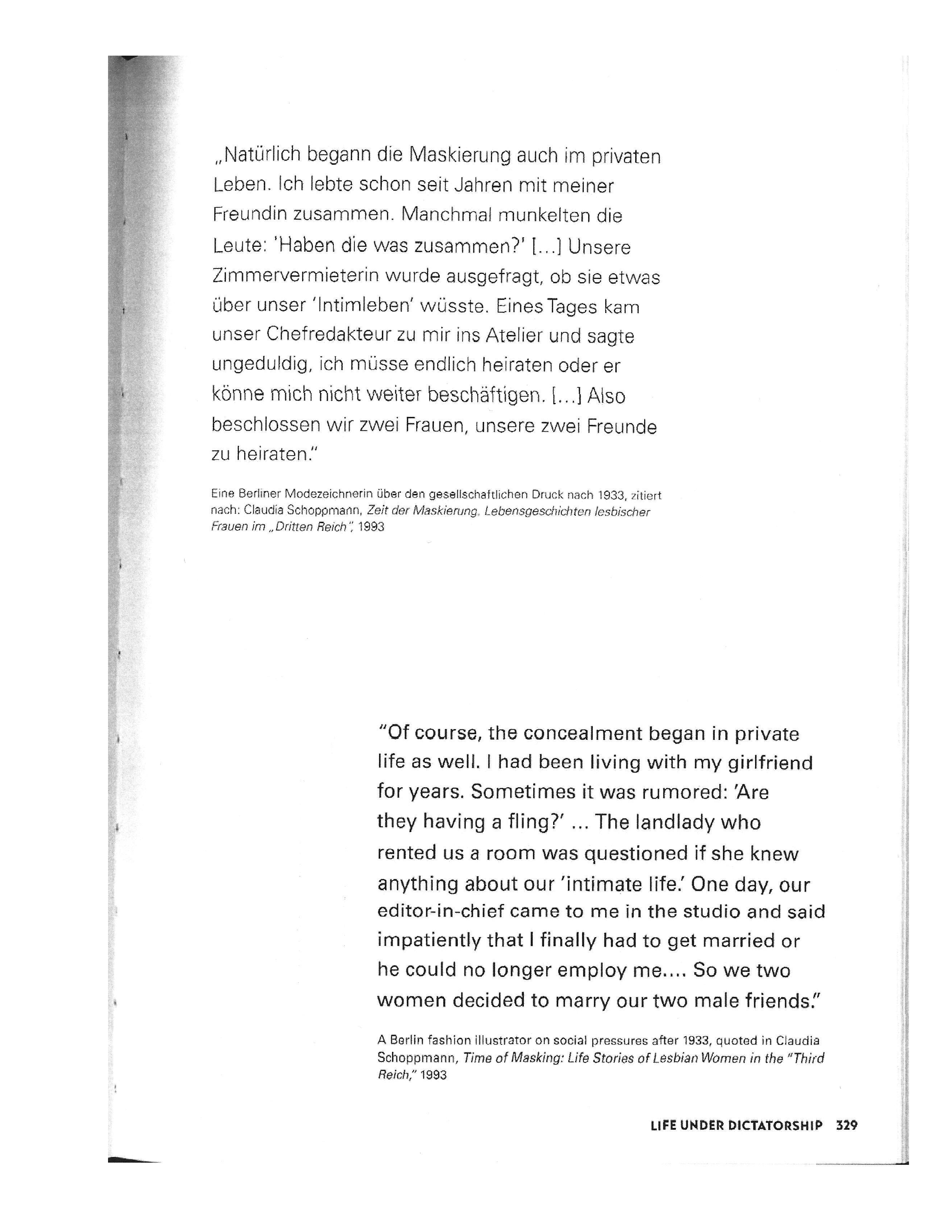
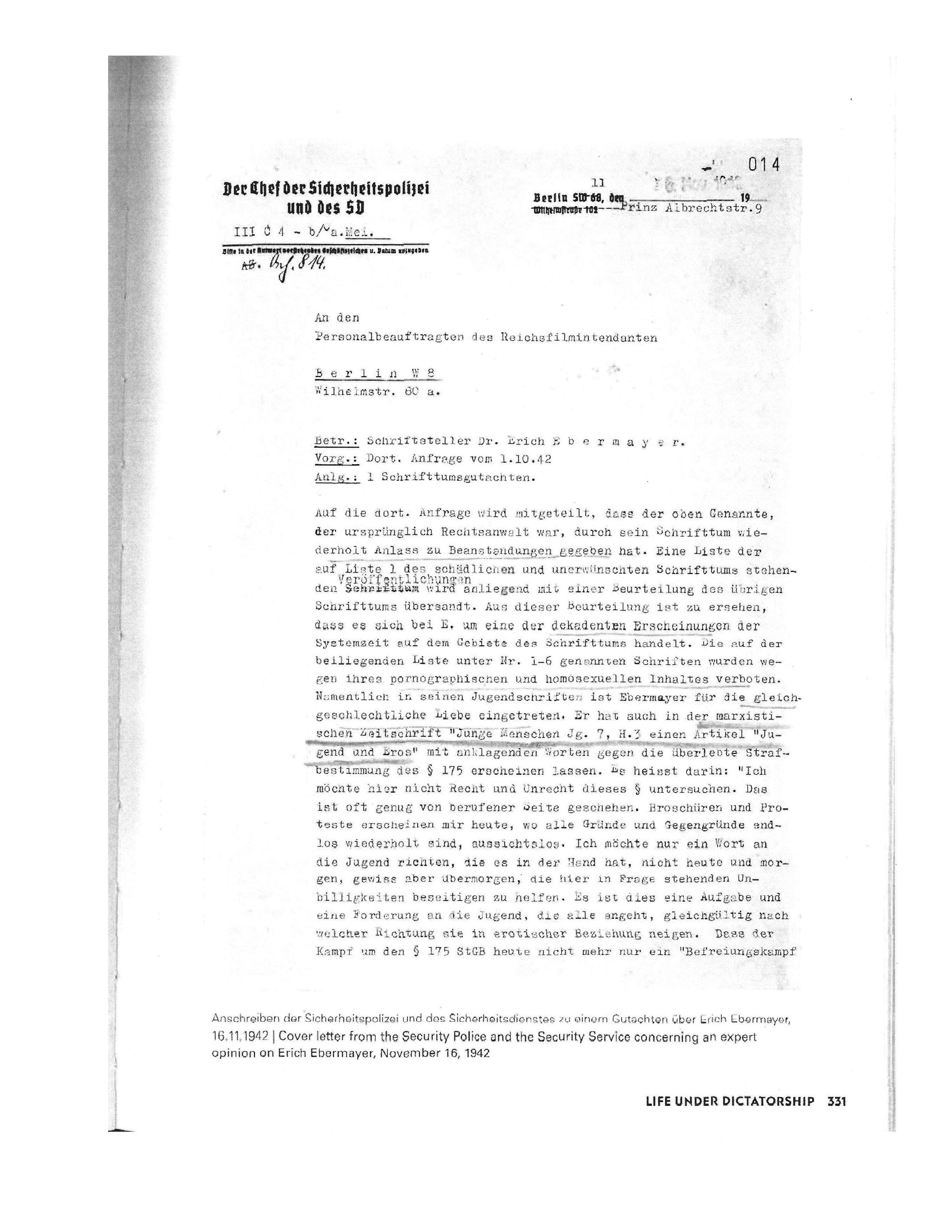
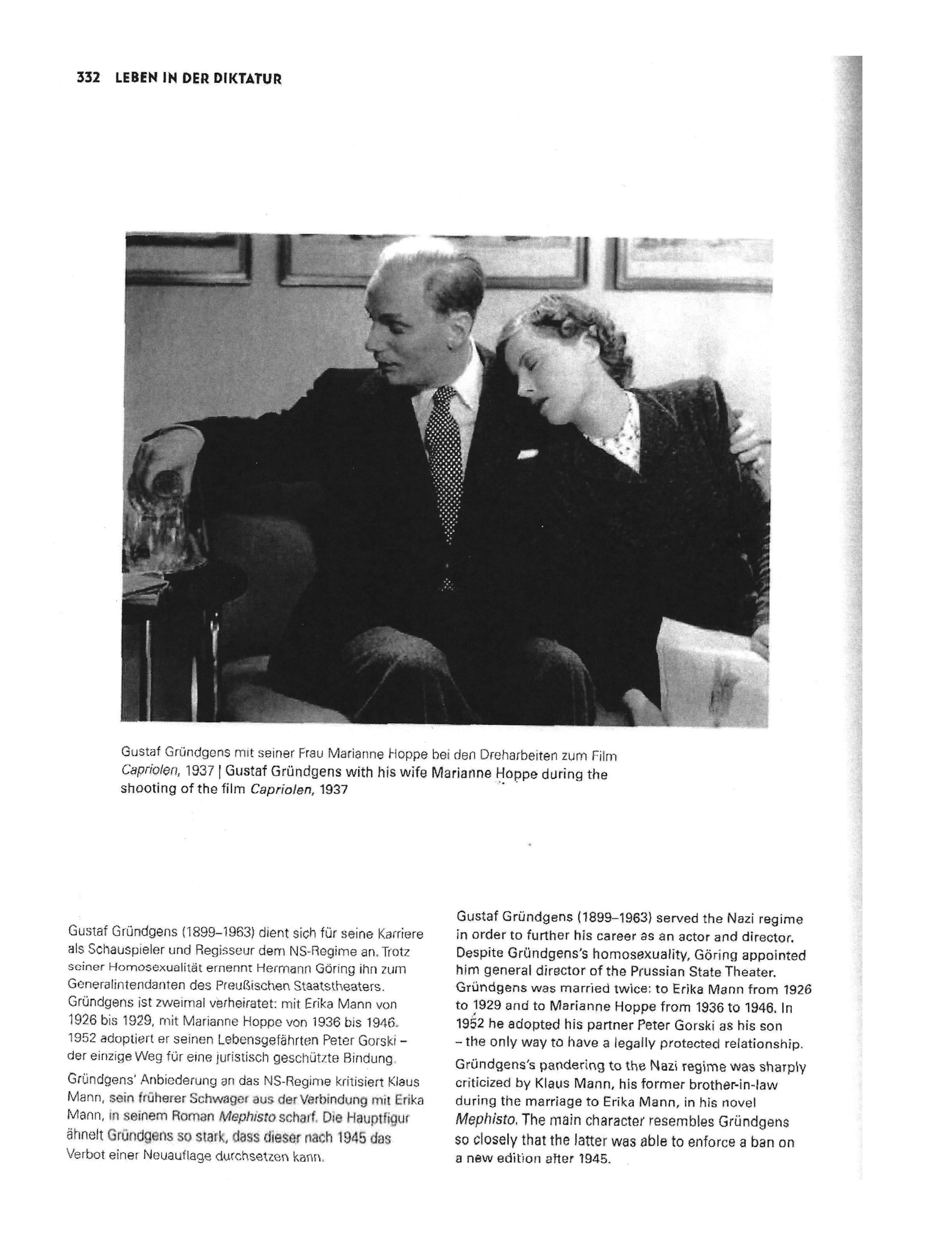
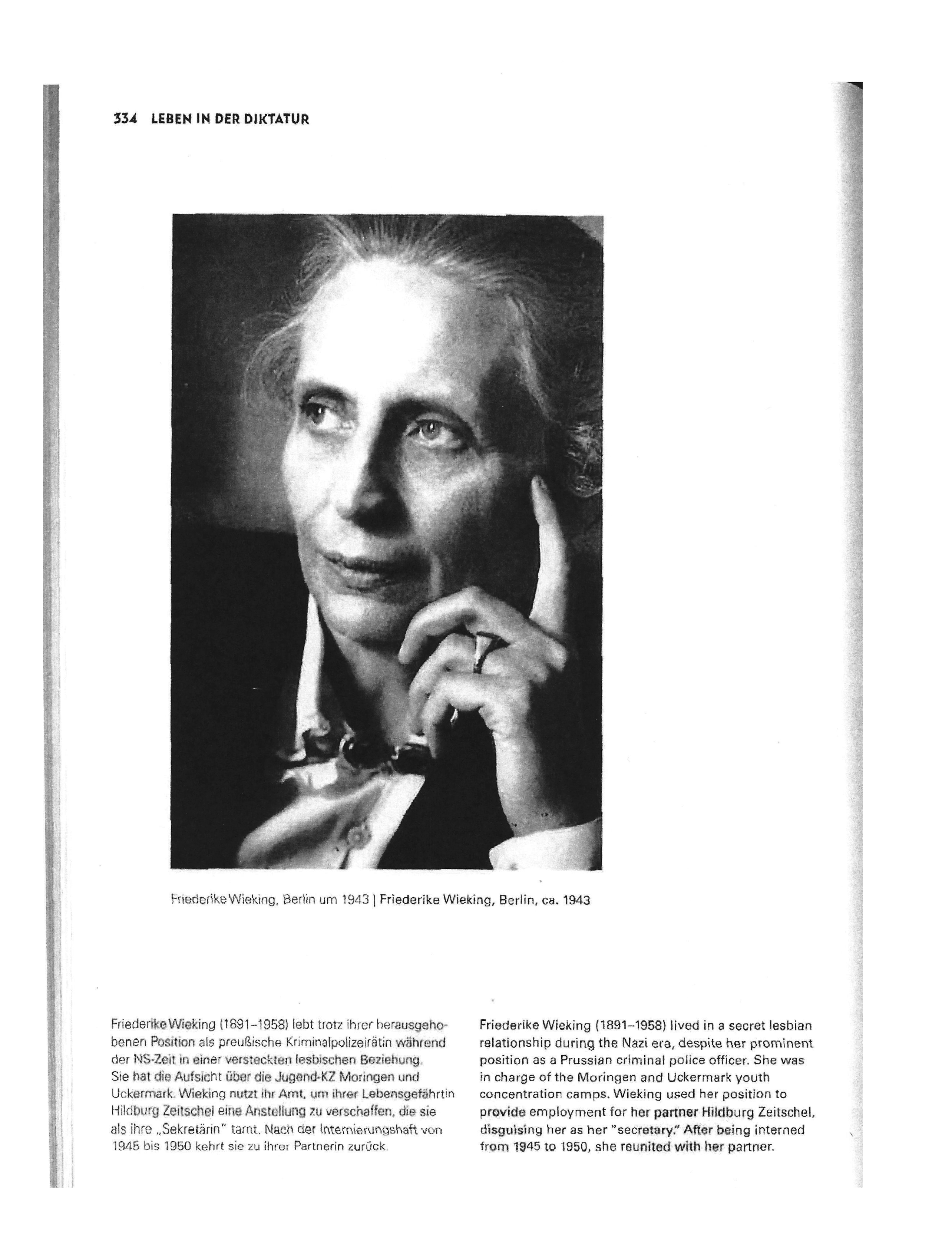
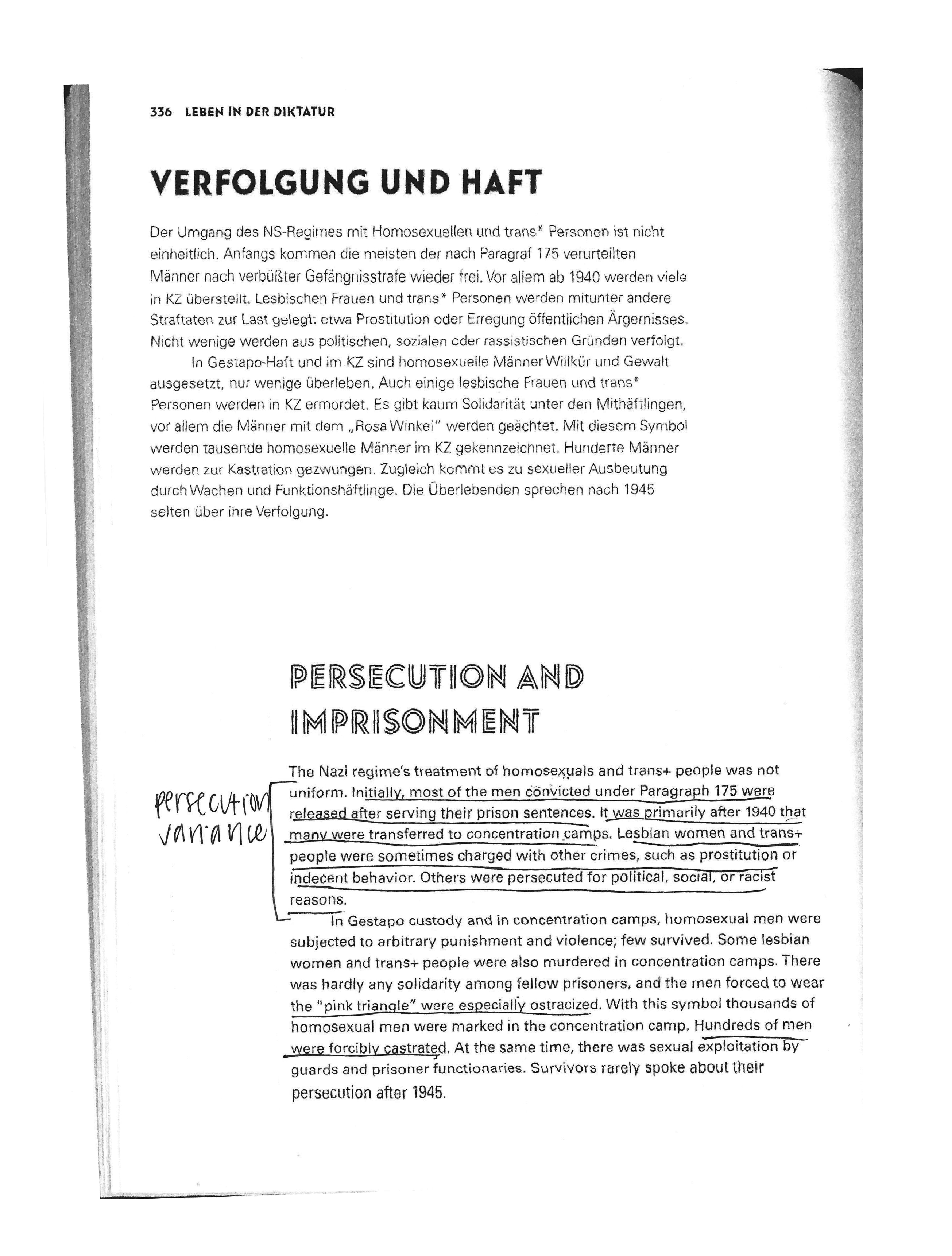
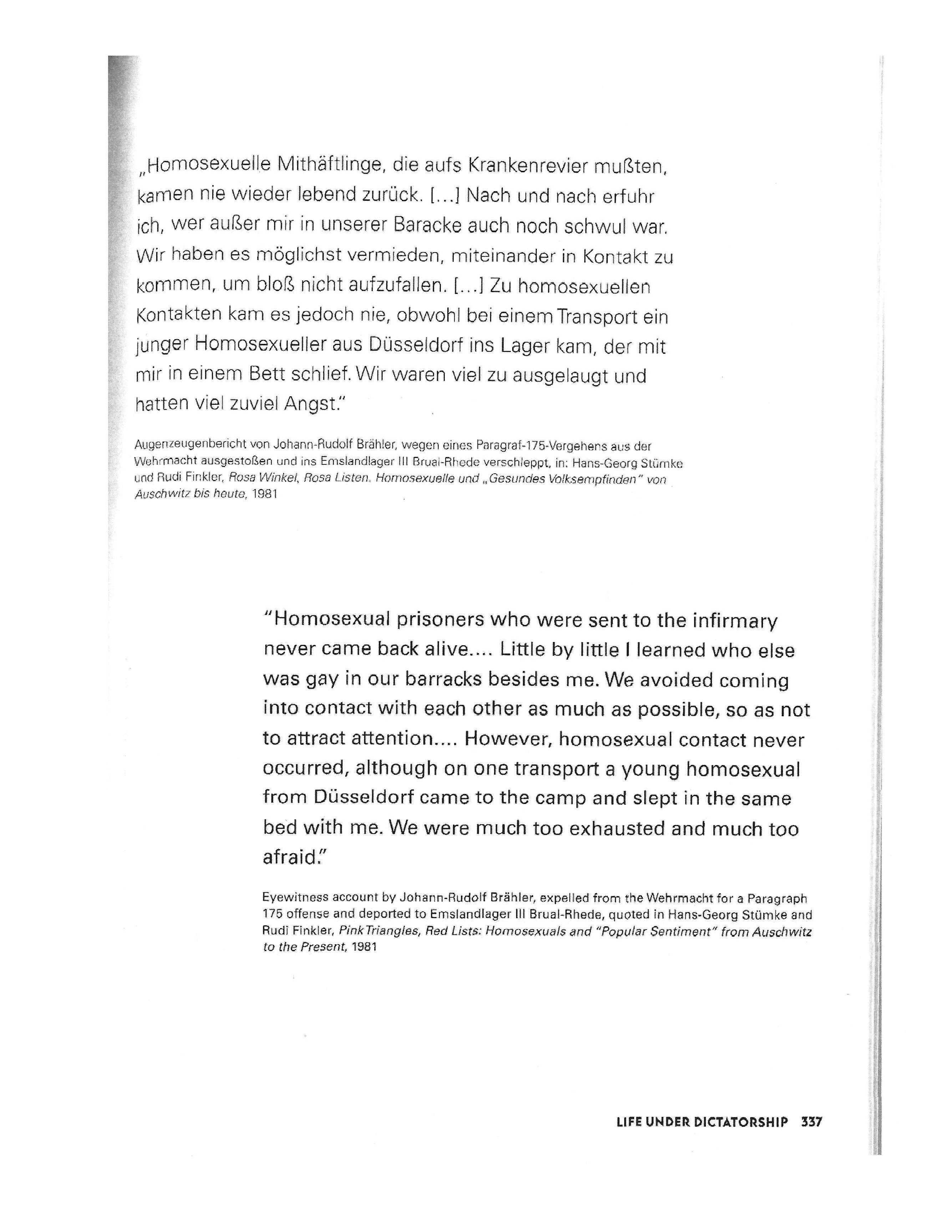
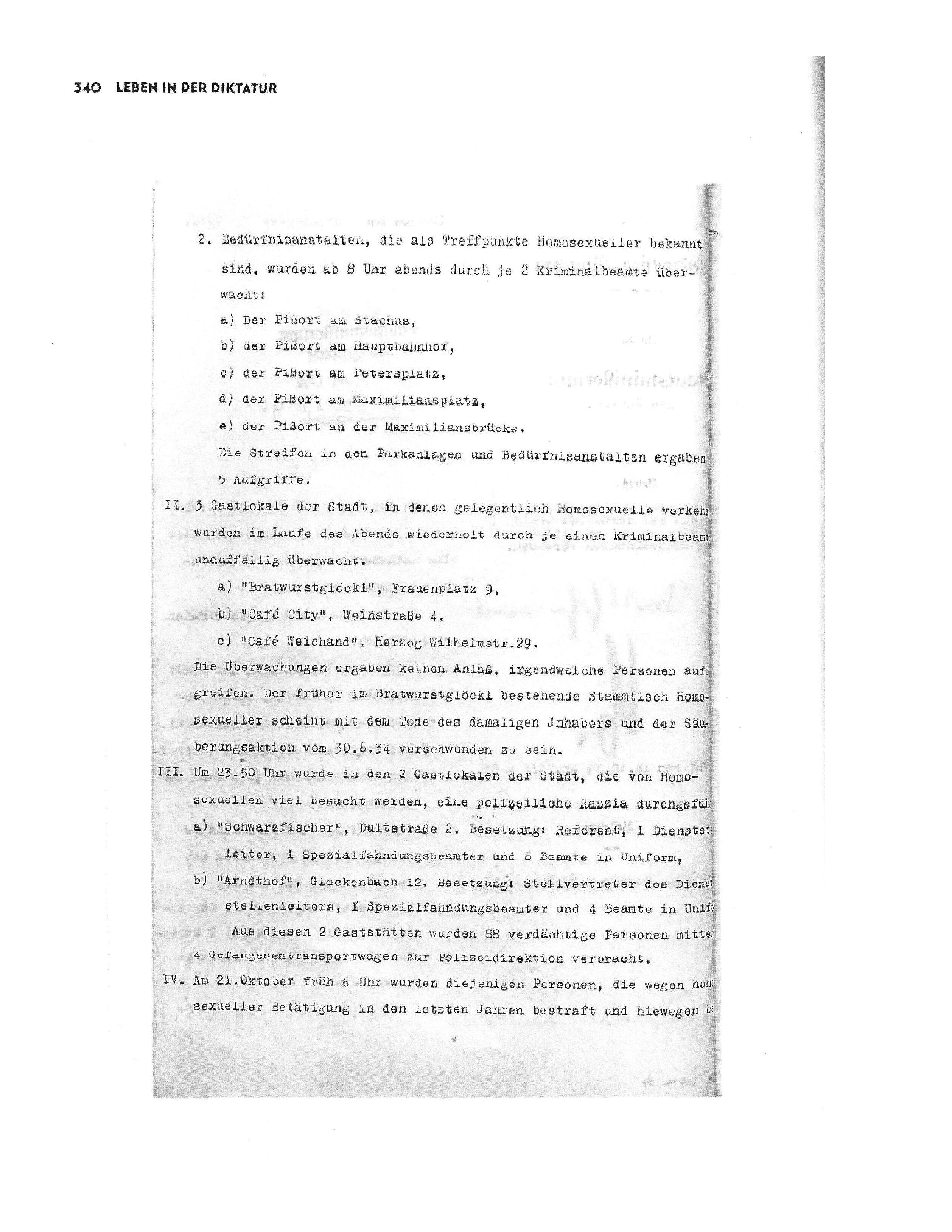
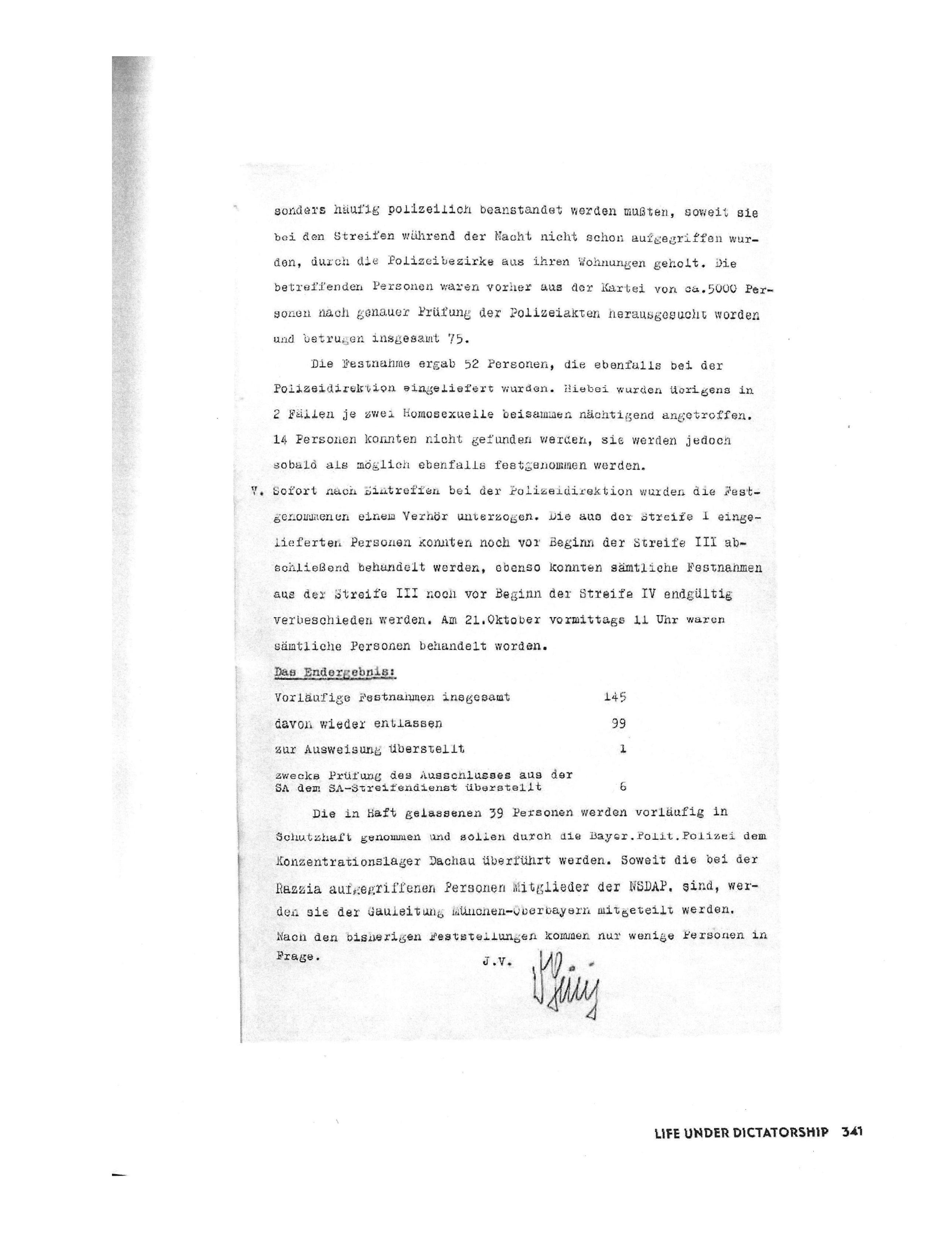
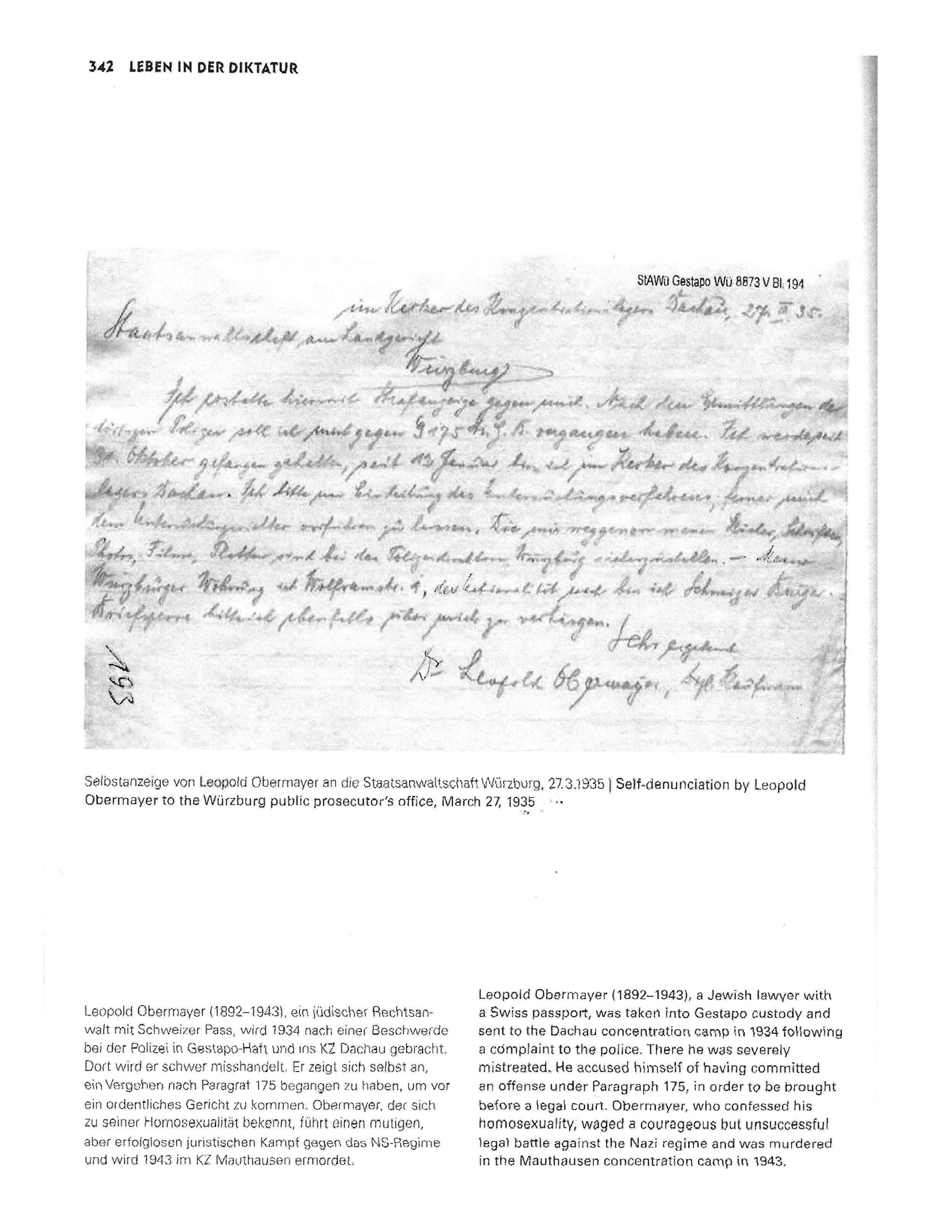
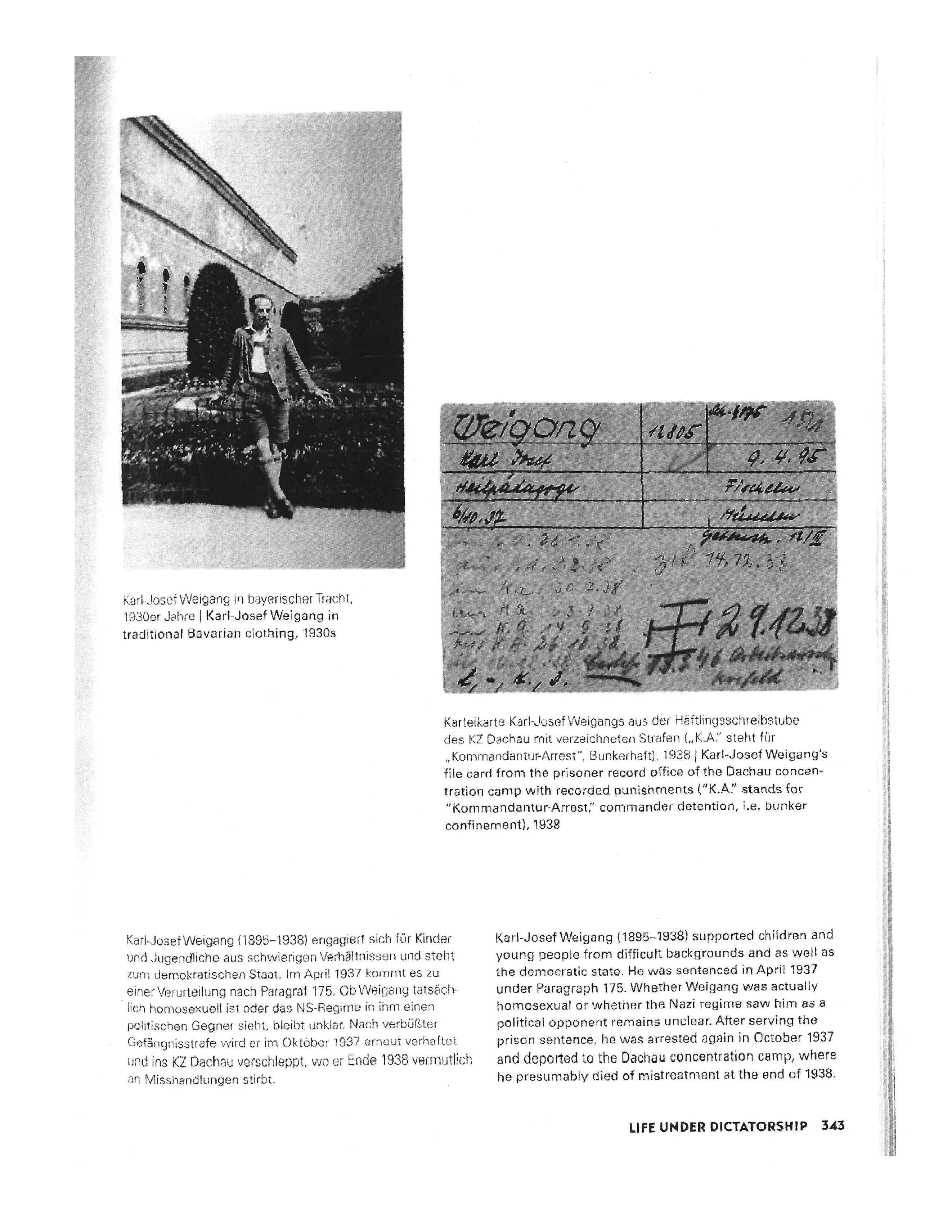
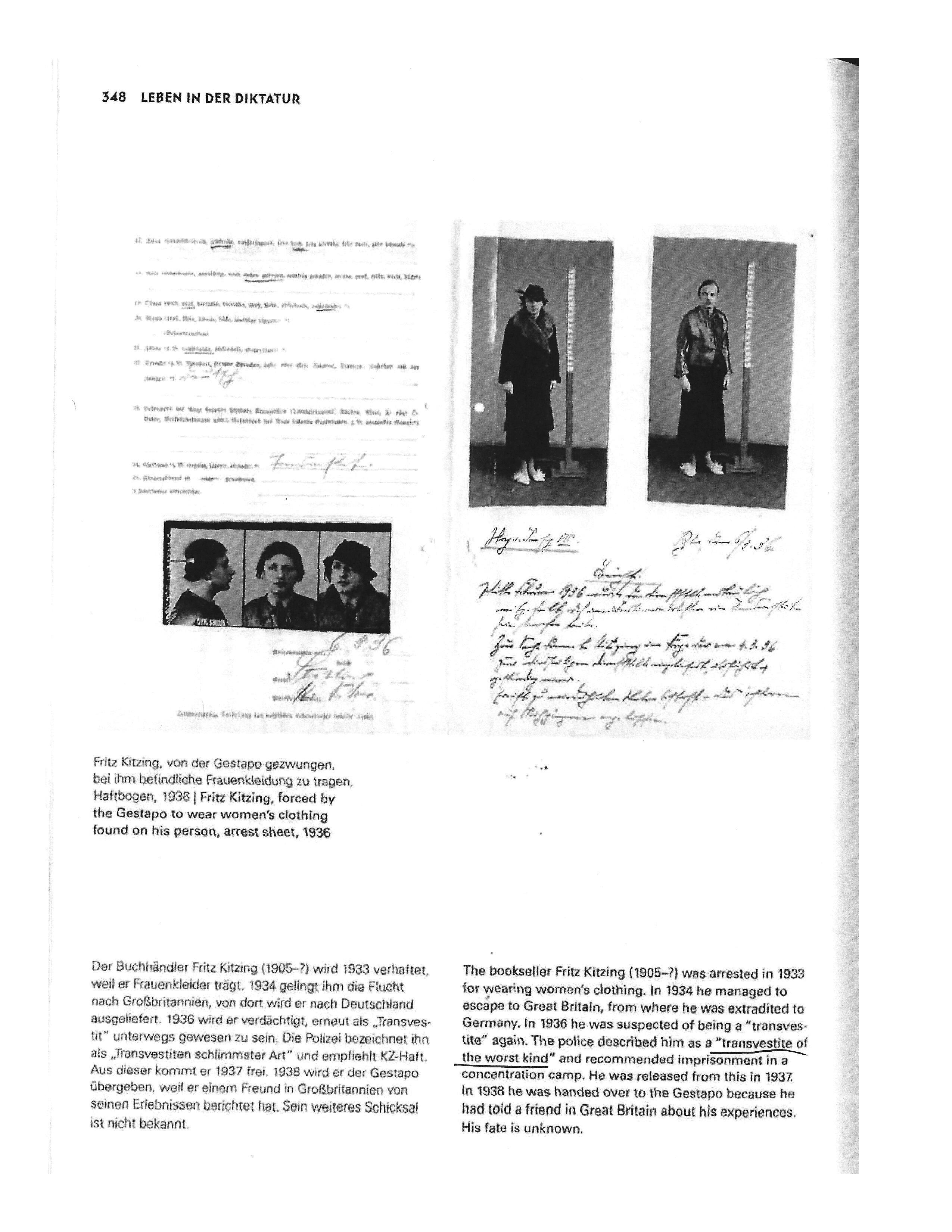
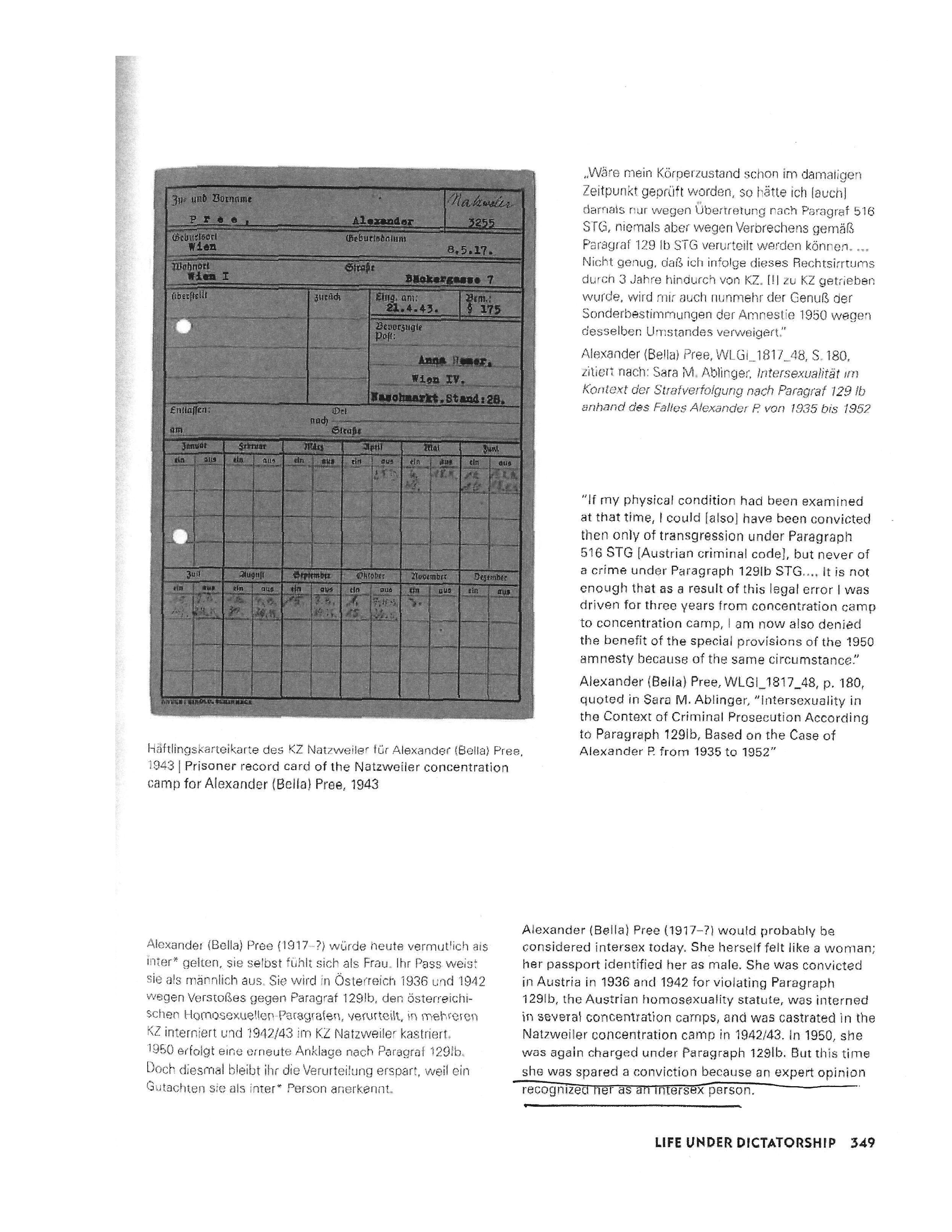
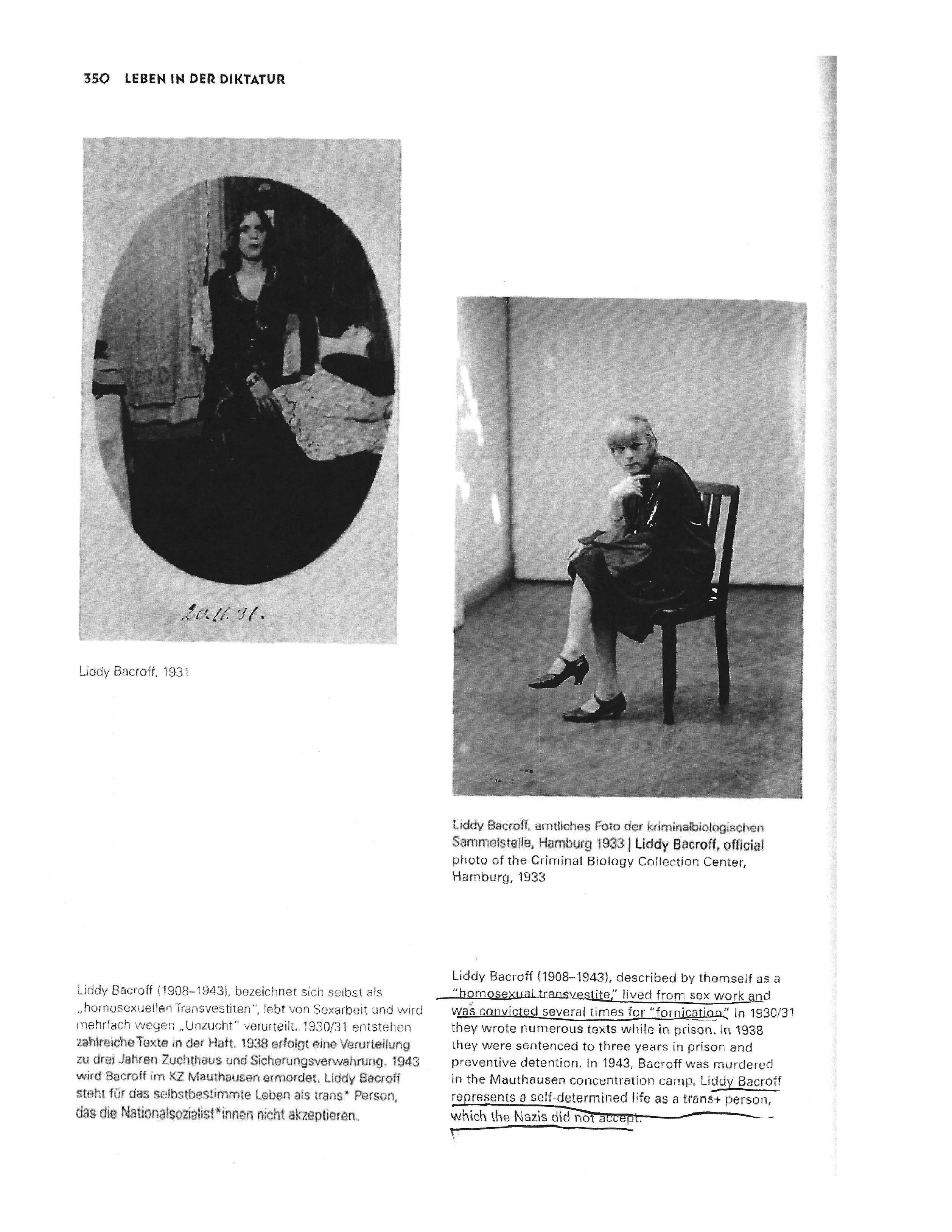
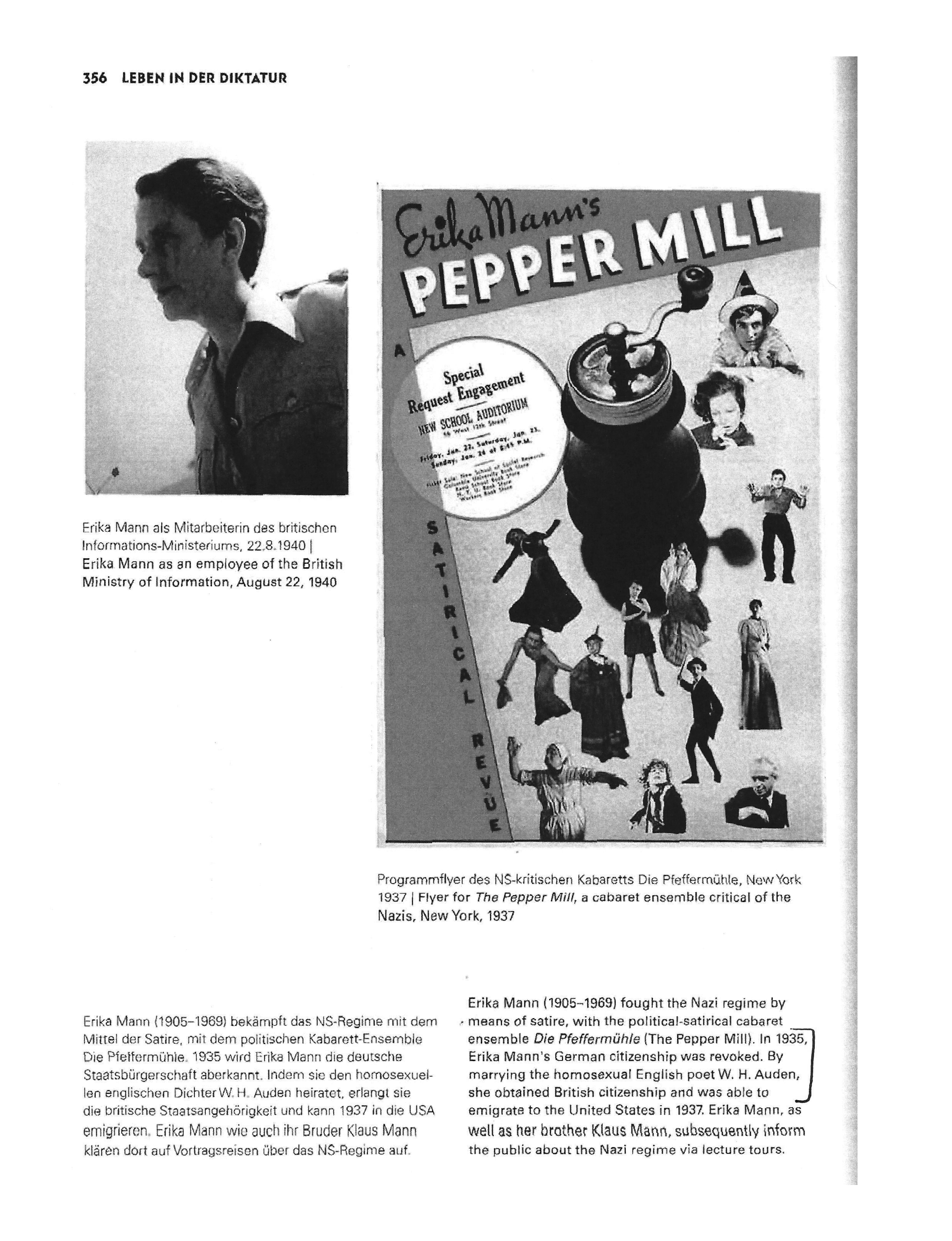
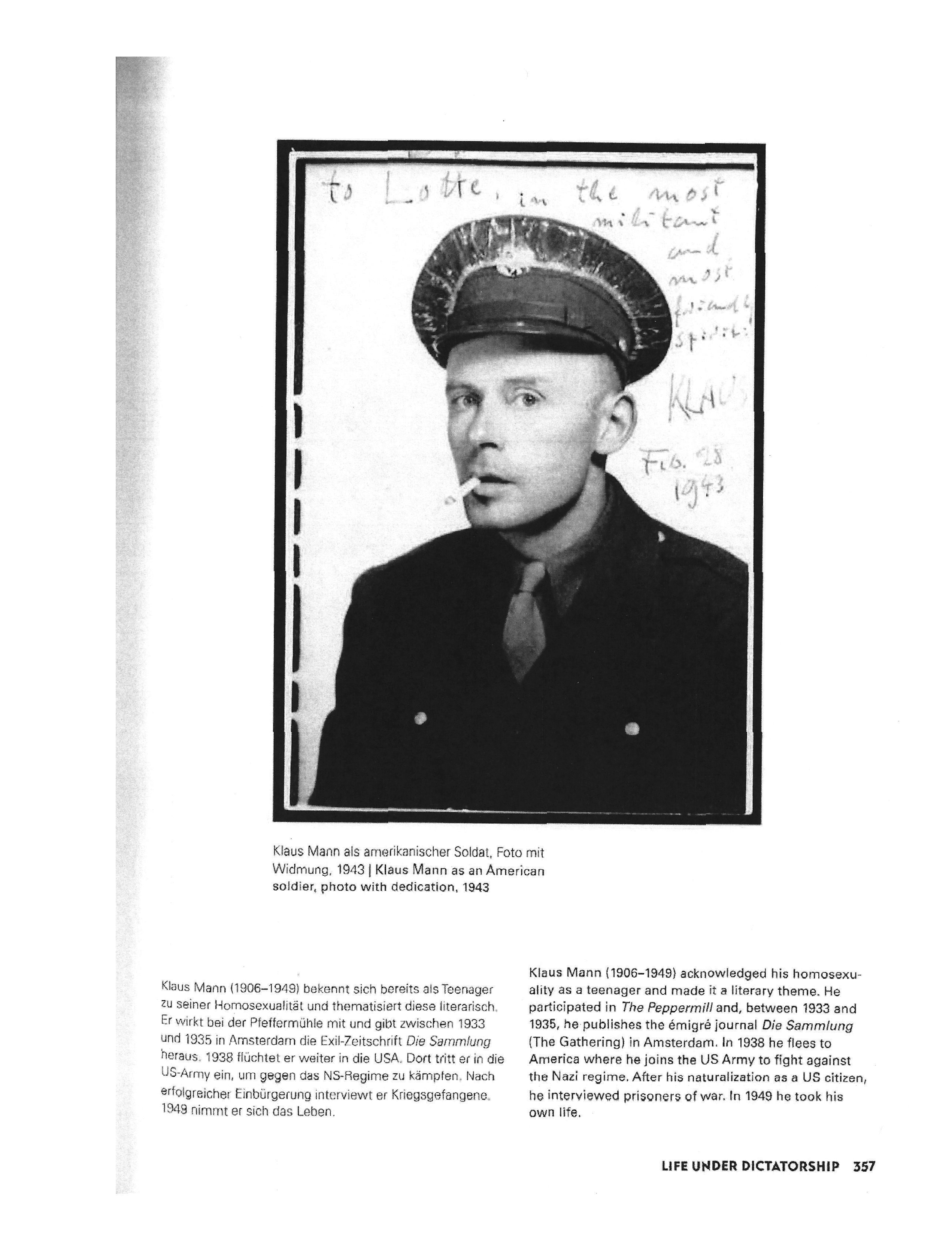
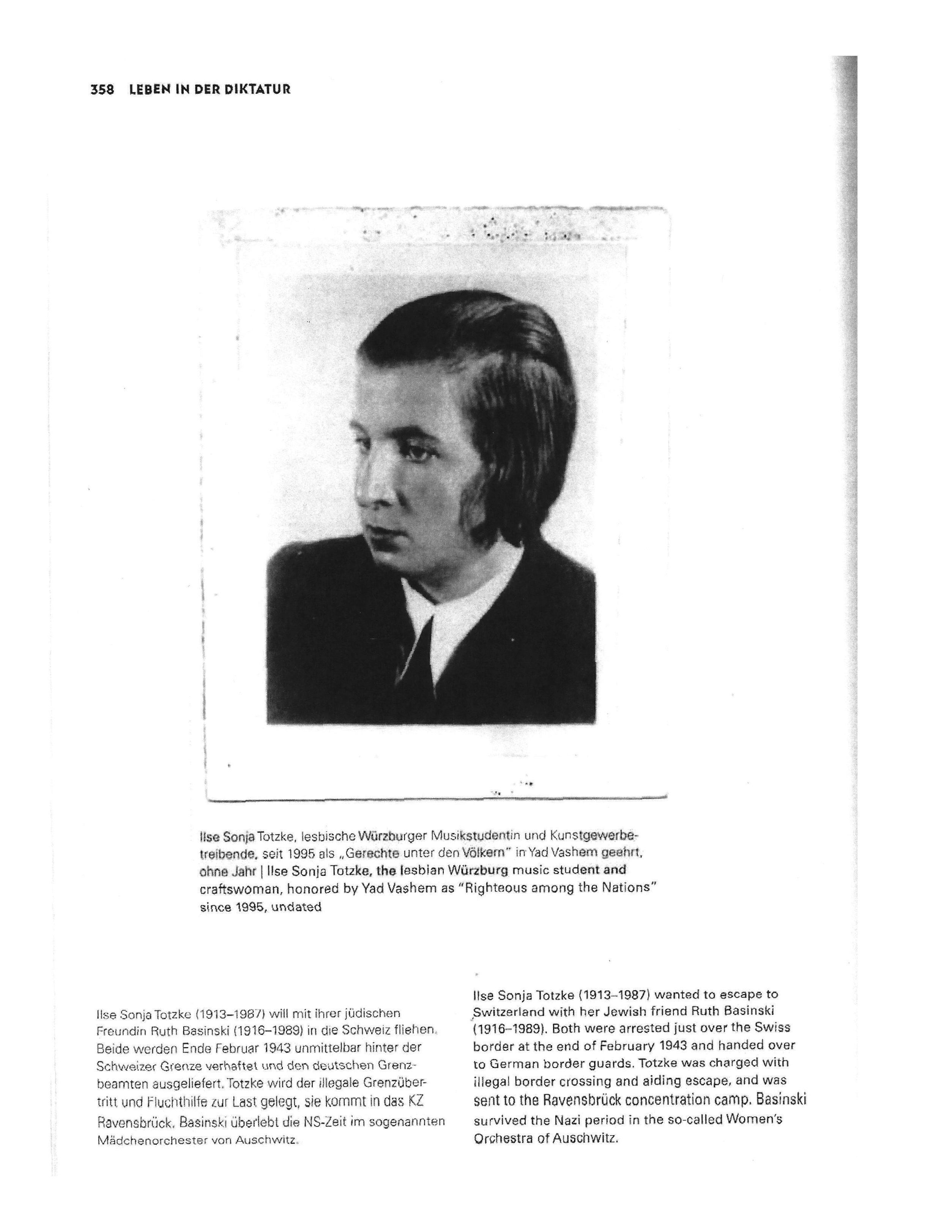
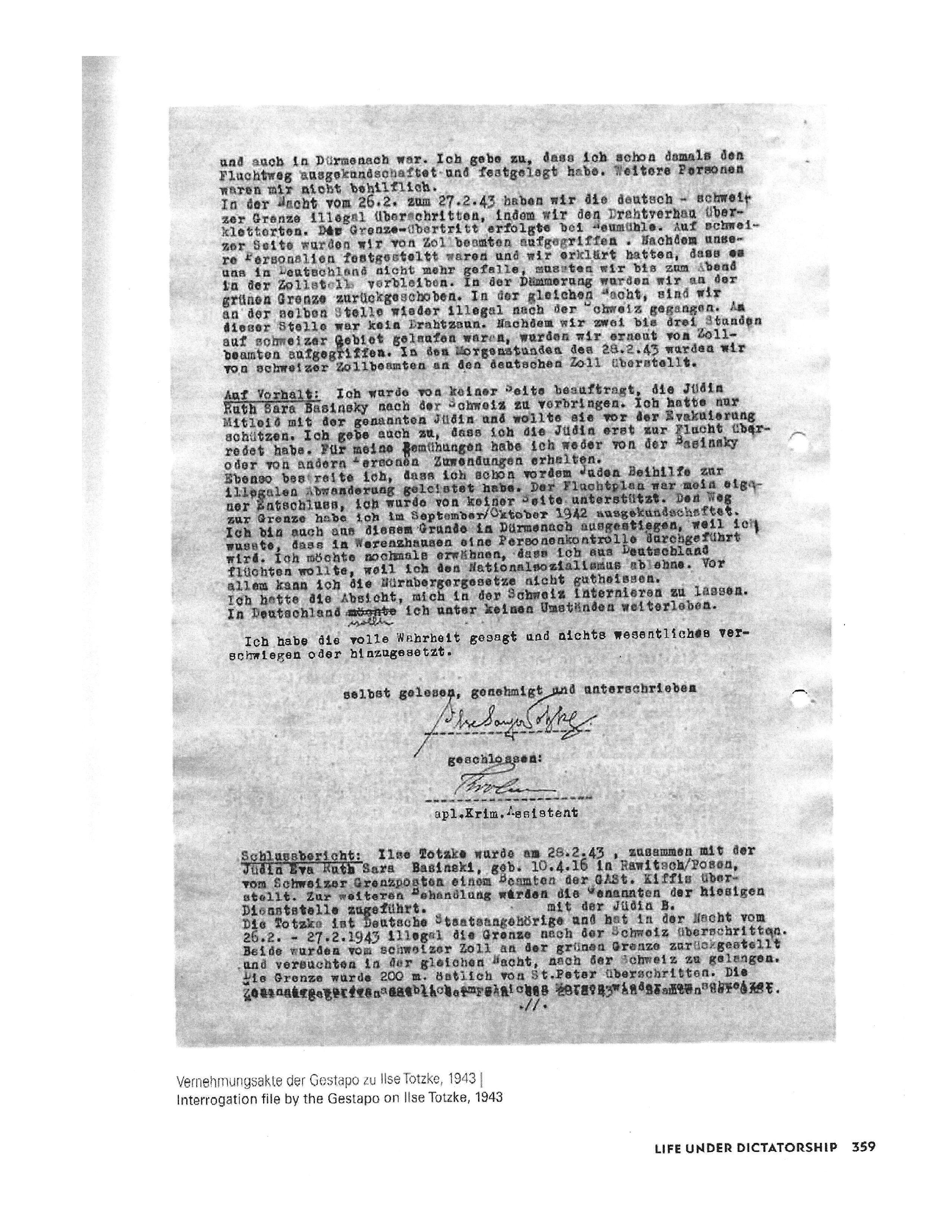
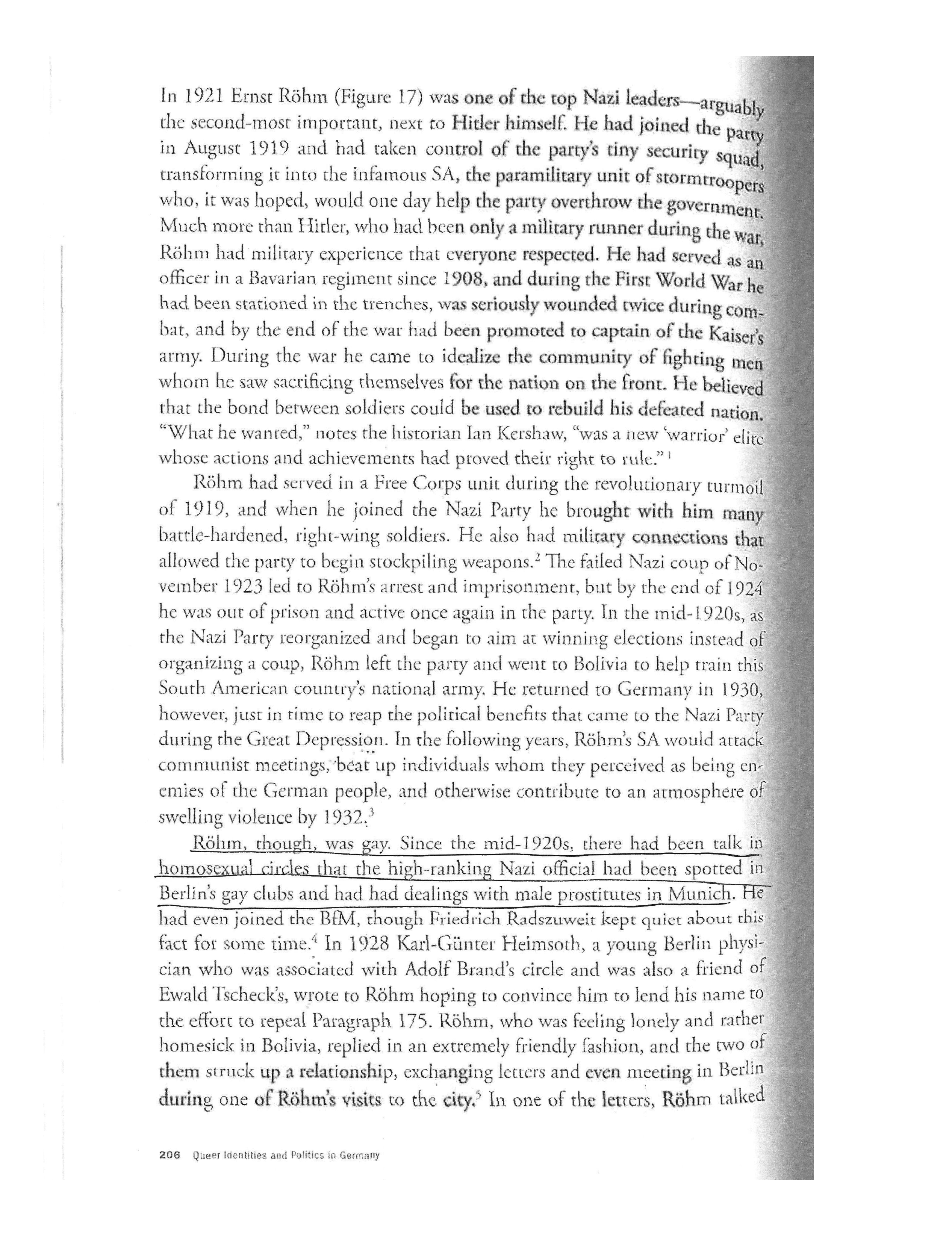
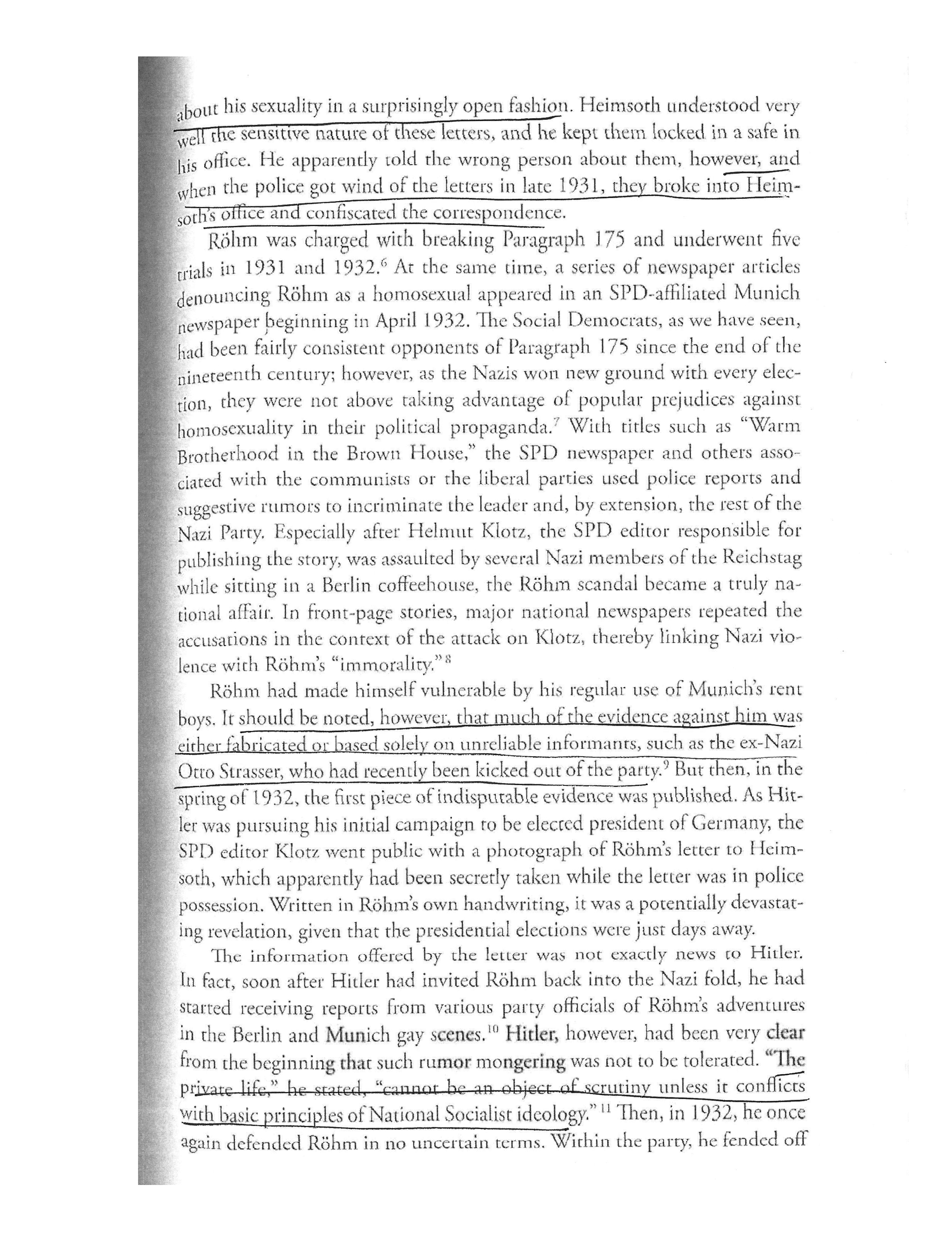
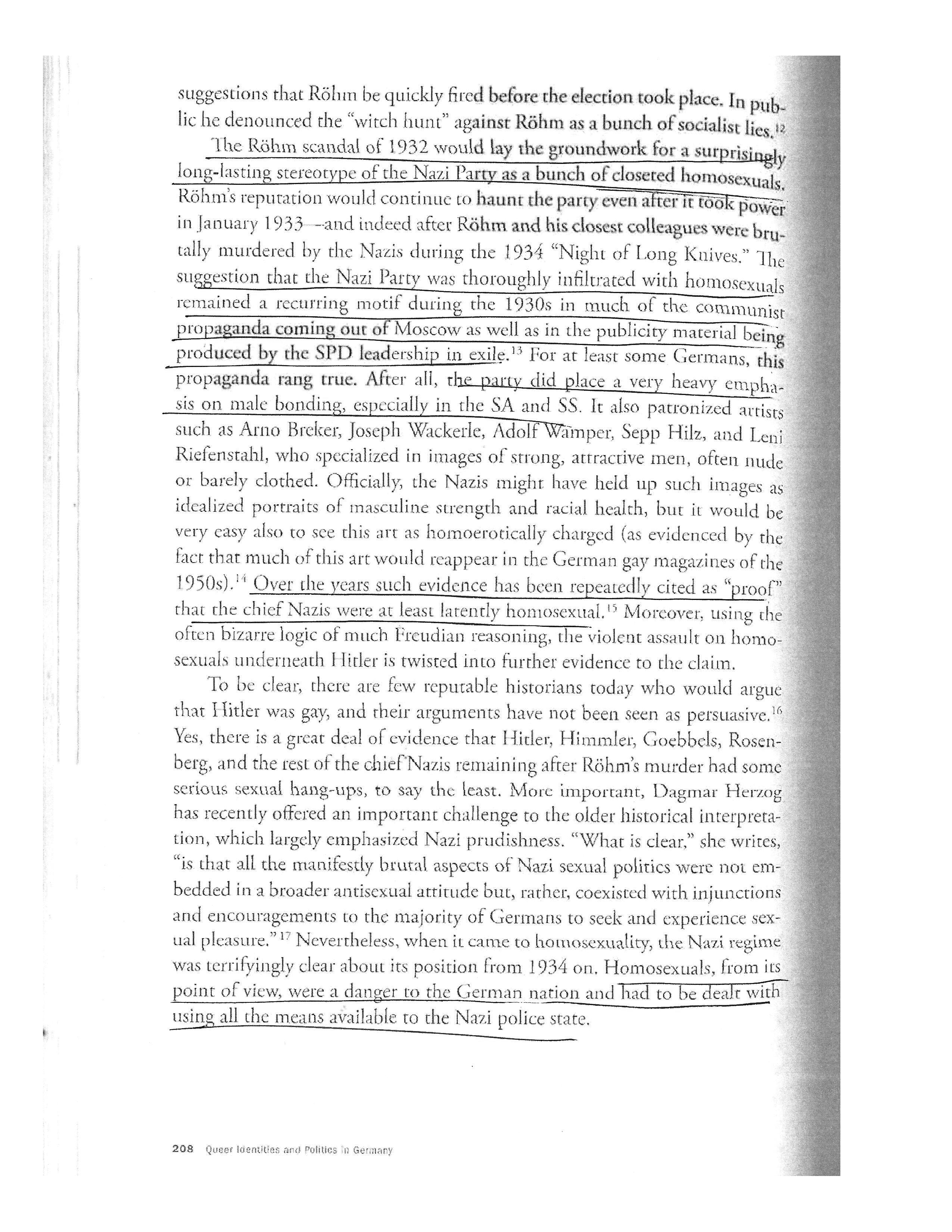
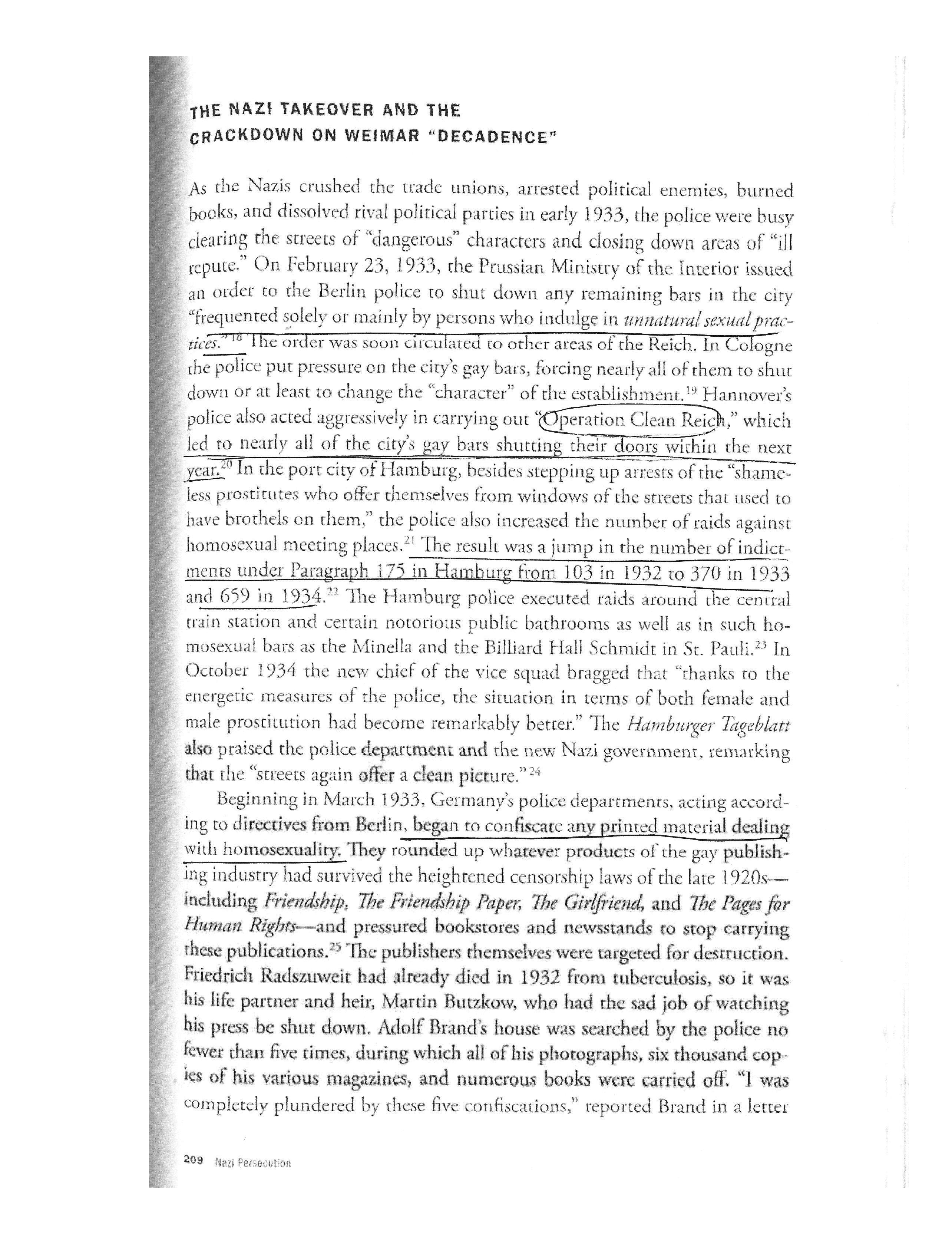
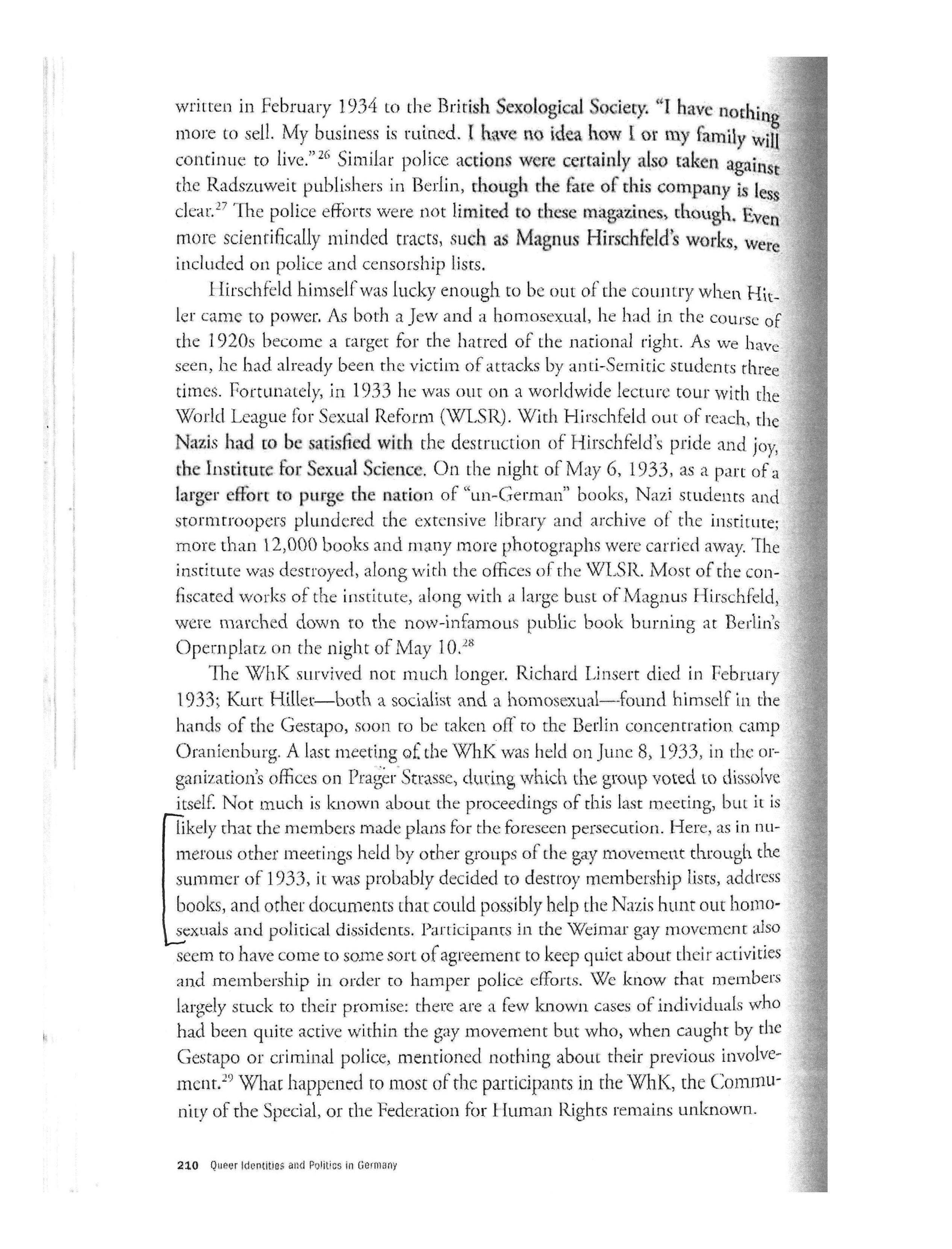
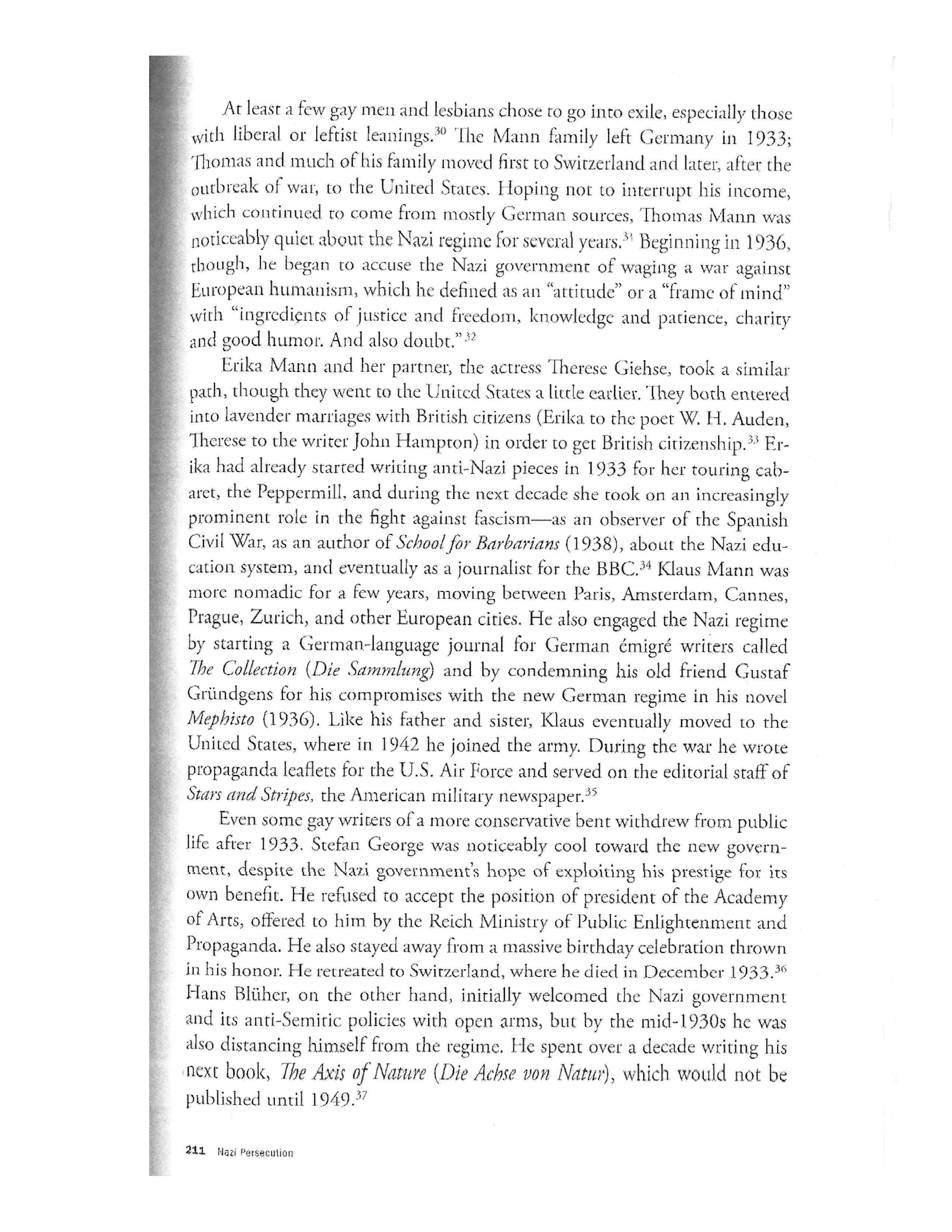
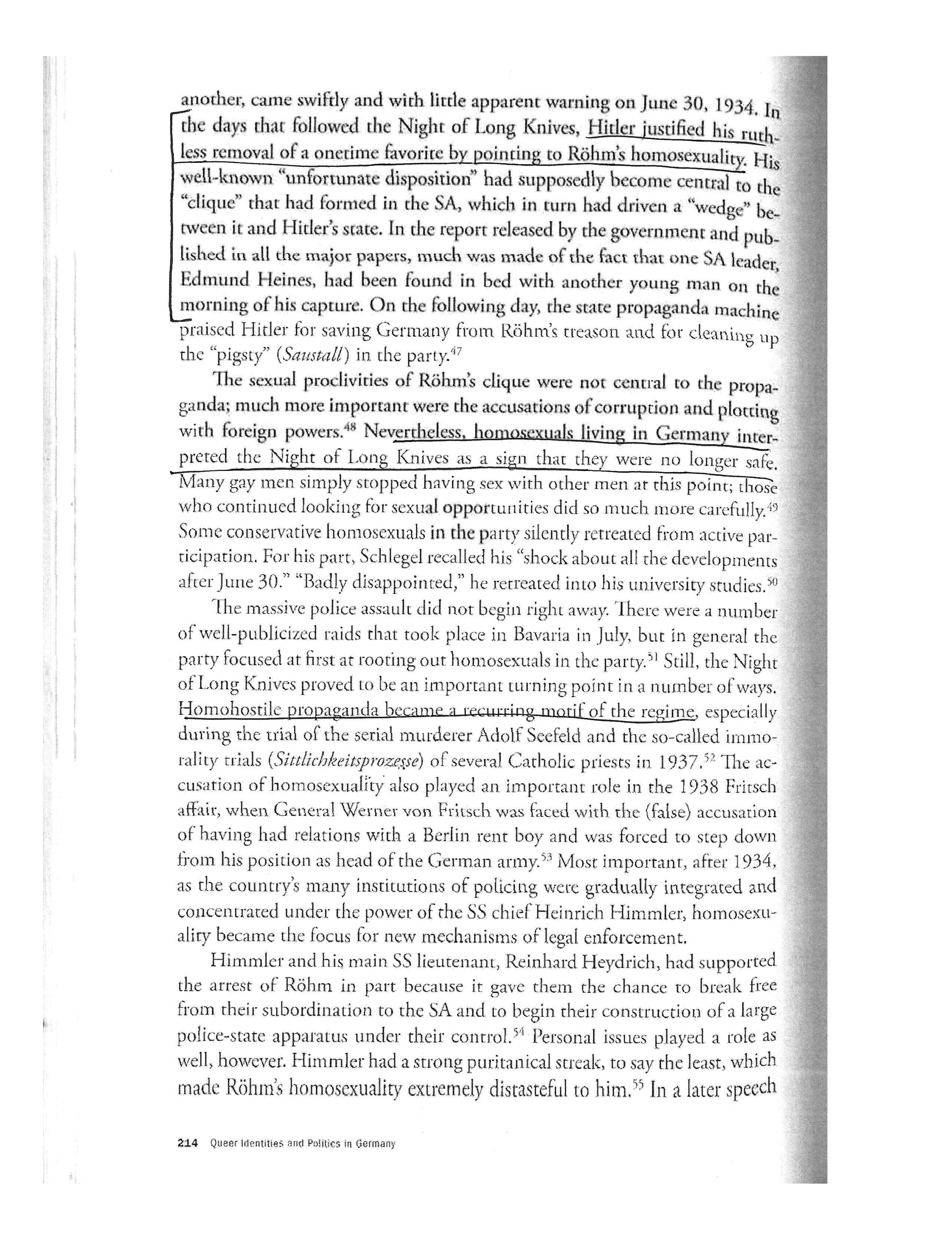
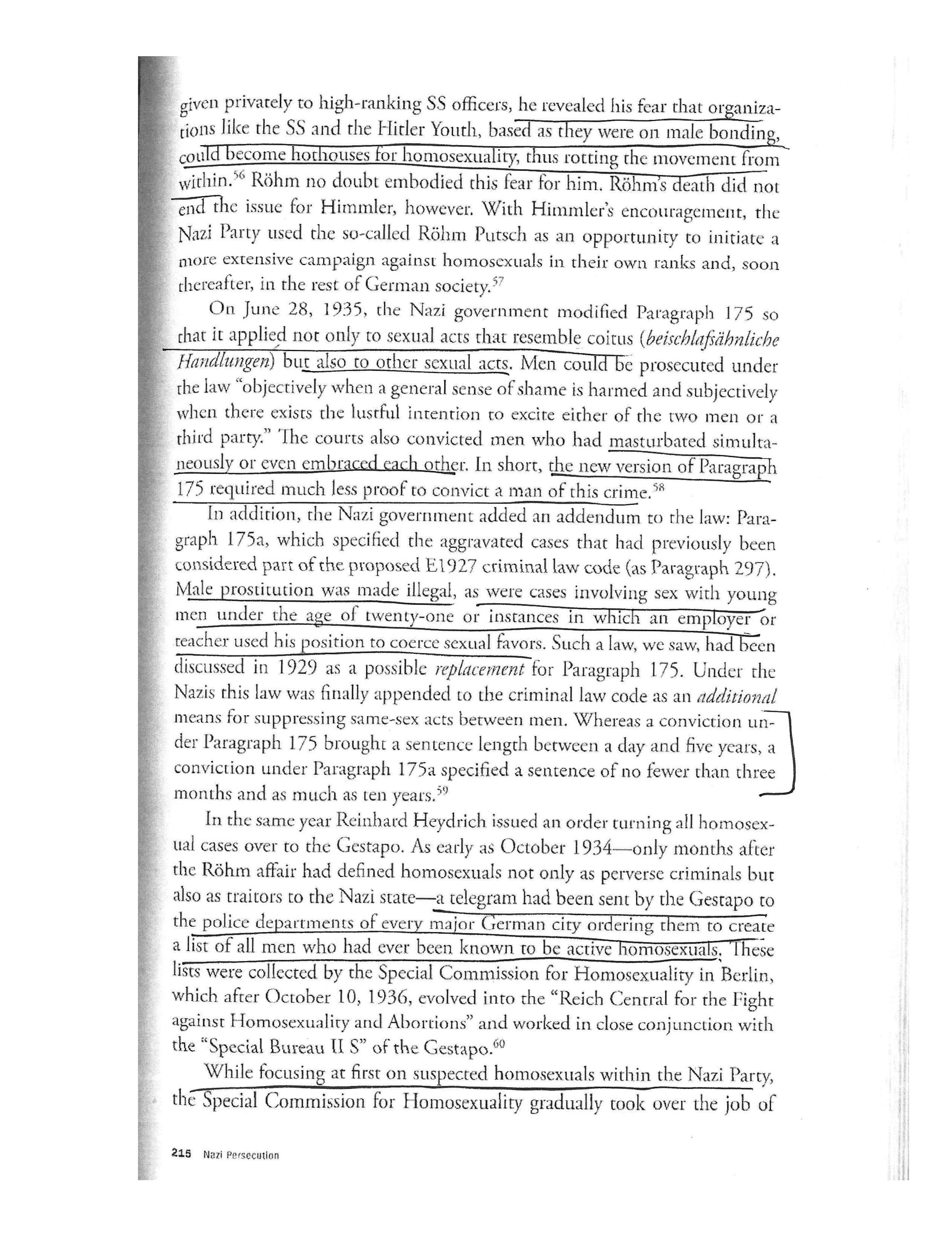
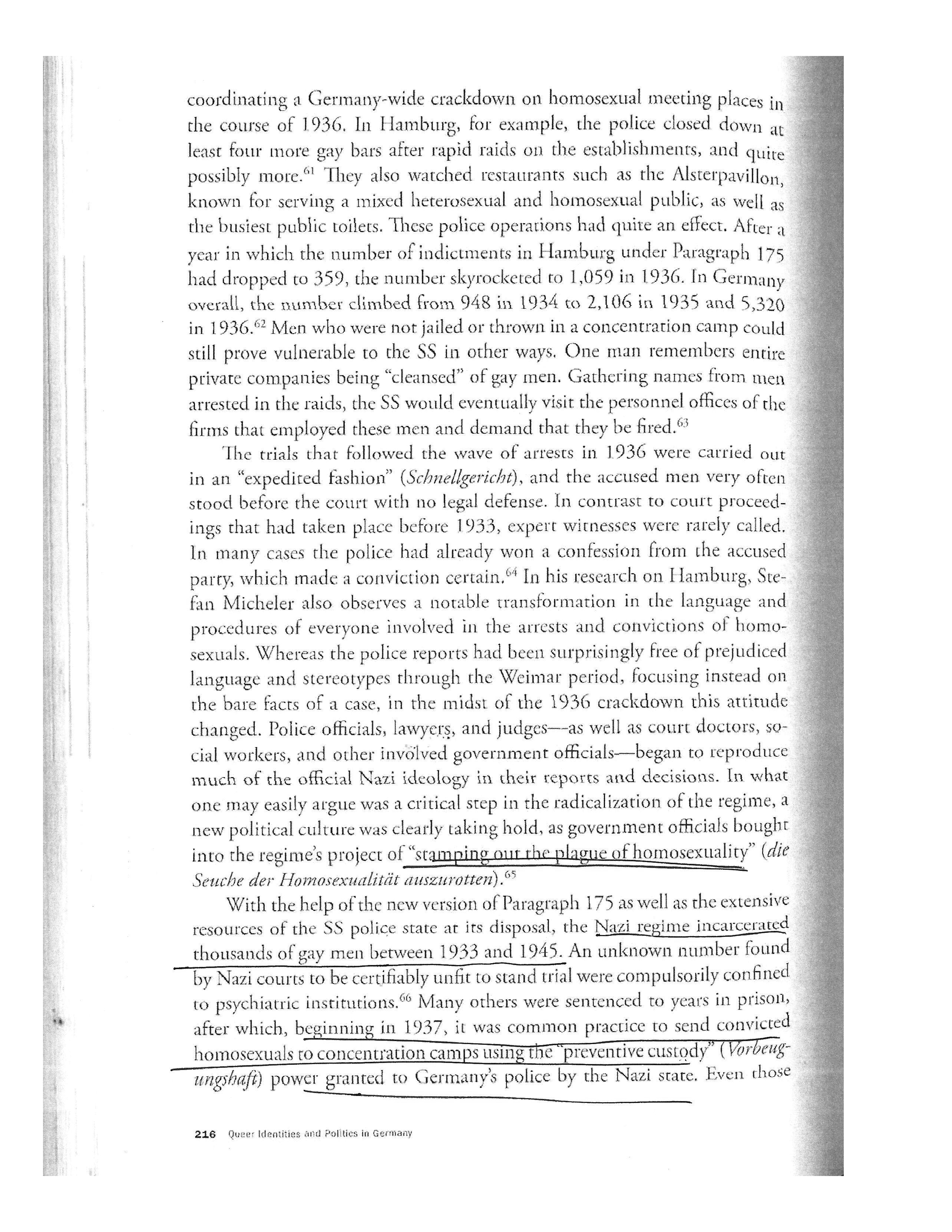
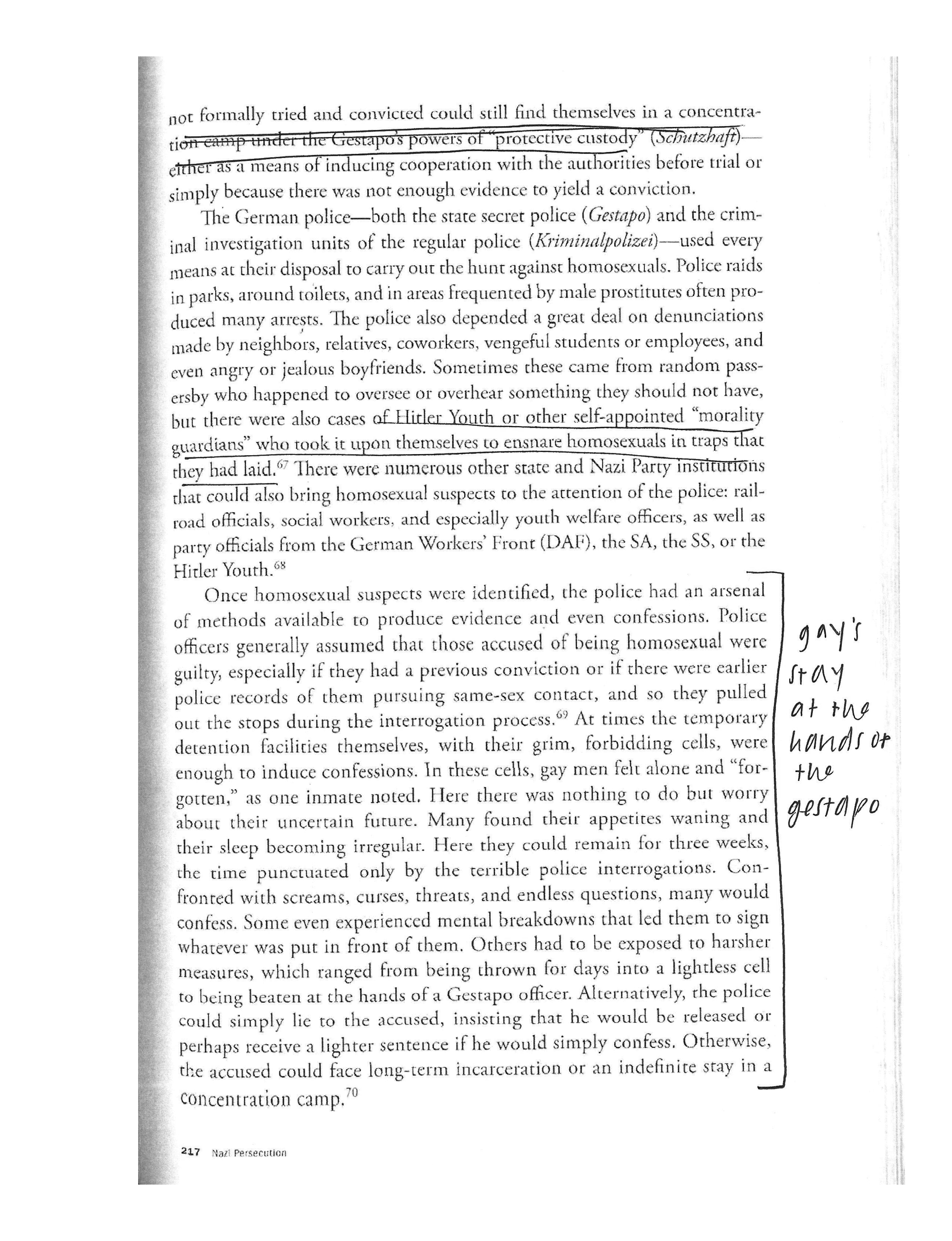
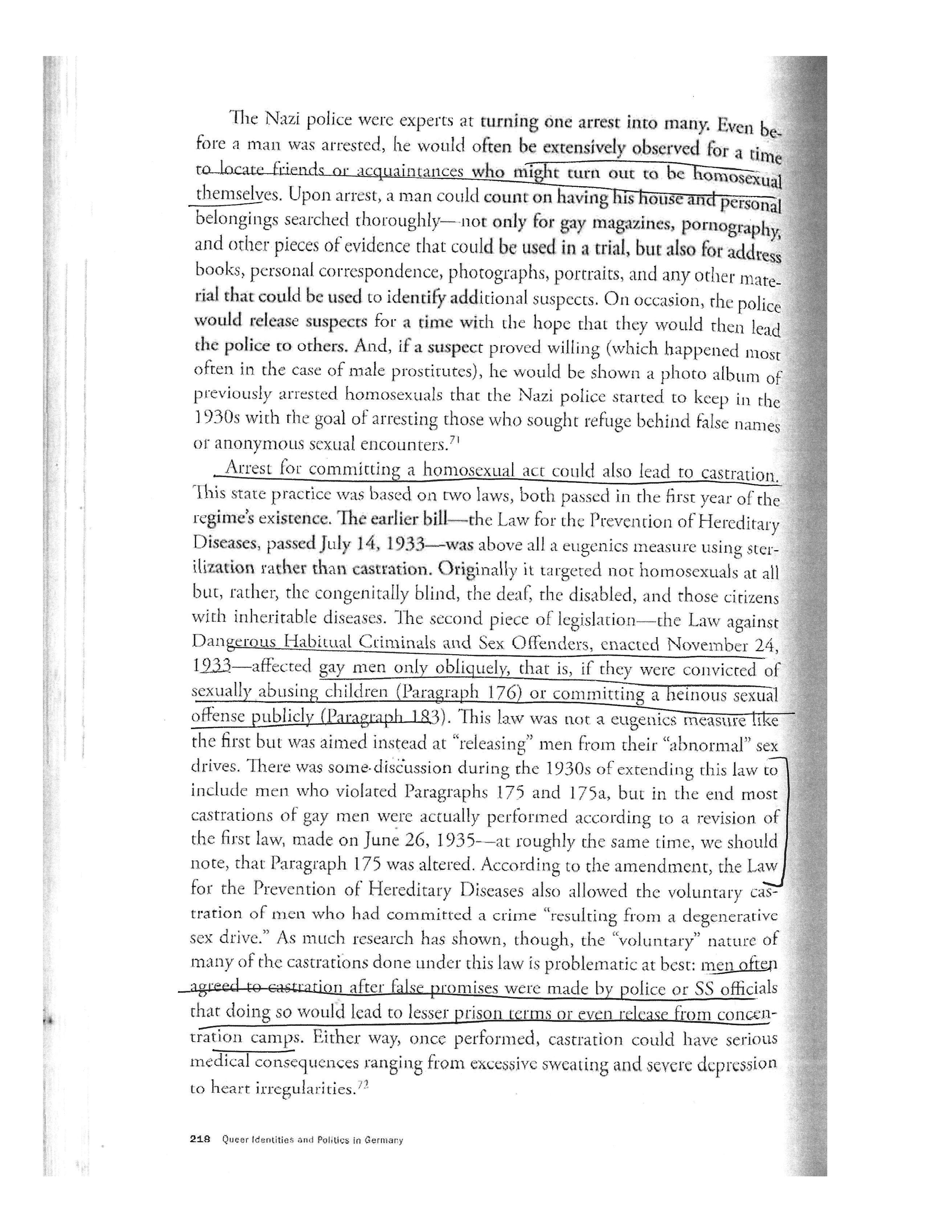
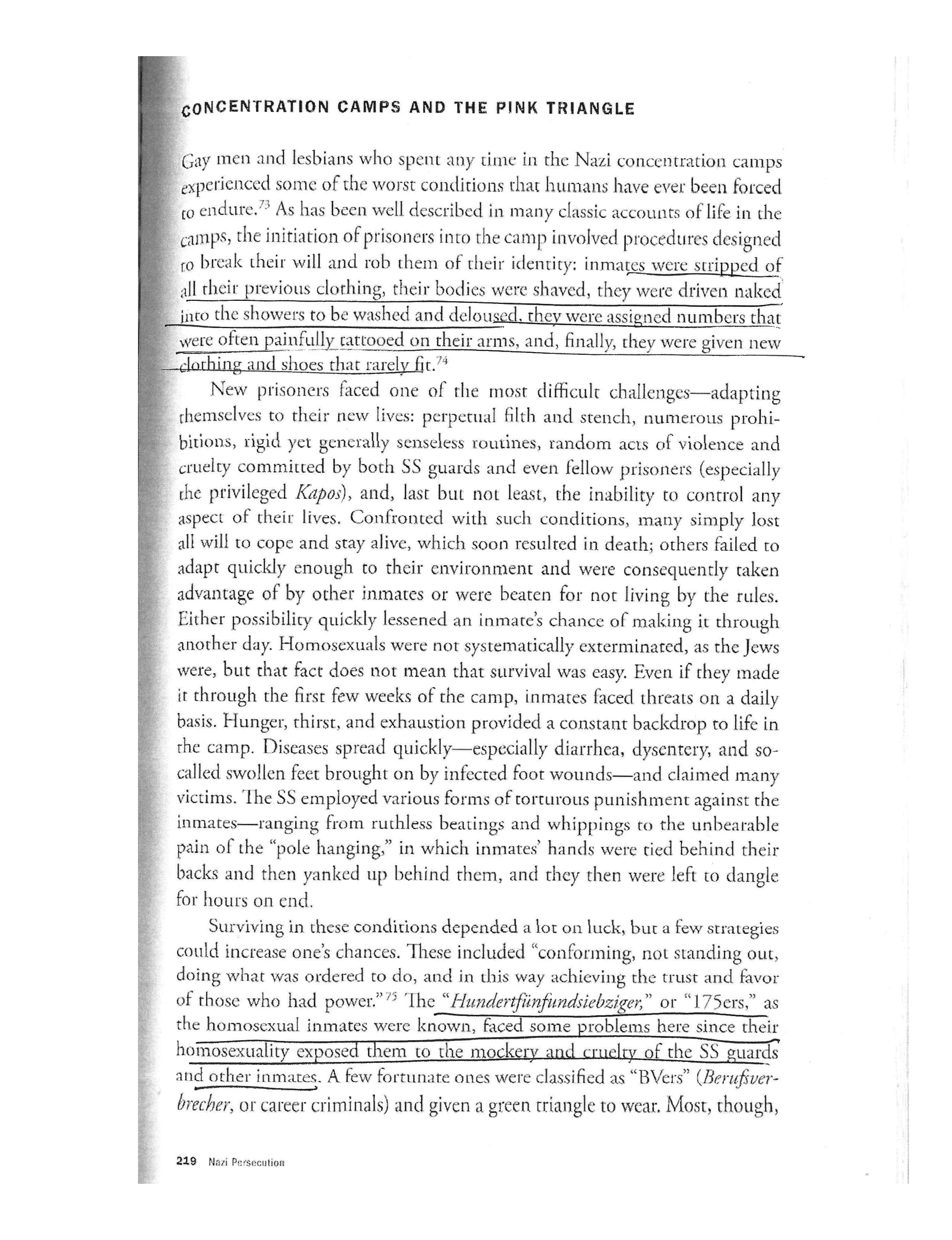
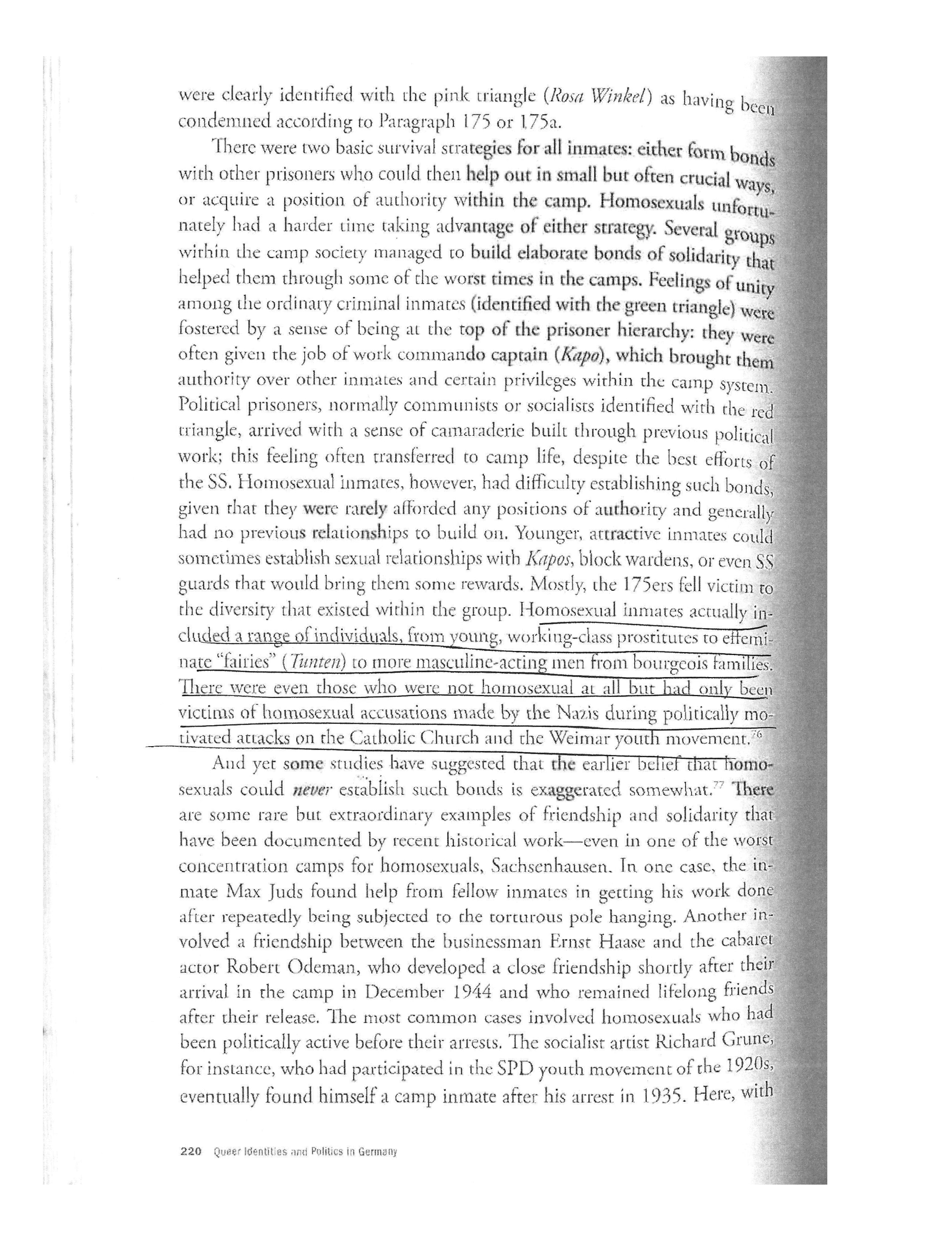
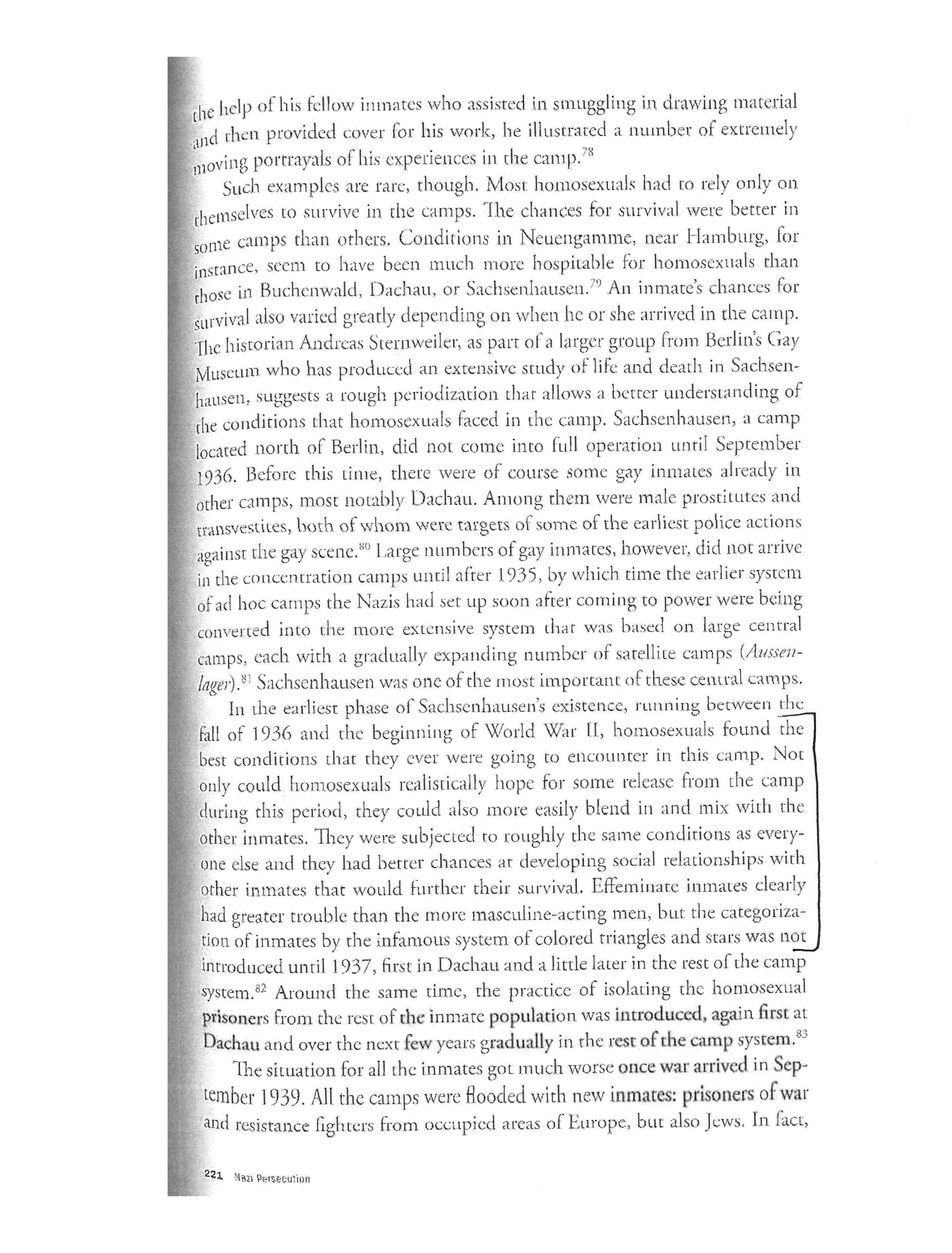
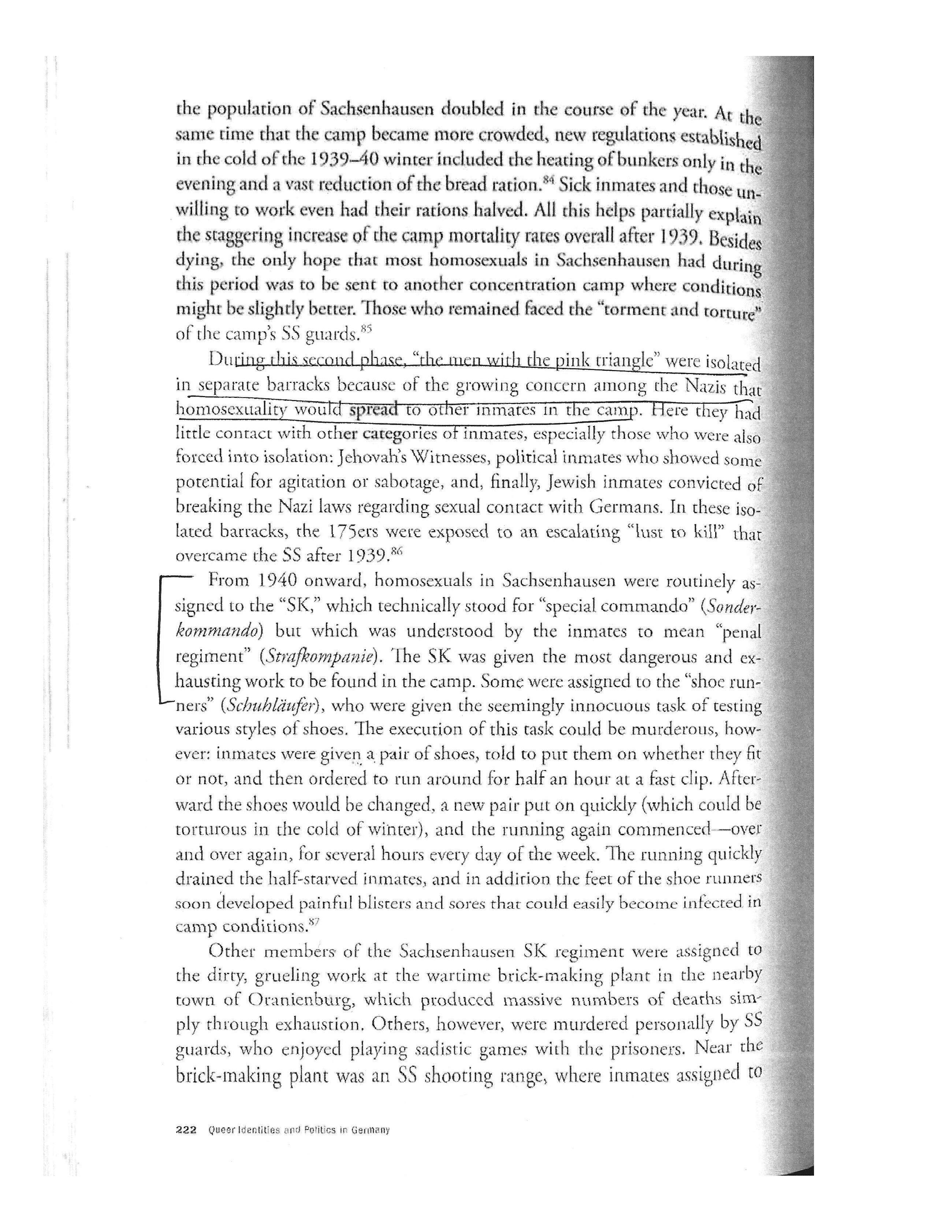
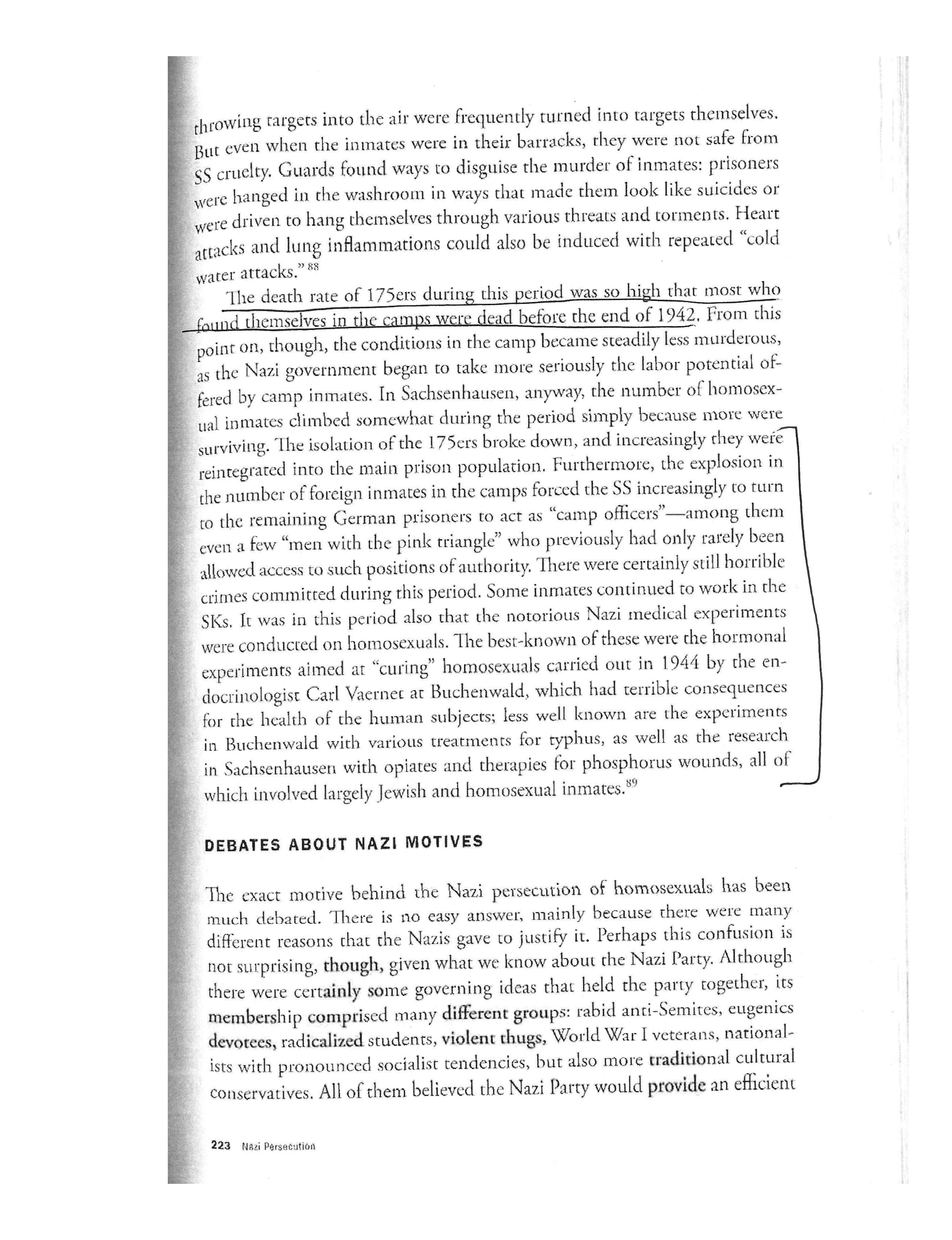
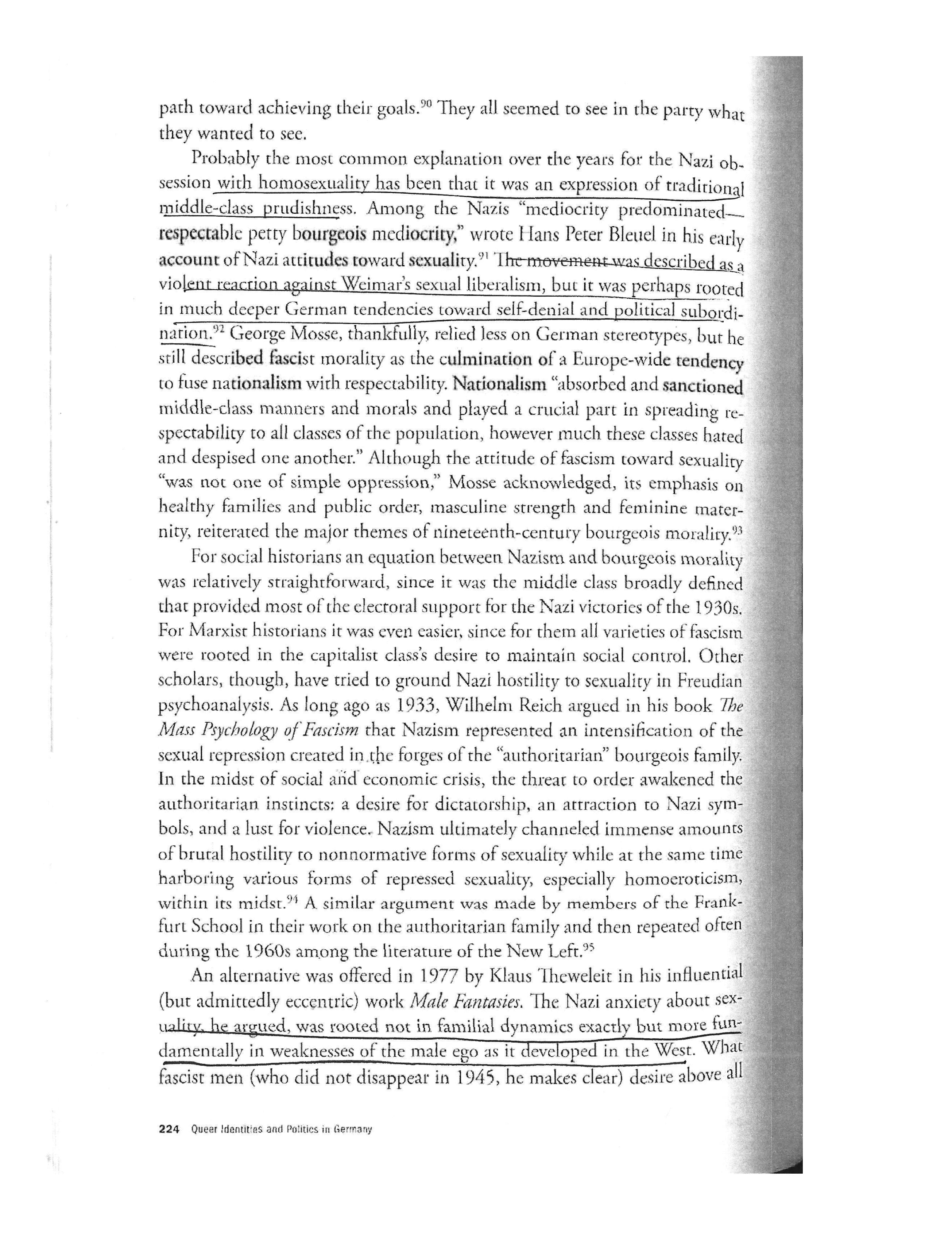
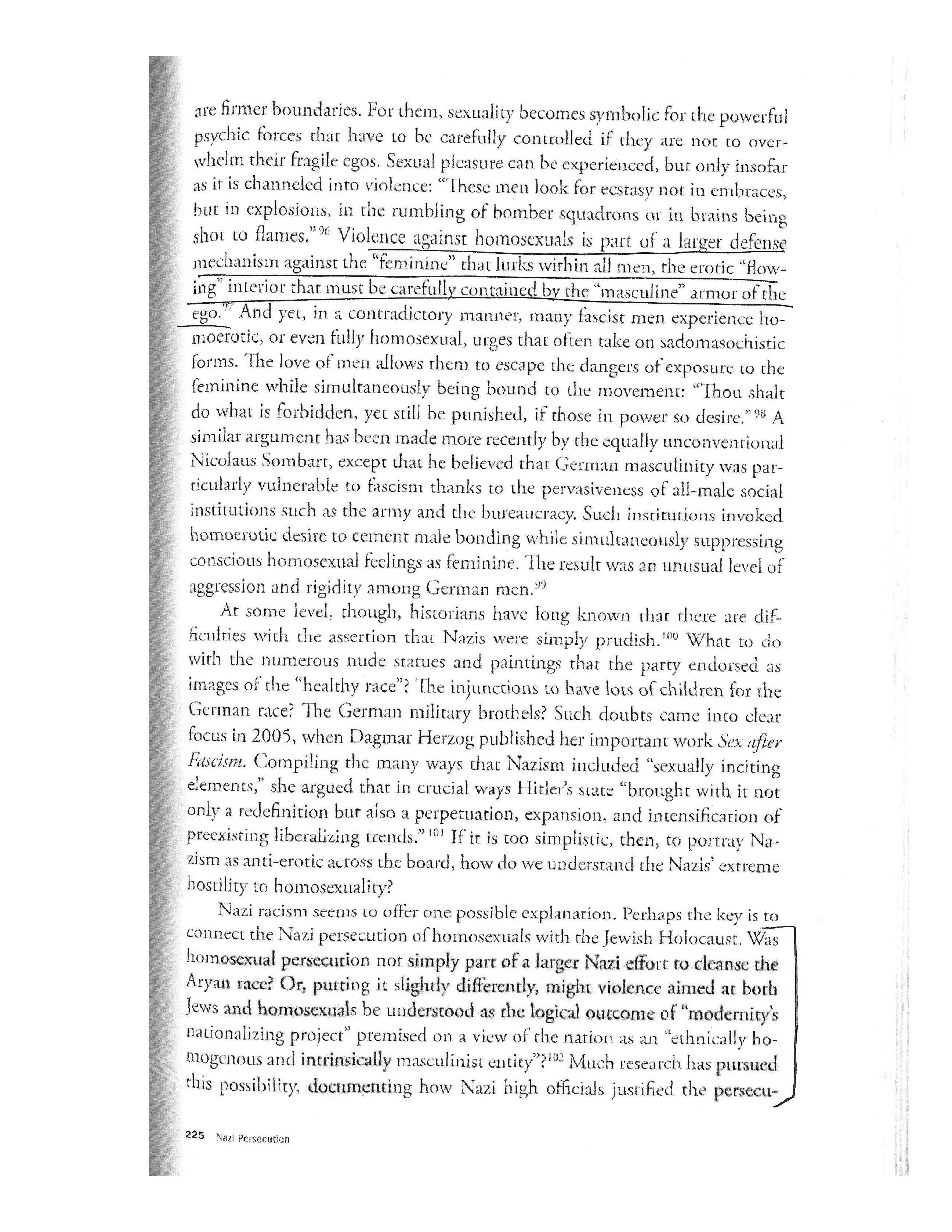
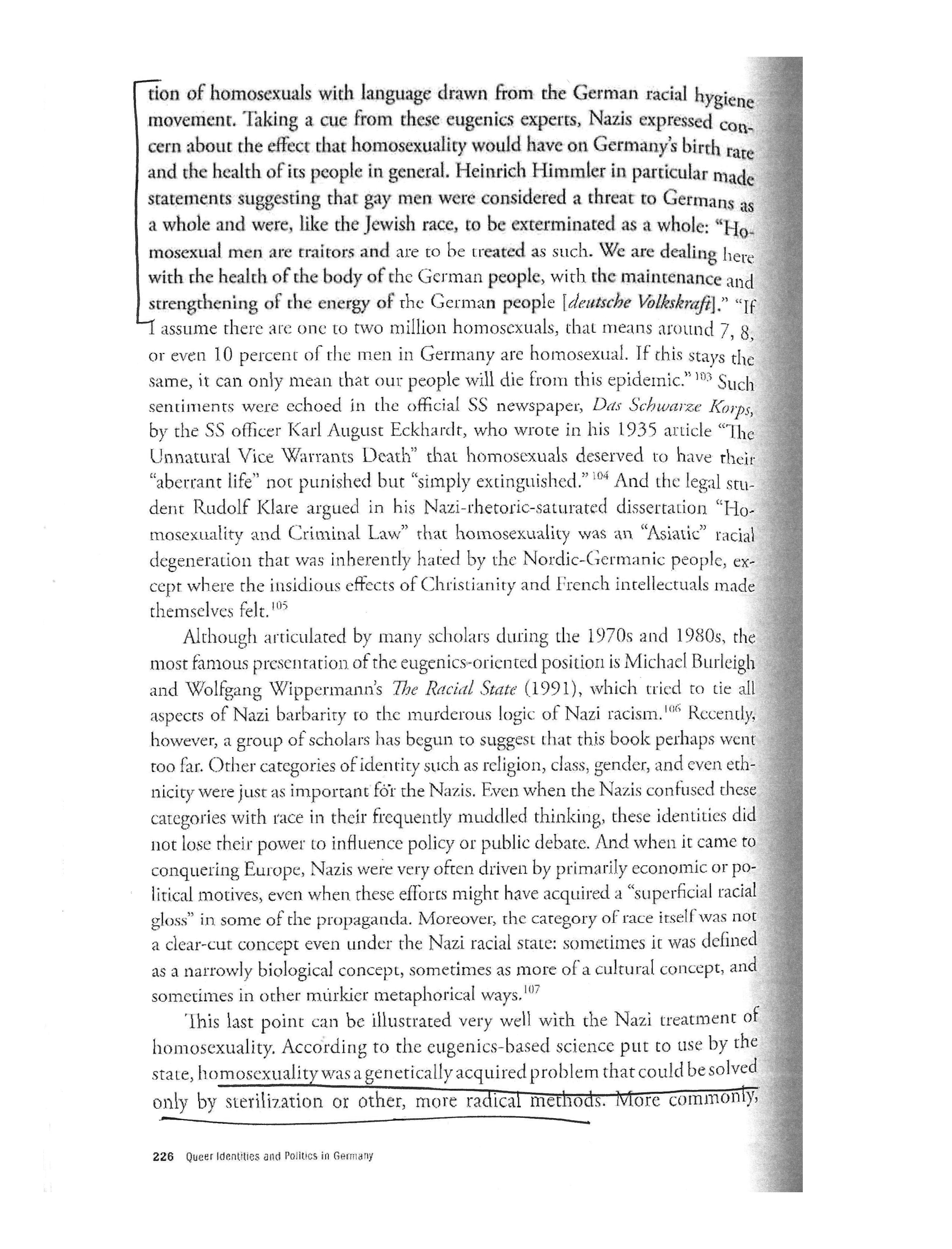
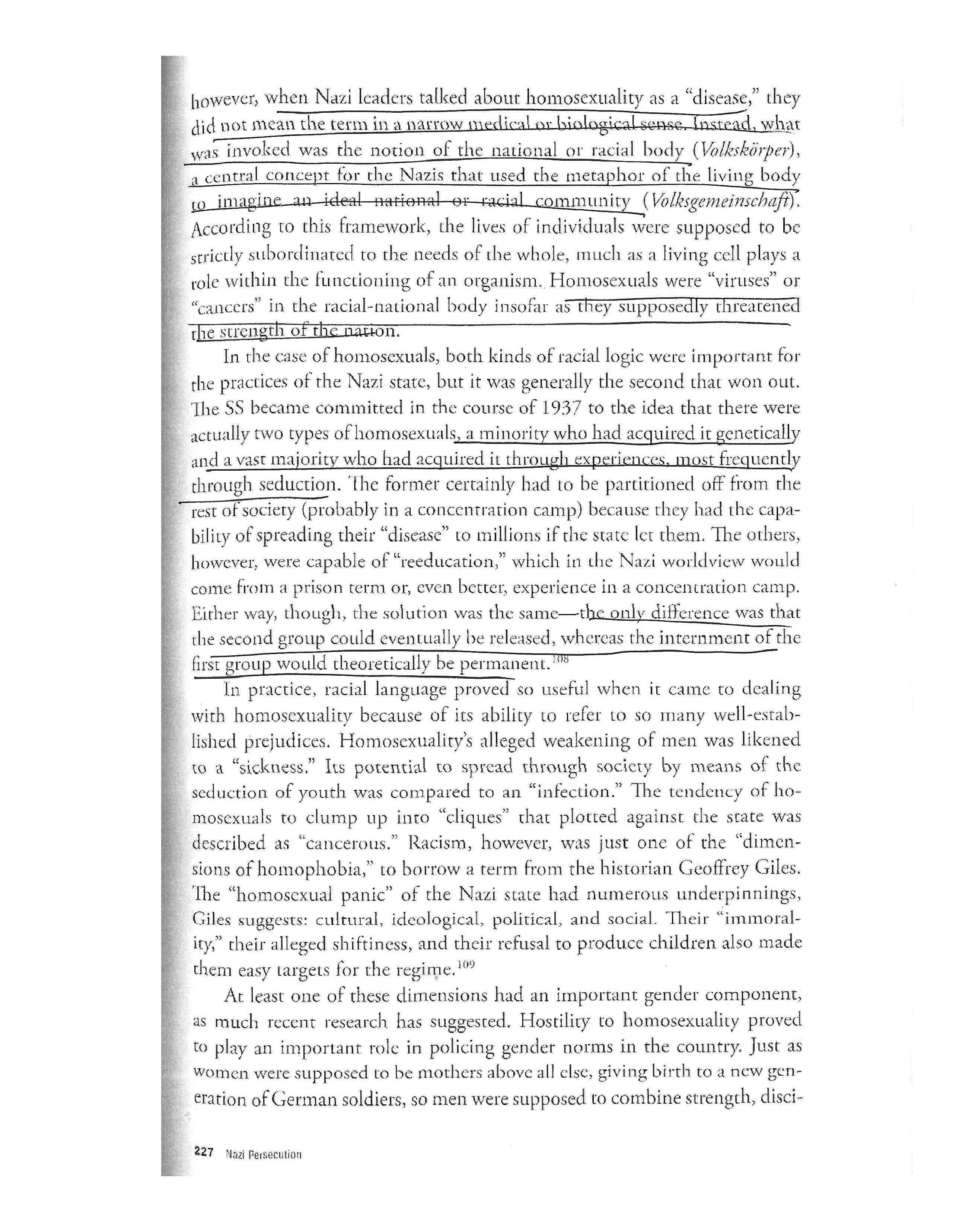
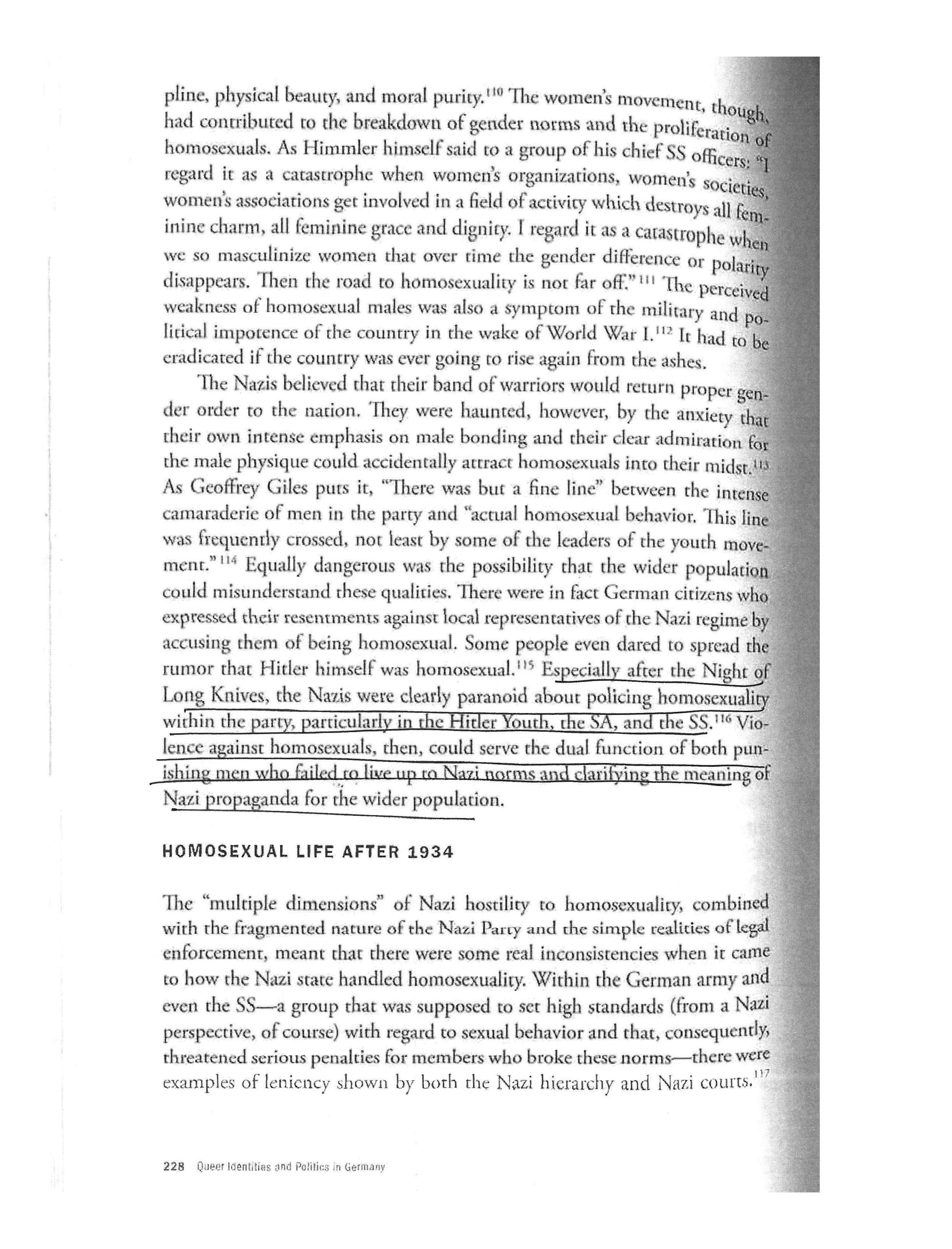
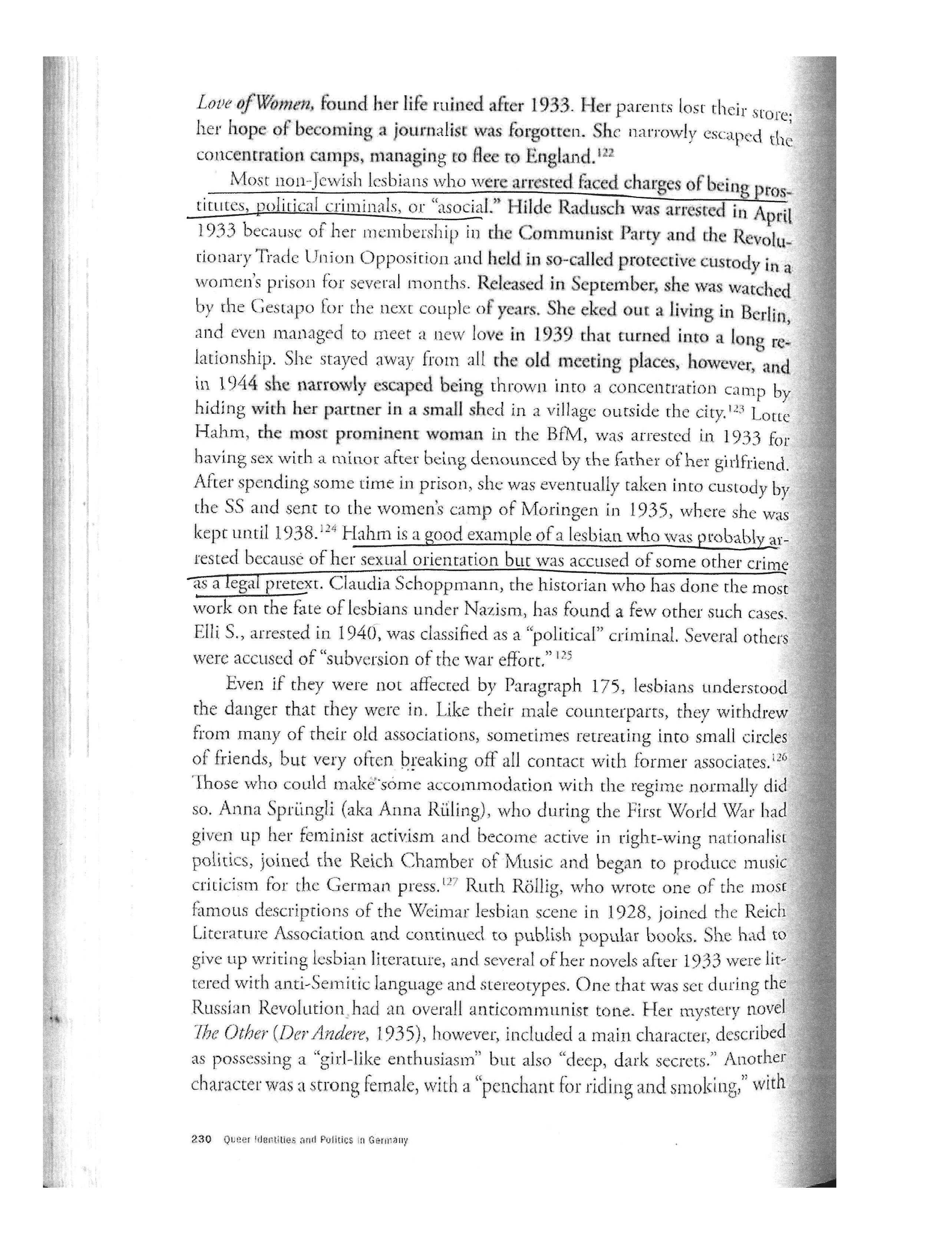
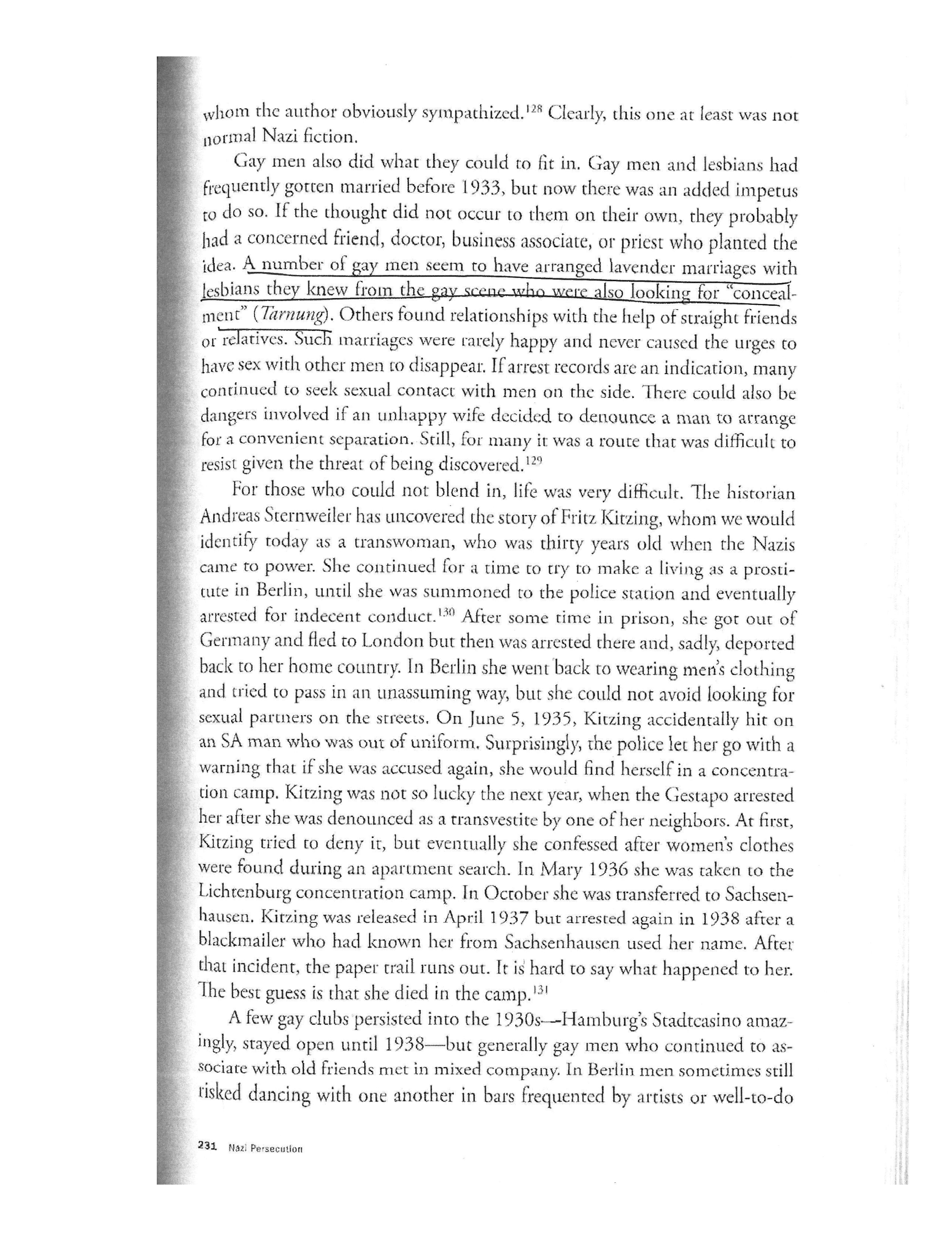
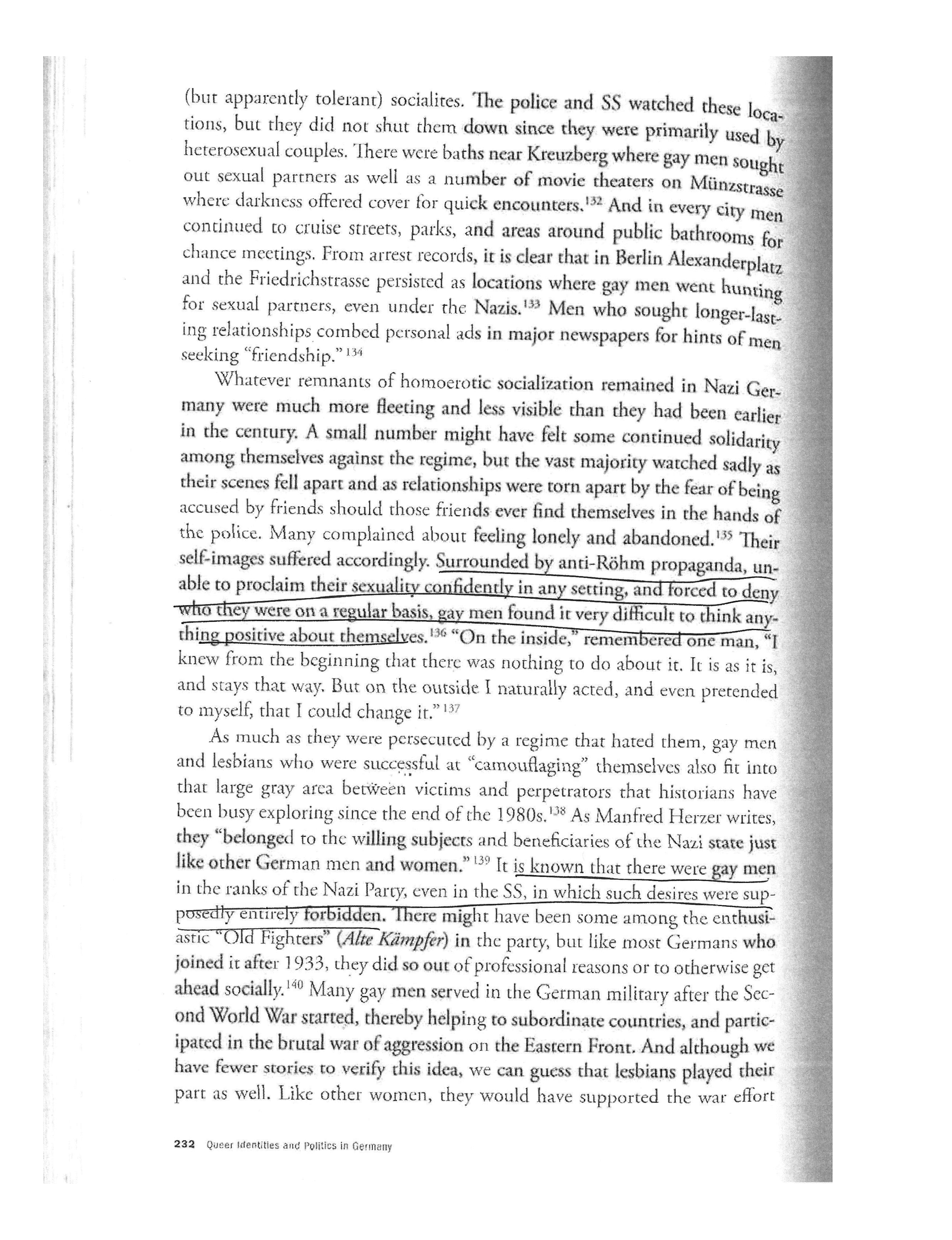
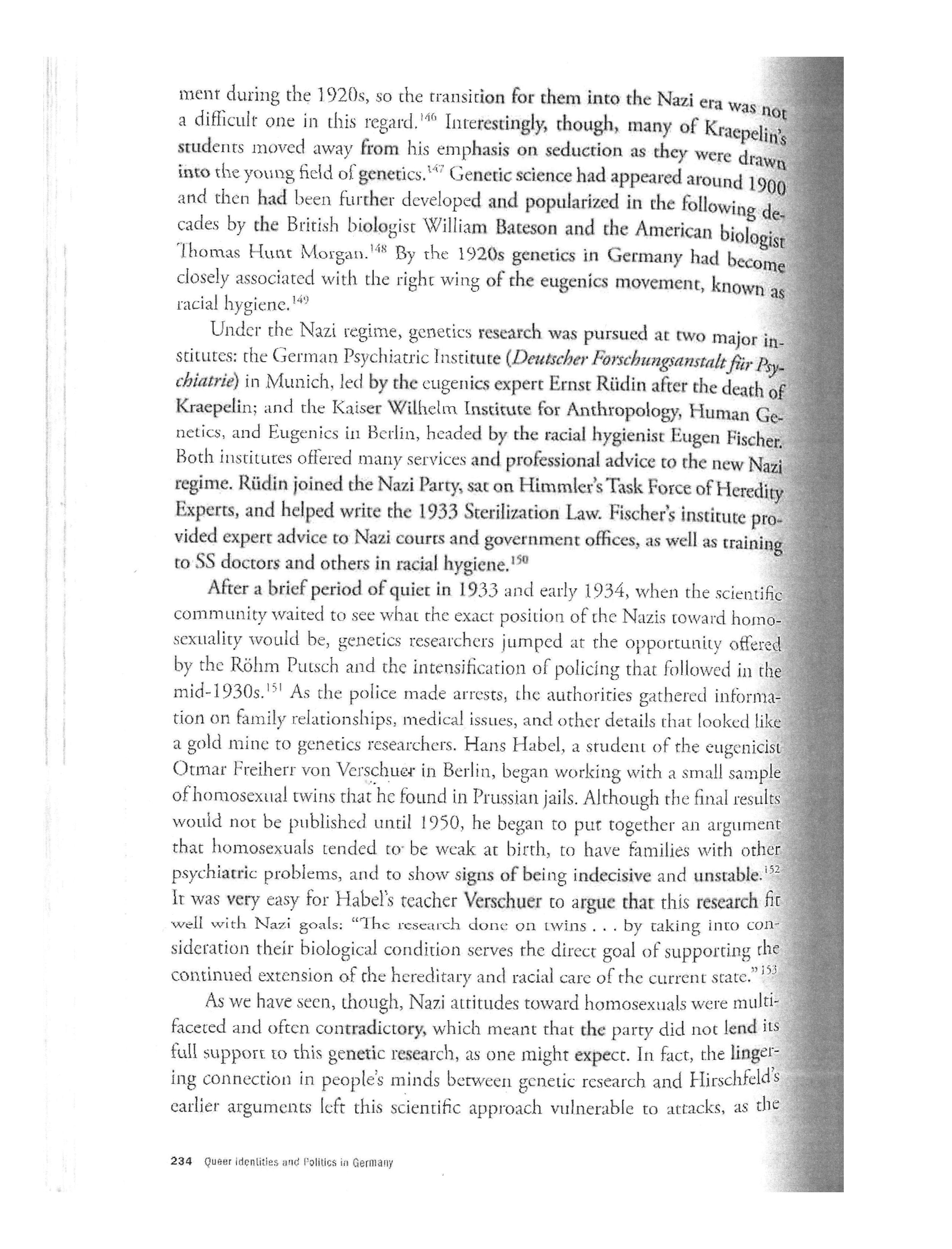
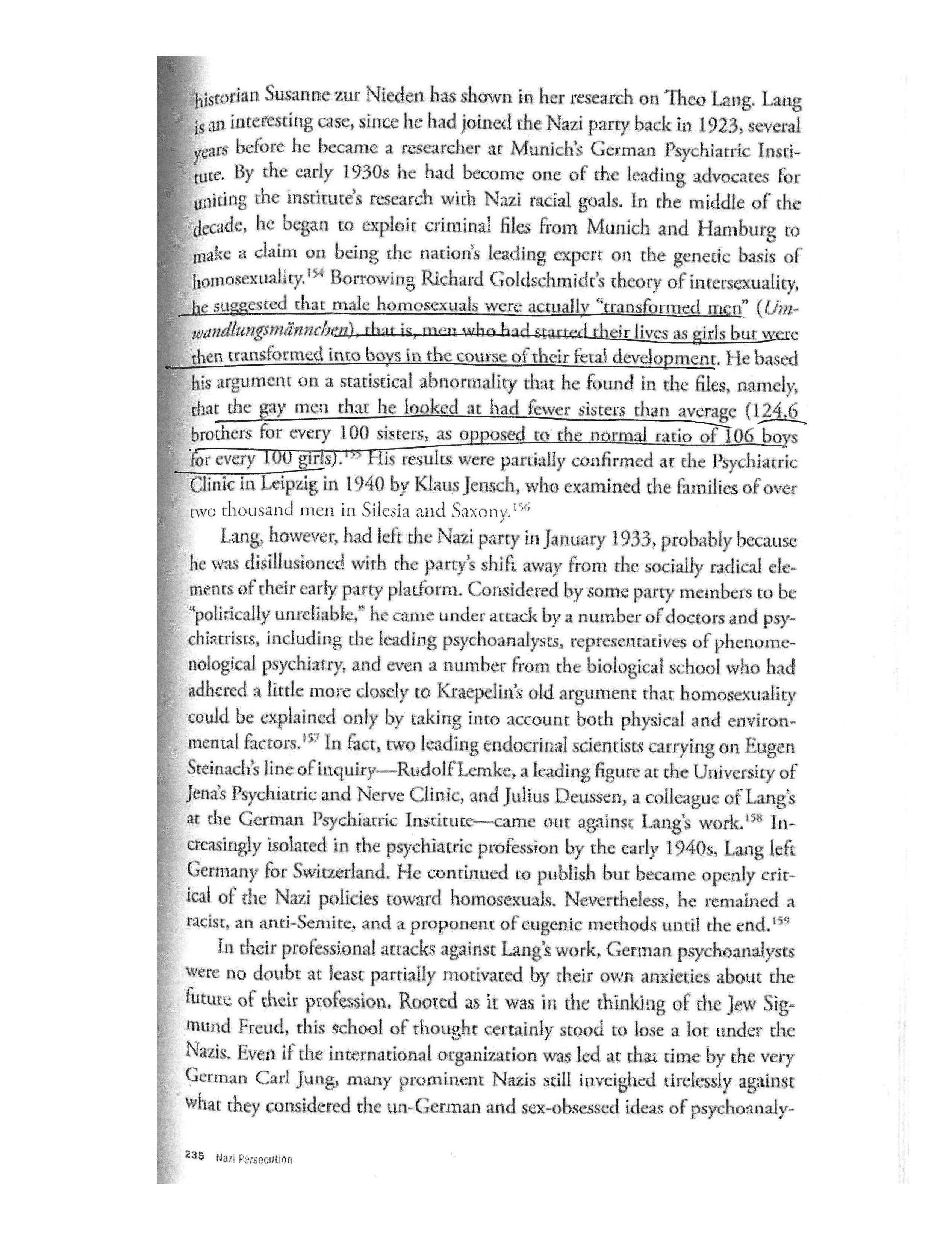
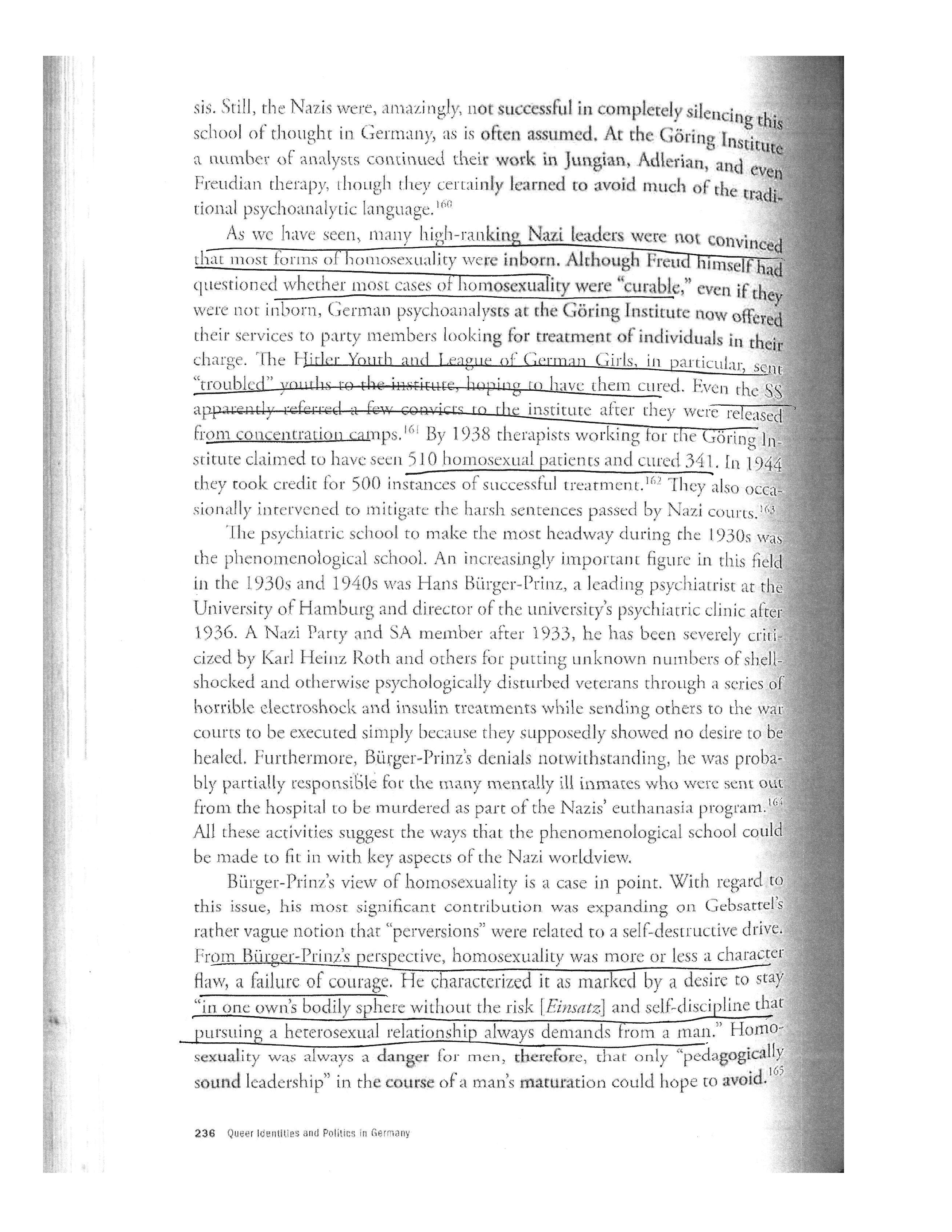
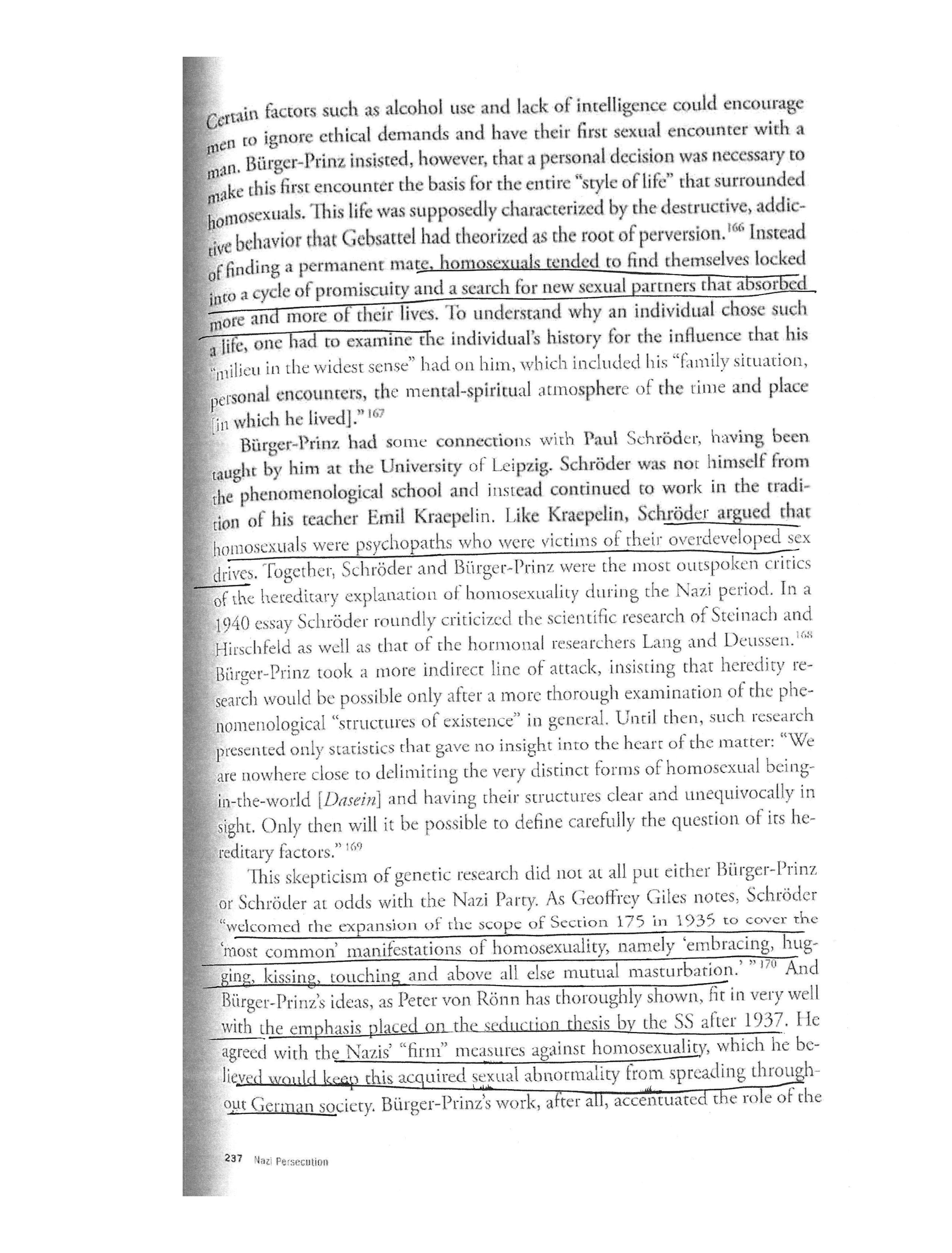
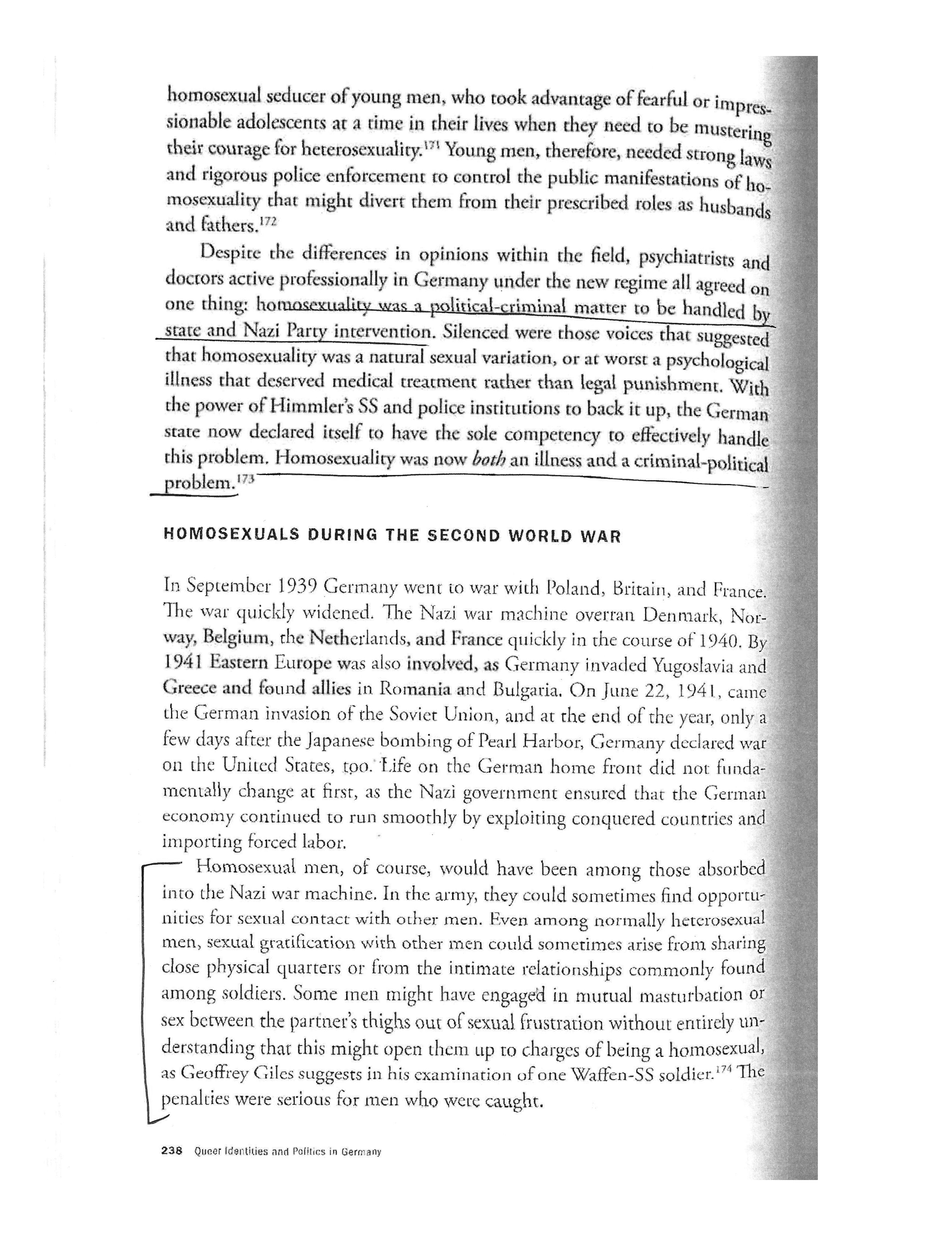
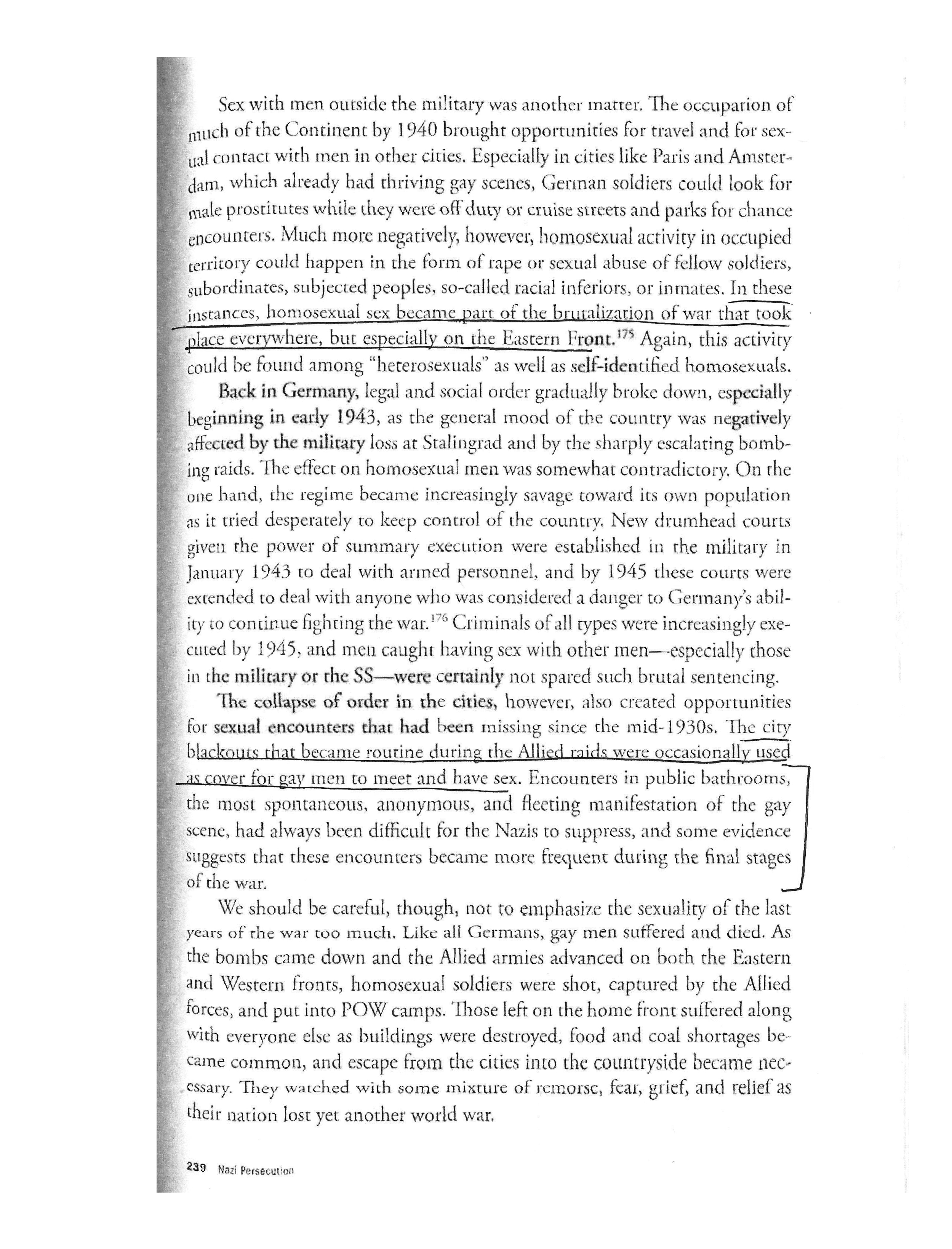
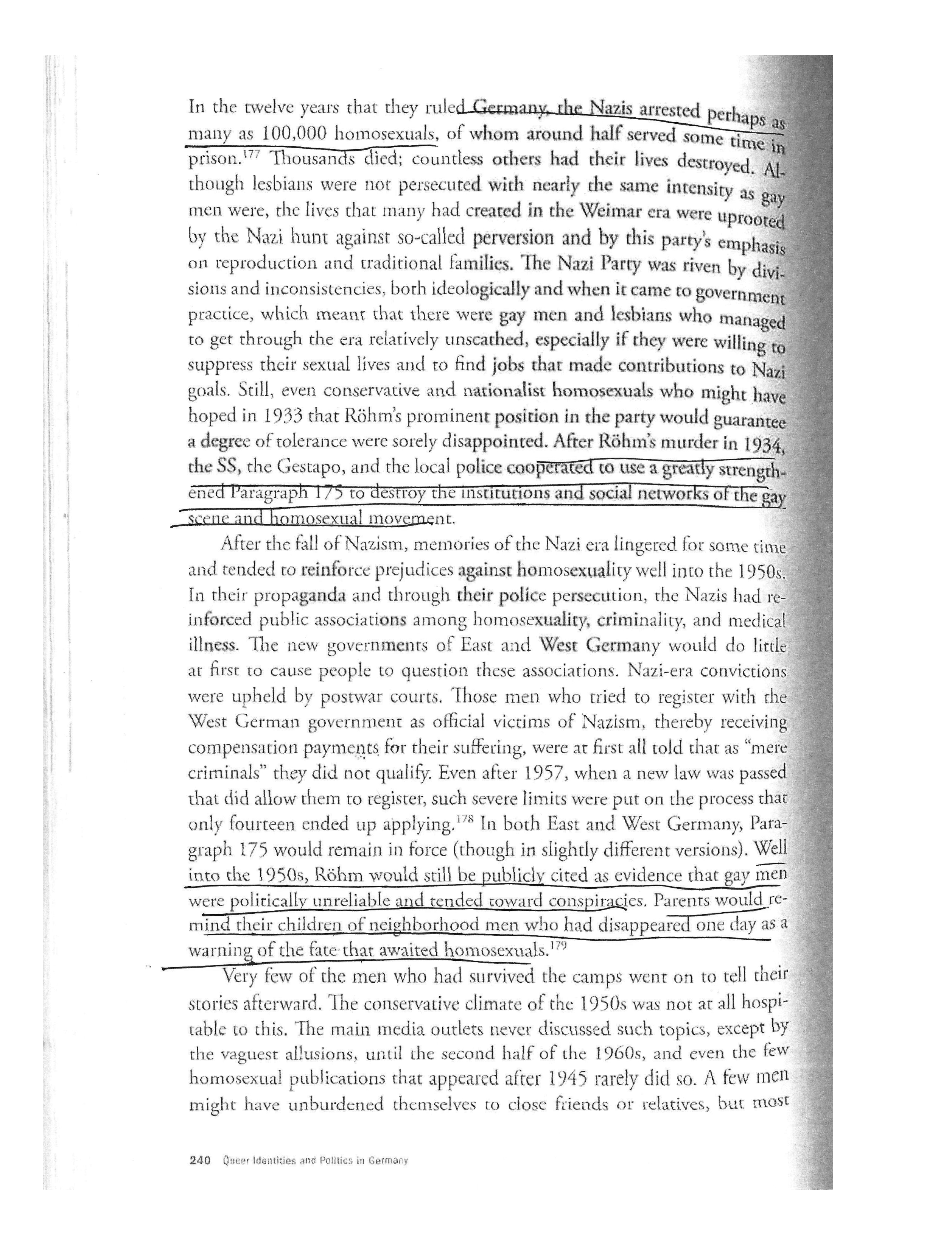
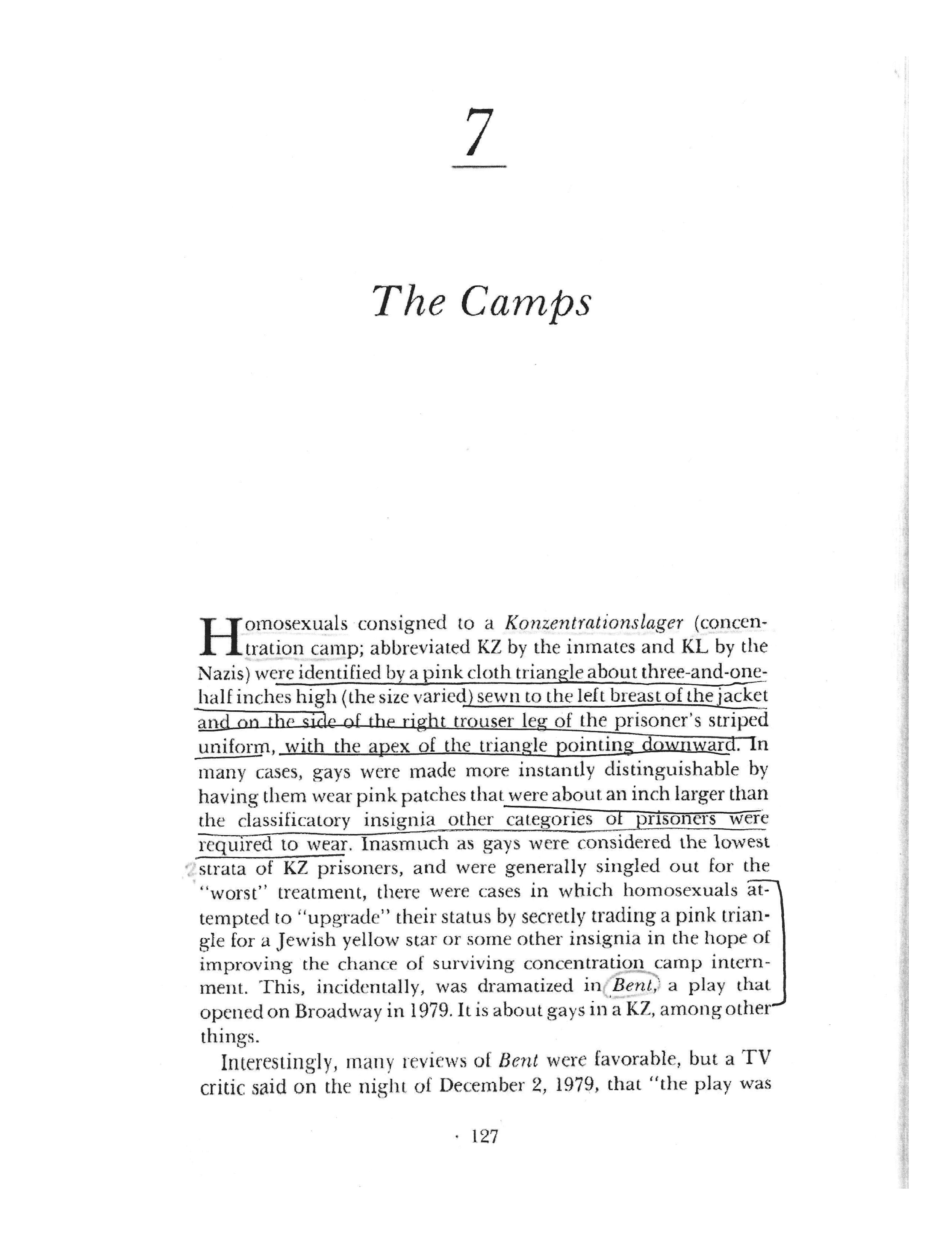
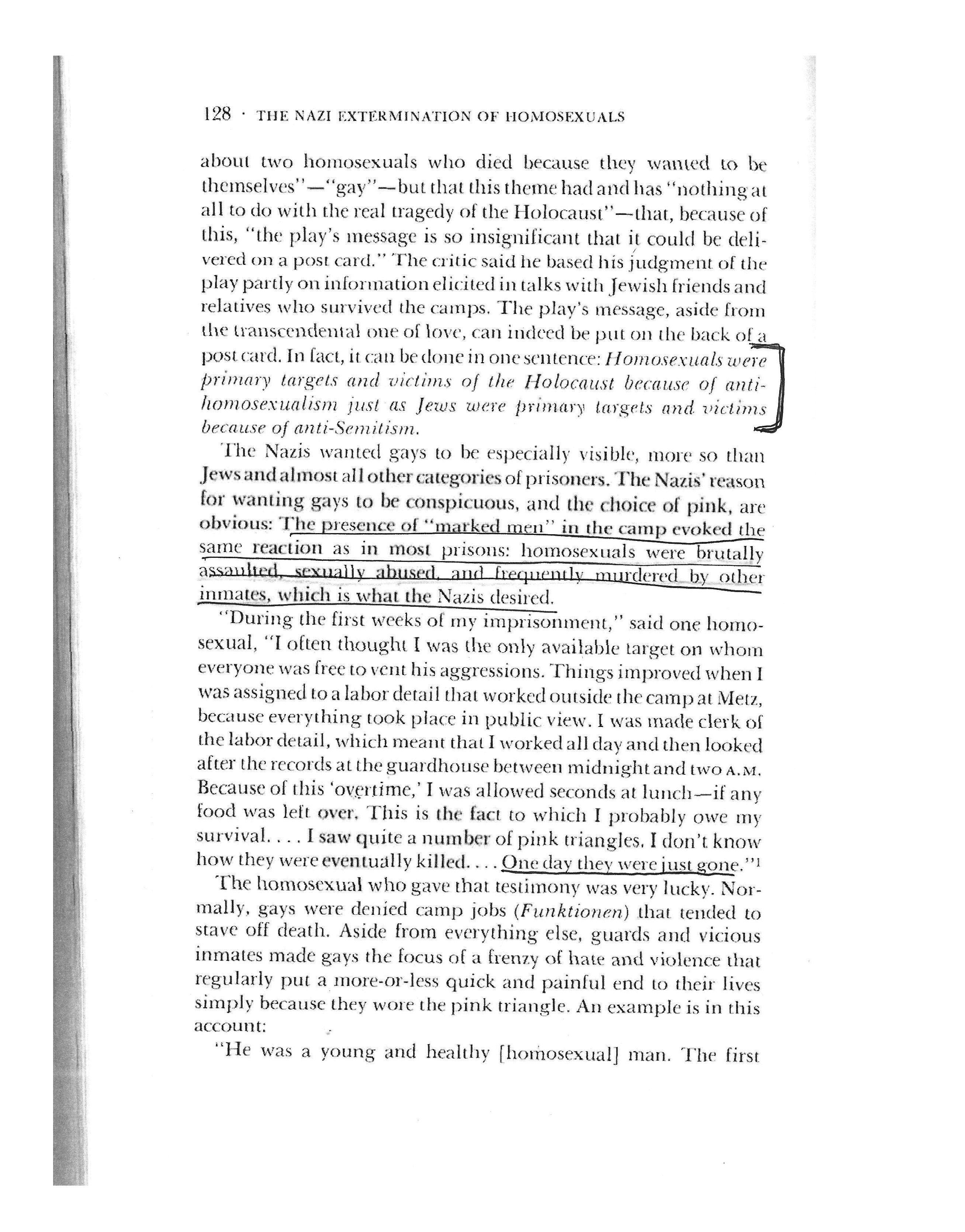
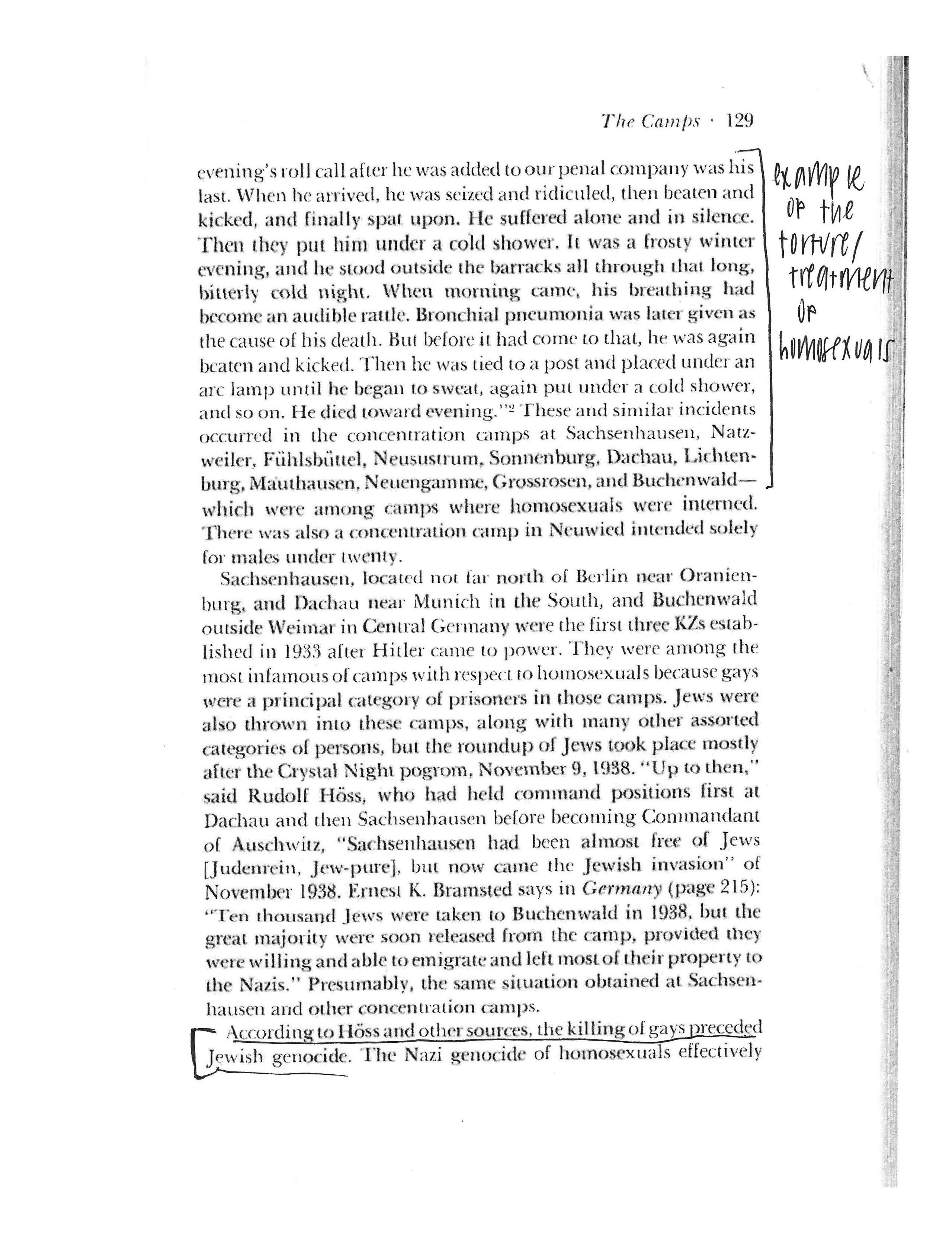
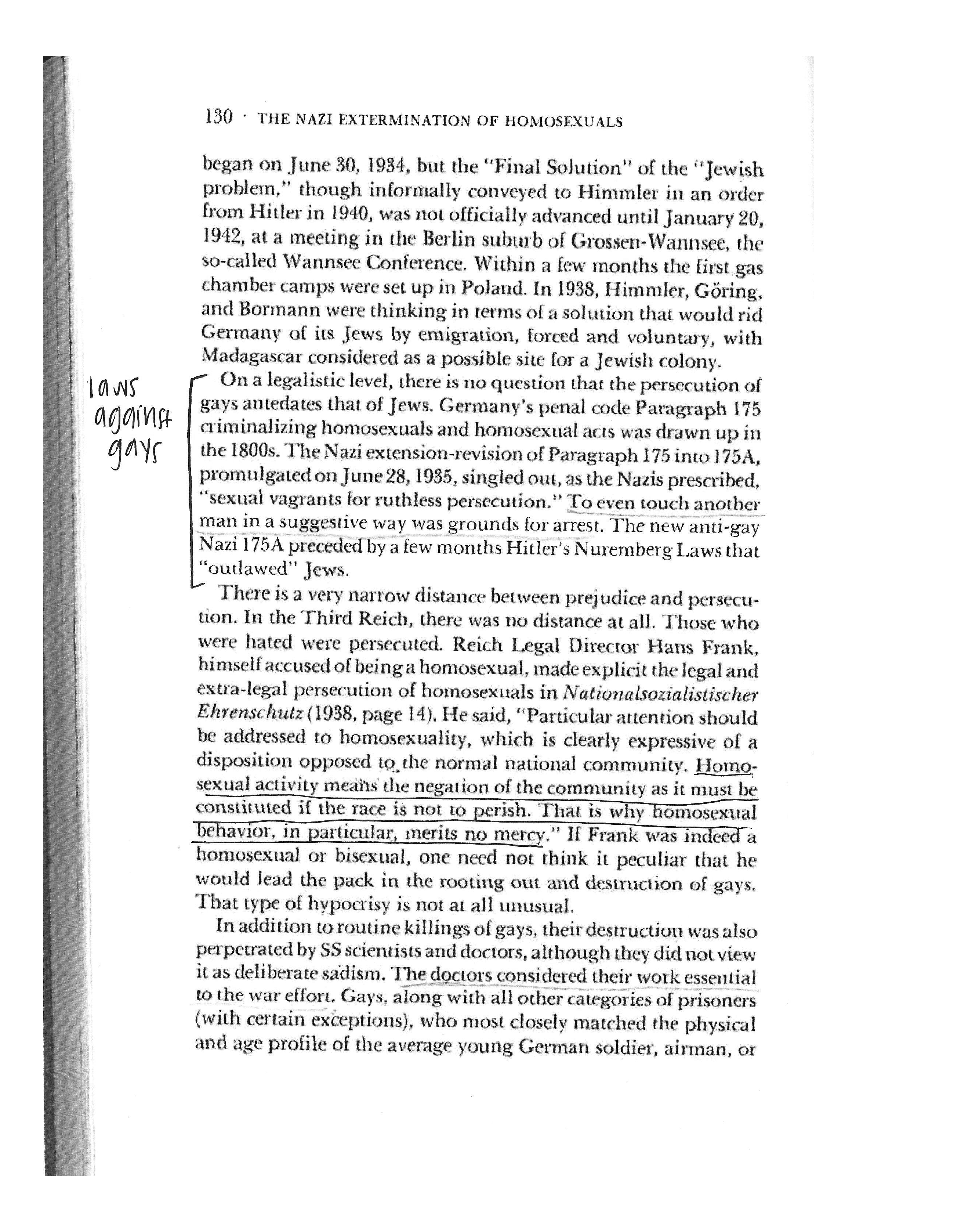
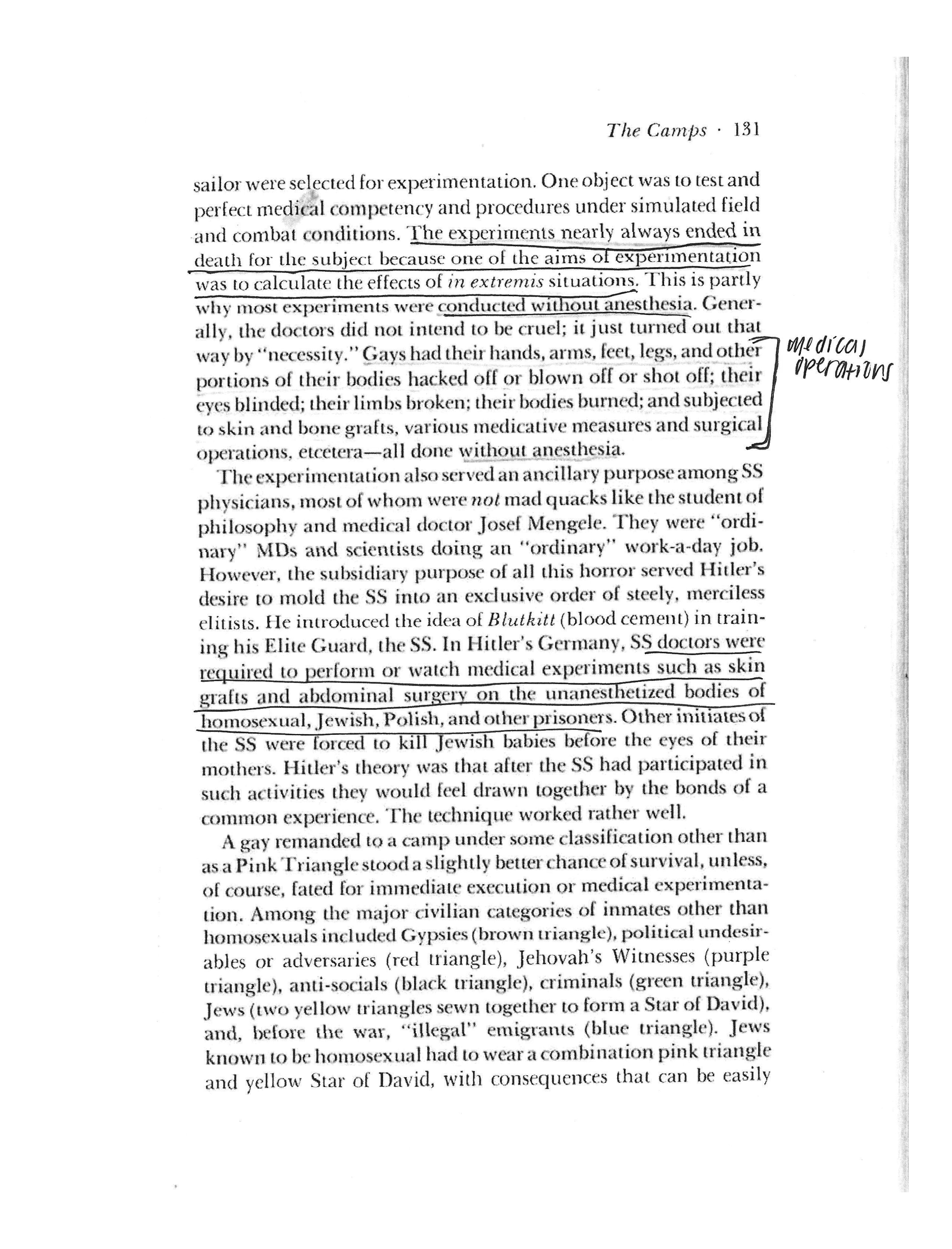
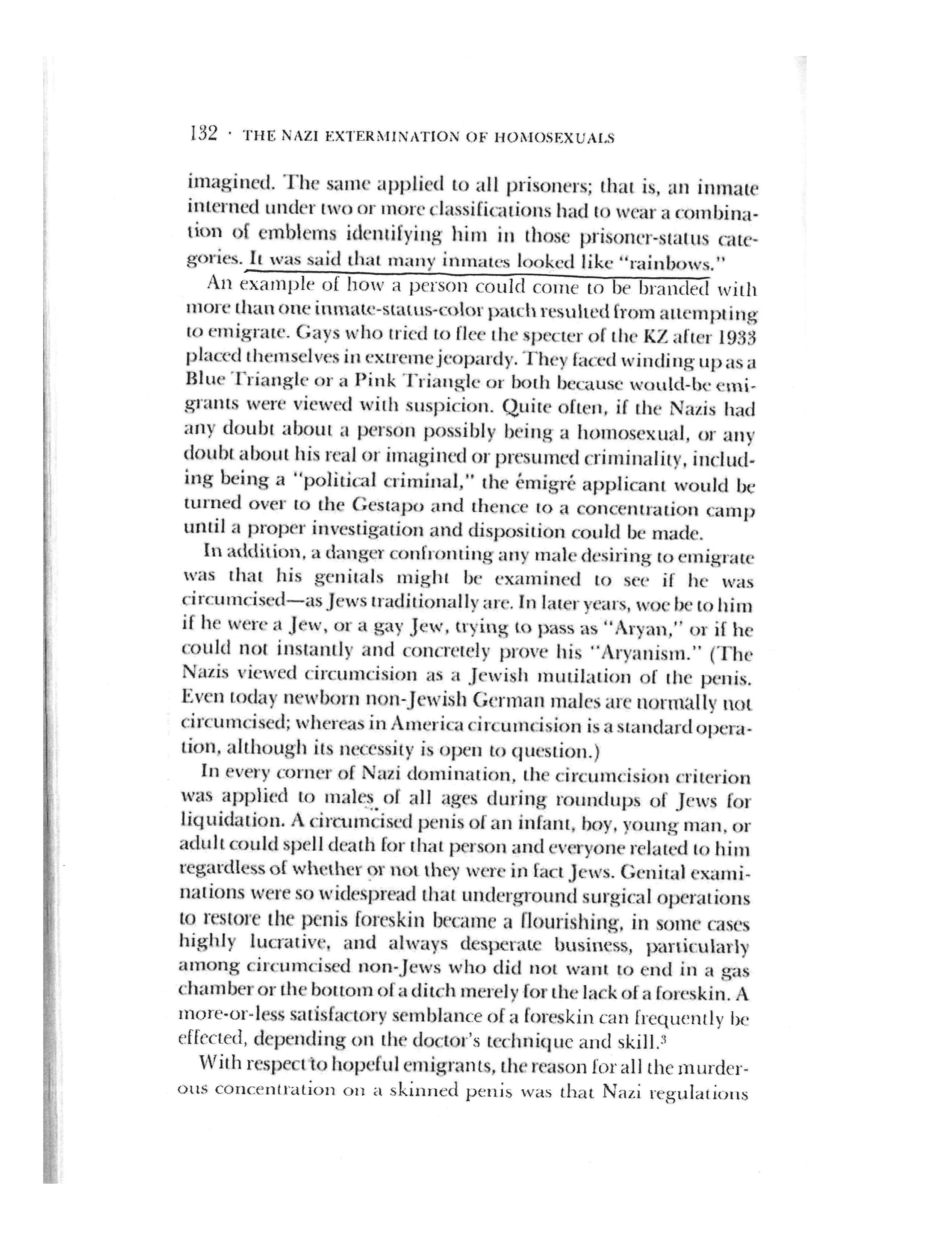
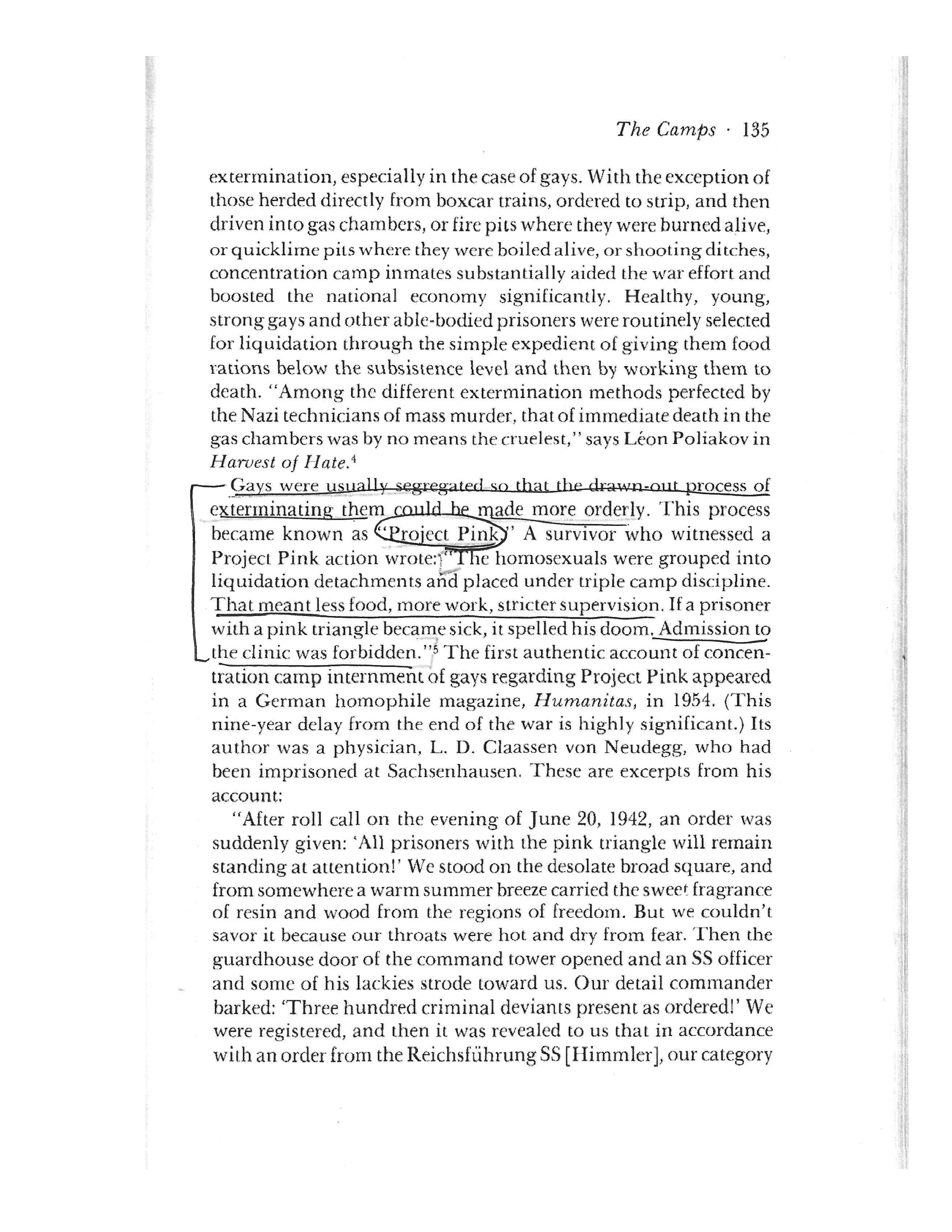
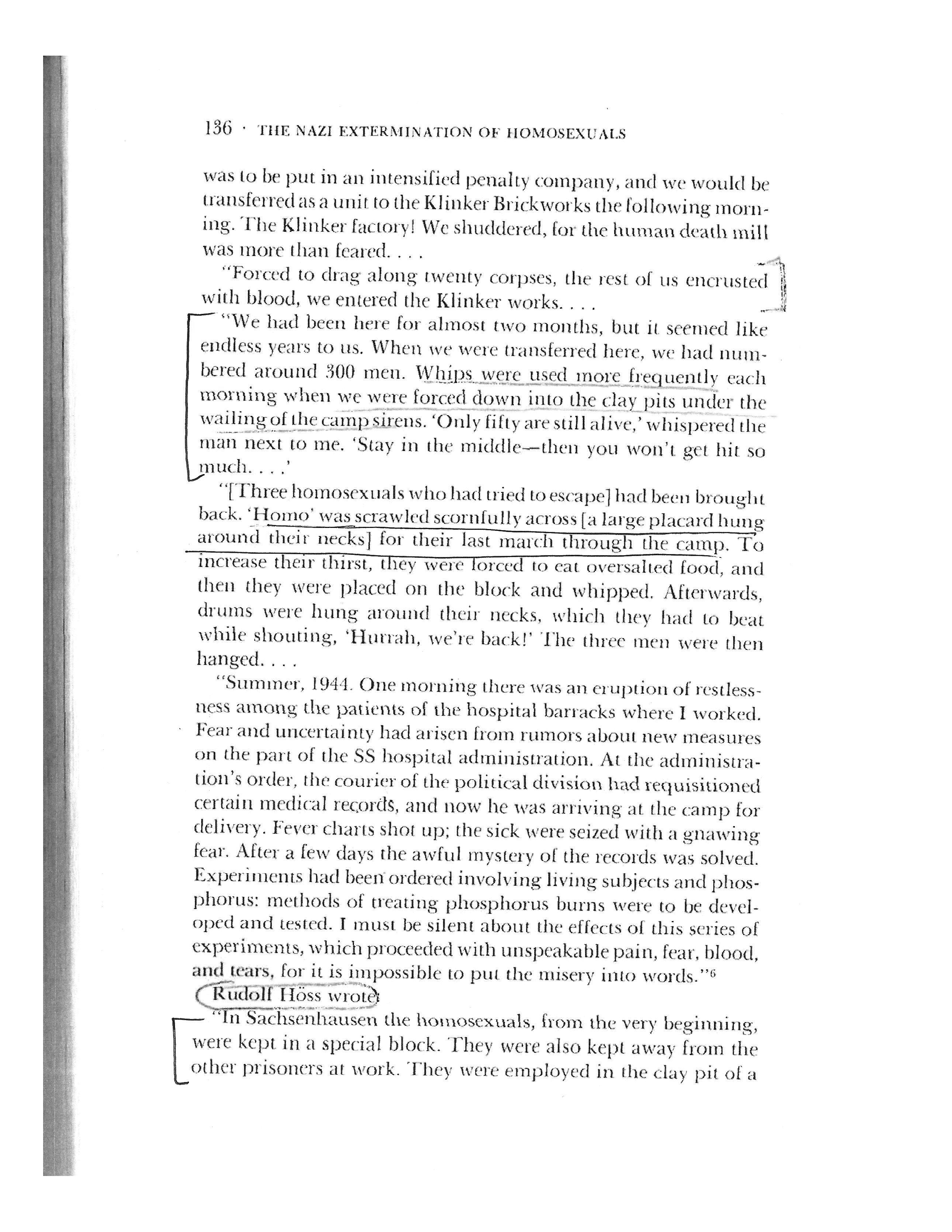
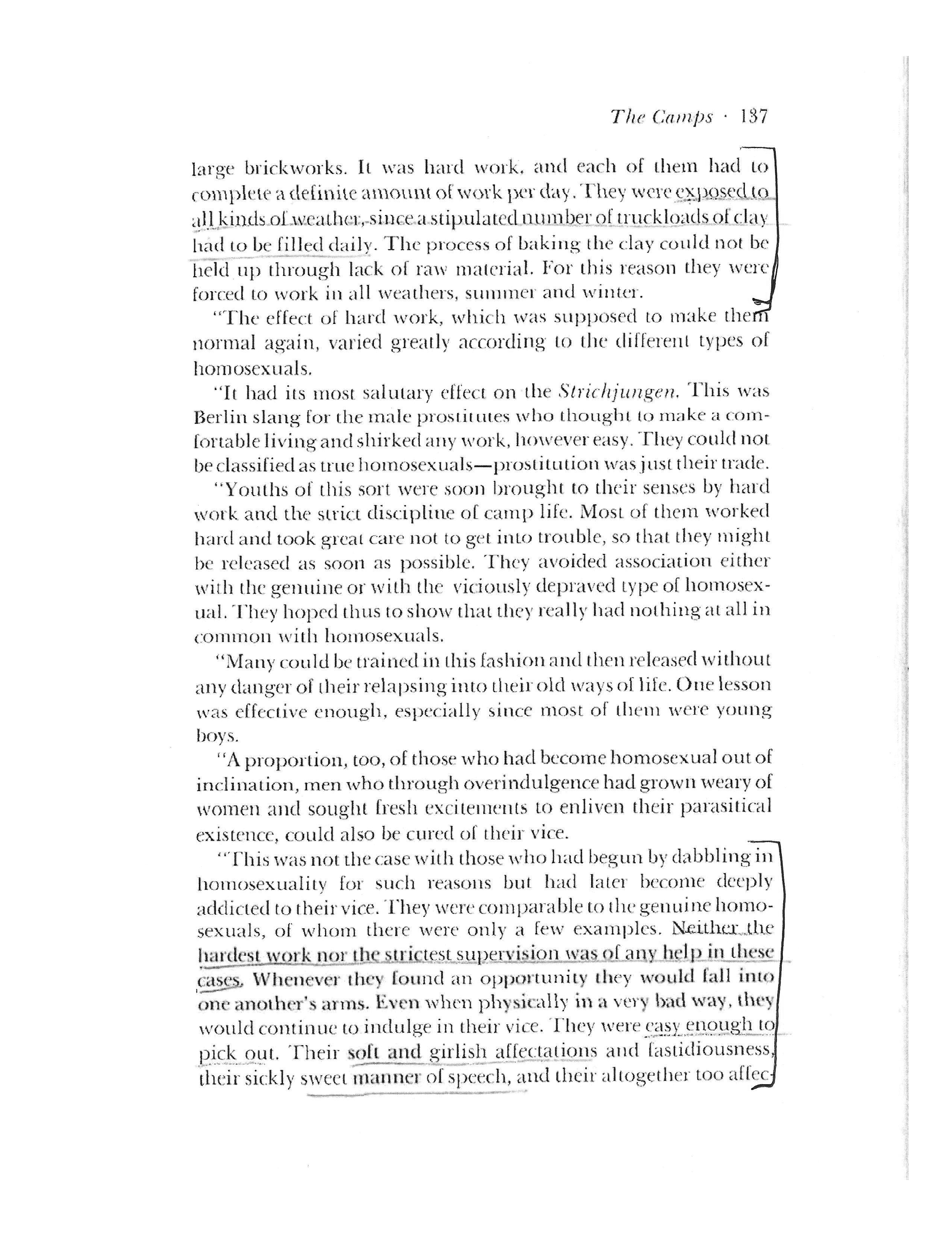
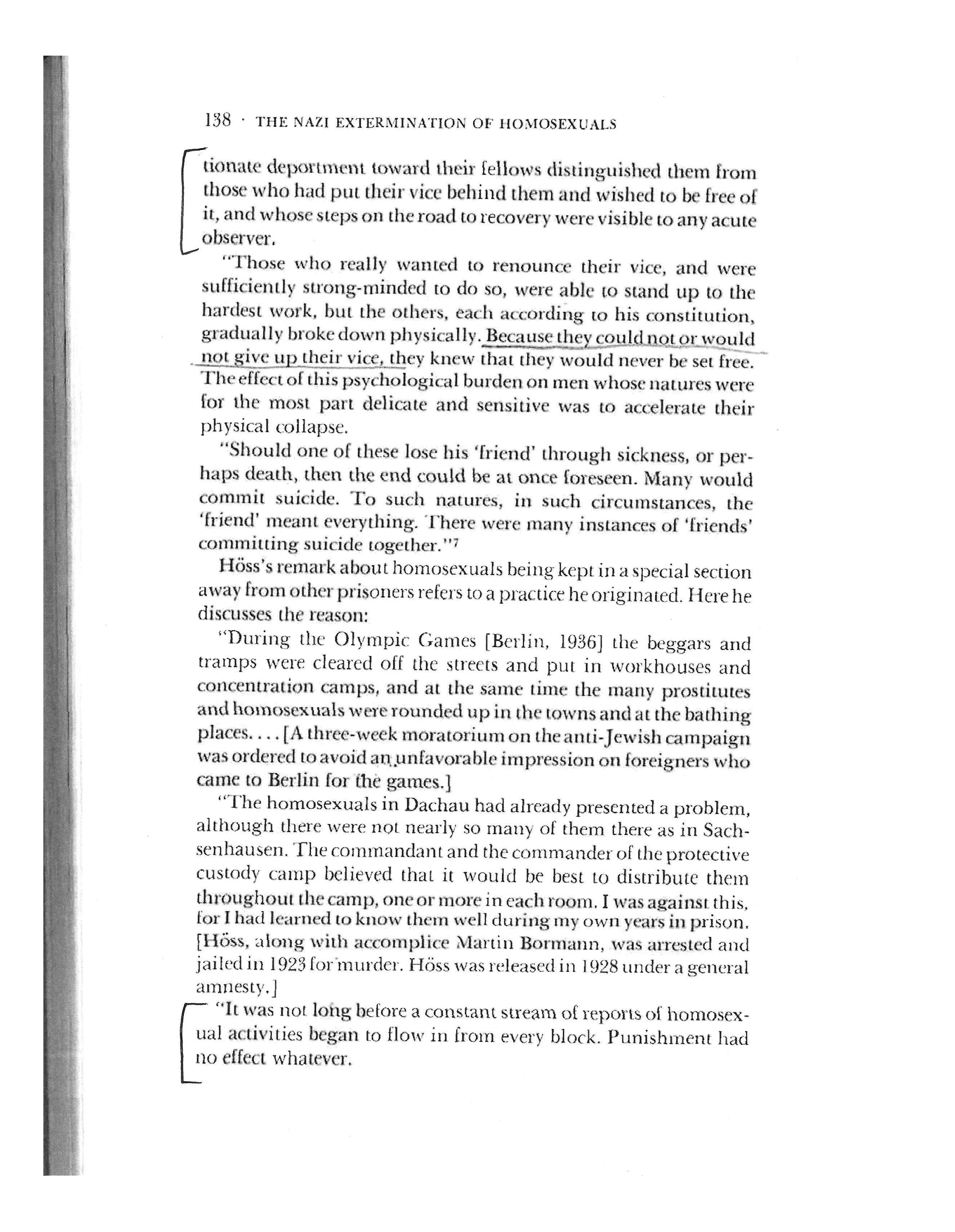
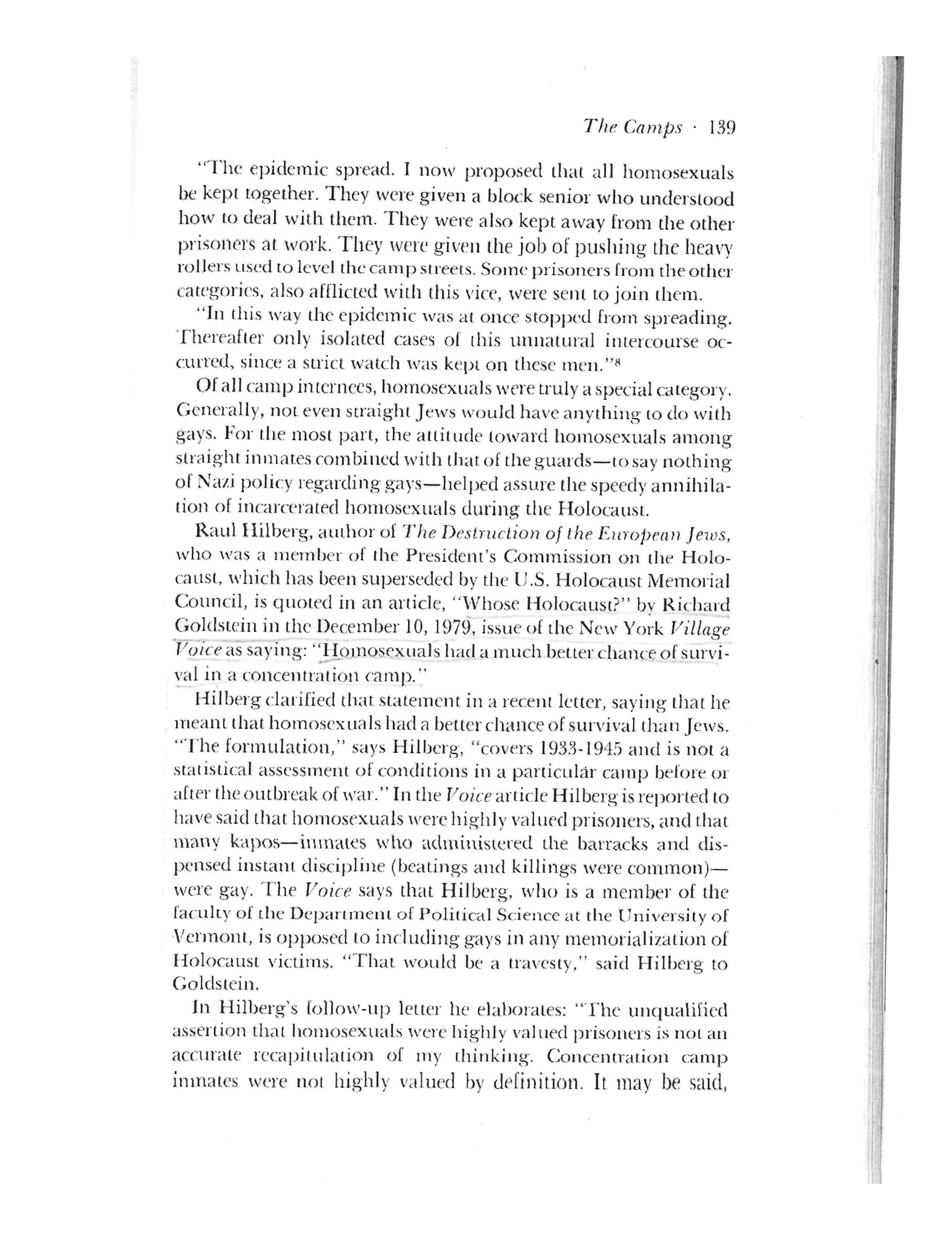
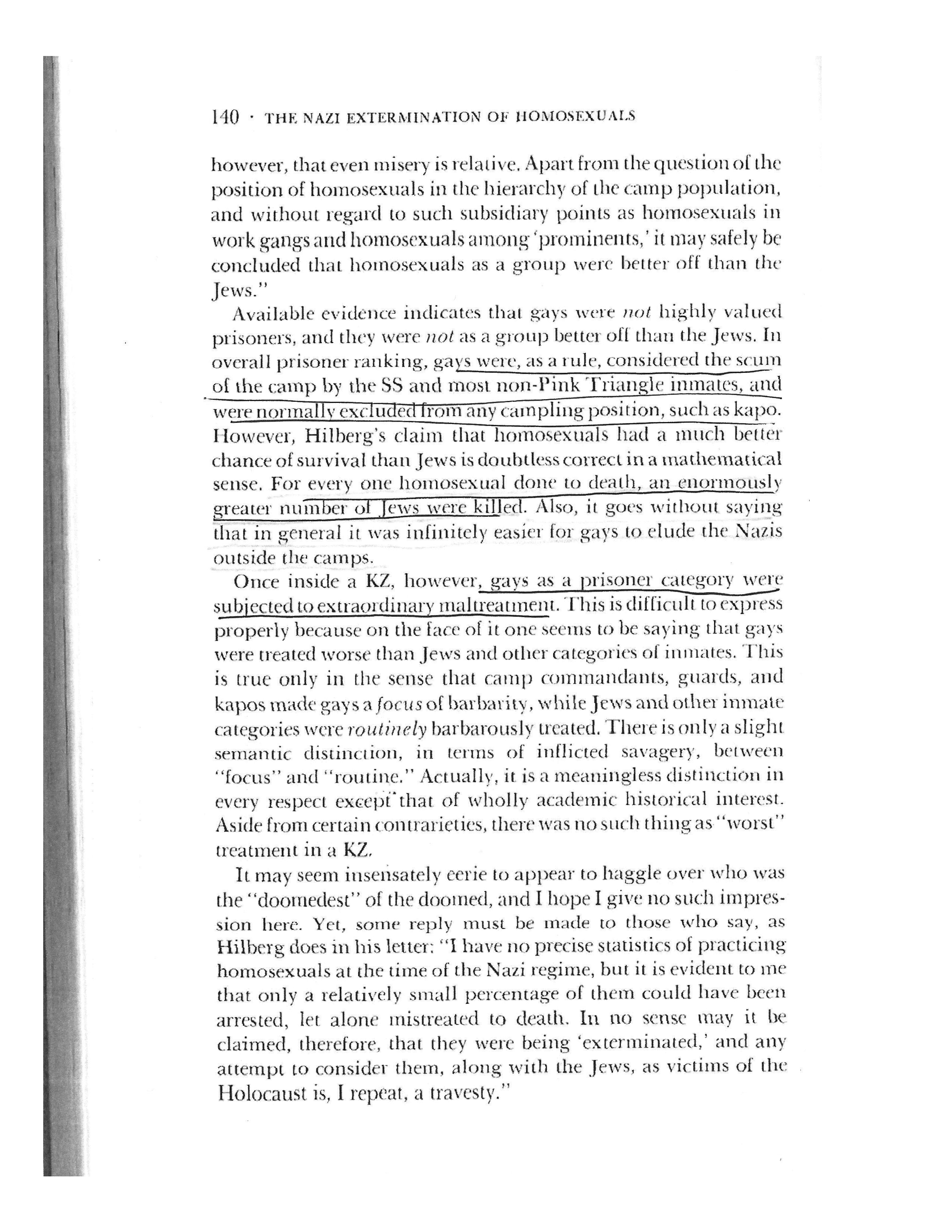
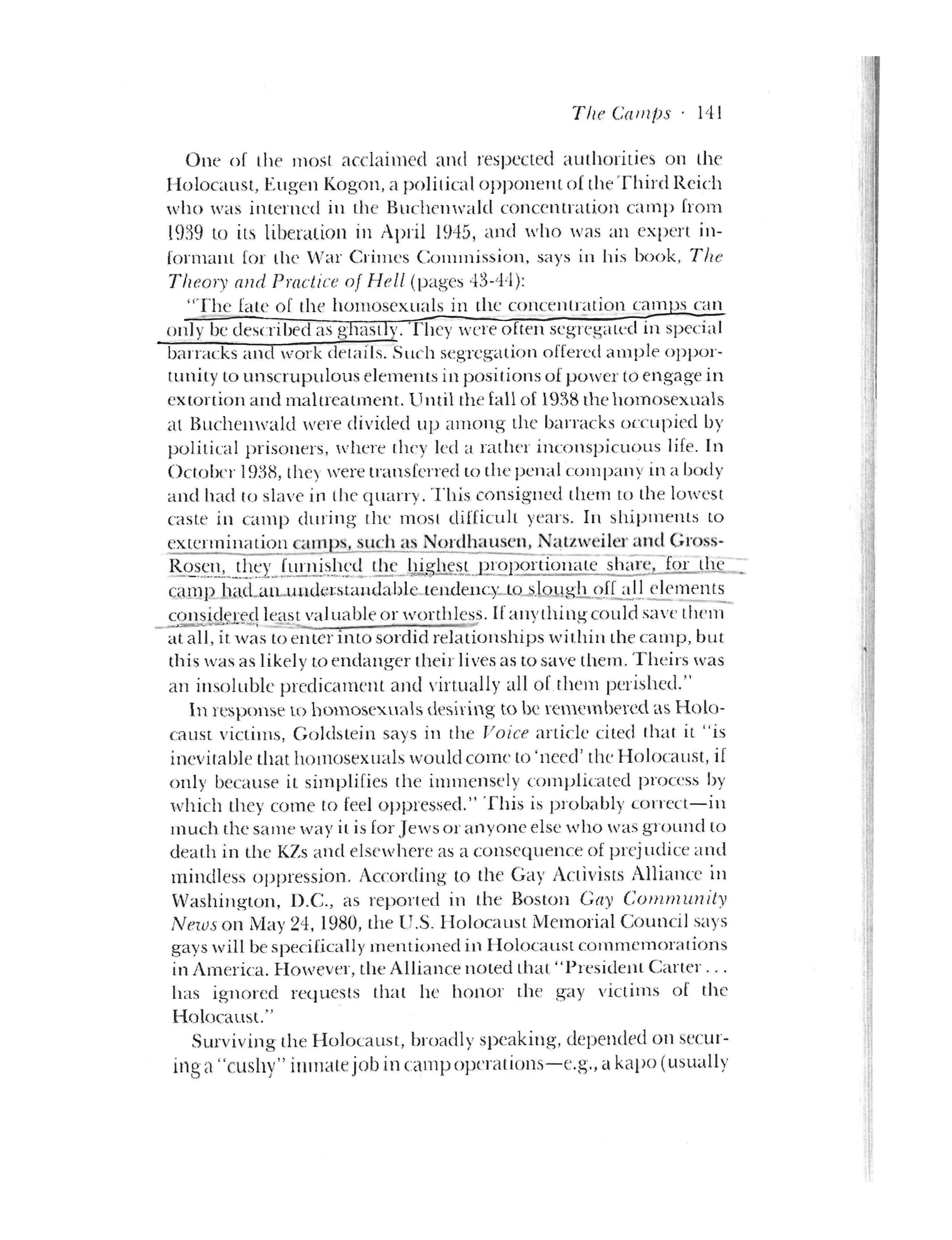
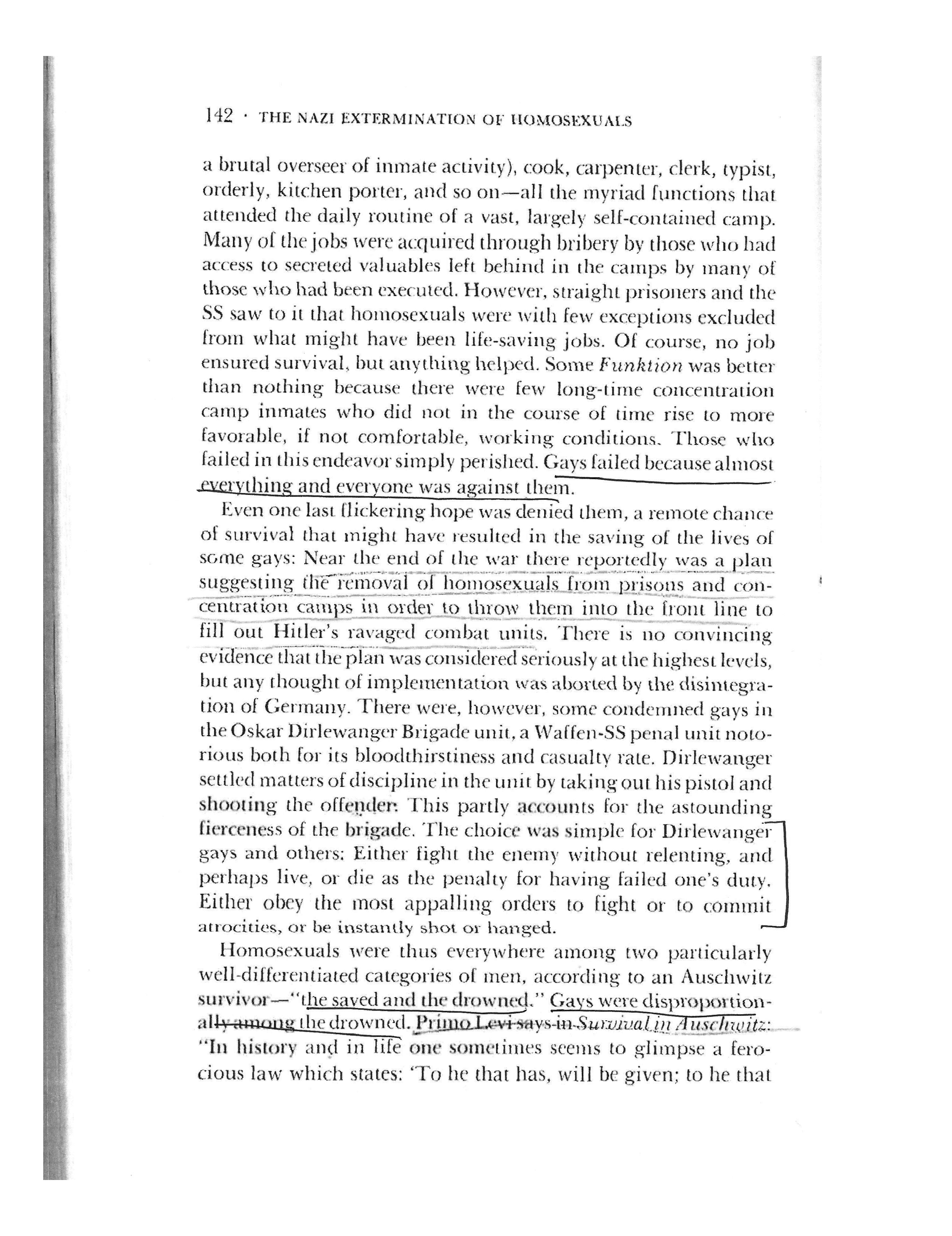
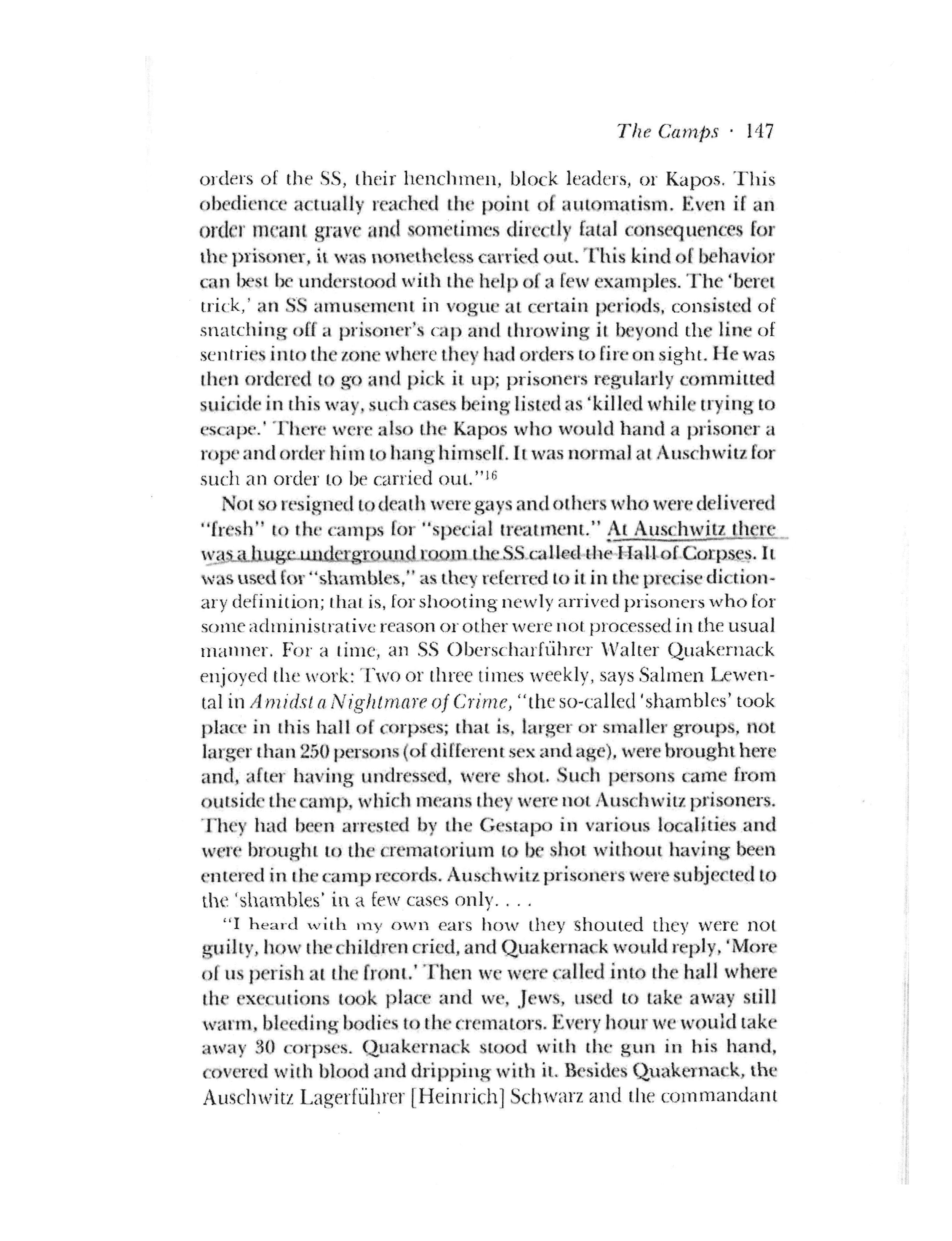
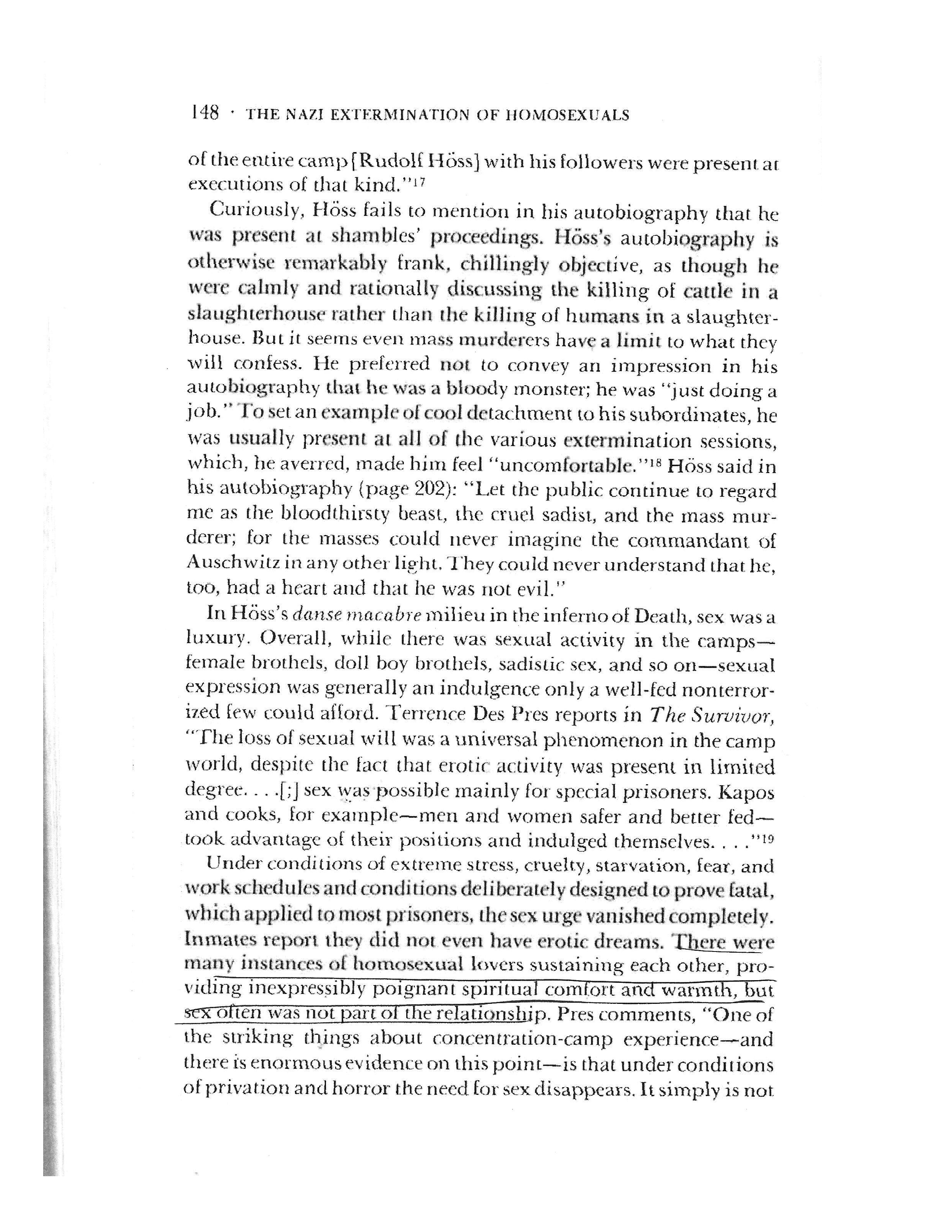
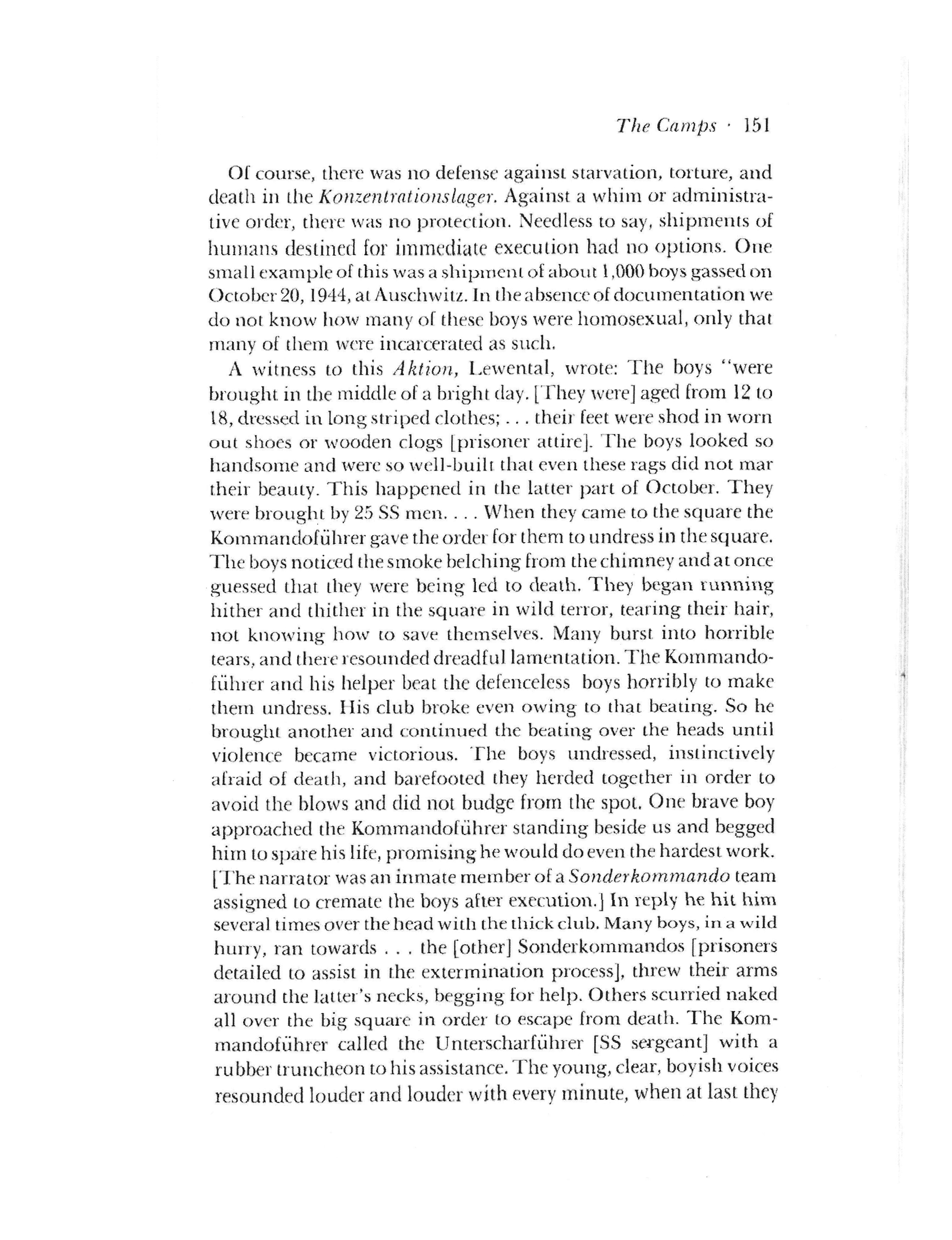
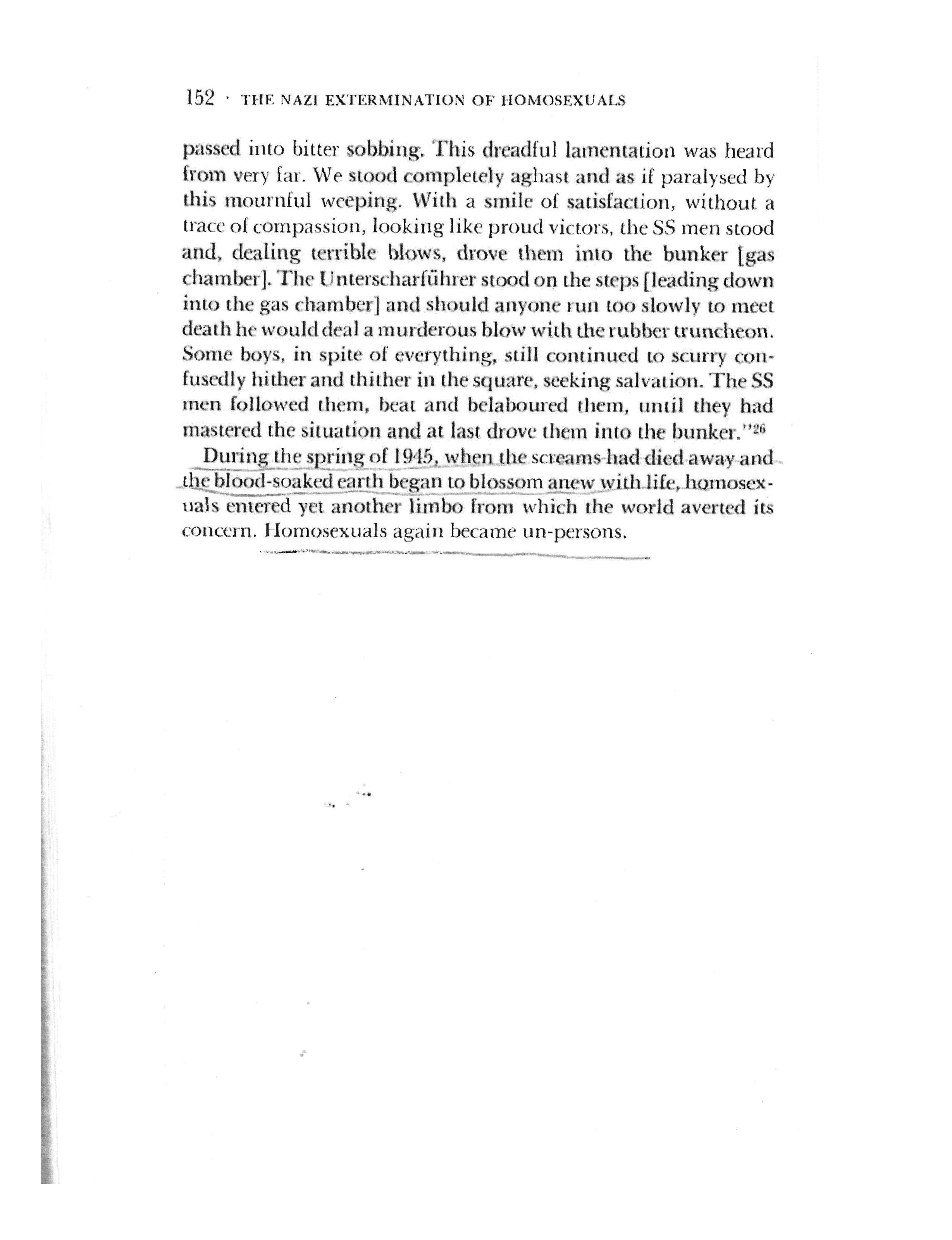
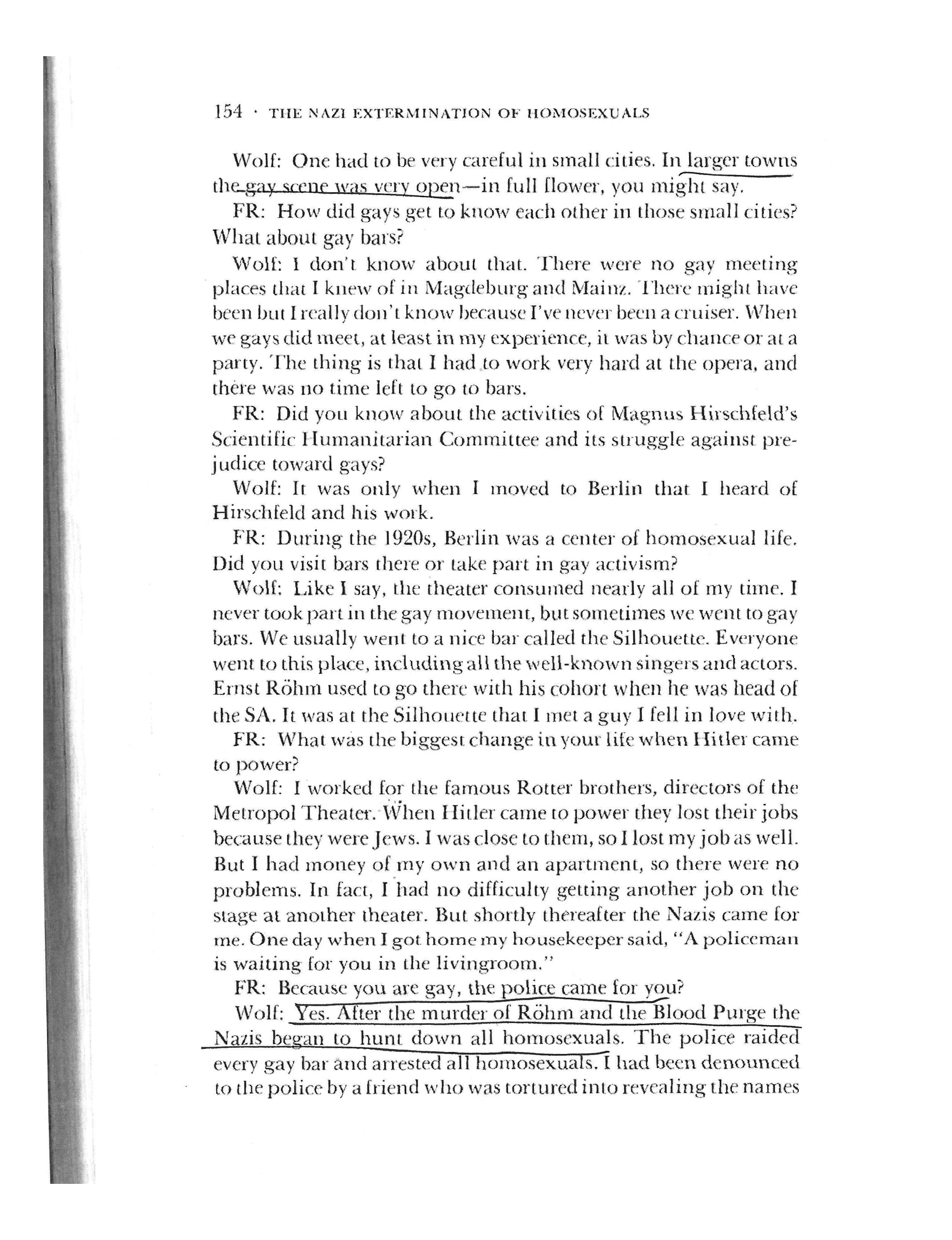
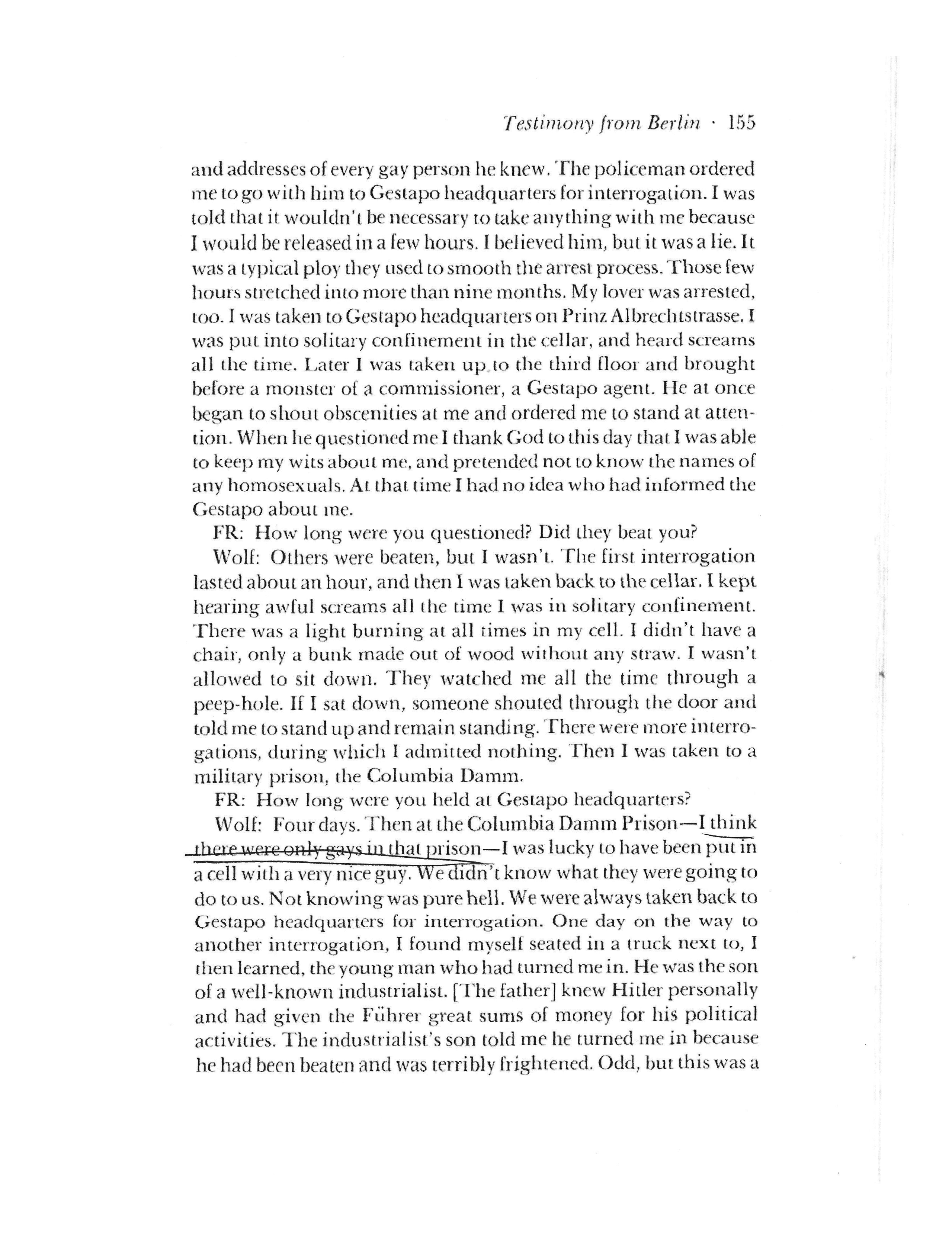
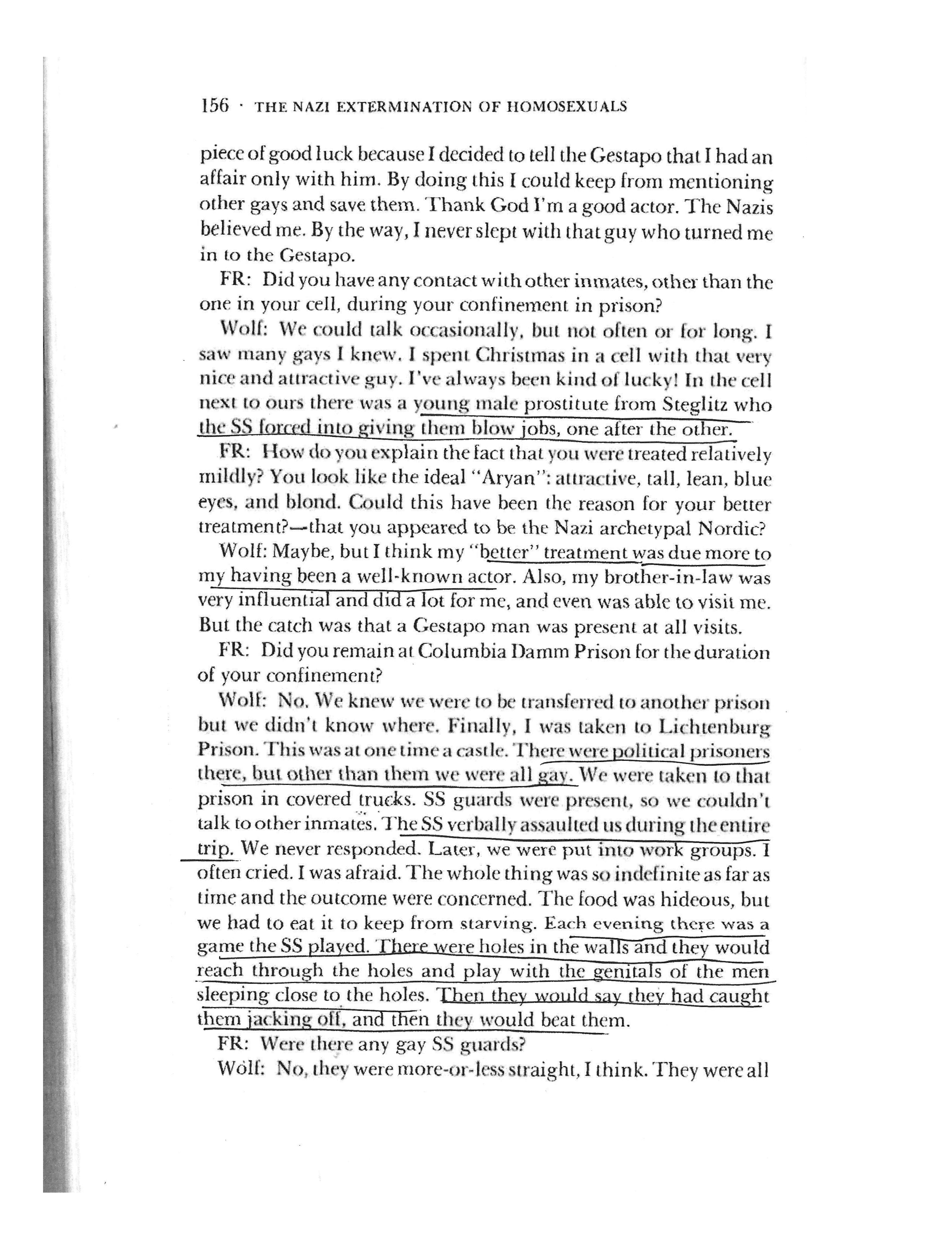
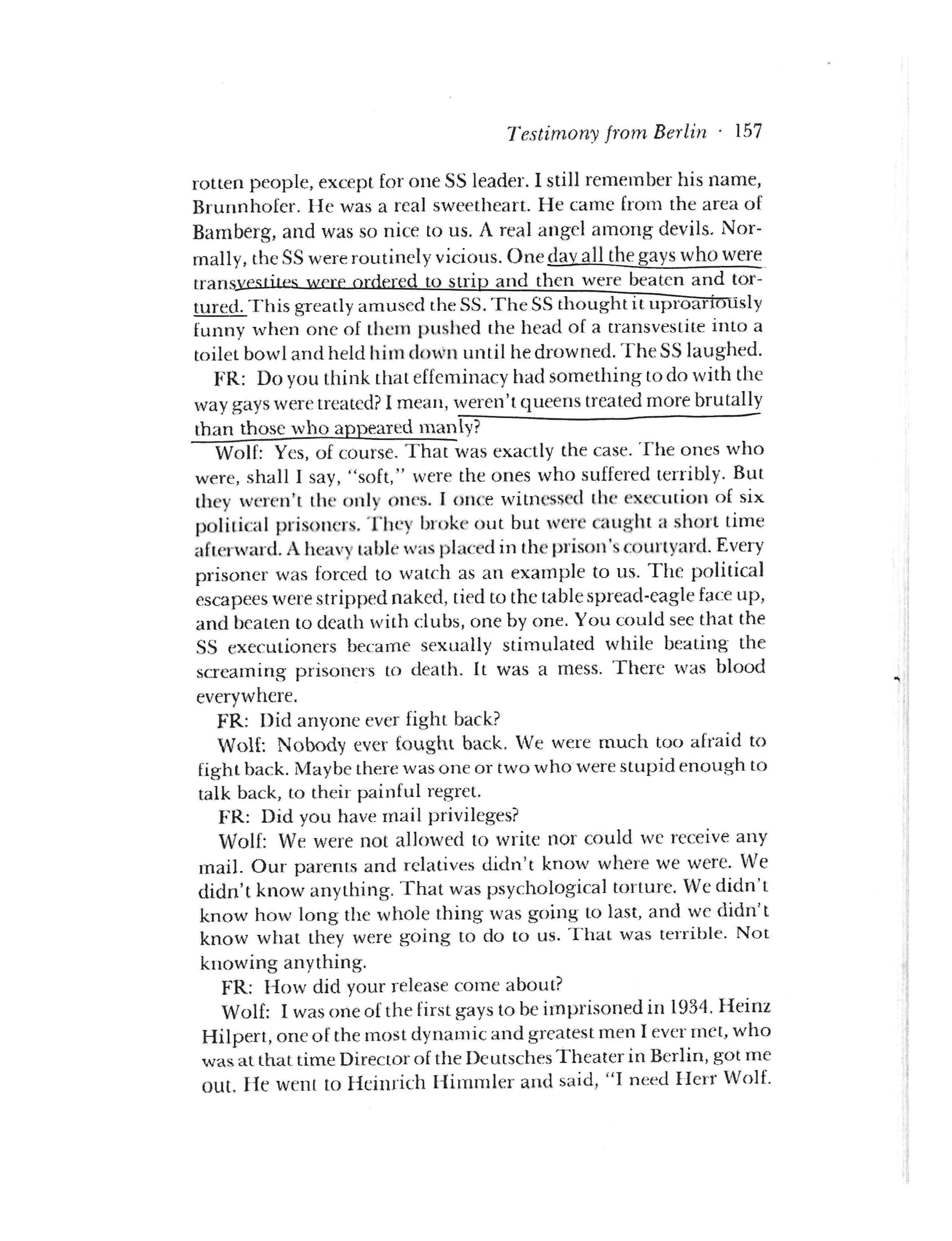
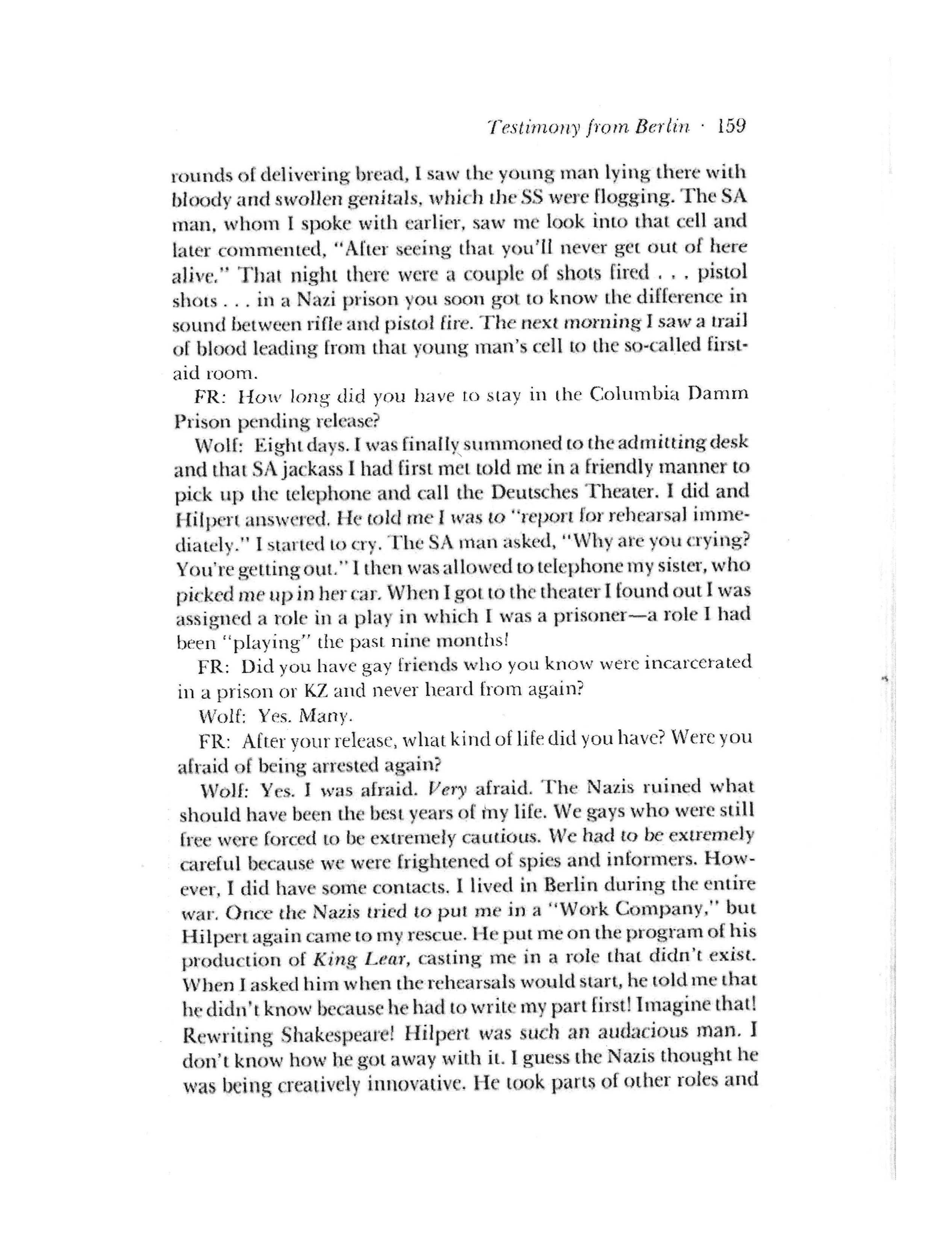
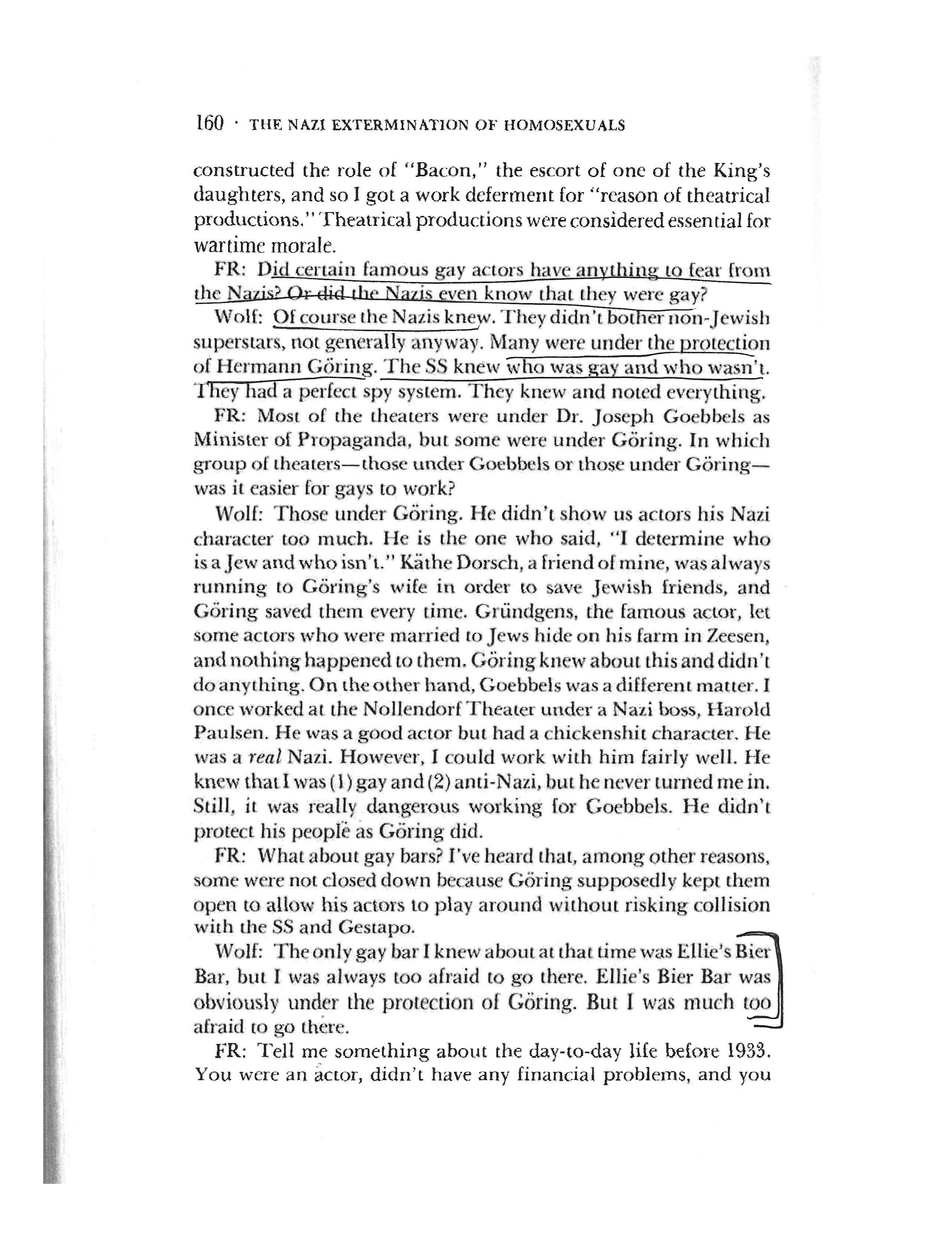
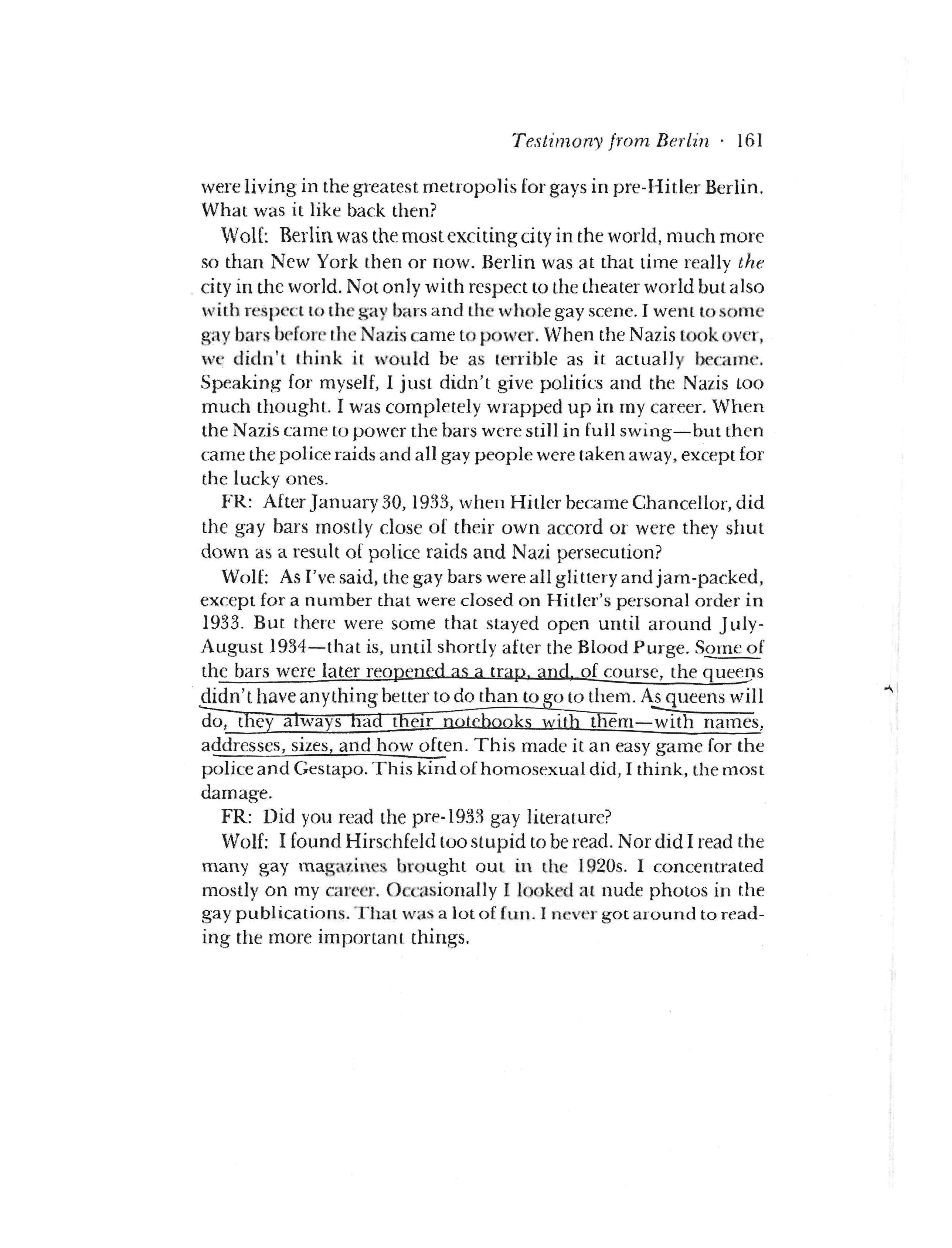
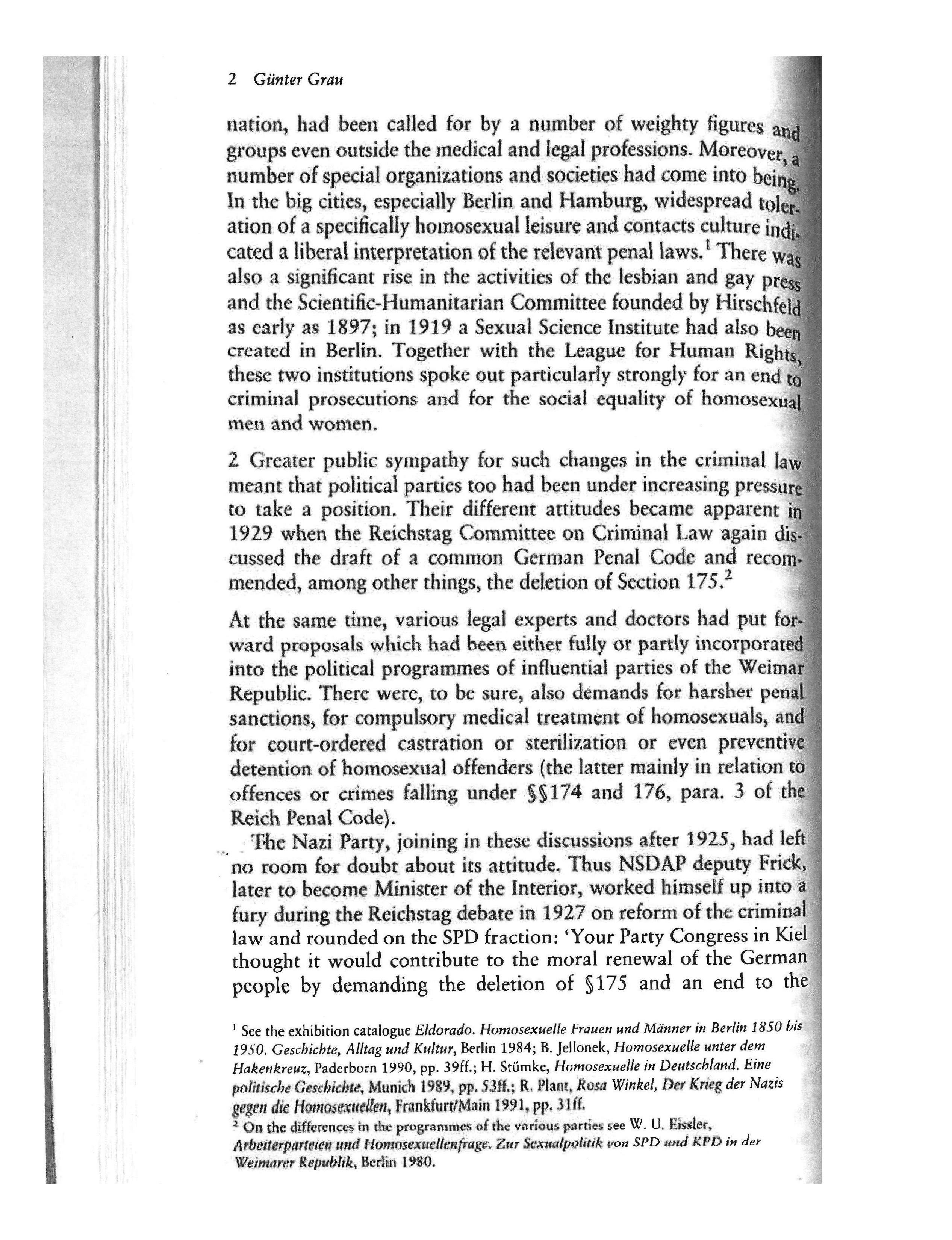
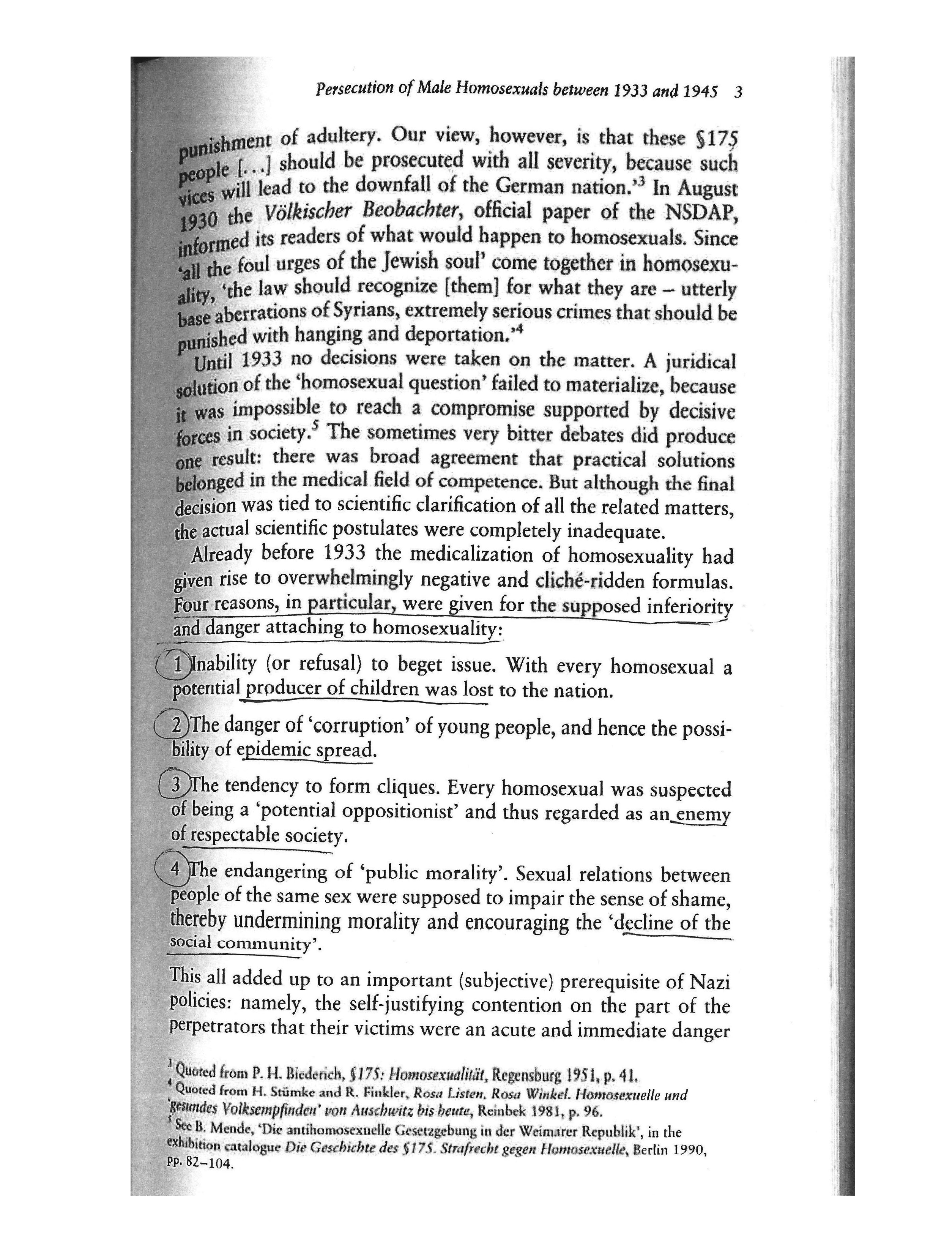
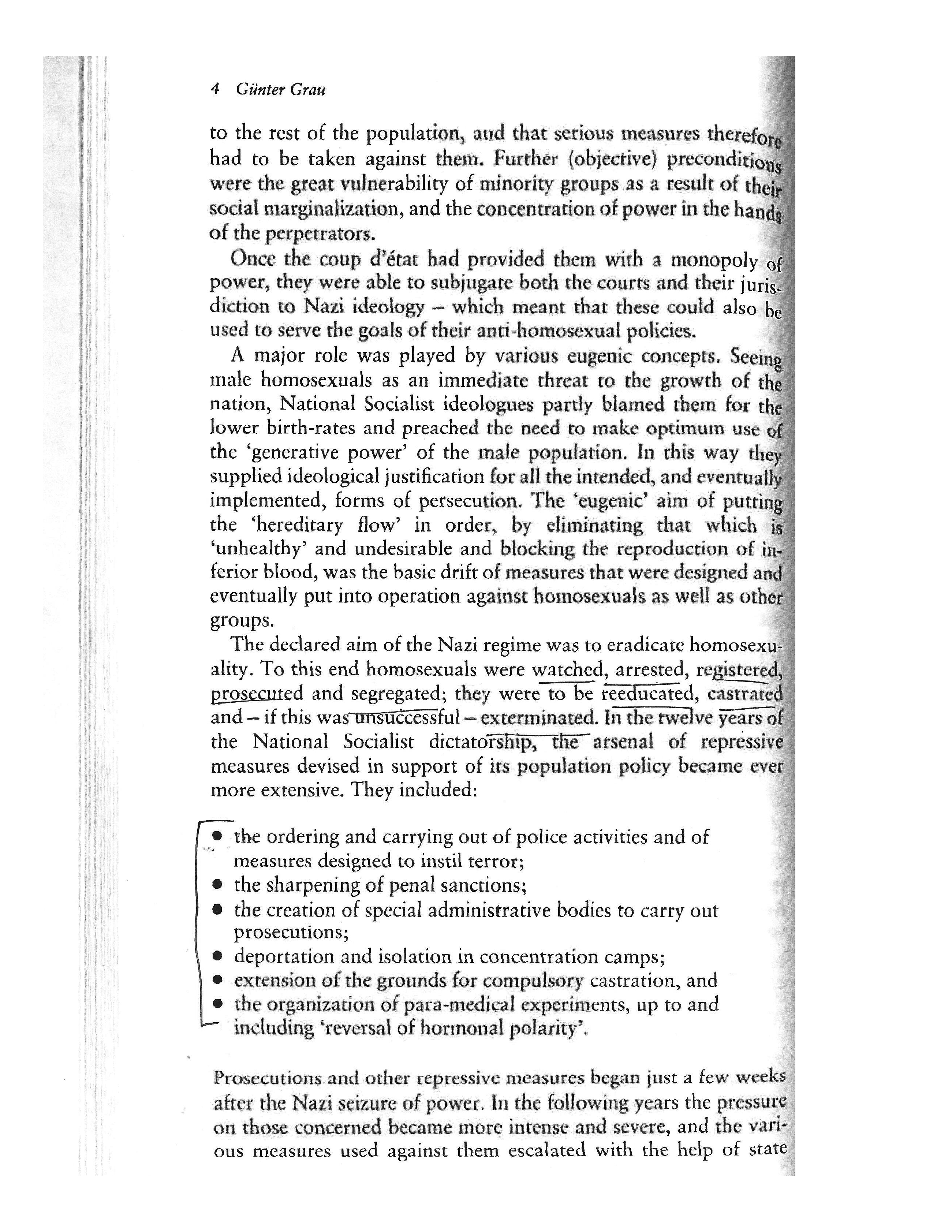
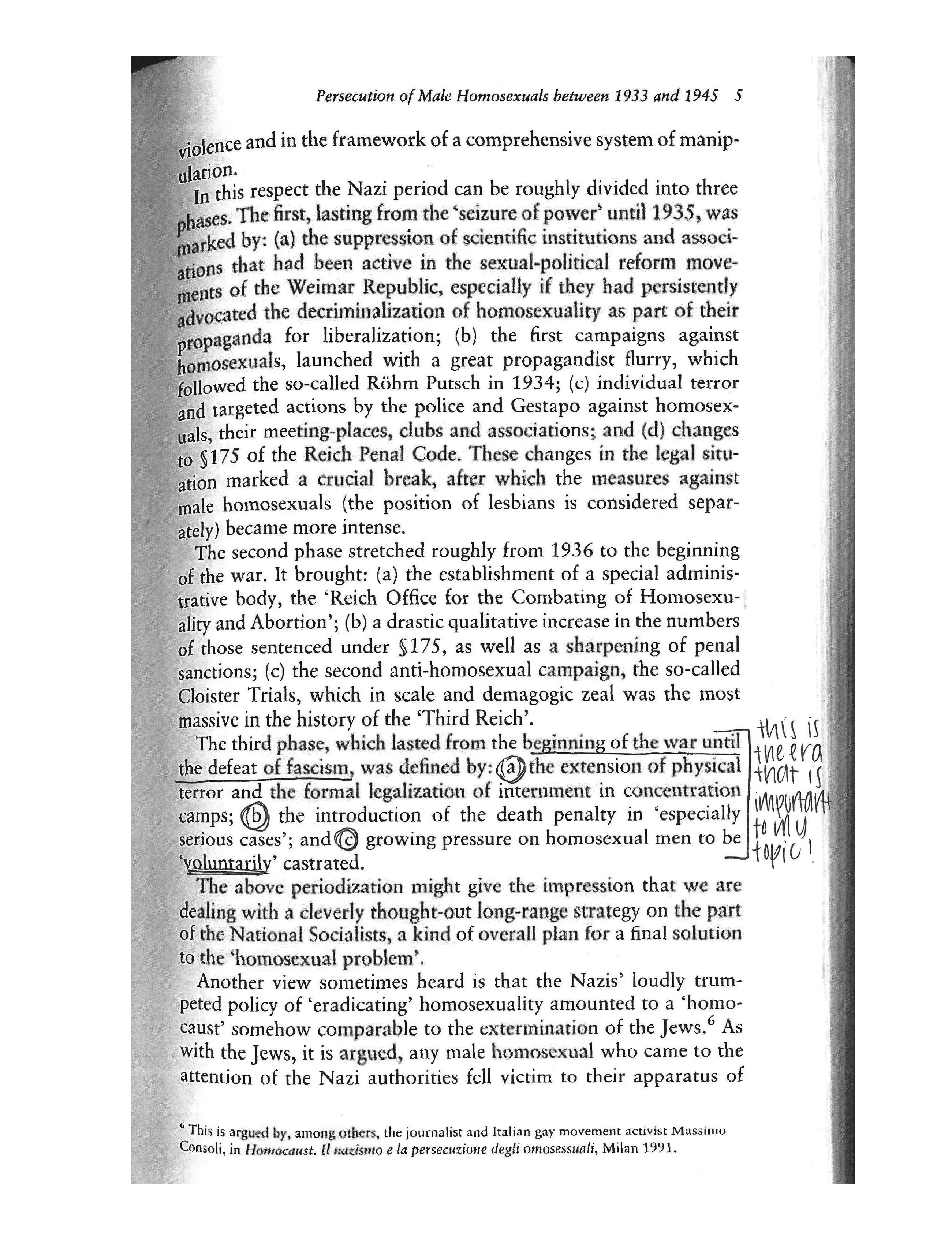
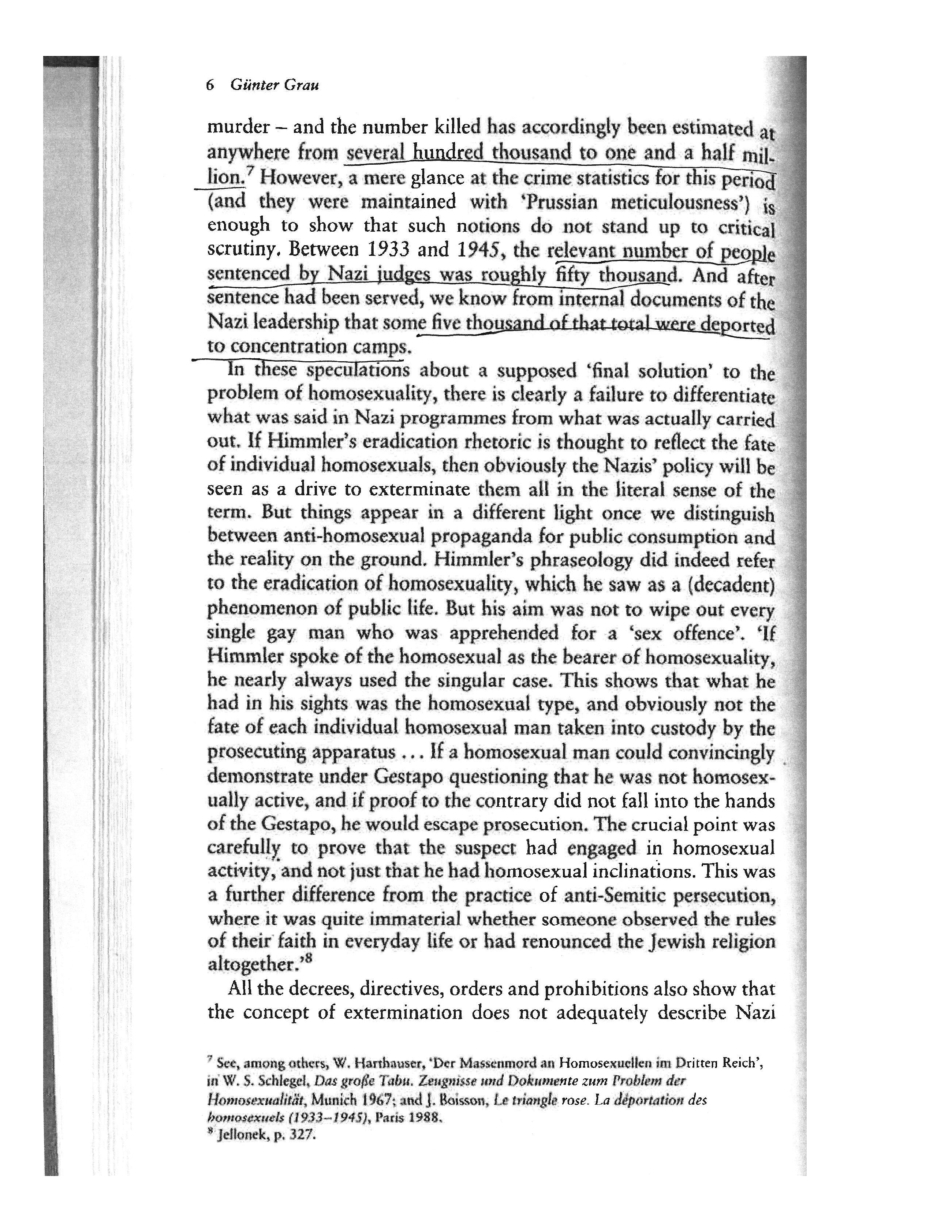
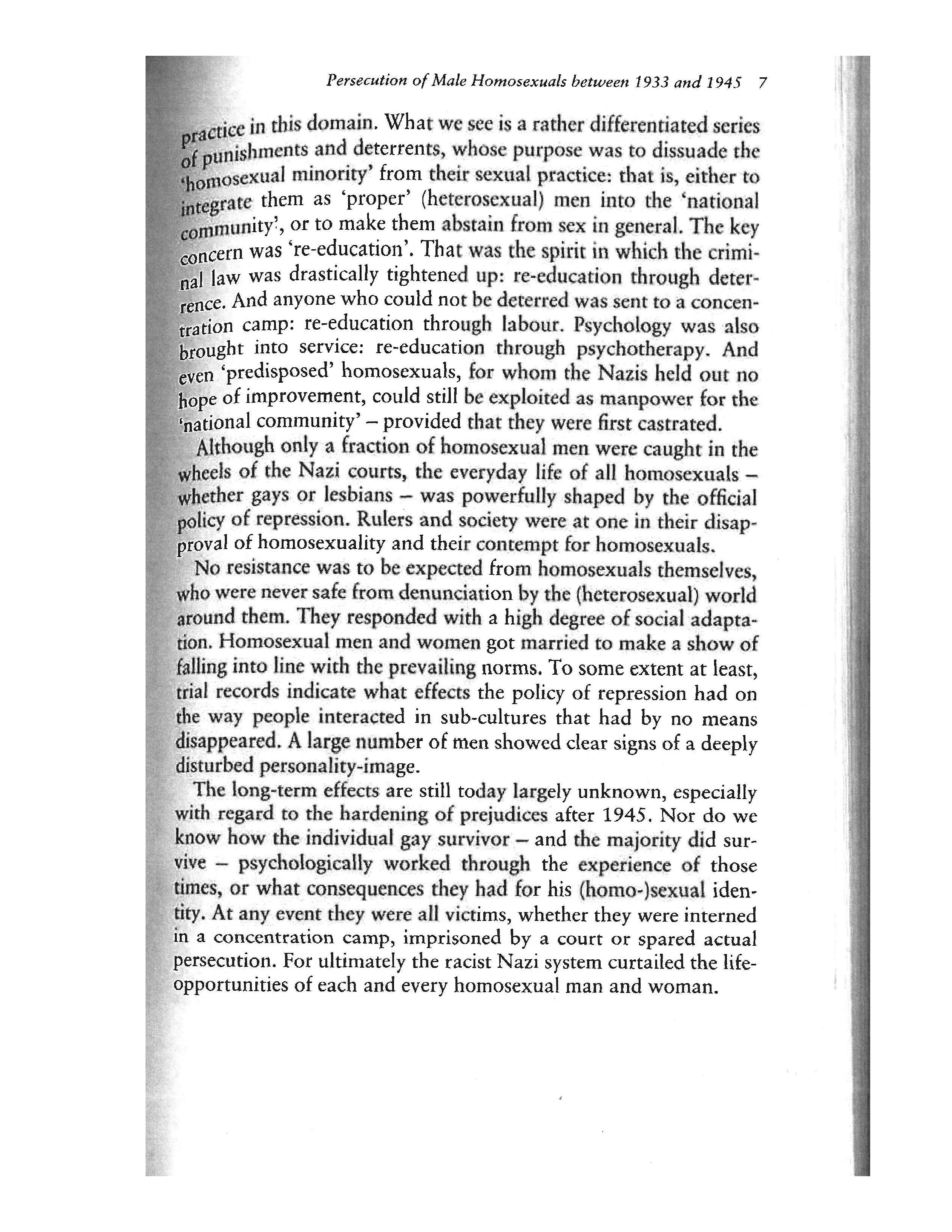
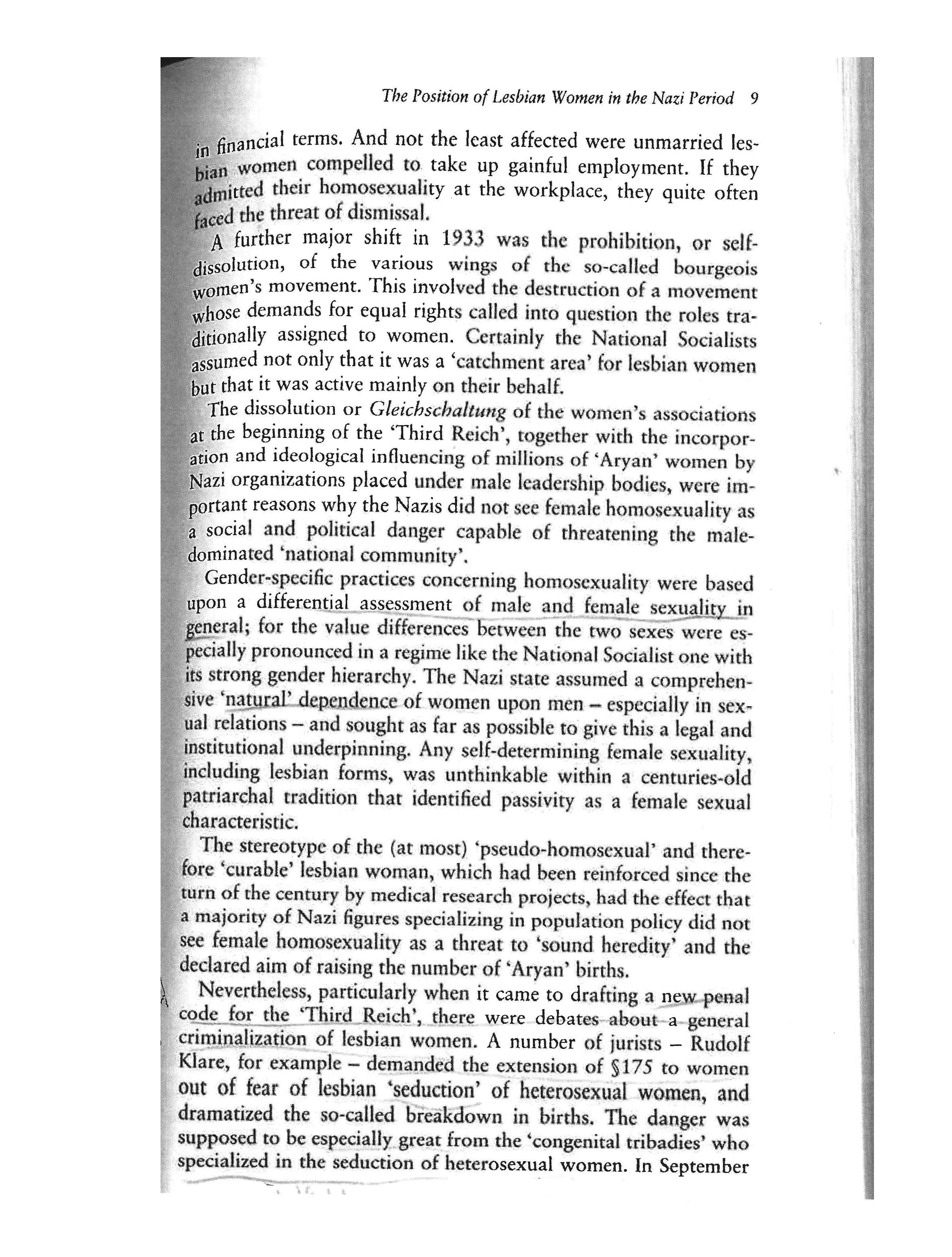
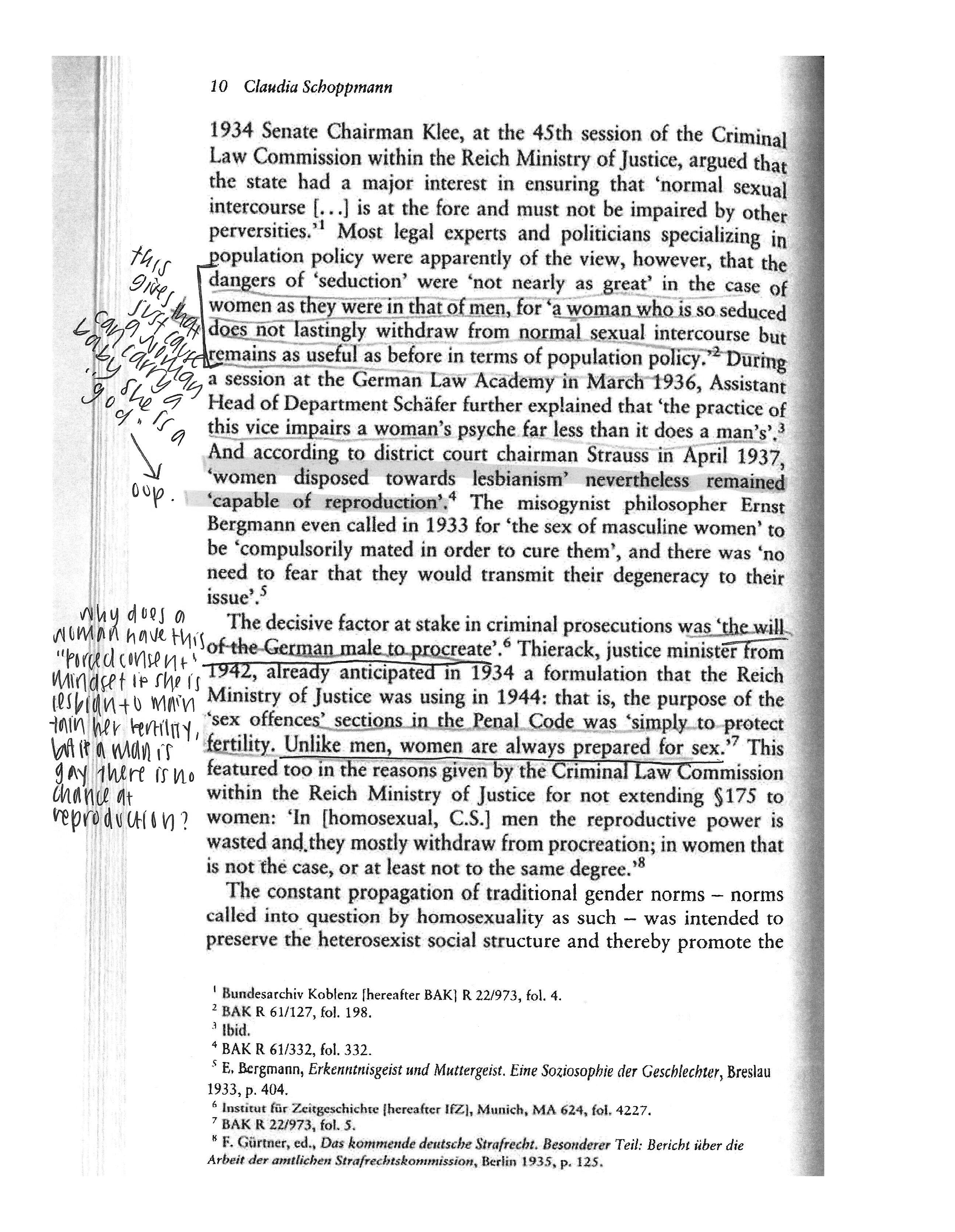
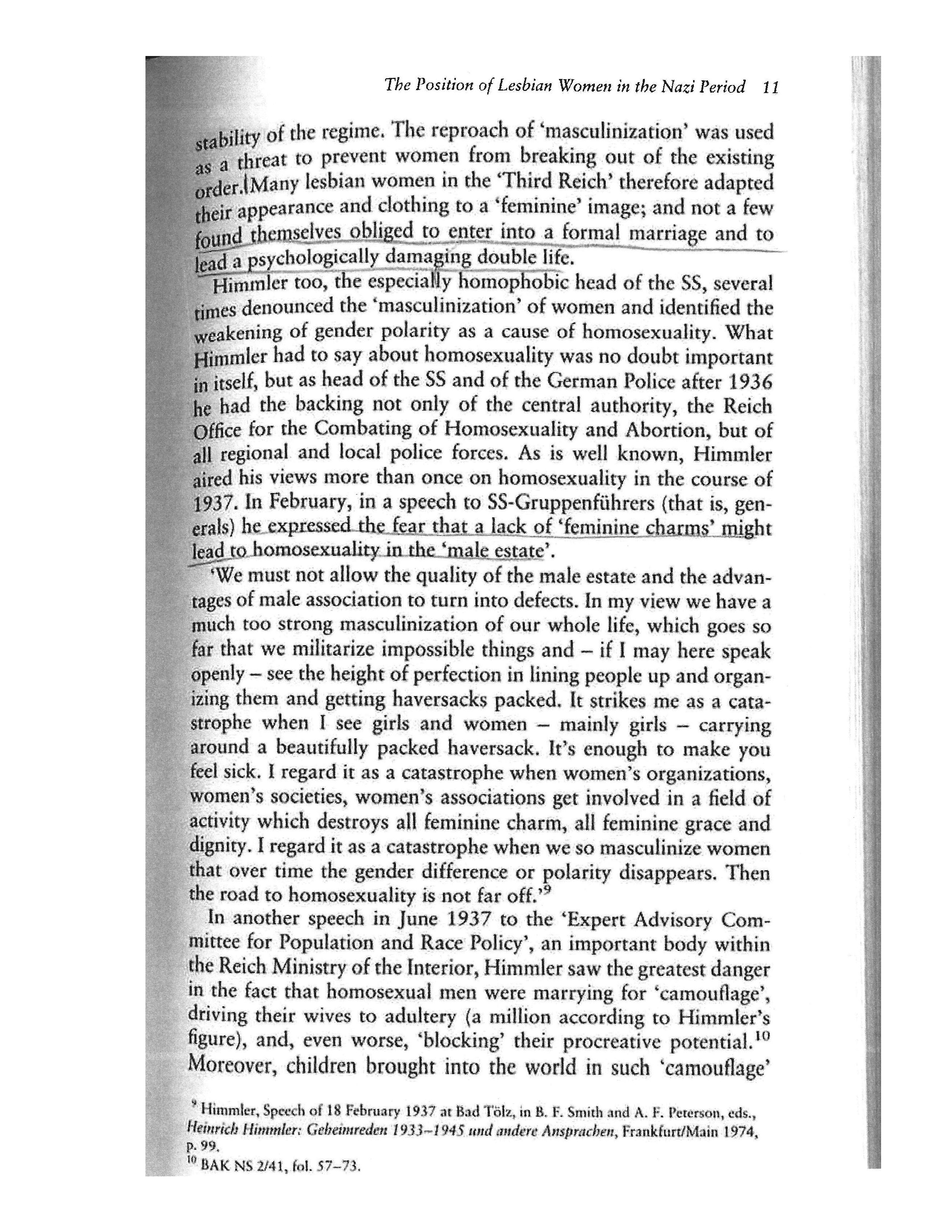
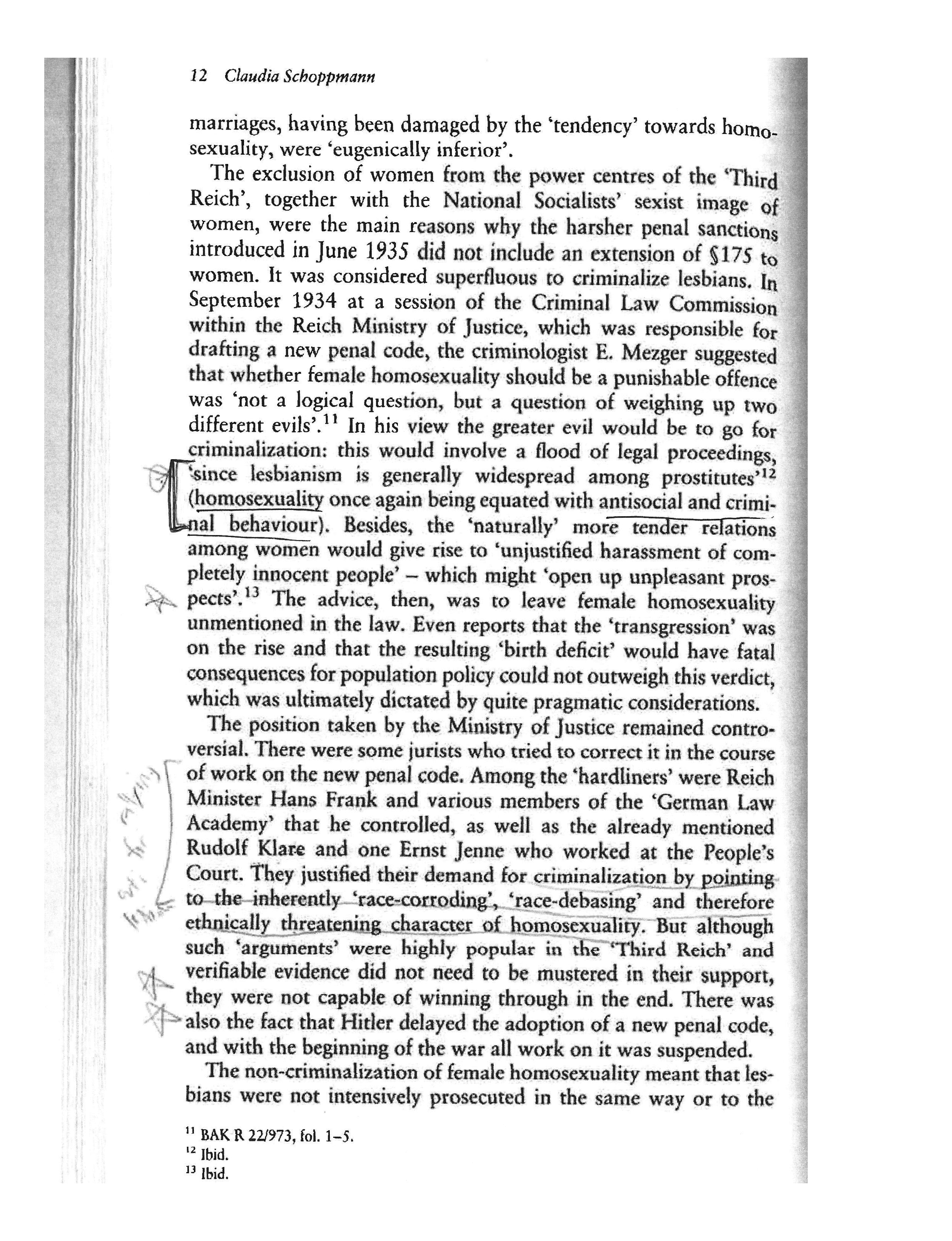
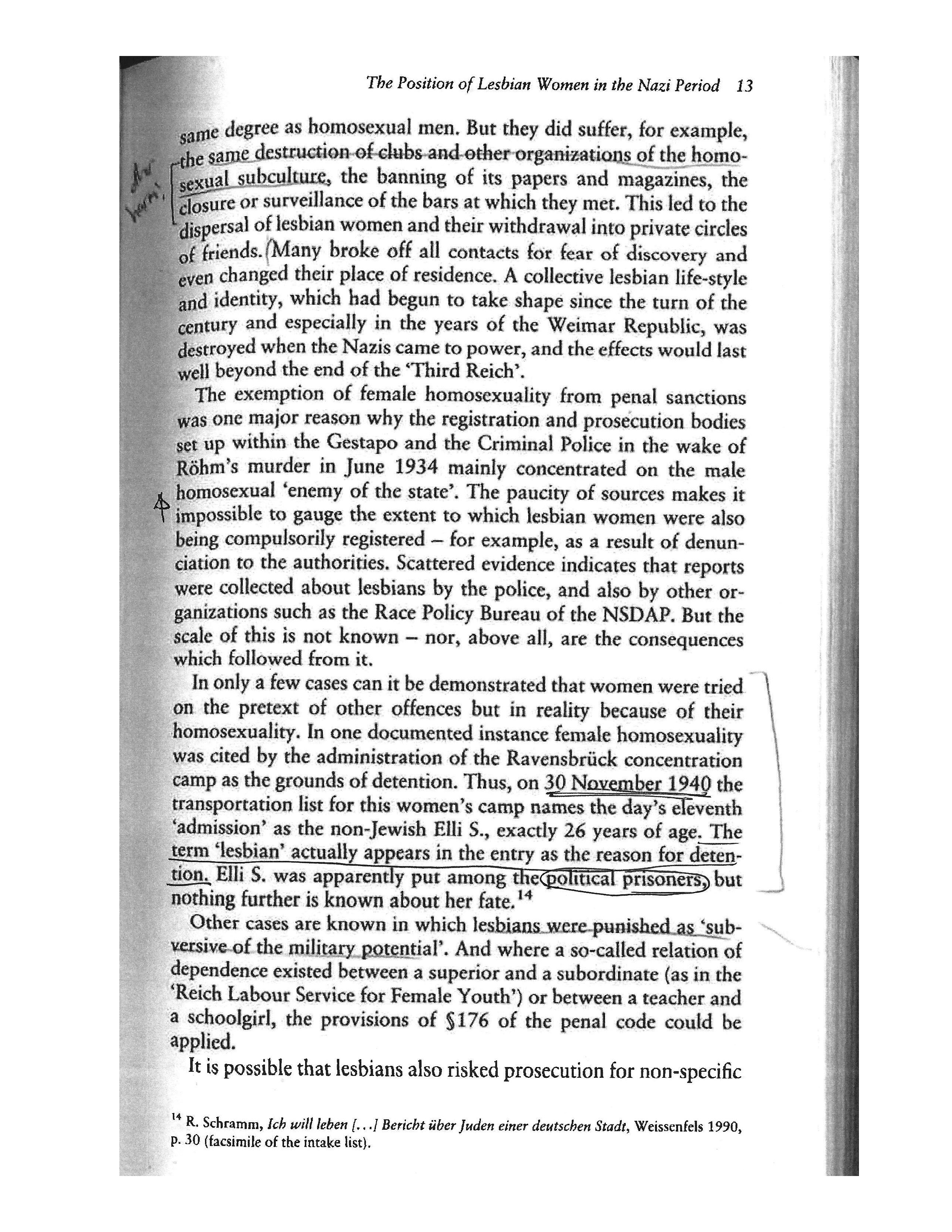
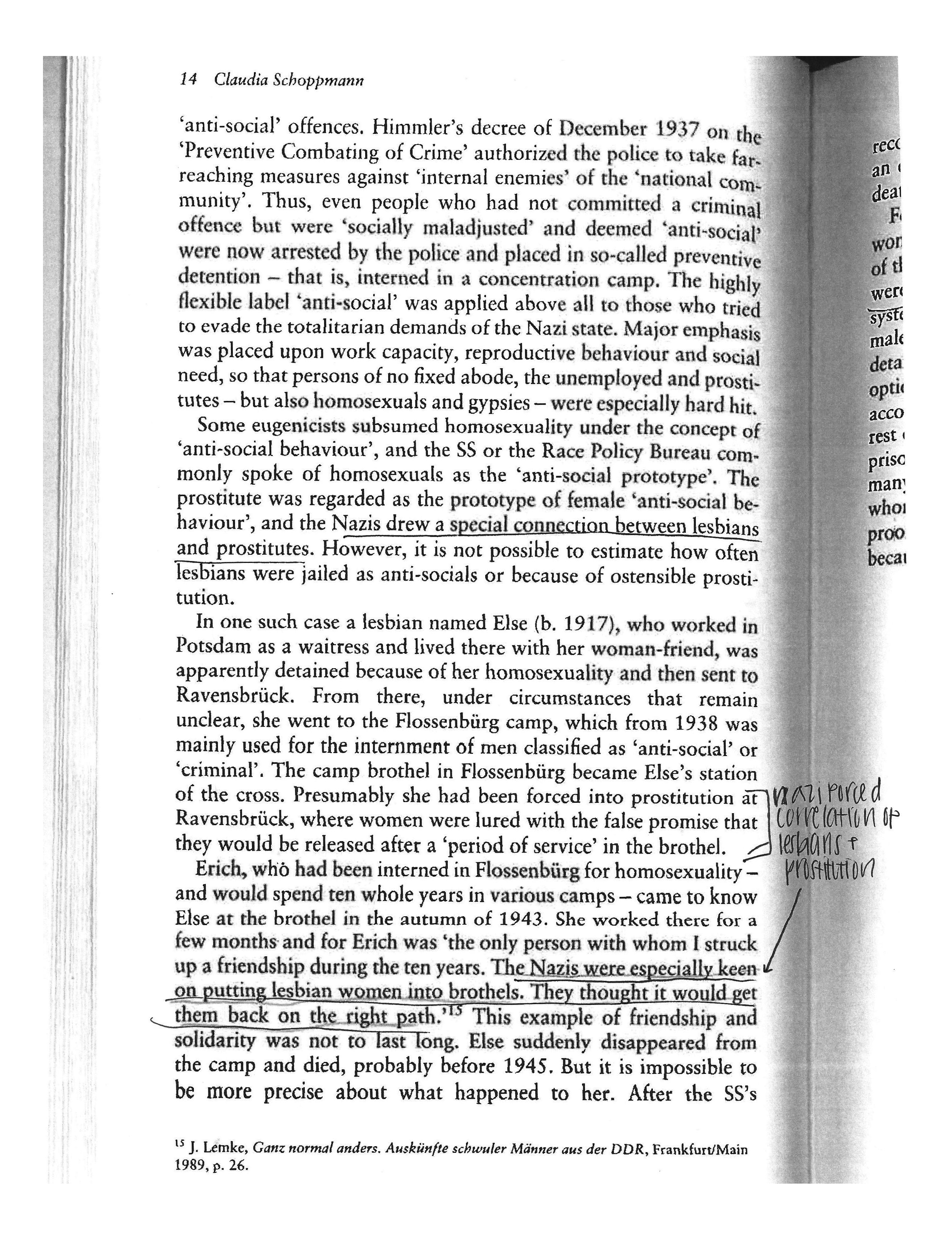
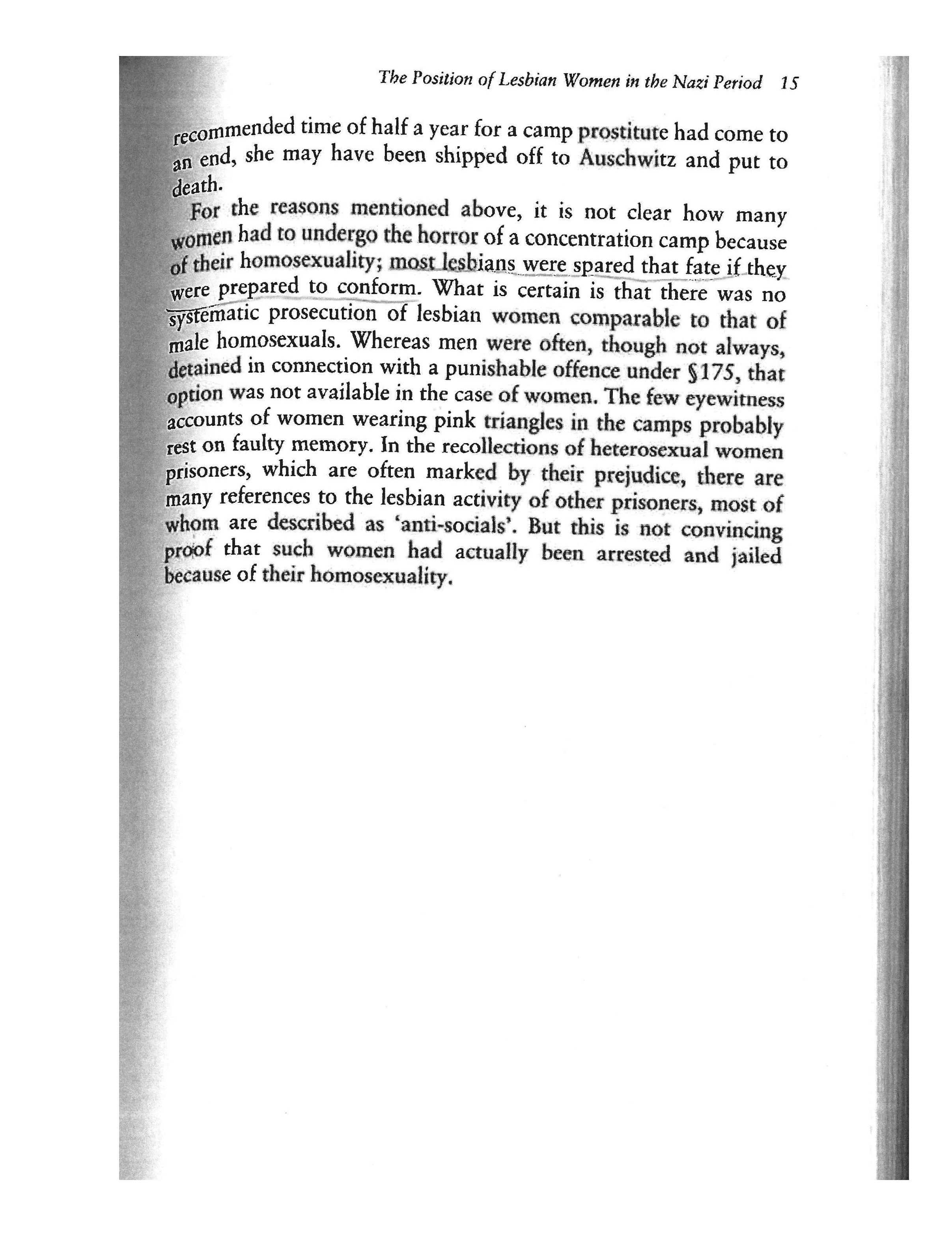
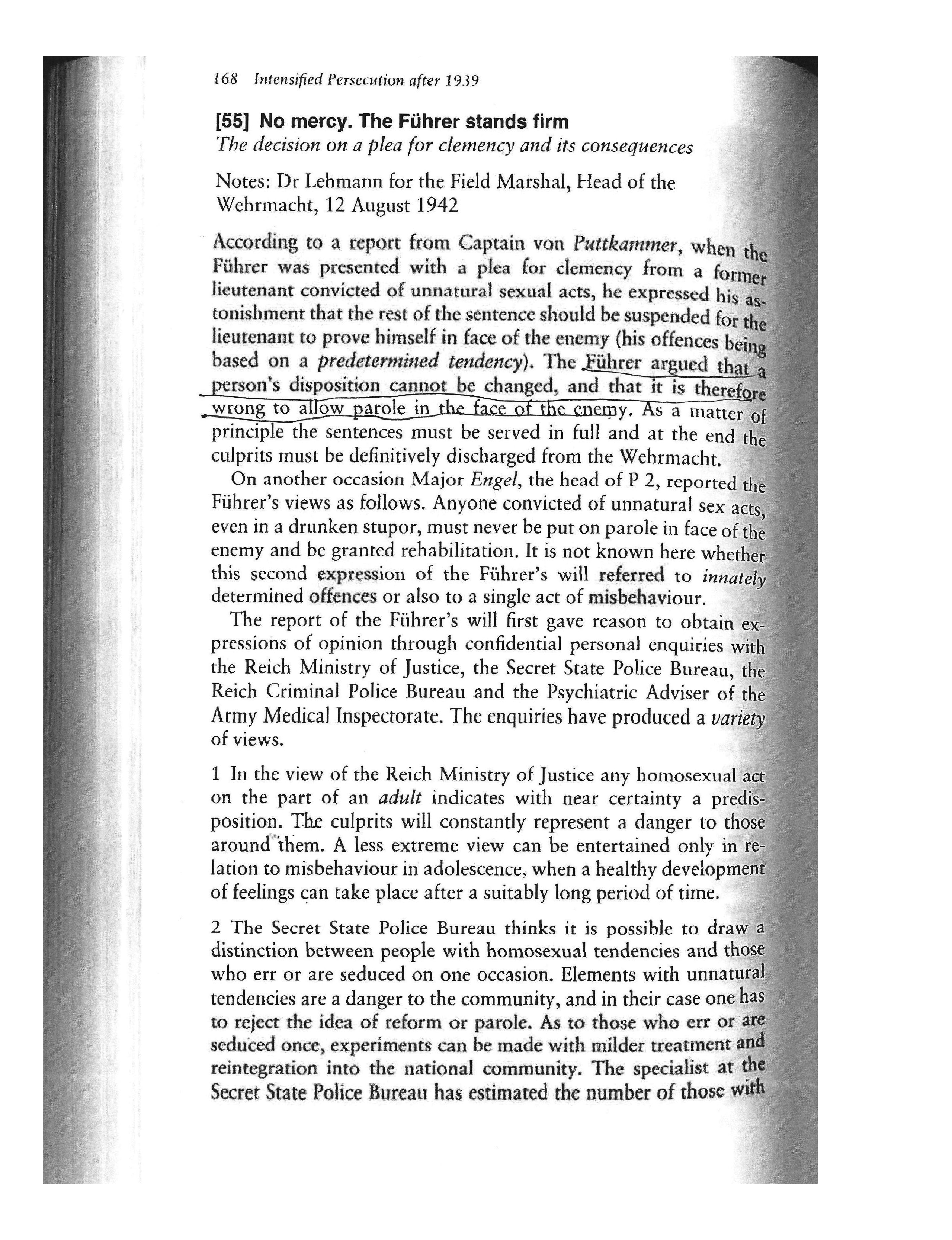
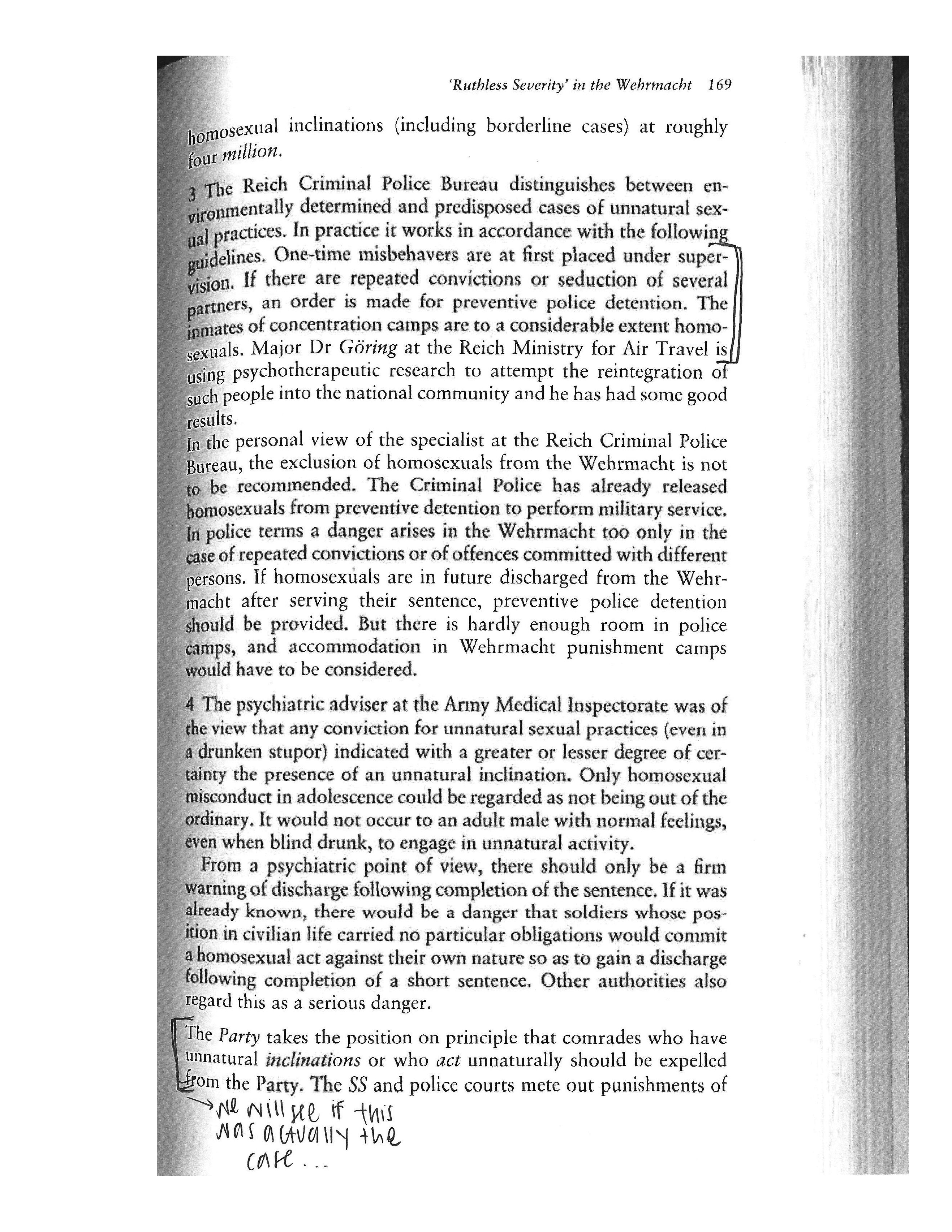
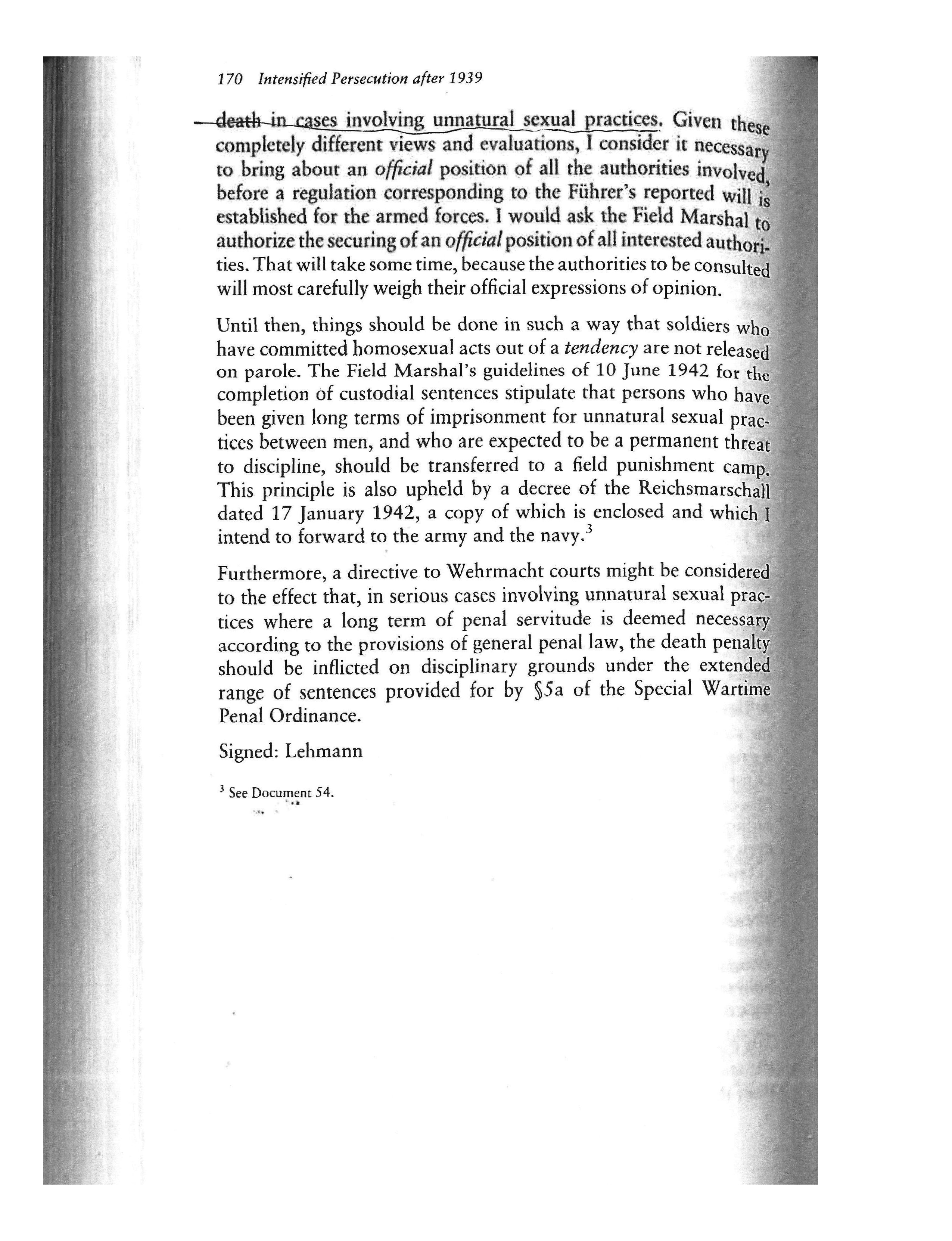
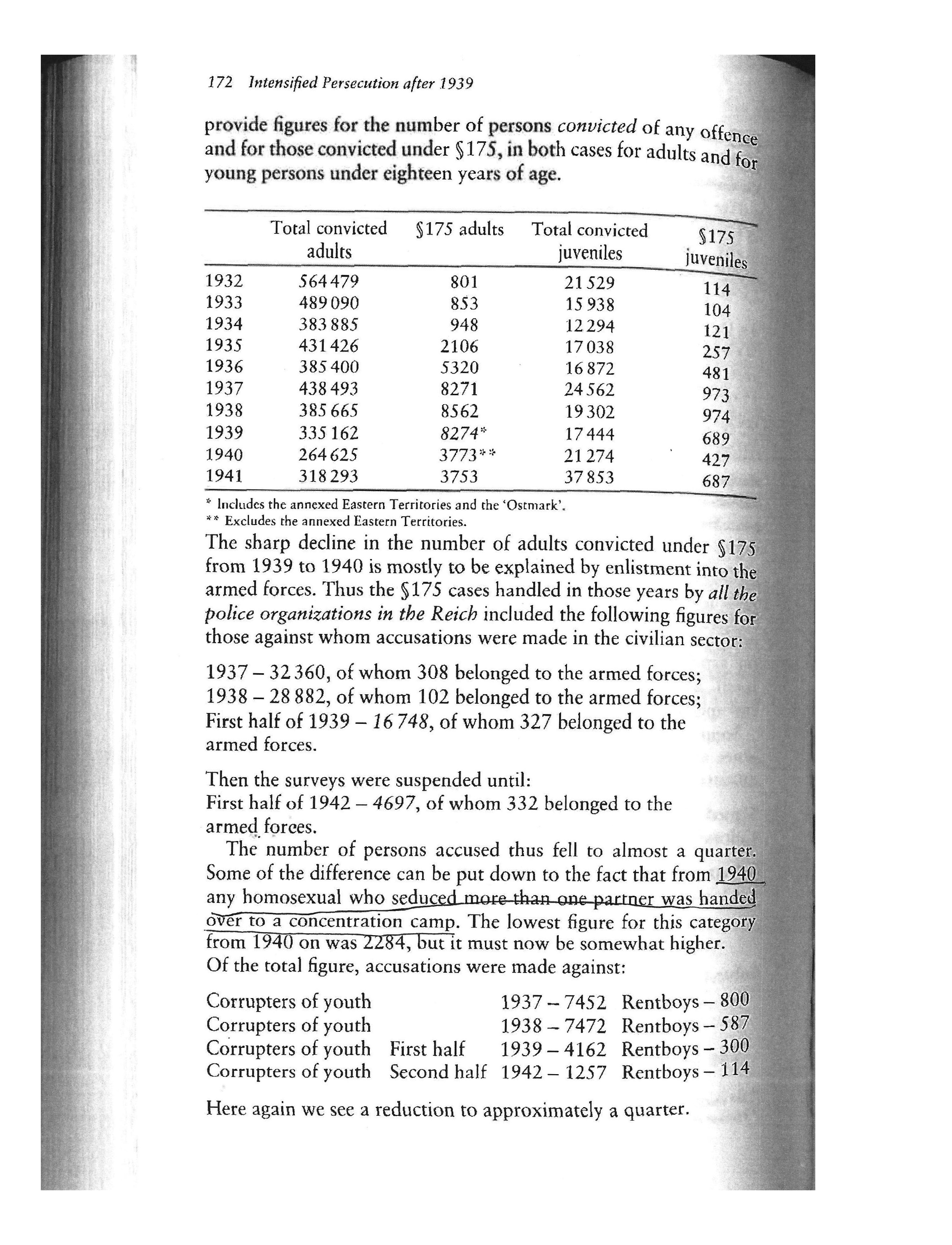
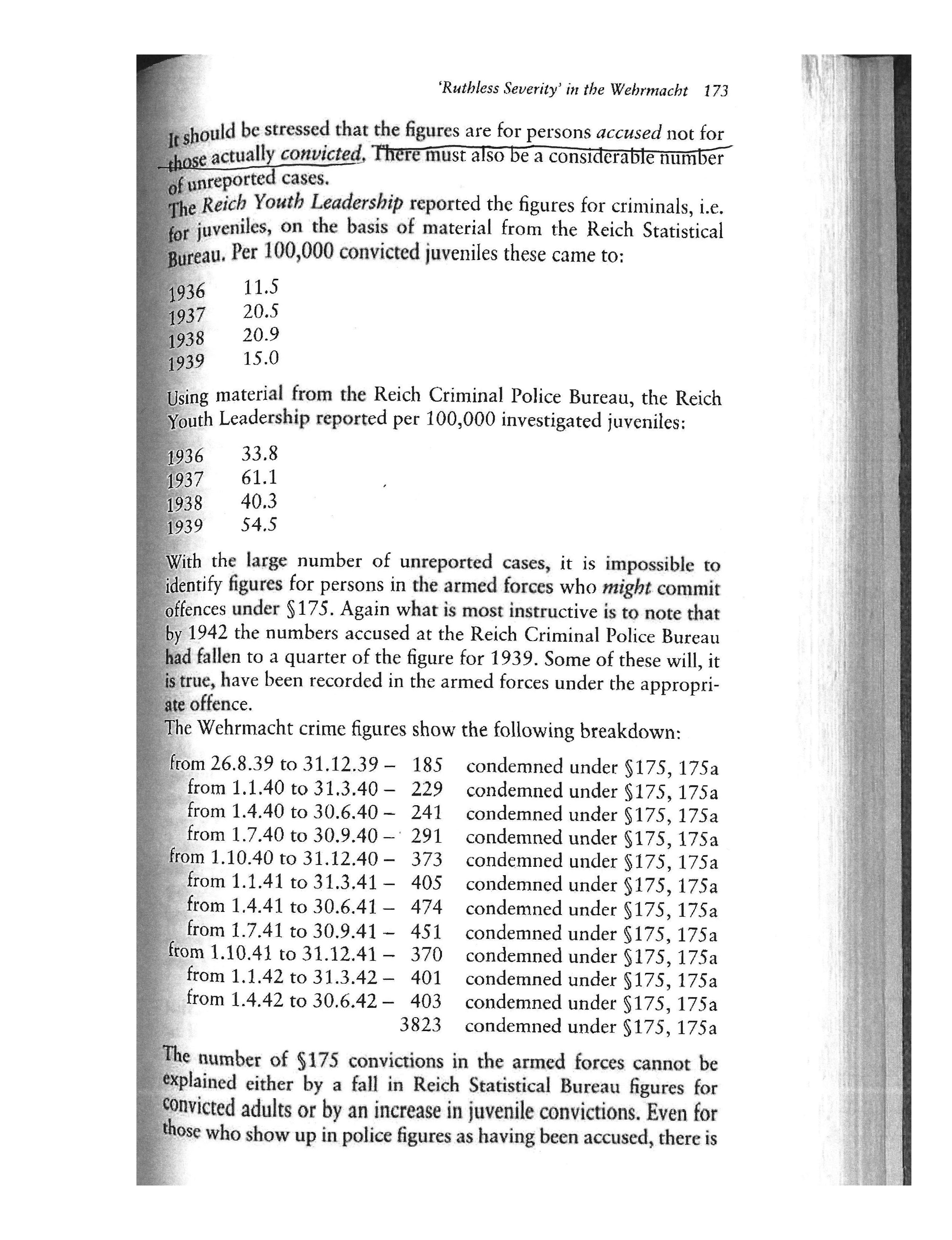
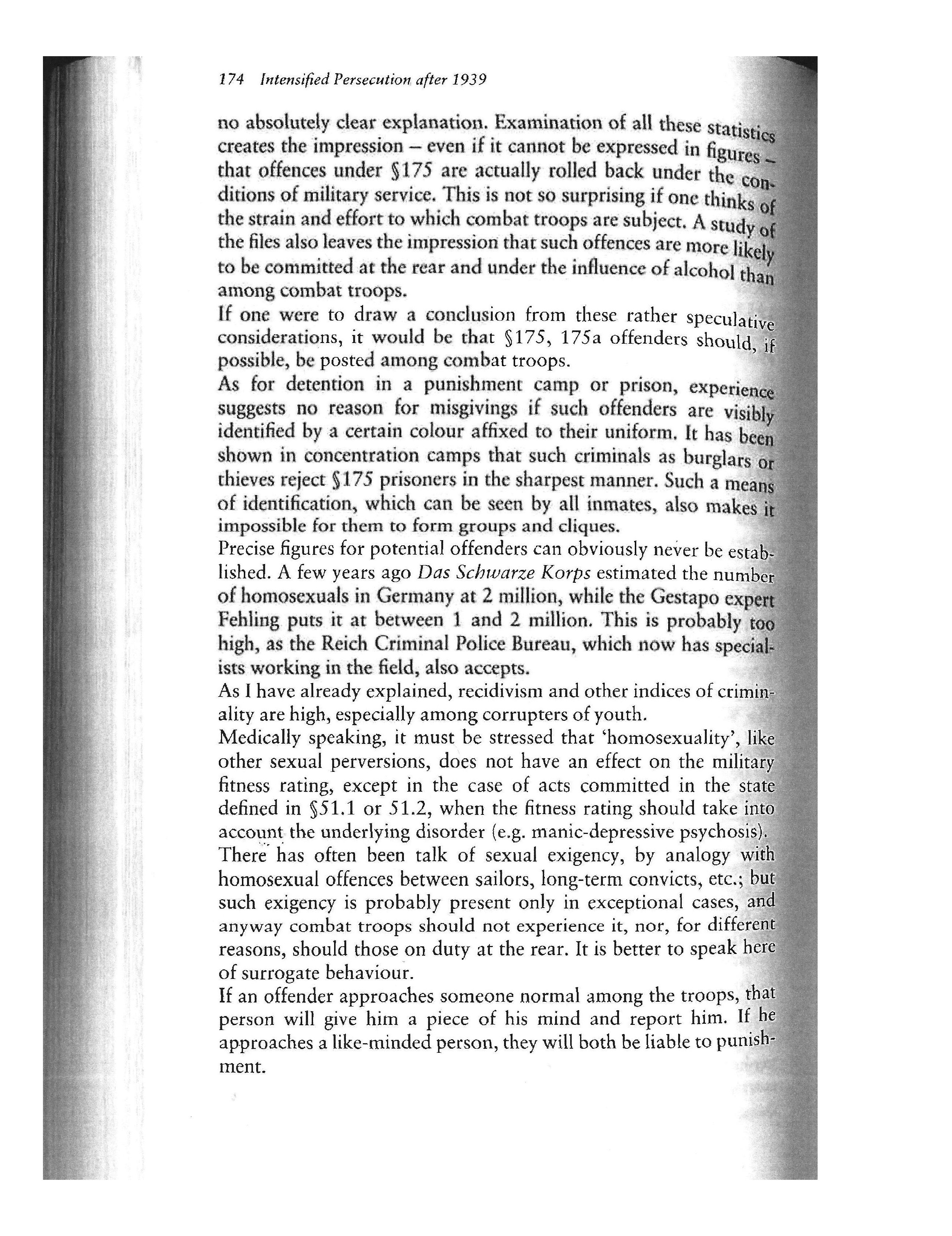
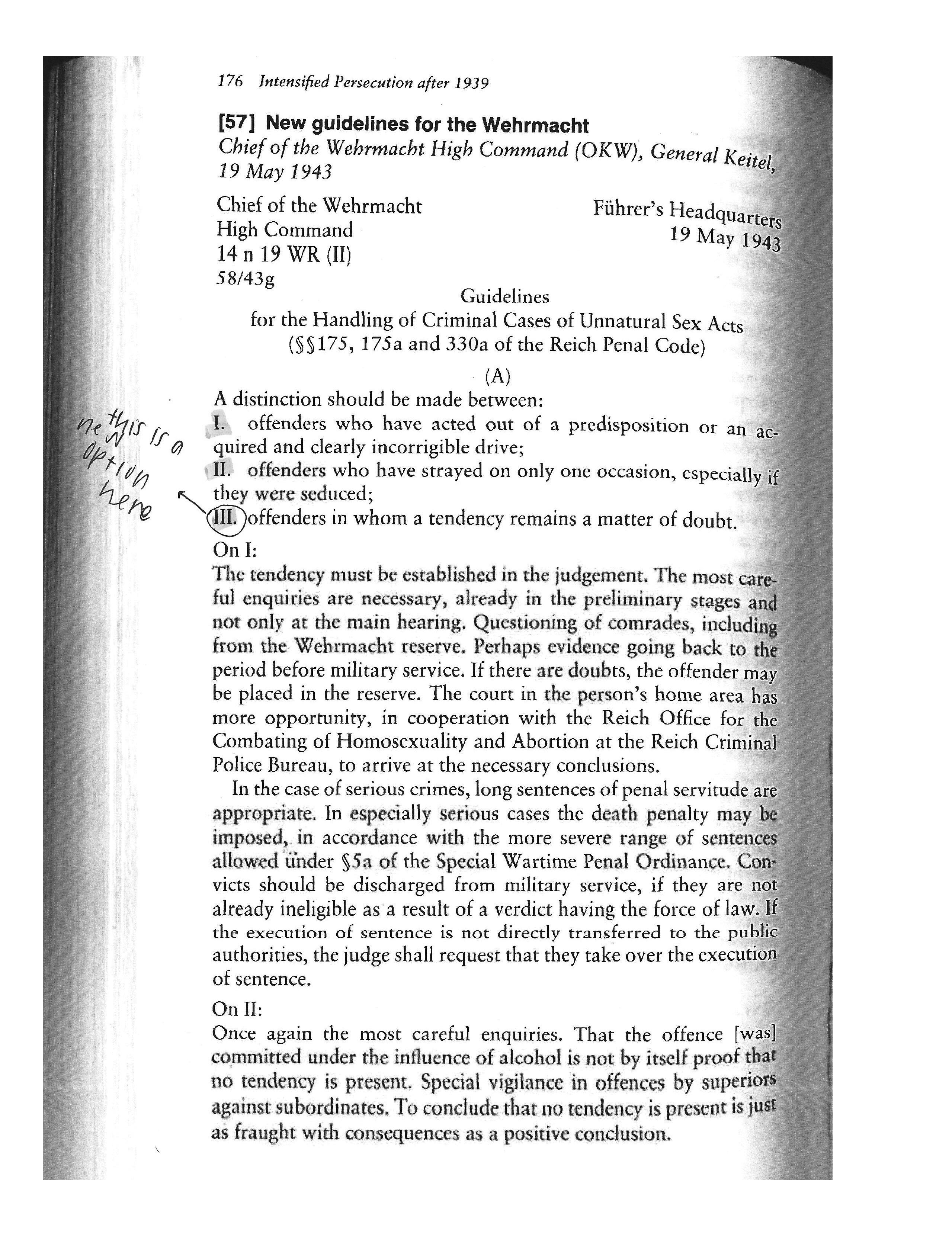
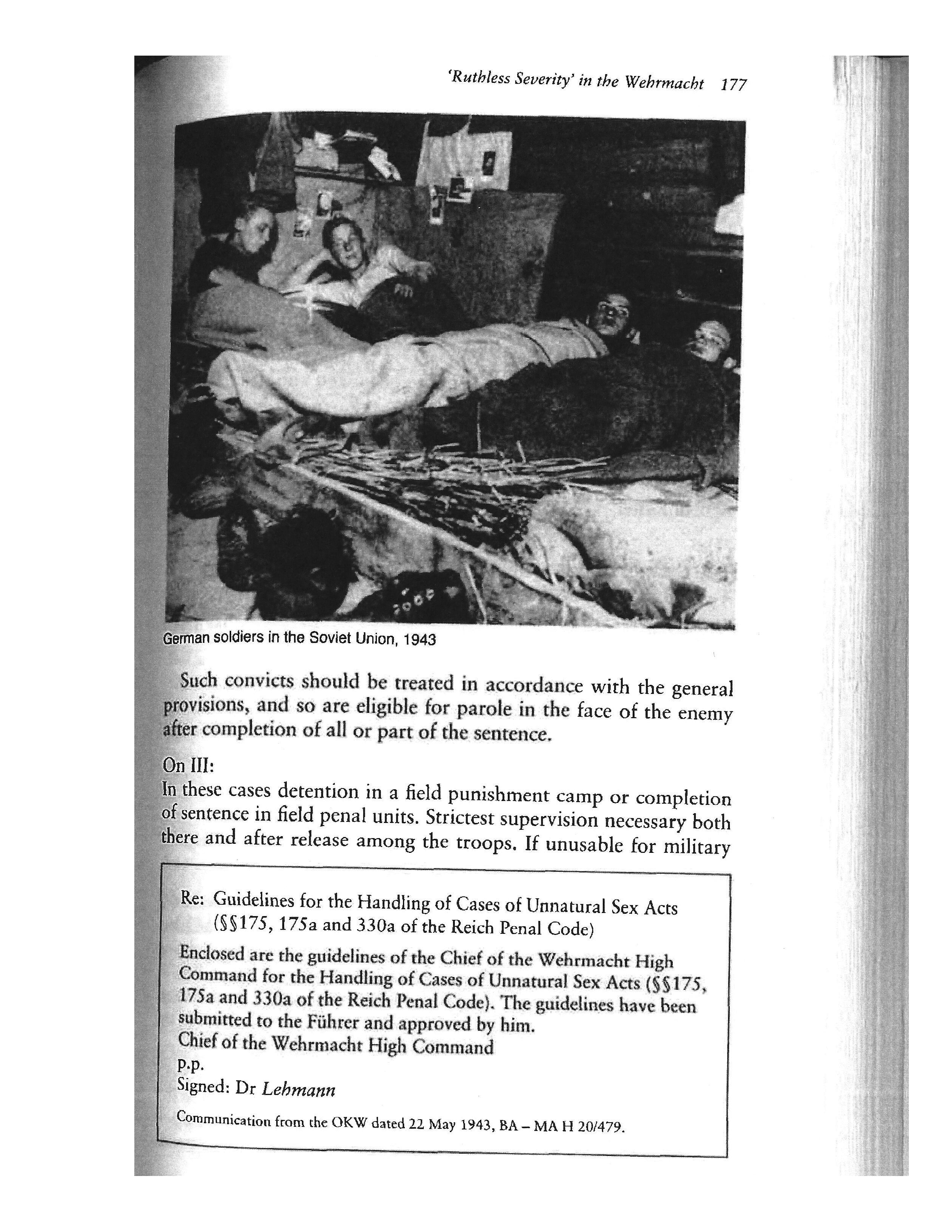
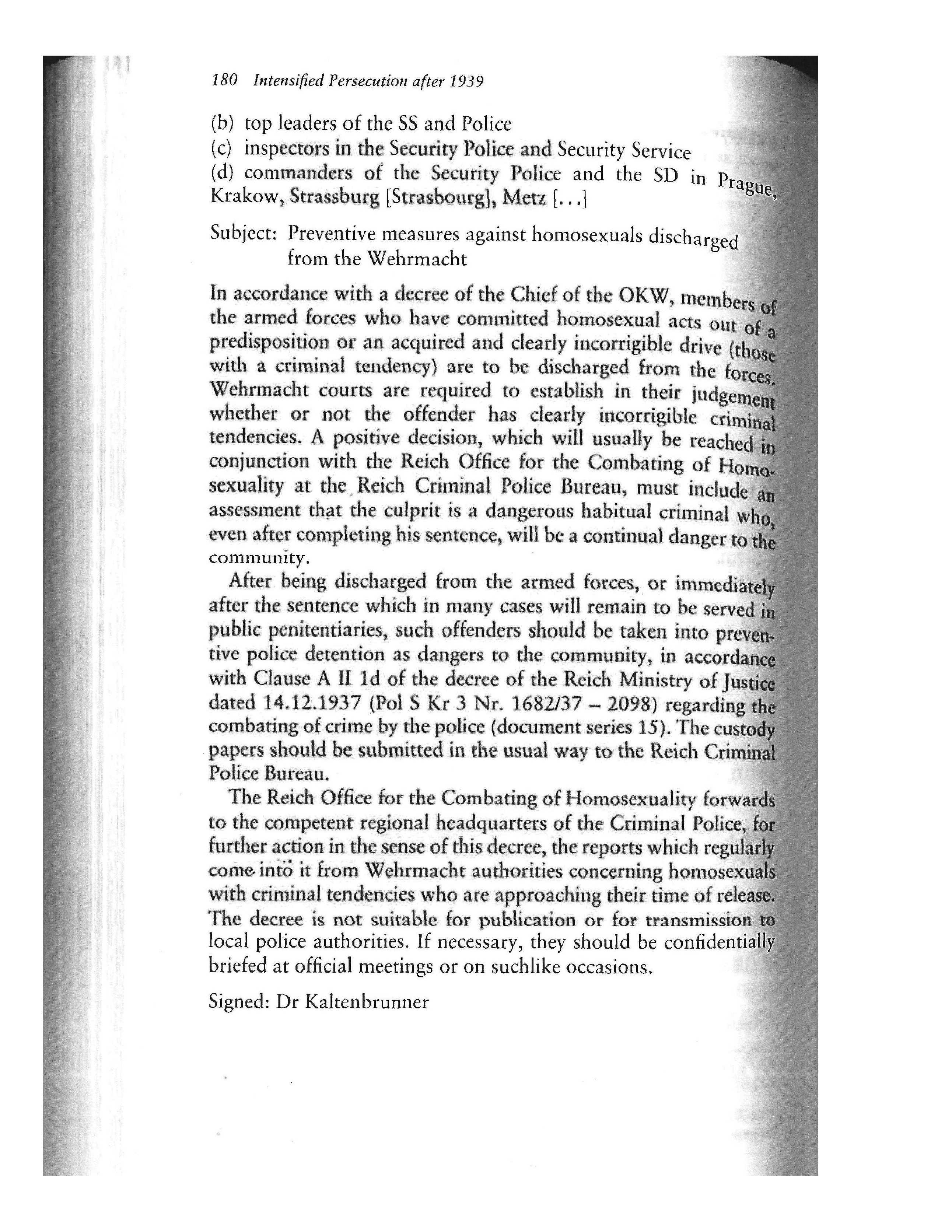
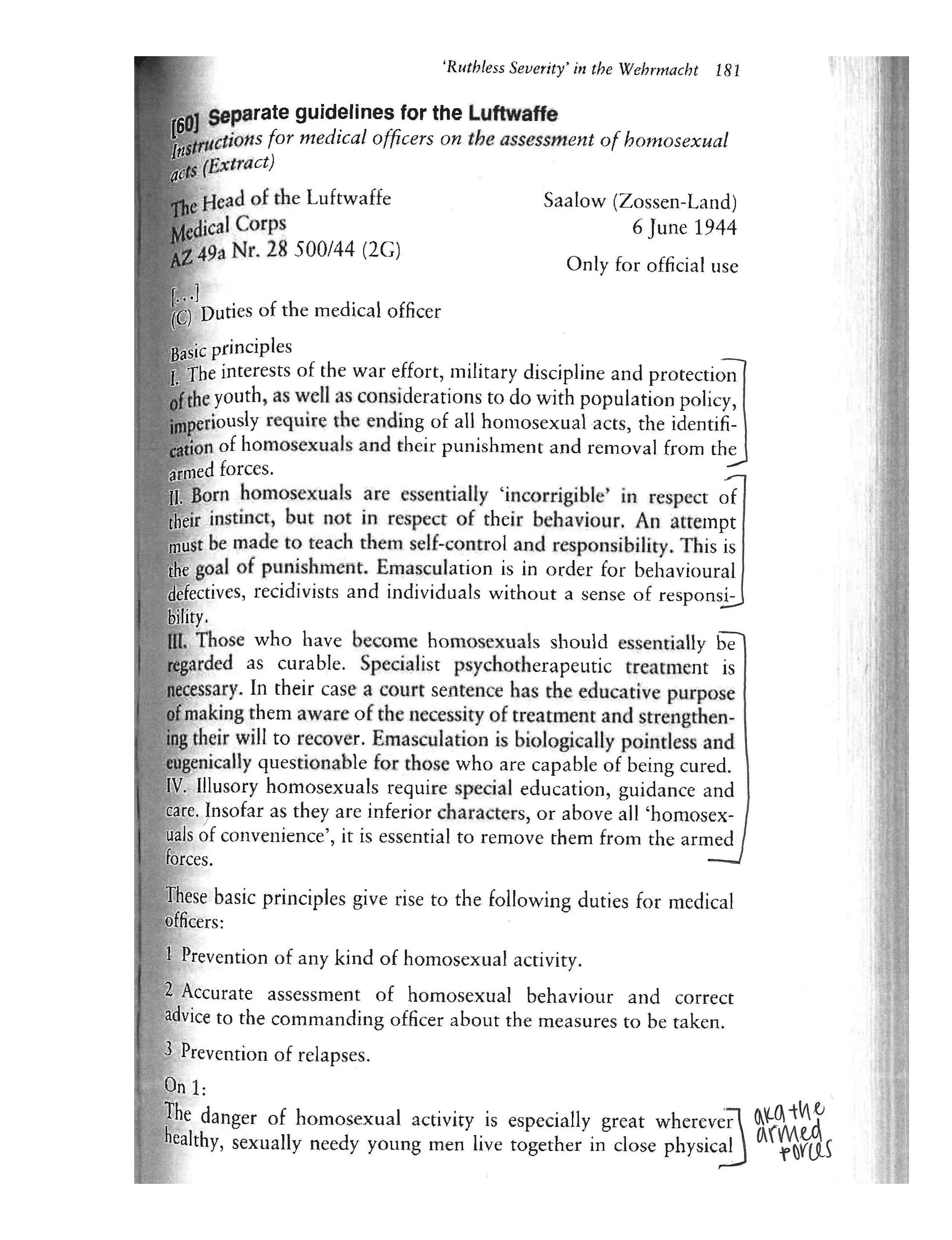
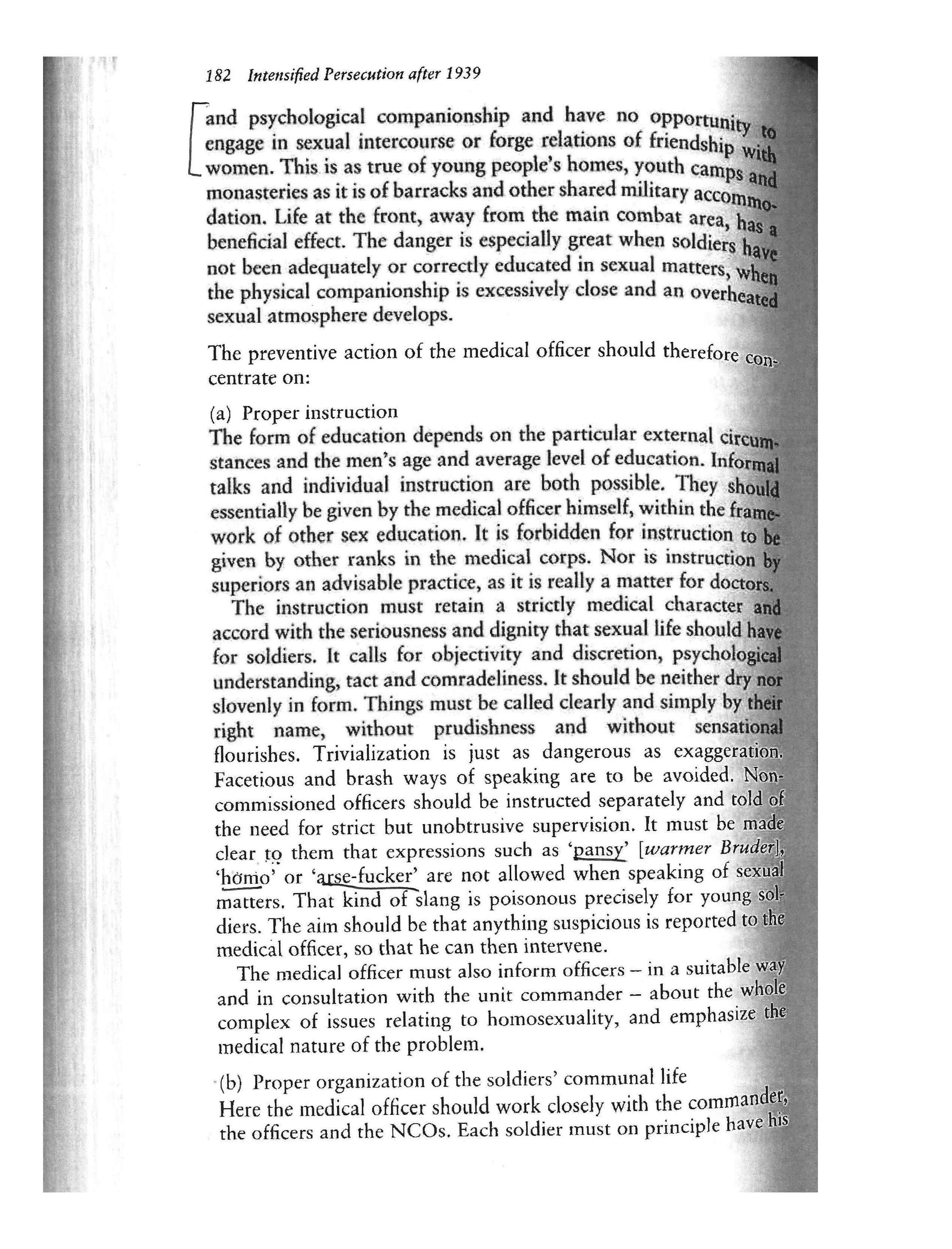
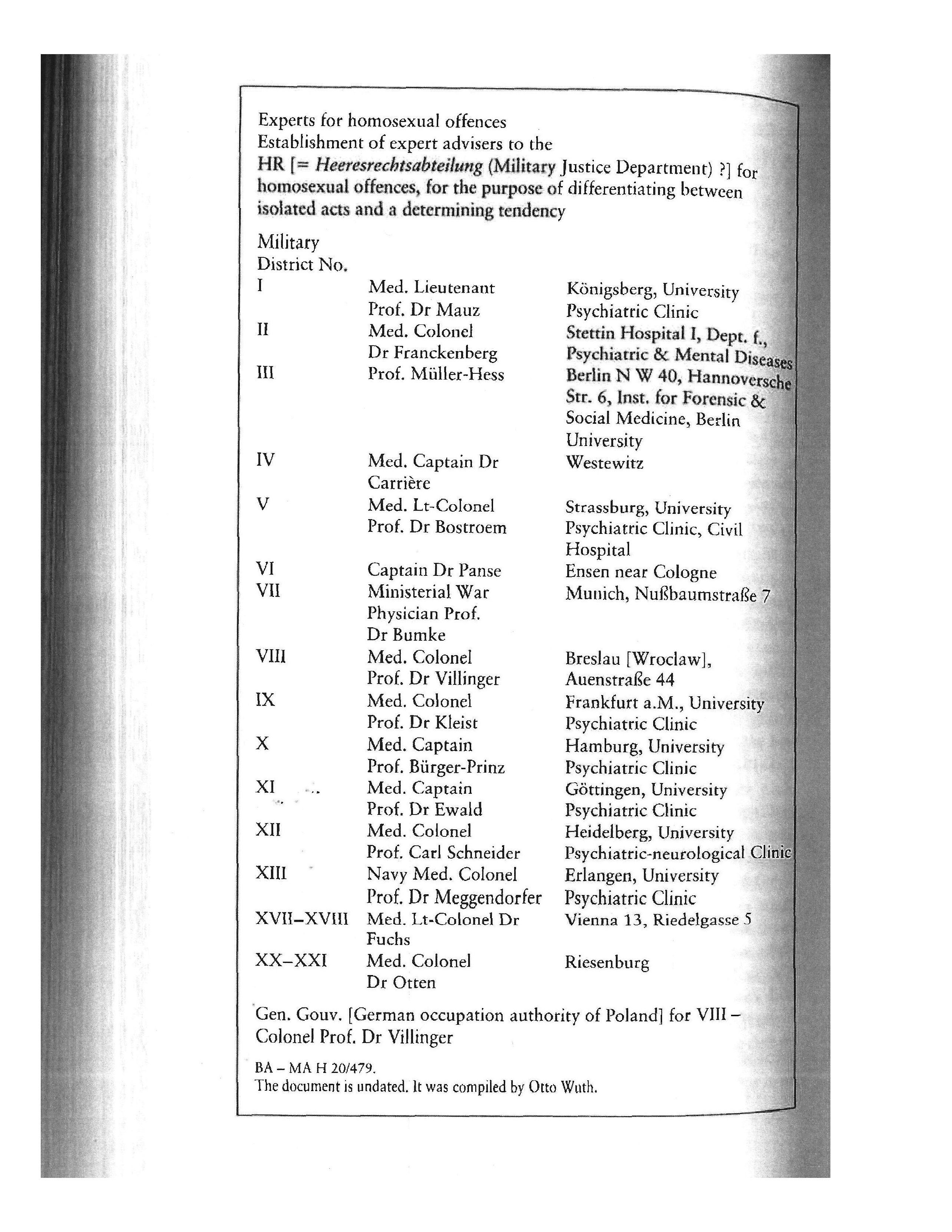
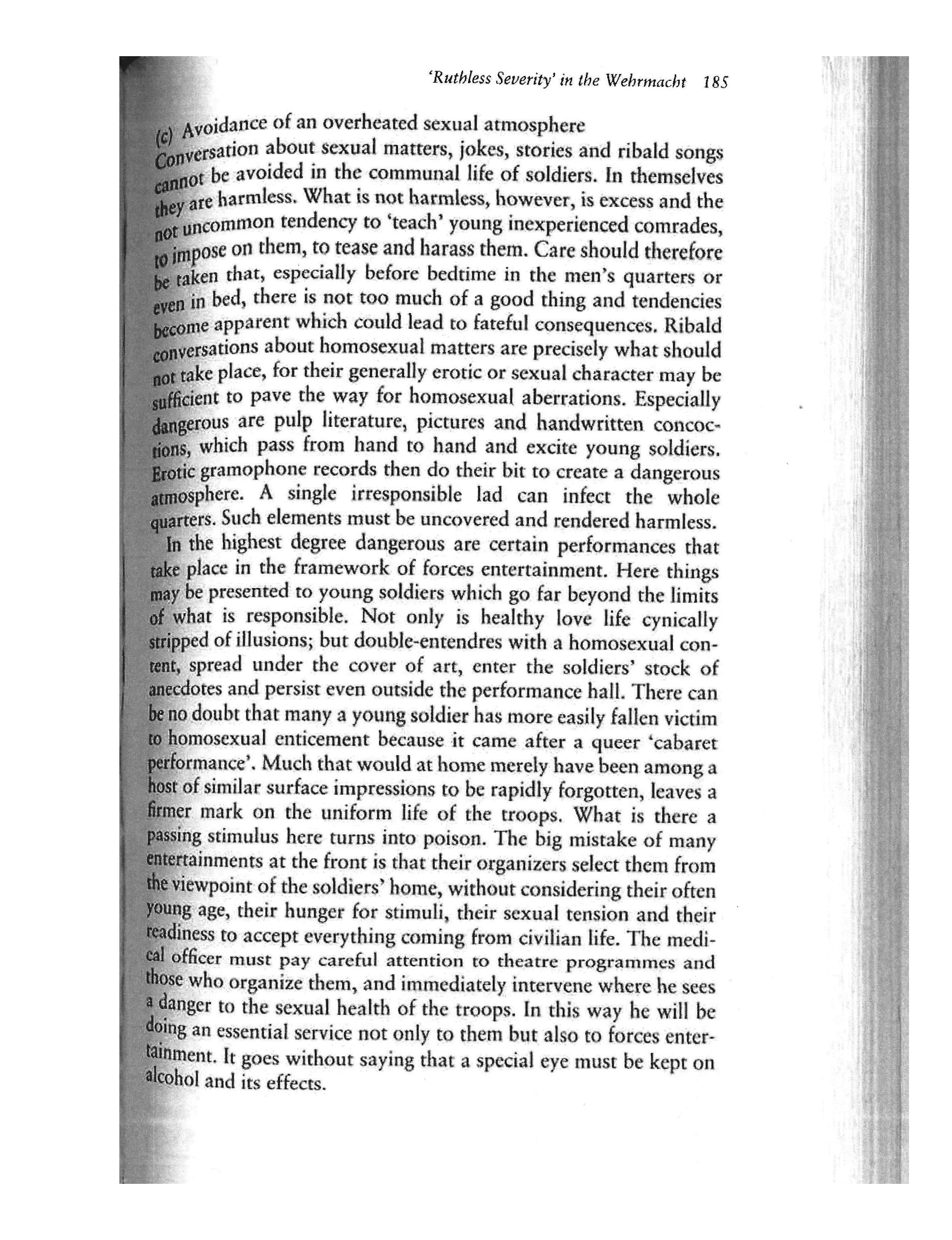
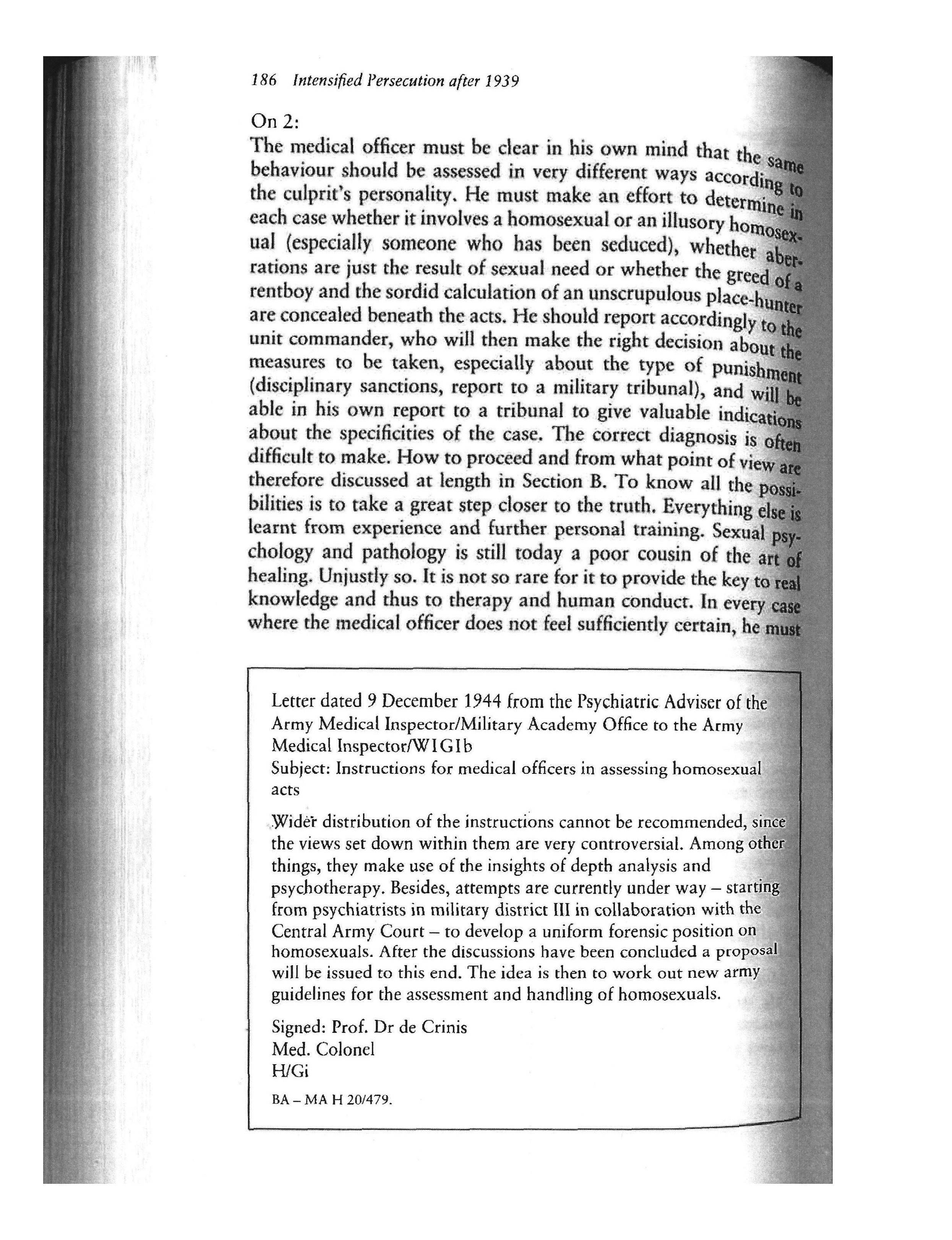
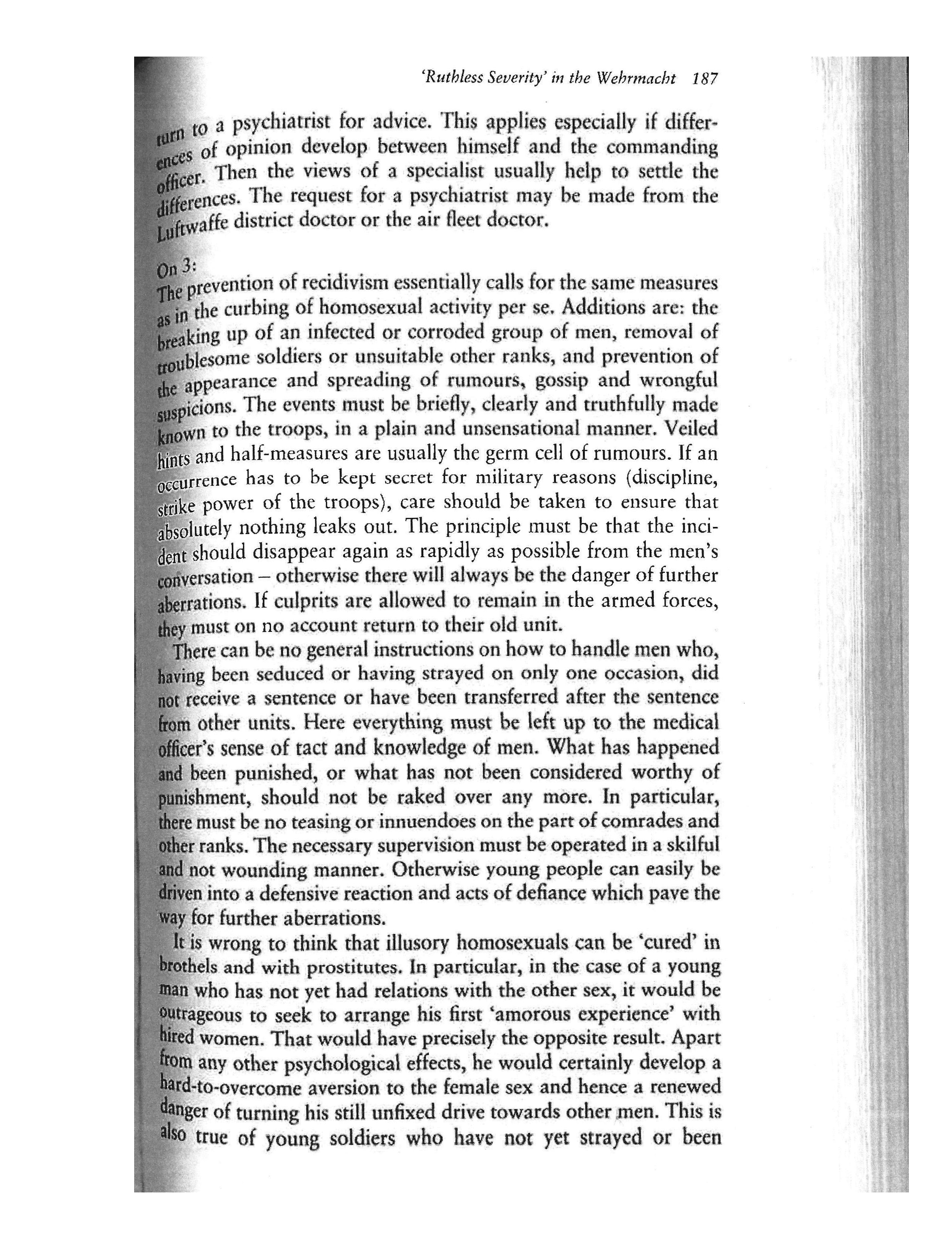
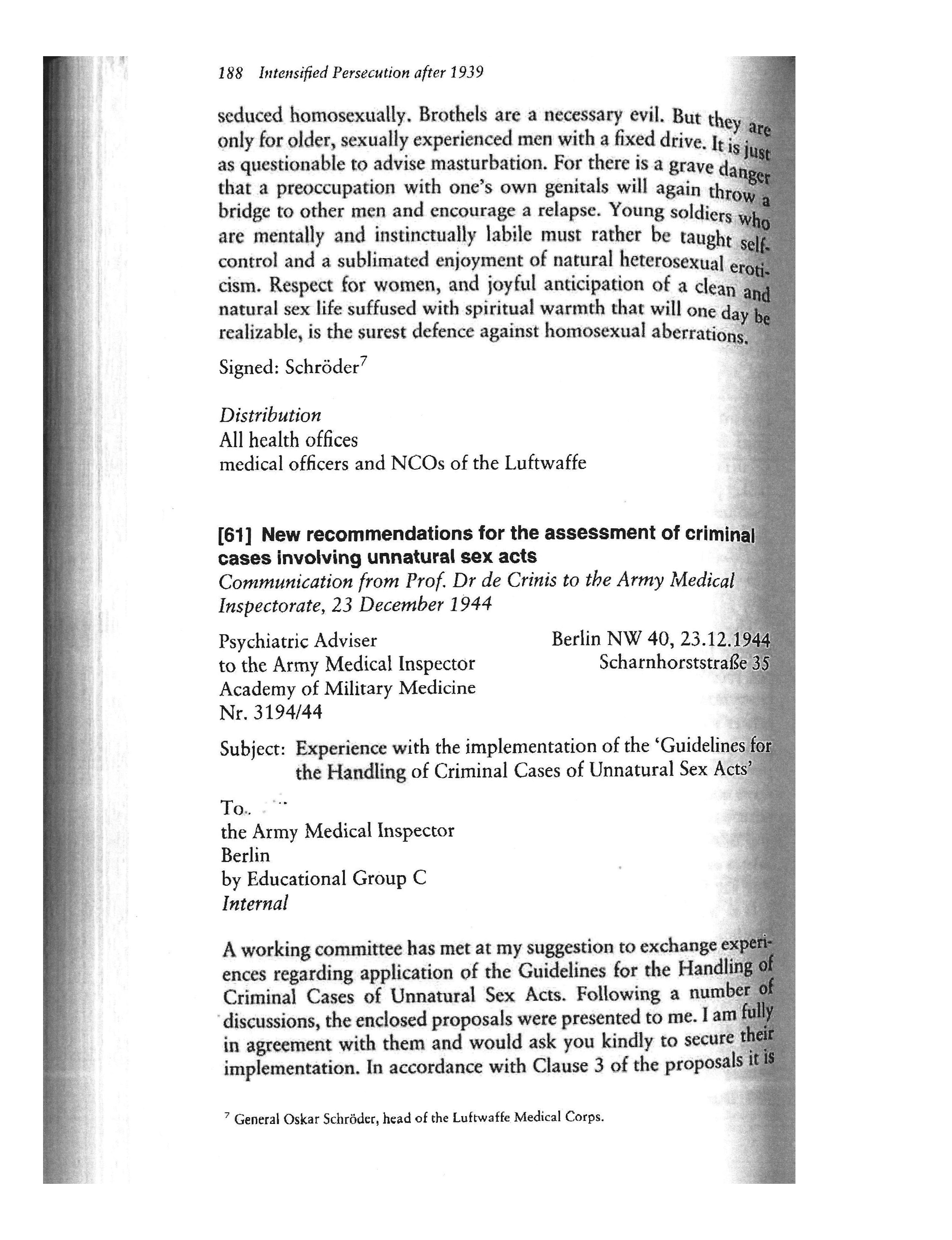
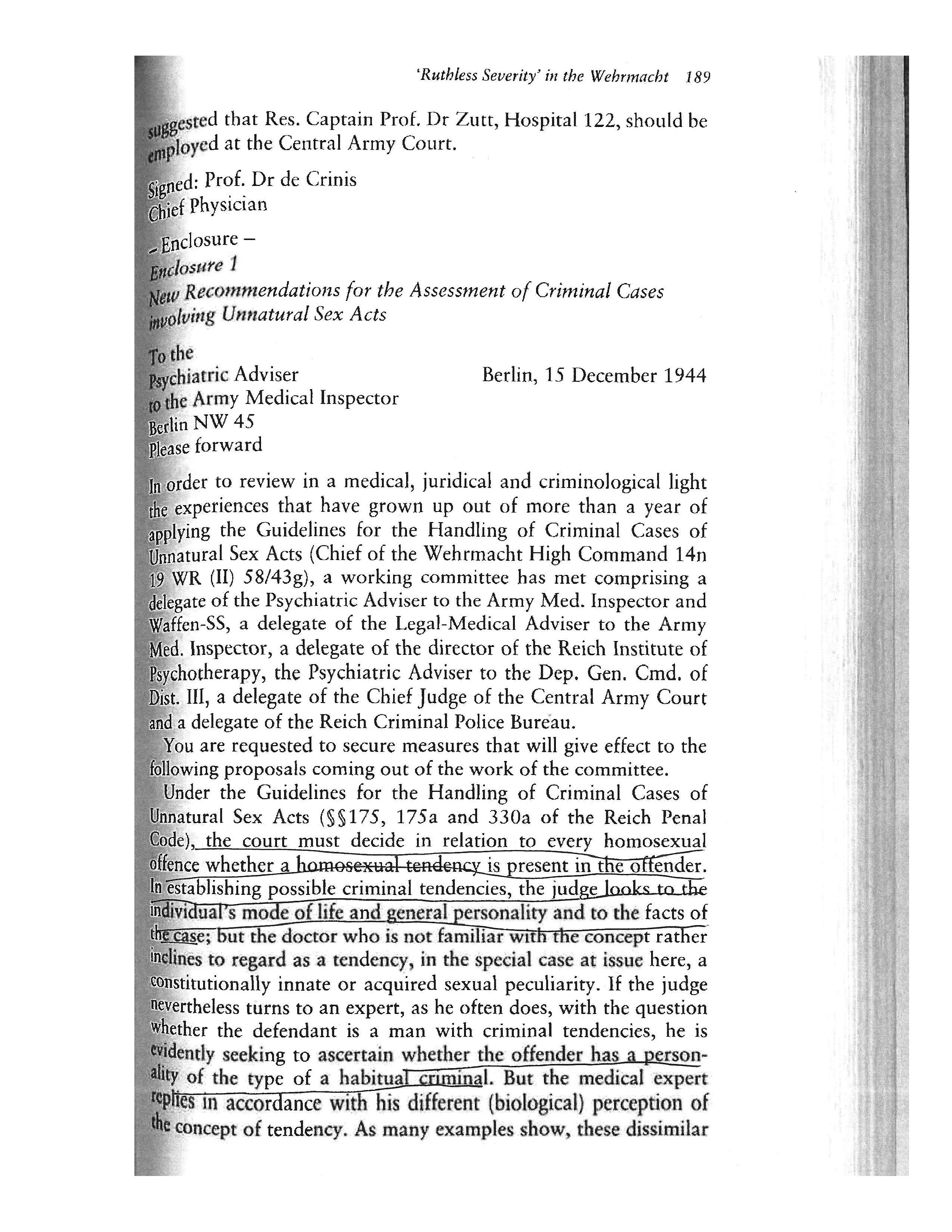
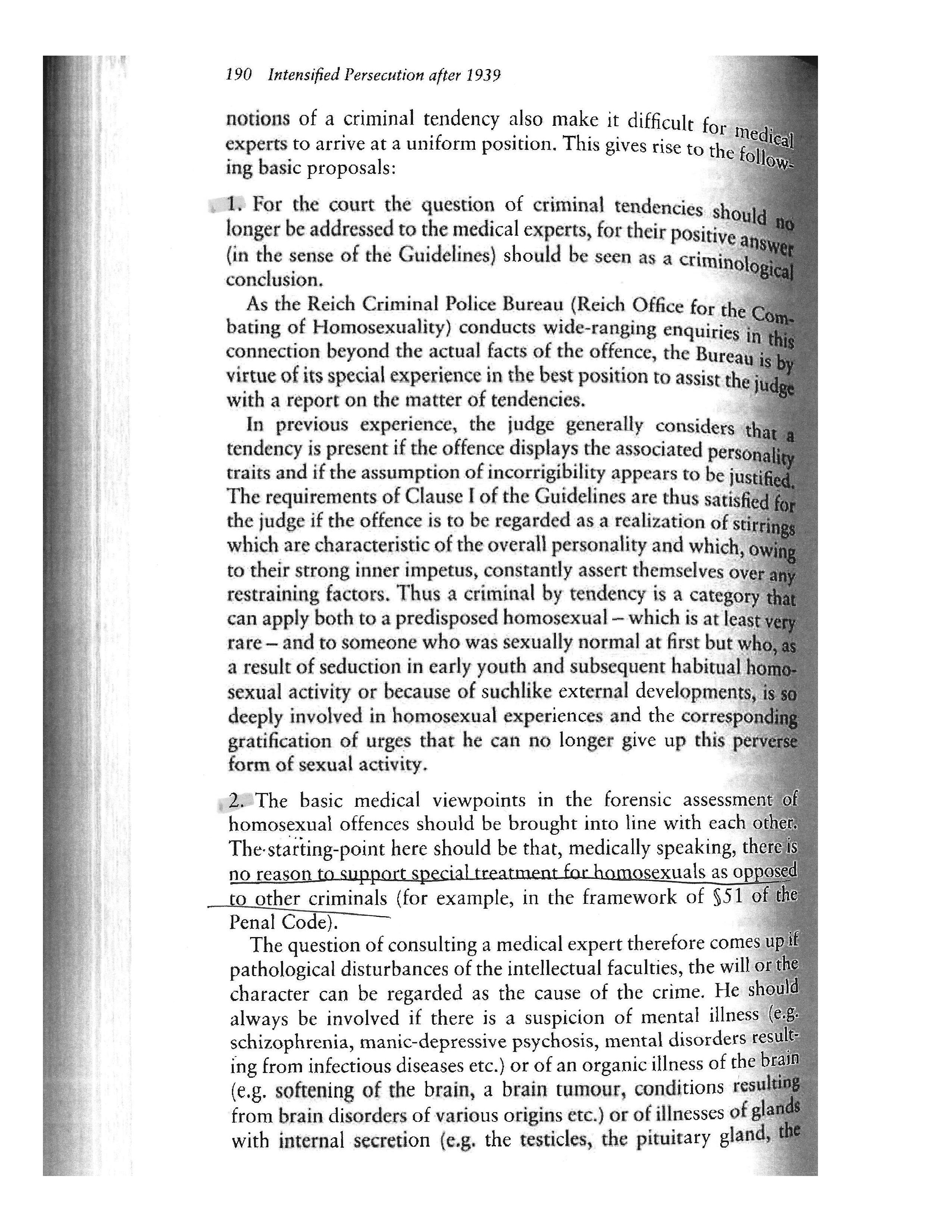
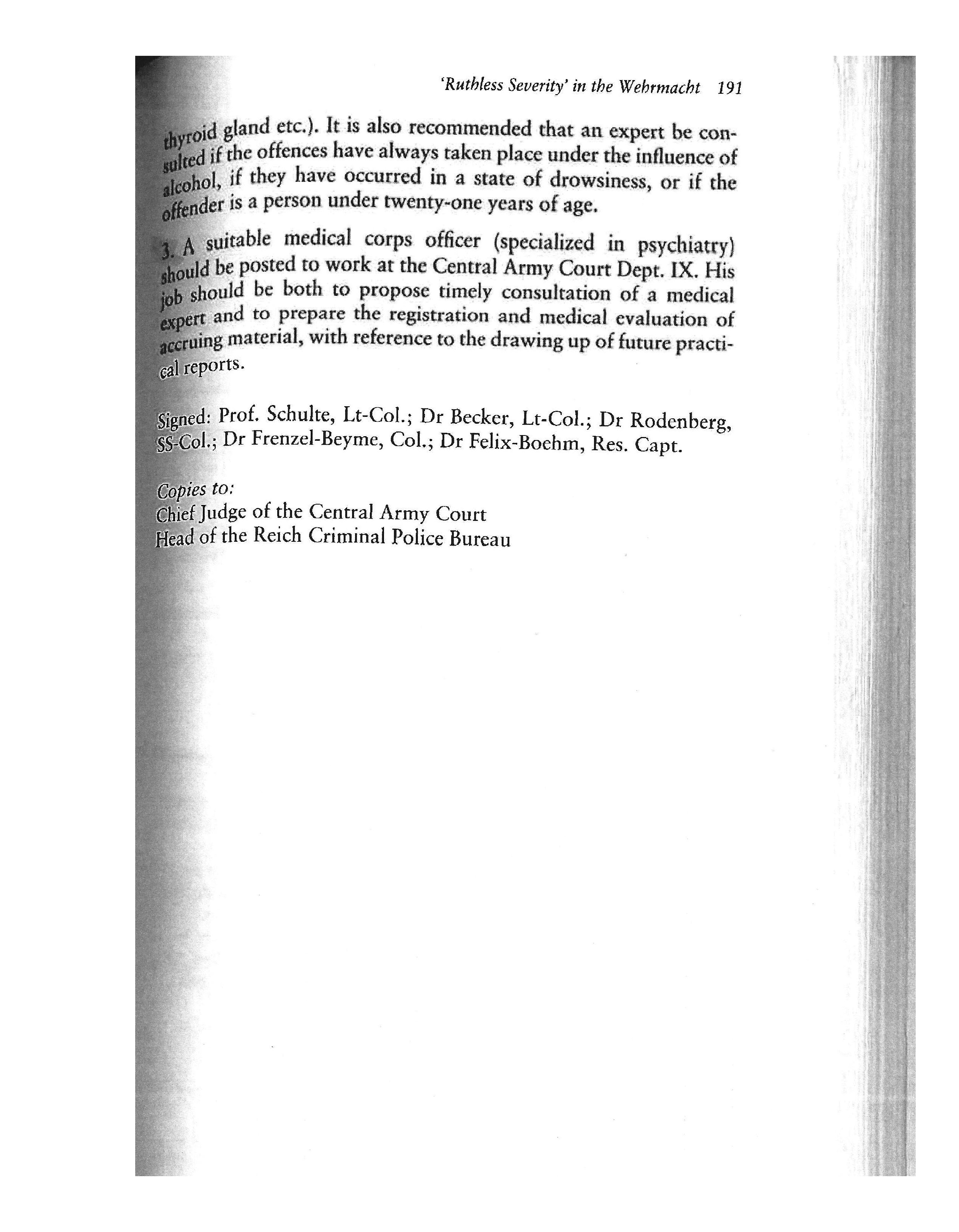
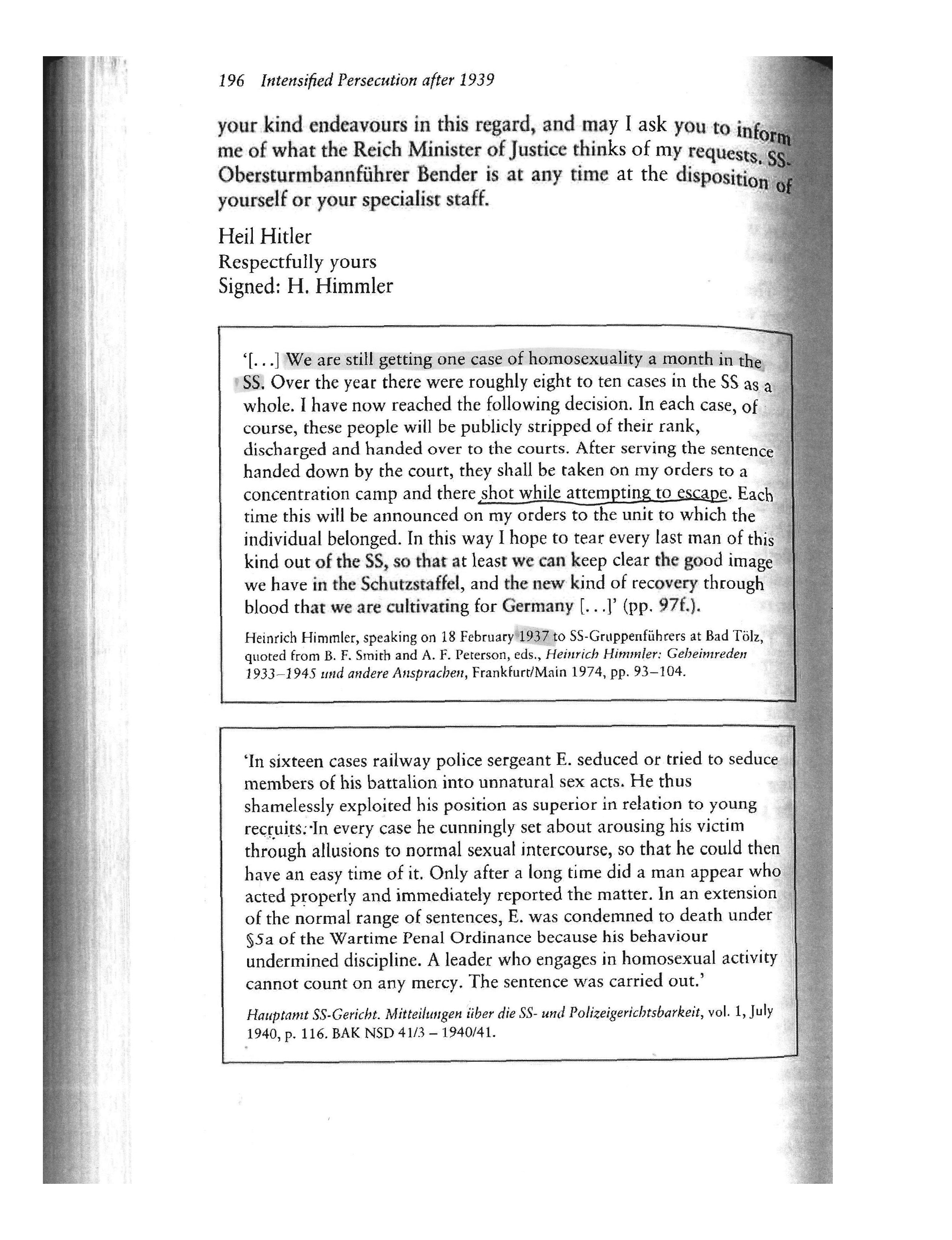
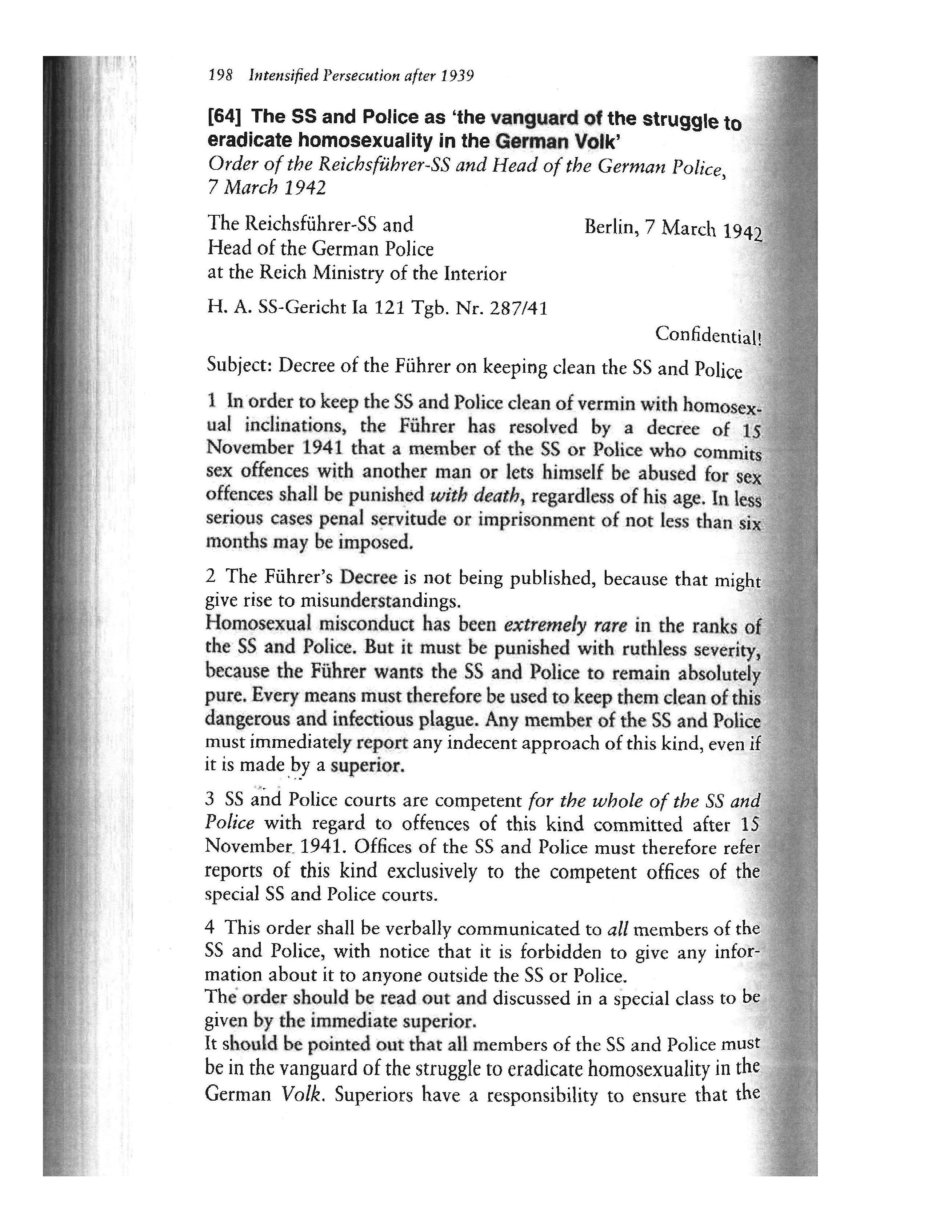
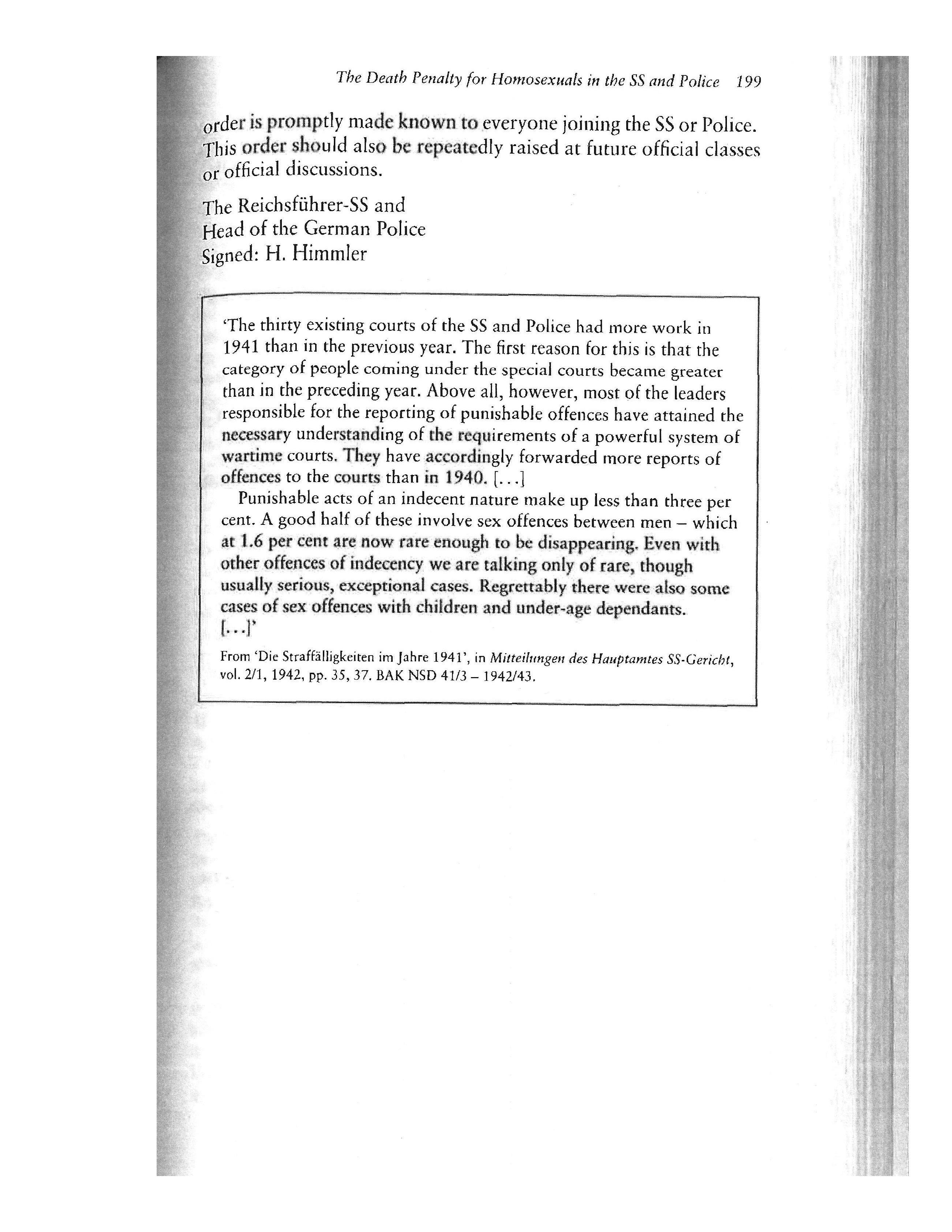
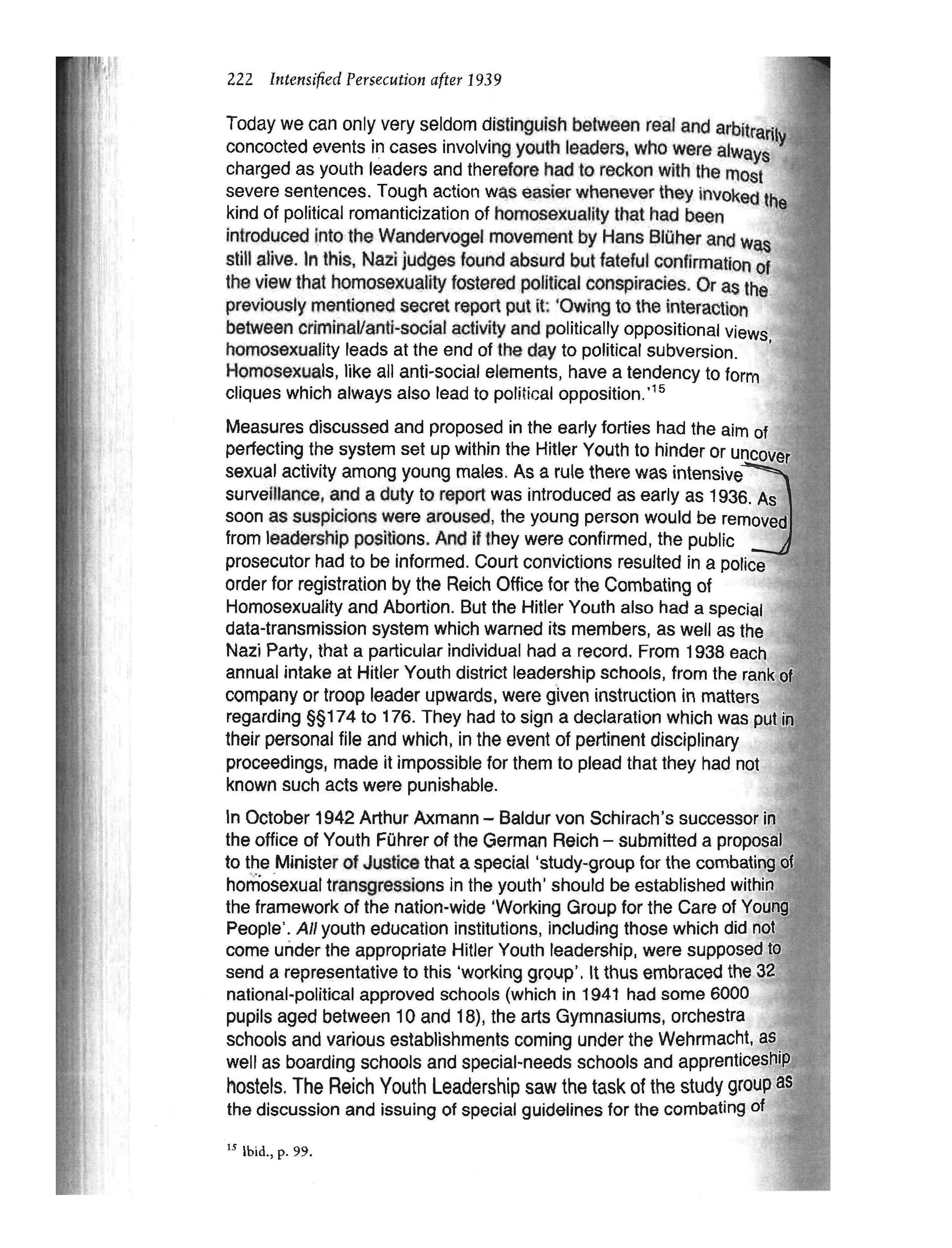
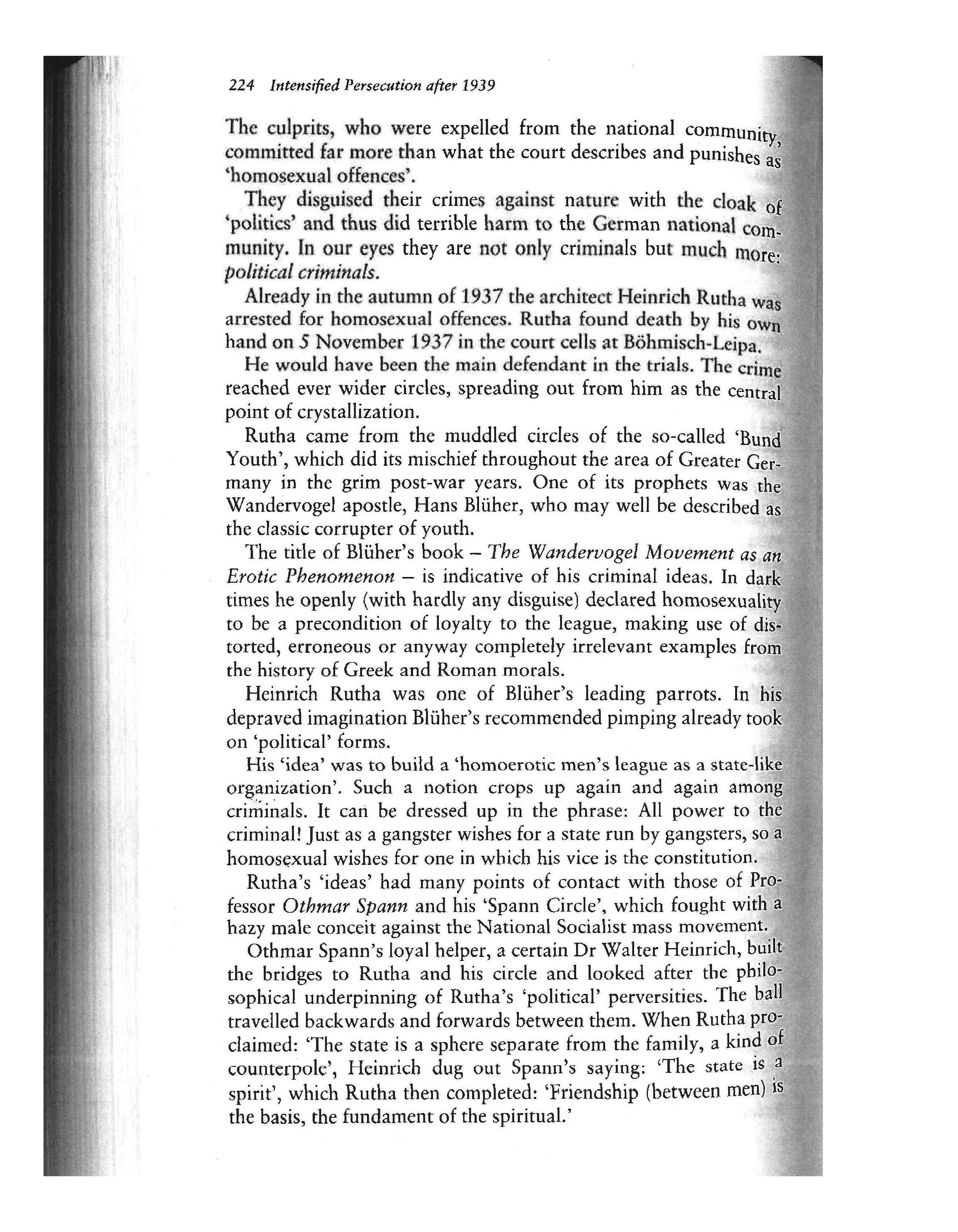
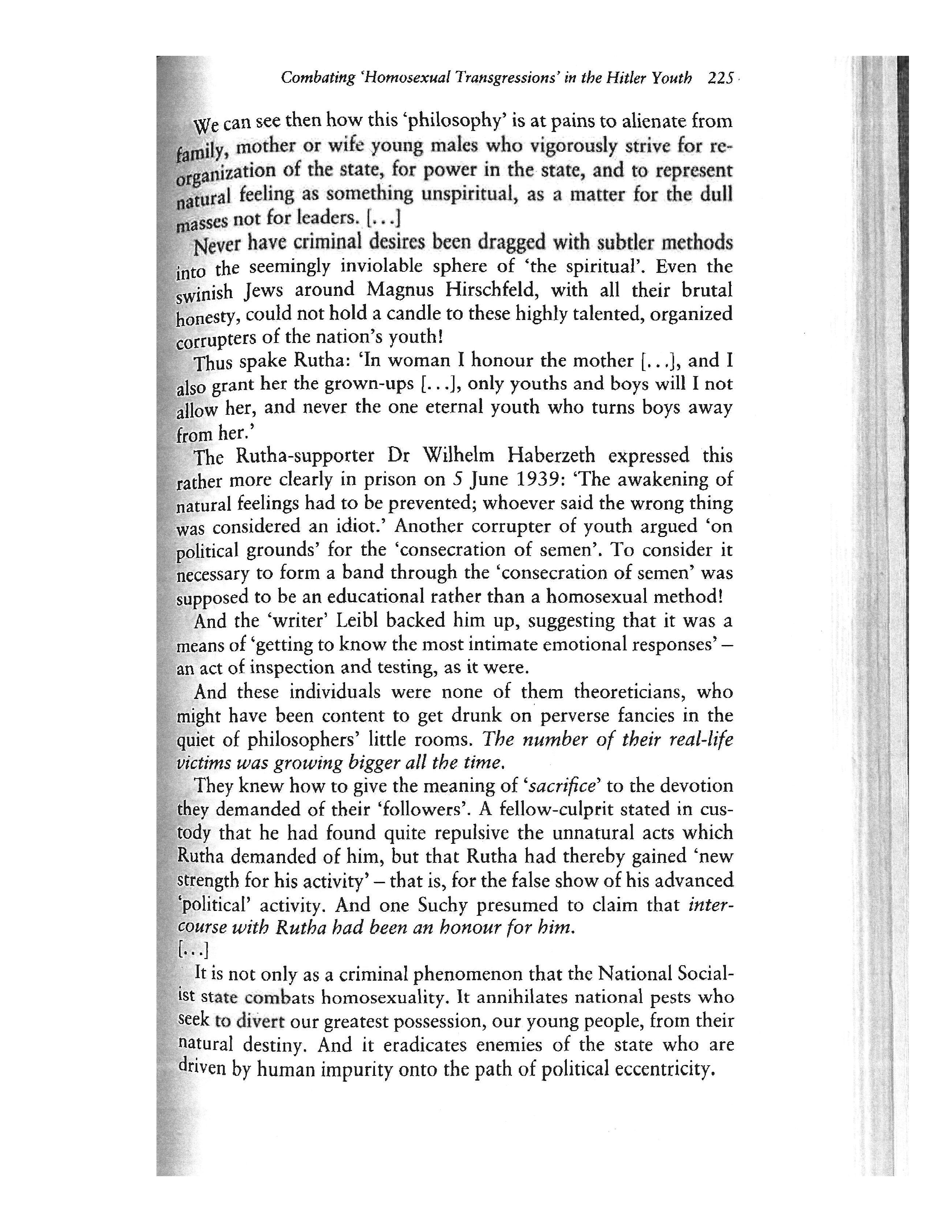
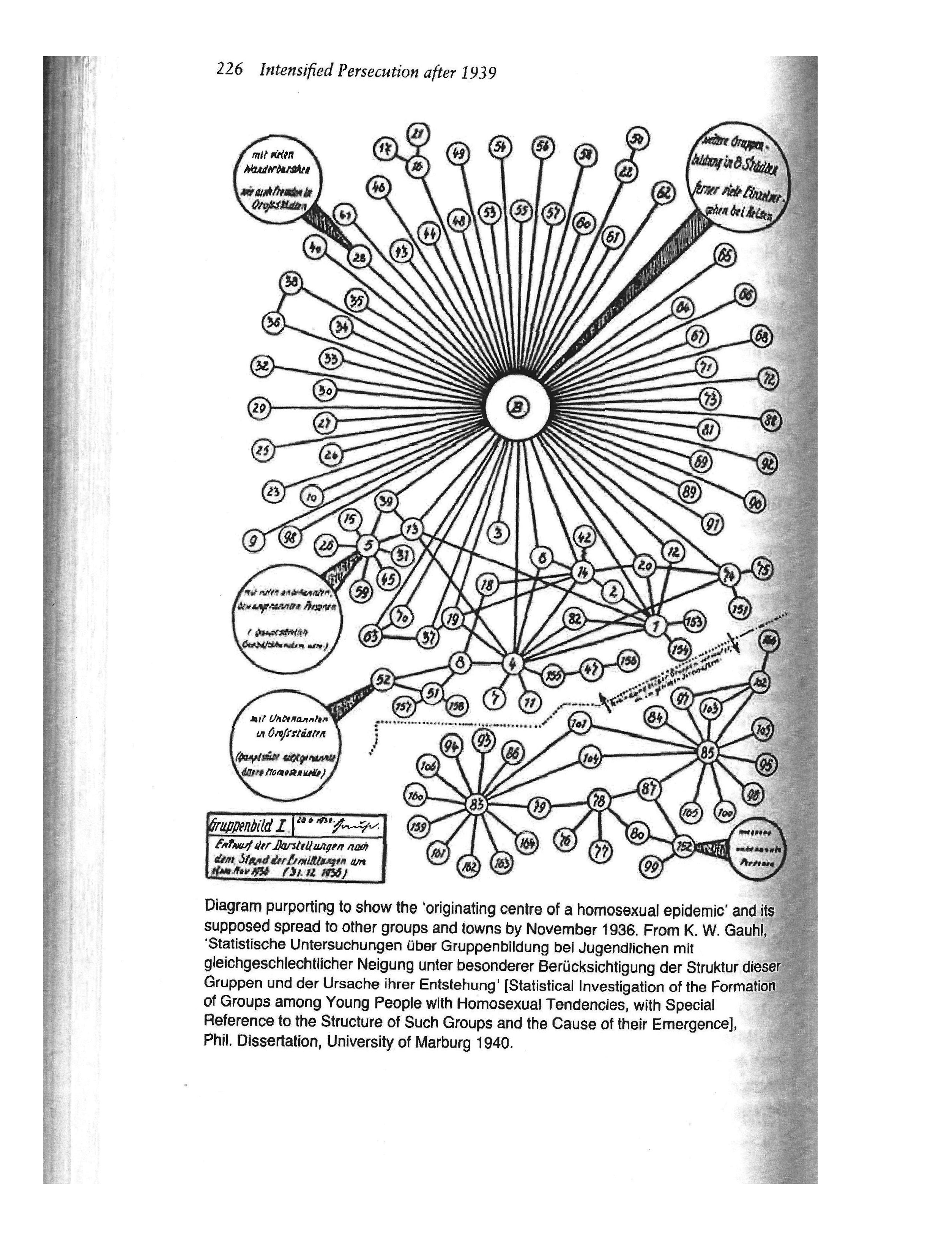
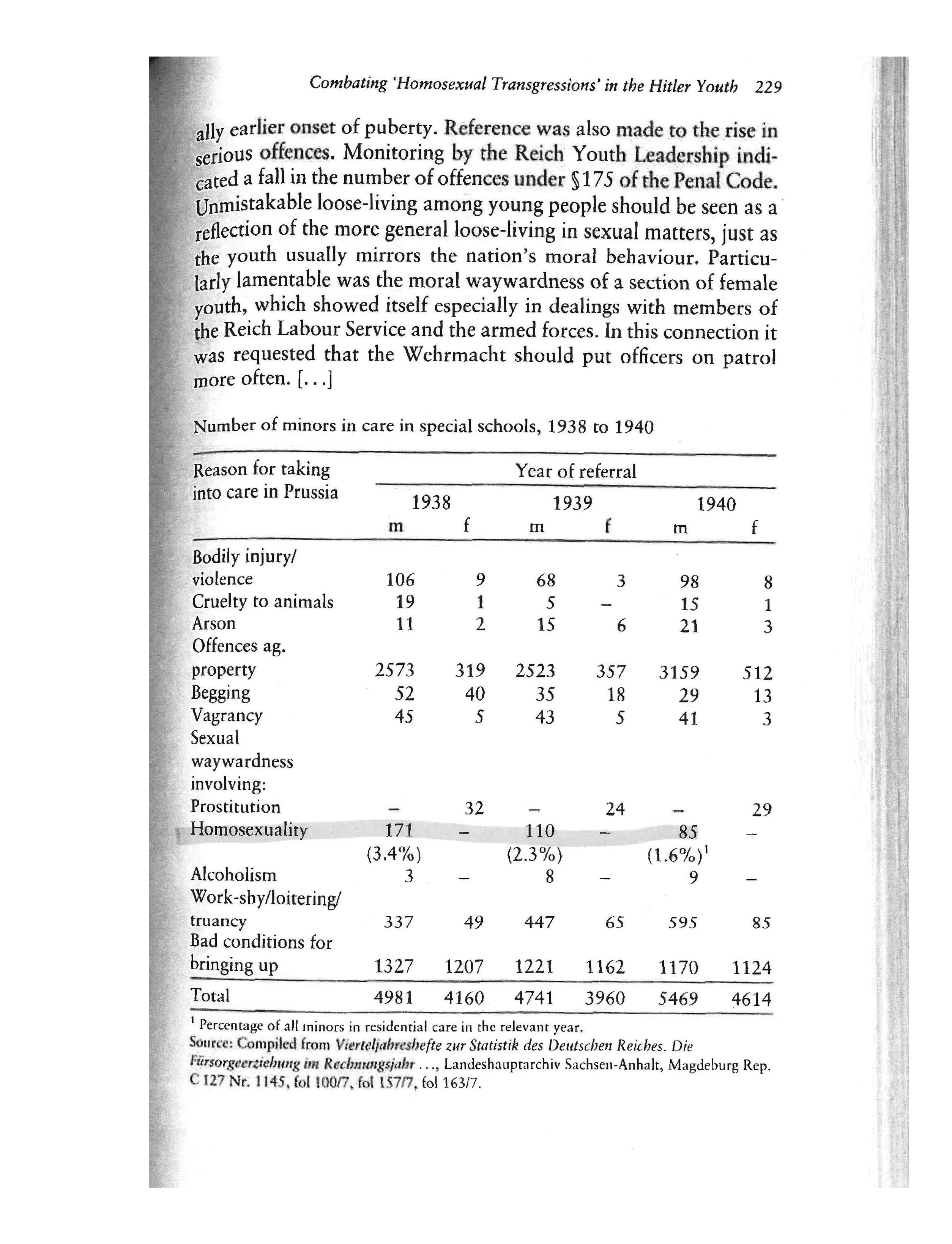
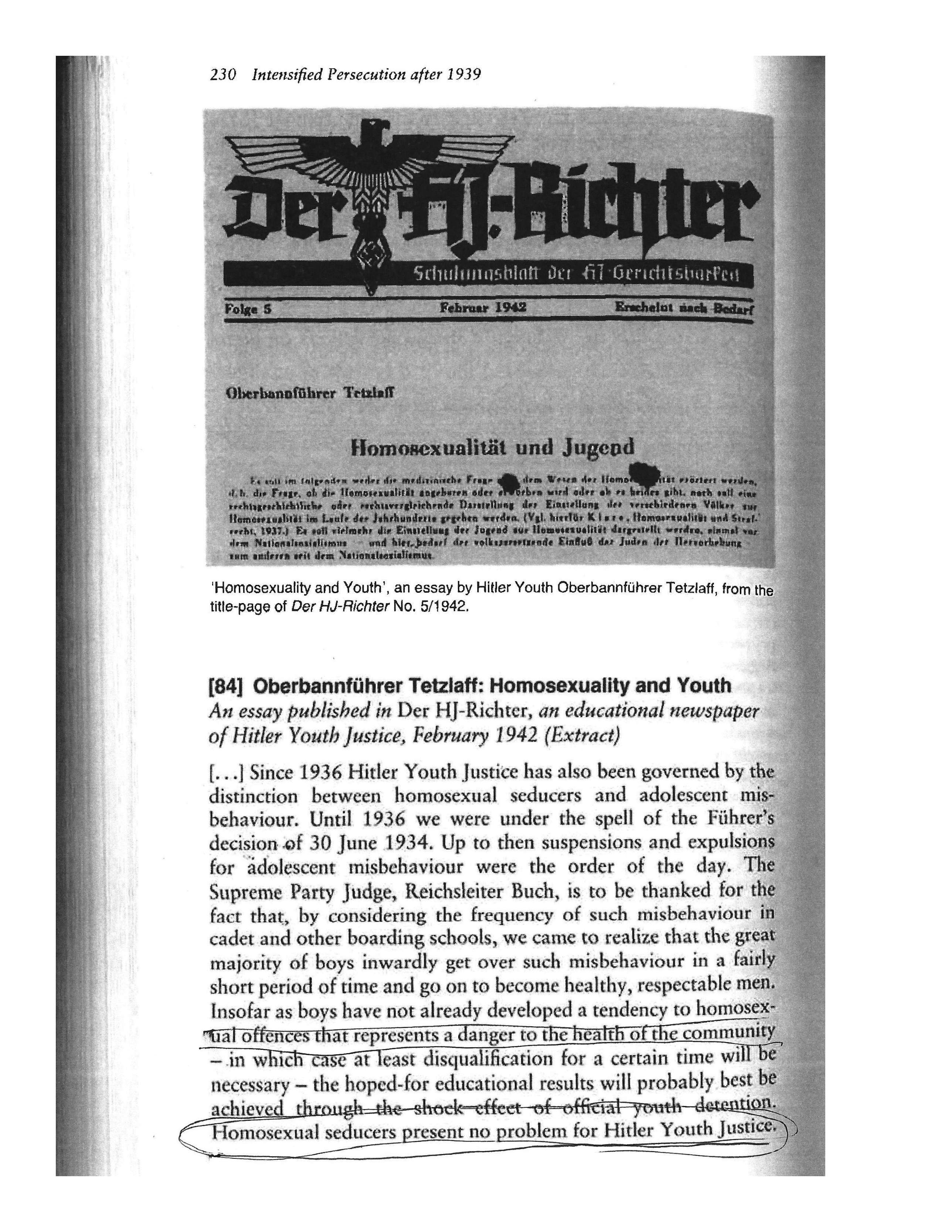
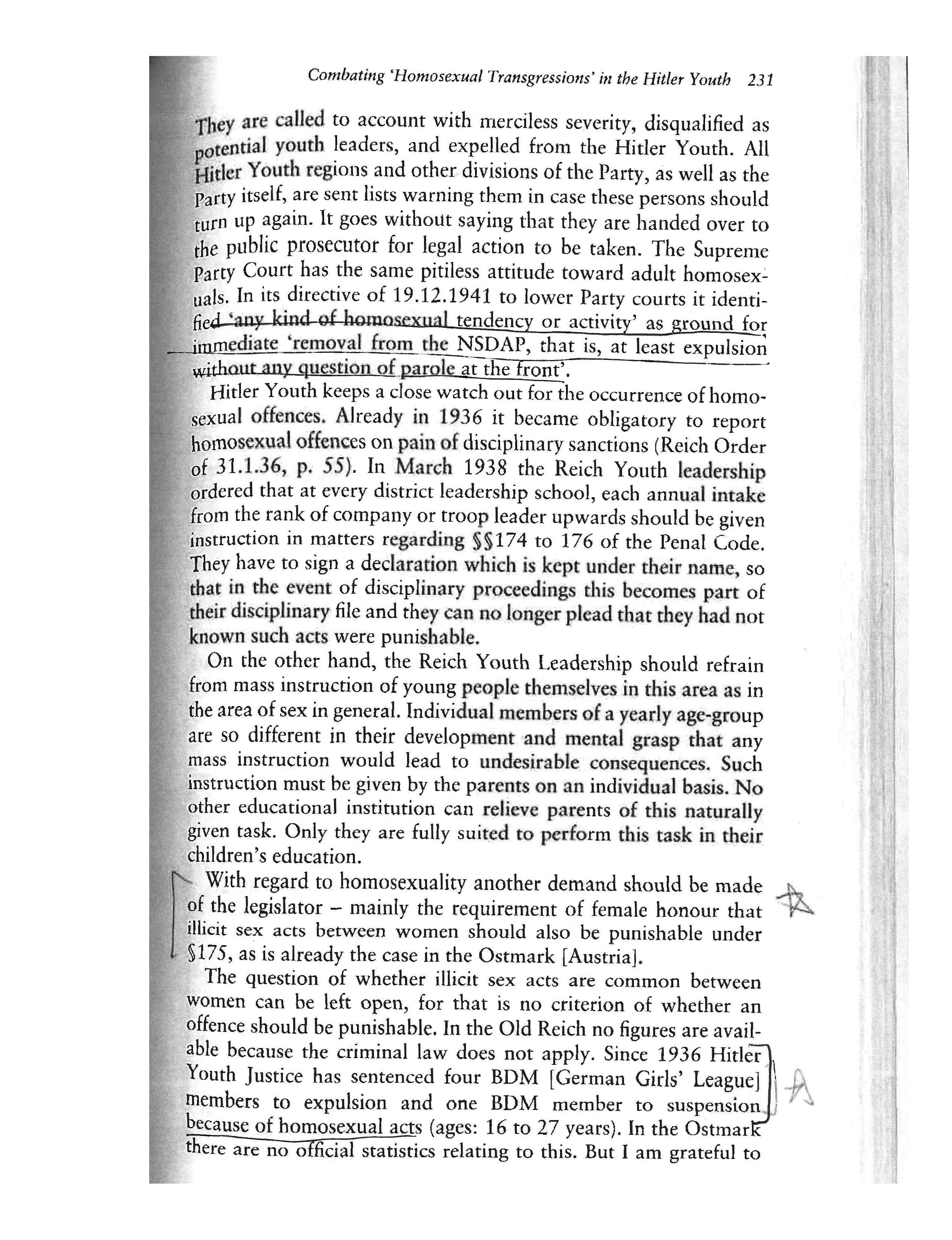
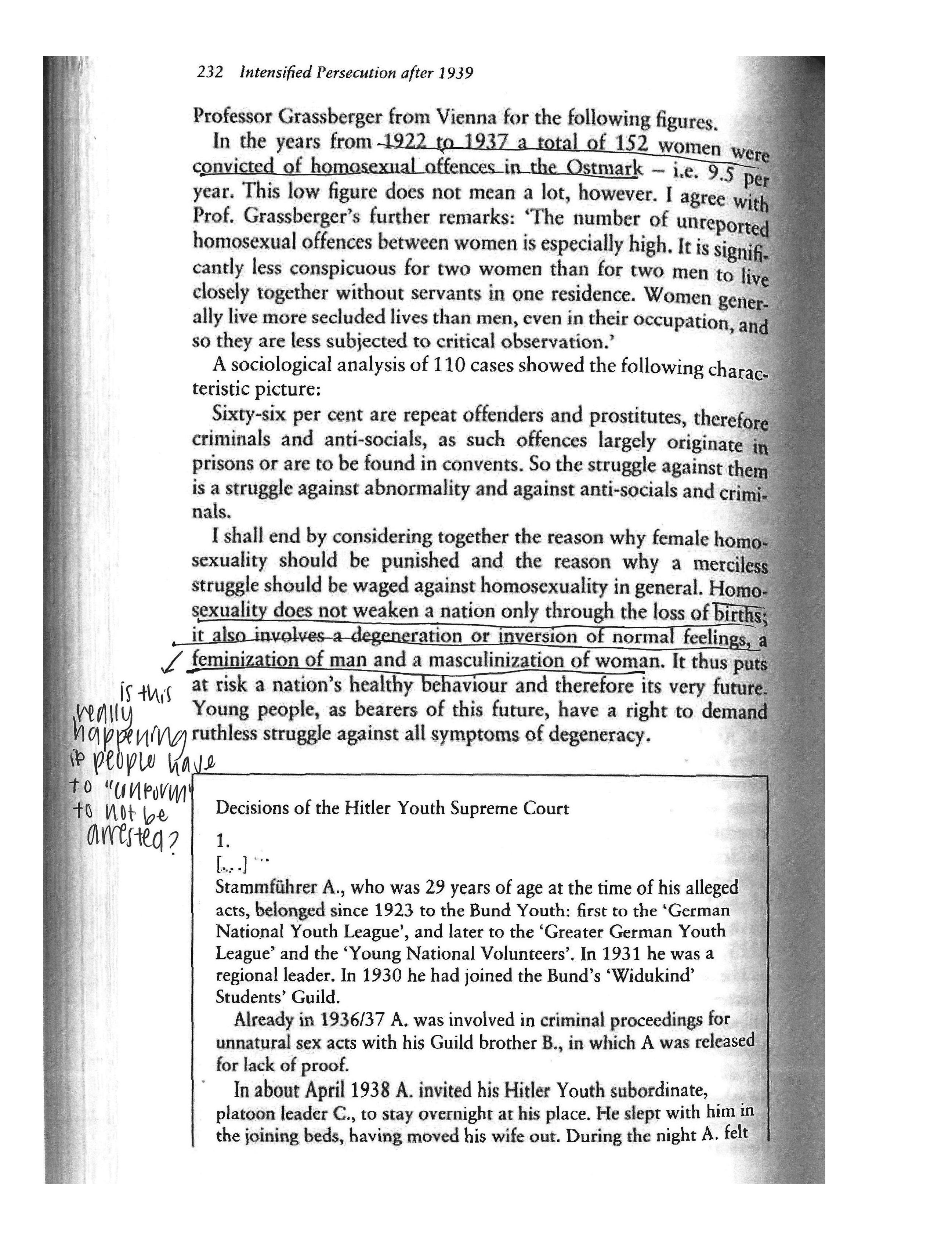
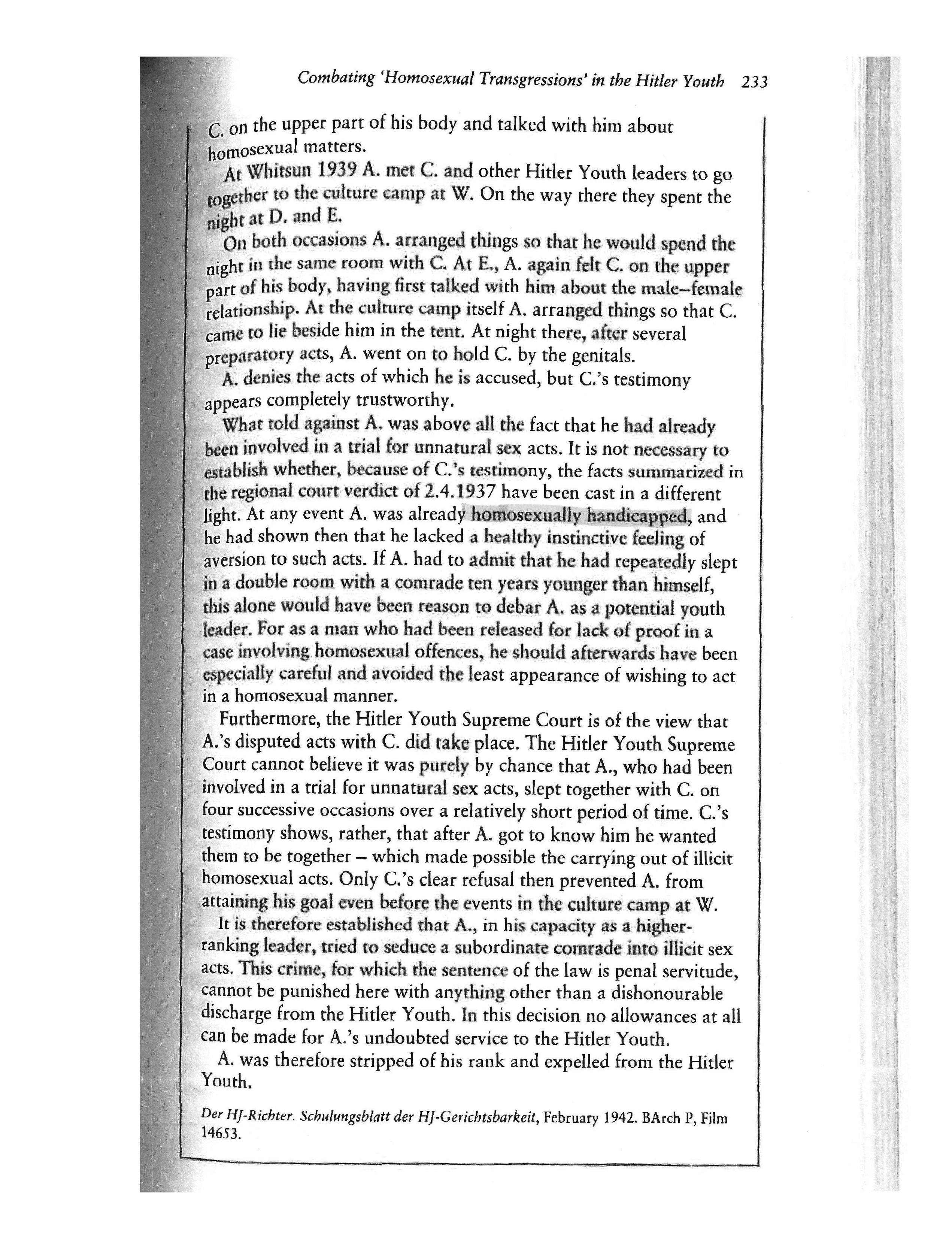
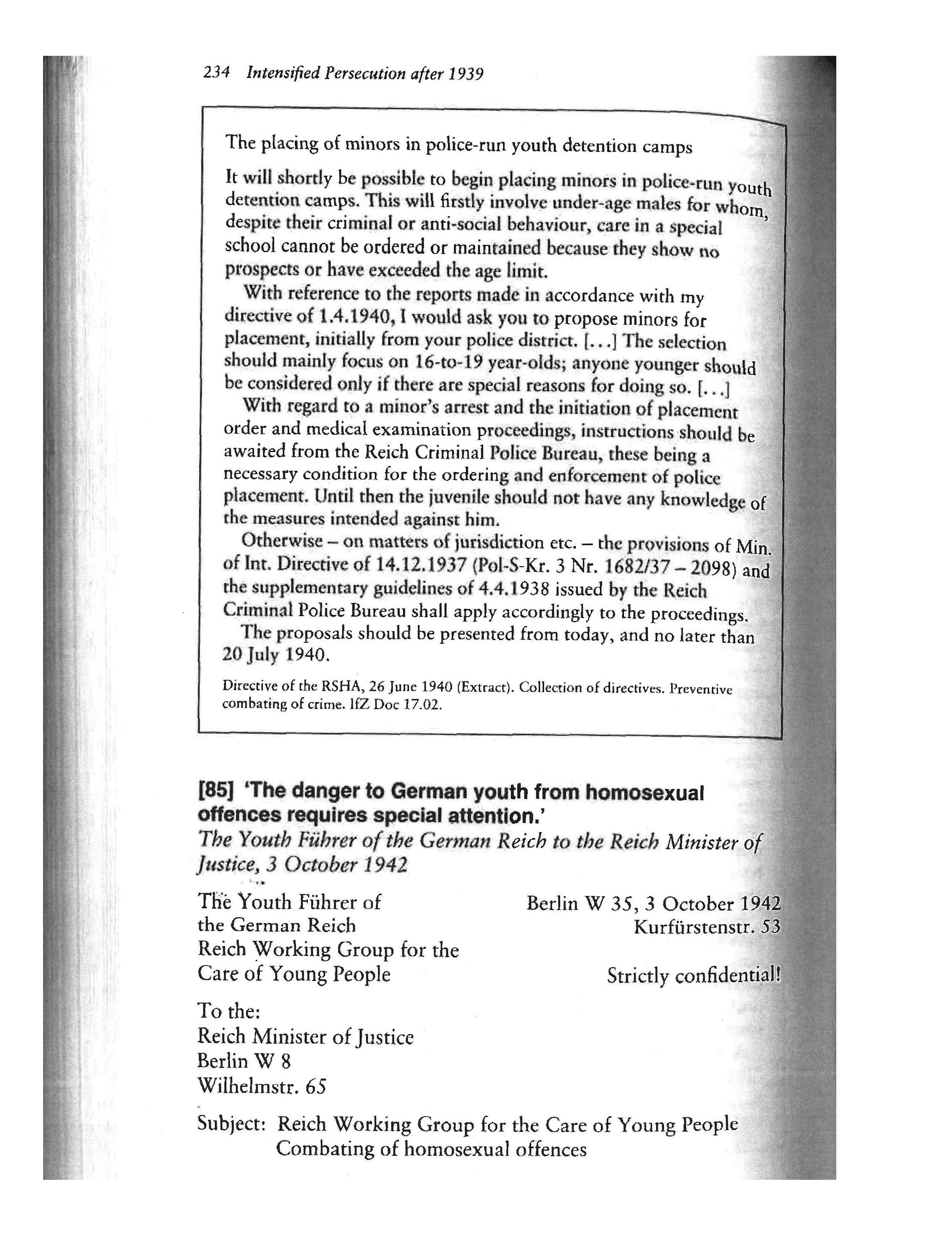
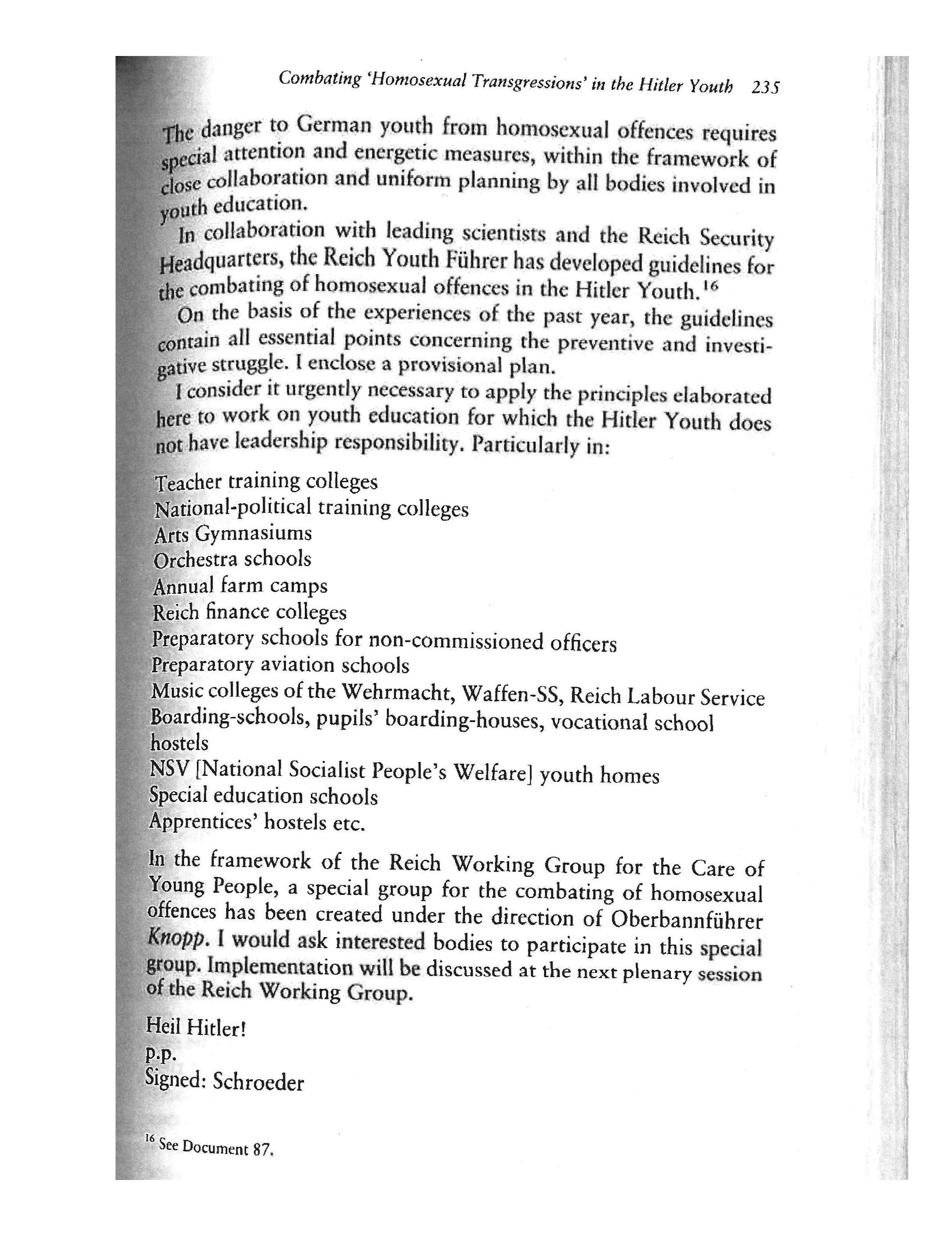
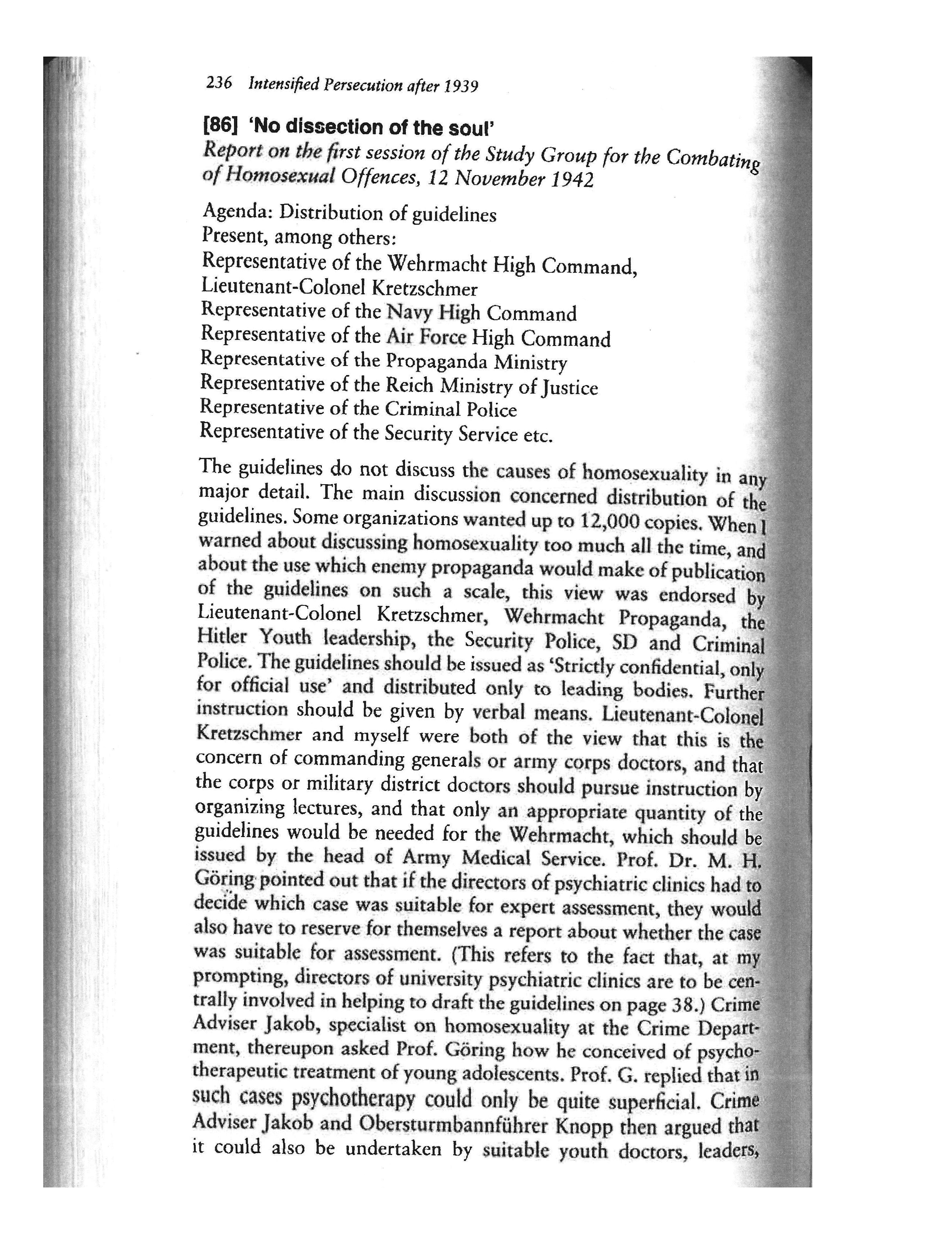
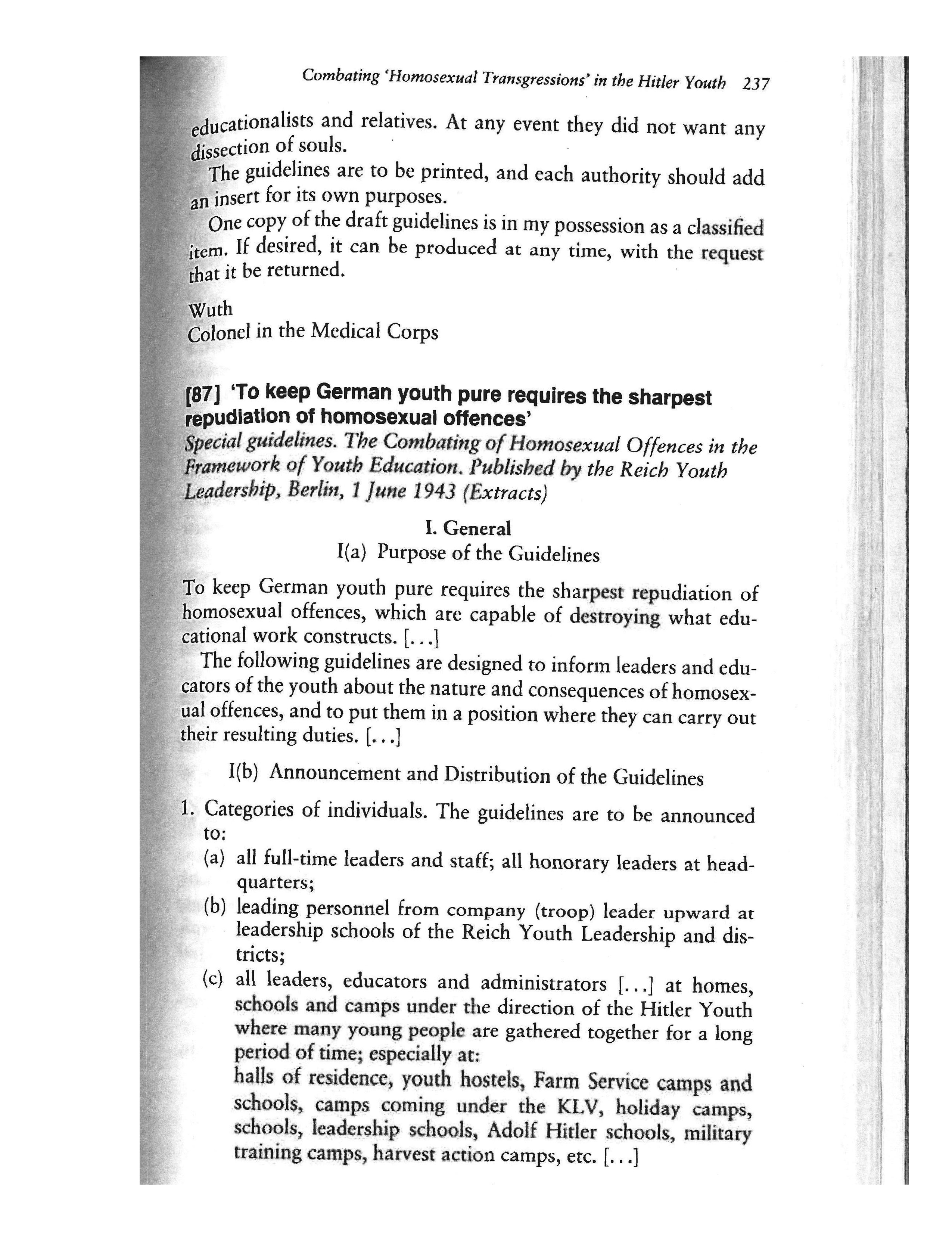
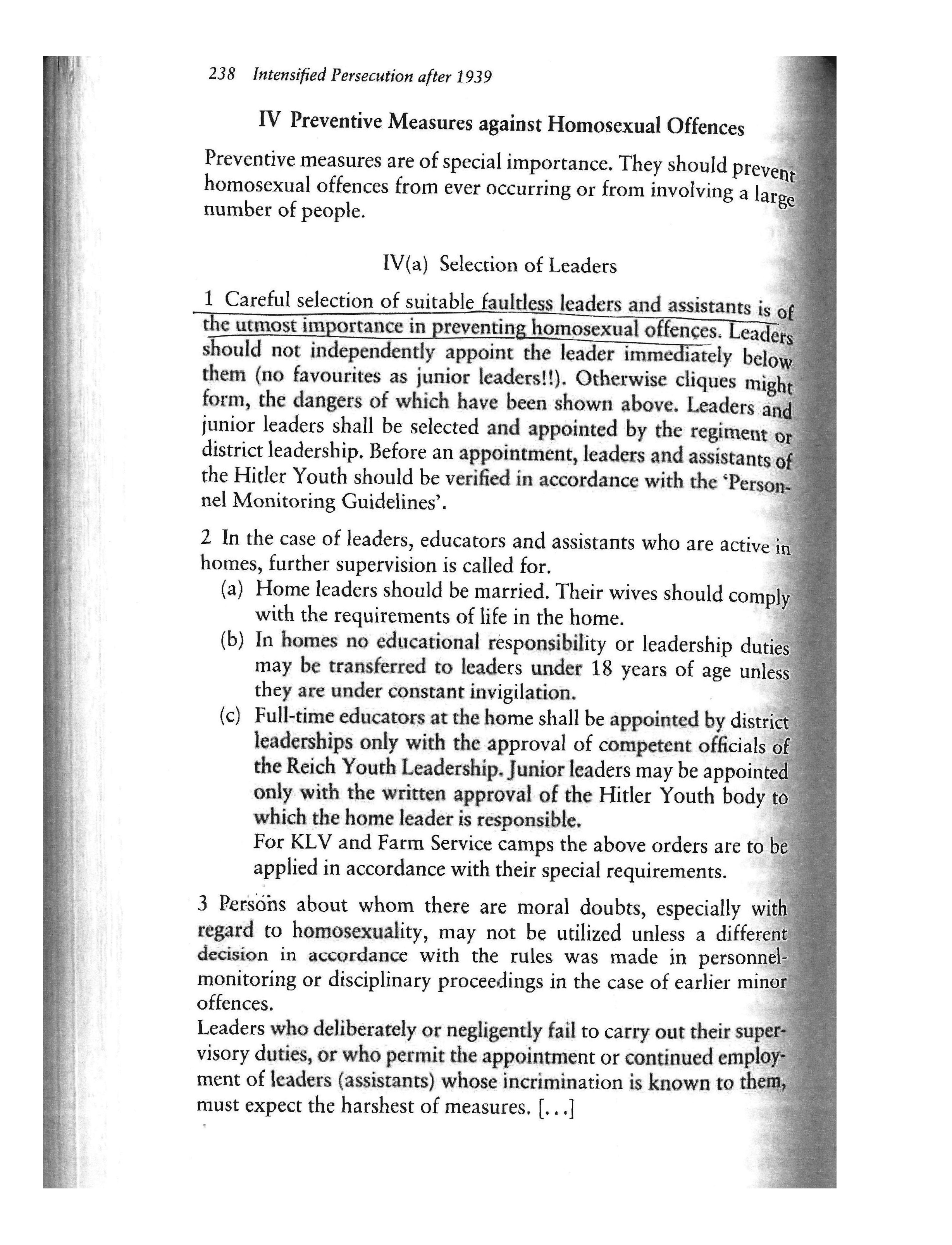
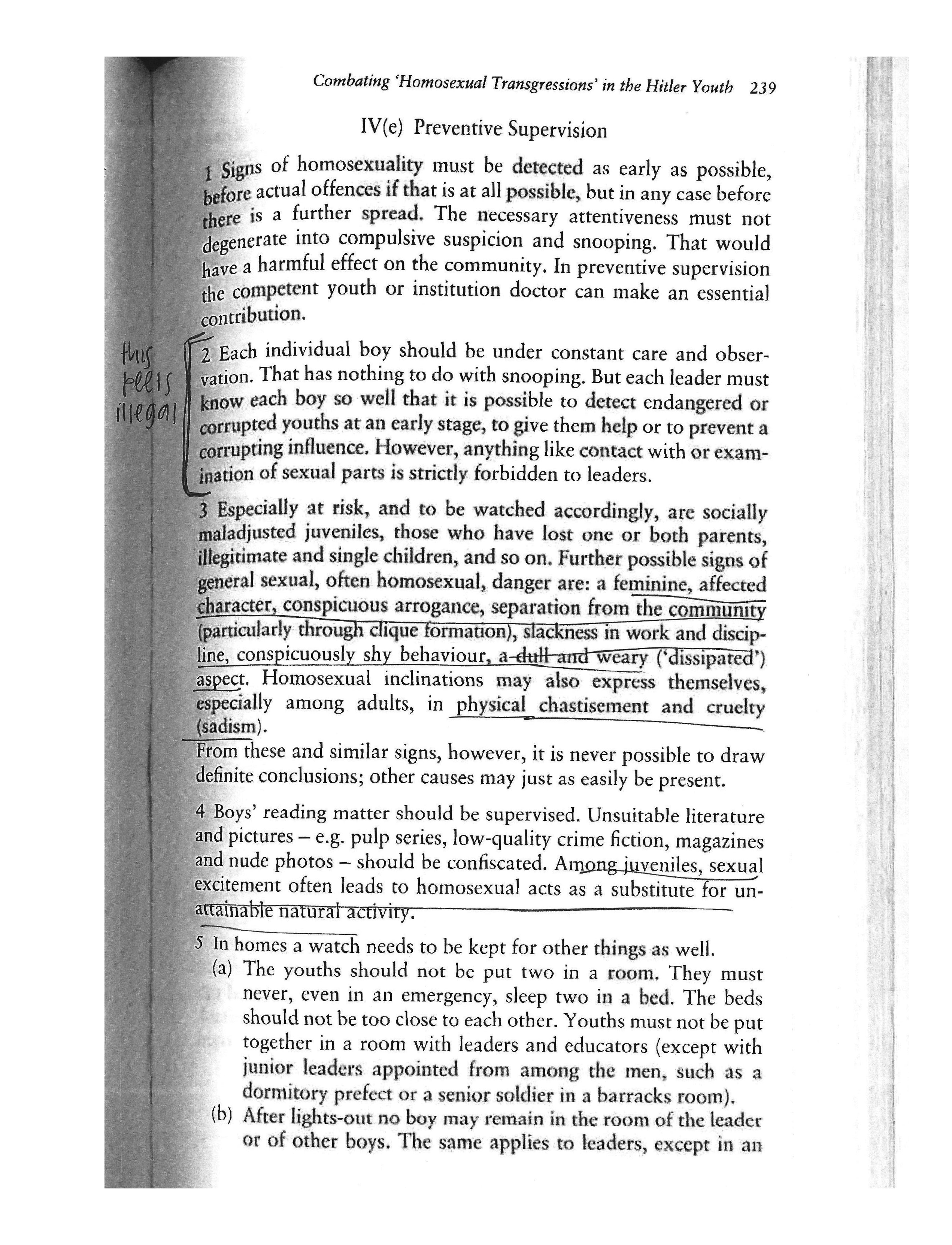
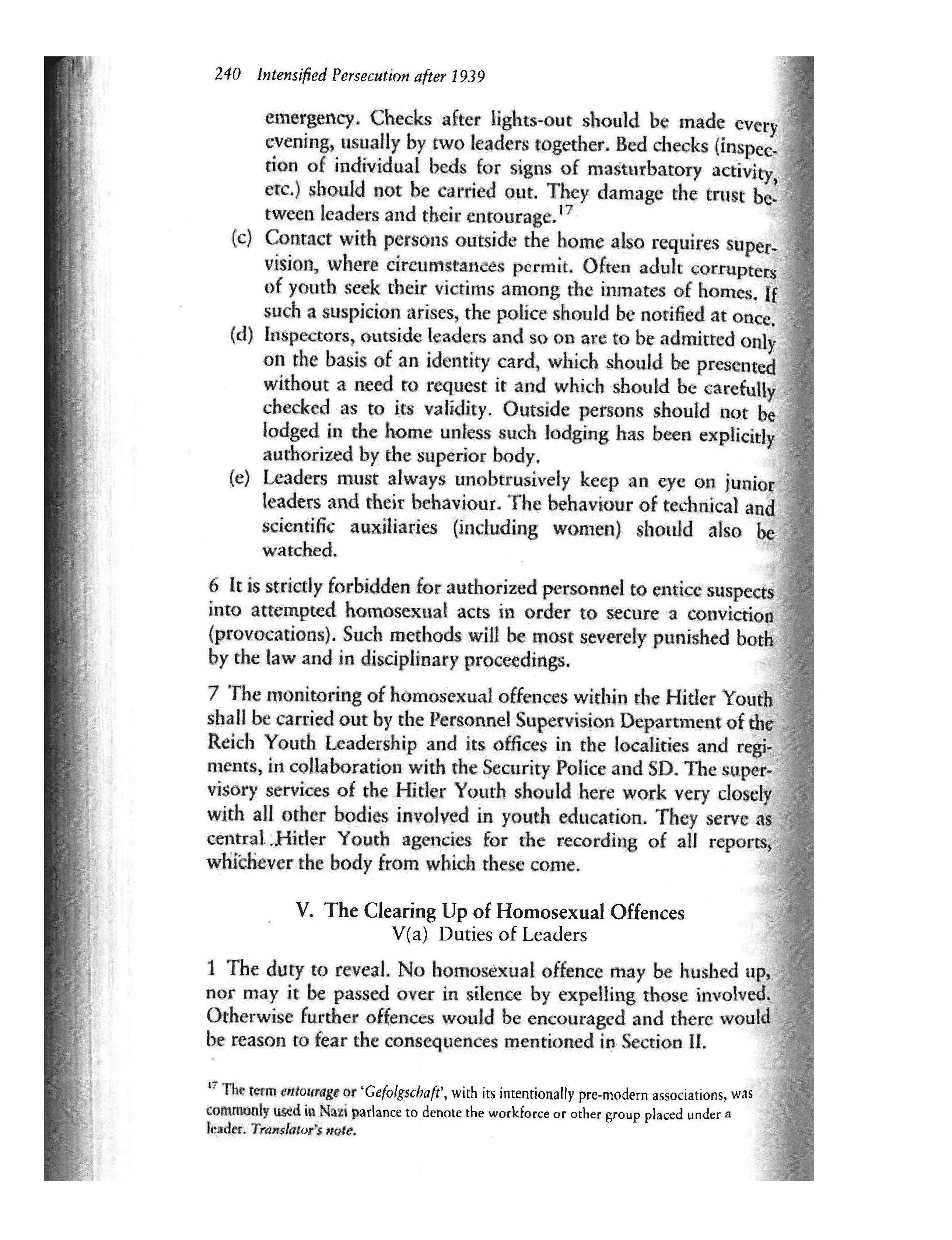
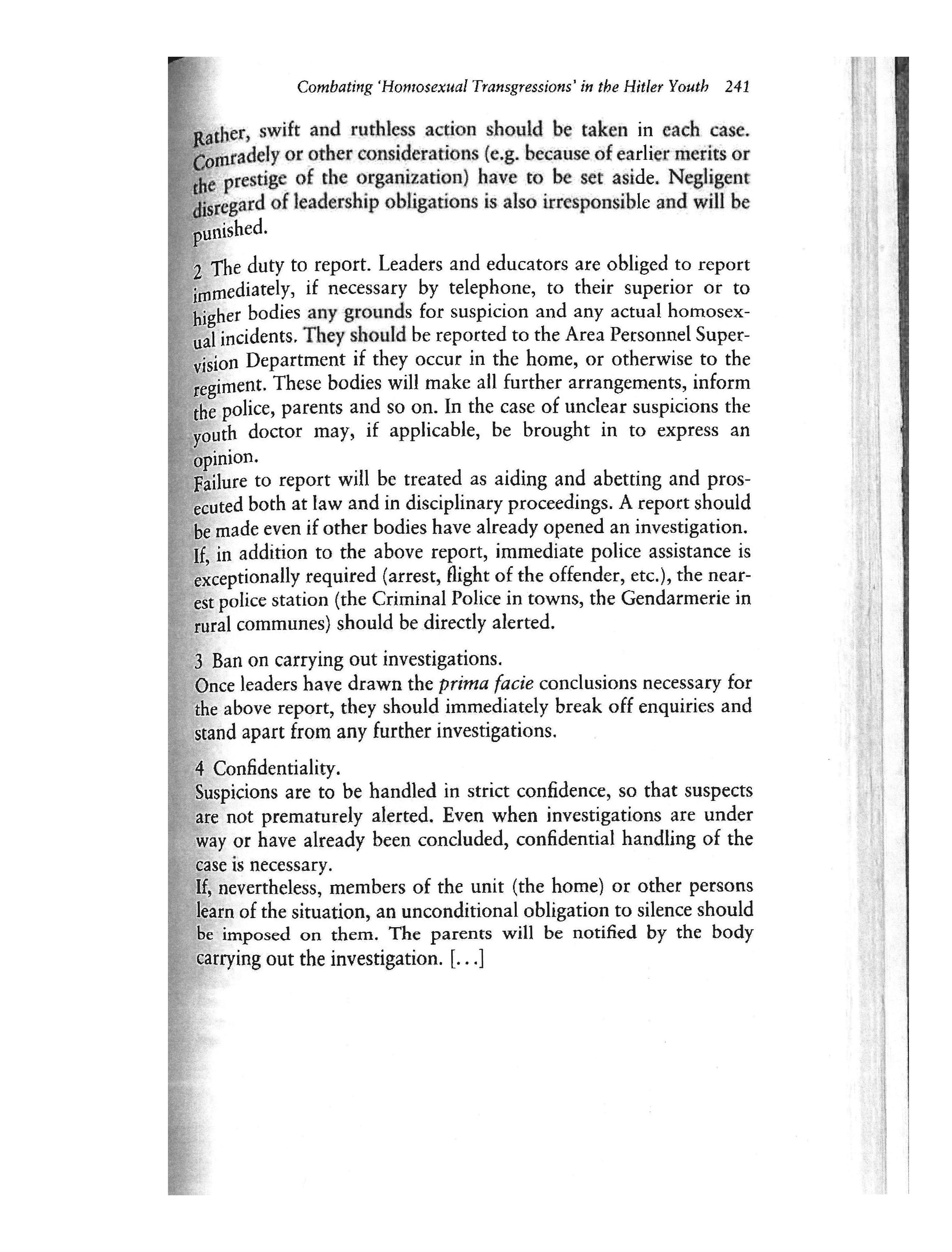
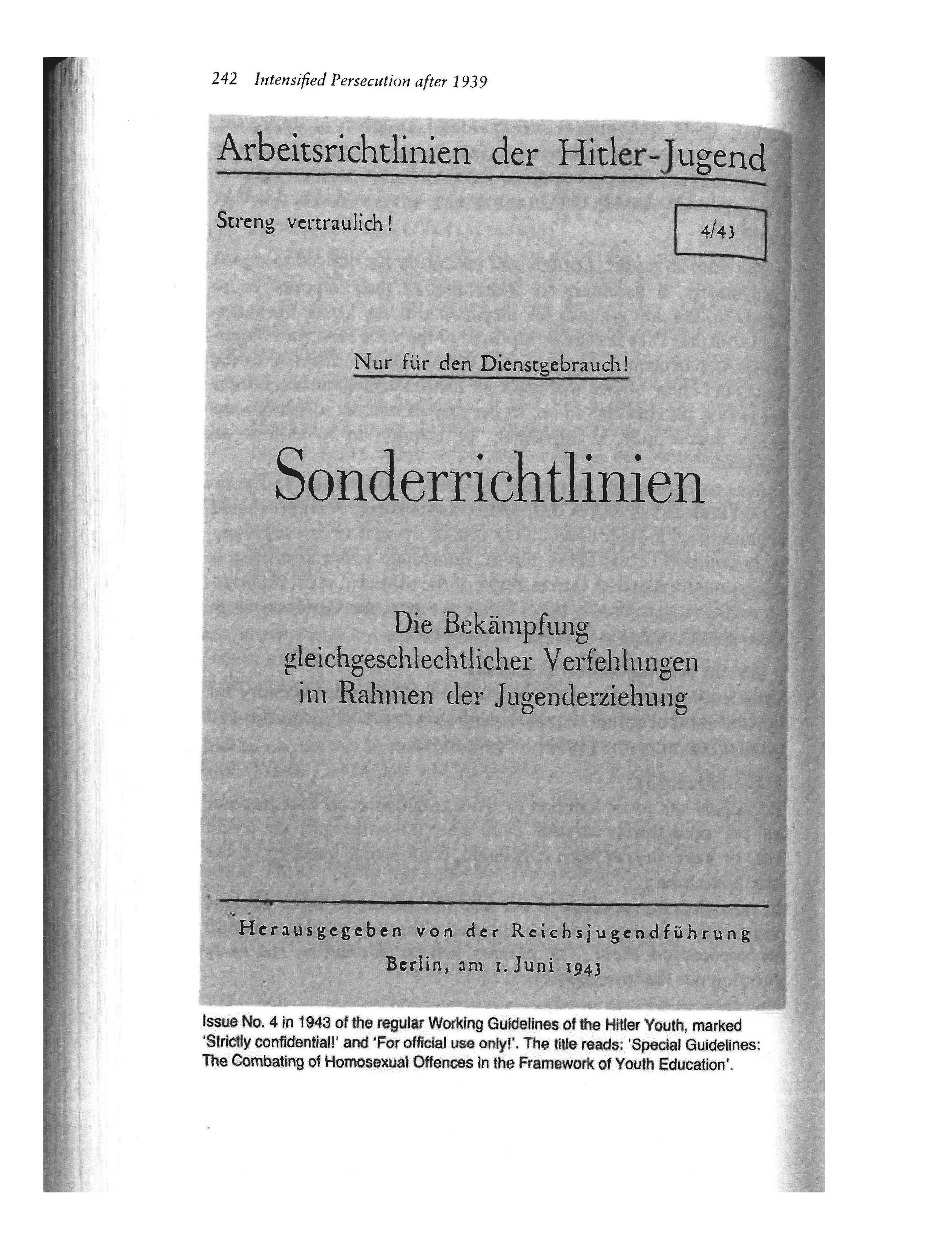
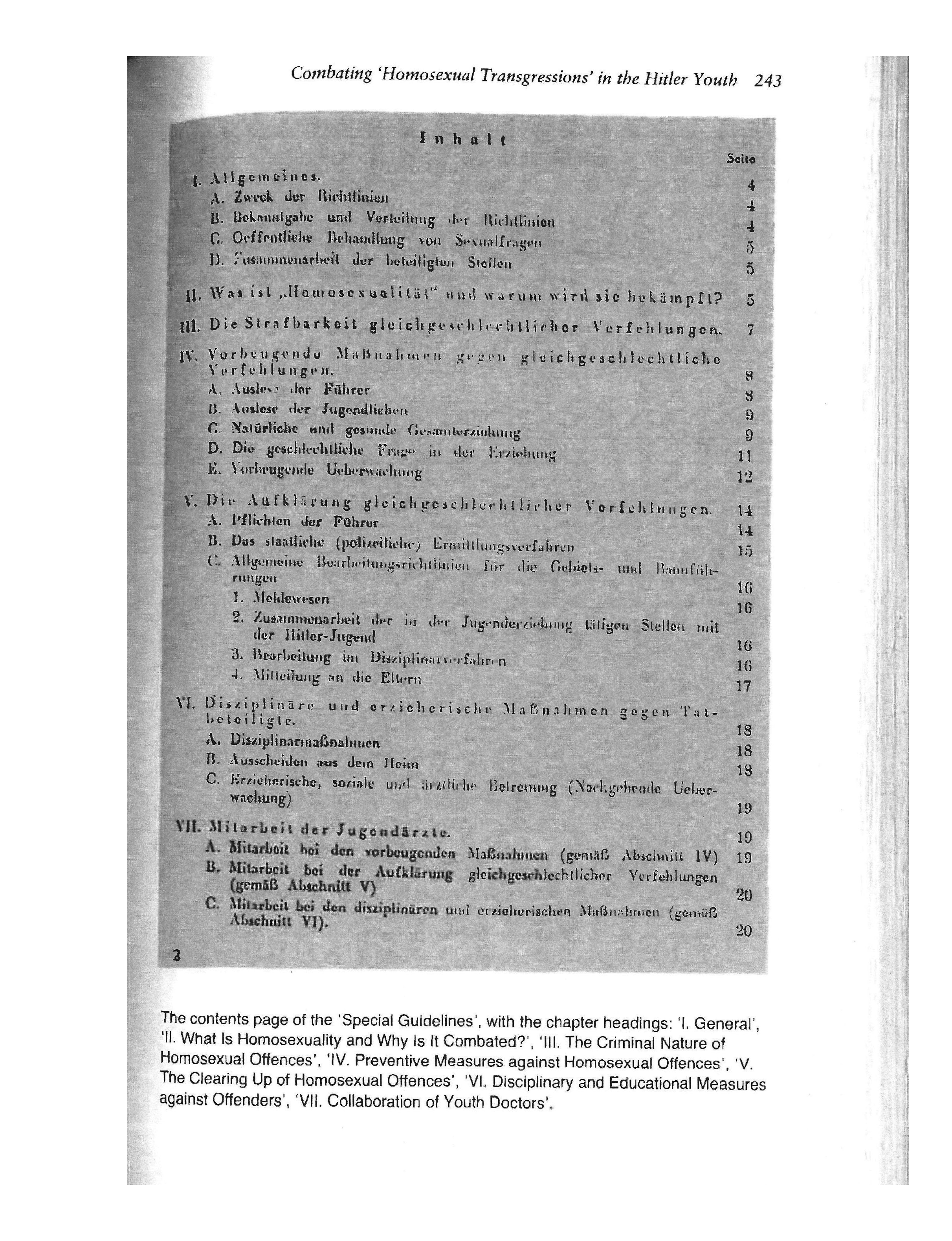
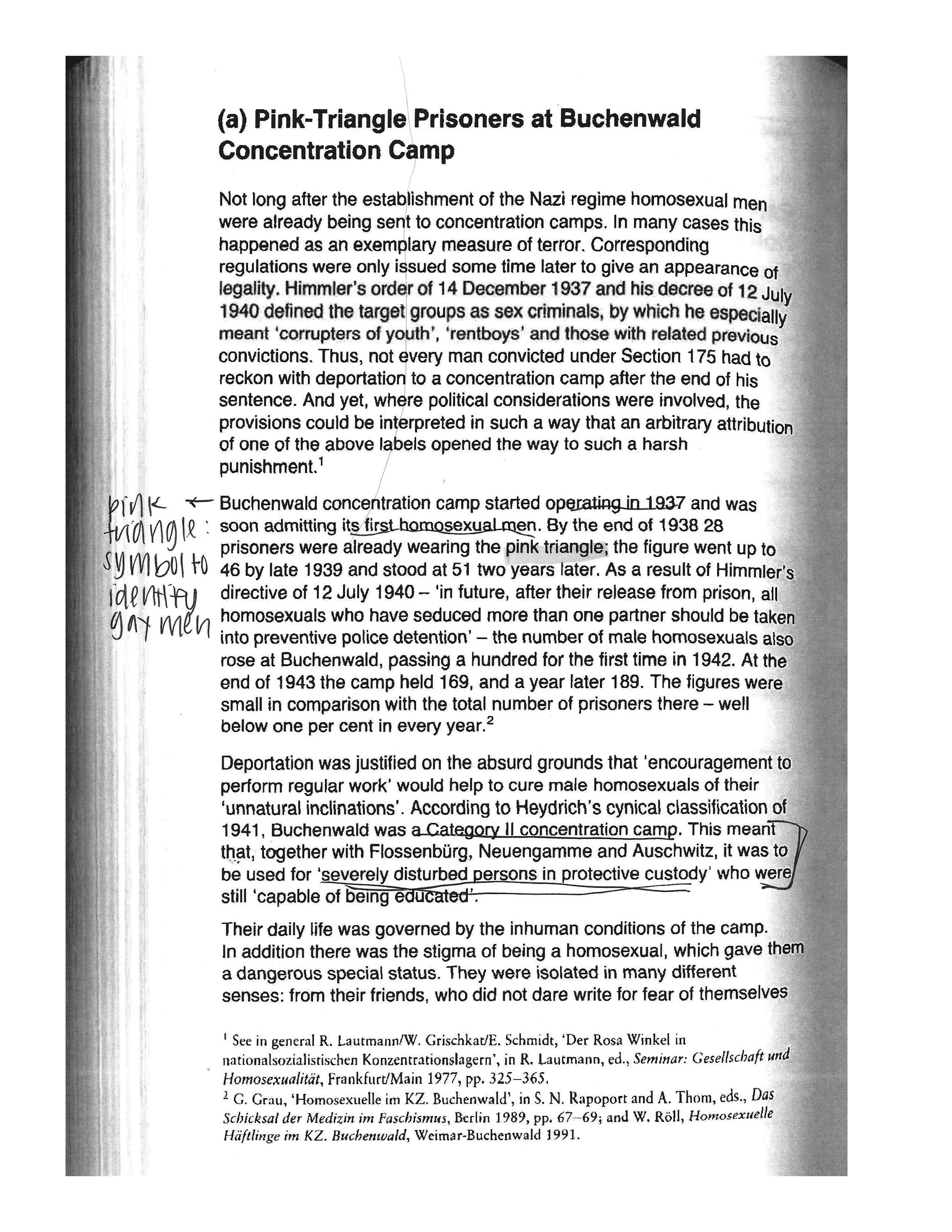
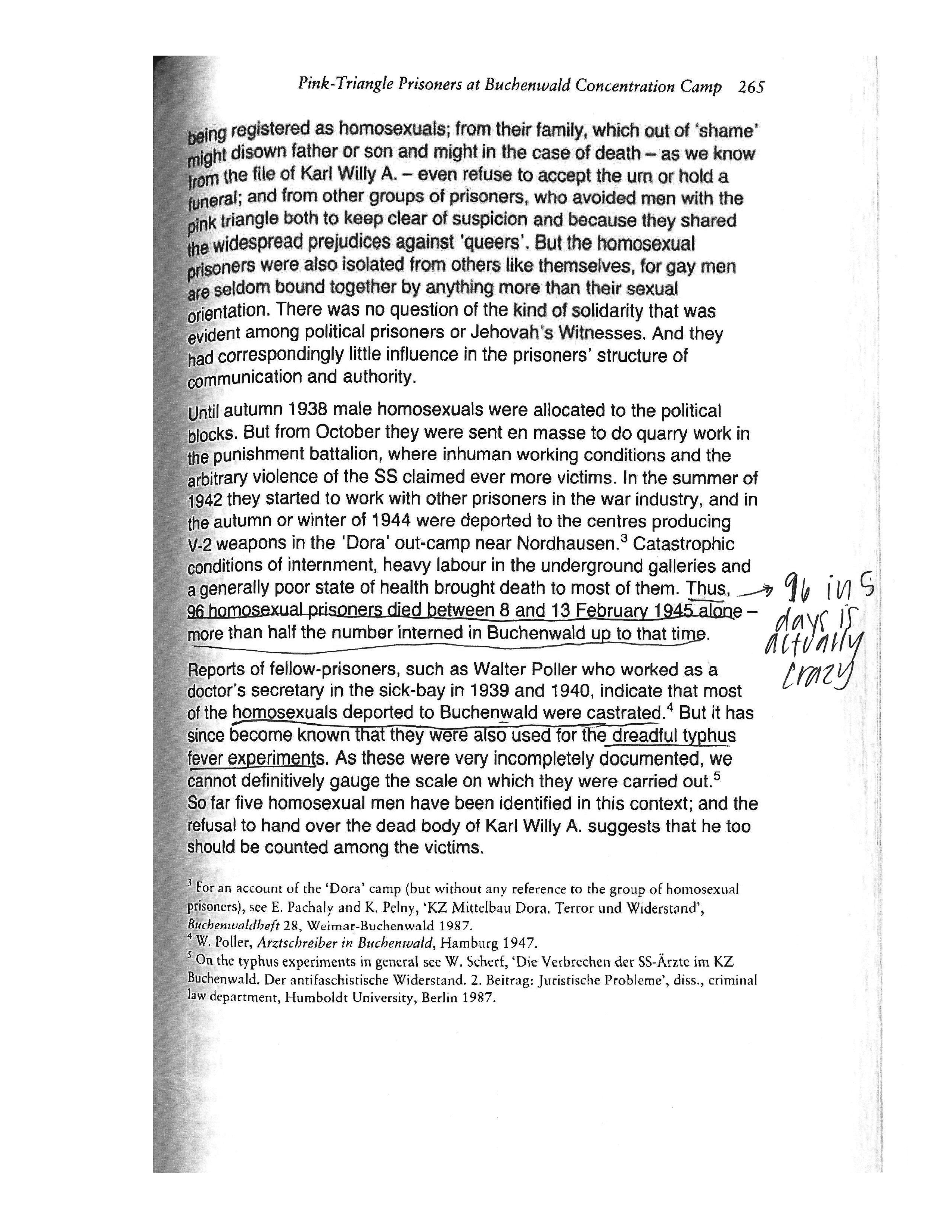
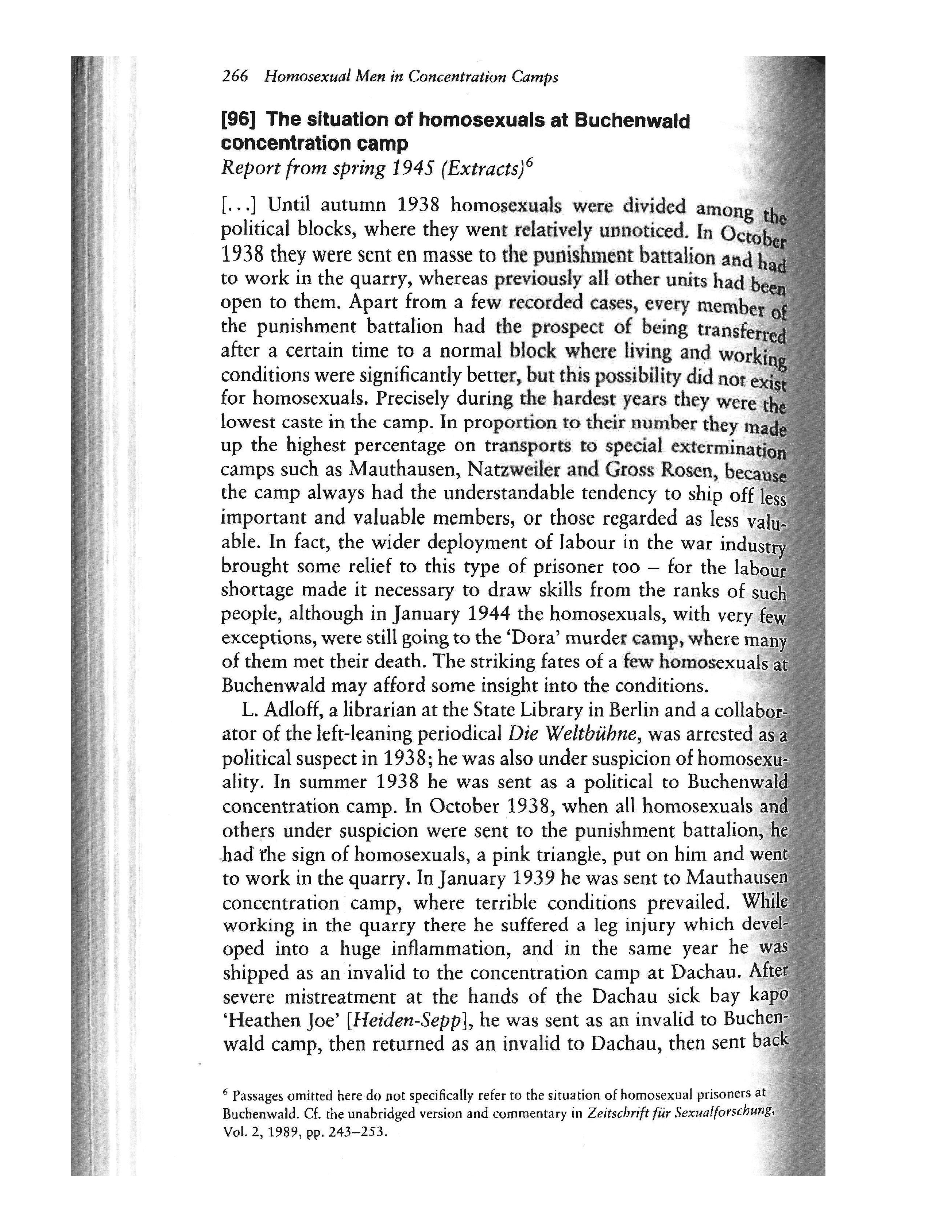
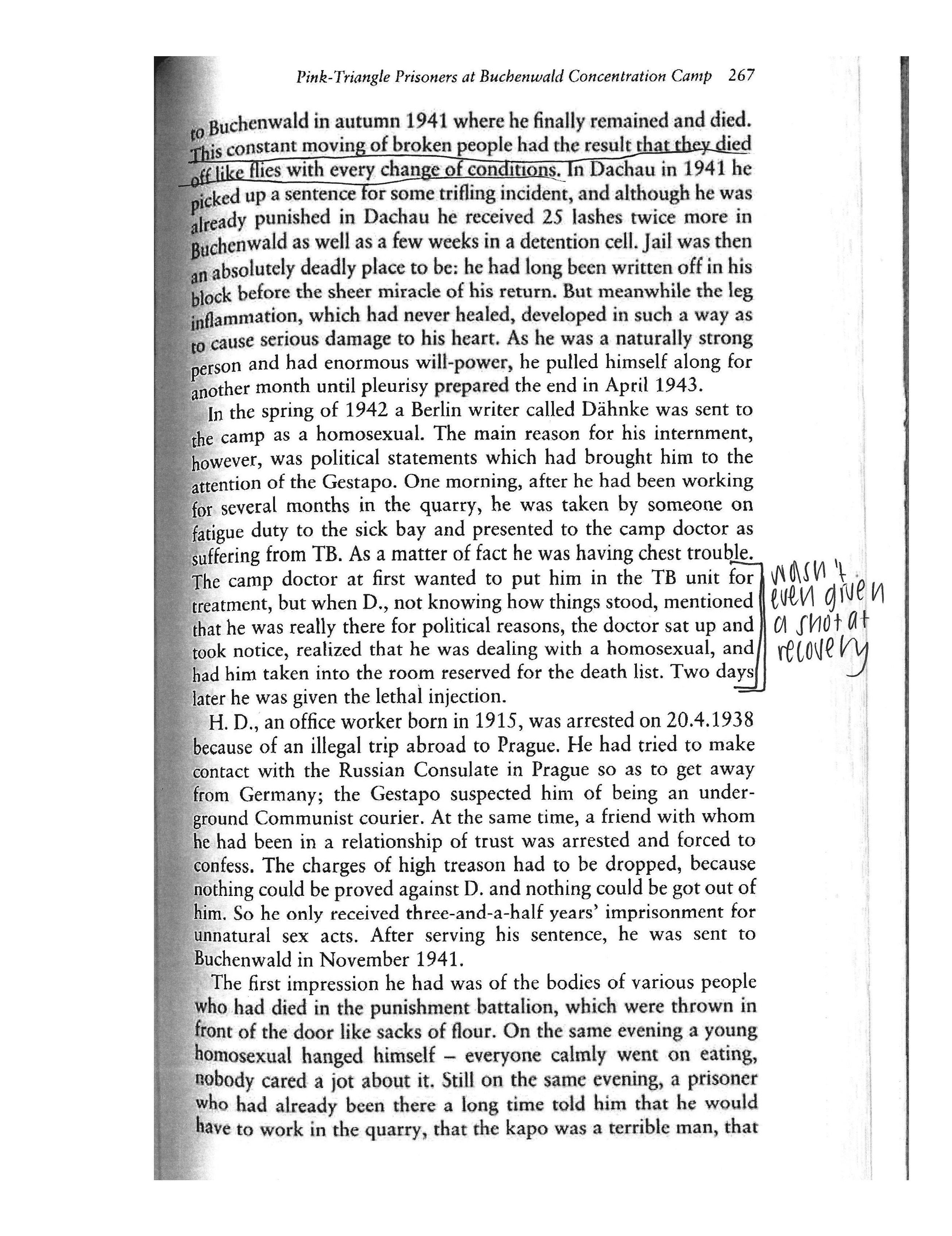
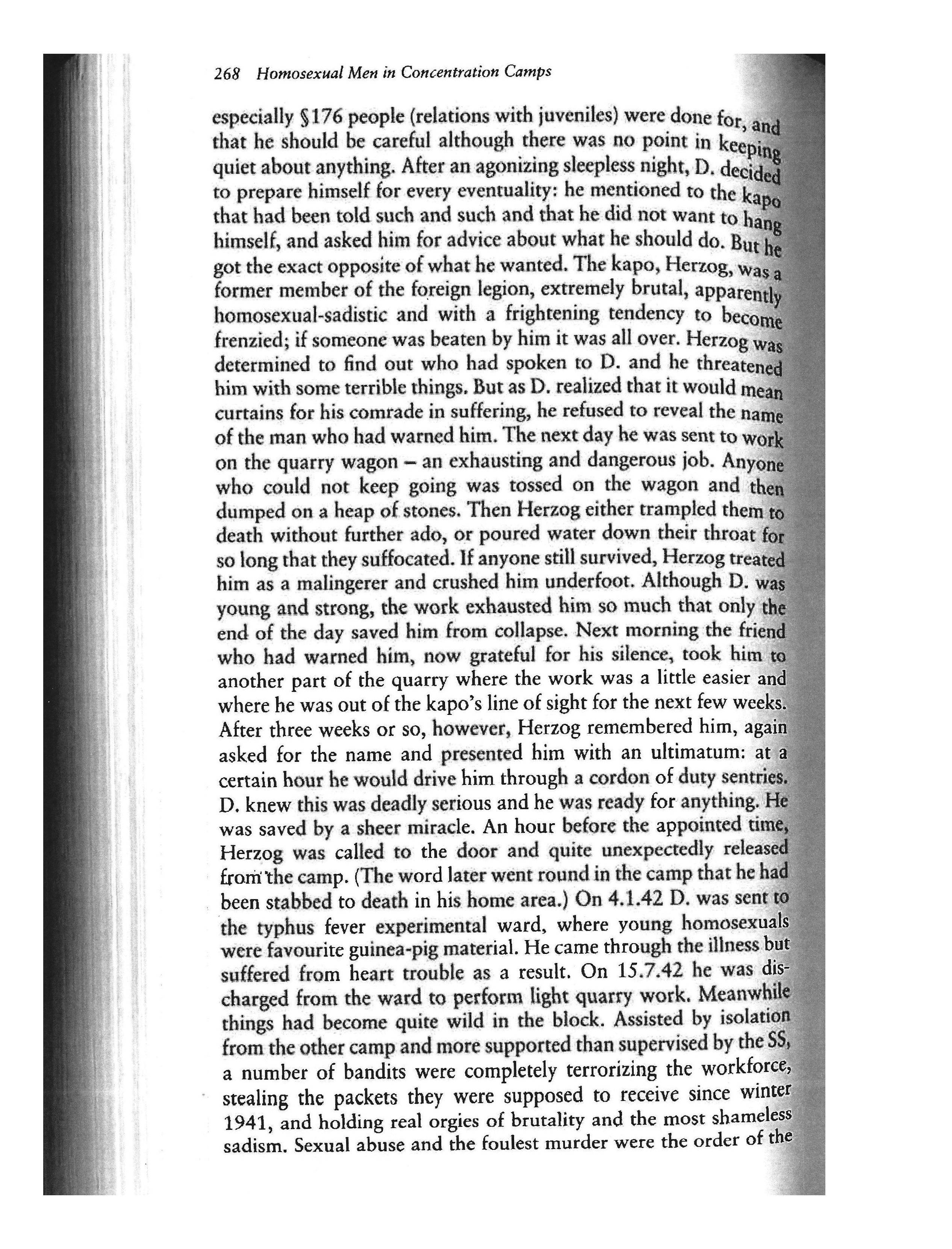
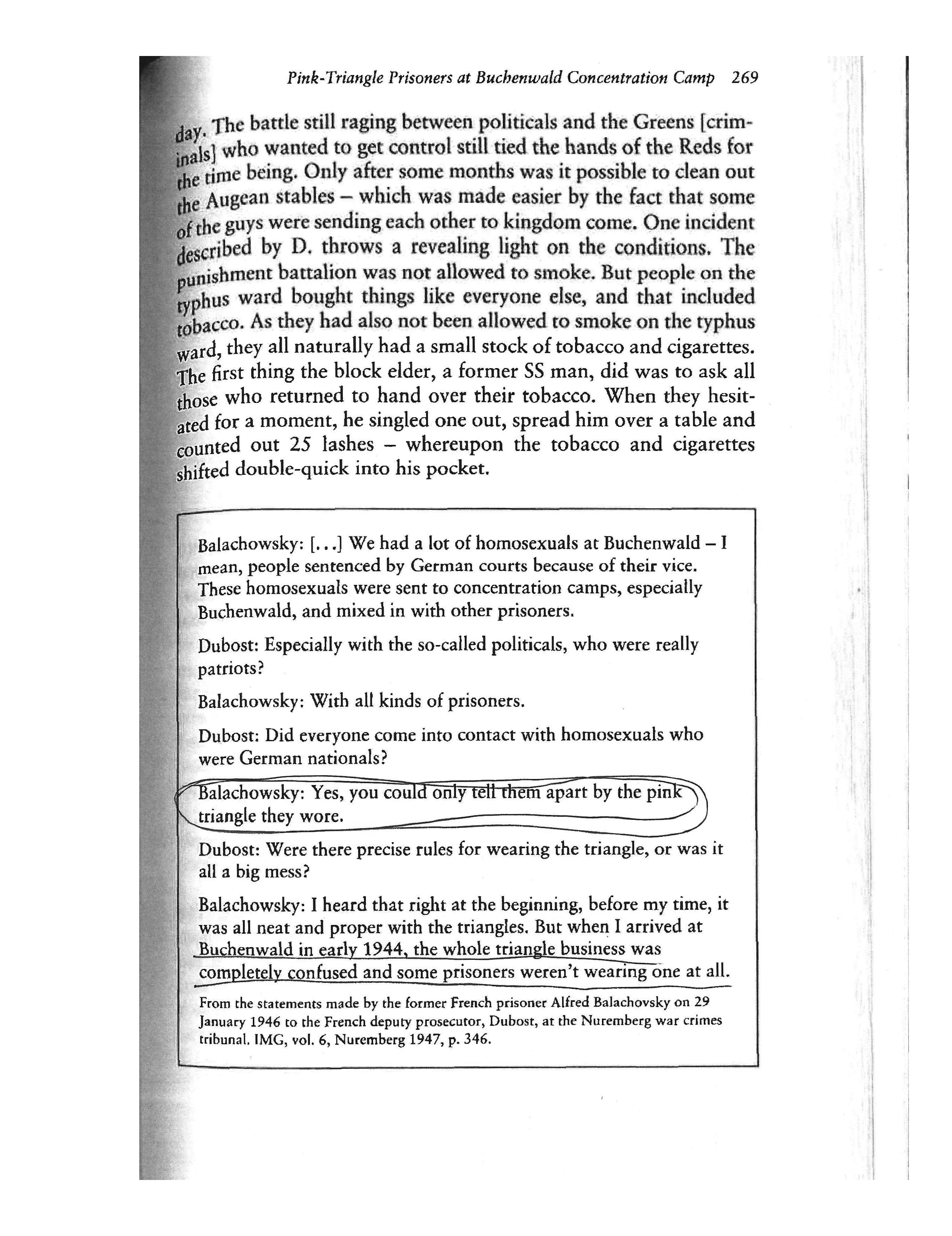
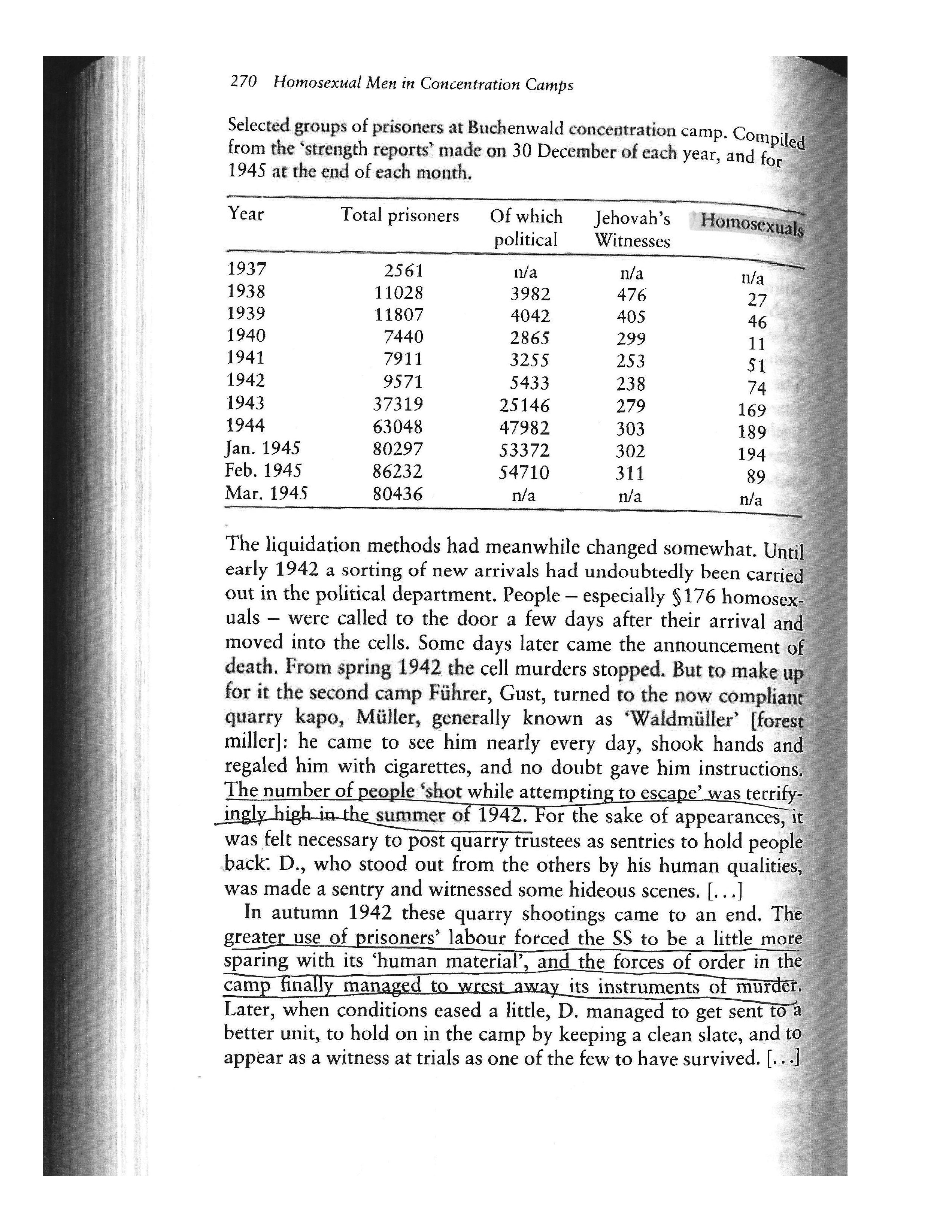
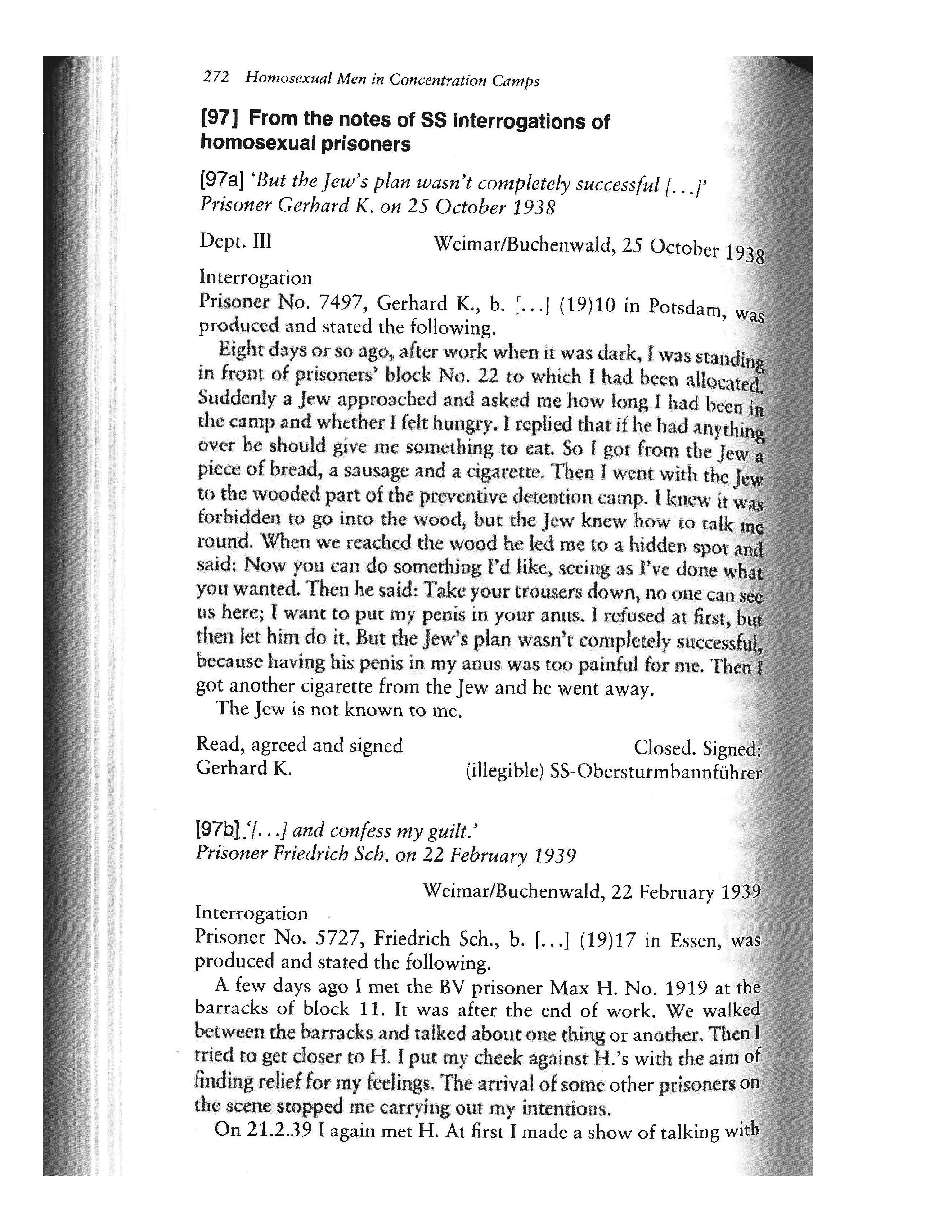
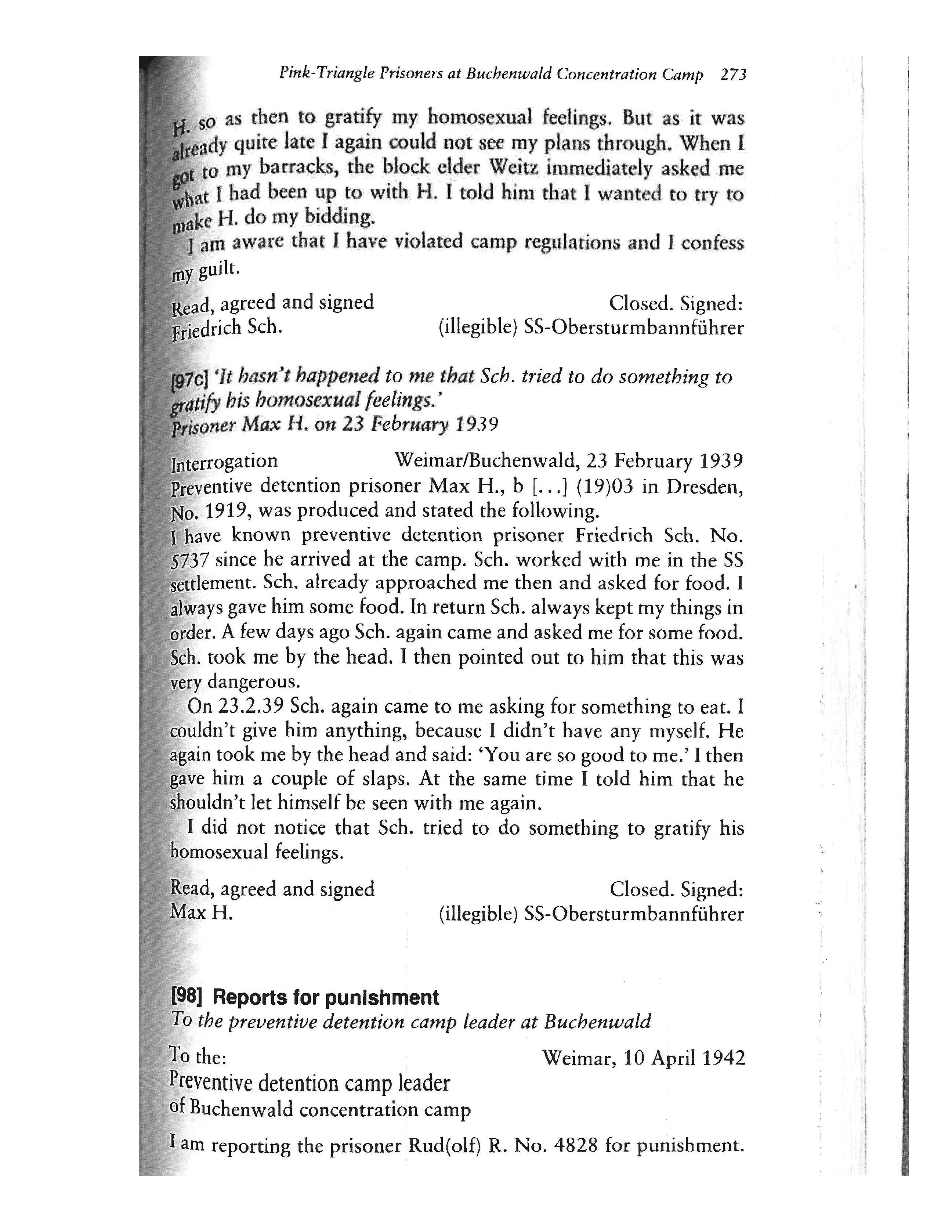
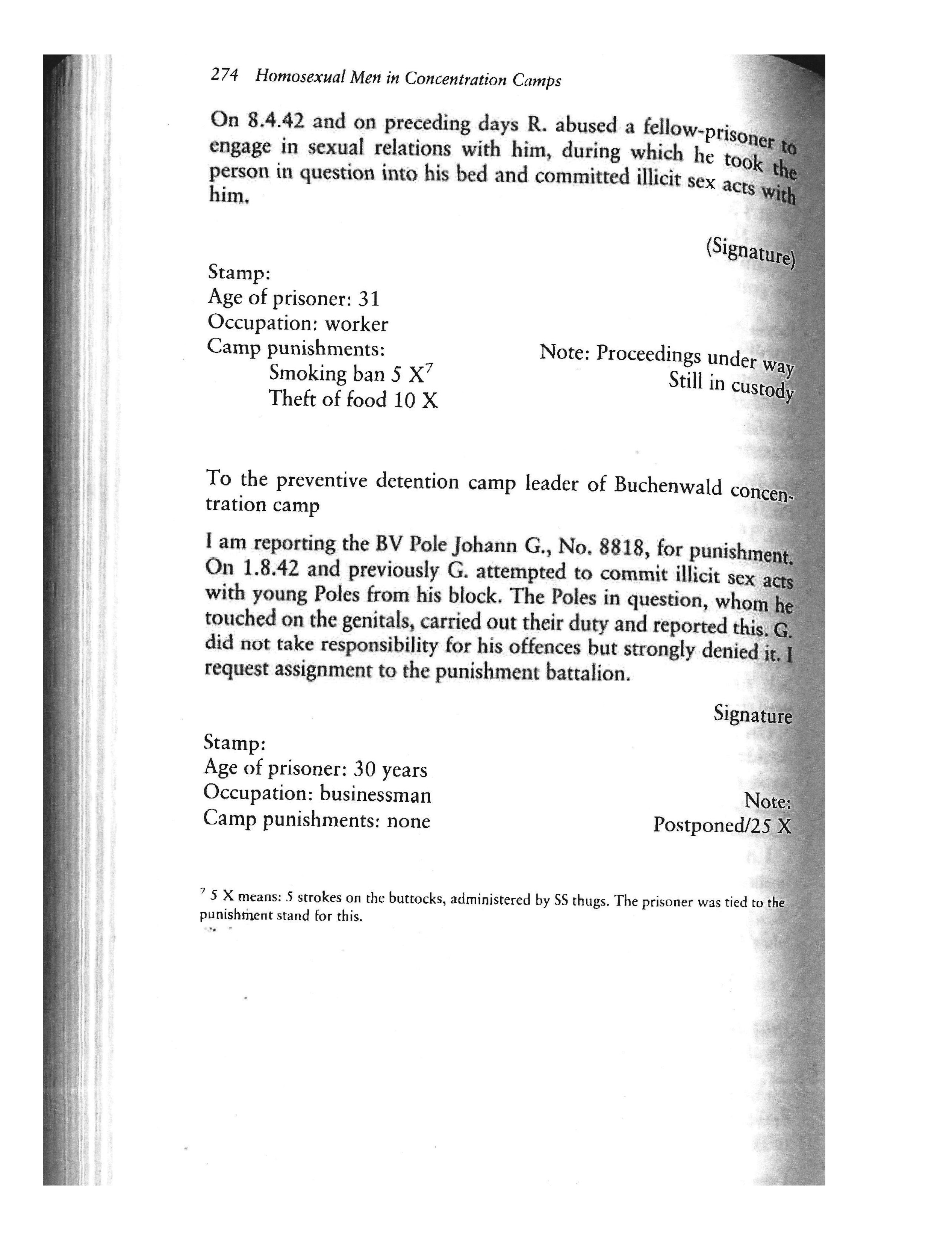
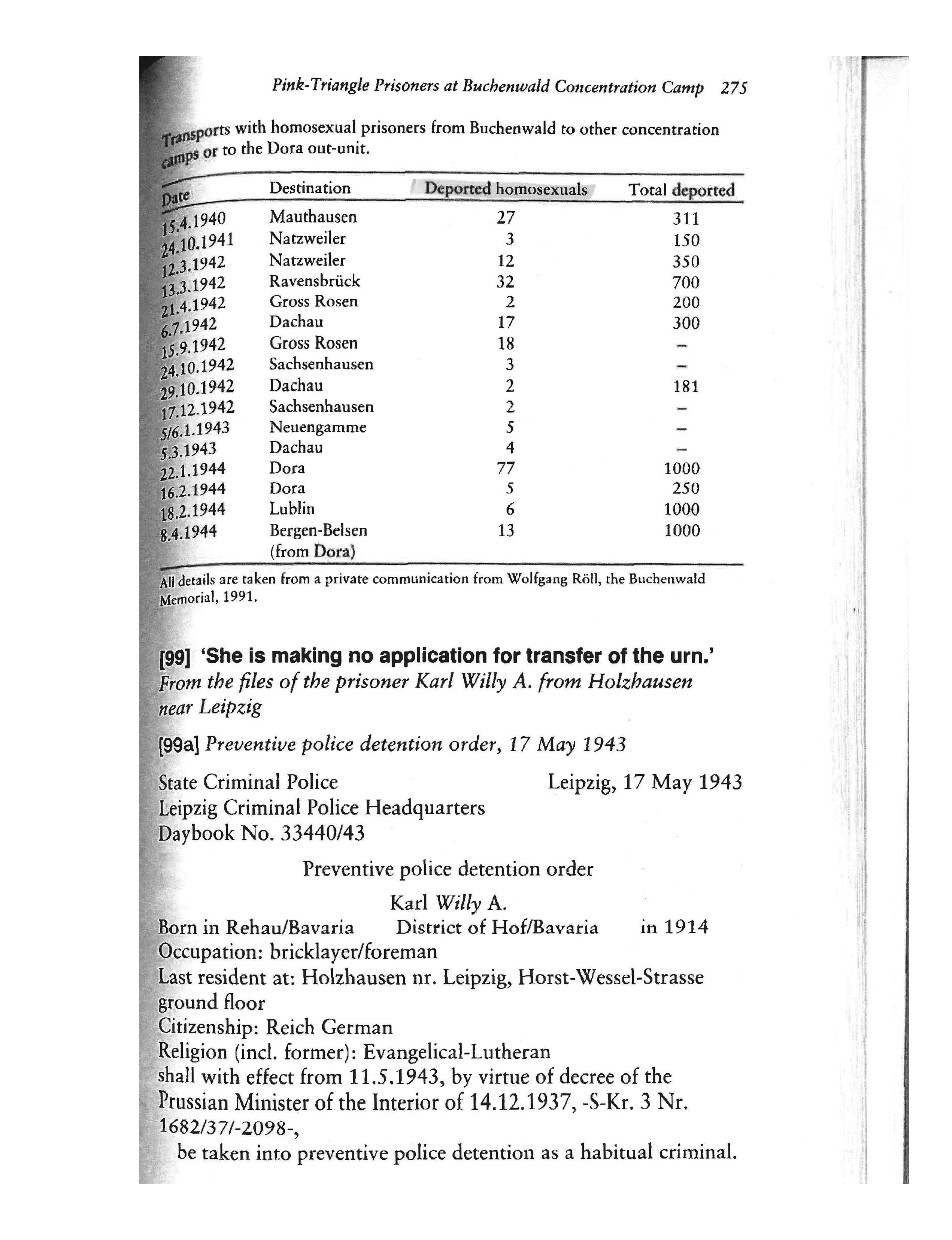
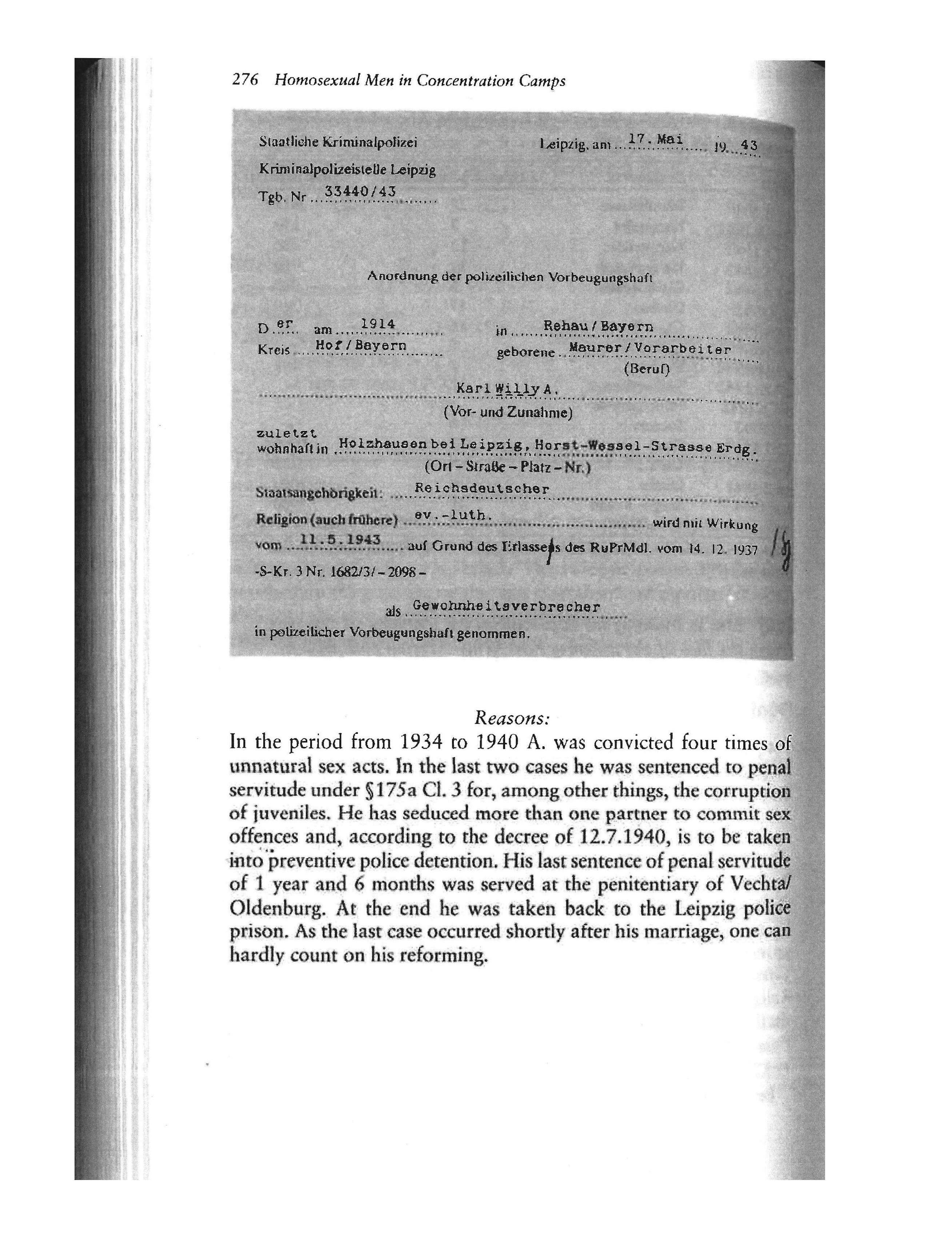
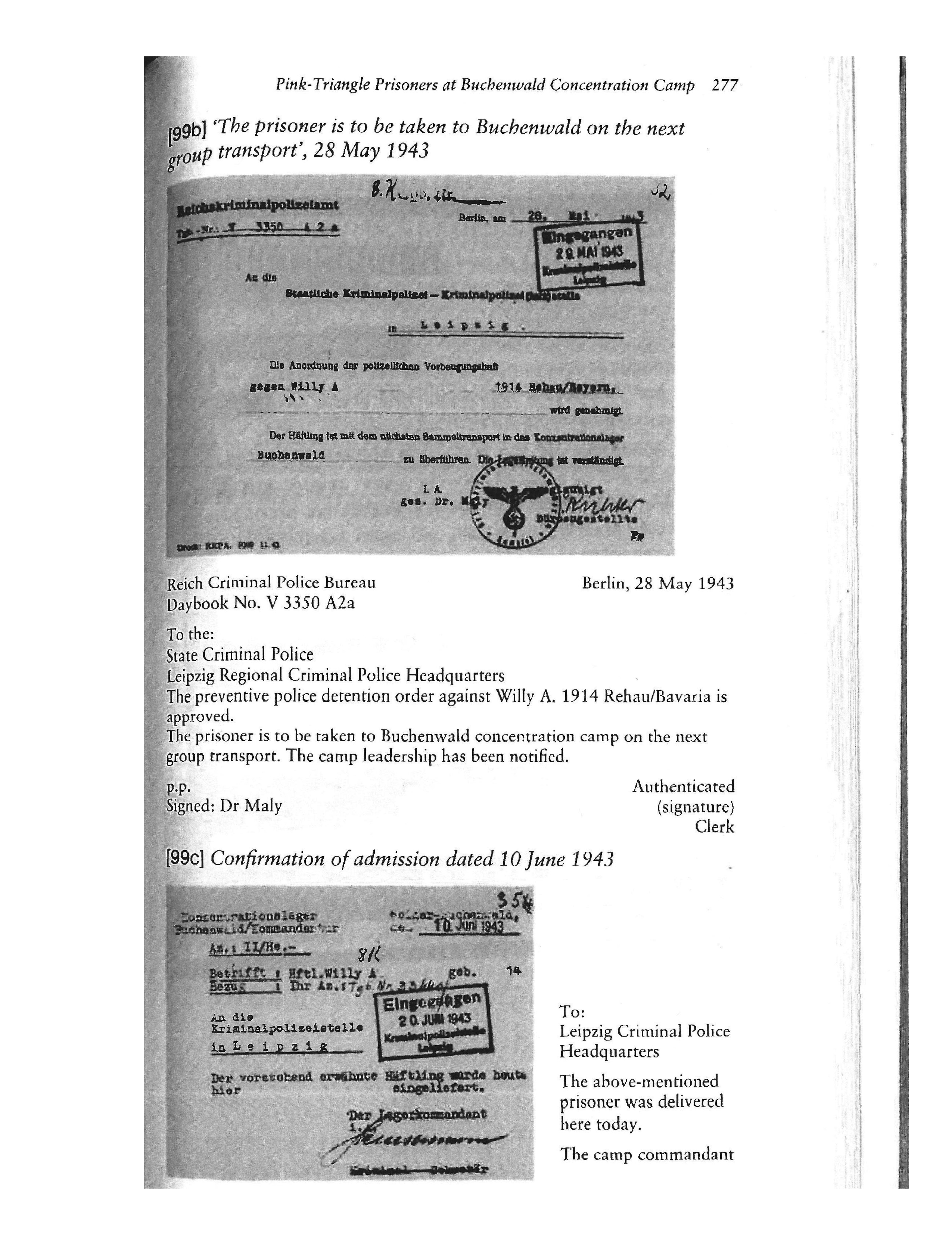
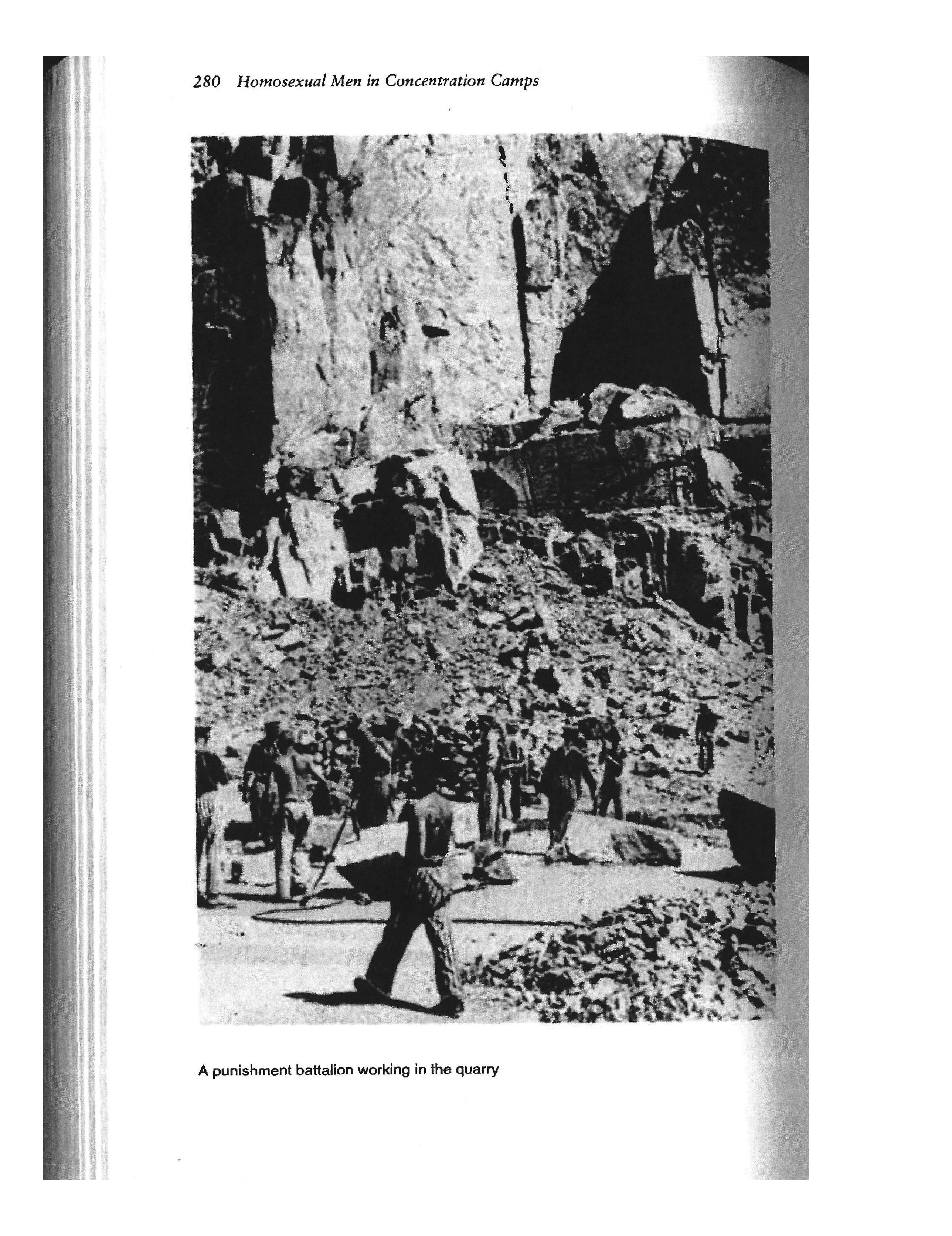
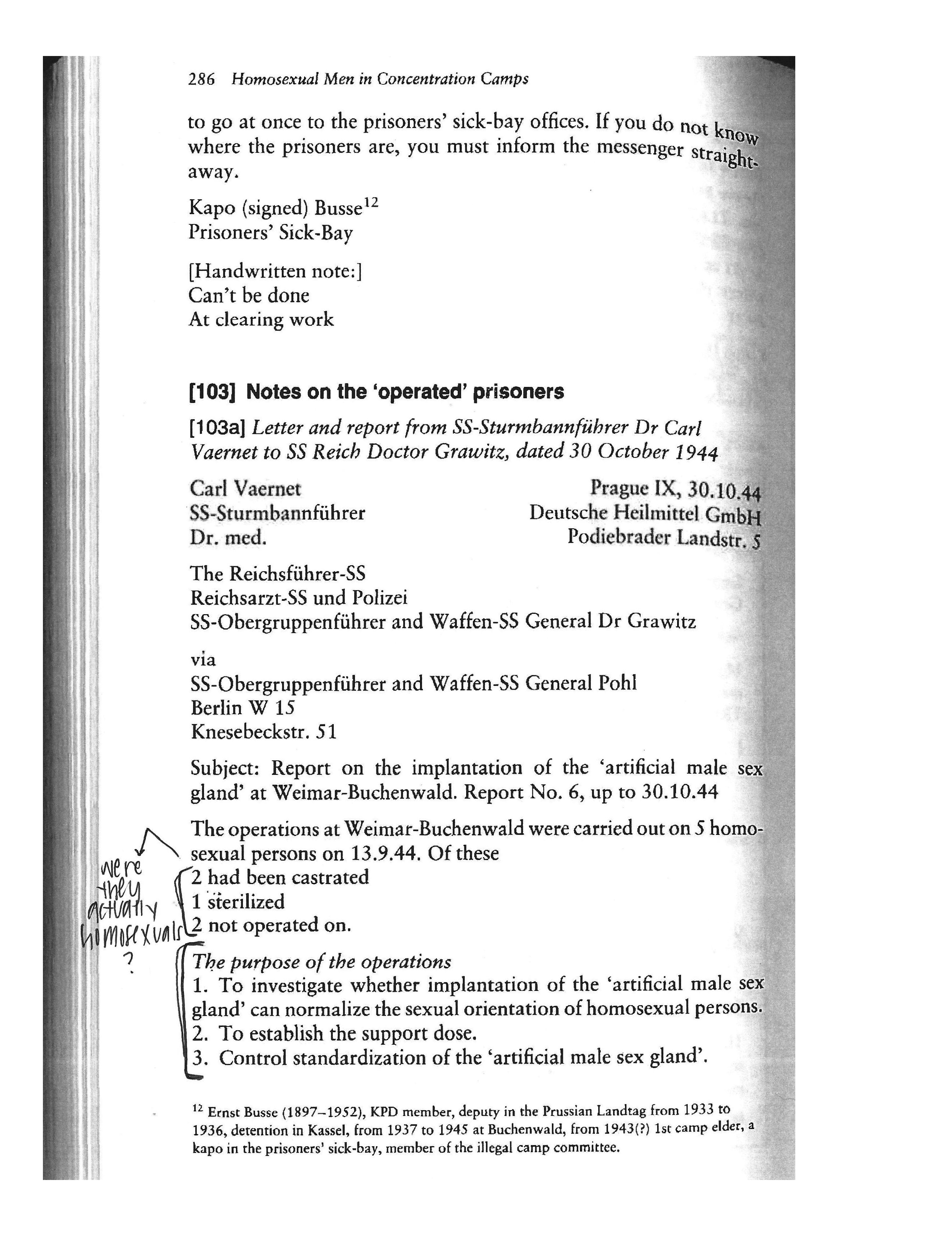
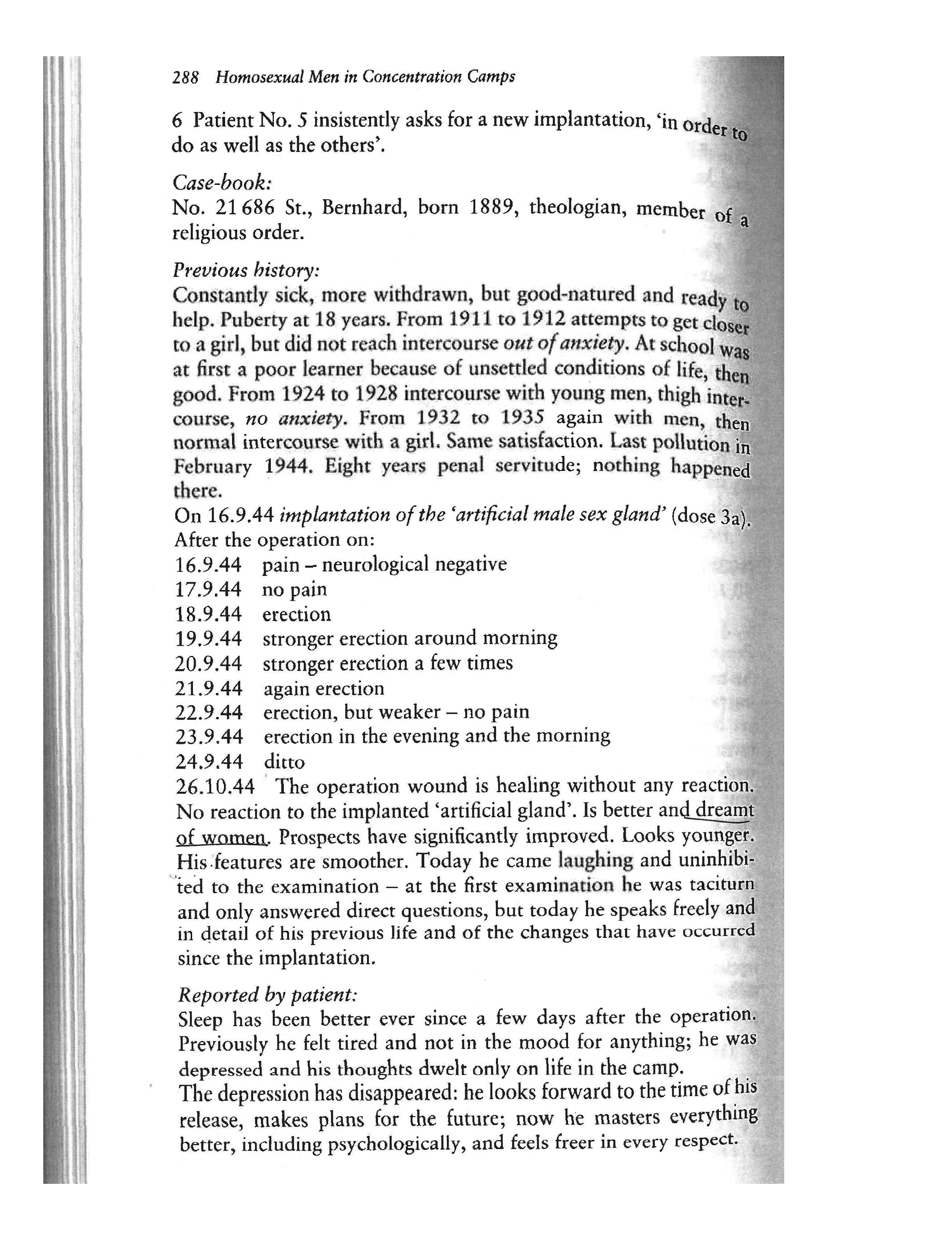
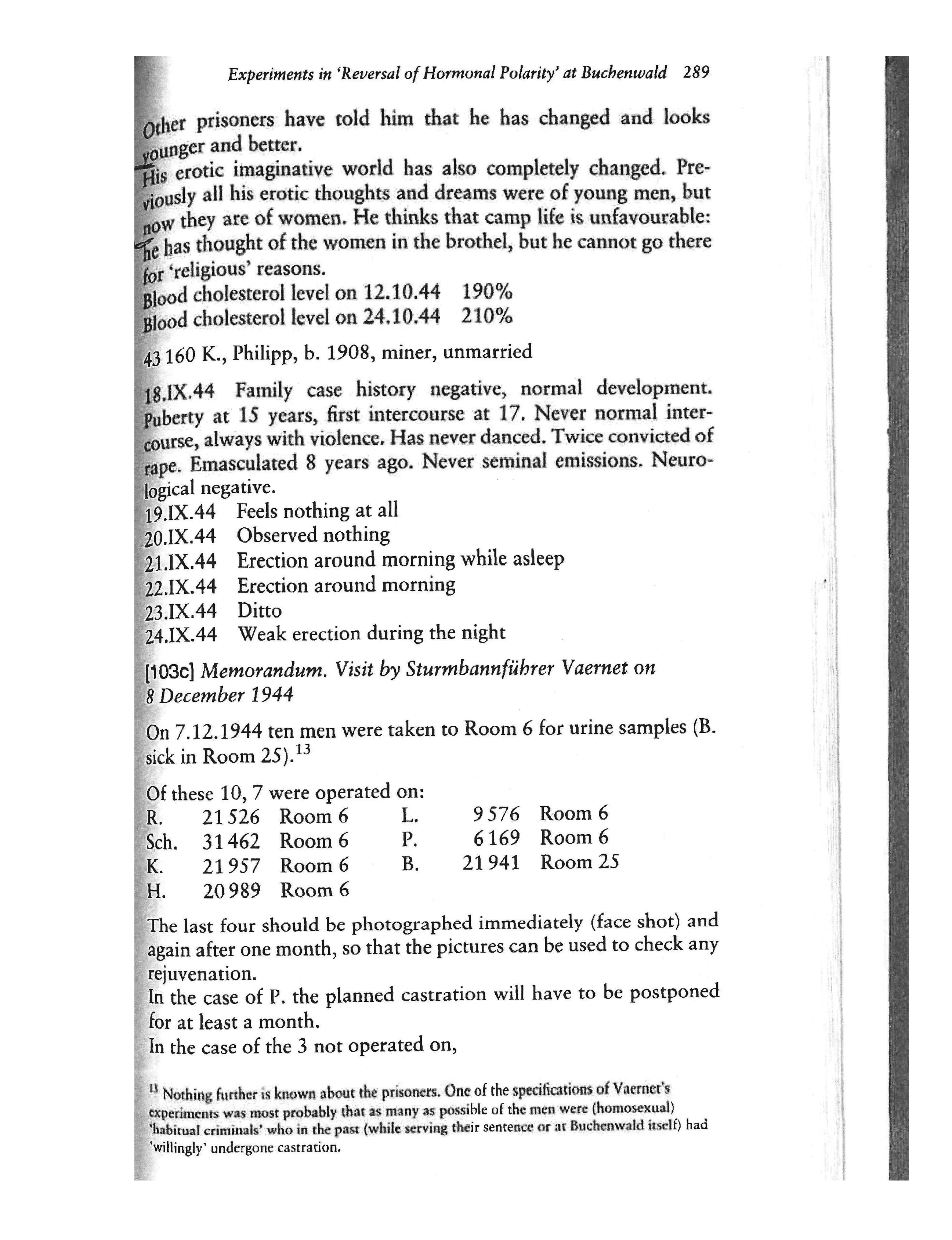
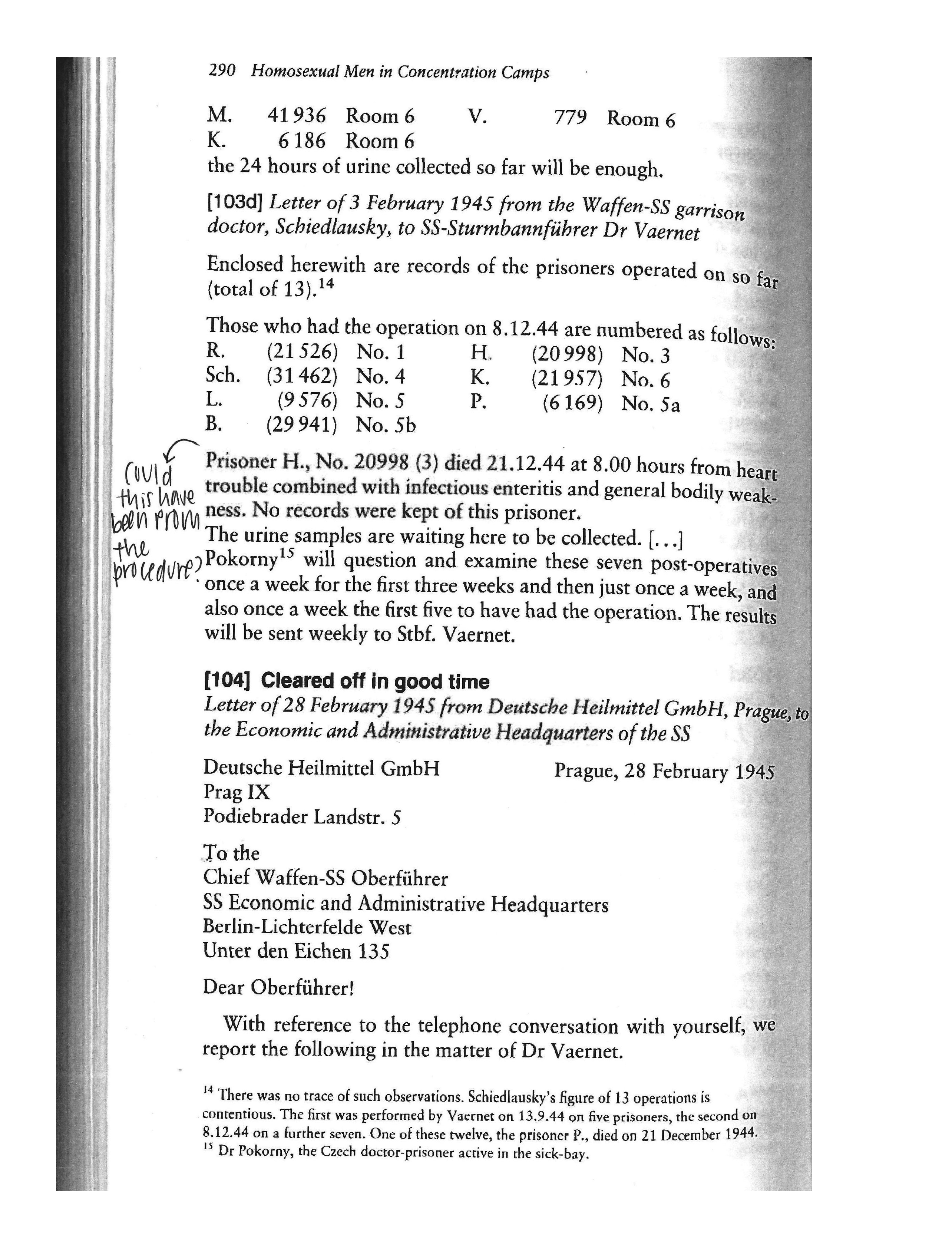
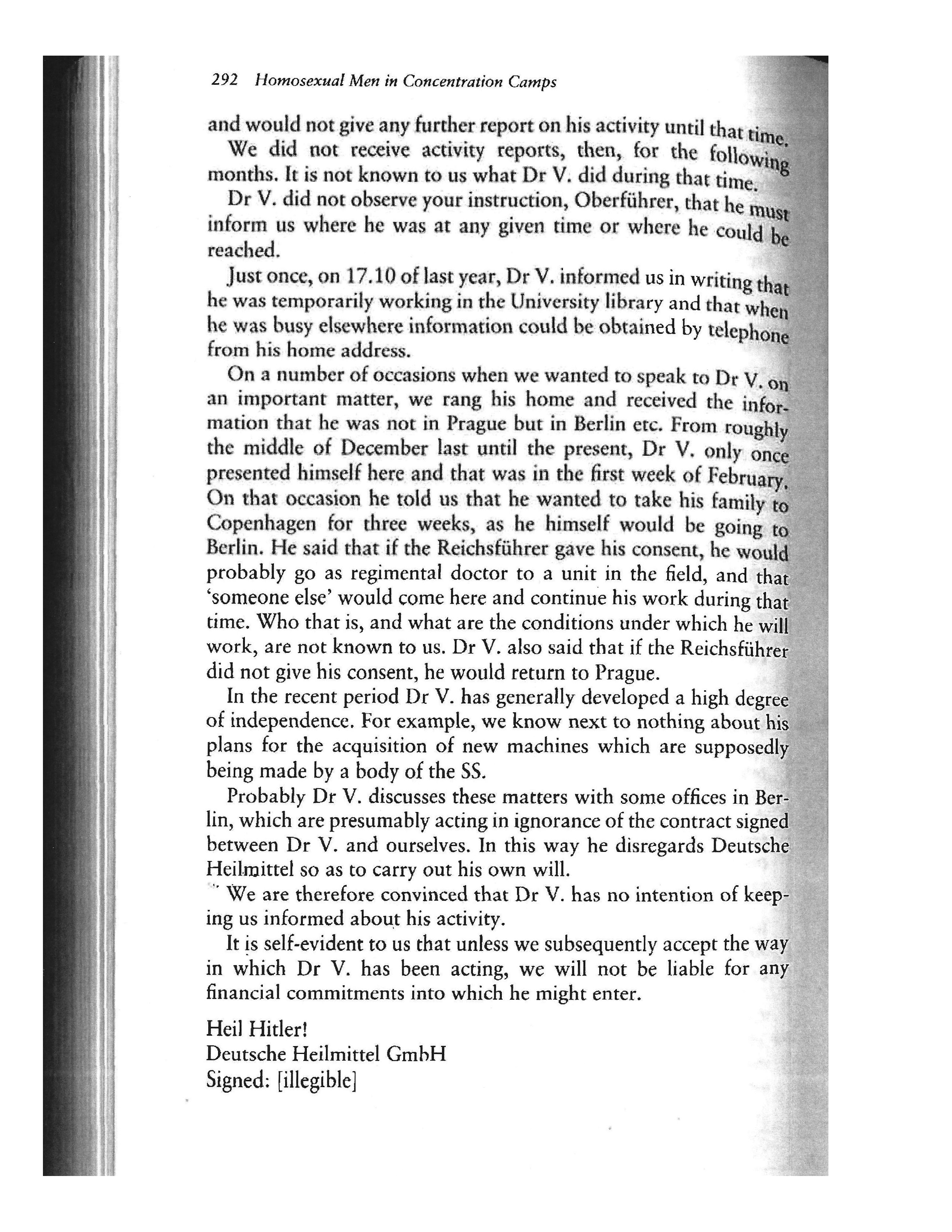
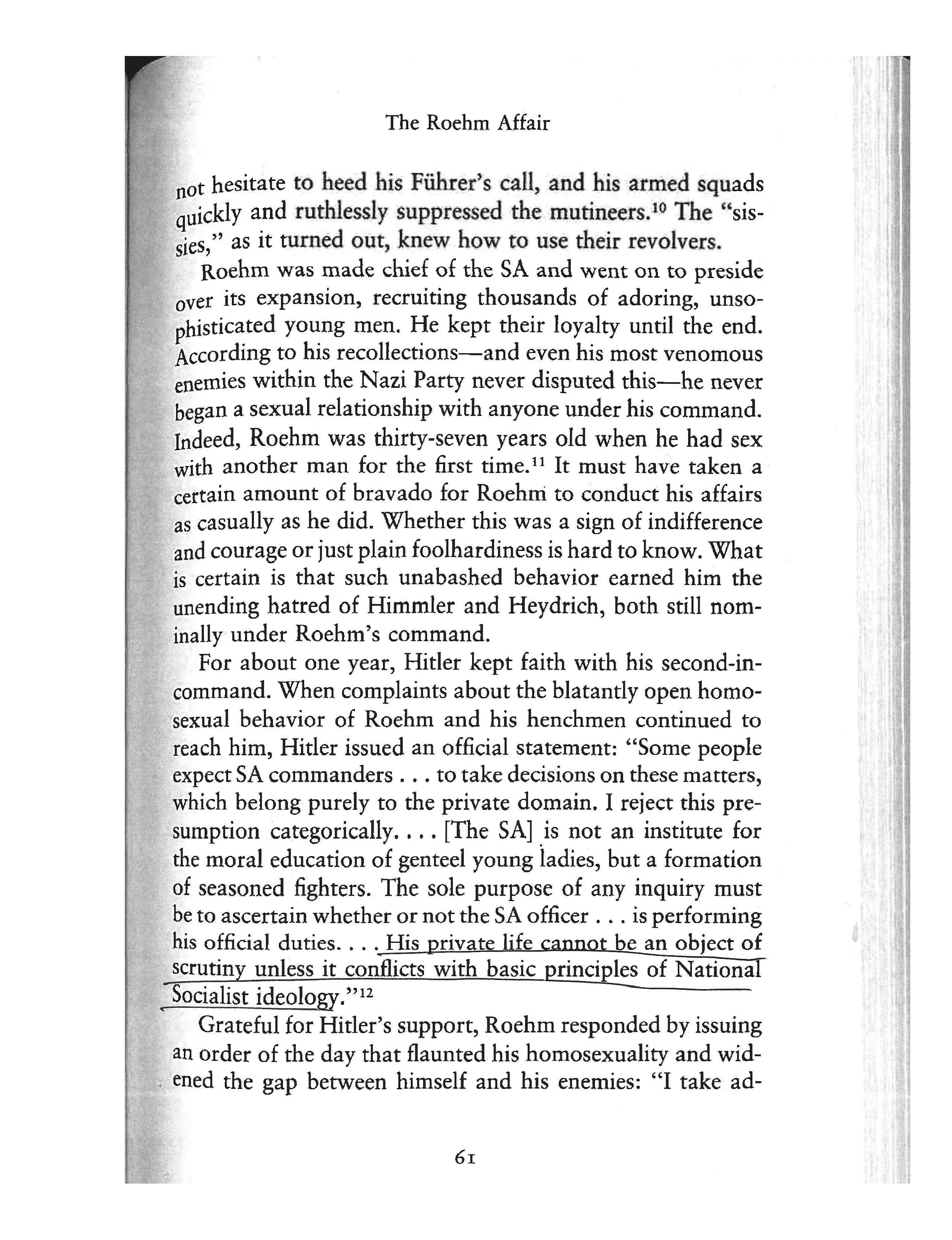
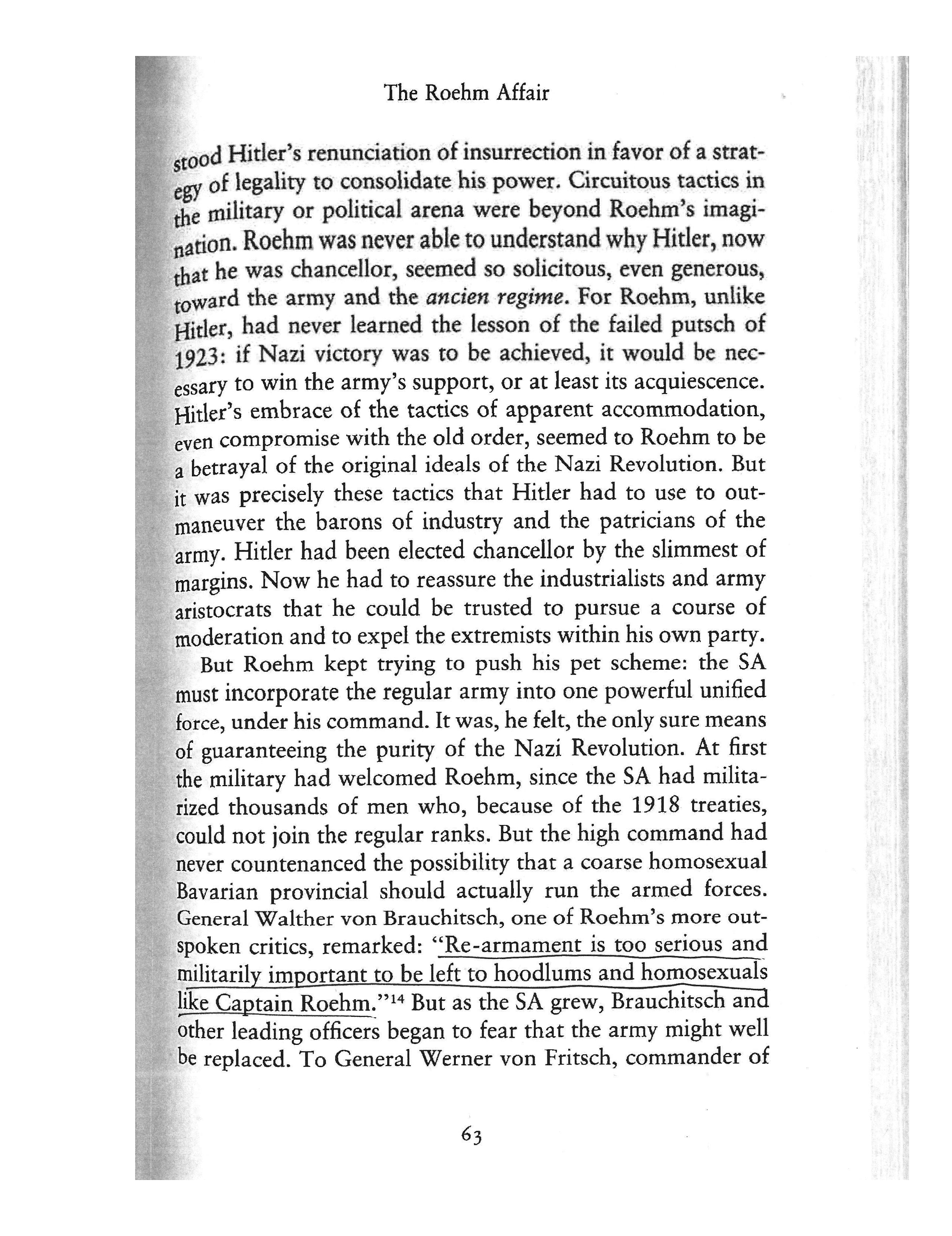
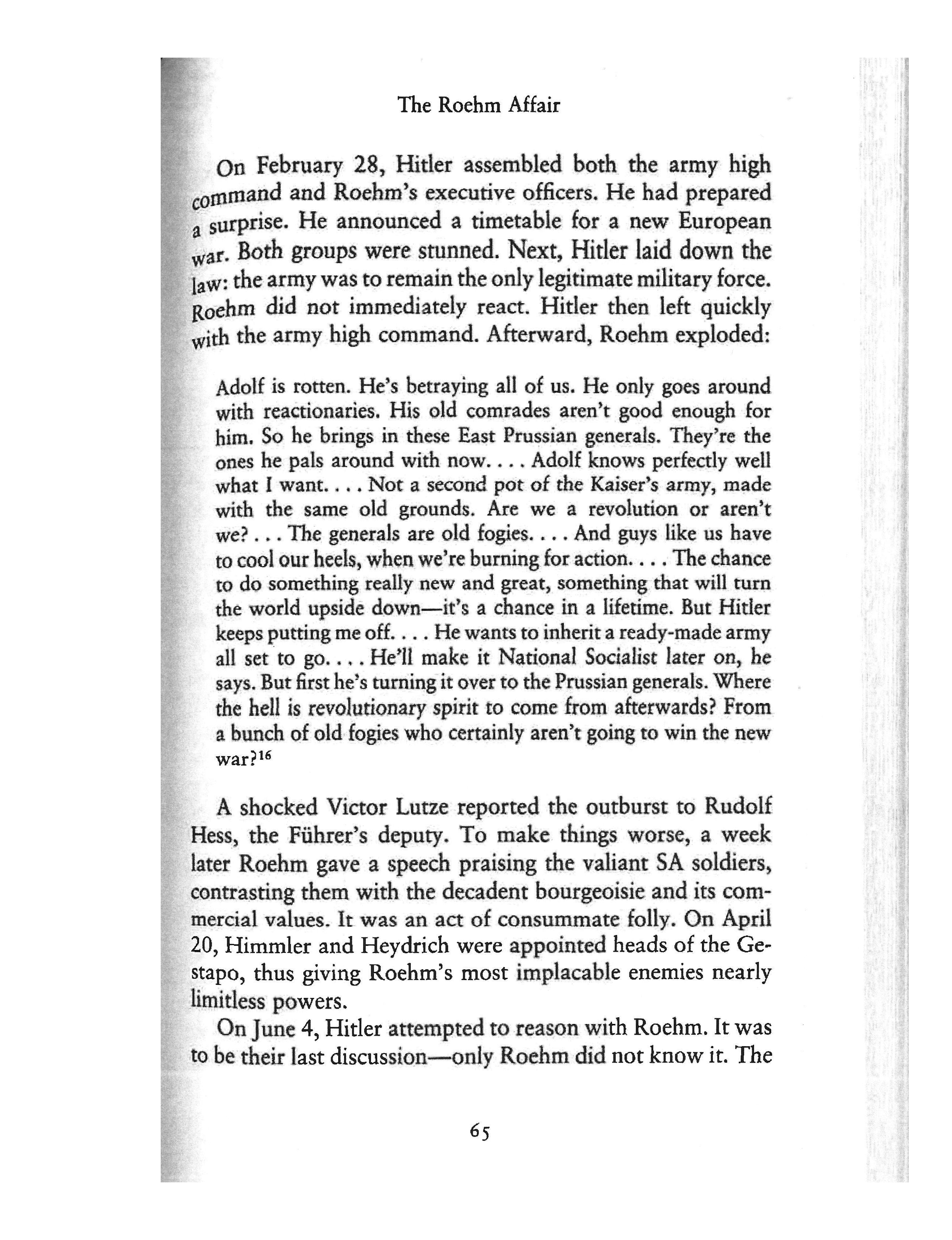
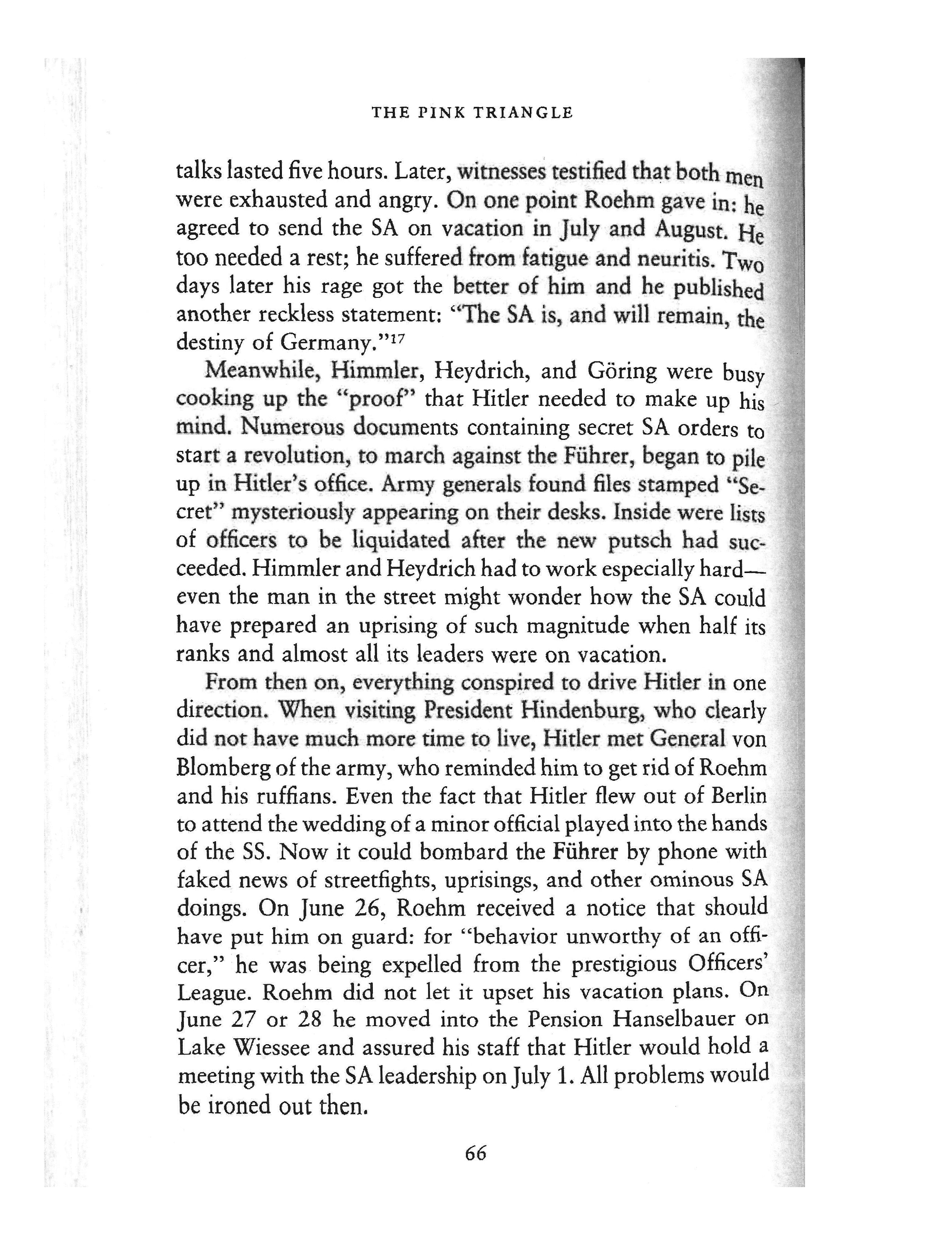
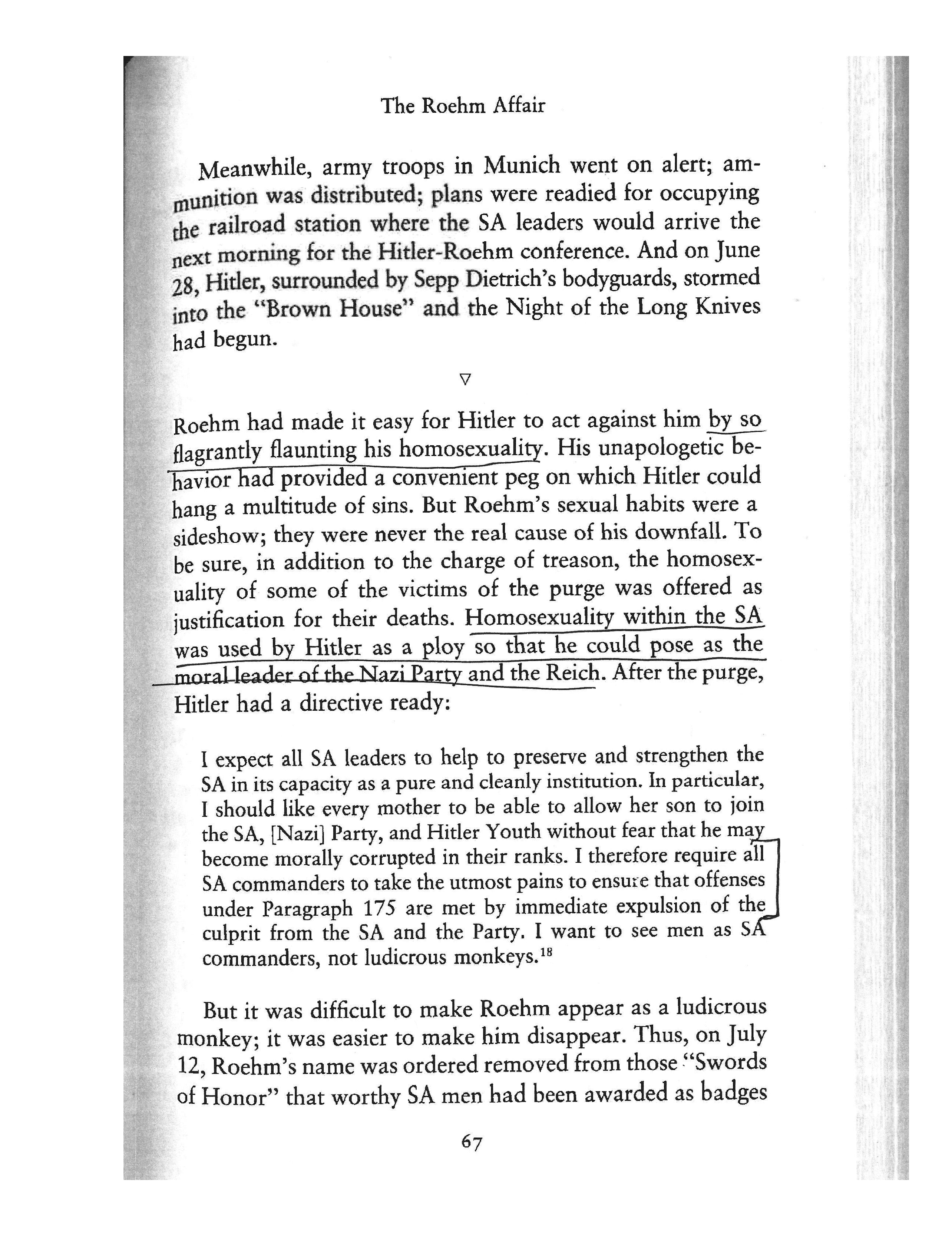
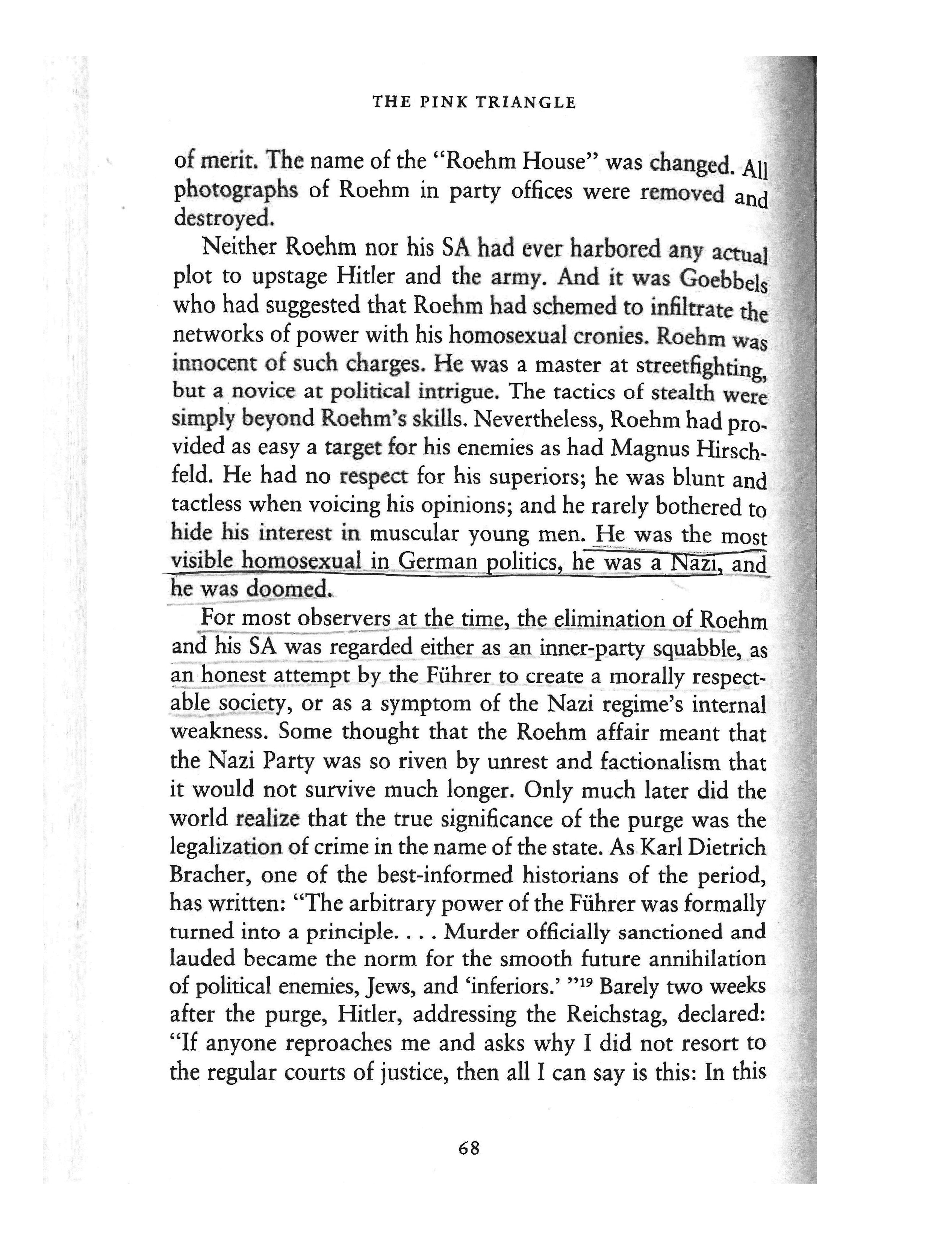
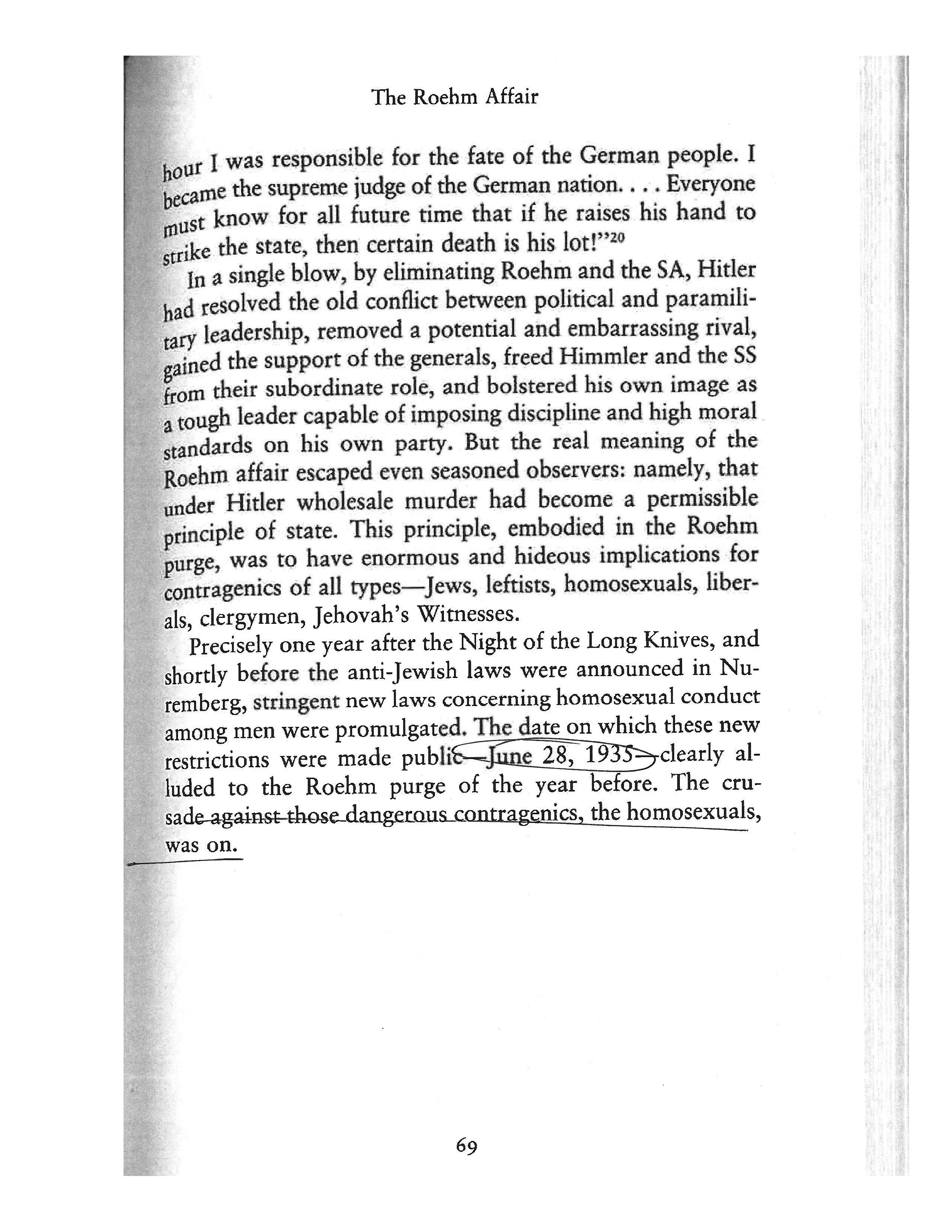
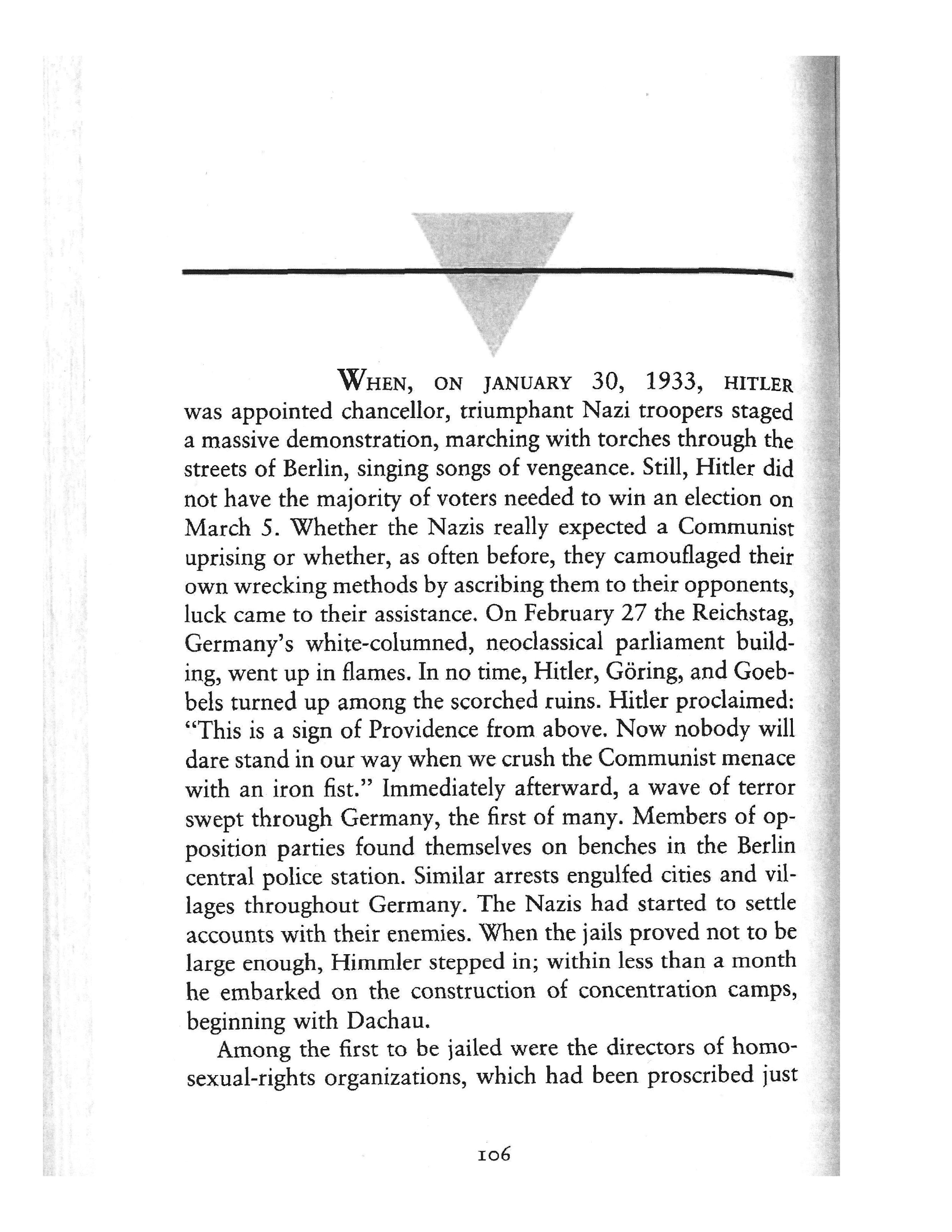
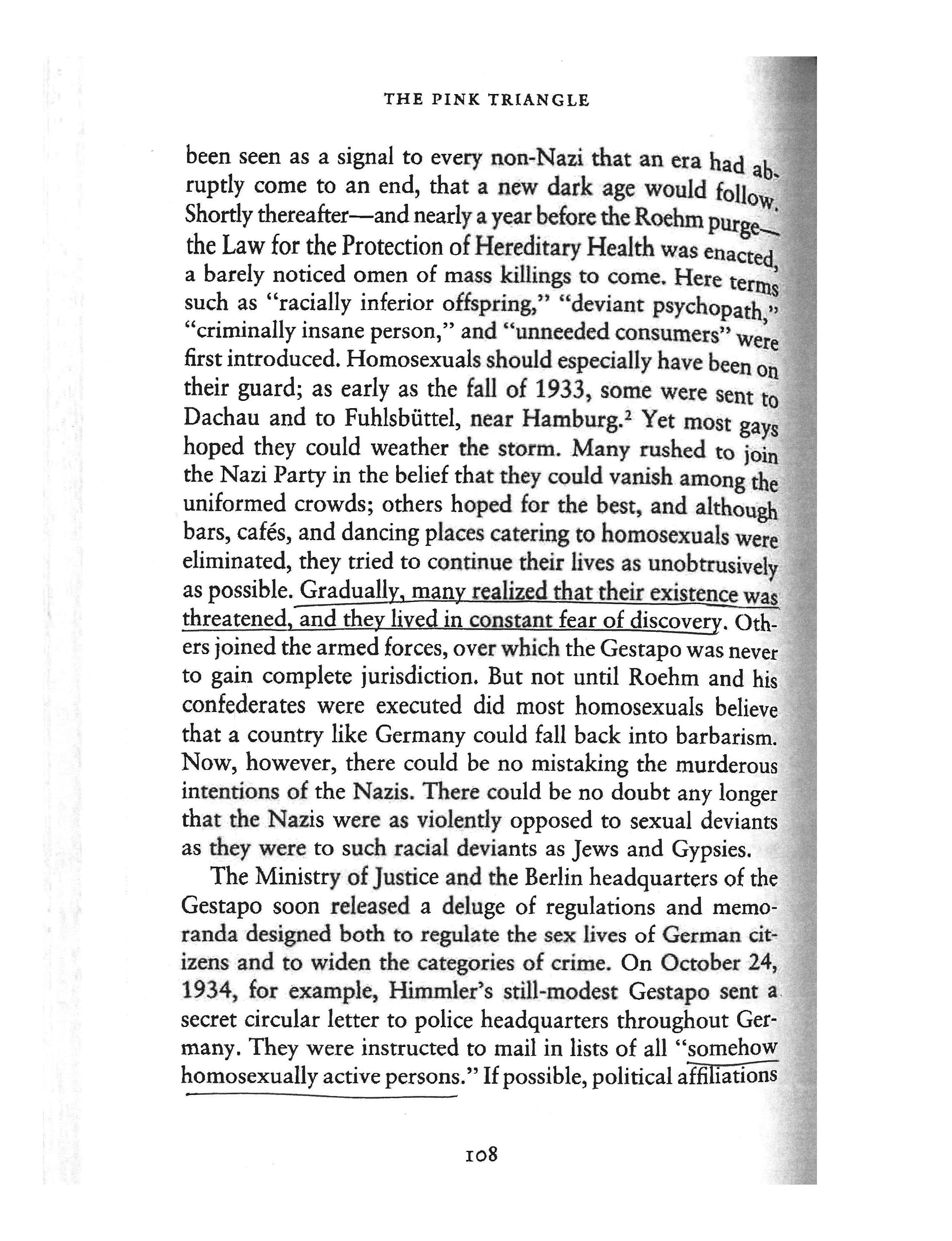
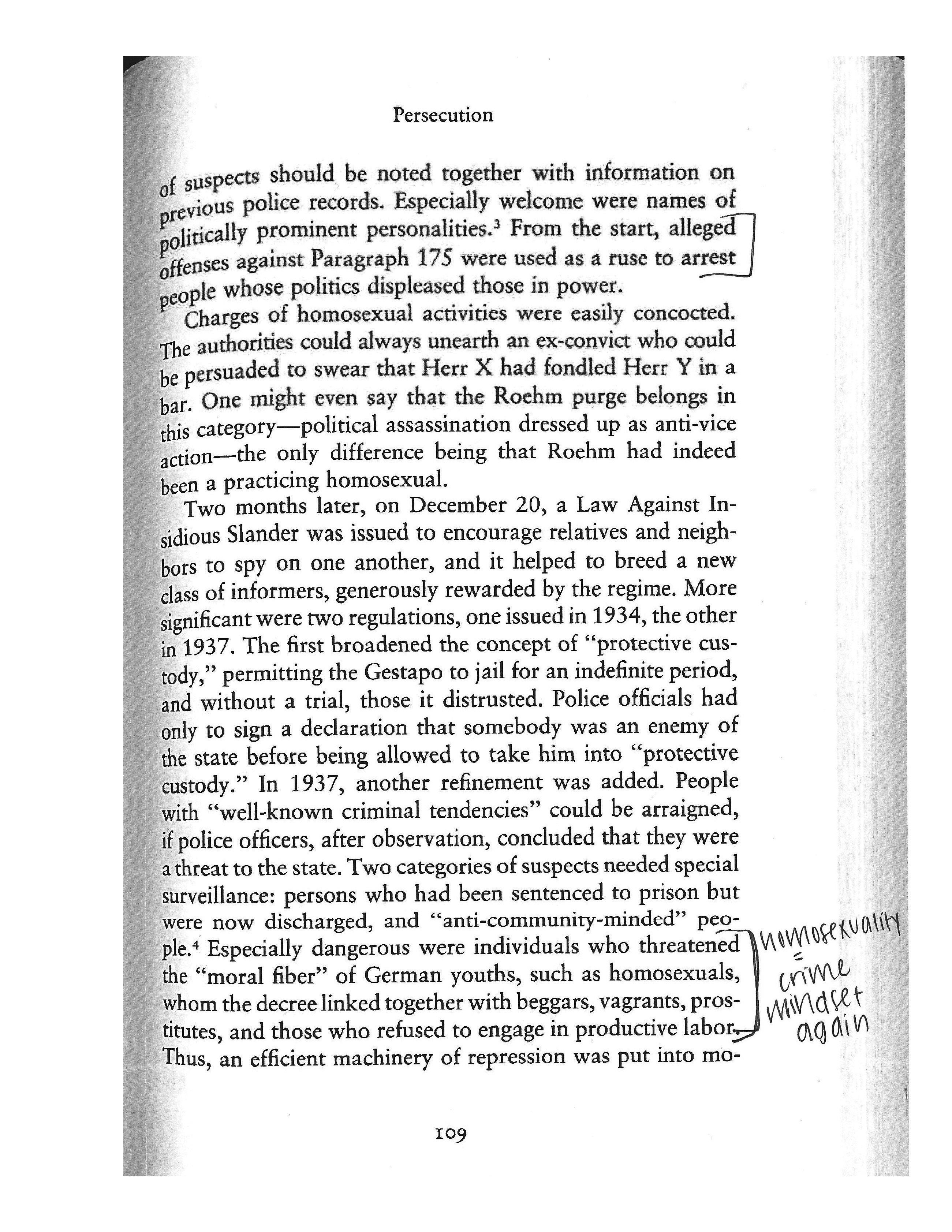
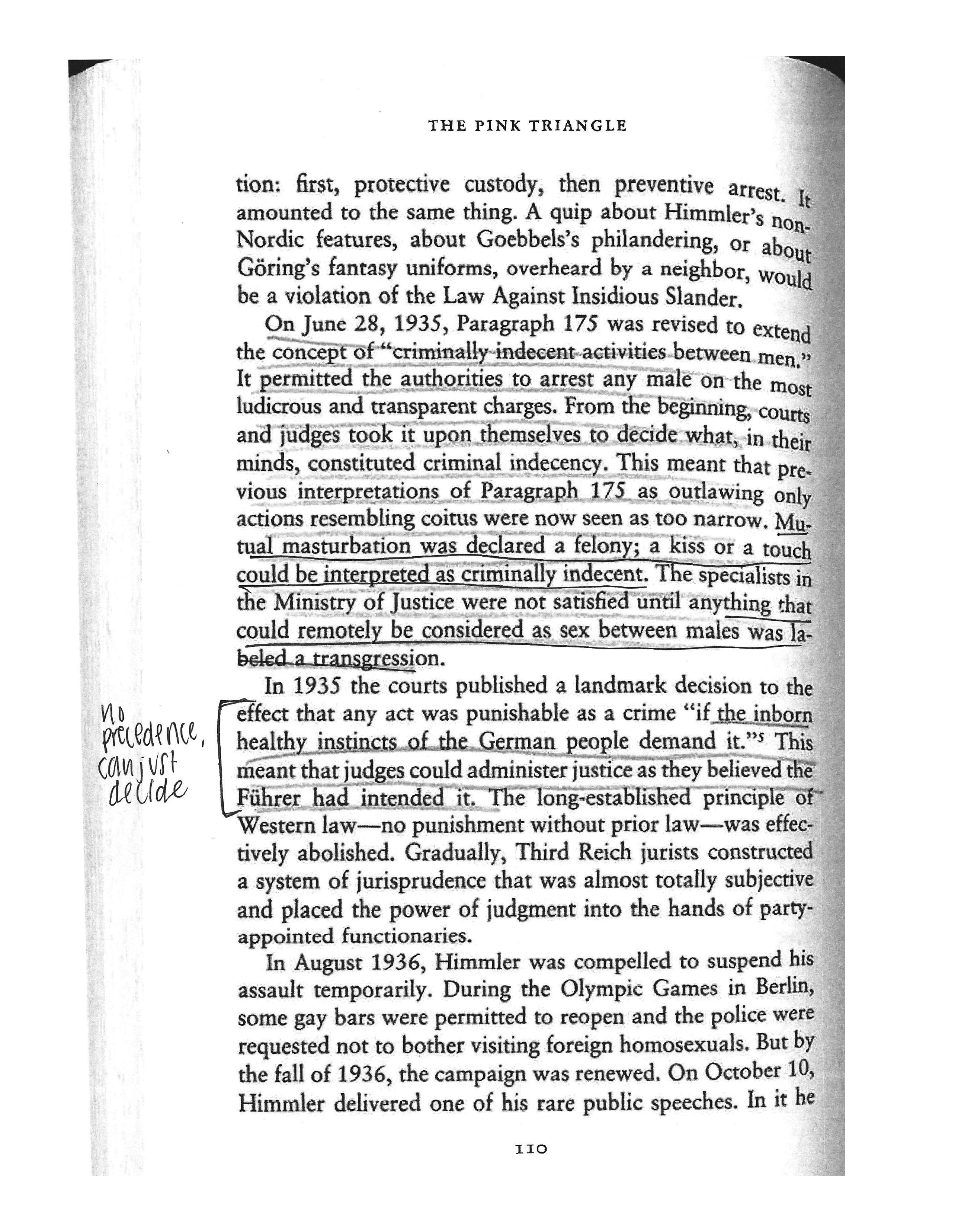
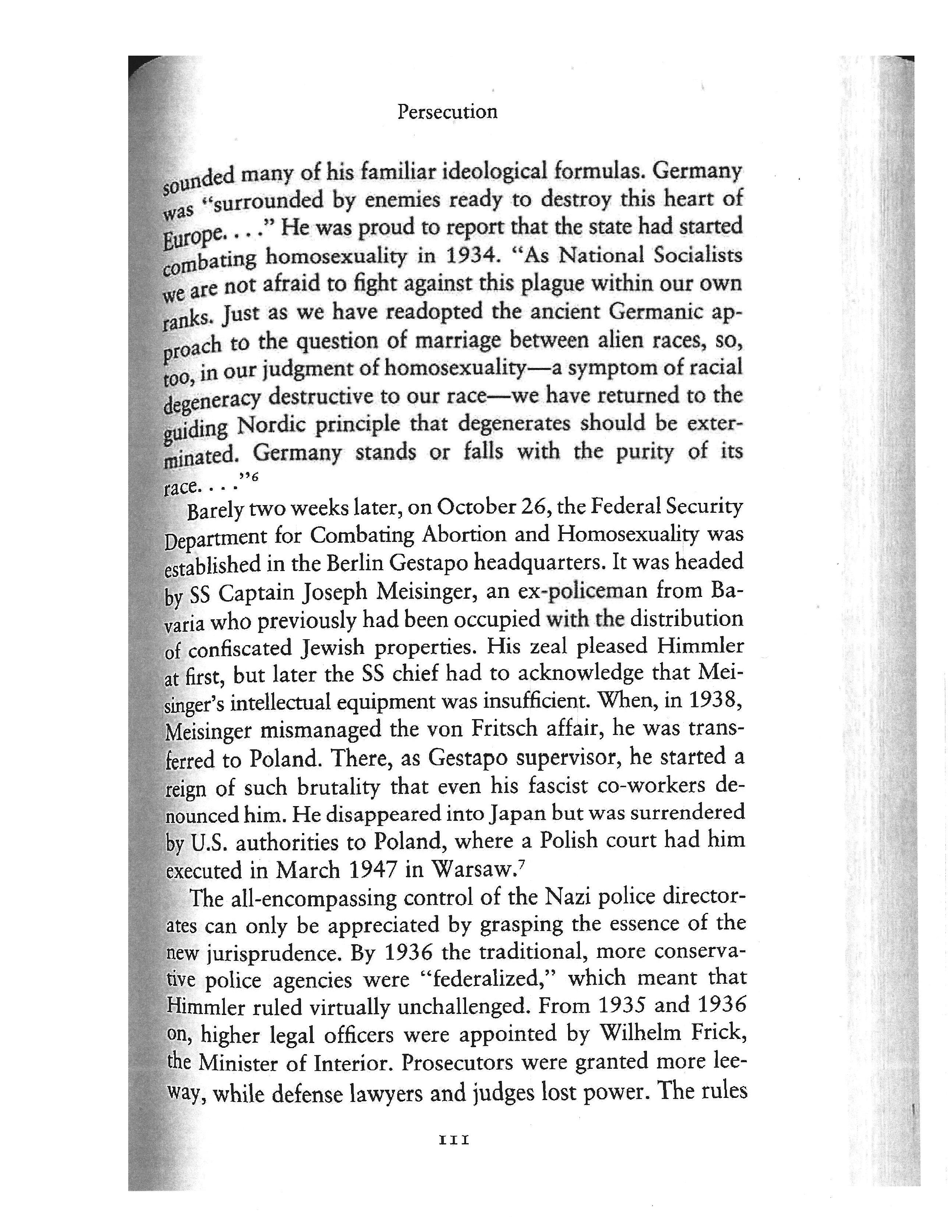
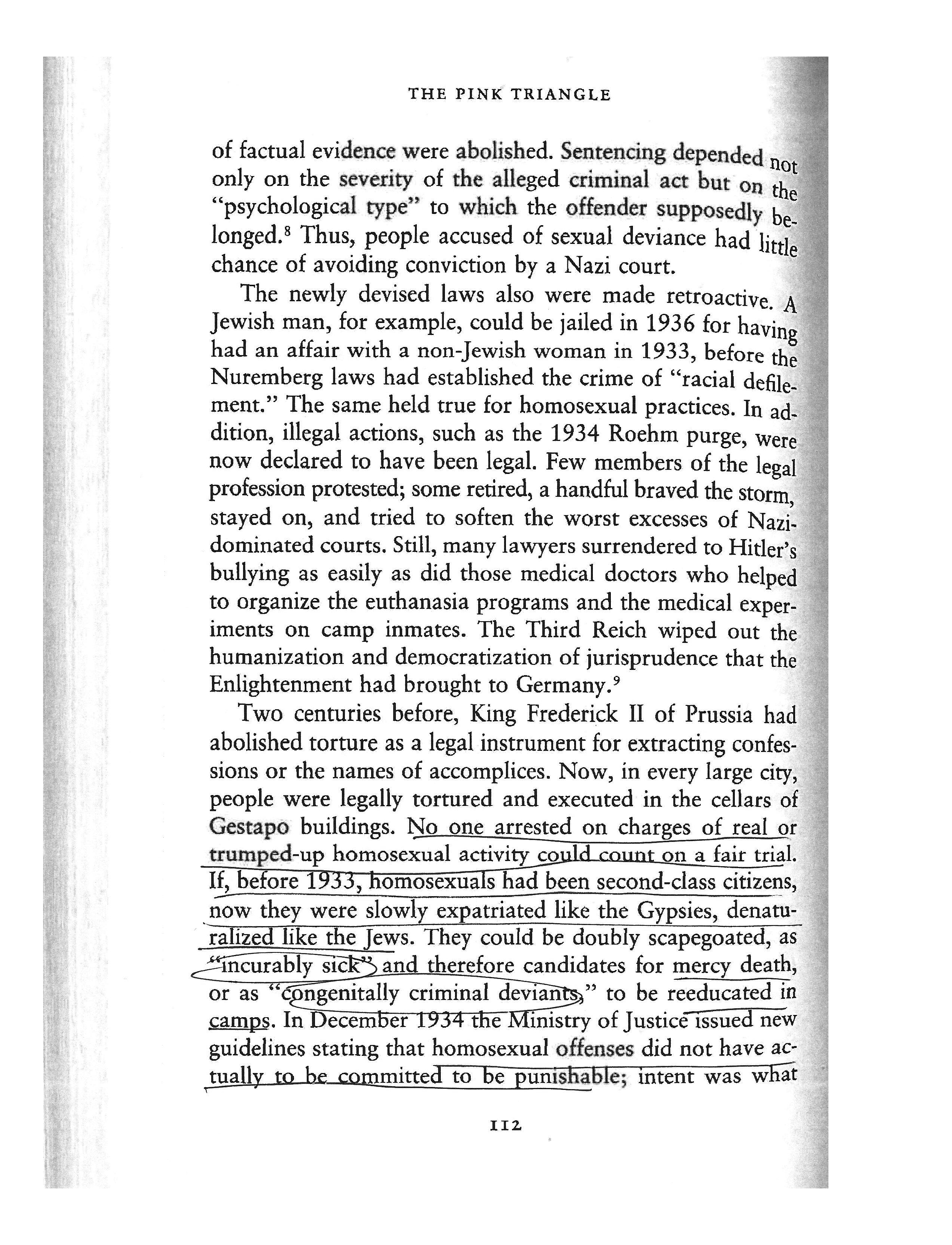
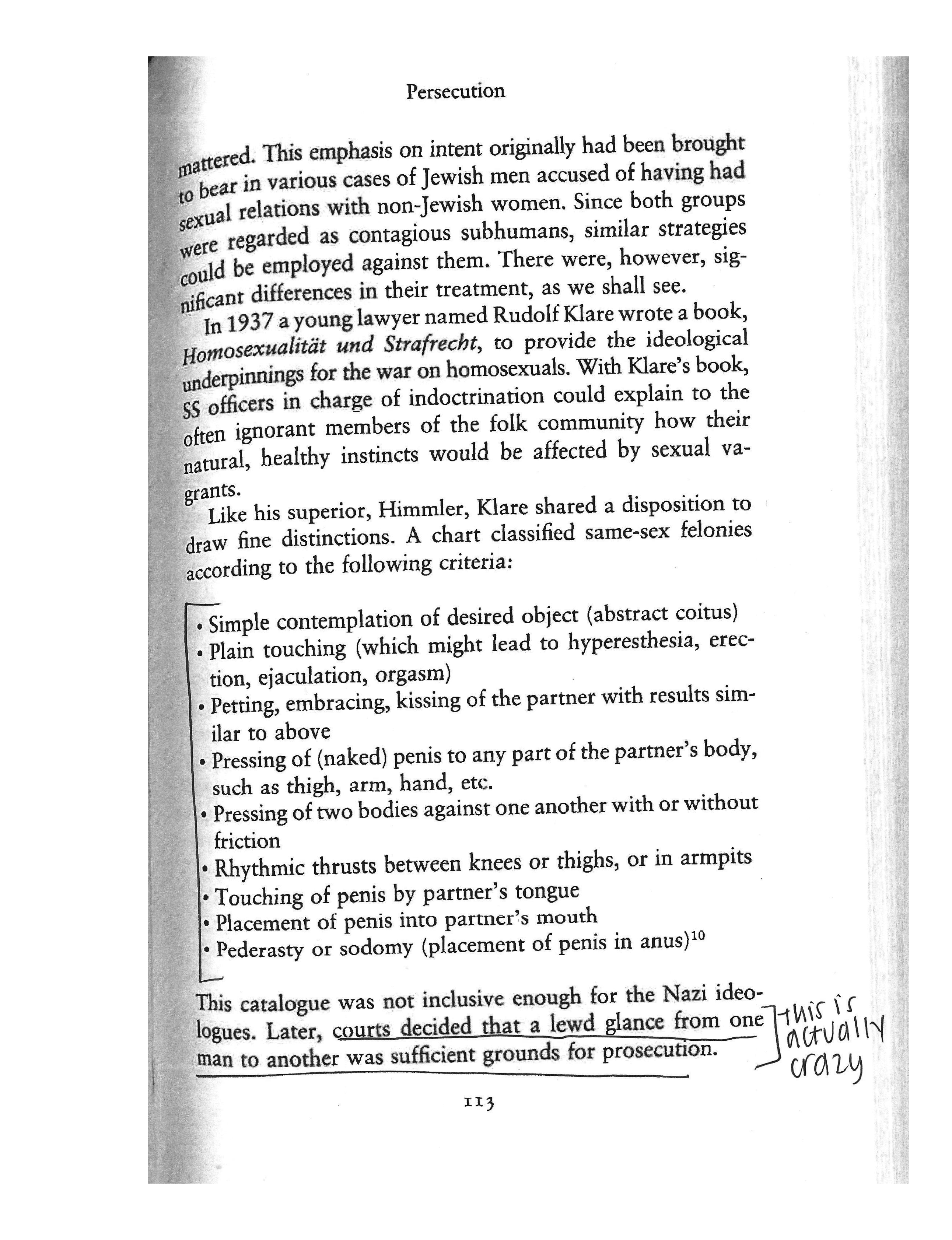
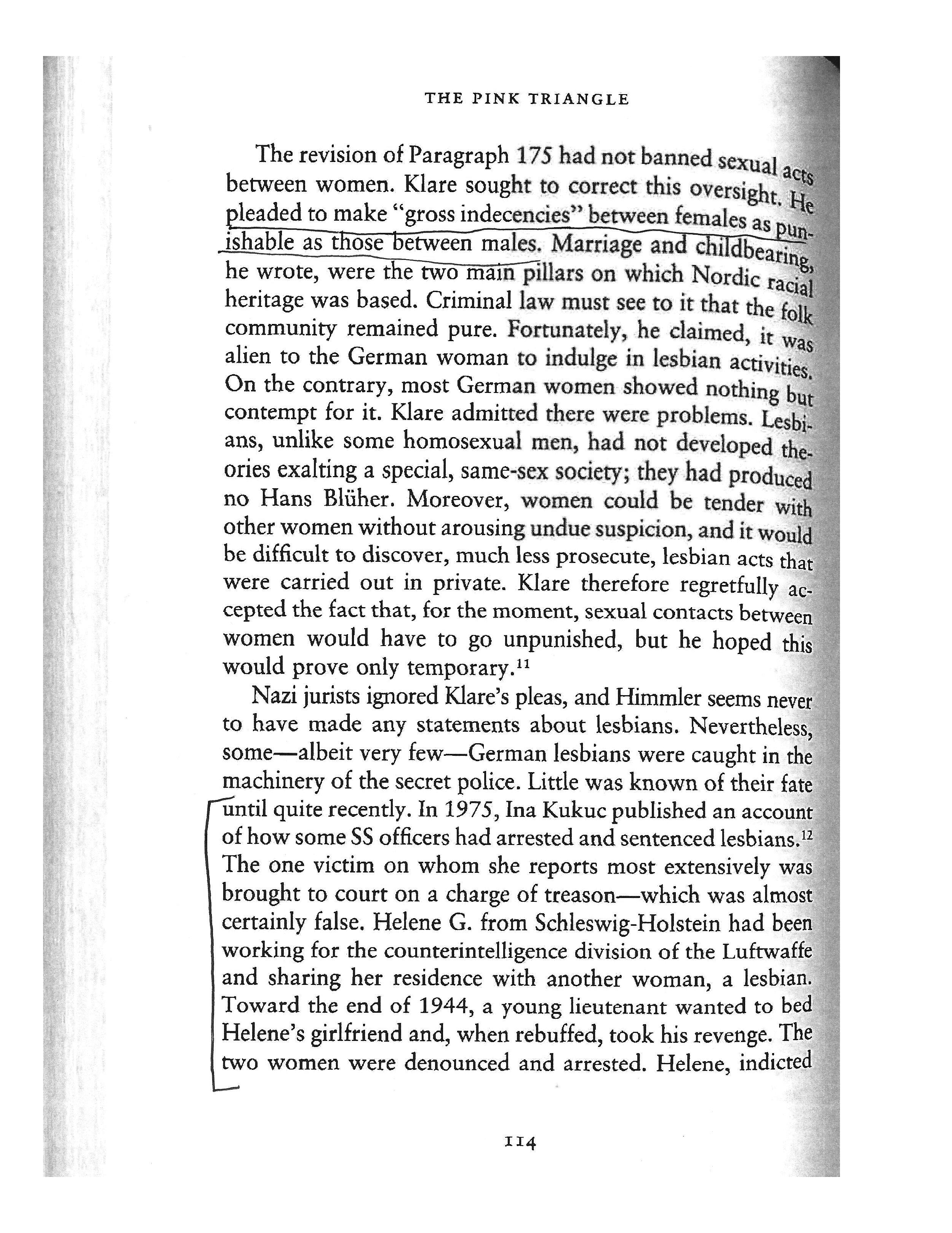
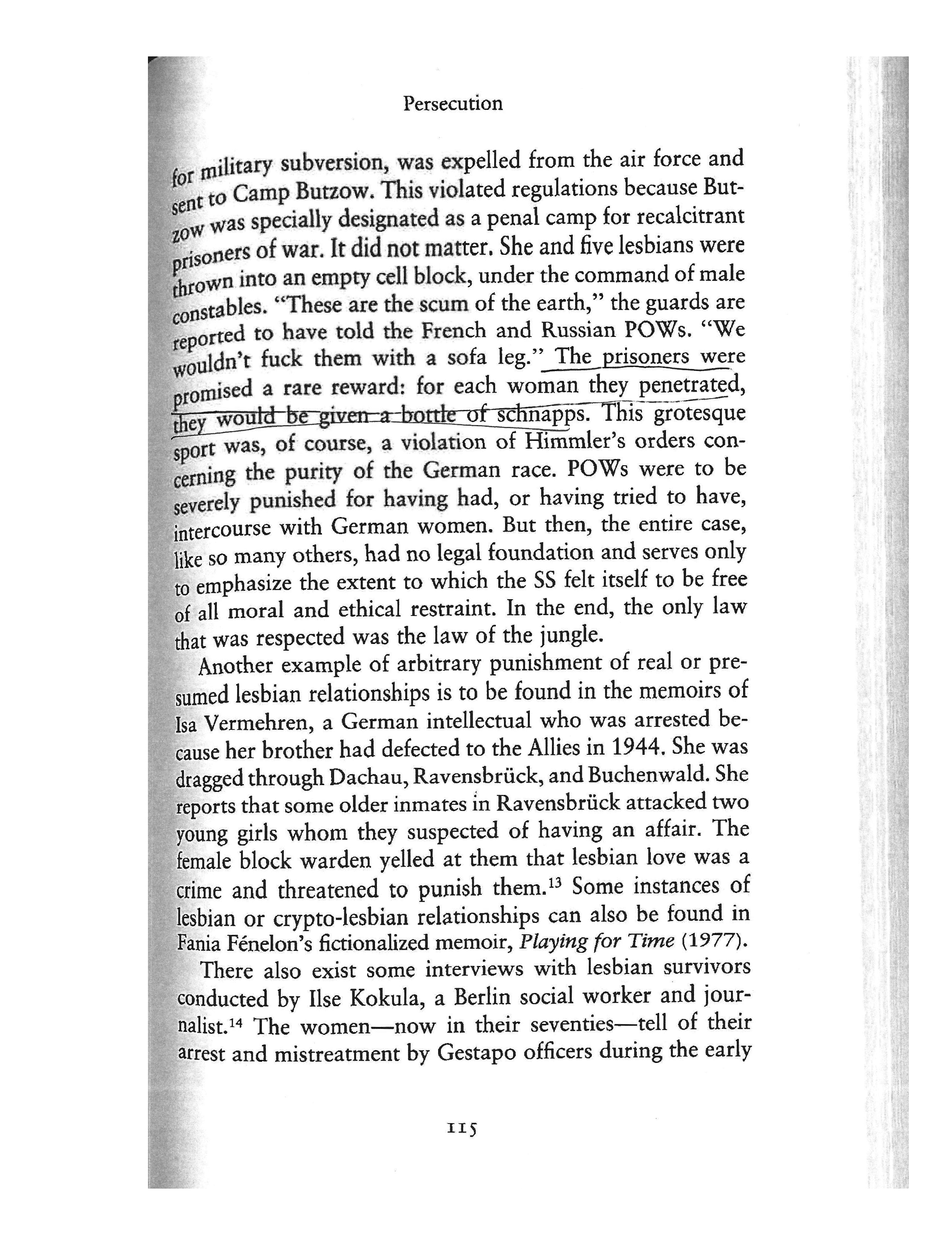
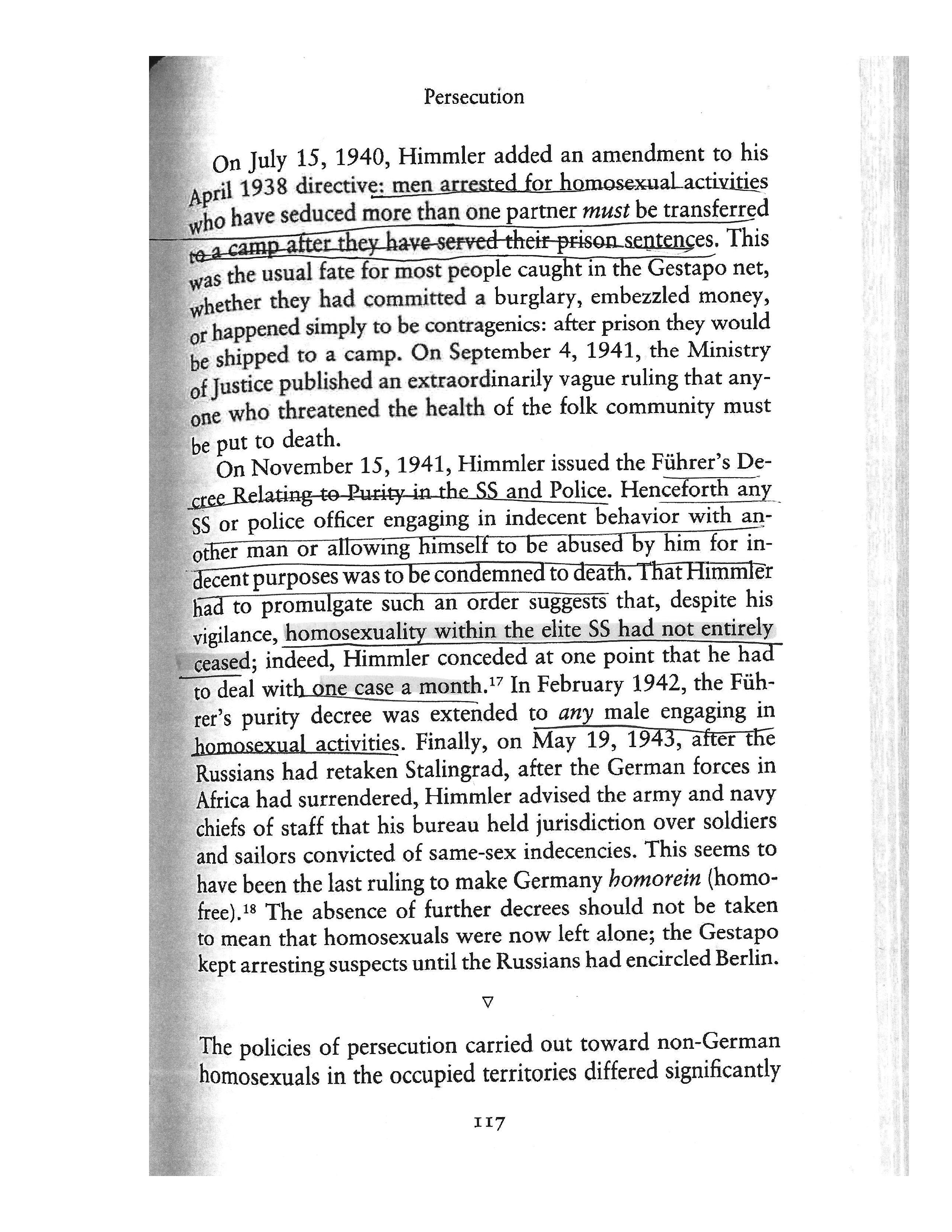
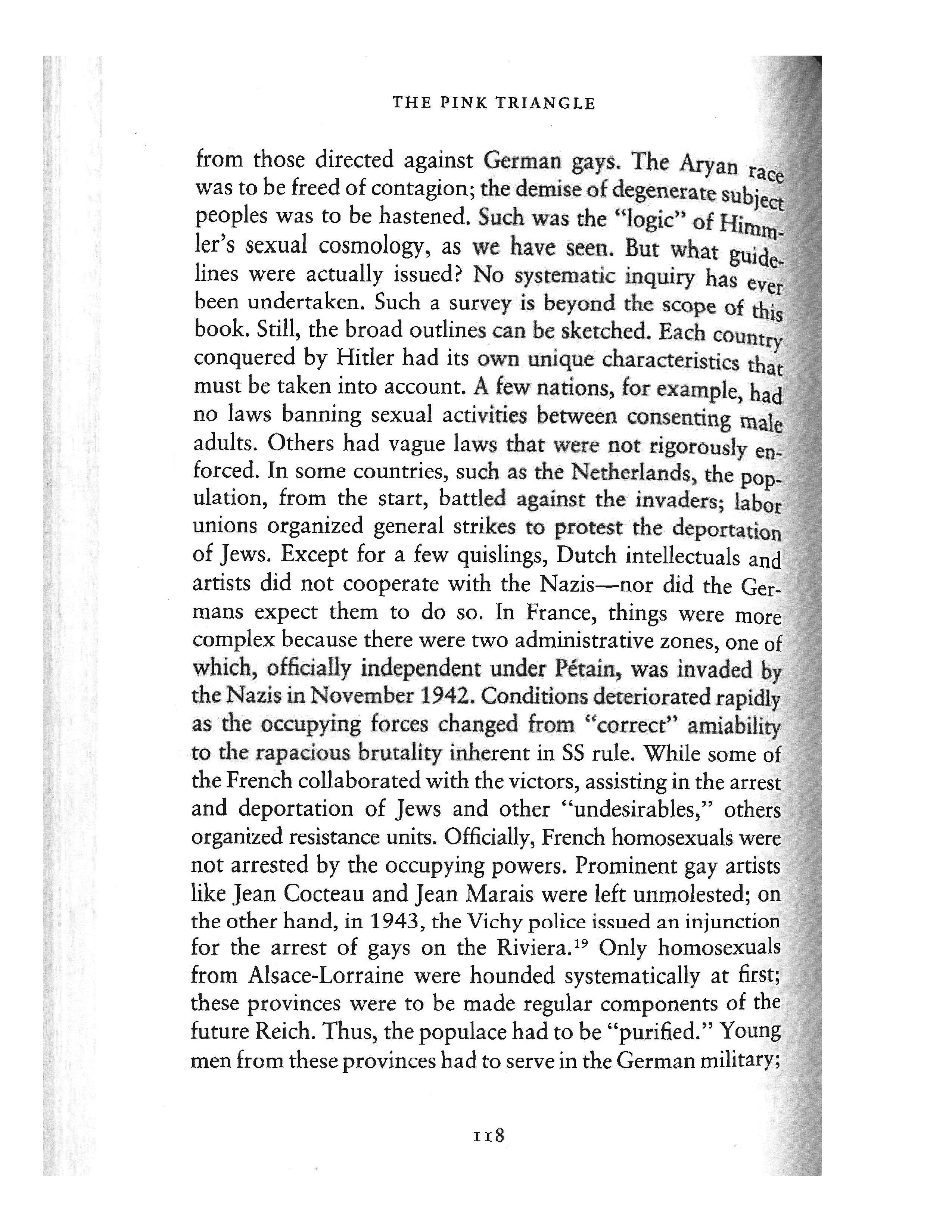
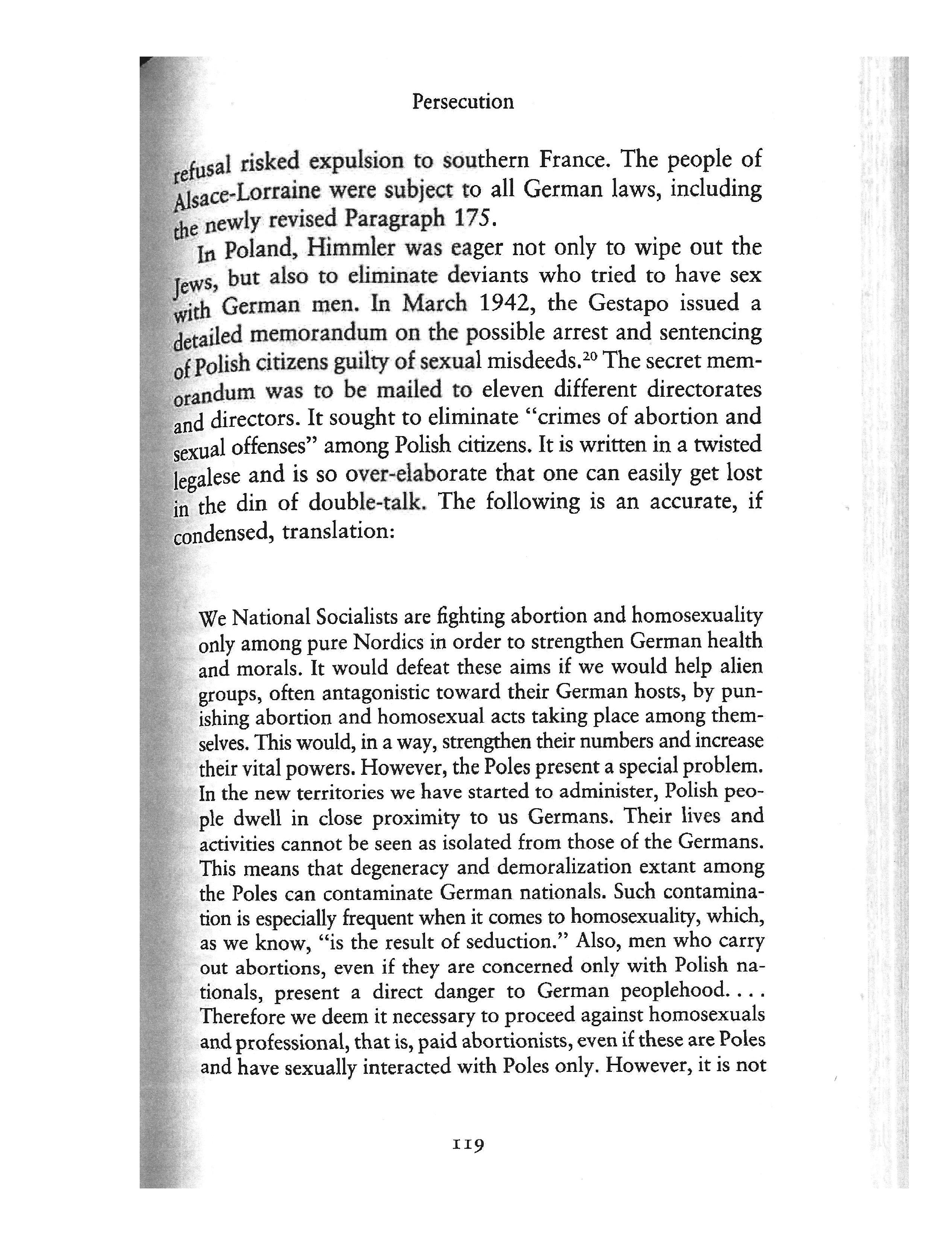
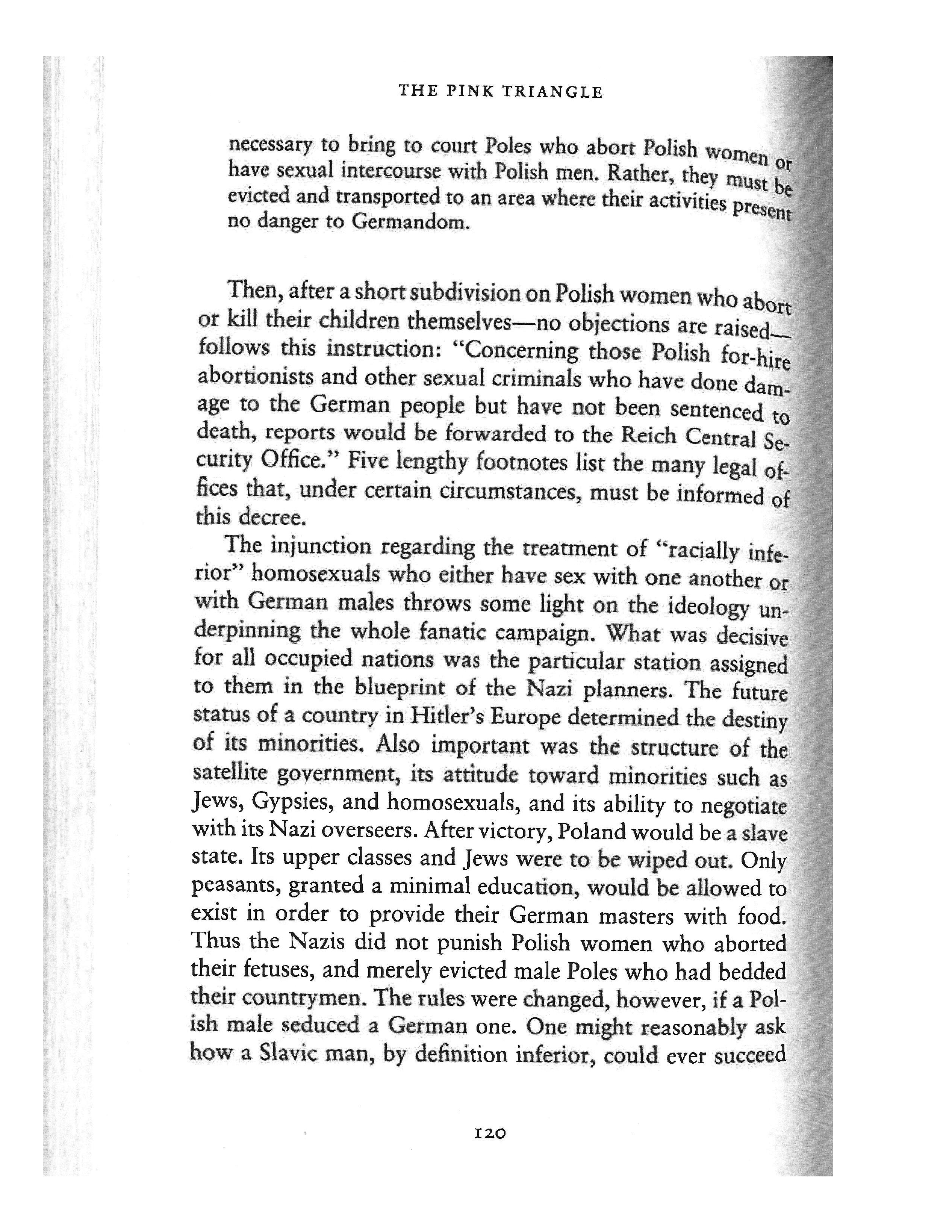
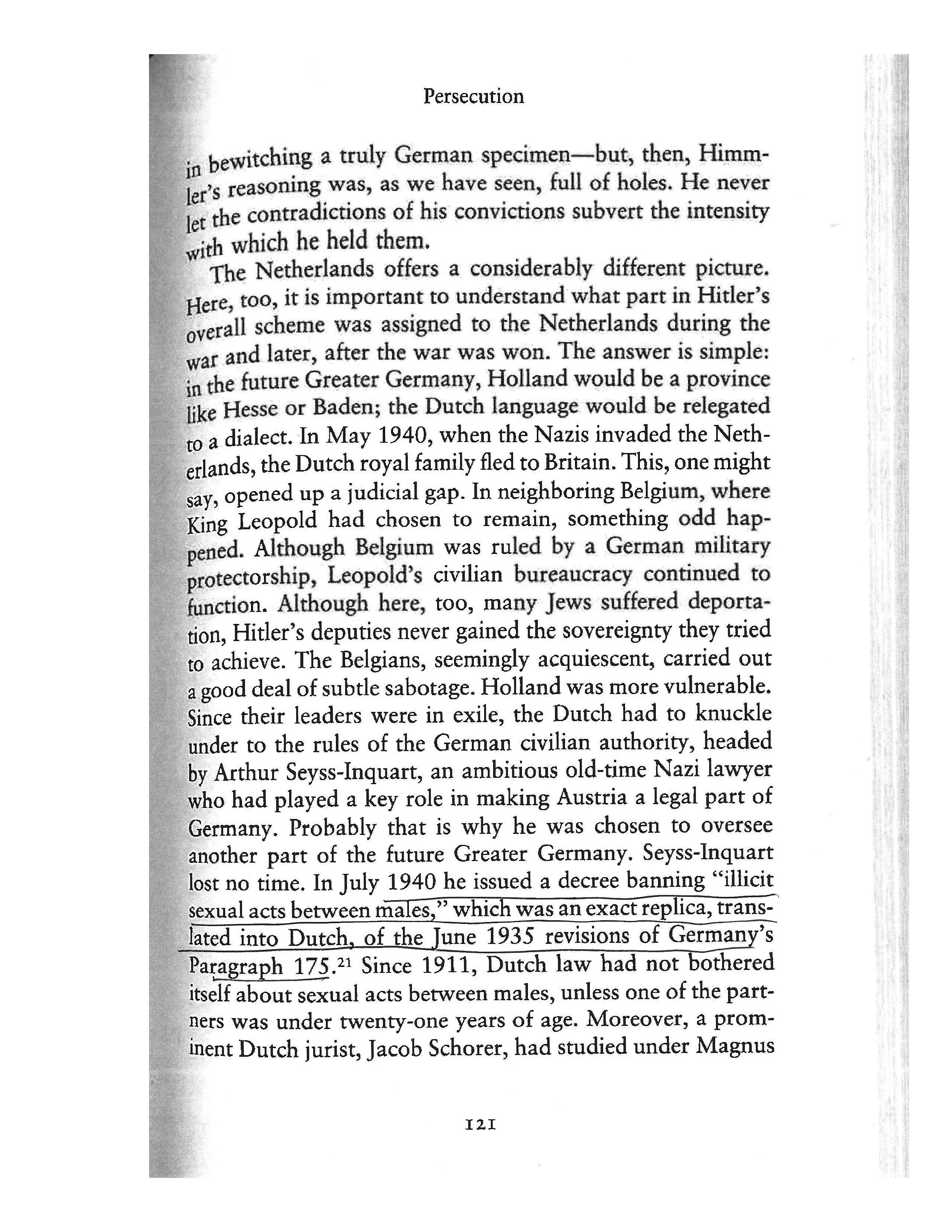
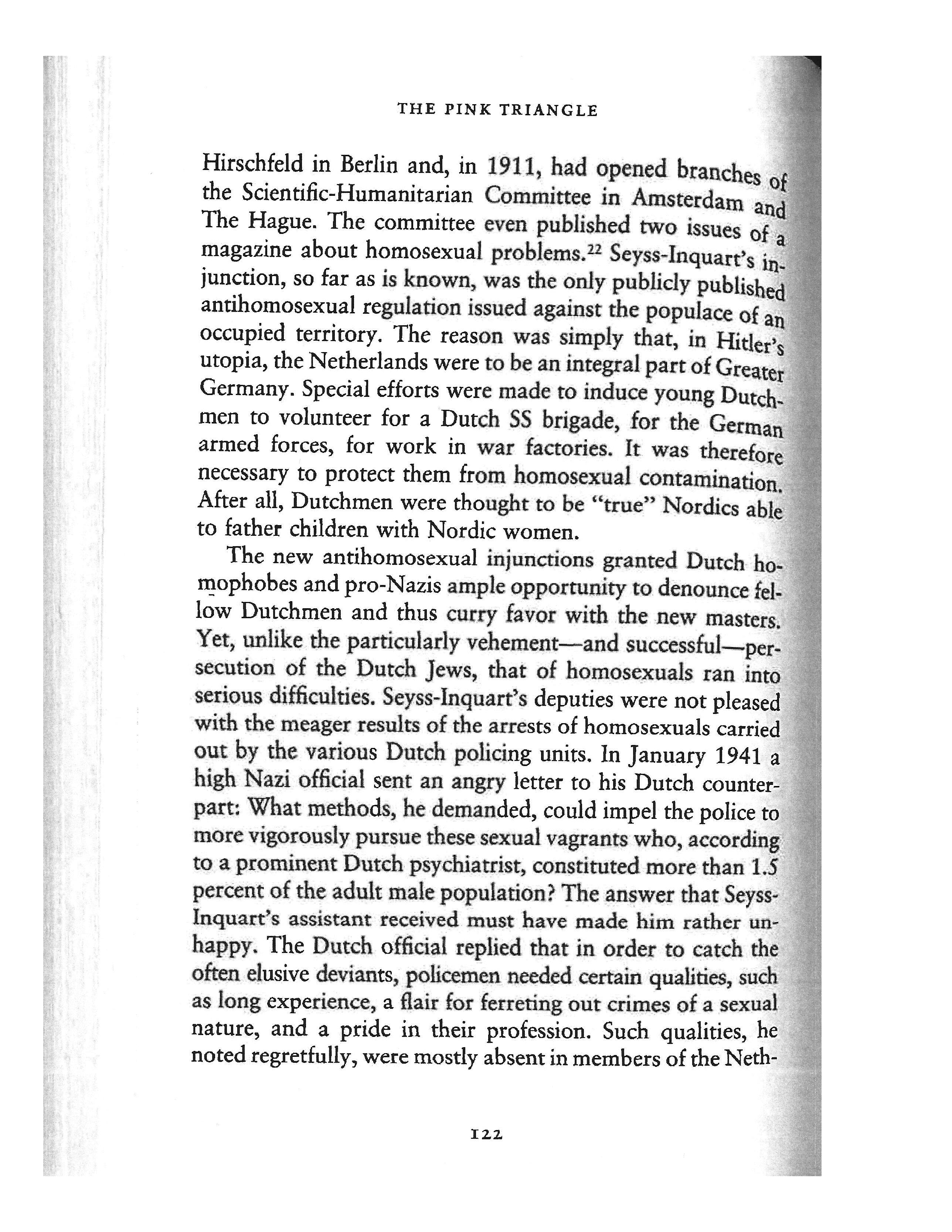
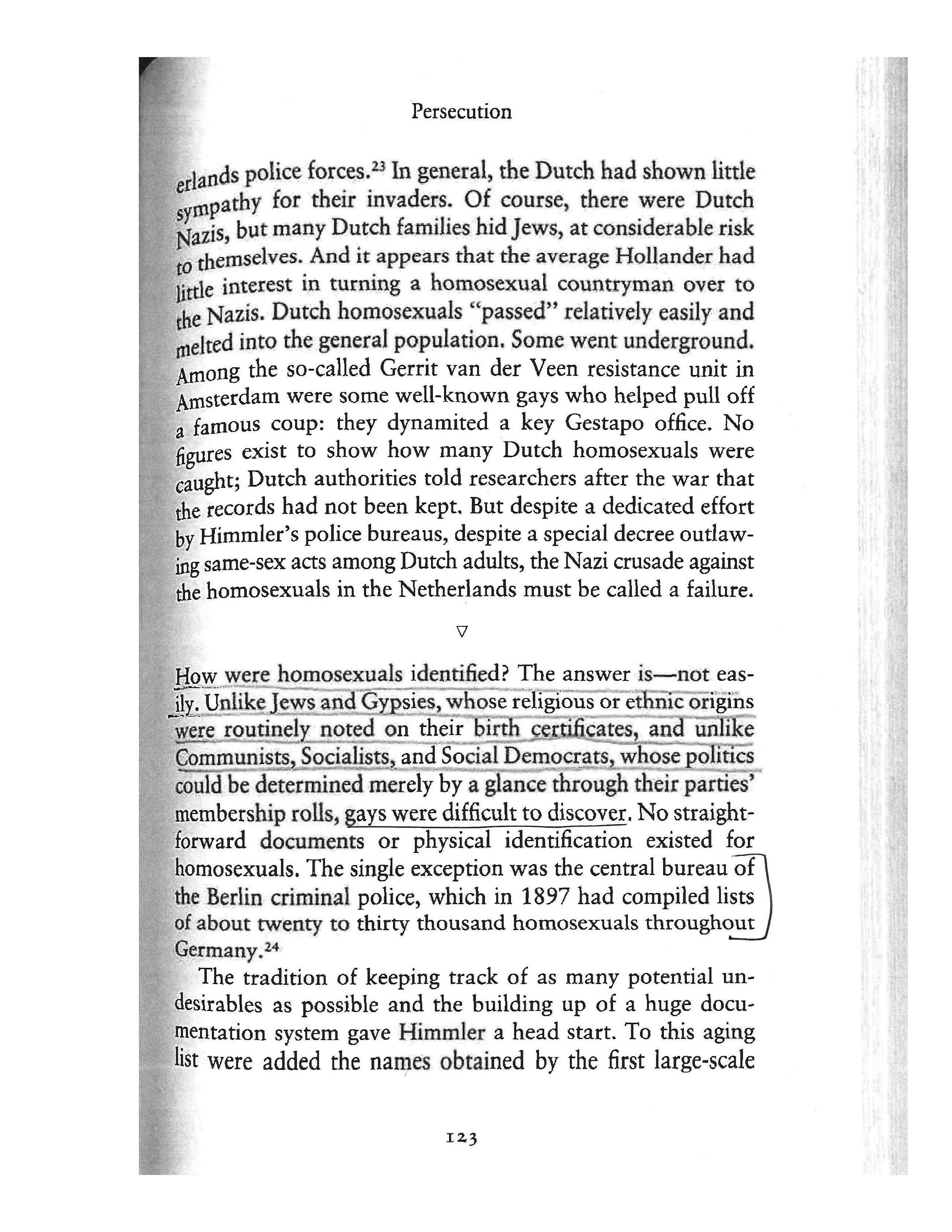
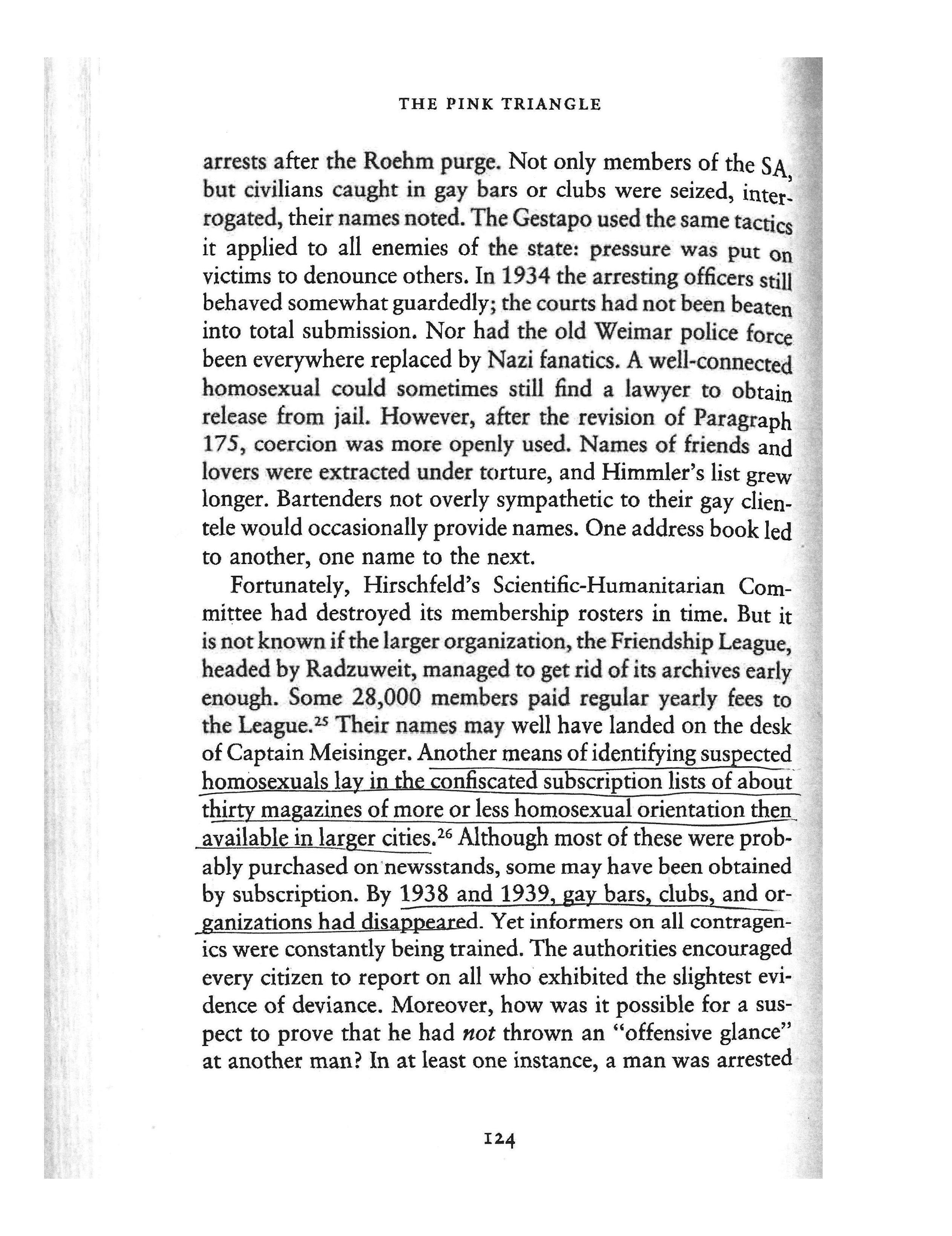
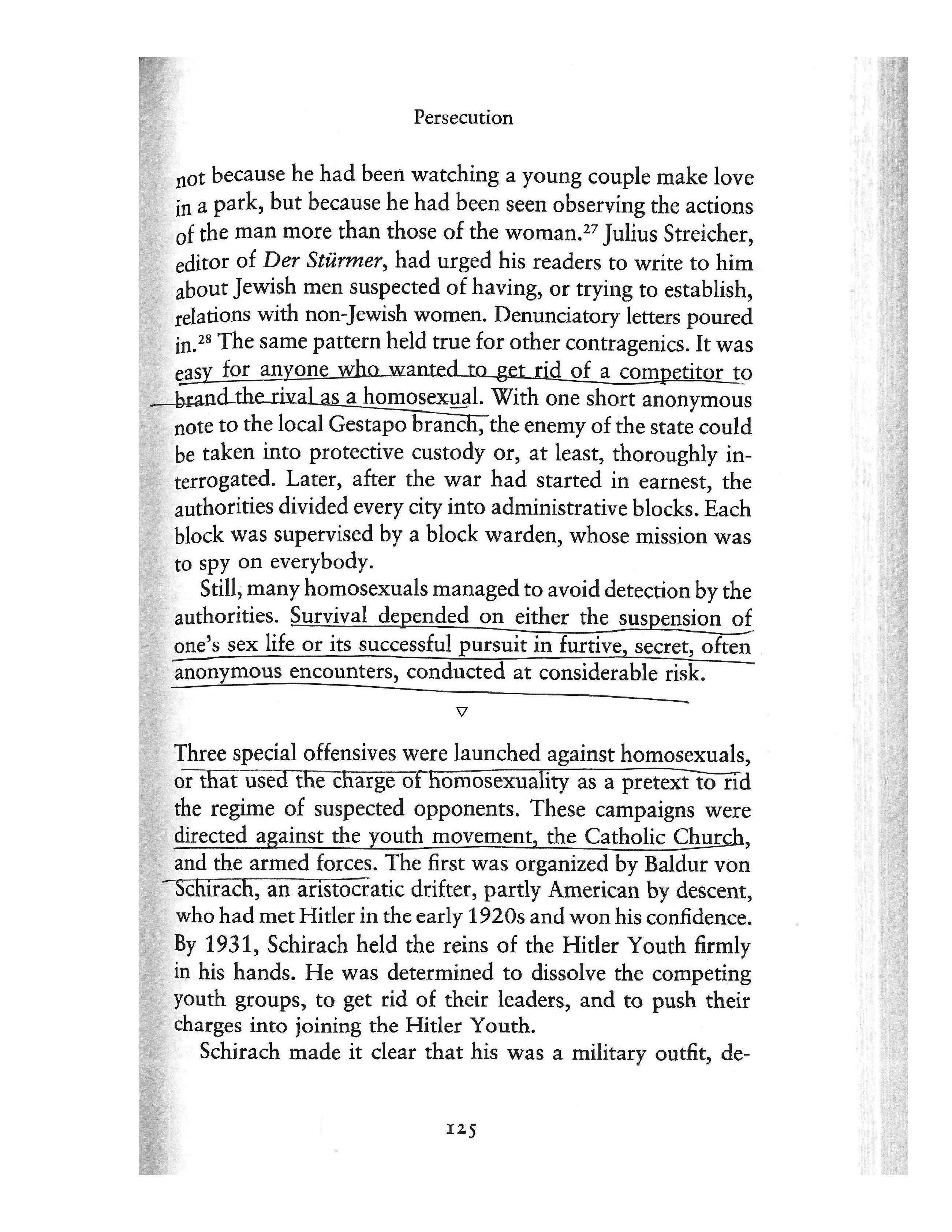
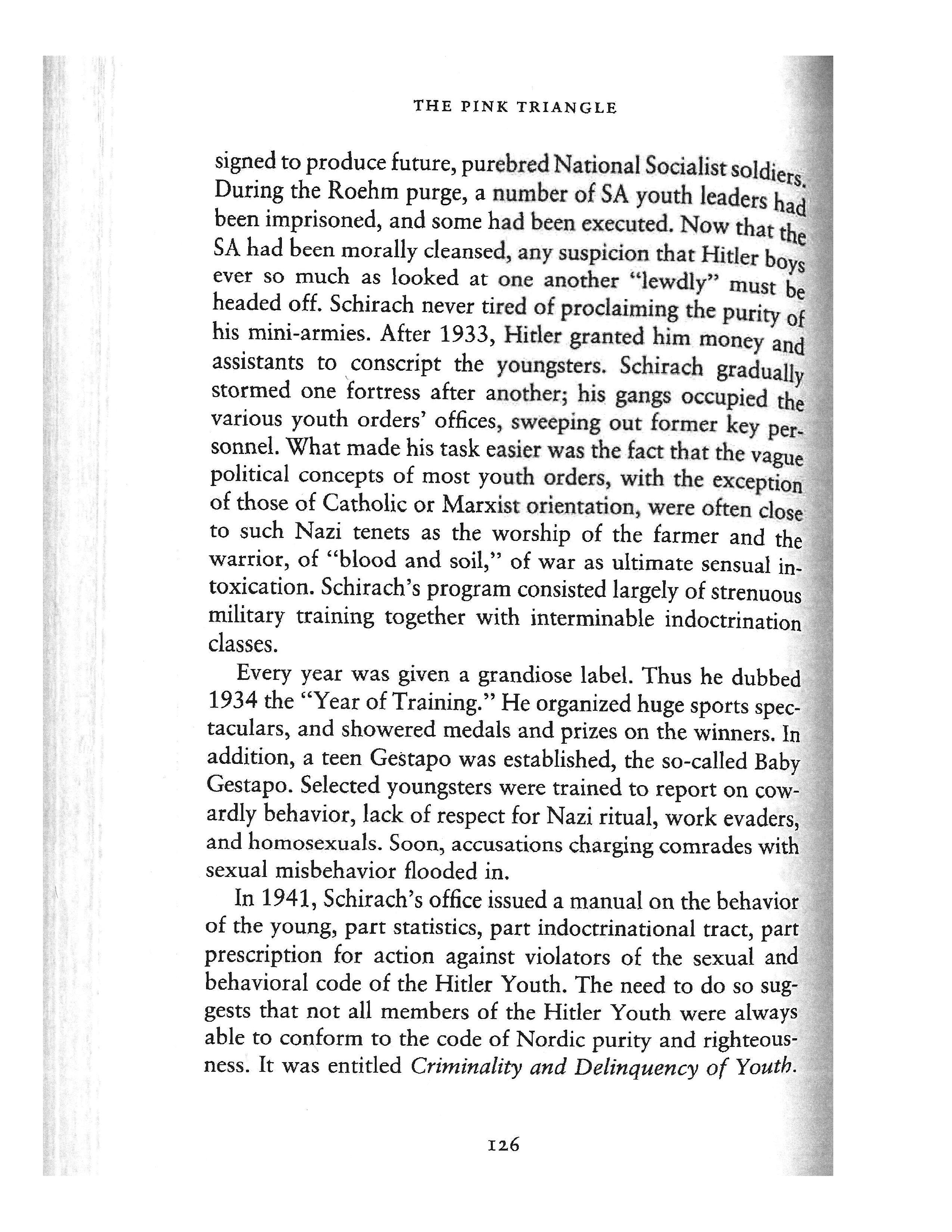
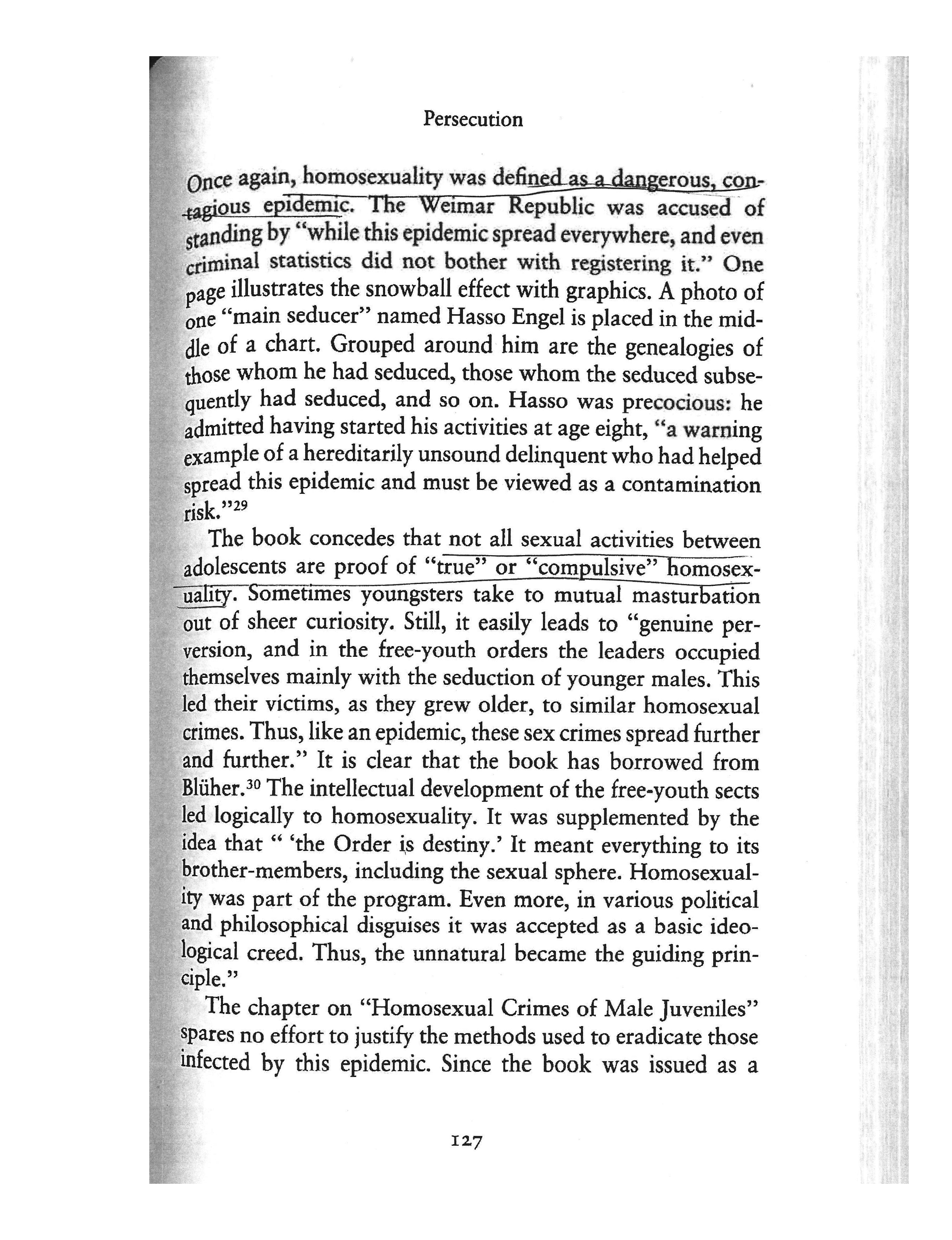
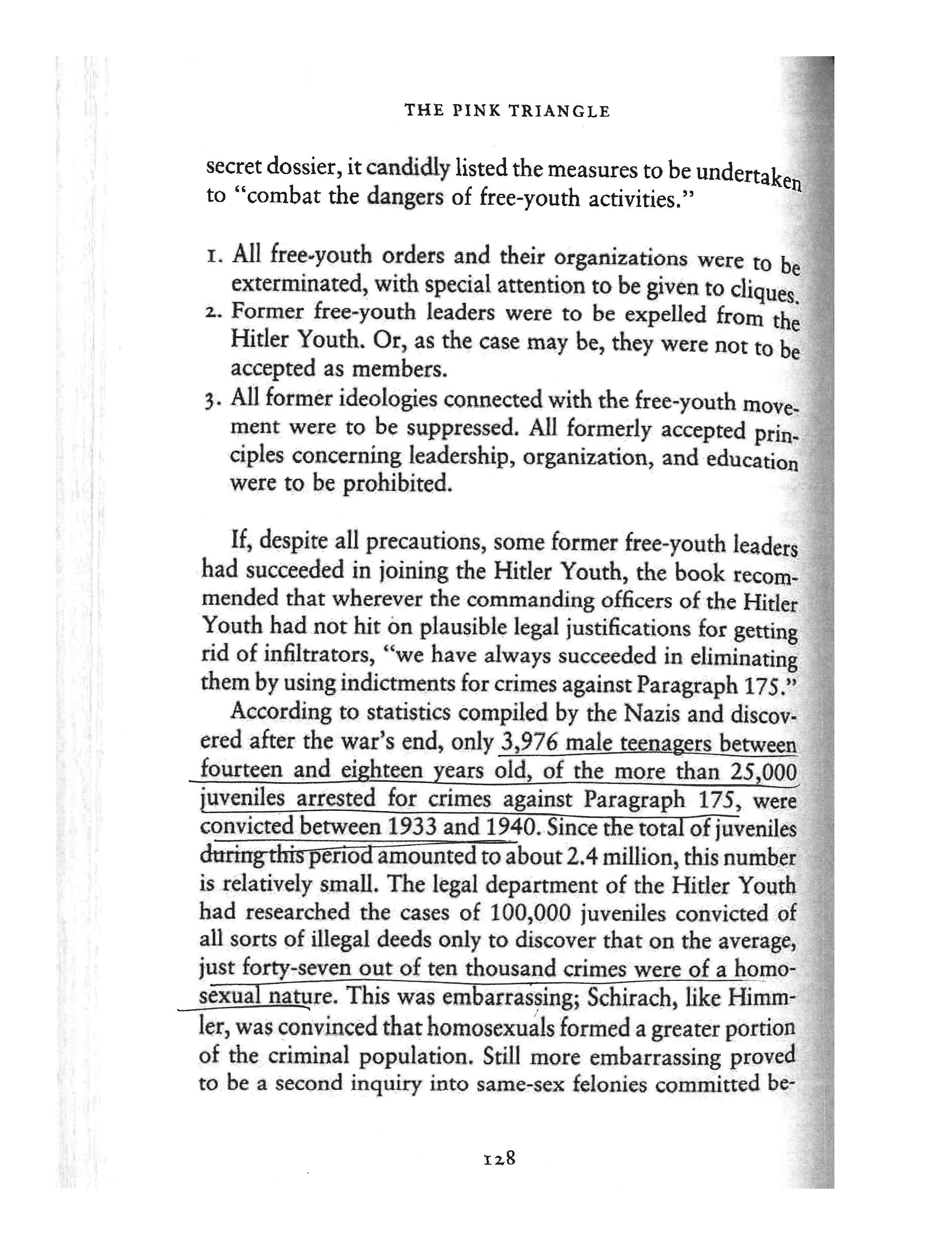
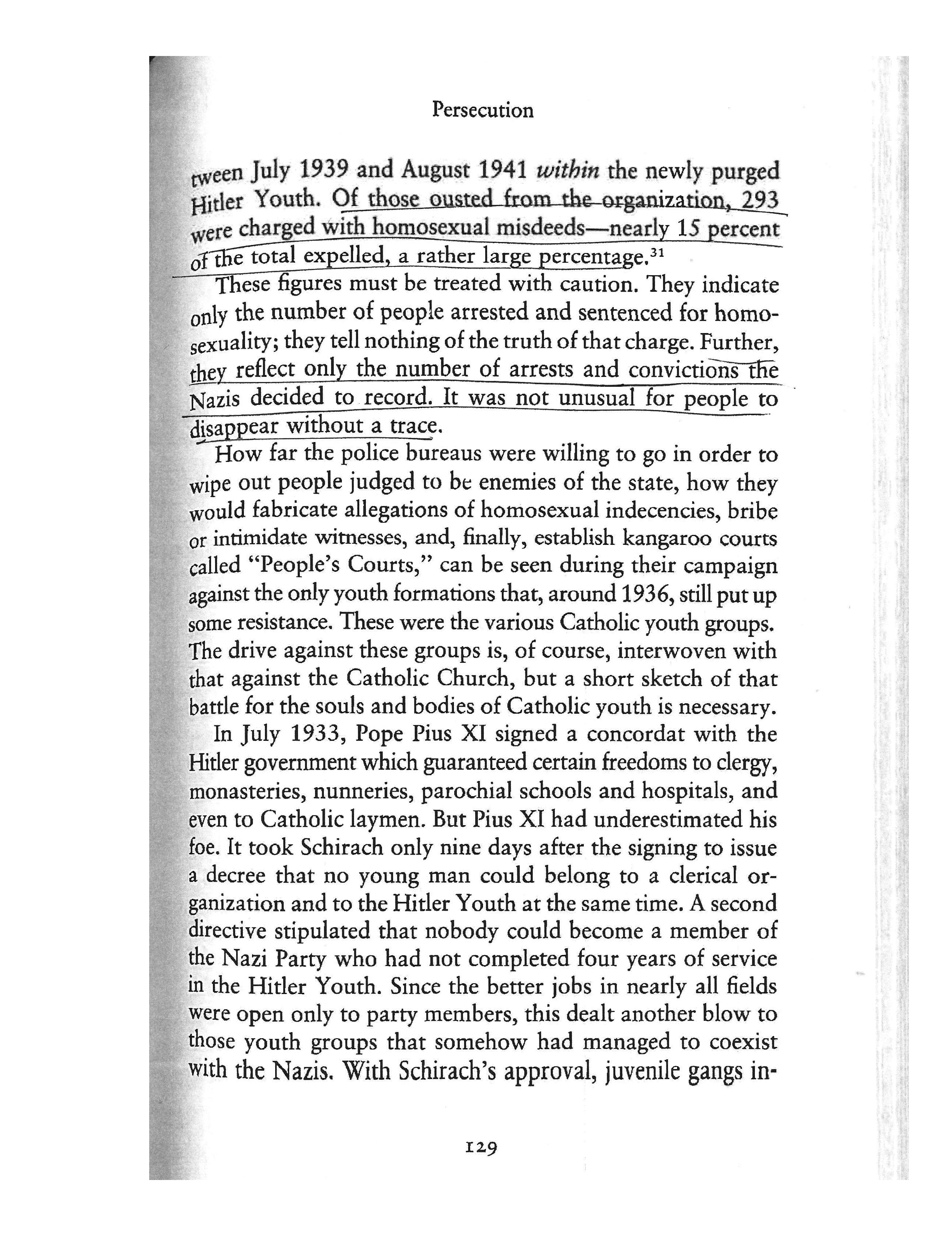
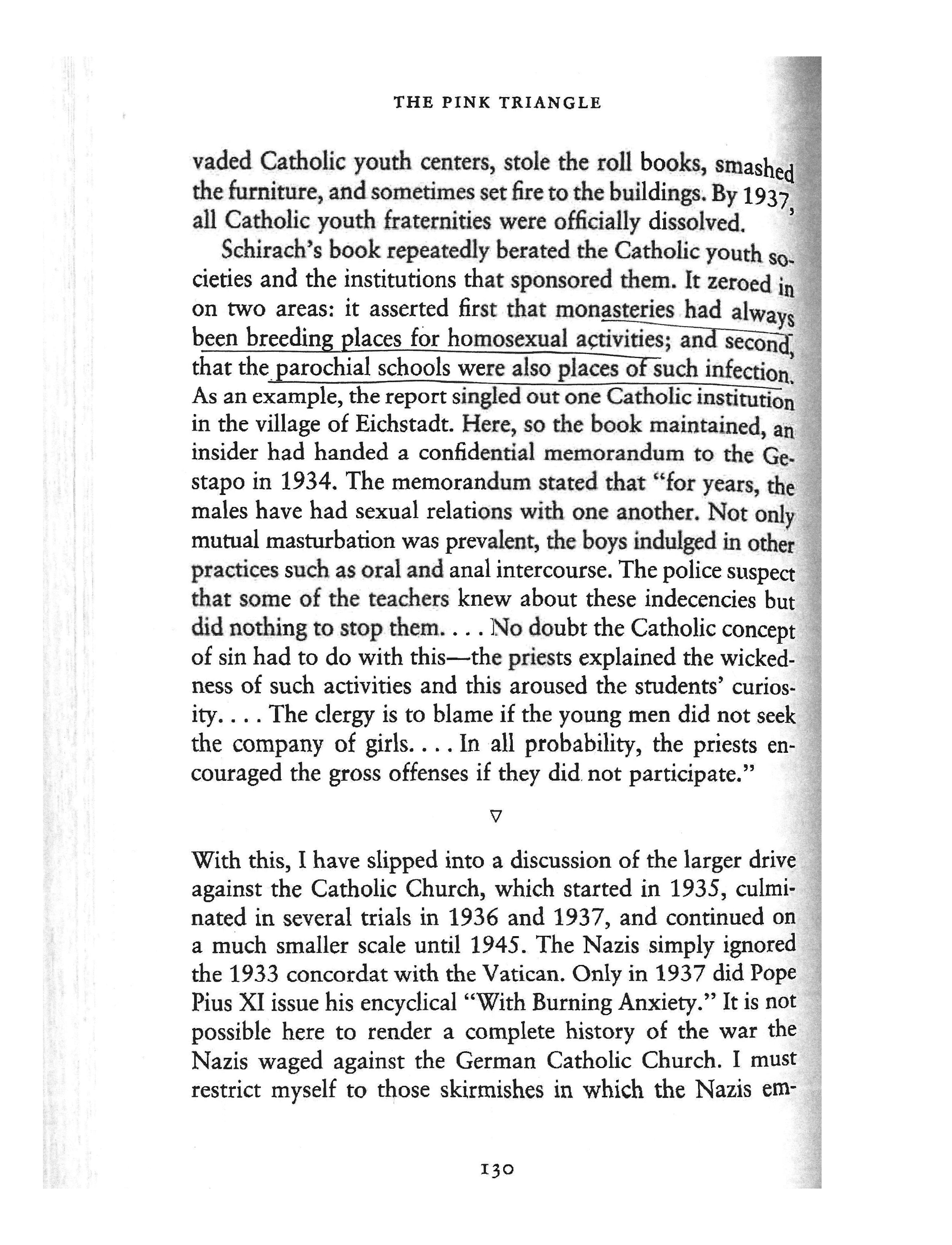
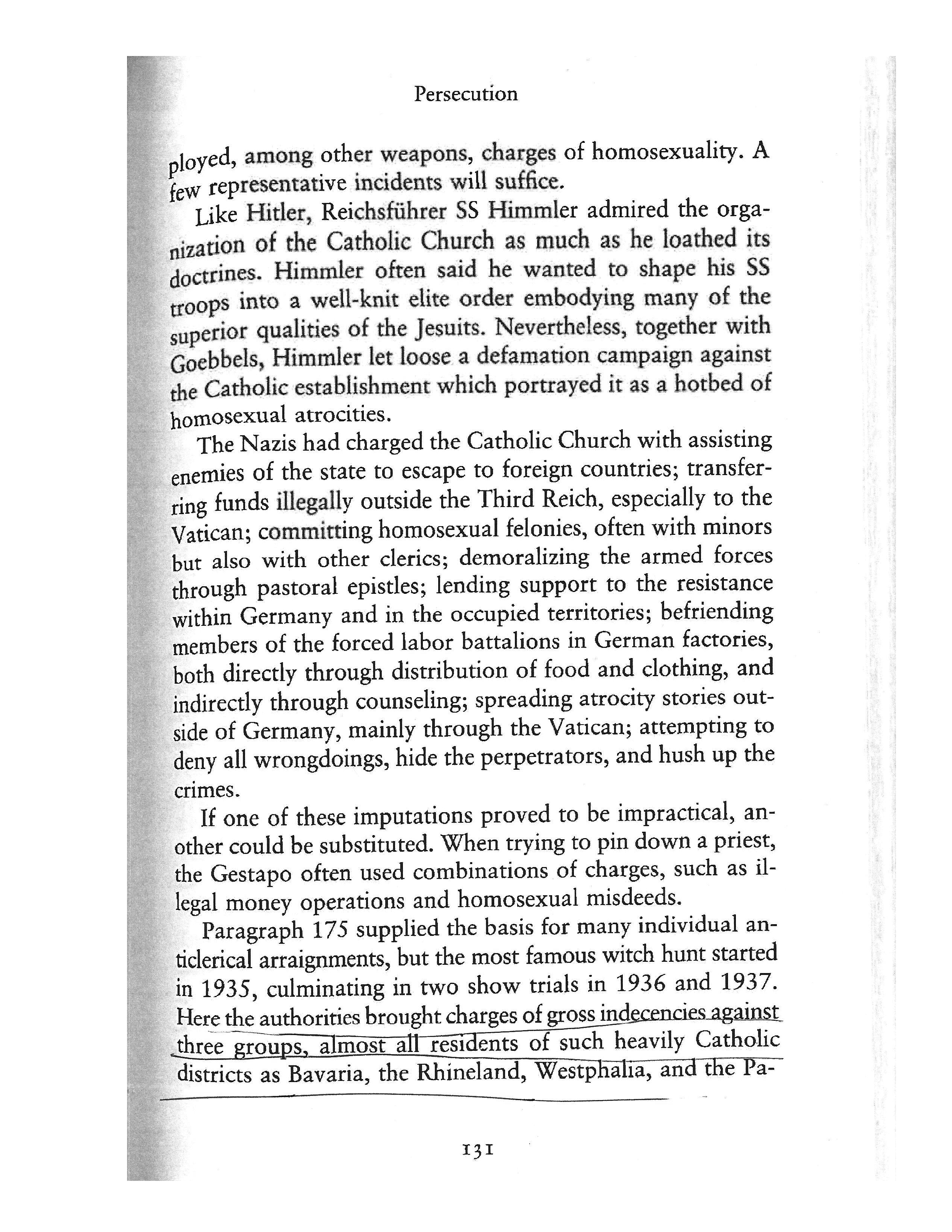
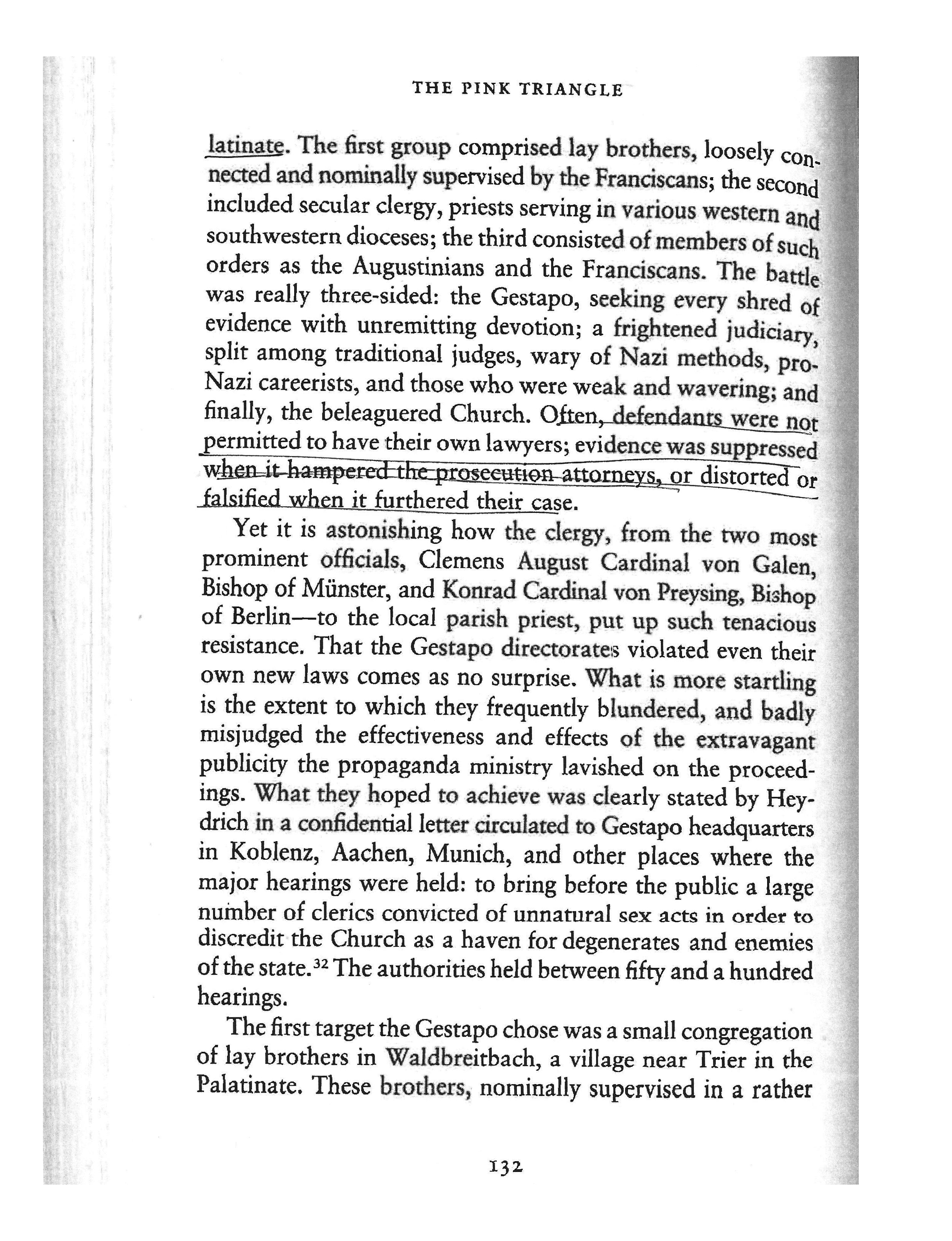
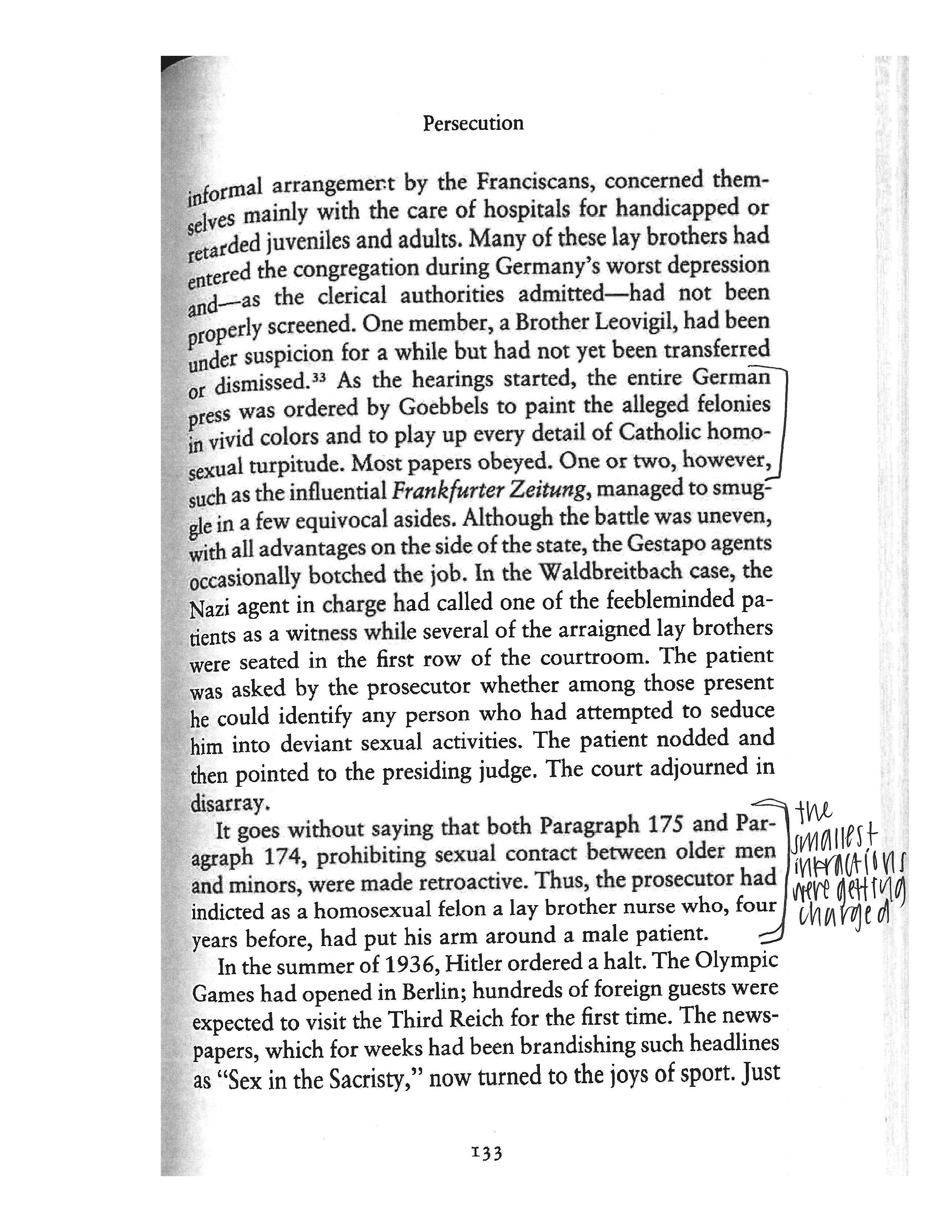
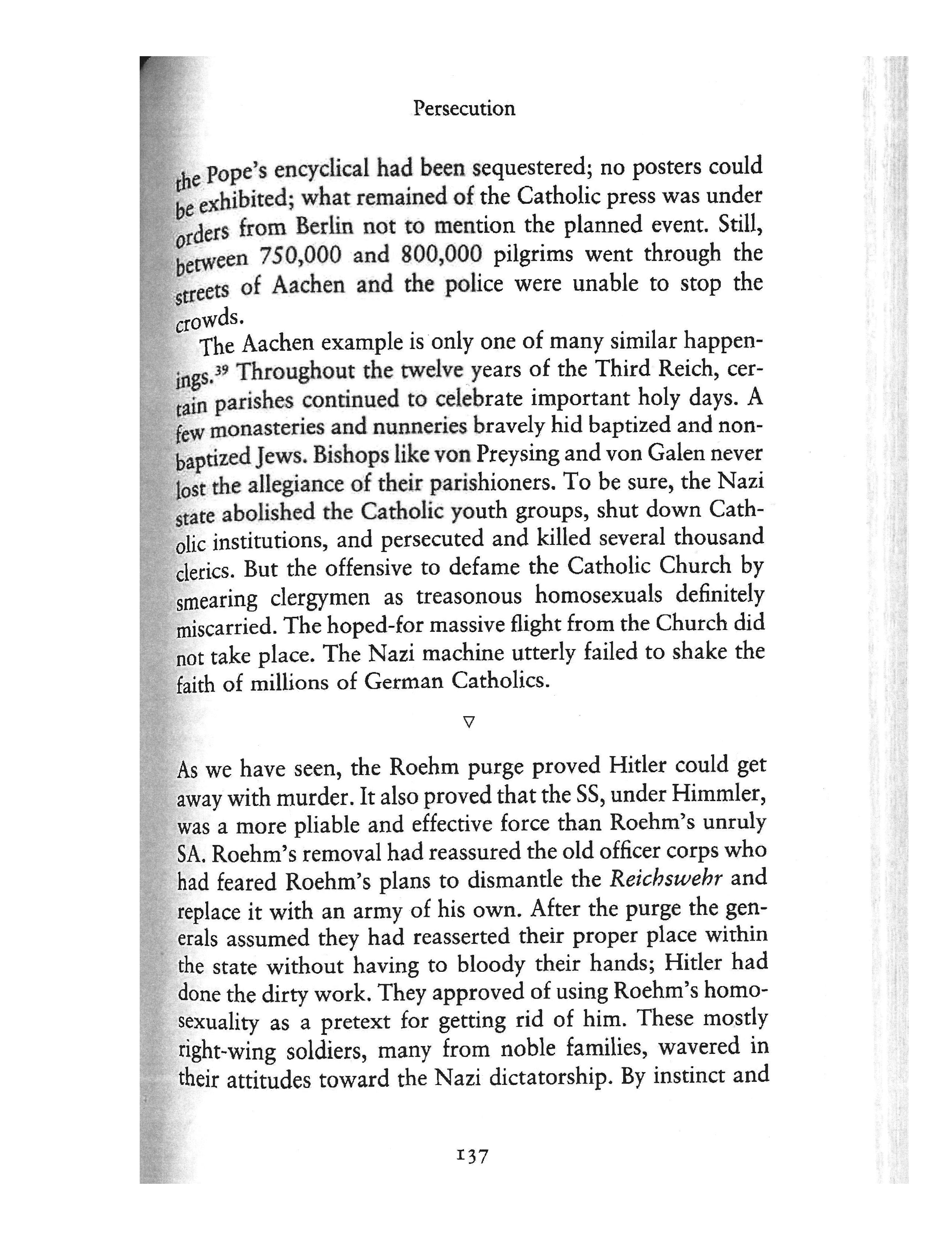
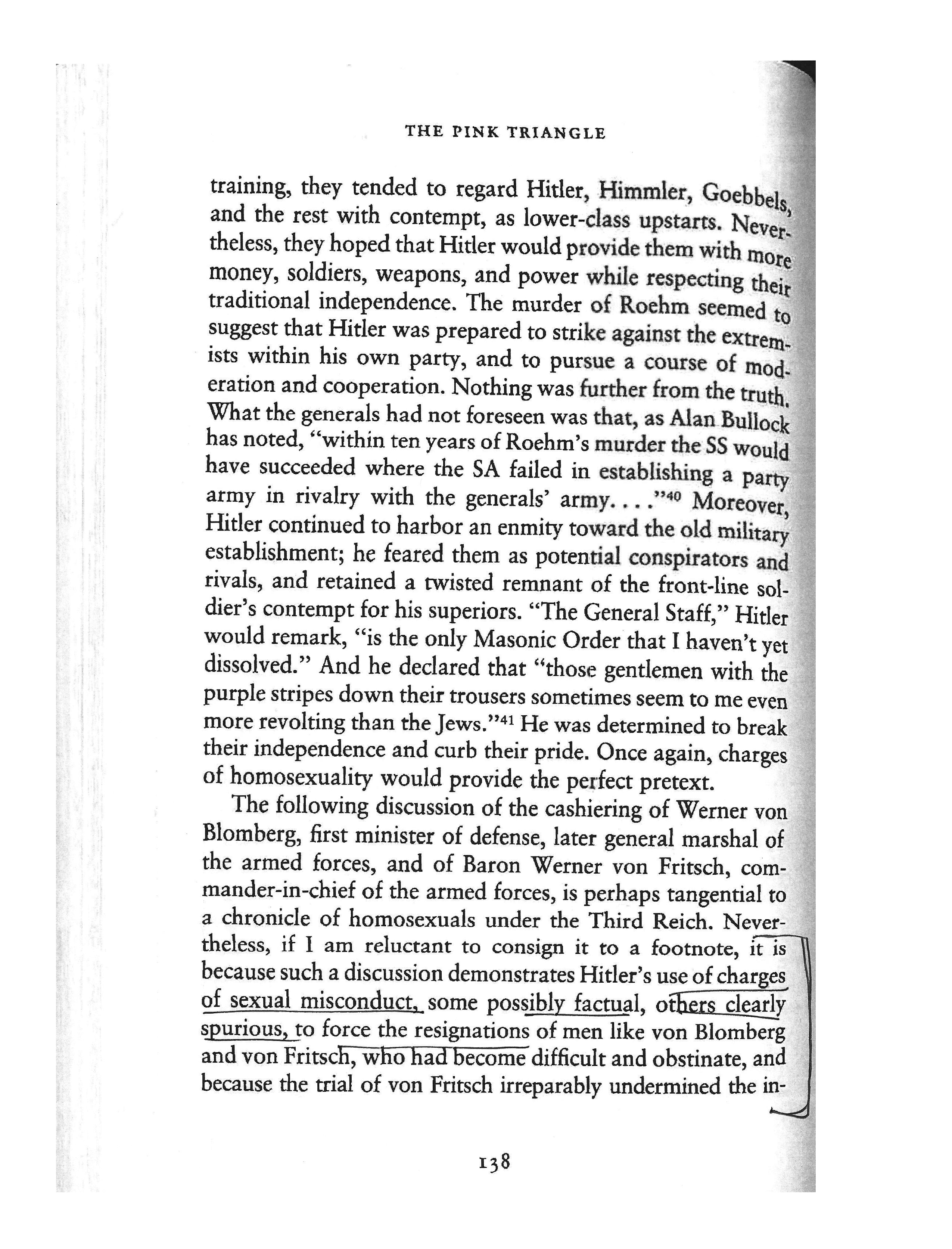
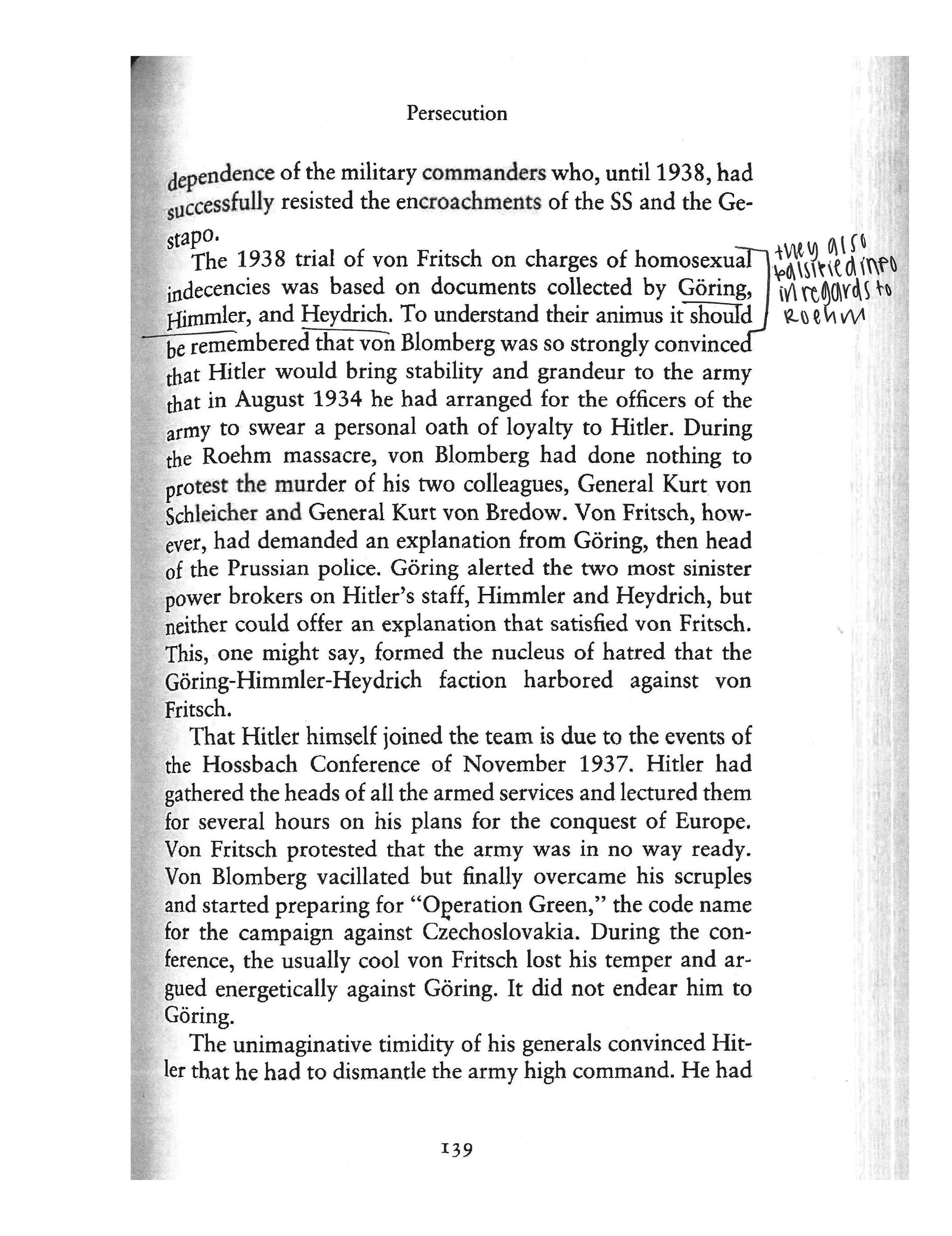
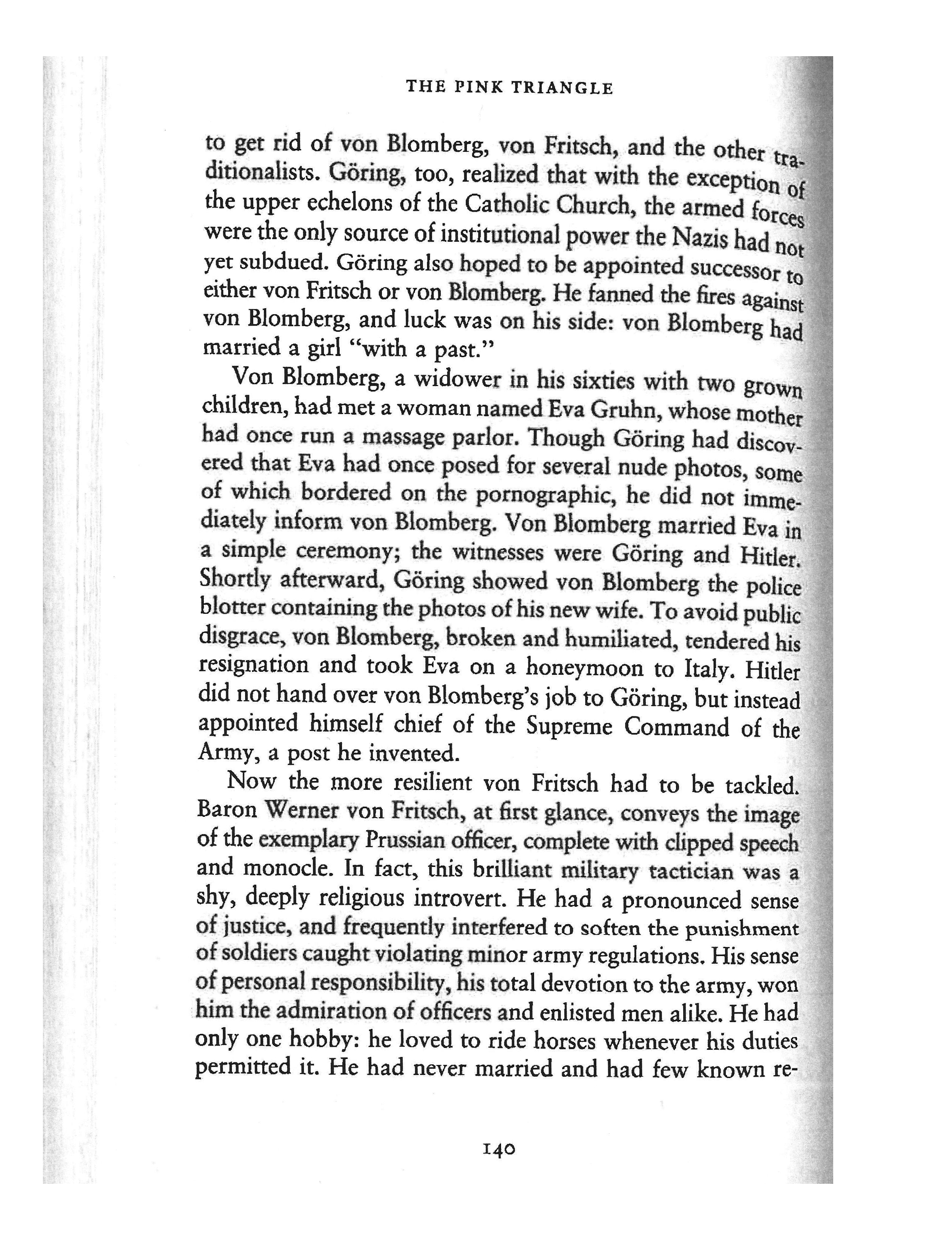
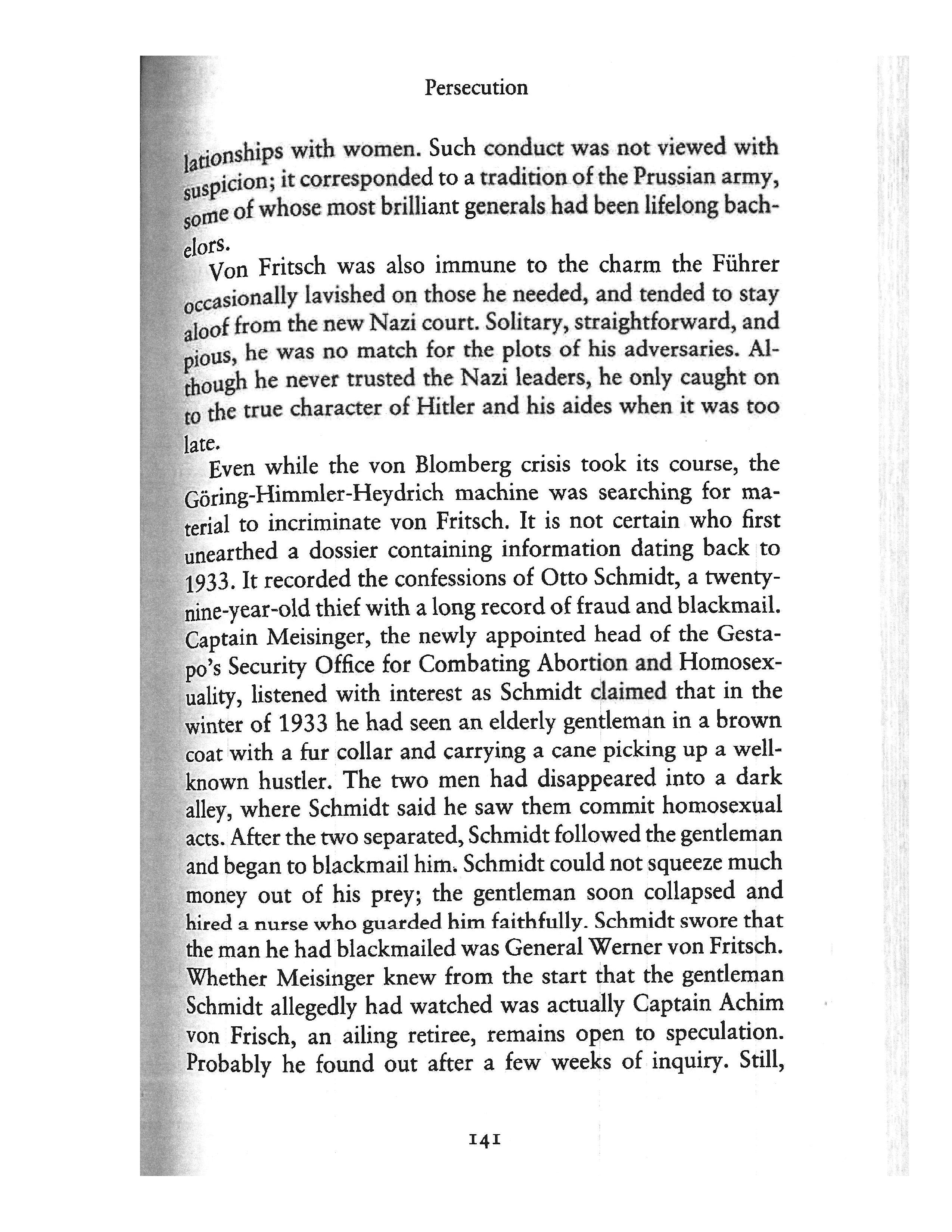
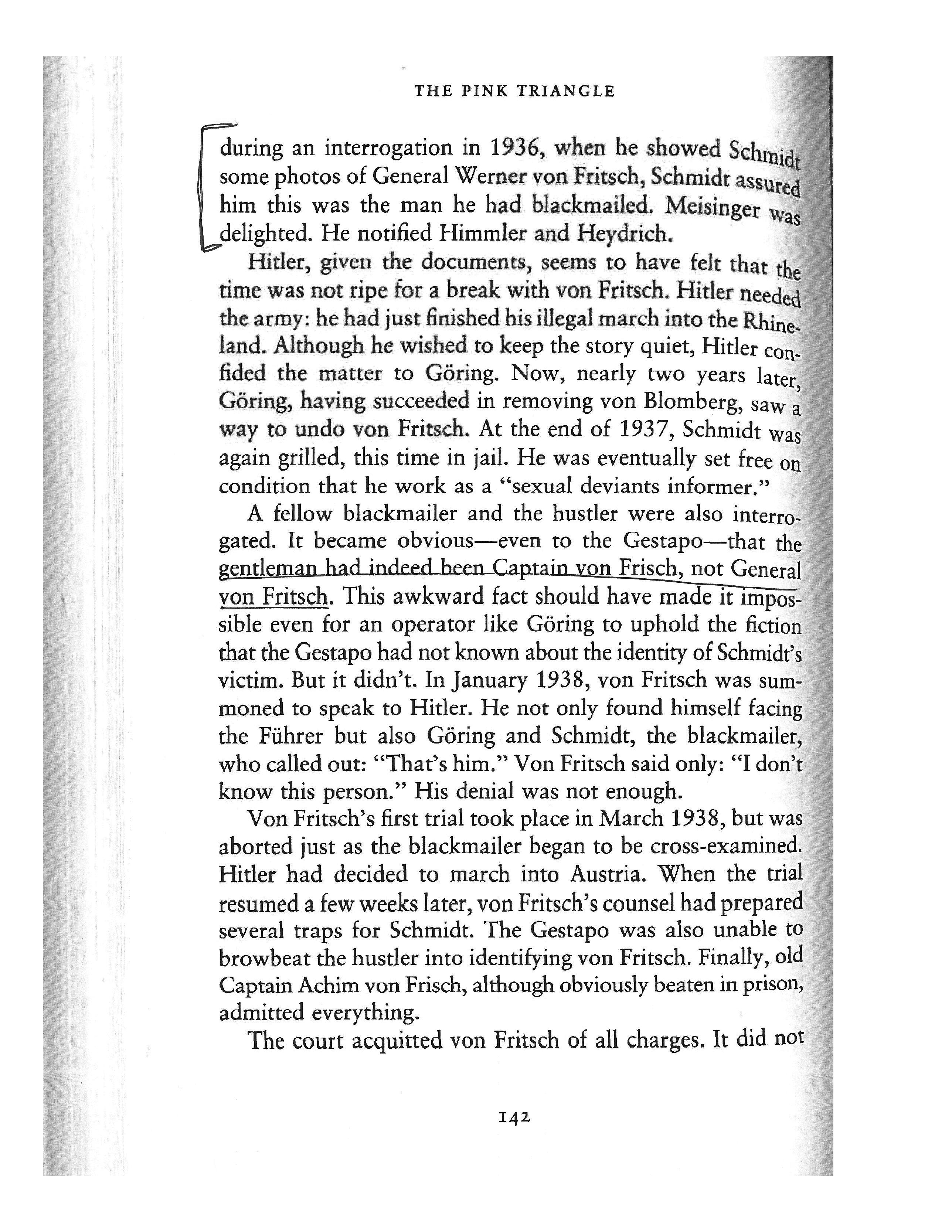
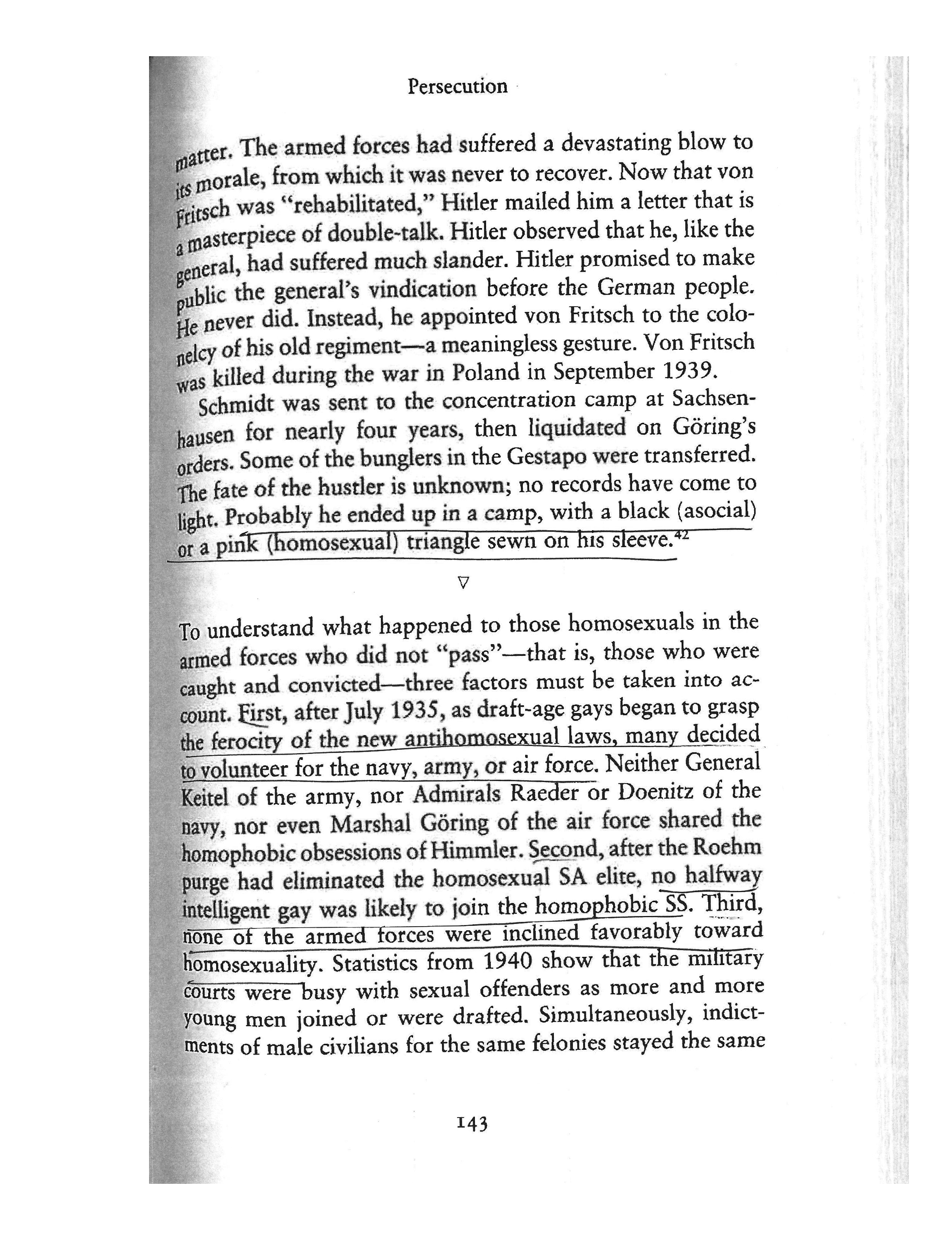
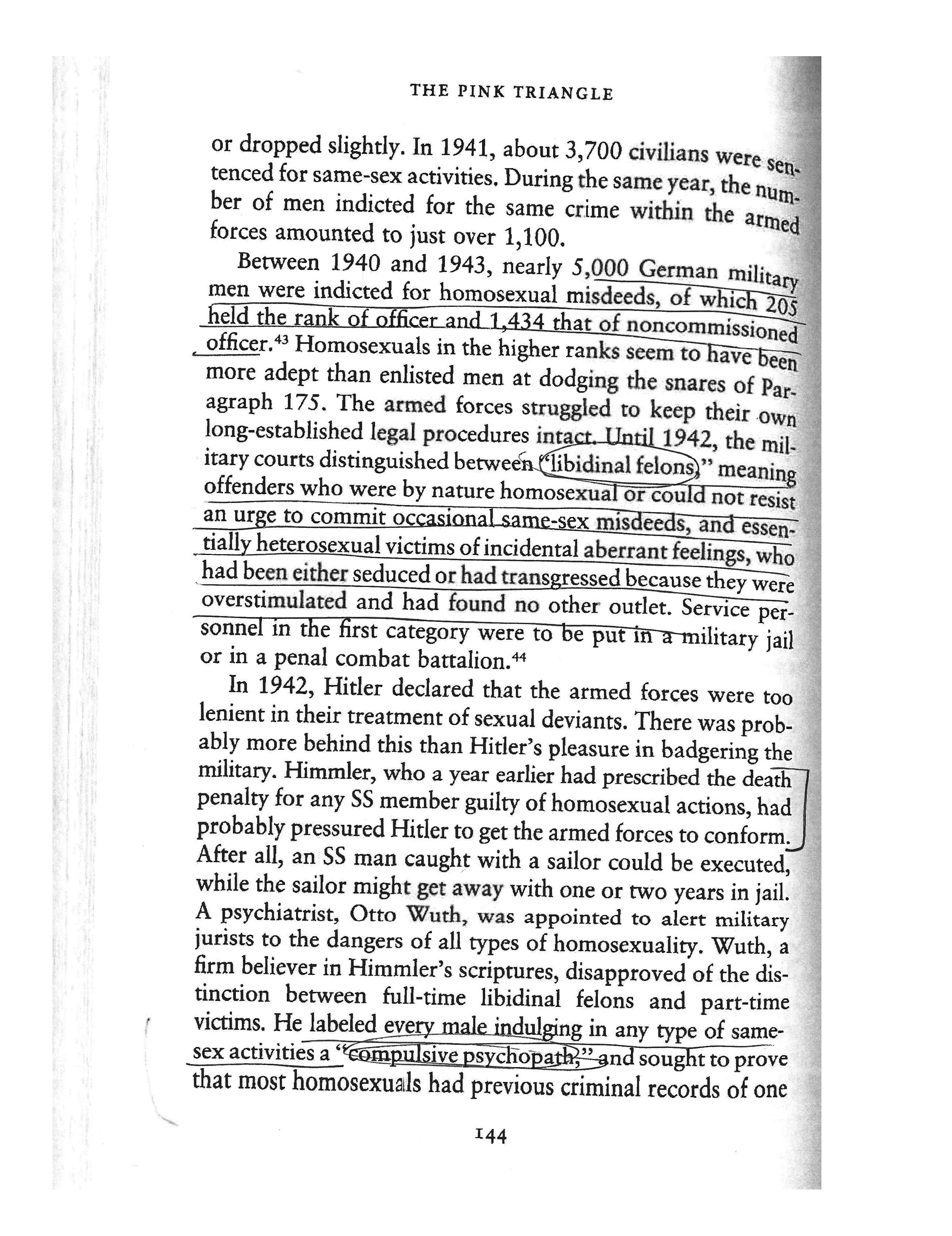
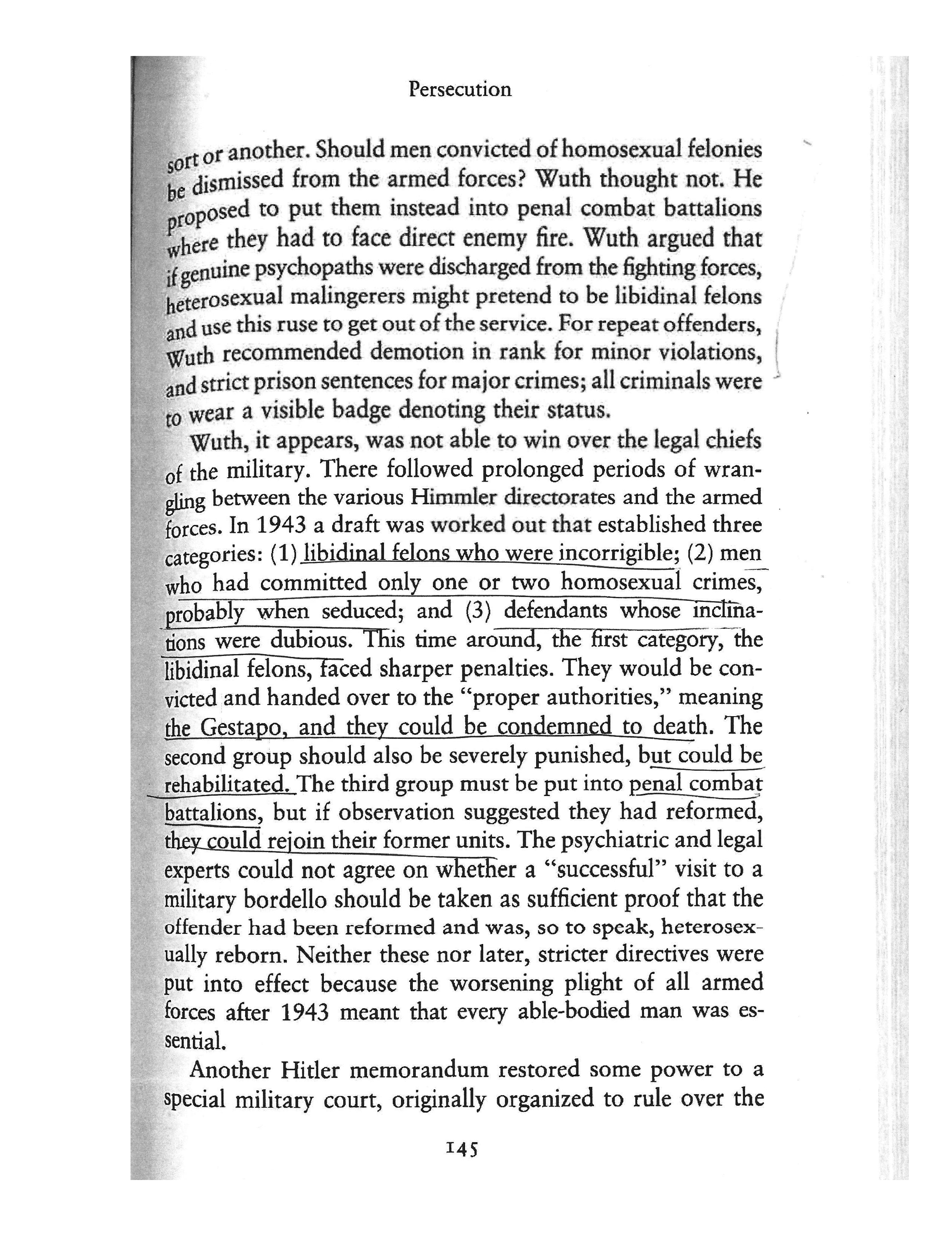
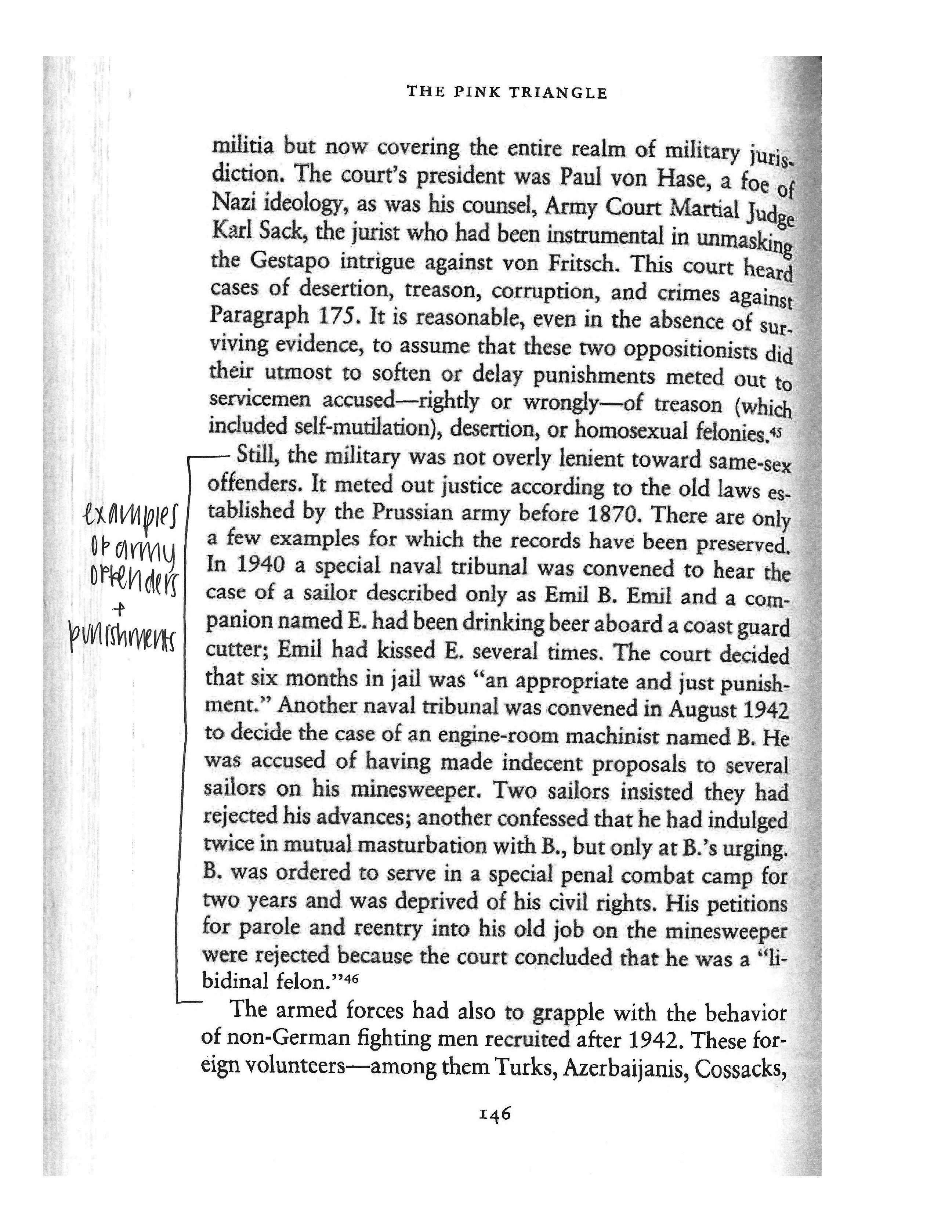
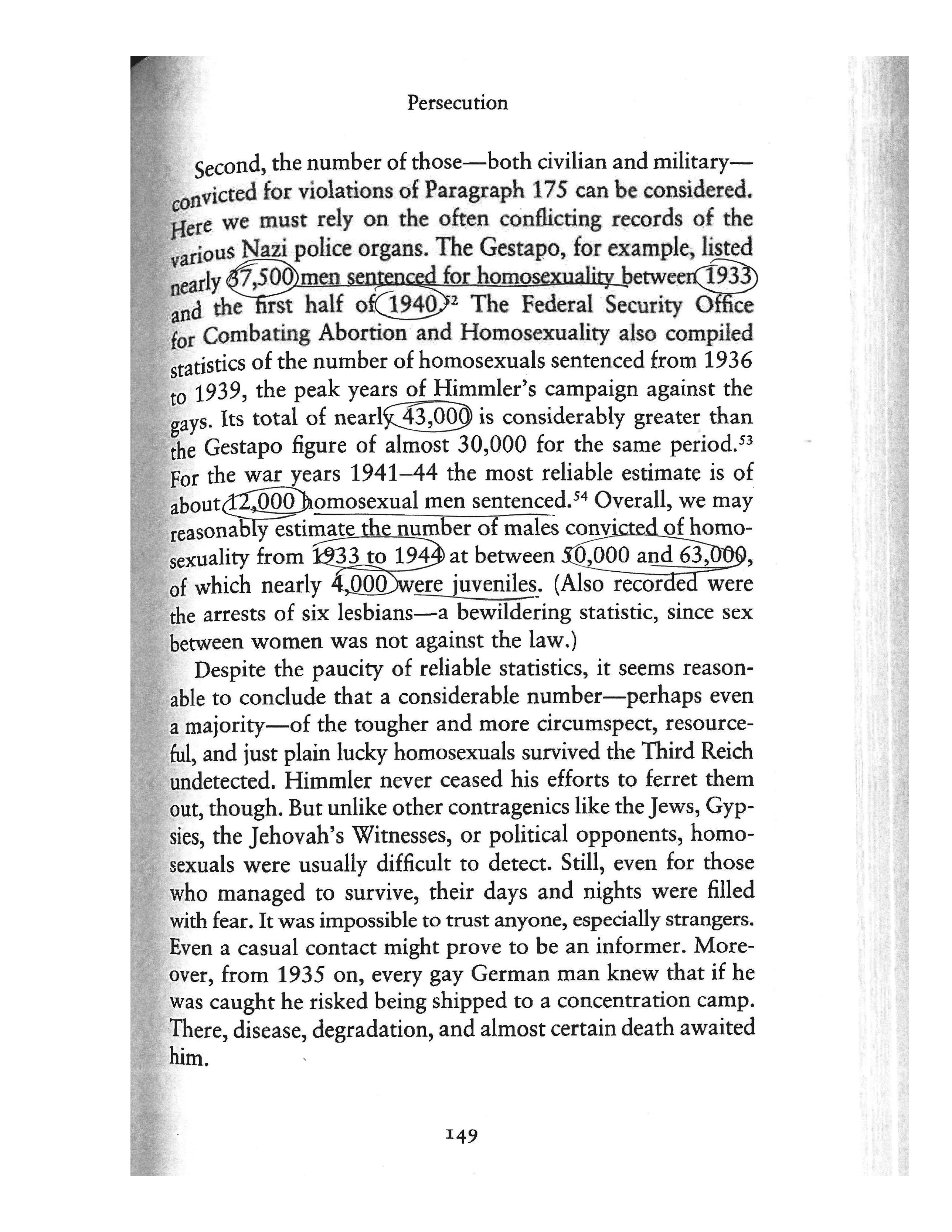
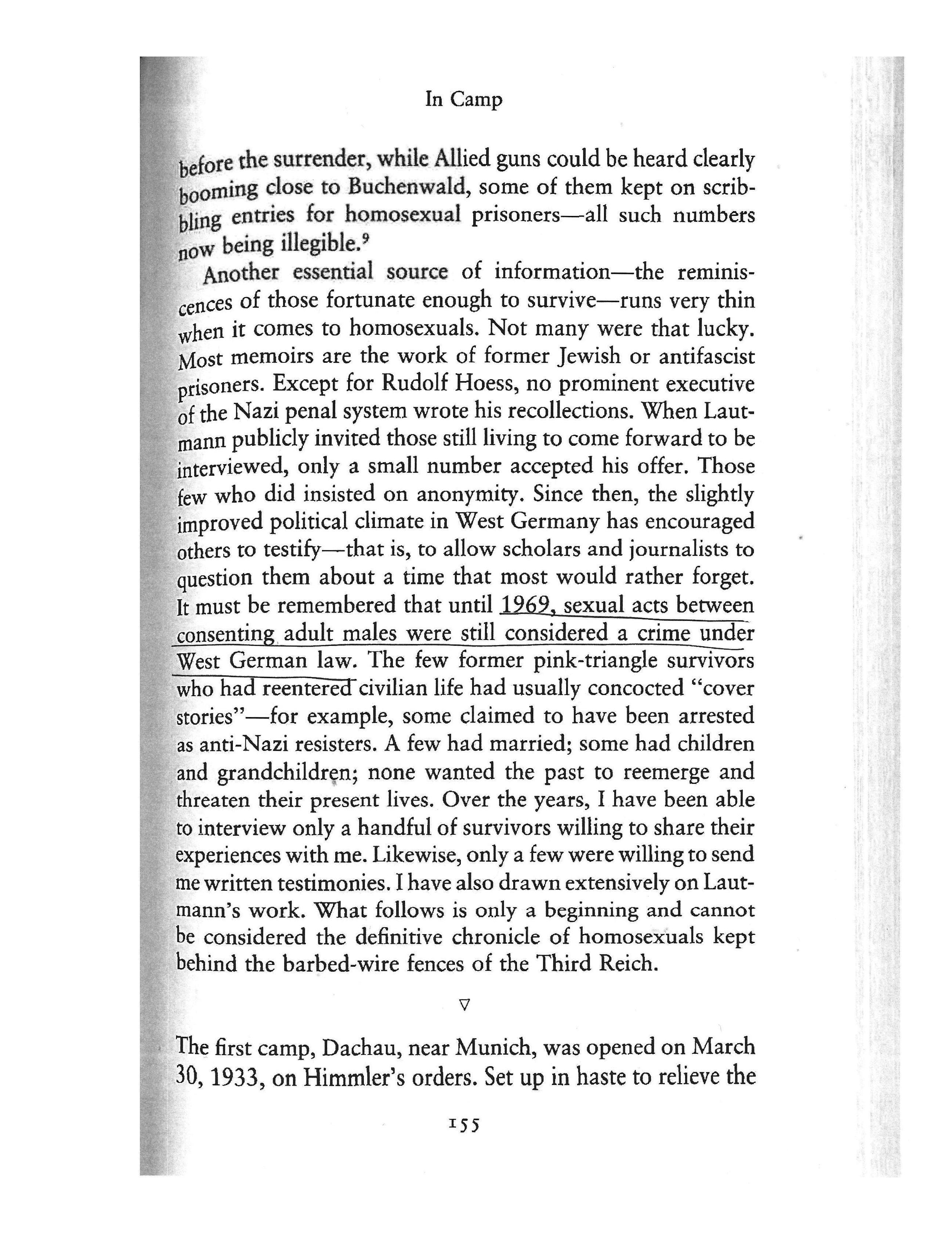
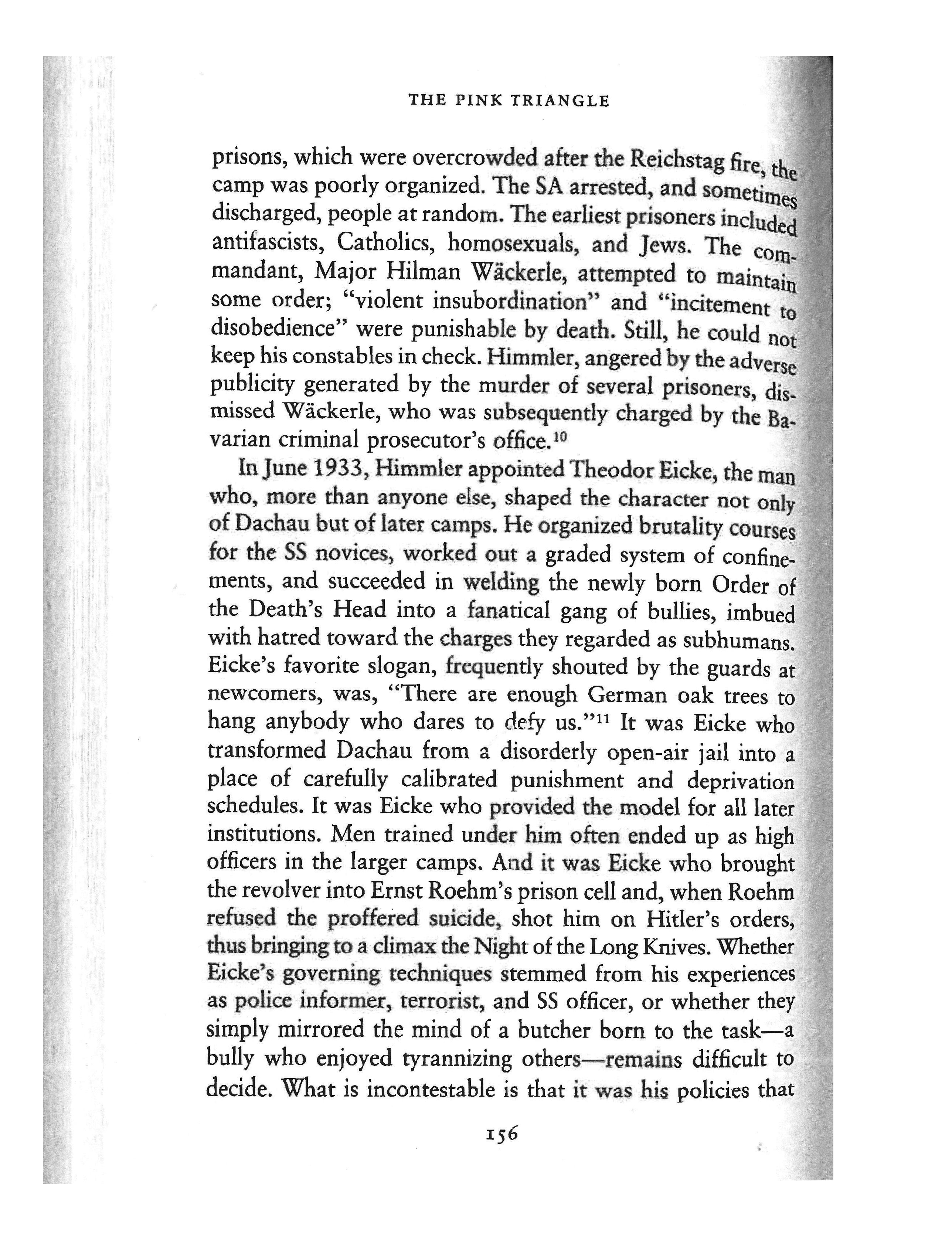
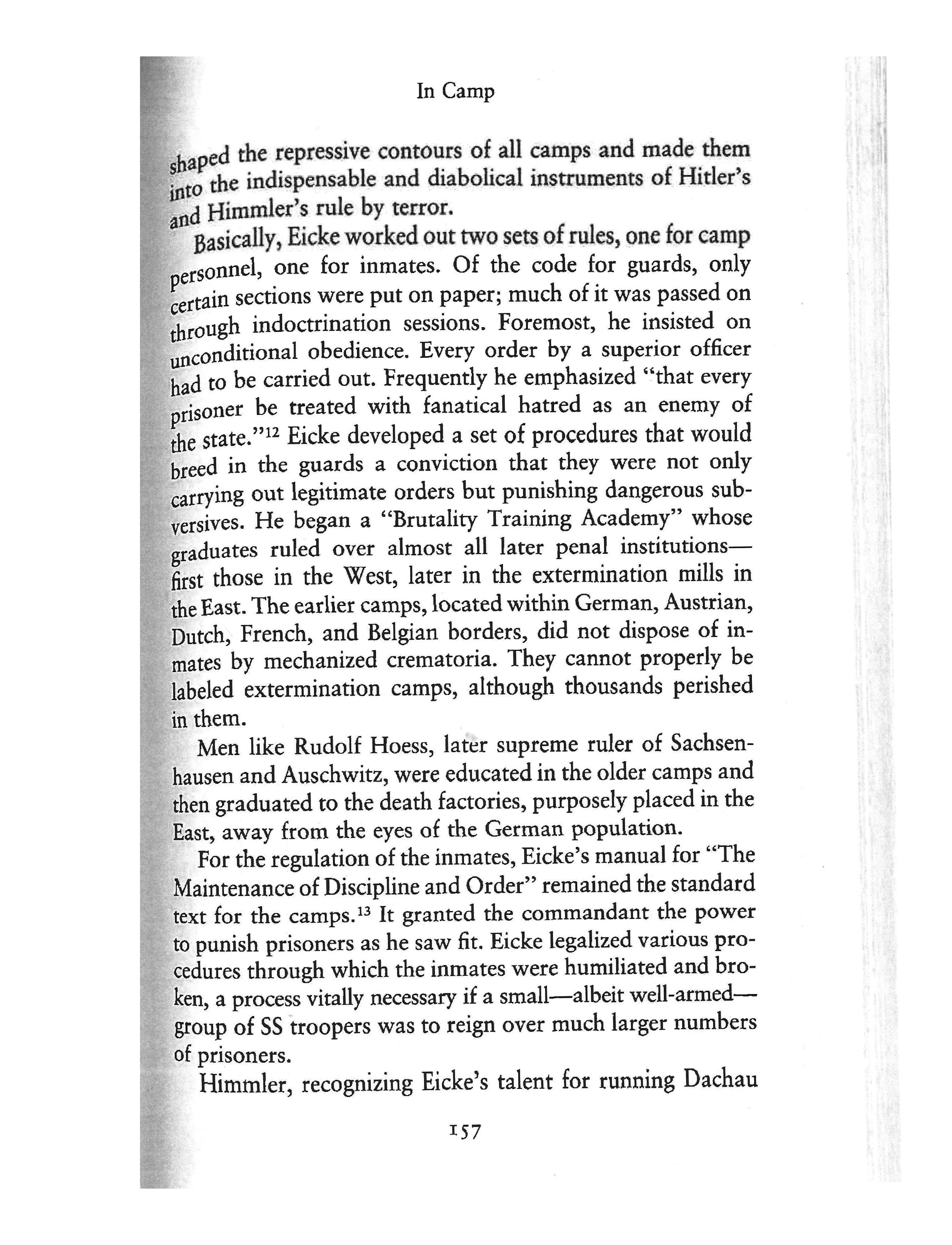
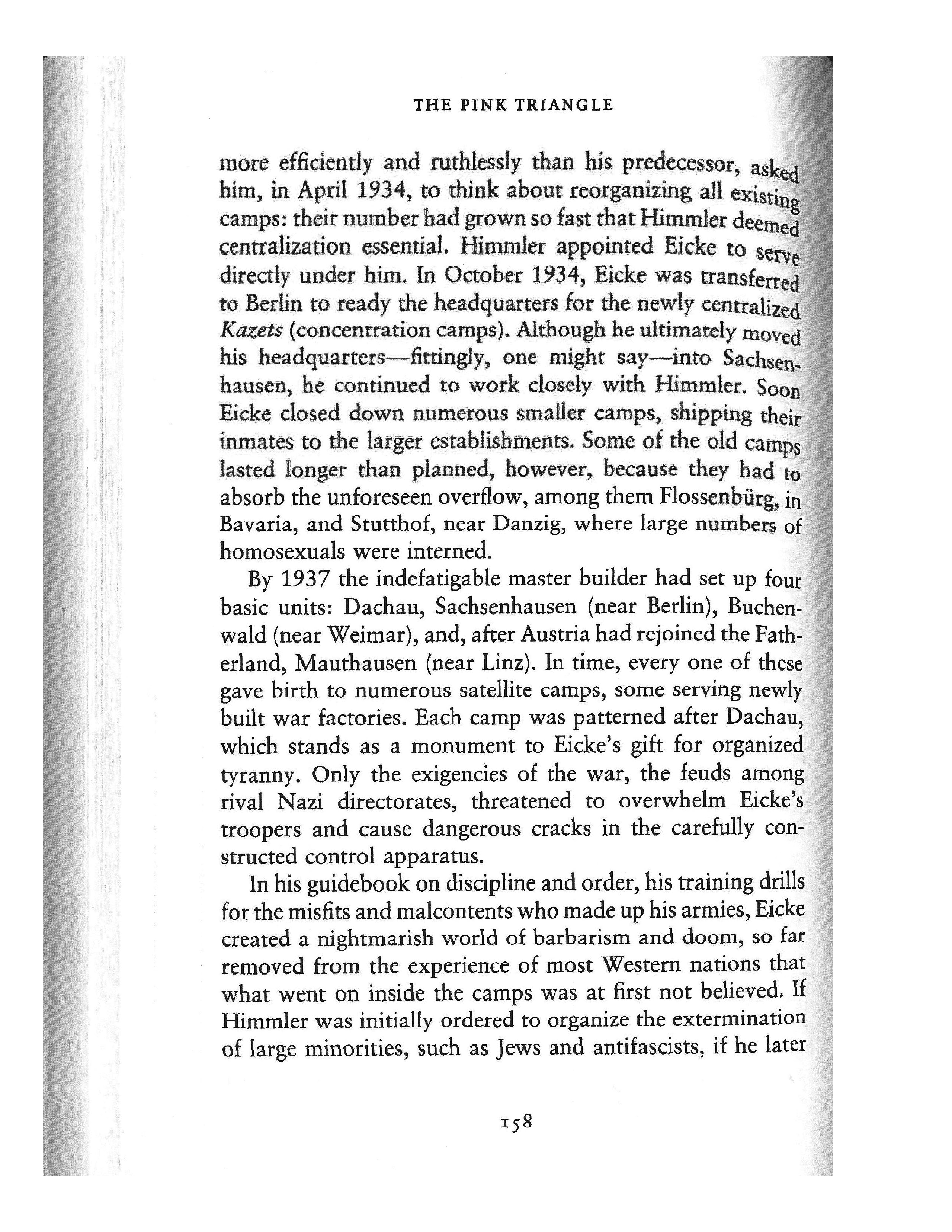
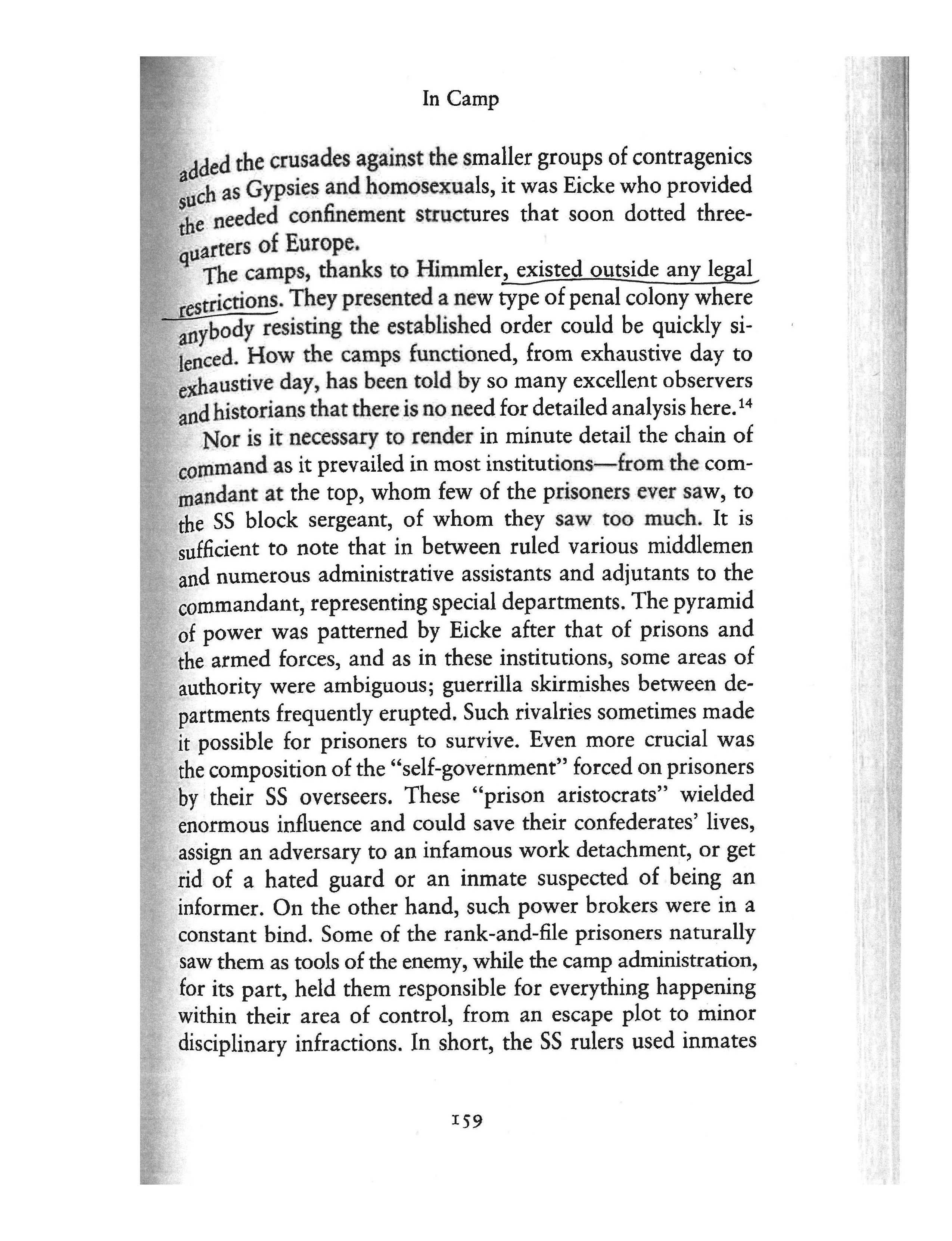
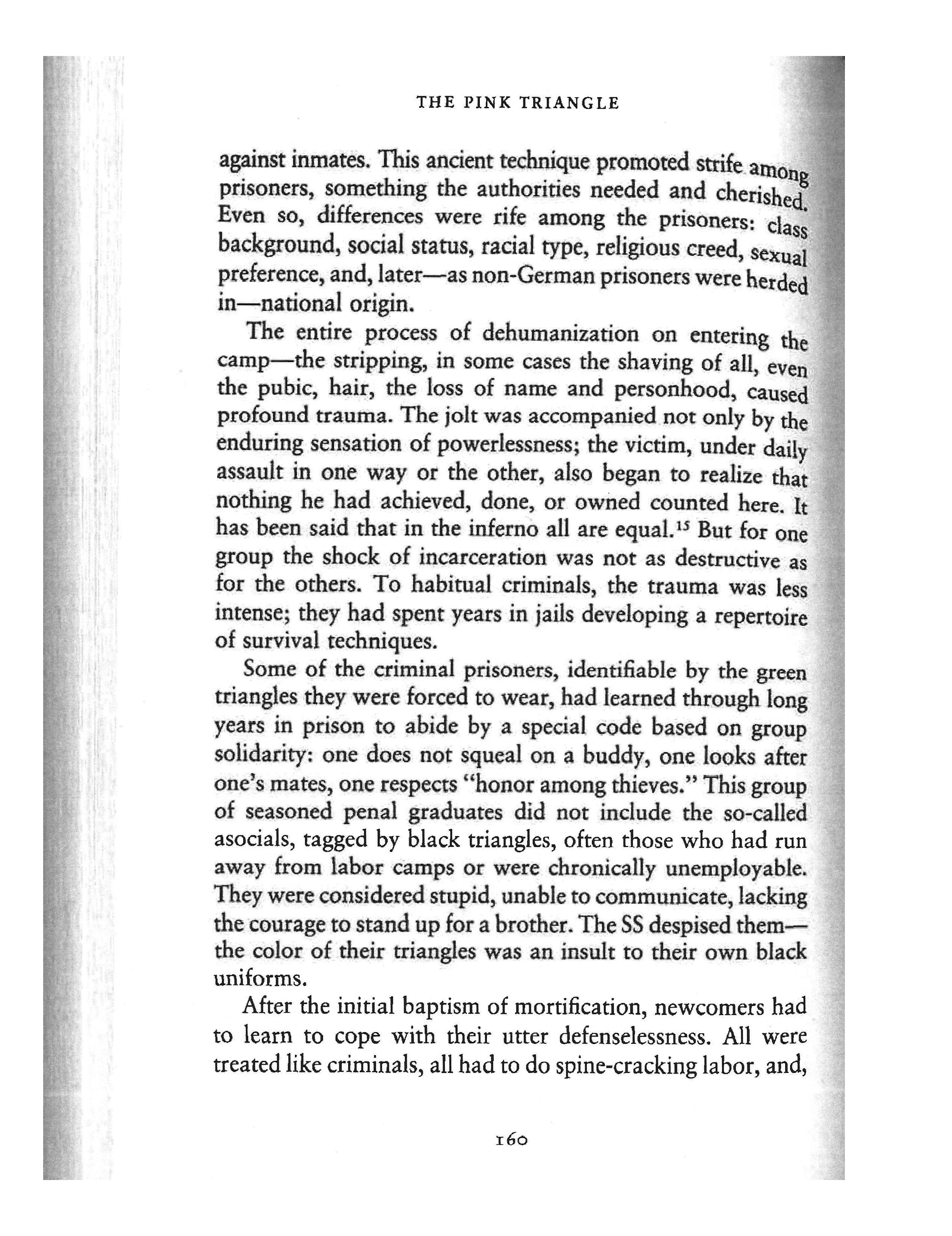
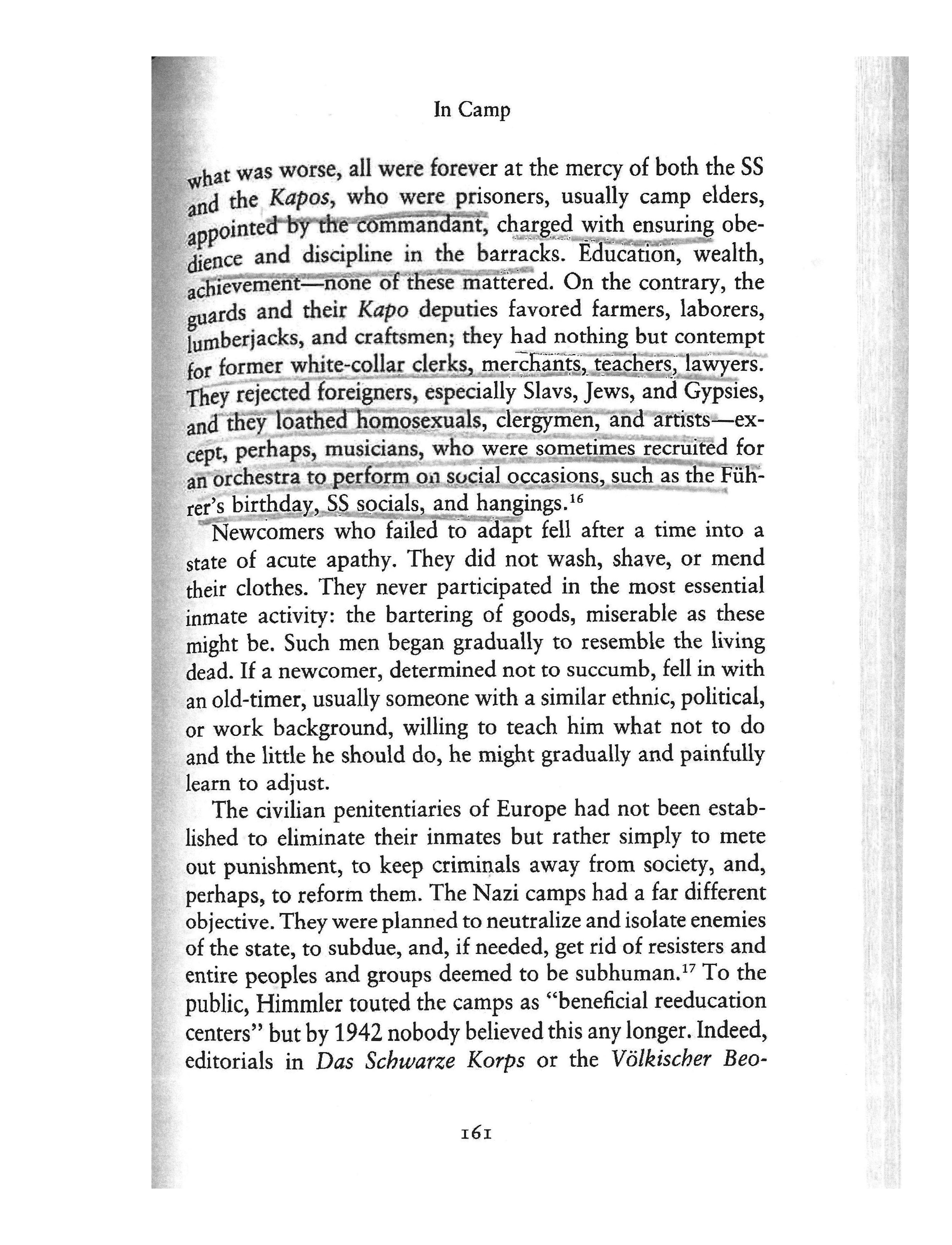
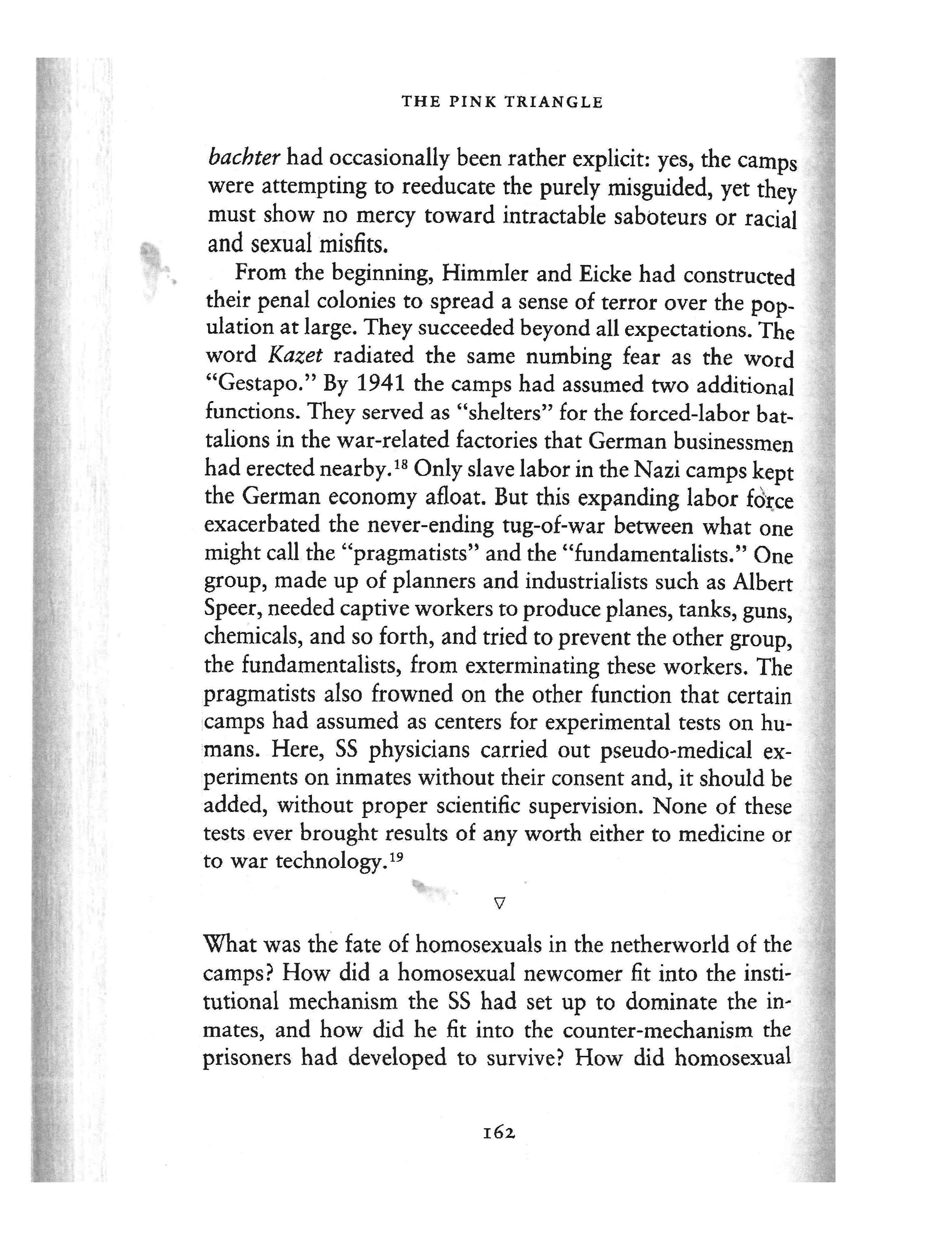
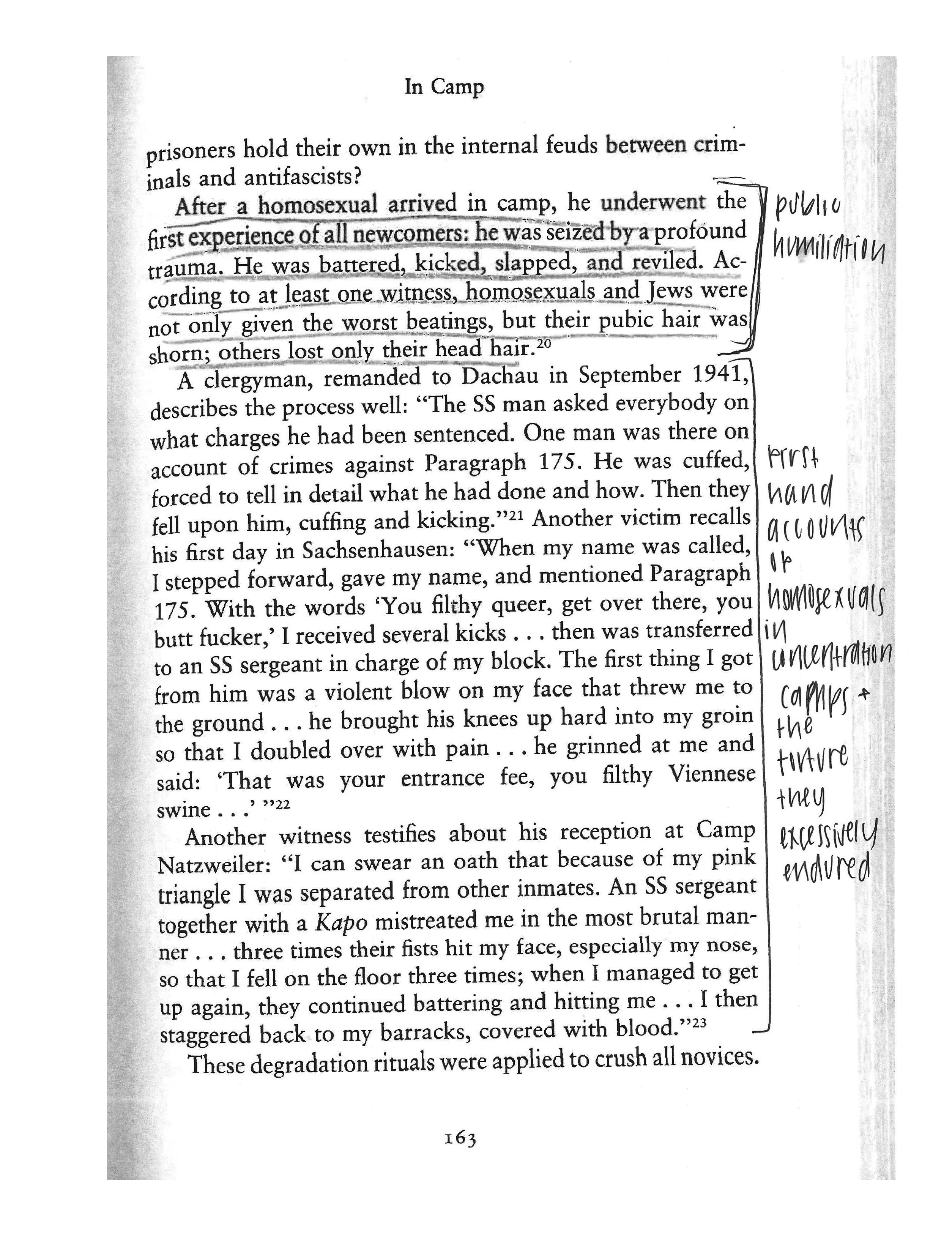
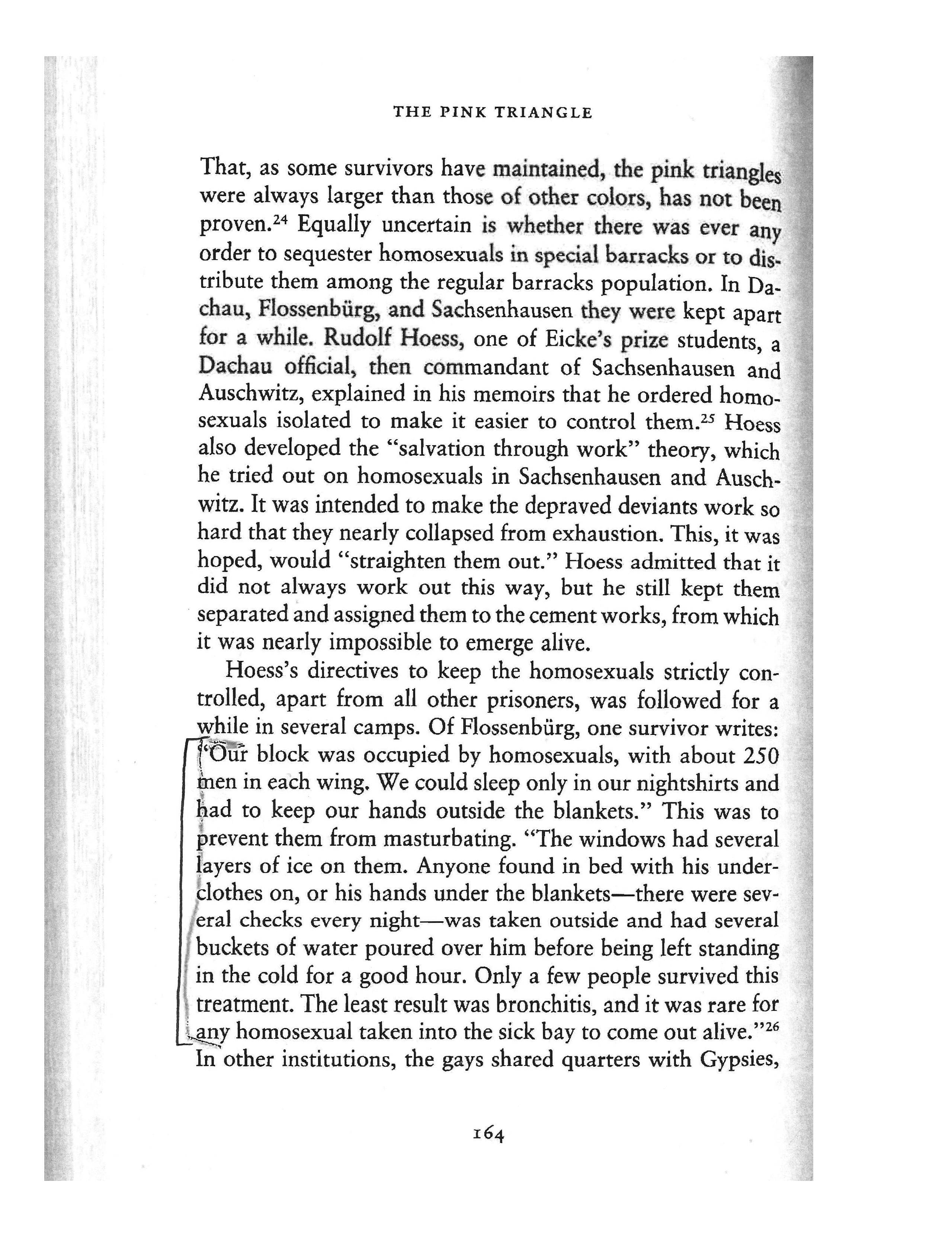
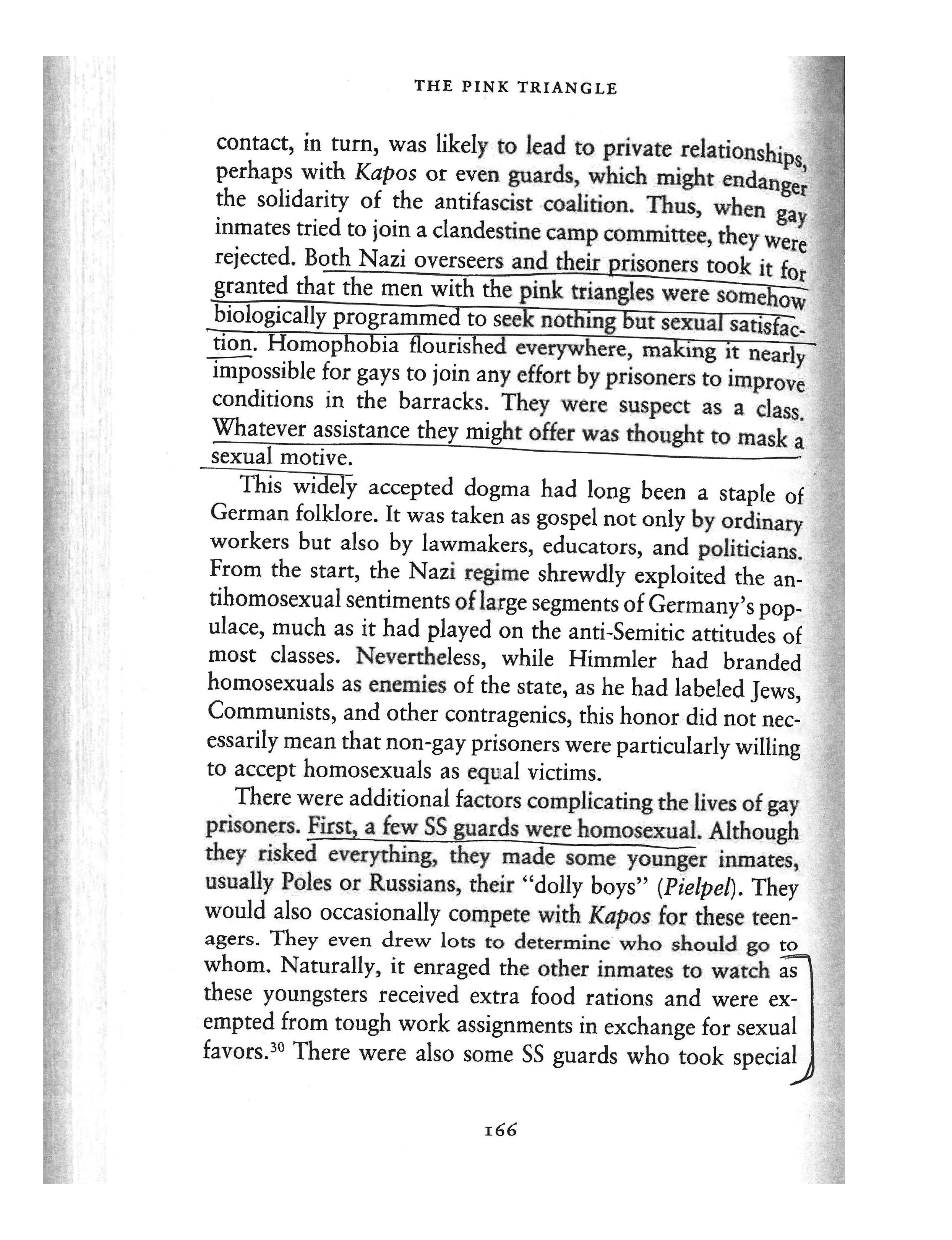
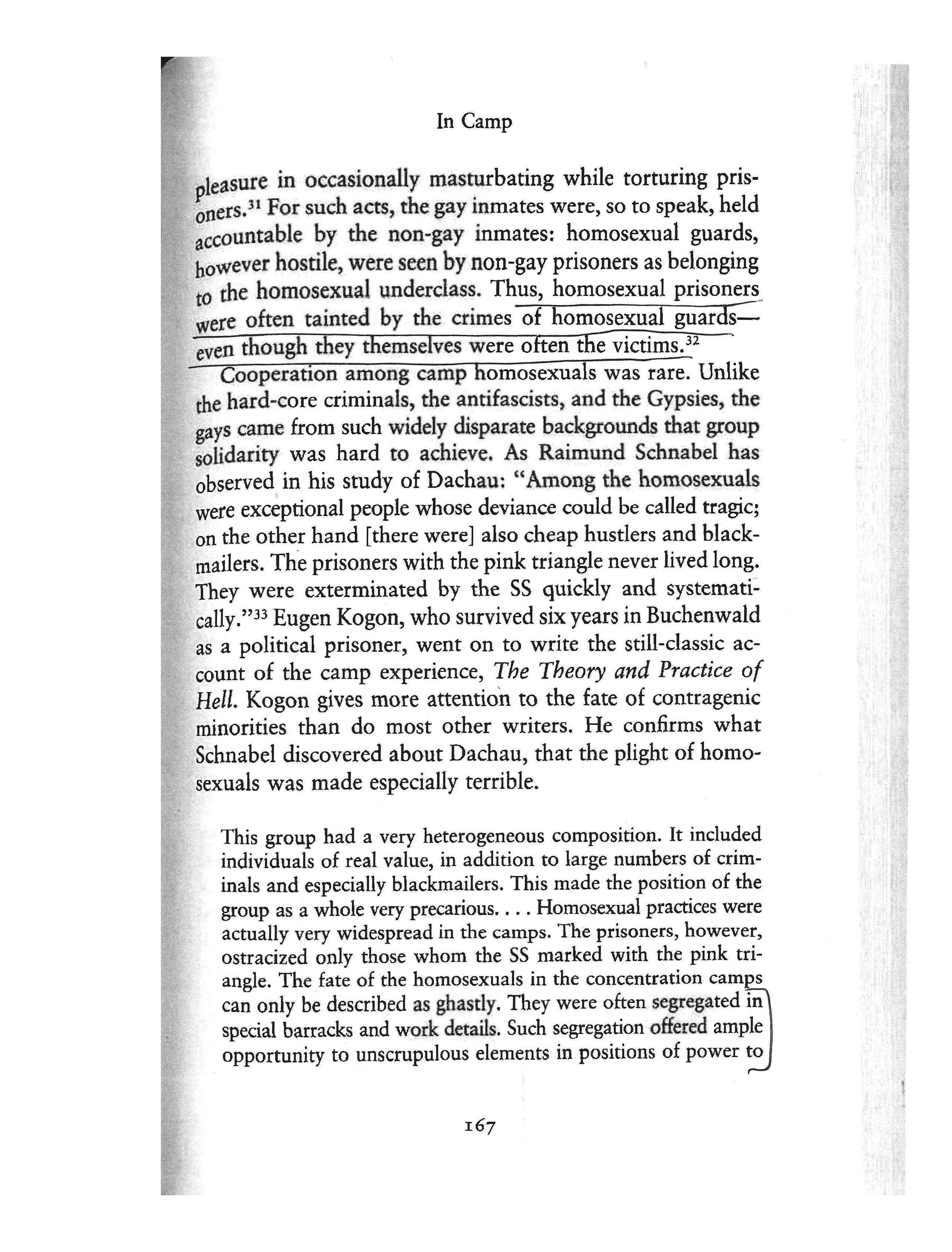
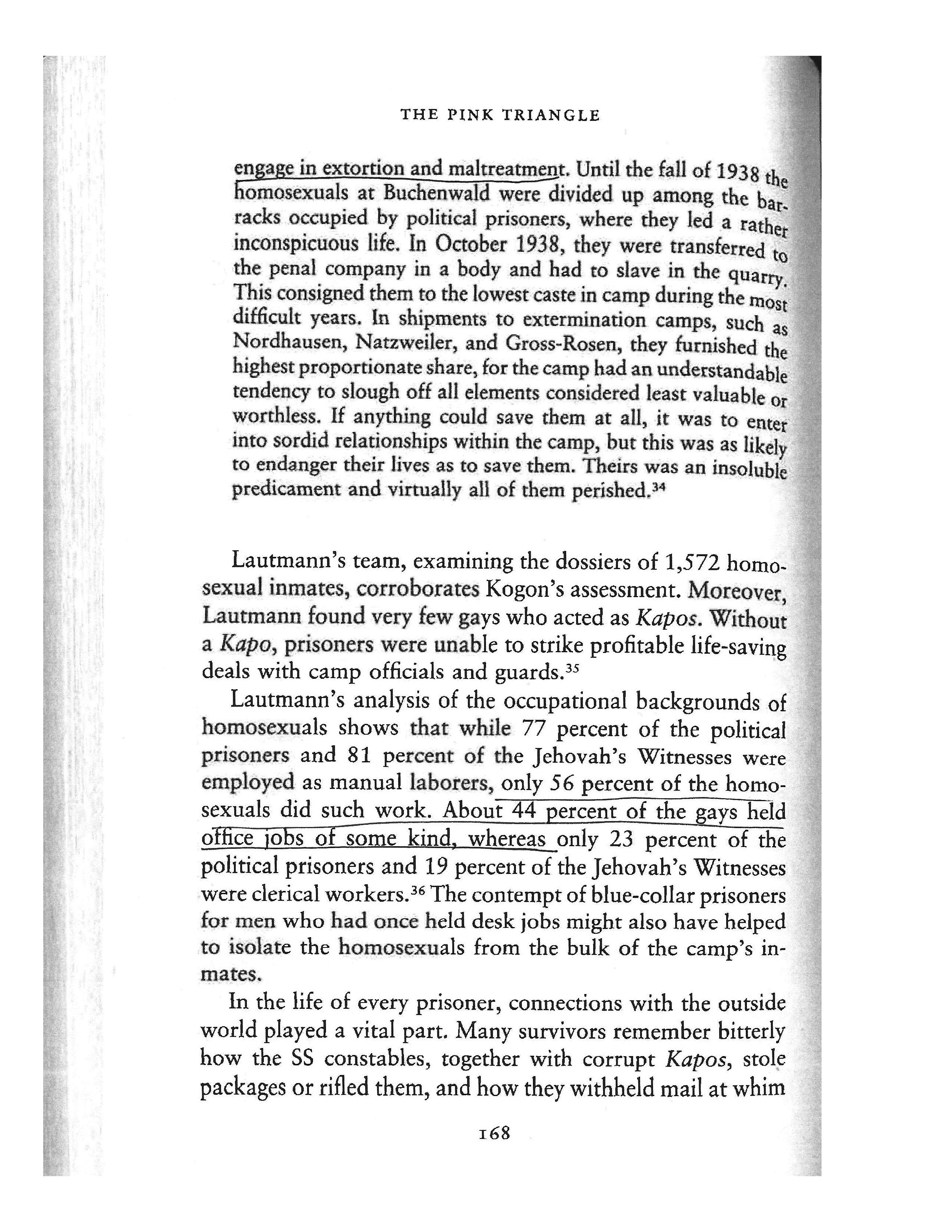
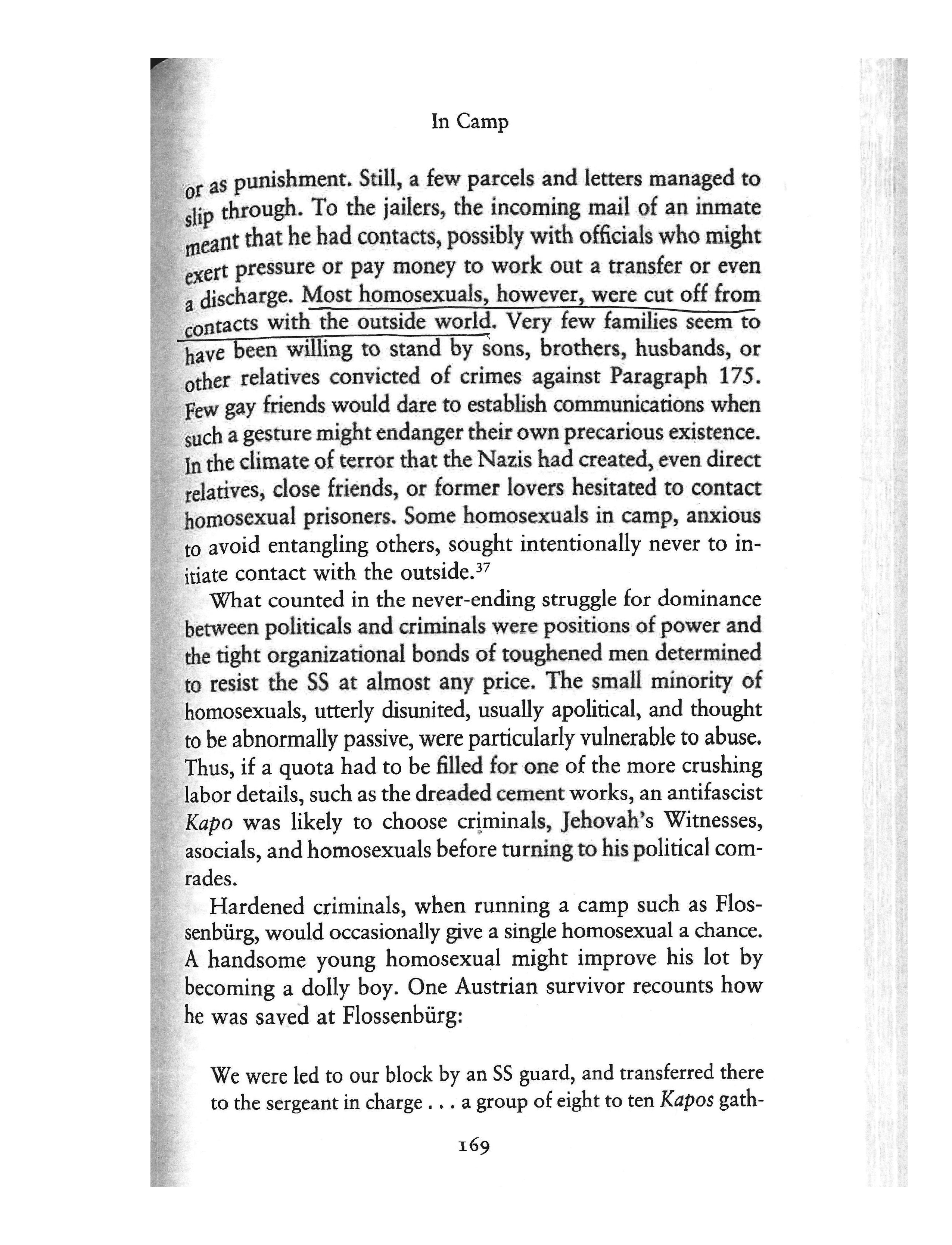
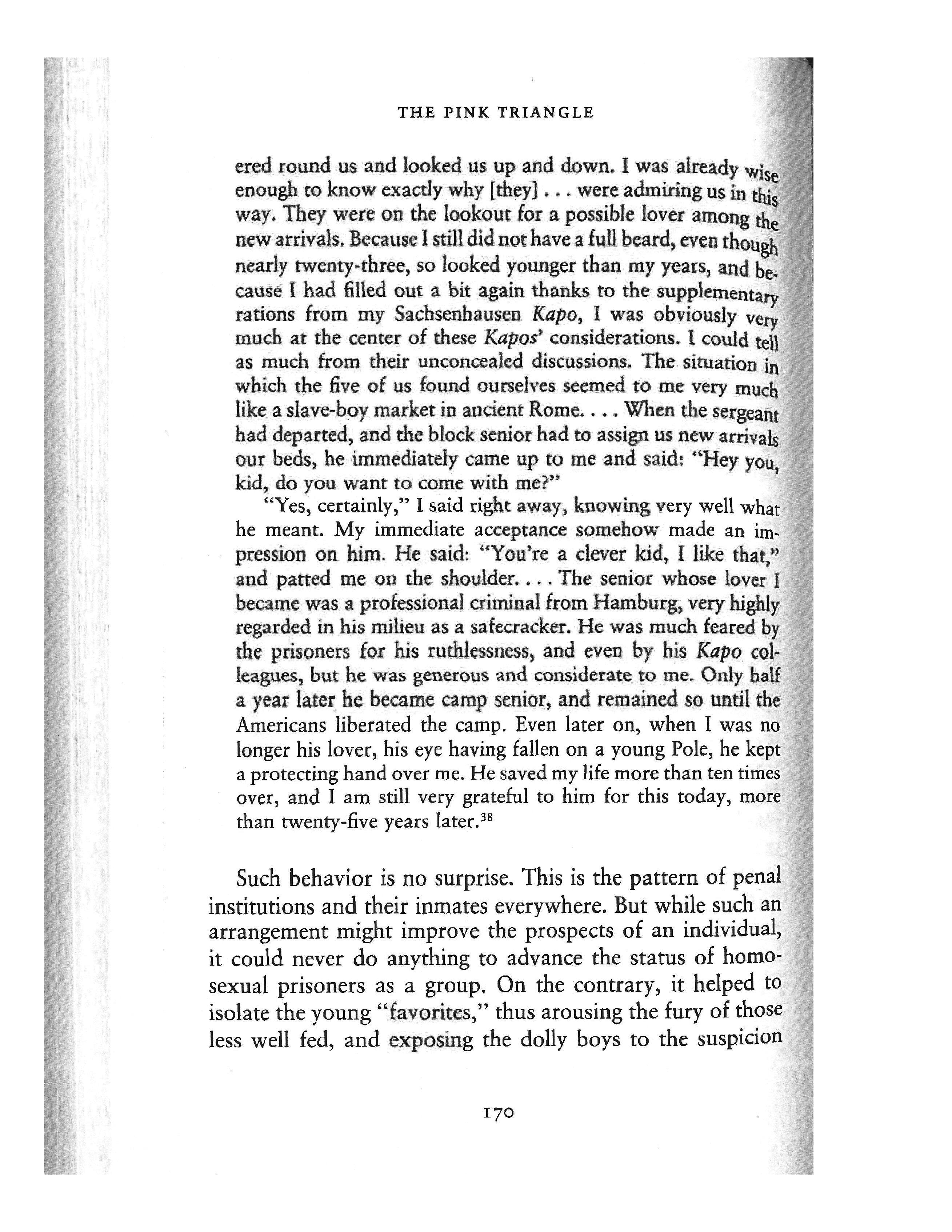
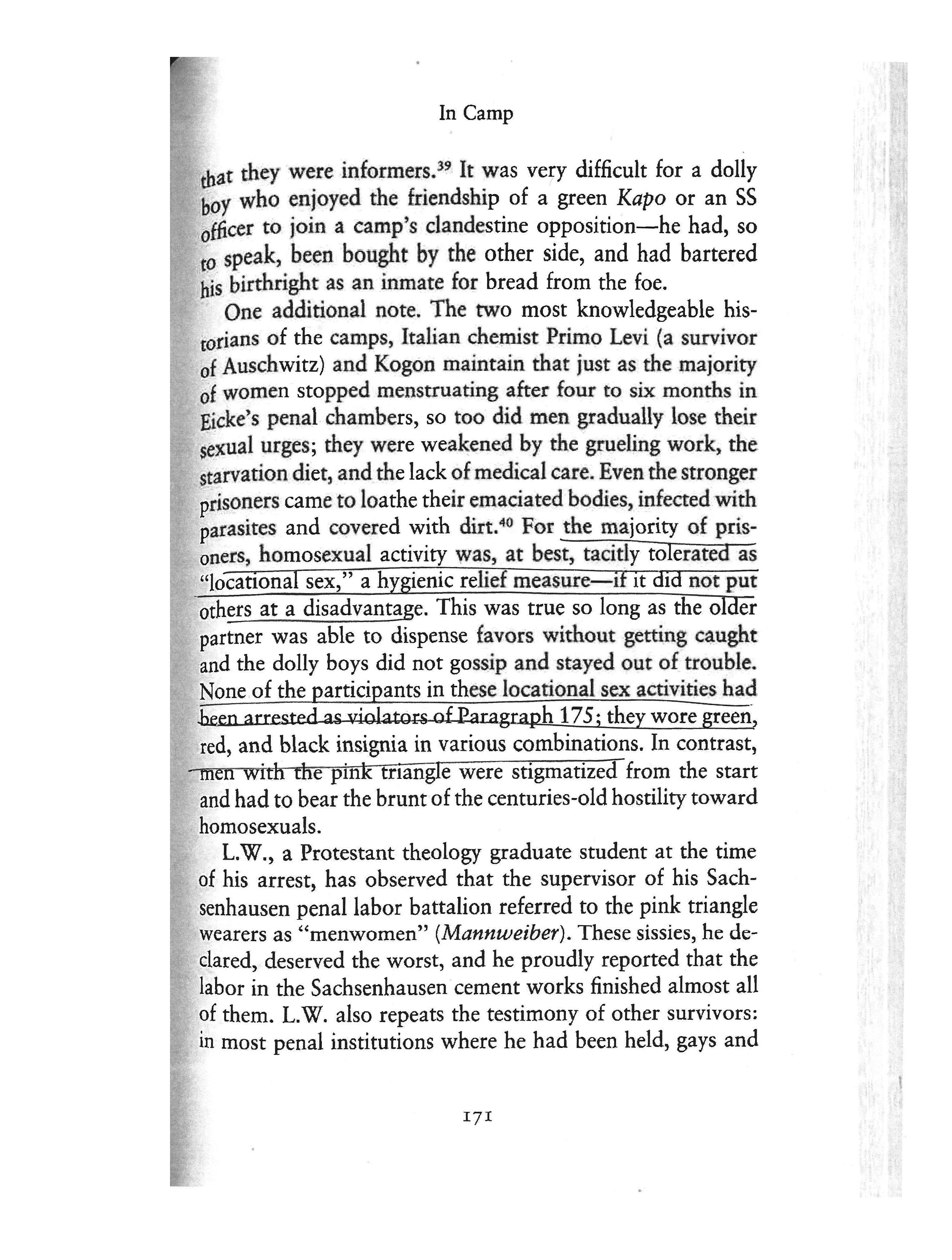
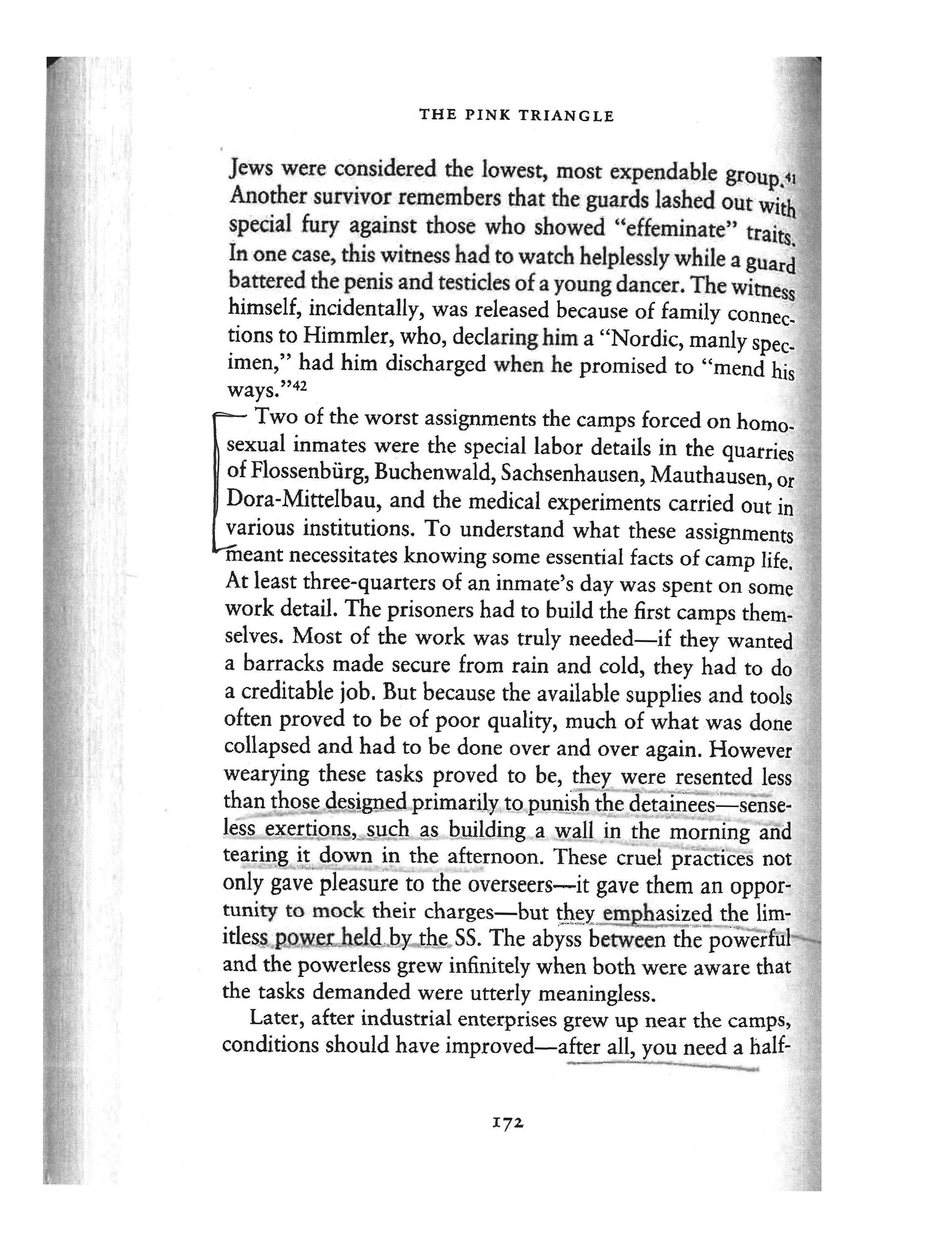
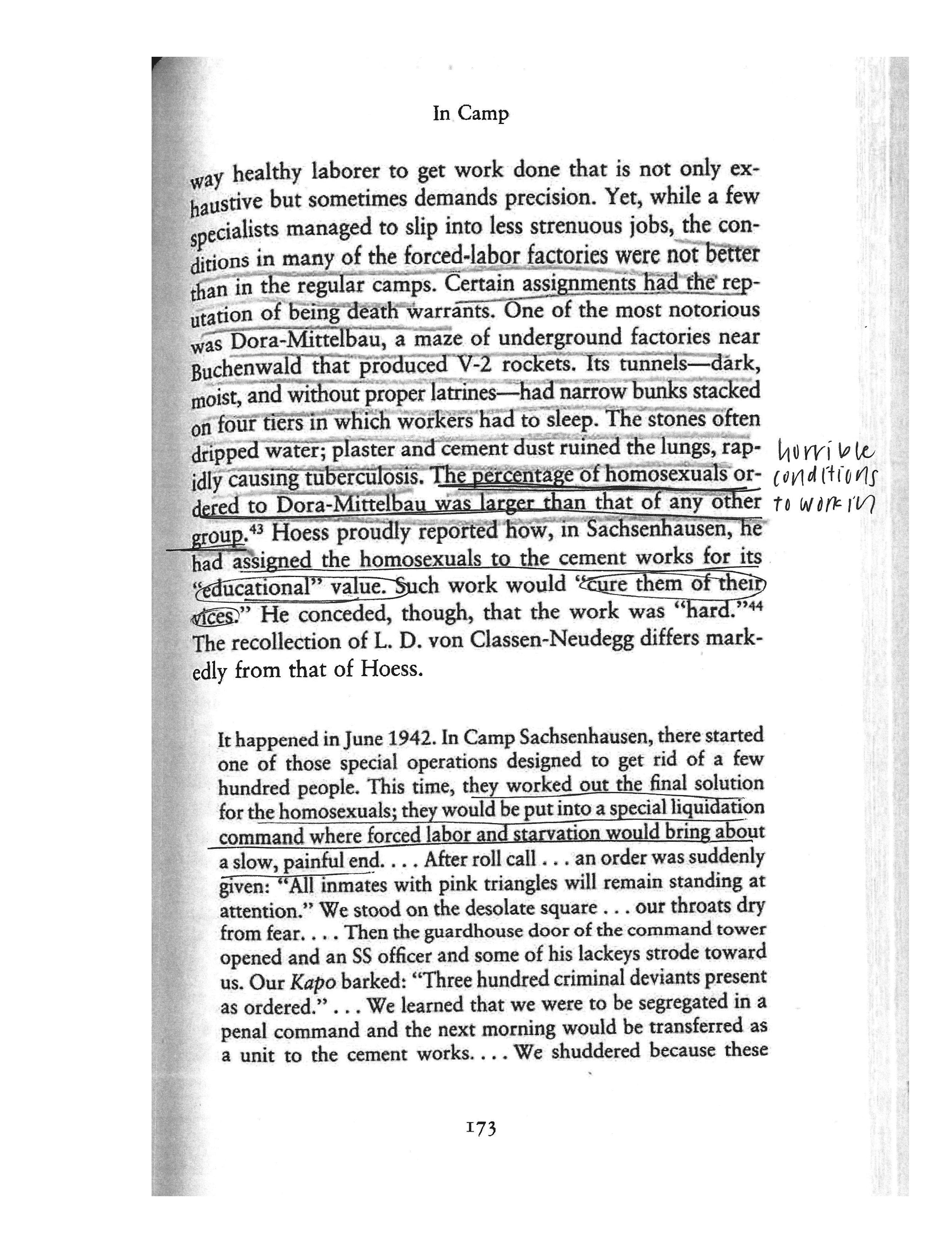
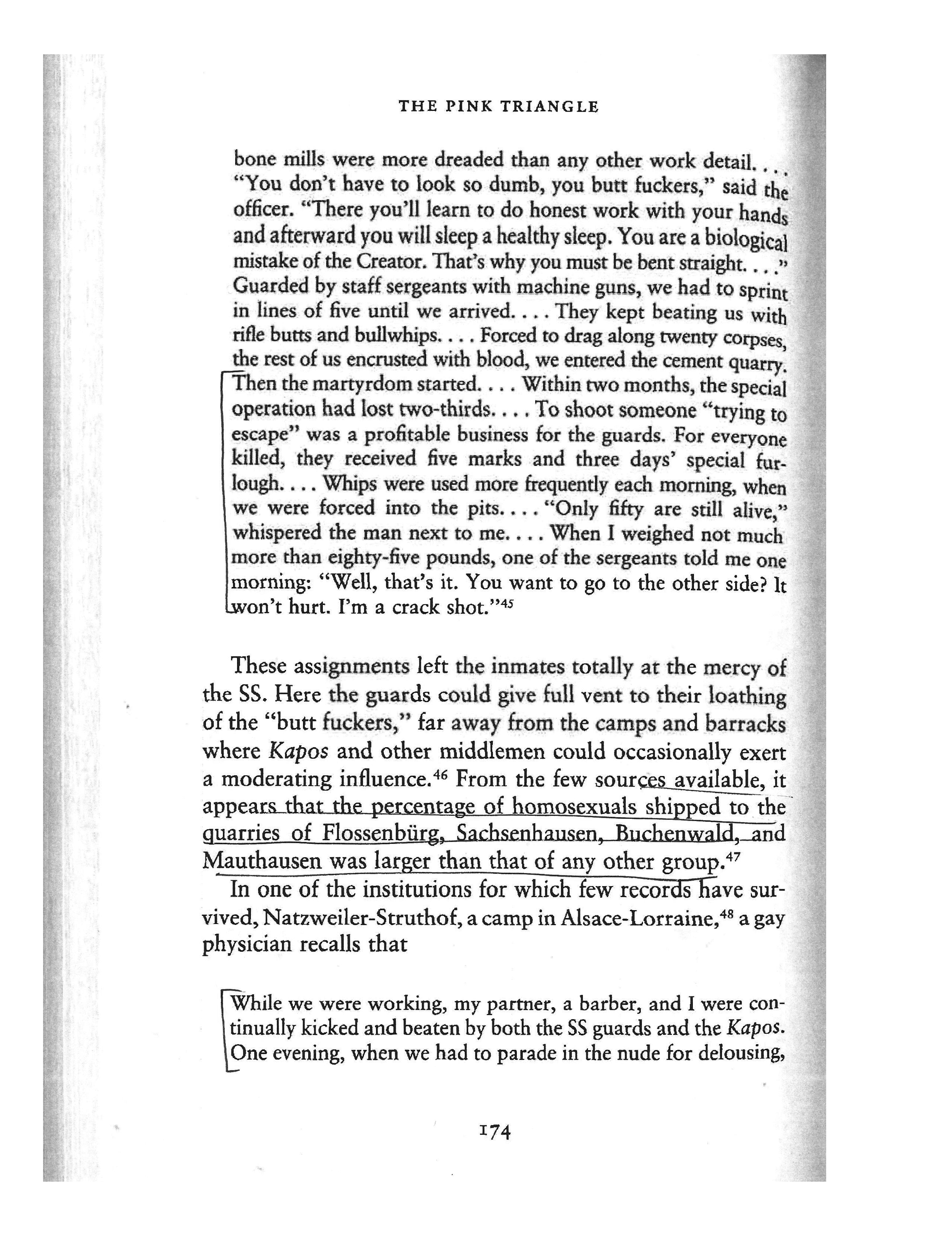
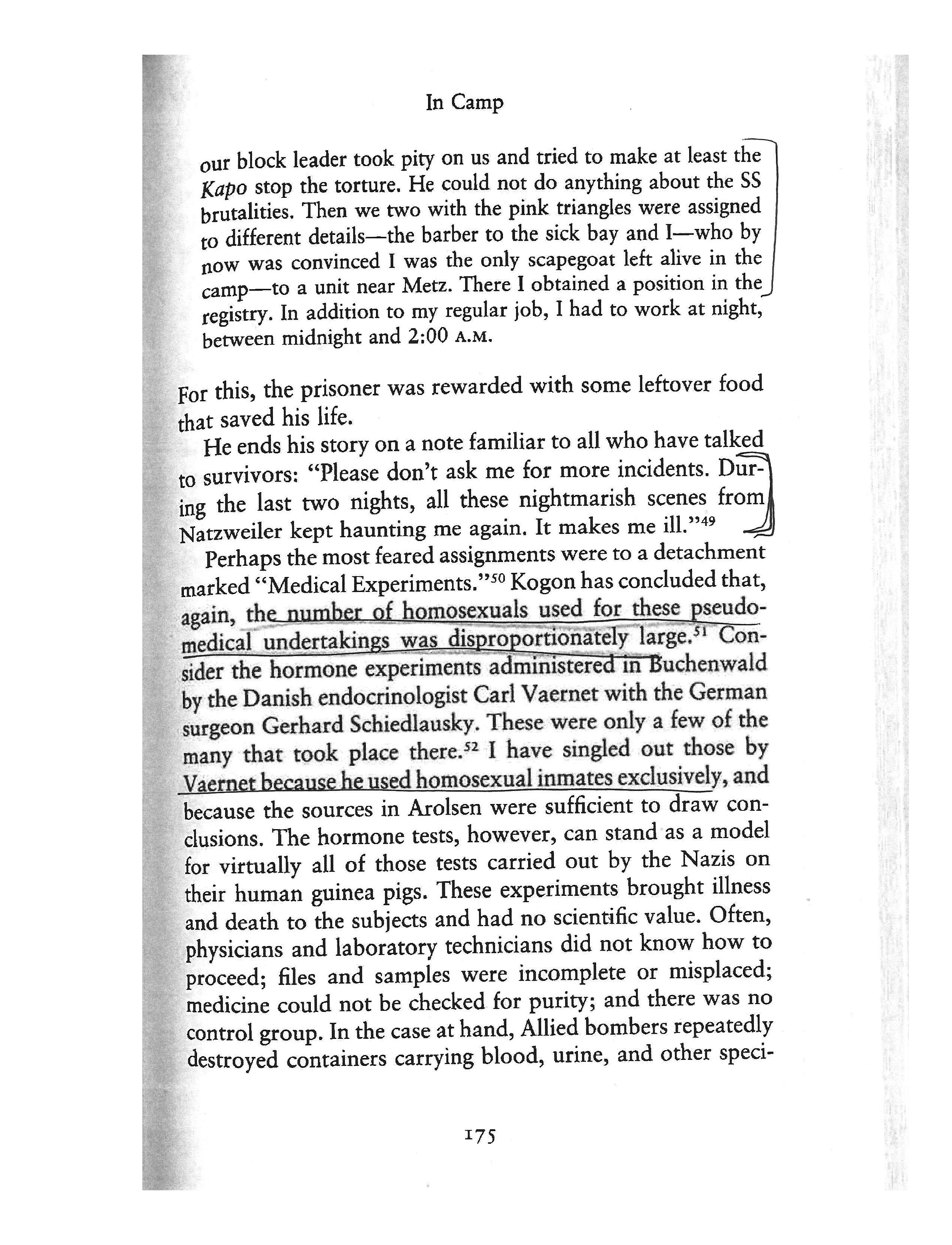
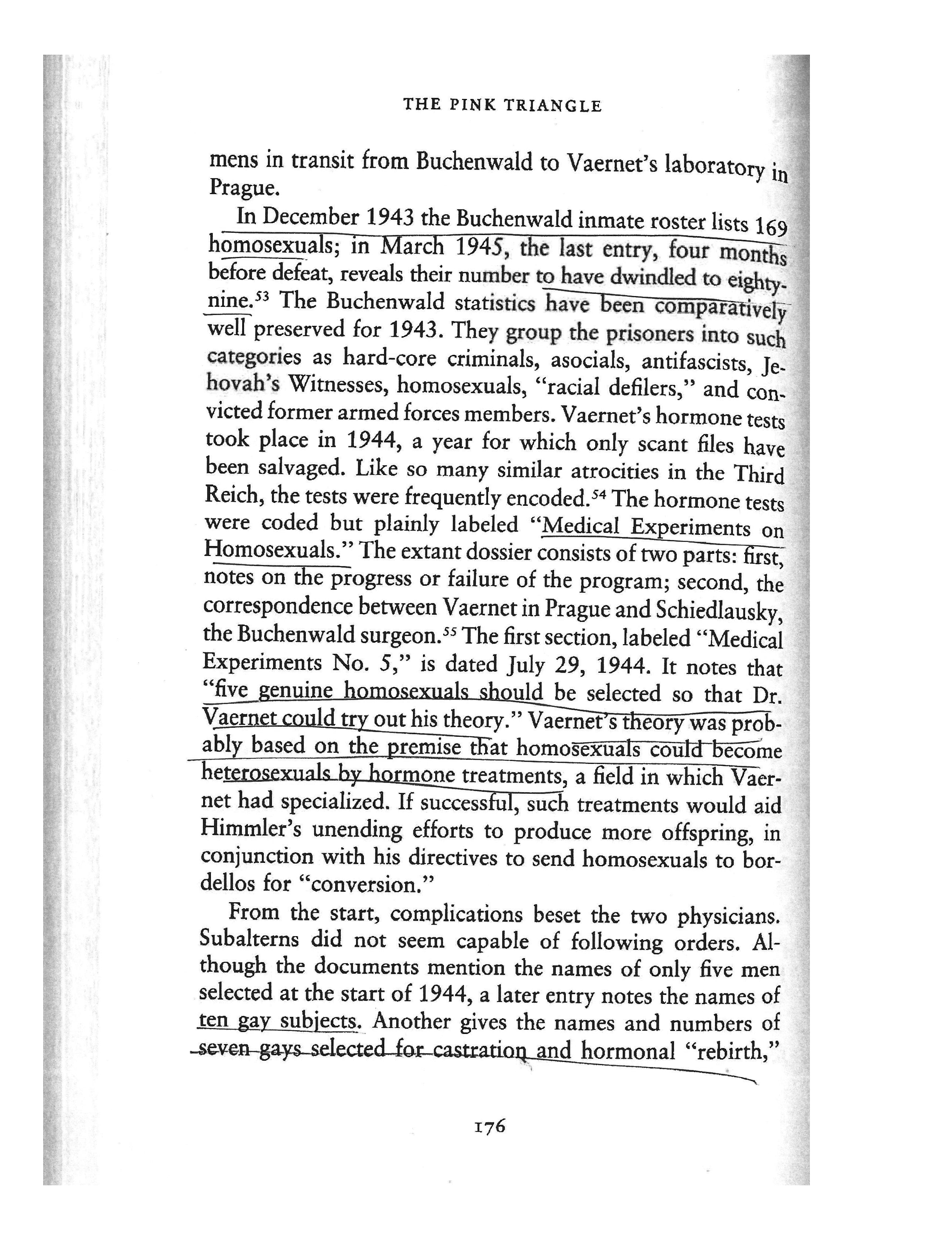
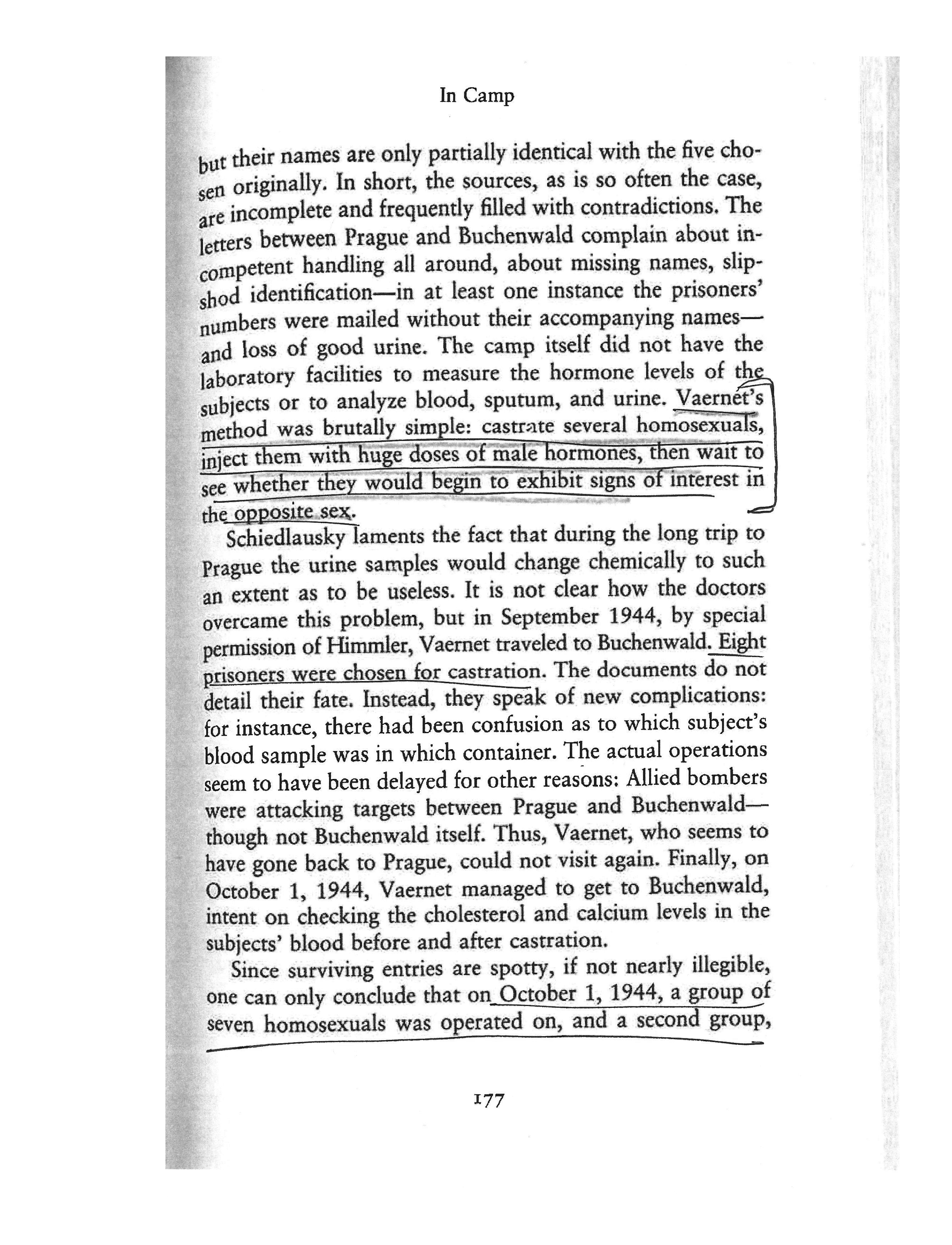
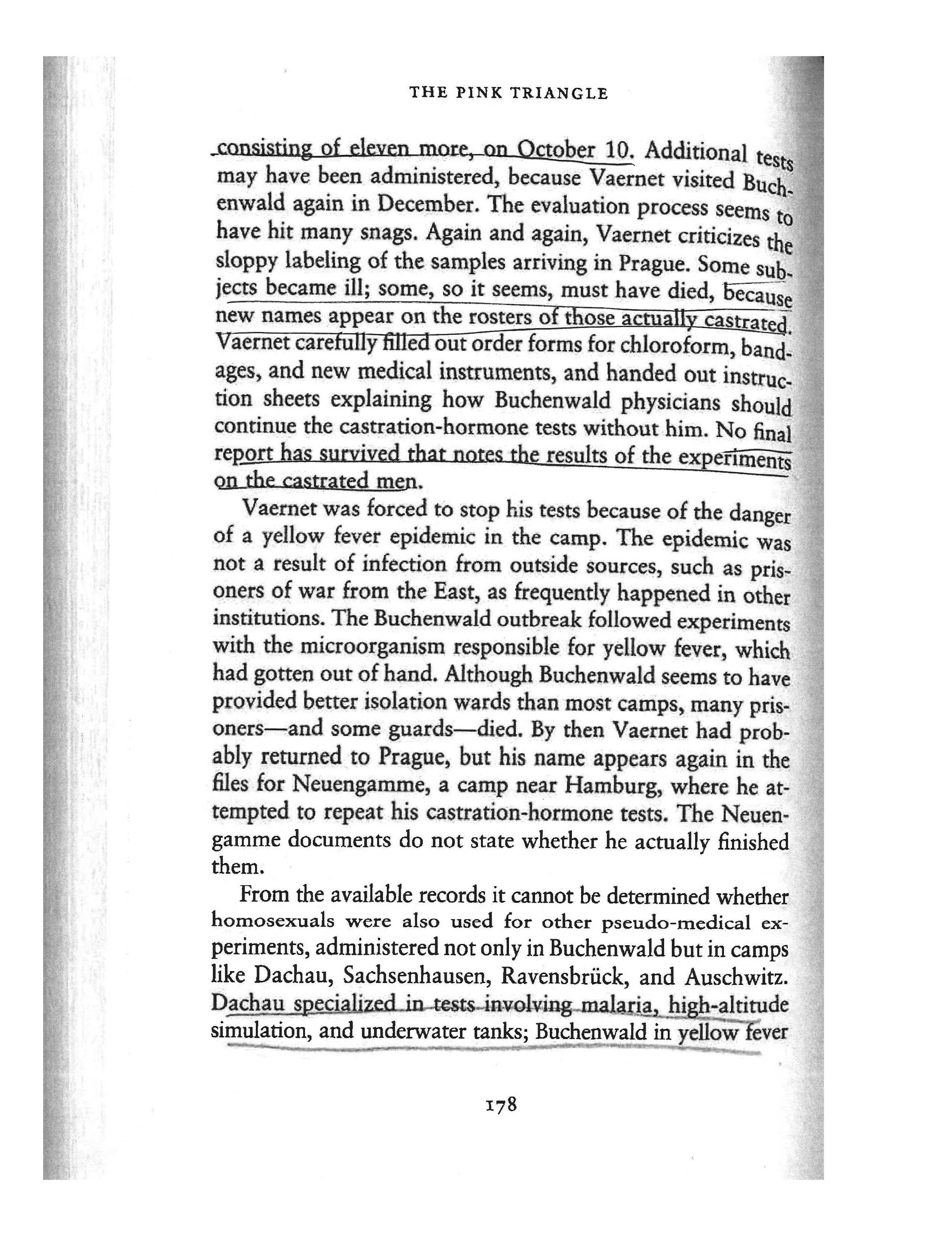
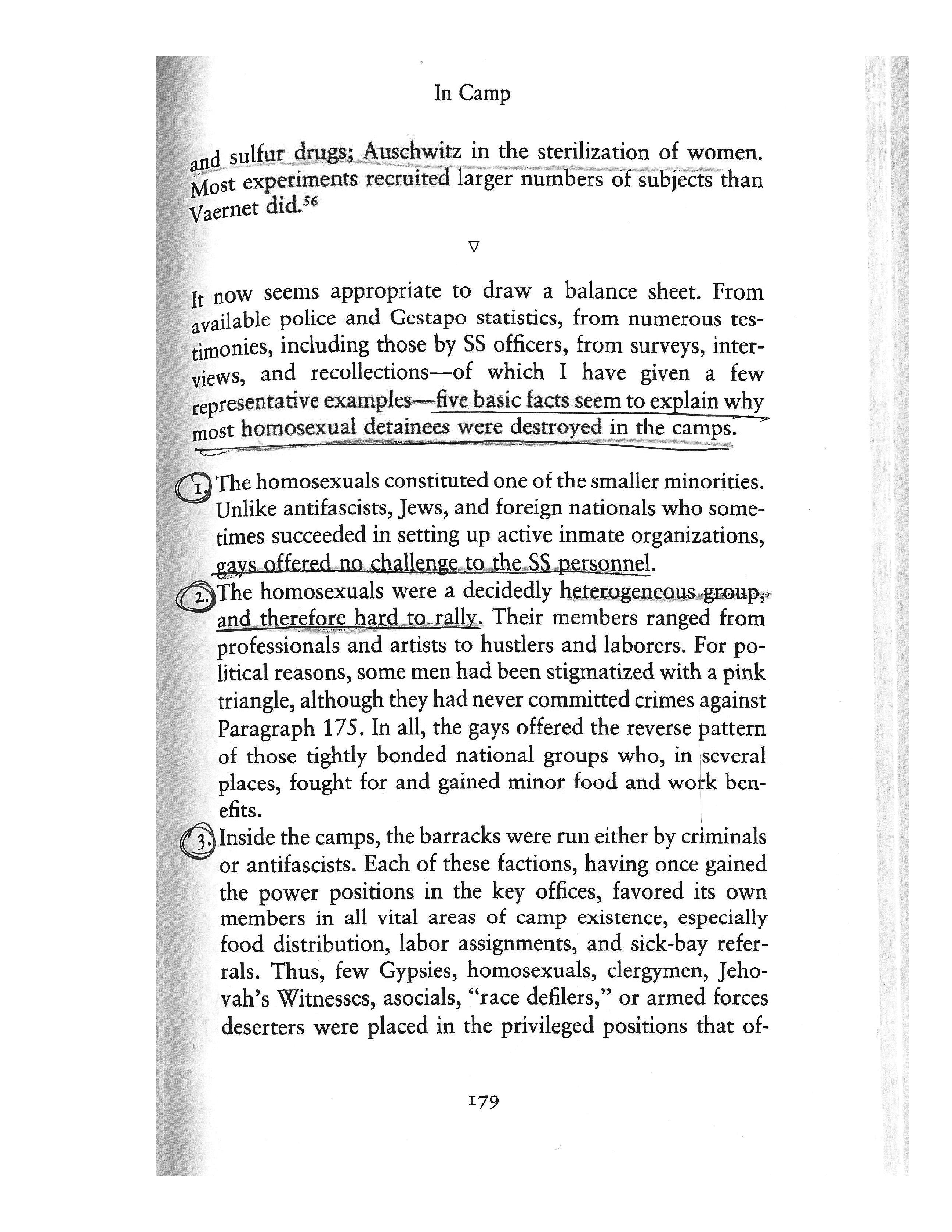
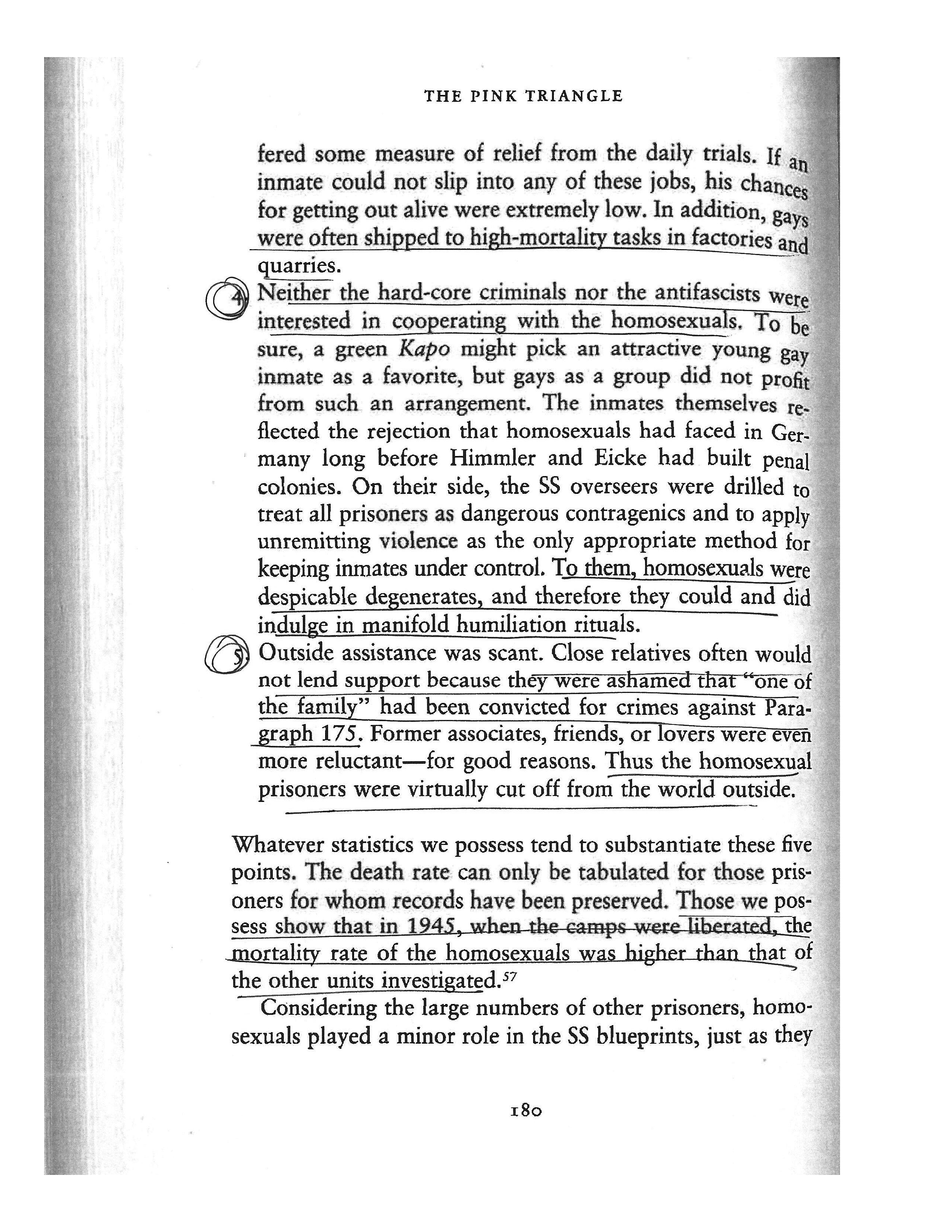
queer people in the 1940s had to hide themselves. they had to keep their secret. if they didn’t, and they were found out, their lives essentially turned to hell. they also had to worry about other people turning them if, especially if they were interrogated and lied to about their situation being better if they turned in the gays they knew. it almost feels like an opposite pressure to today. many feel pressure over the aspect of coming out, because there still is animosity towards queer people.
it’s ironic how the people in the 1940s couldn’t be themselves, having to hide for their safety, and it’s still a thing that occurs eighty years later, regardless of how much progress the queer community has made in that time. there always seems to be something that takes us back.
last night was the oscars. now, how could this relate to my topic? let me break it down for you. the oscars this years included some movies that were all about representation (some even in the queer community). conclave introduces a transgender member. emilia peréz is centralized around the theme of a man transitioning to a woman. the costume designer for wicked, paul tazewell, became the first black man to win in the category. anora was a movie that was focused around the sex work industry. no other land won best documentary film. during their acceptance speech, the co-directors called for the rights of palestinians.
all of these films have a purpose. everything i mentioned above. all of it raises awareness. all of it pushes boundaries. it all sheds light on specific topics. identities. industries. communities.
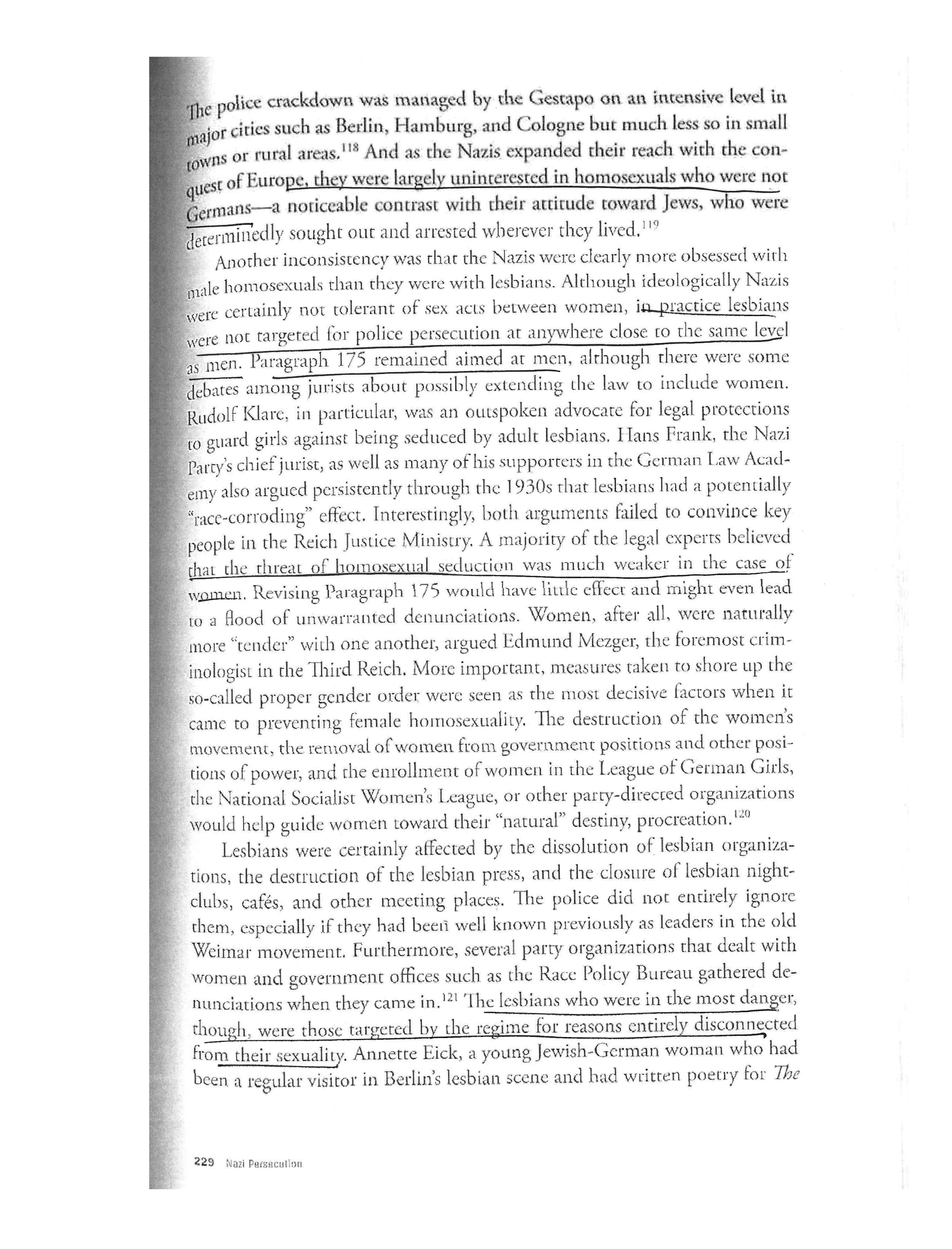
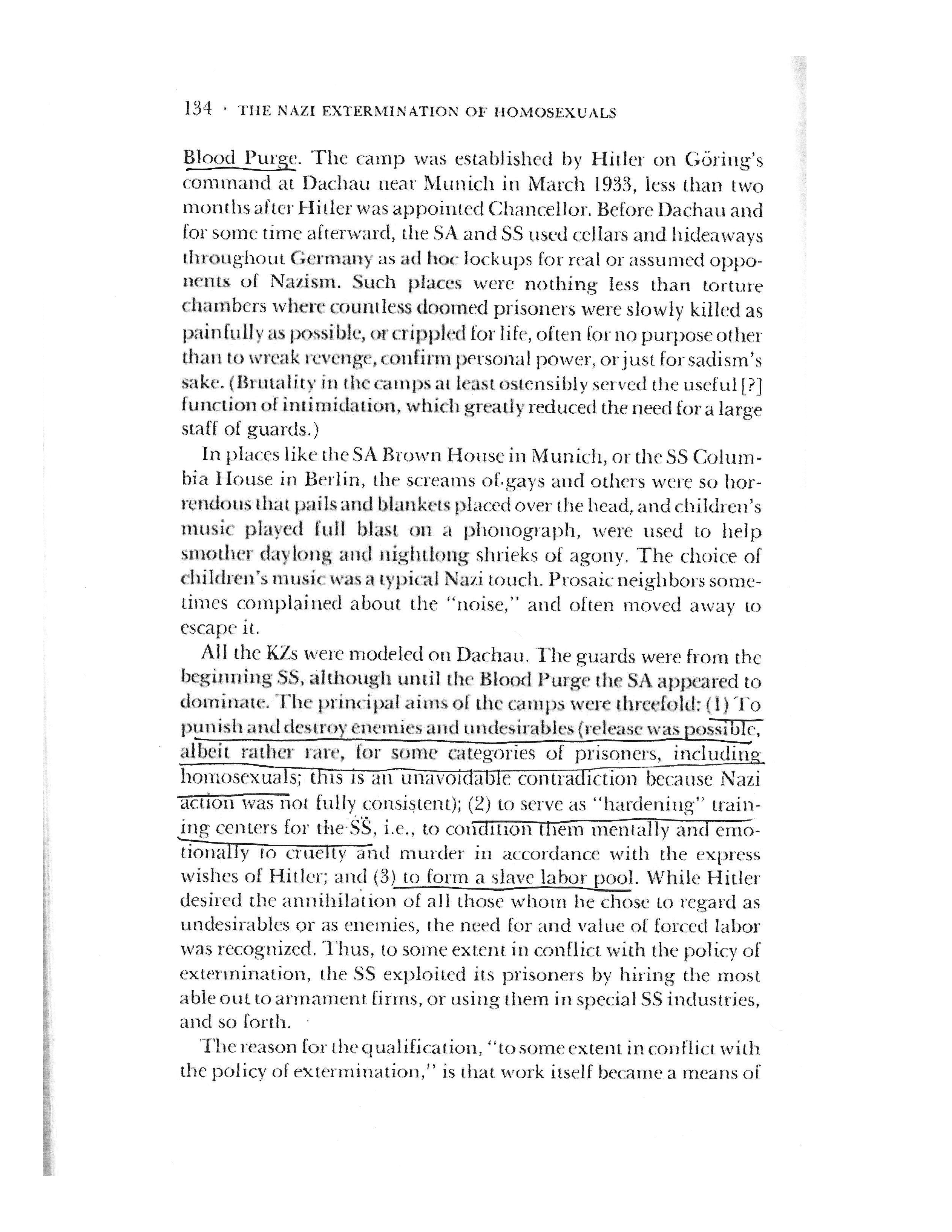
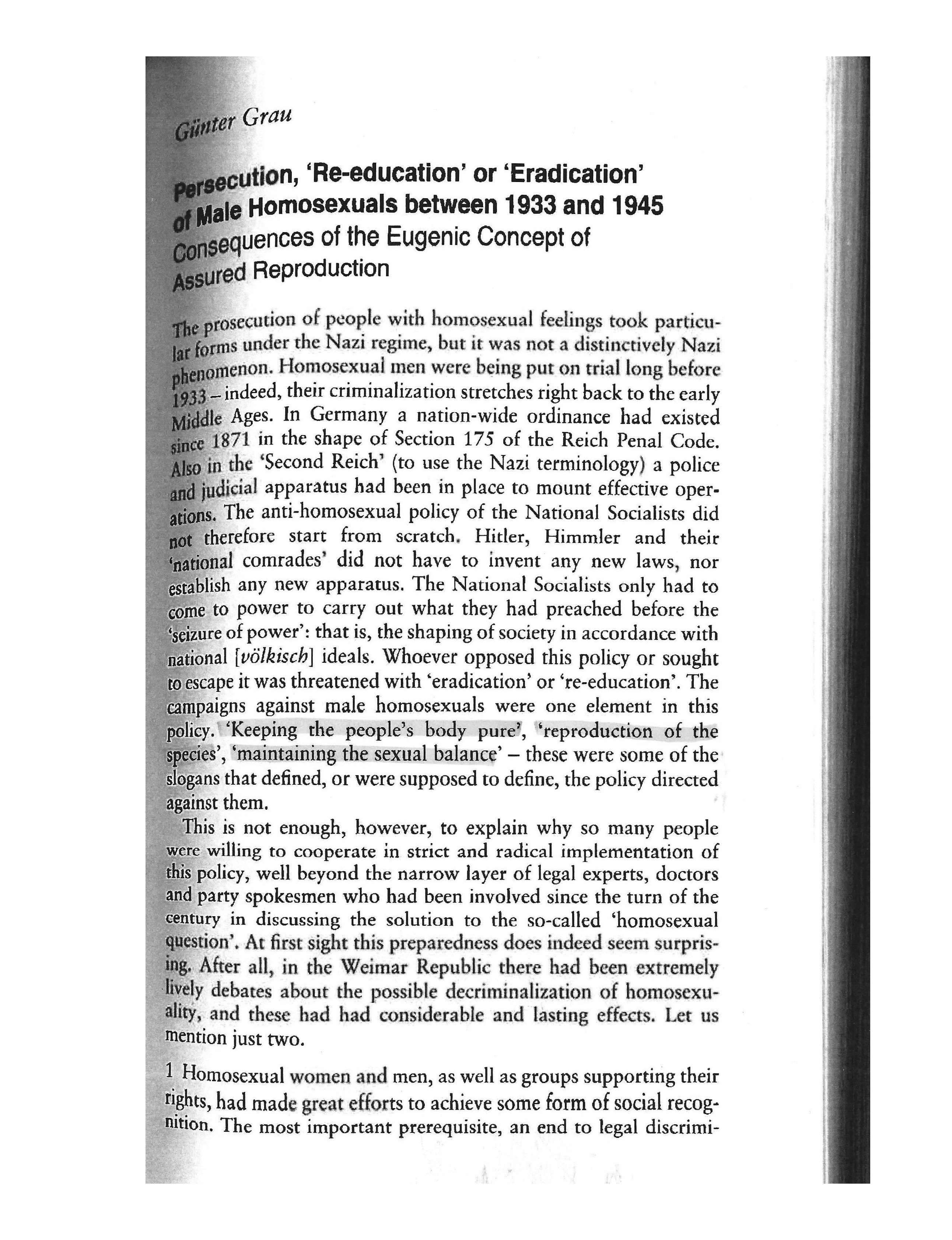
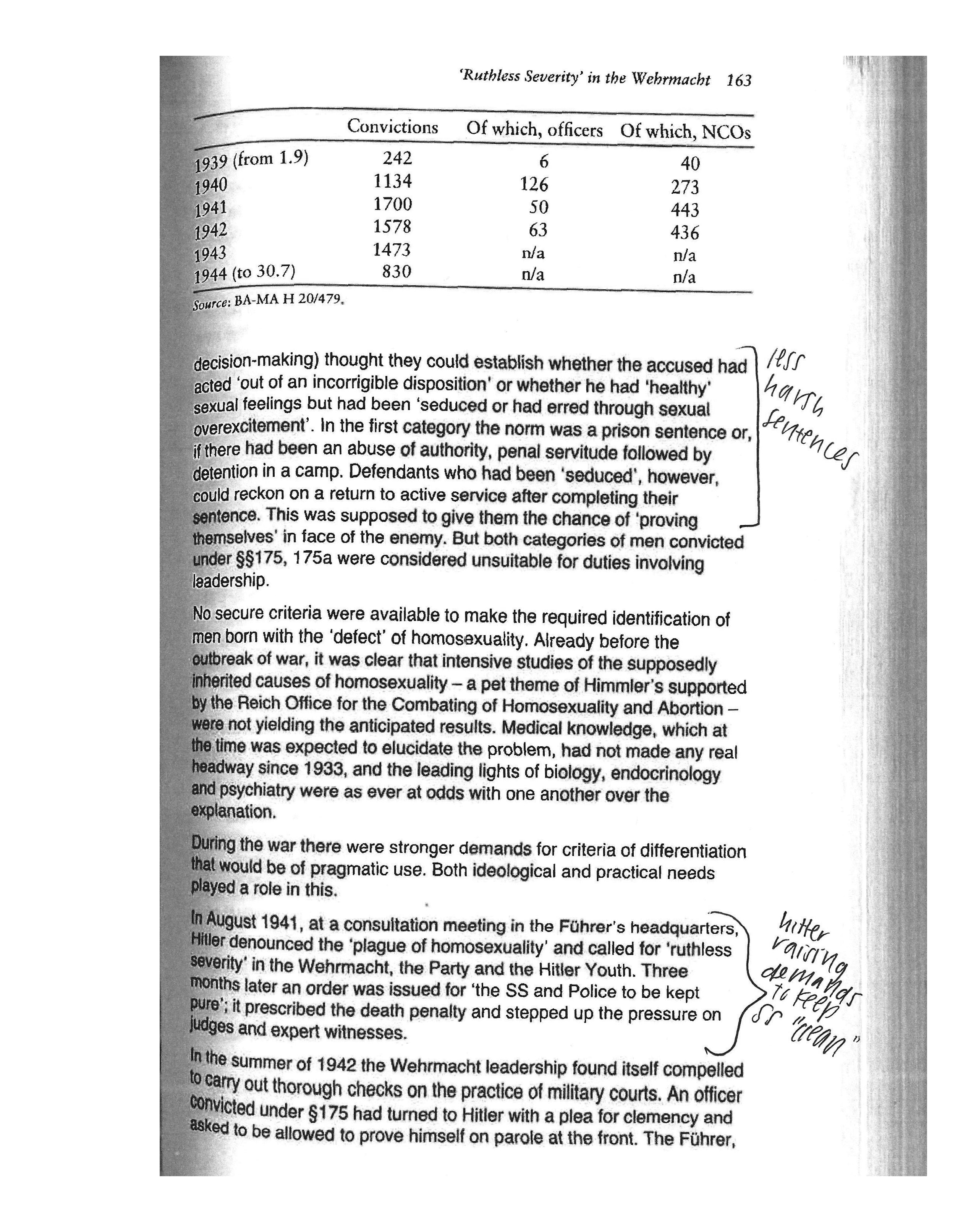
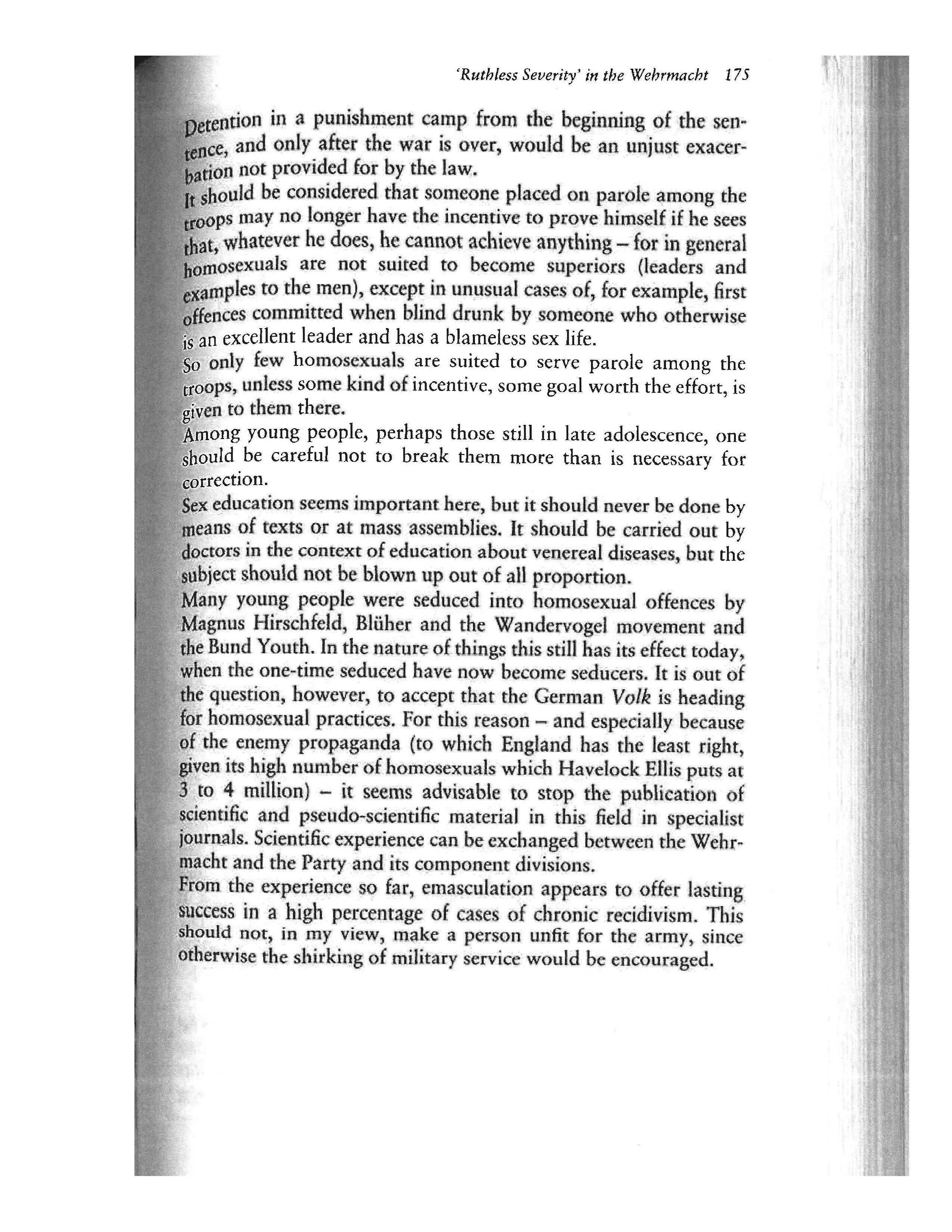
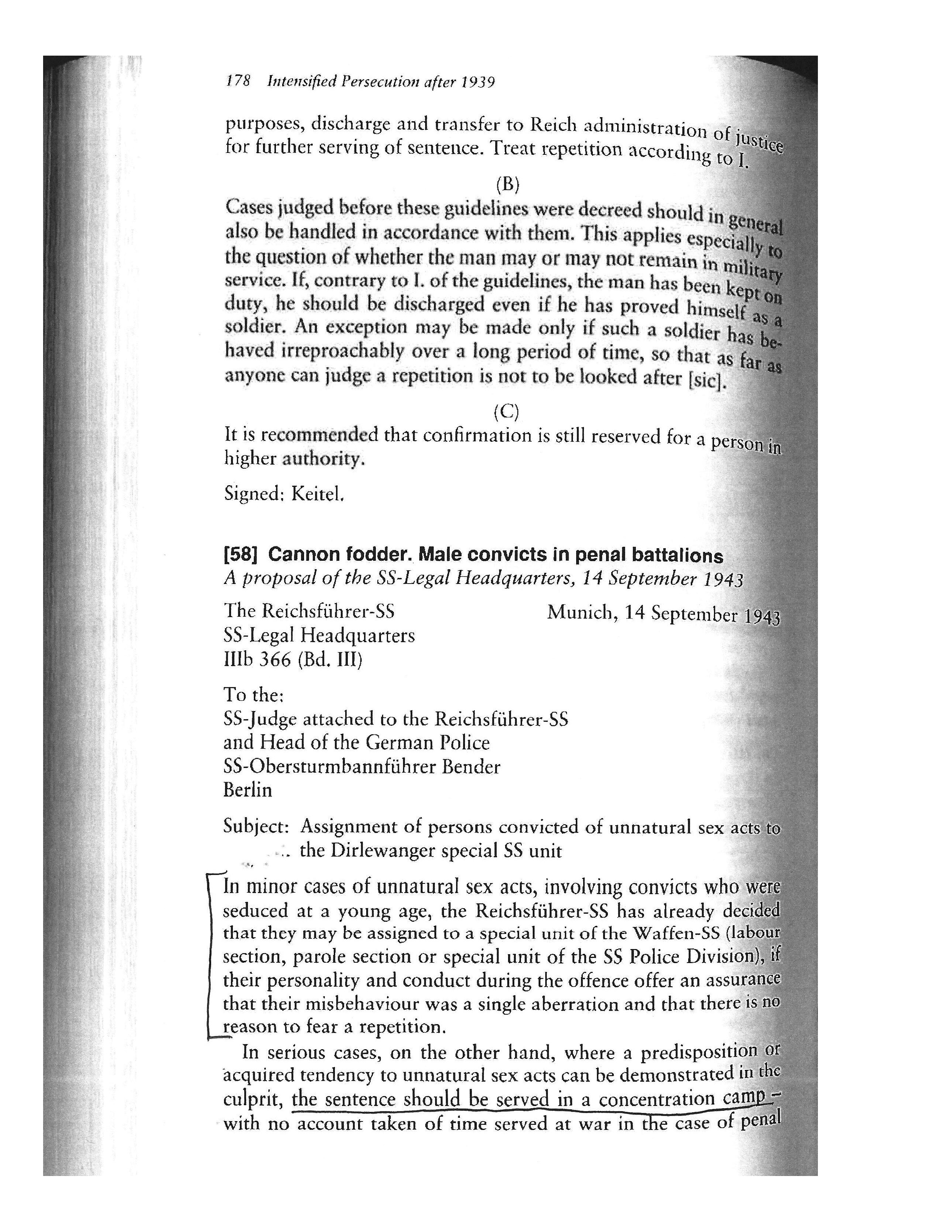
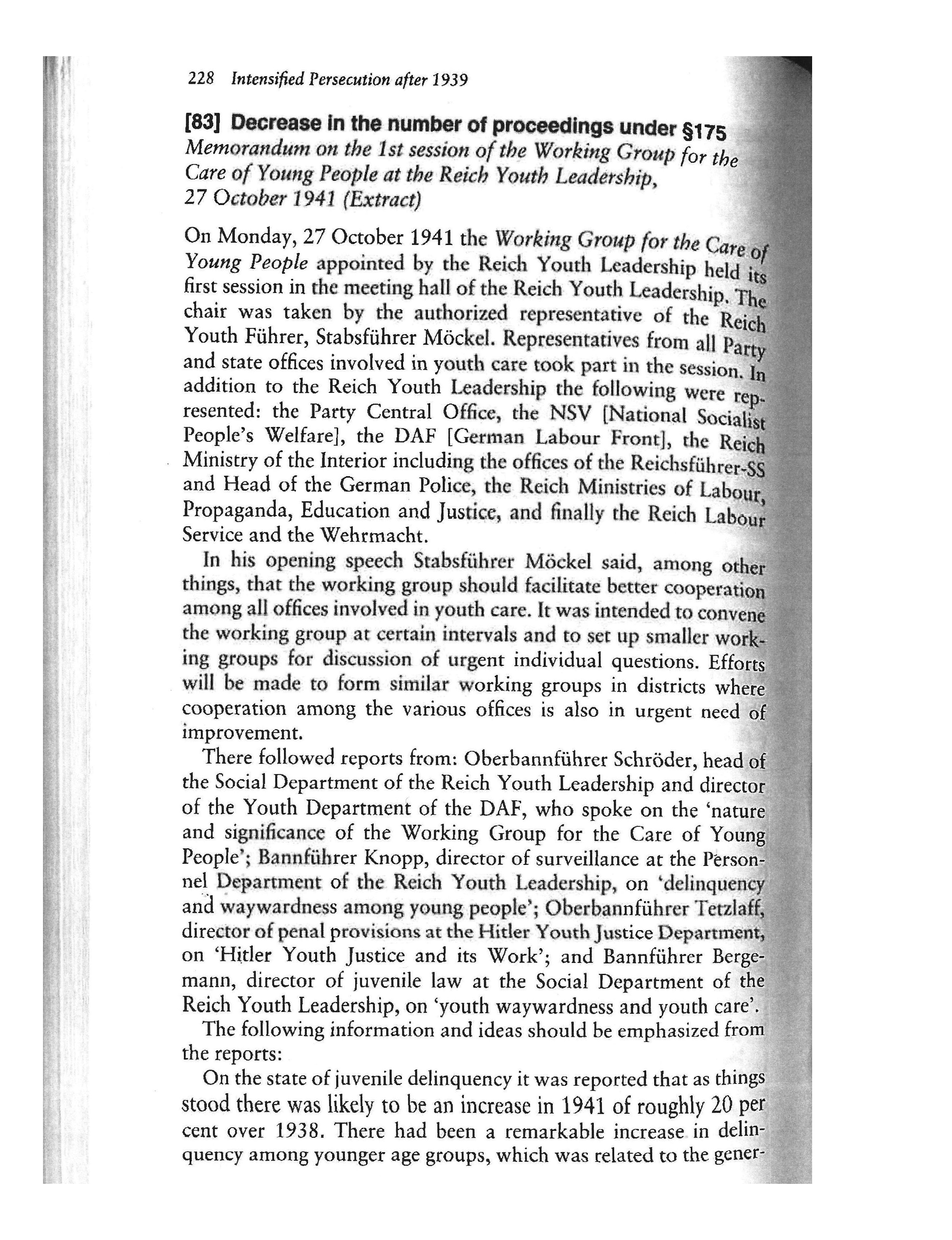
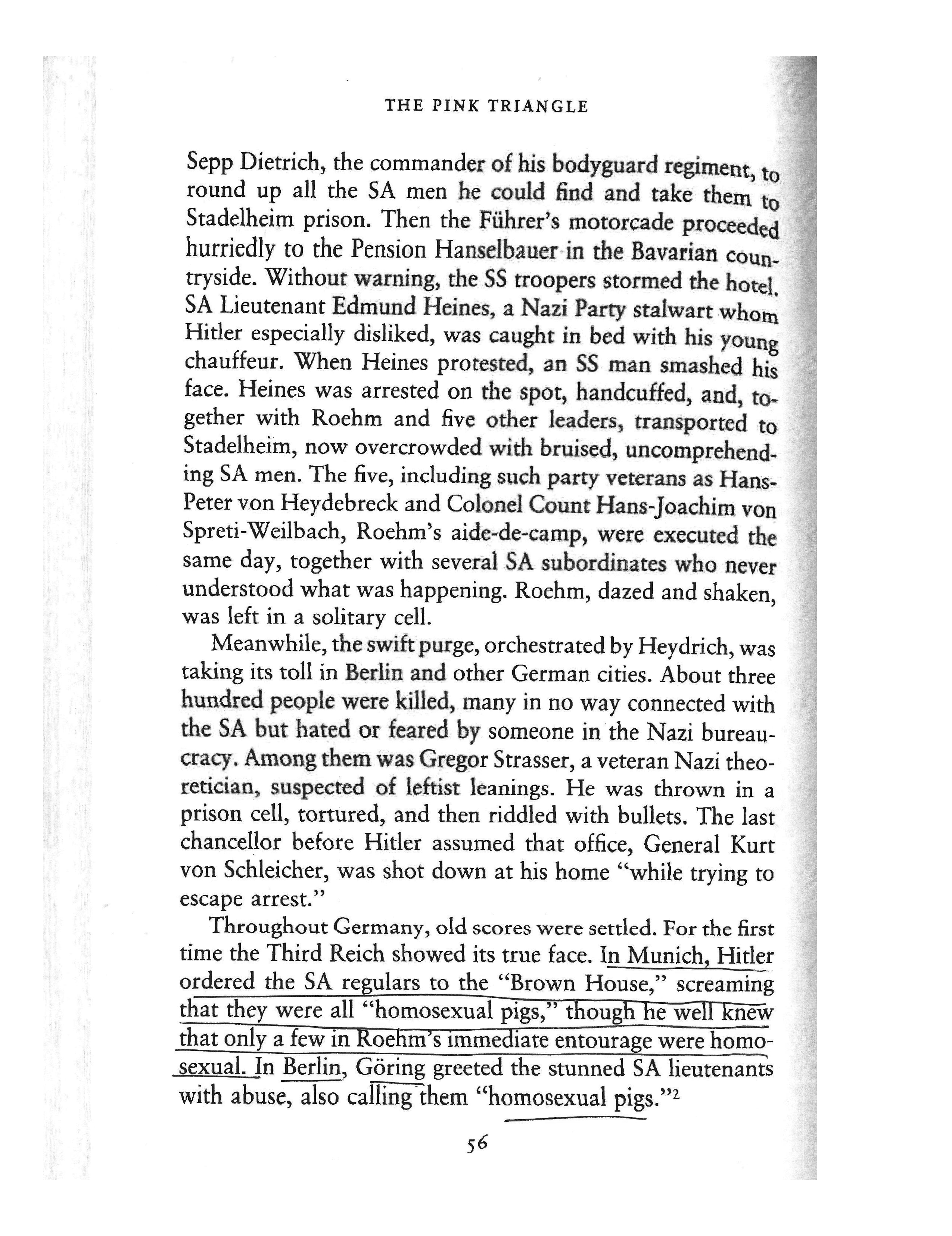
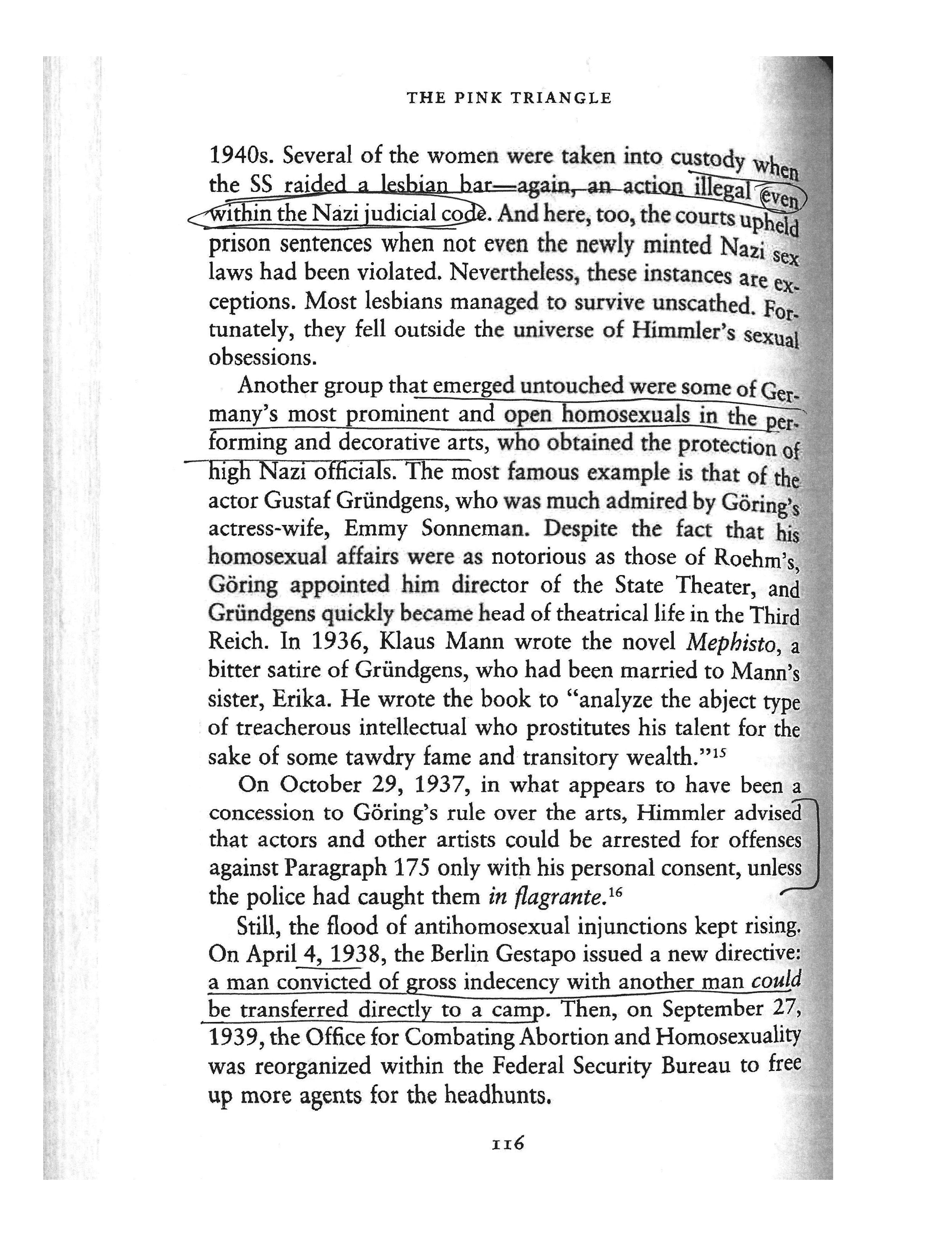
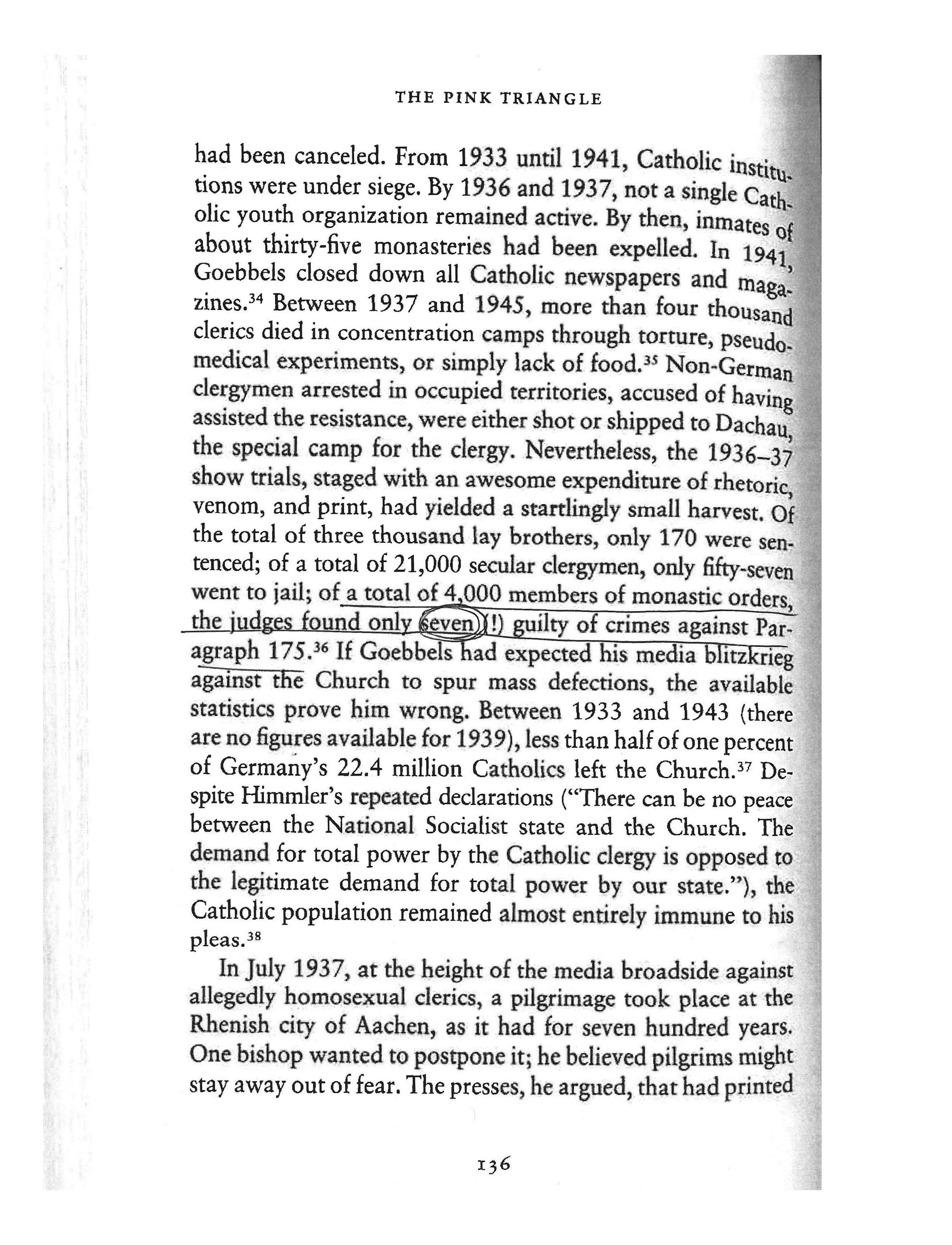
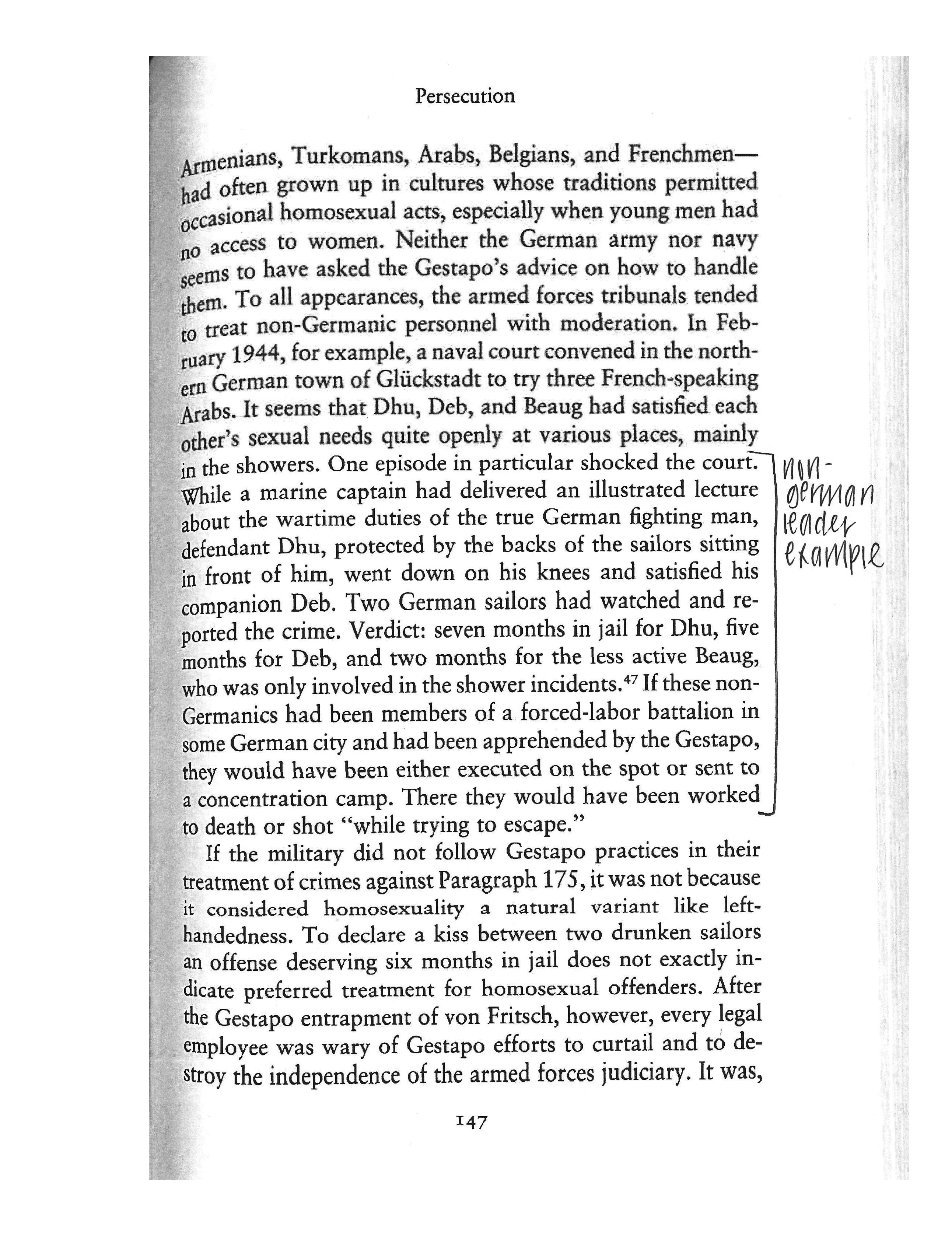
why should some get punished, while some shouldn’t? why should some be “pardoned”? the parallels are so real. don’t let anyone tell you they aren’t. eighty years. eighty years. why are we back where we were then? the jump from 1940 to now should be much different than it is, but it’s not. make it make sense.
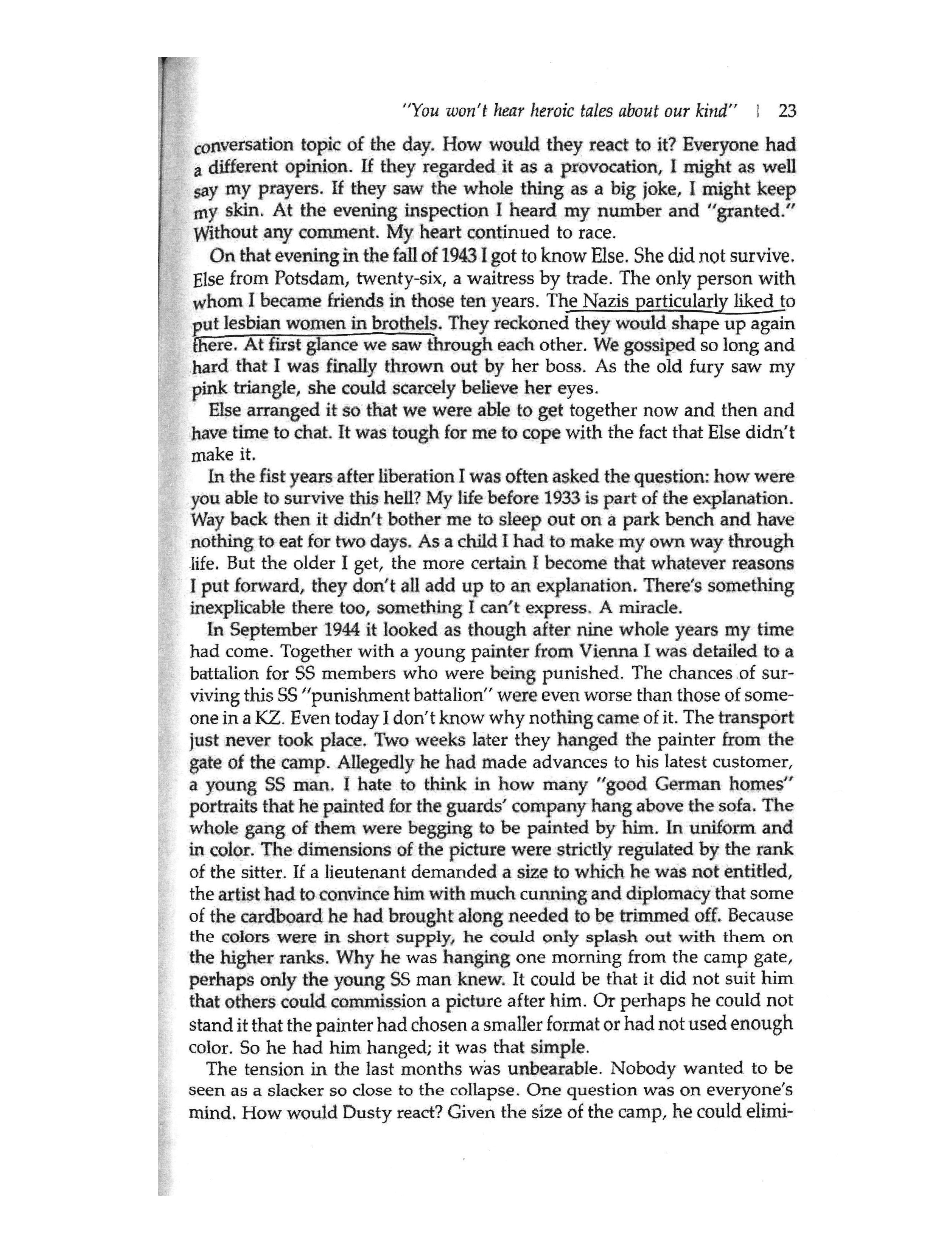
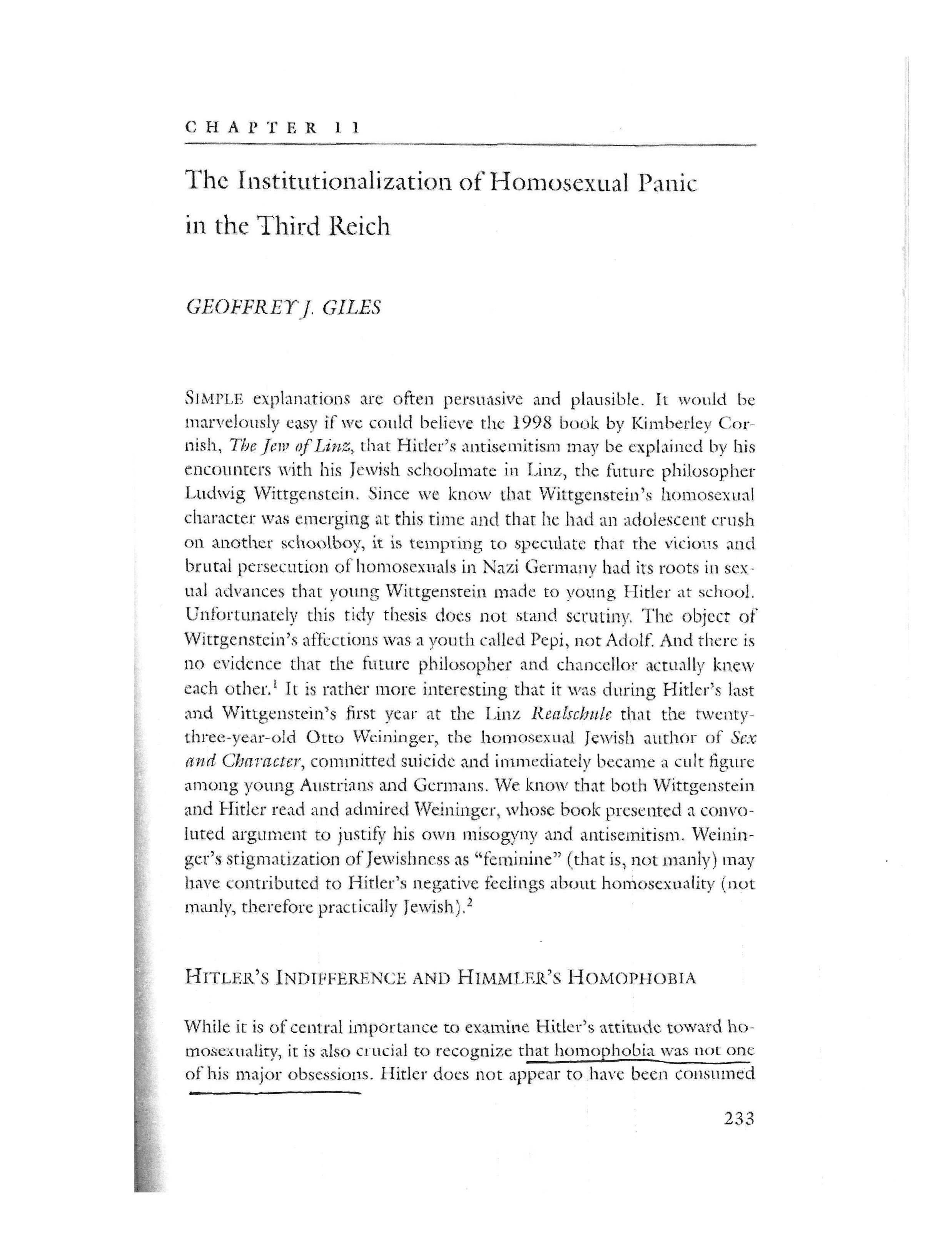
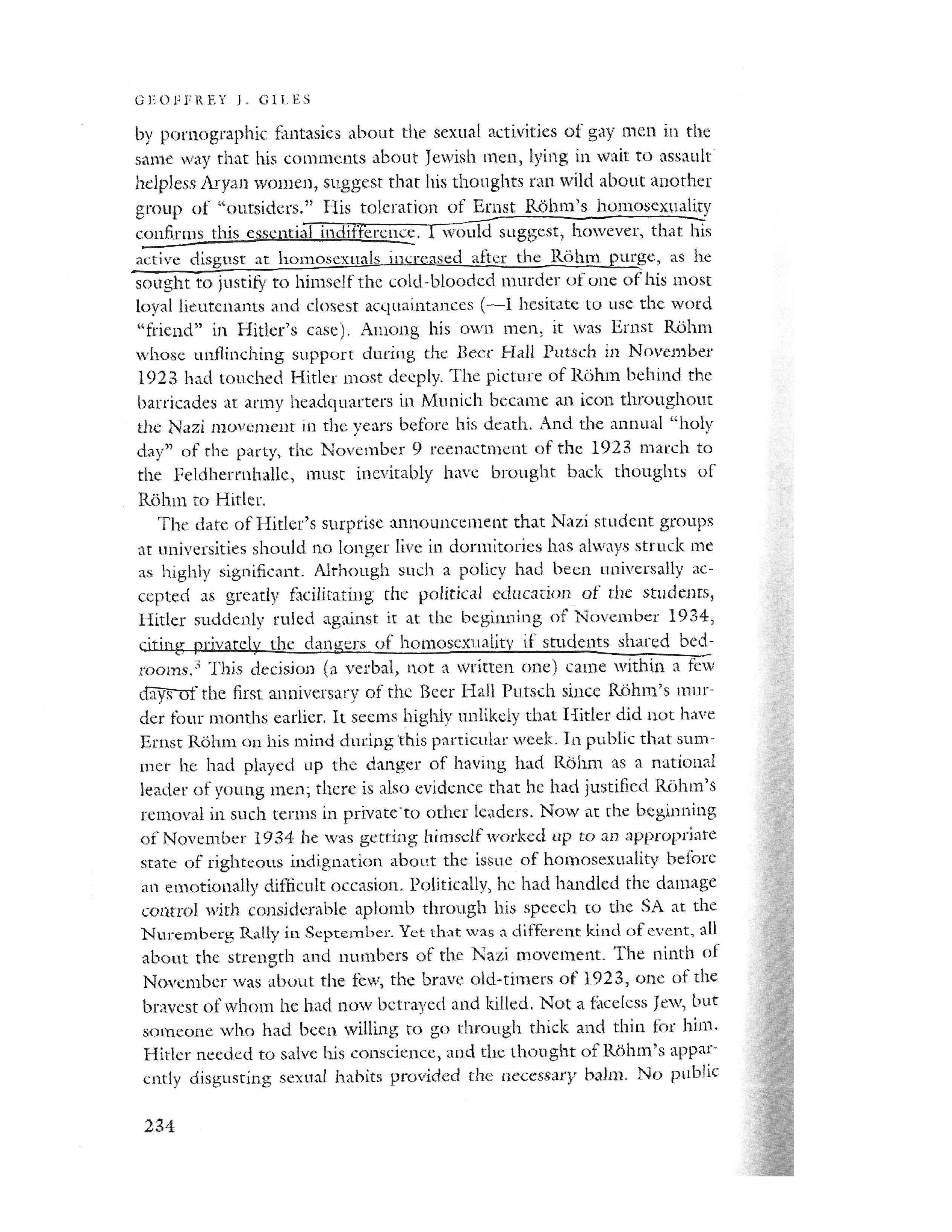
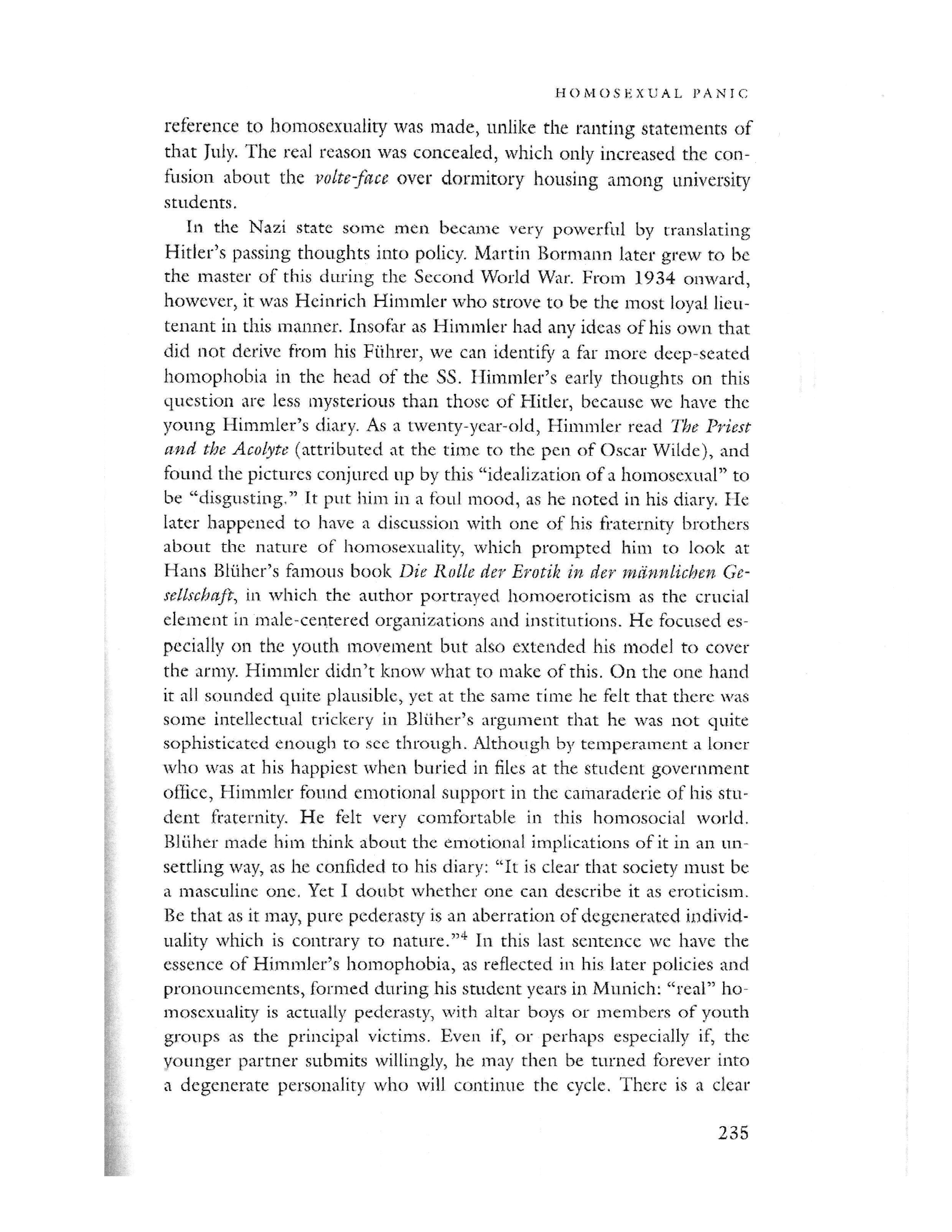
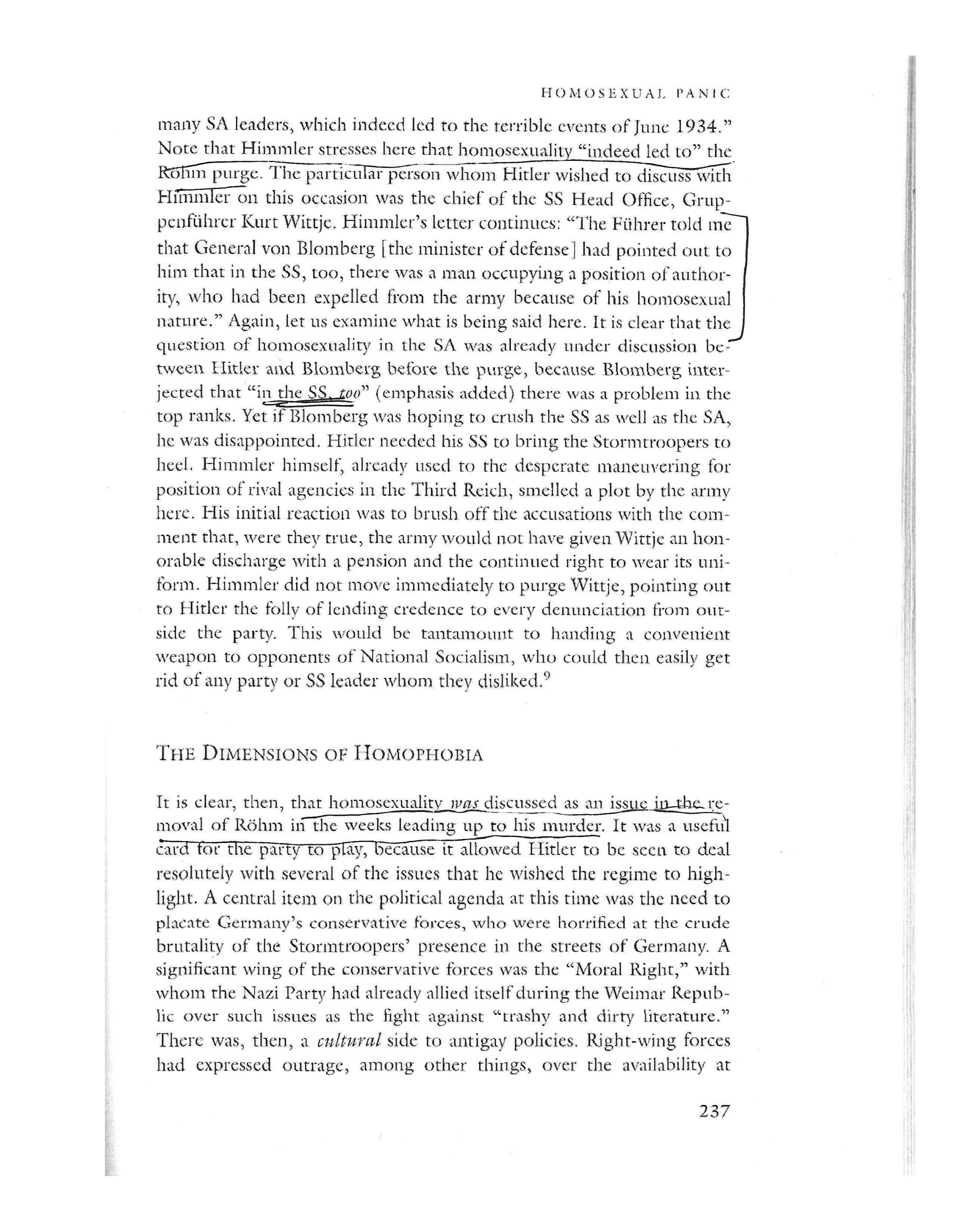
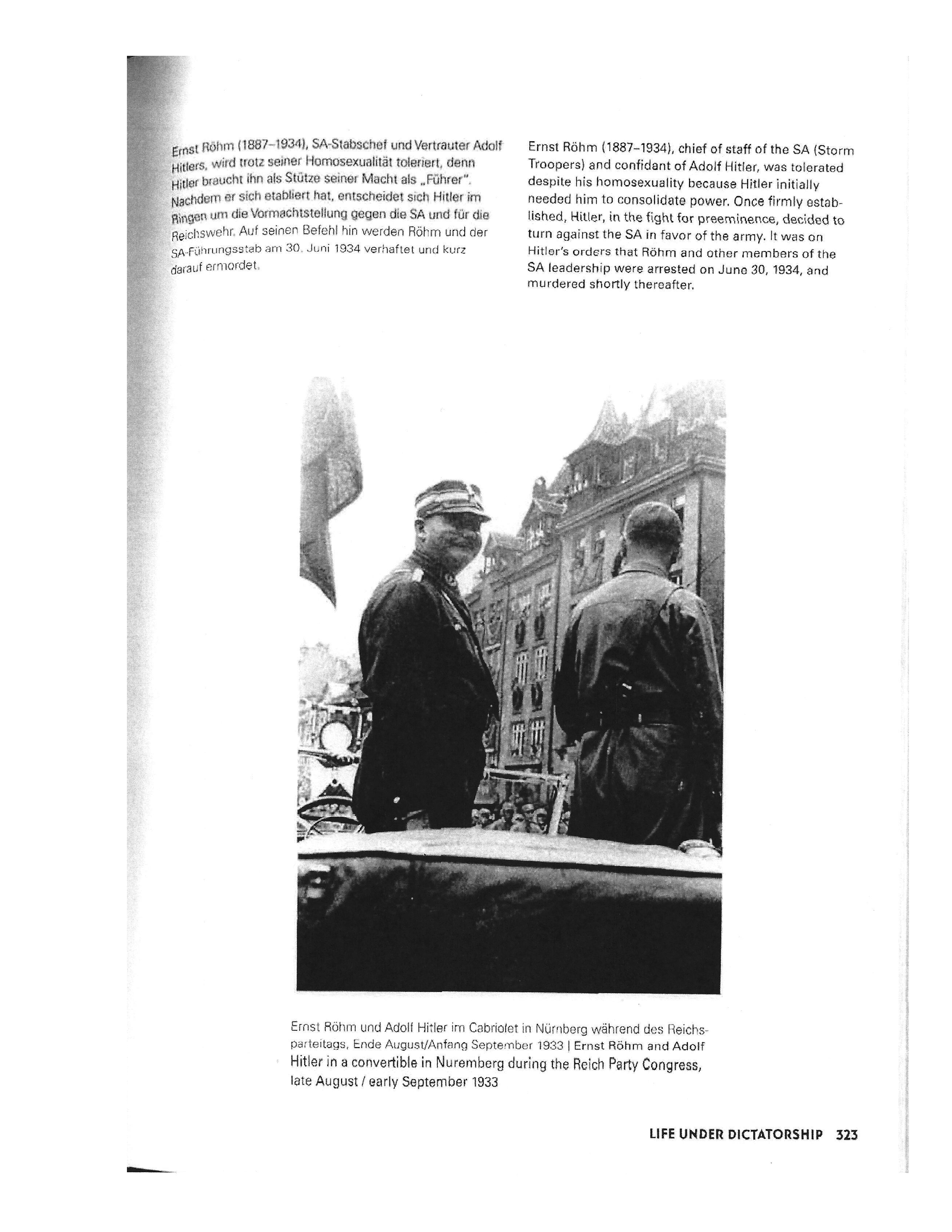
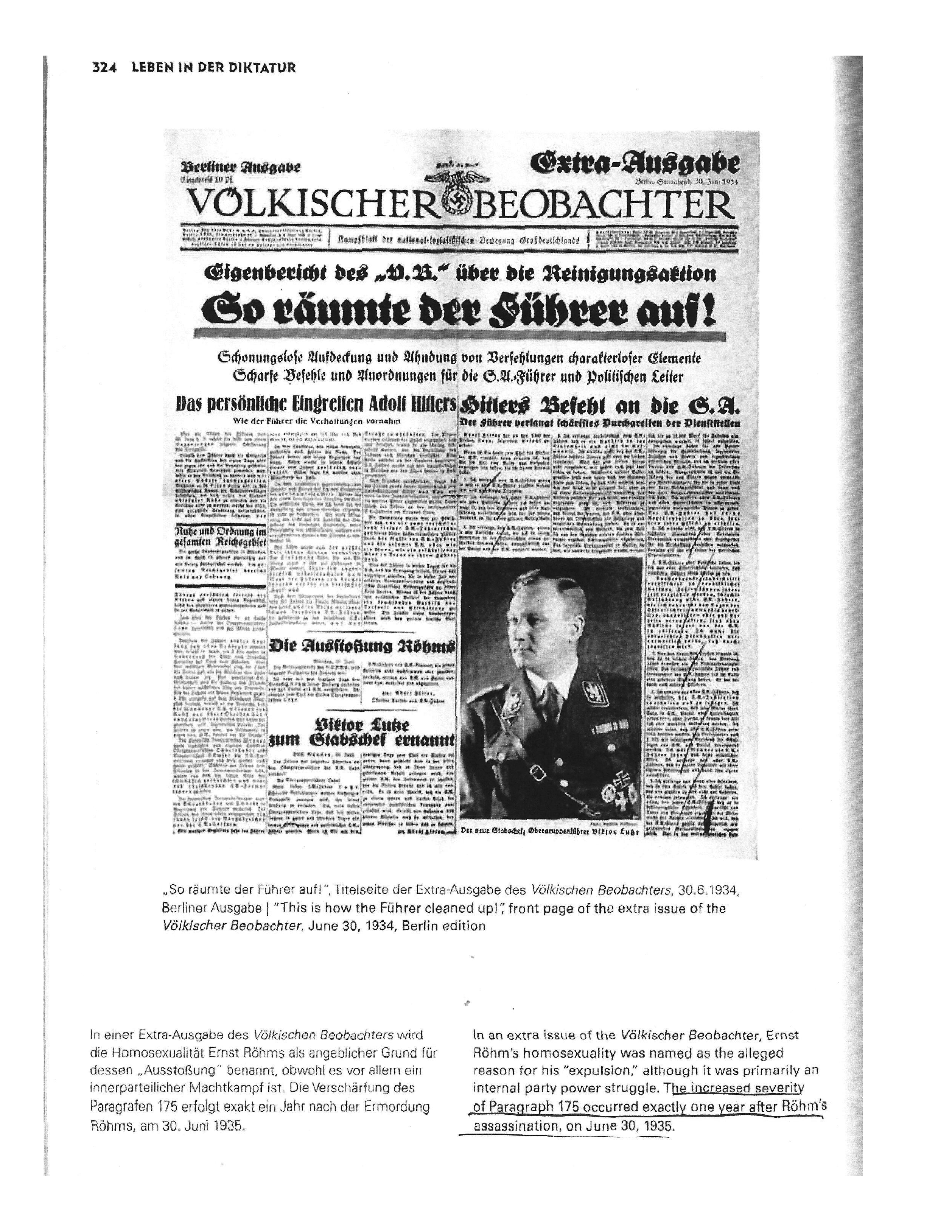
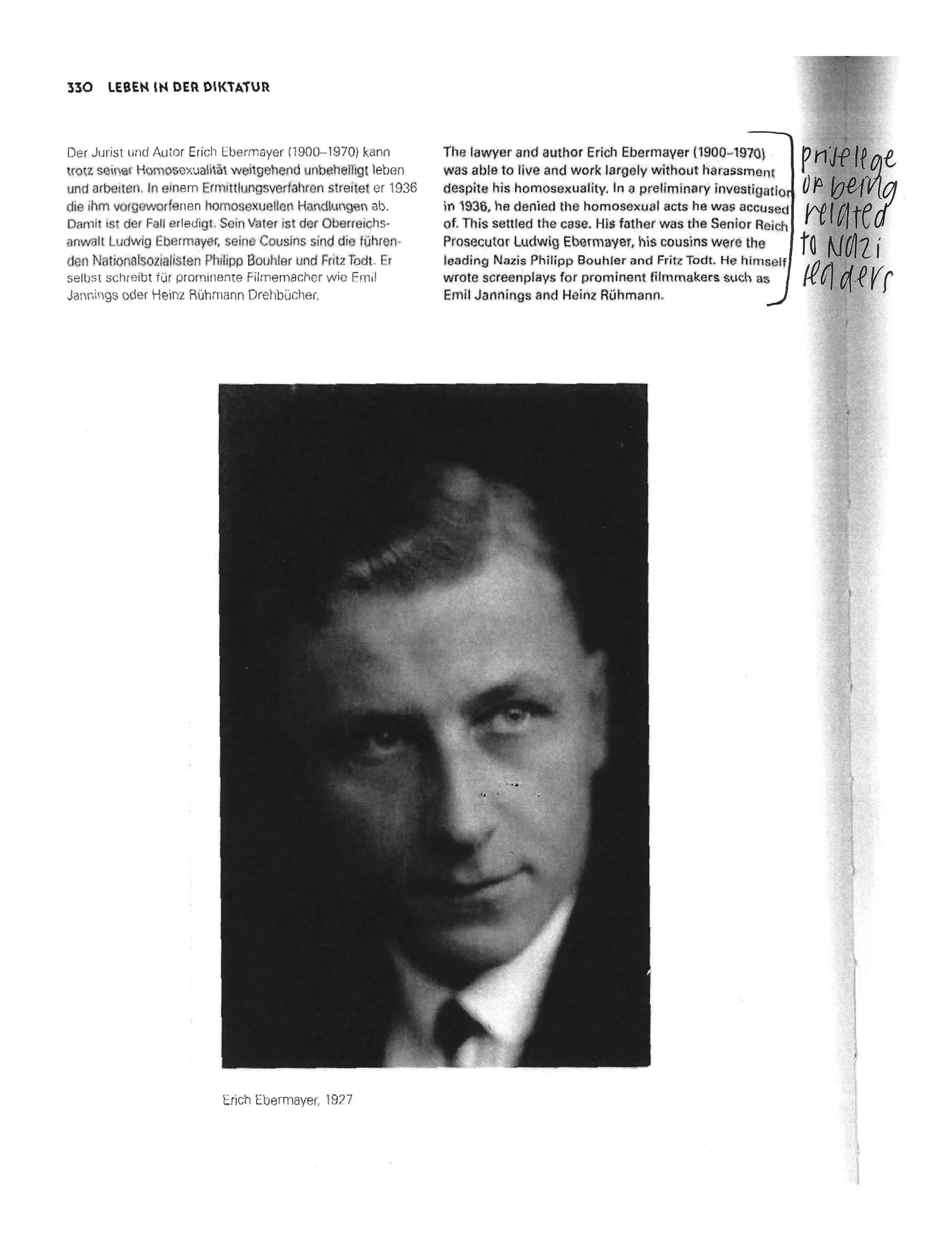
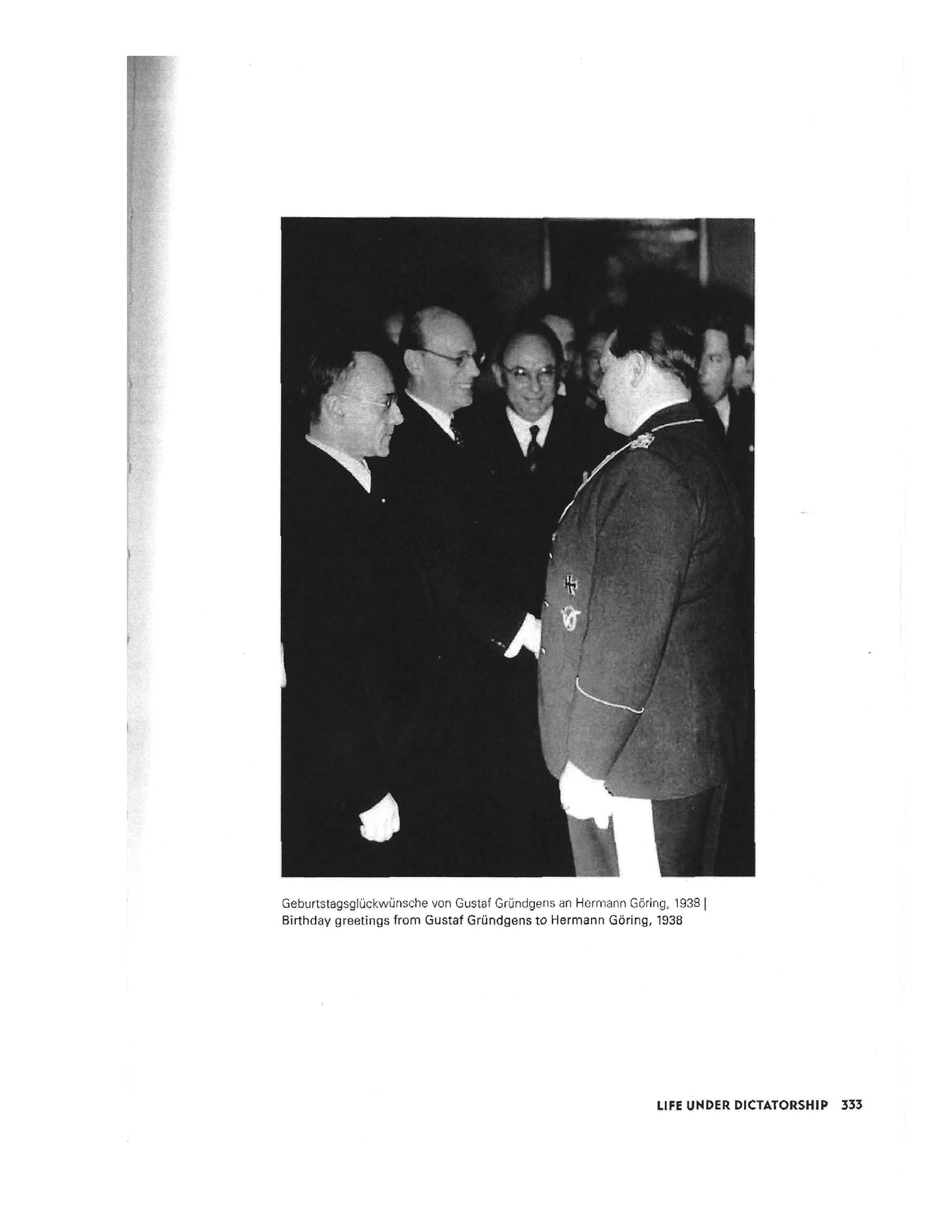
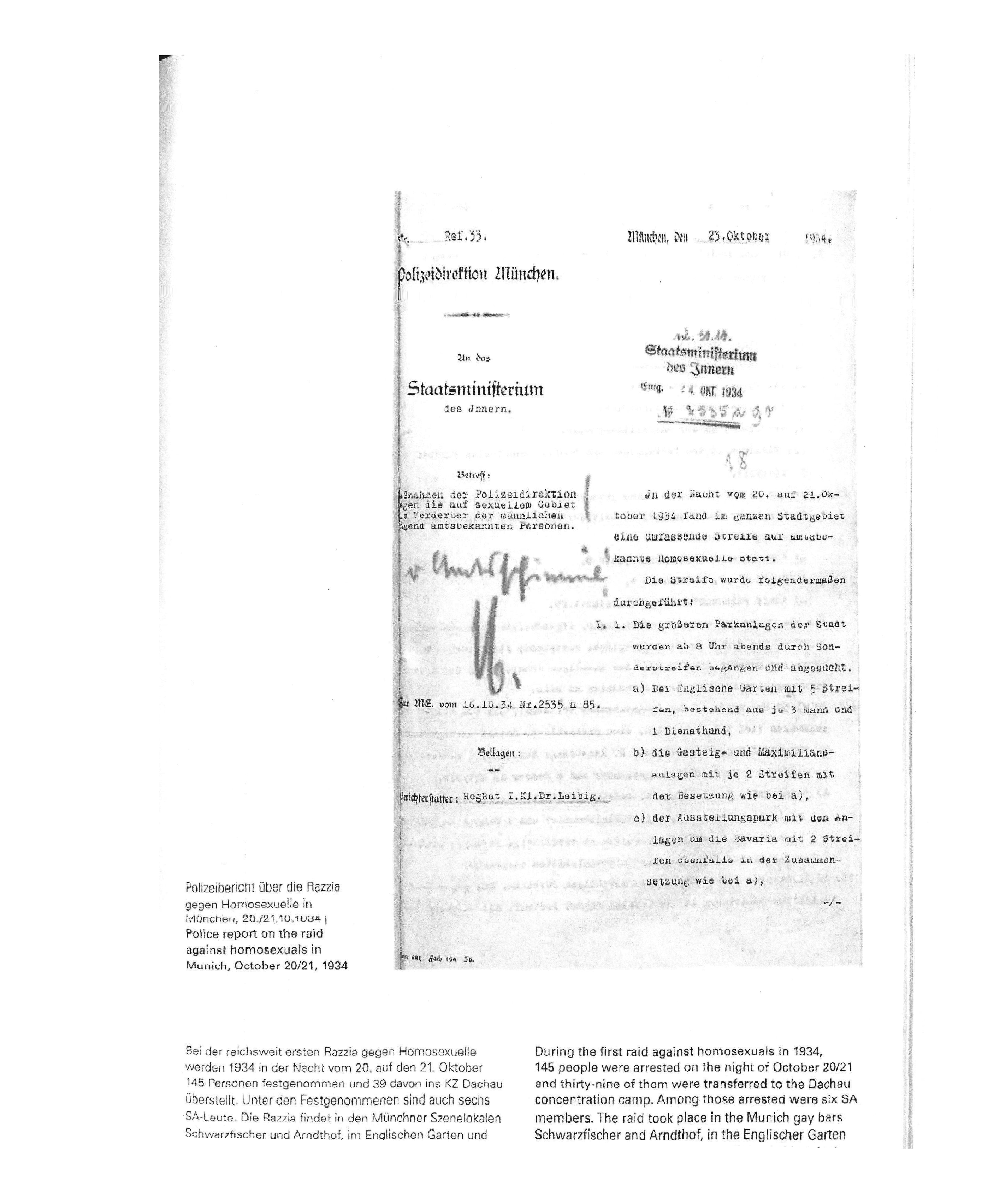
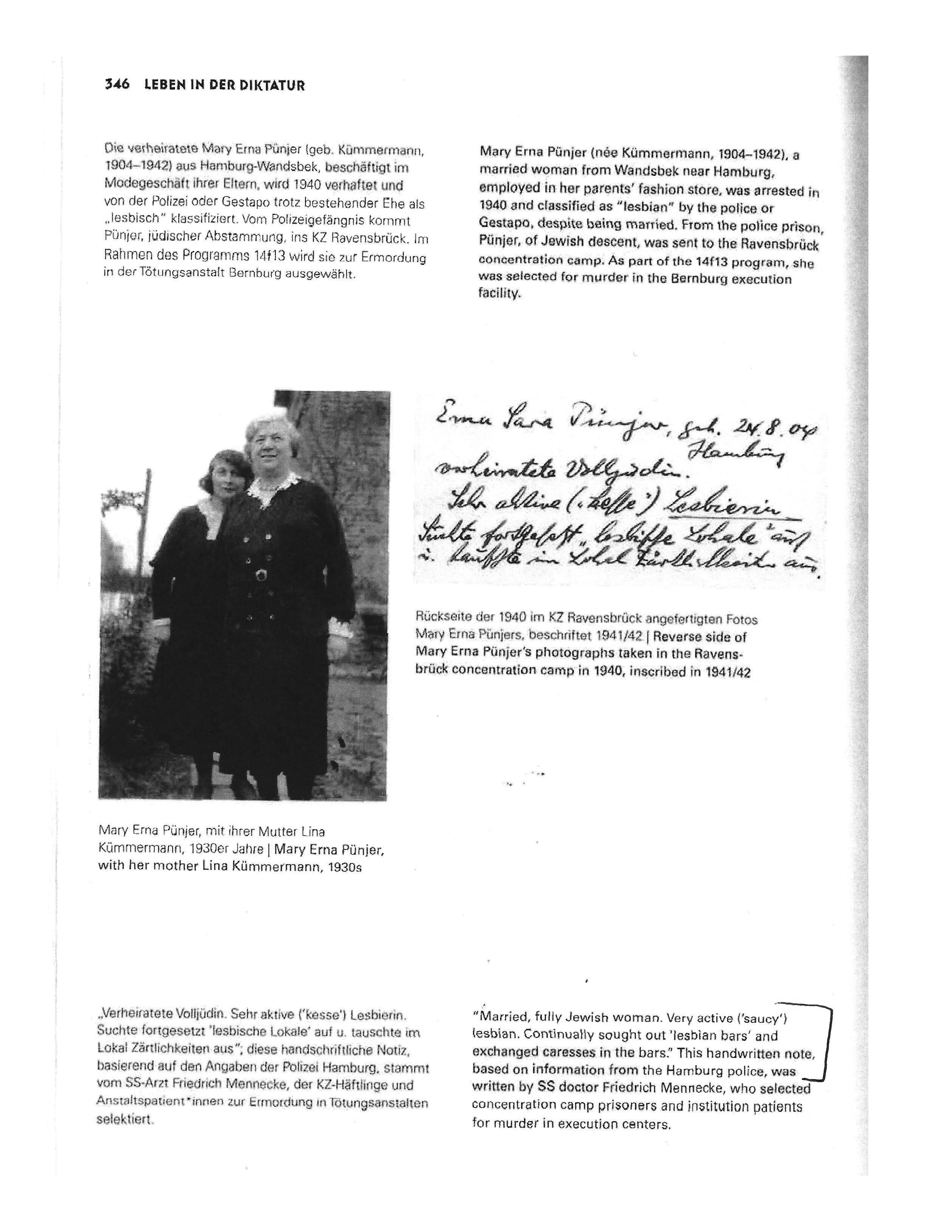
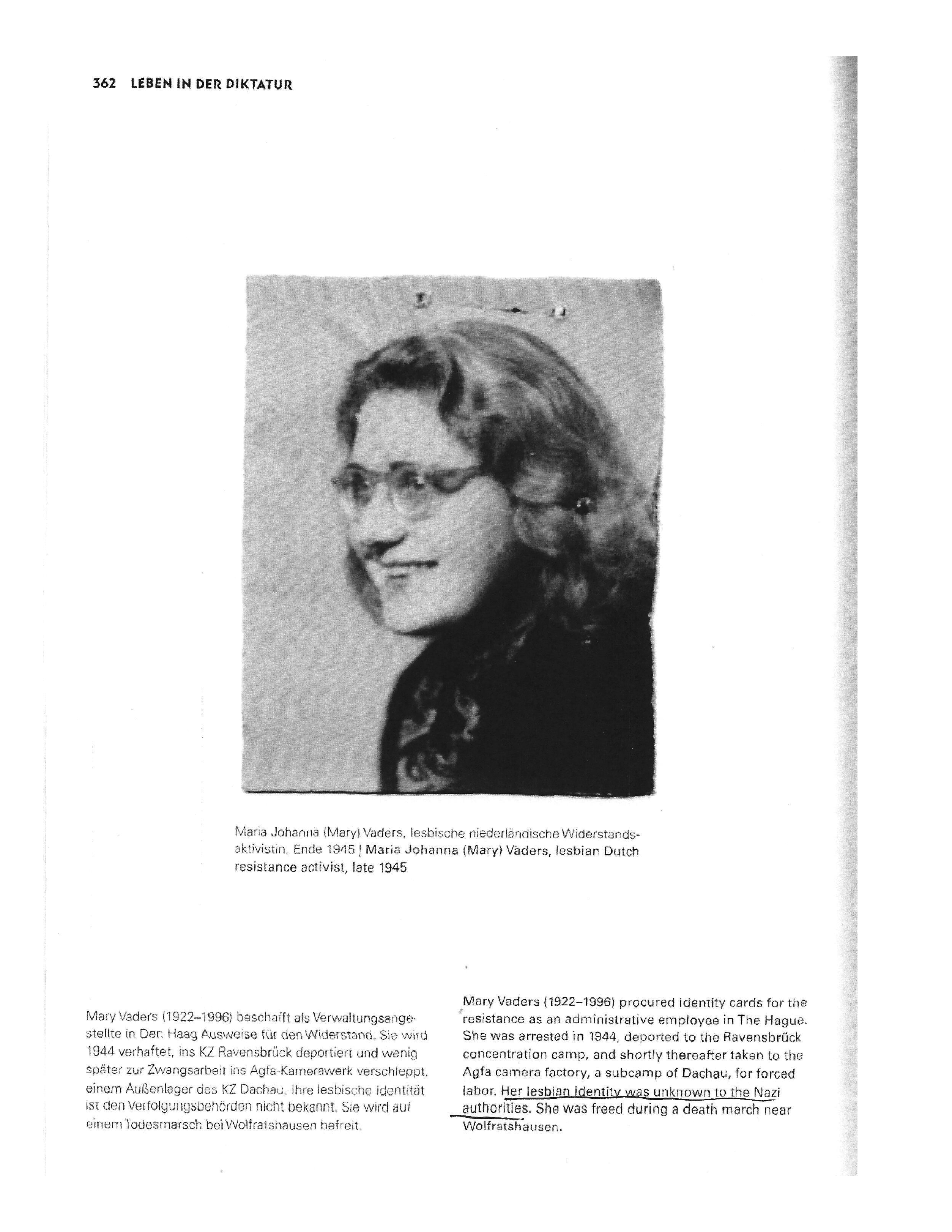
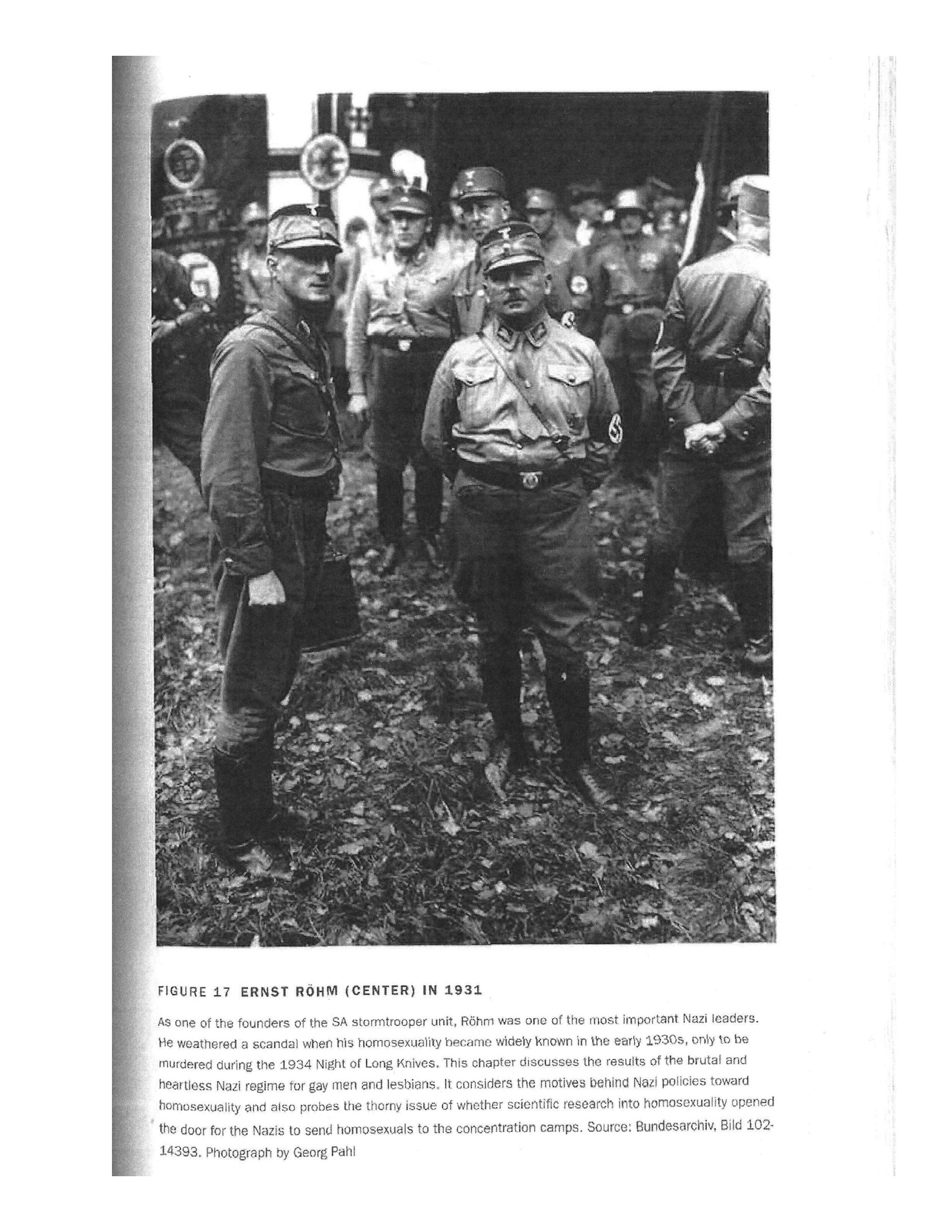
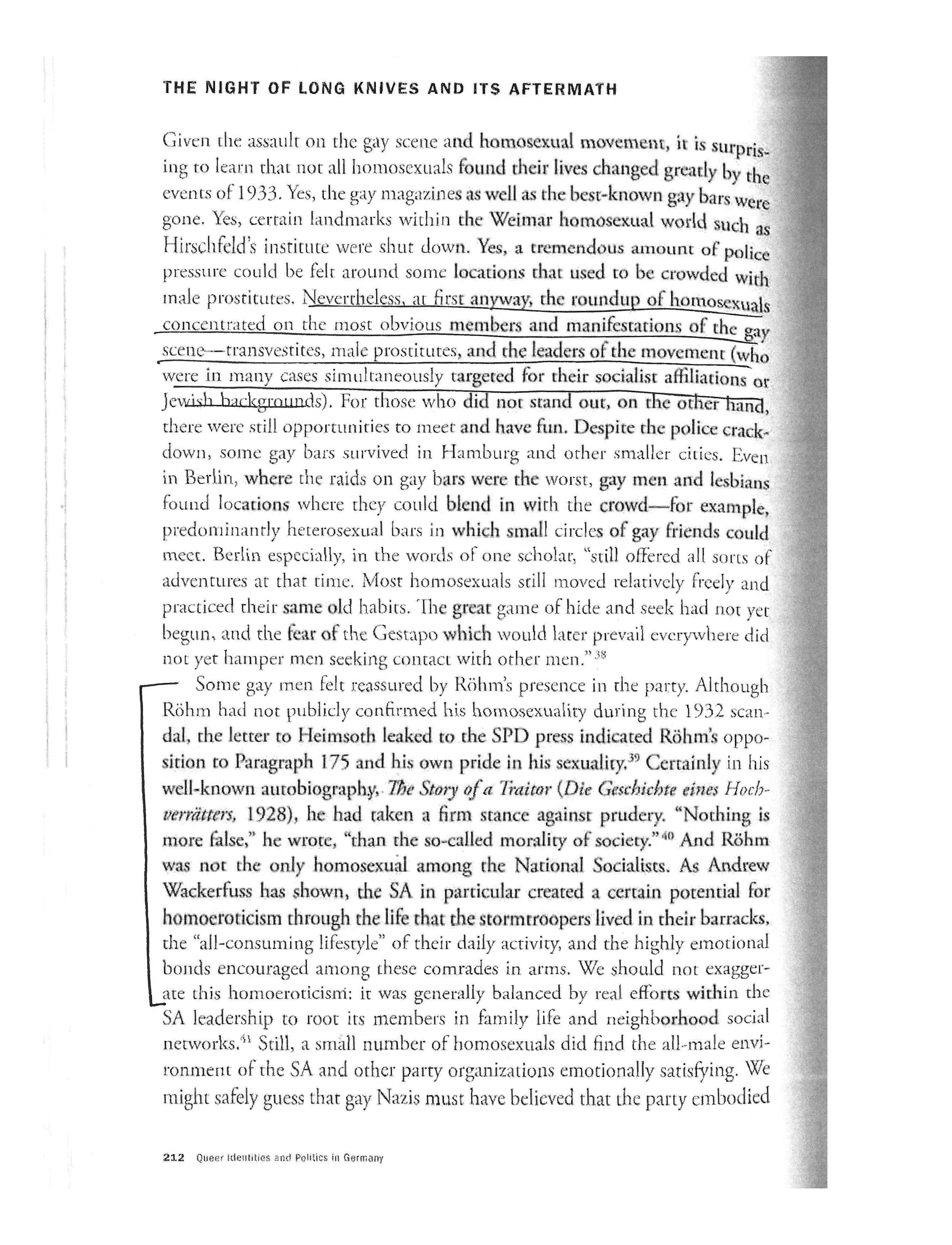
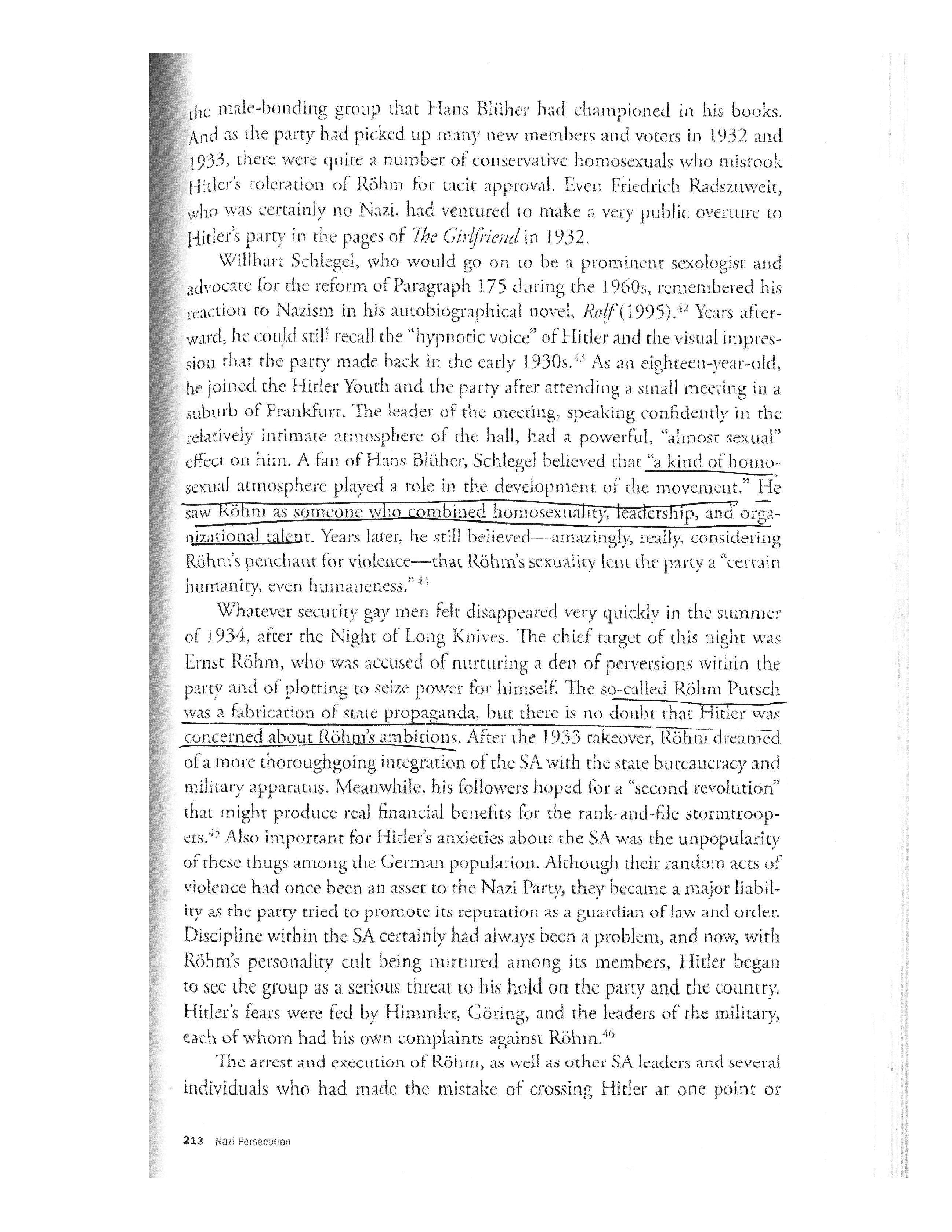
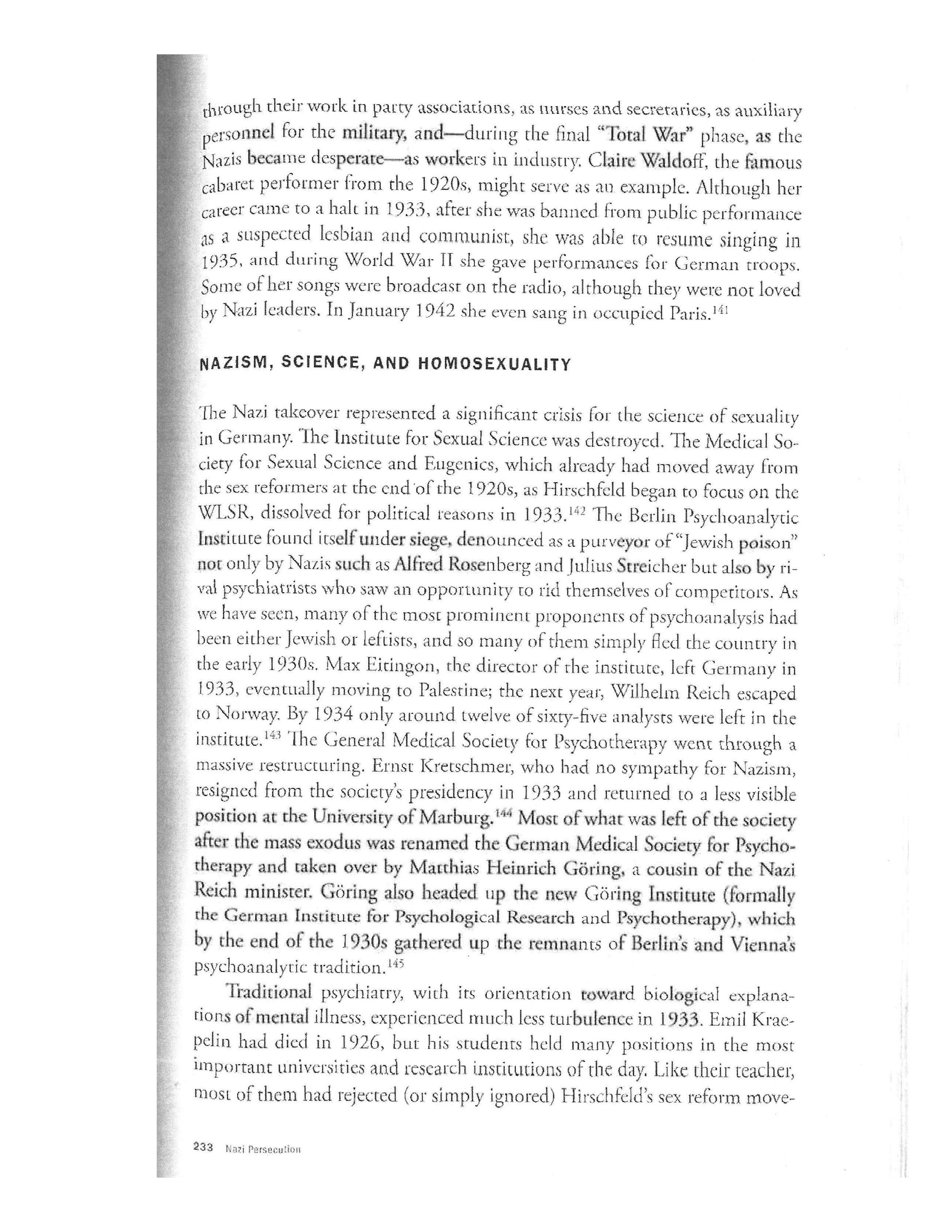
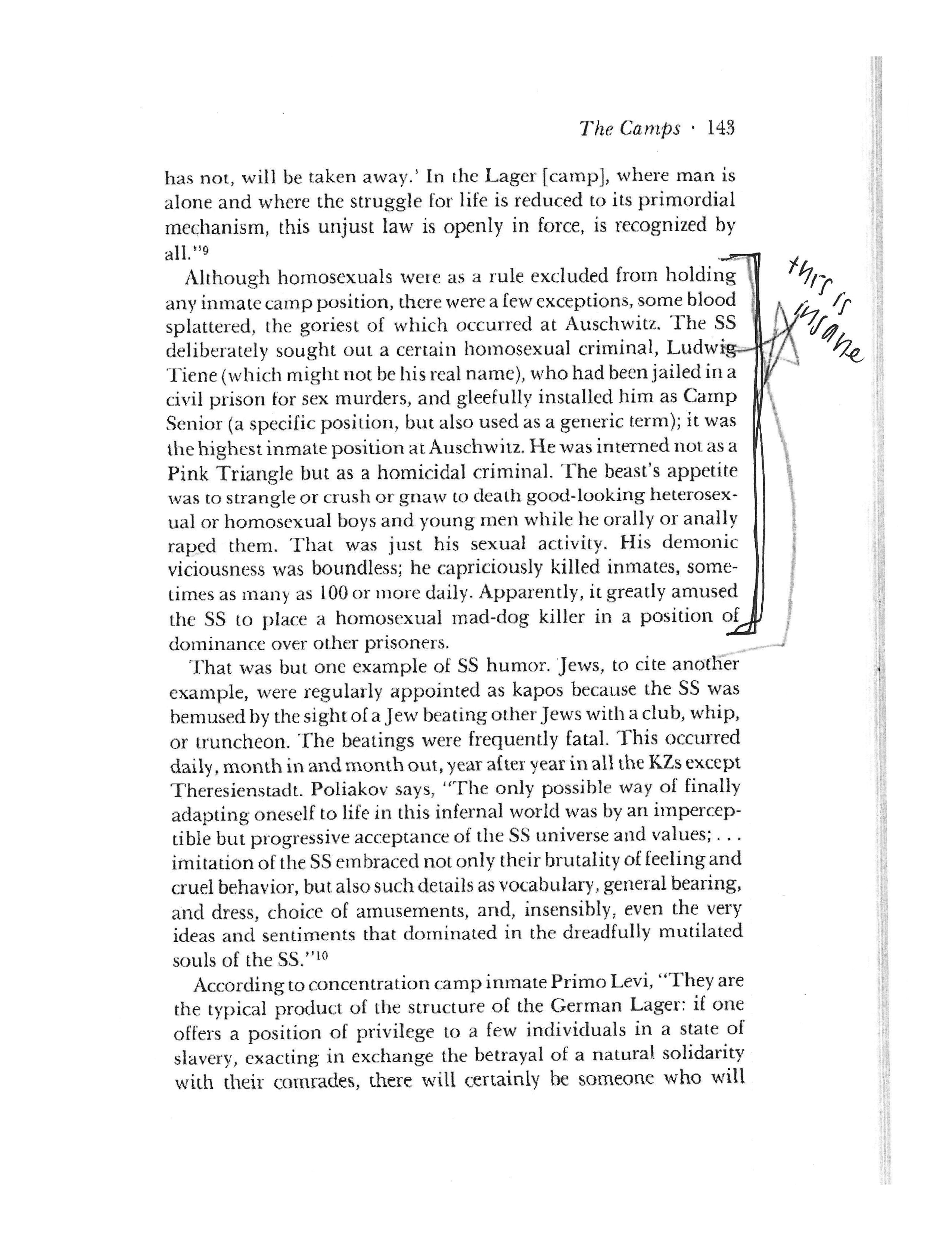
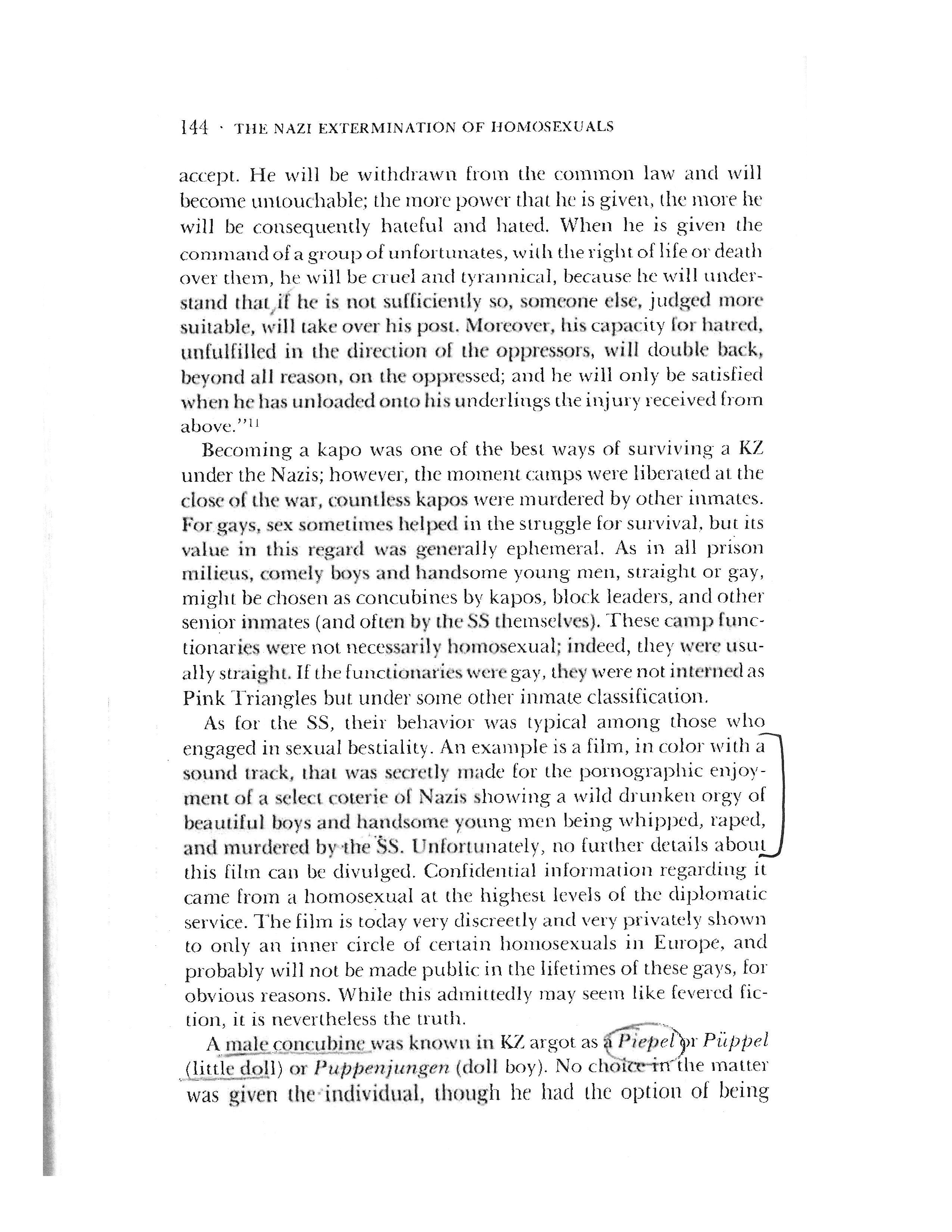
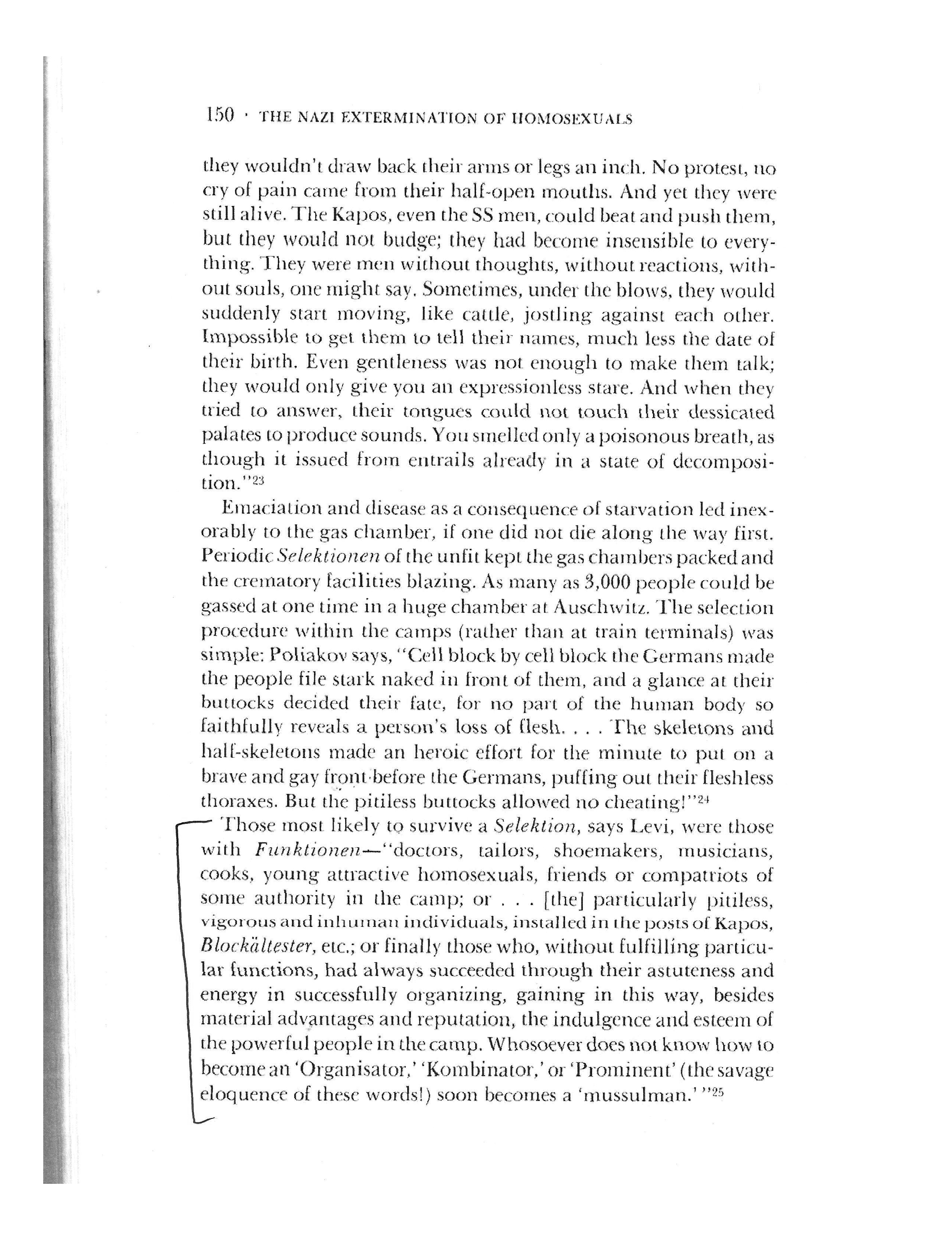
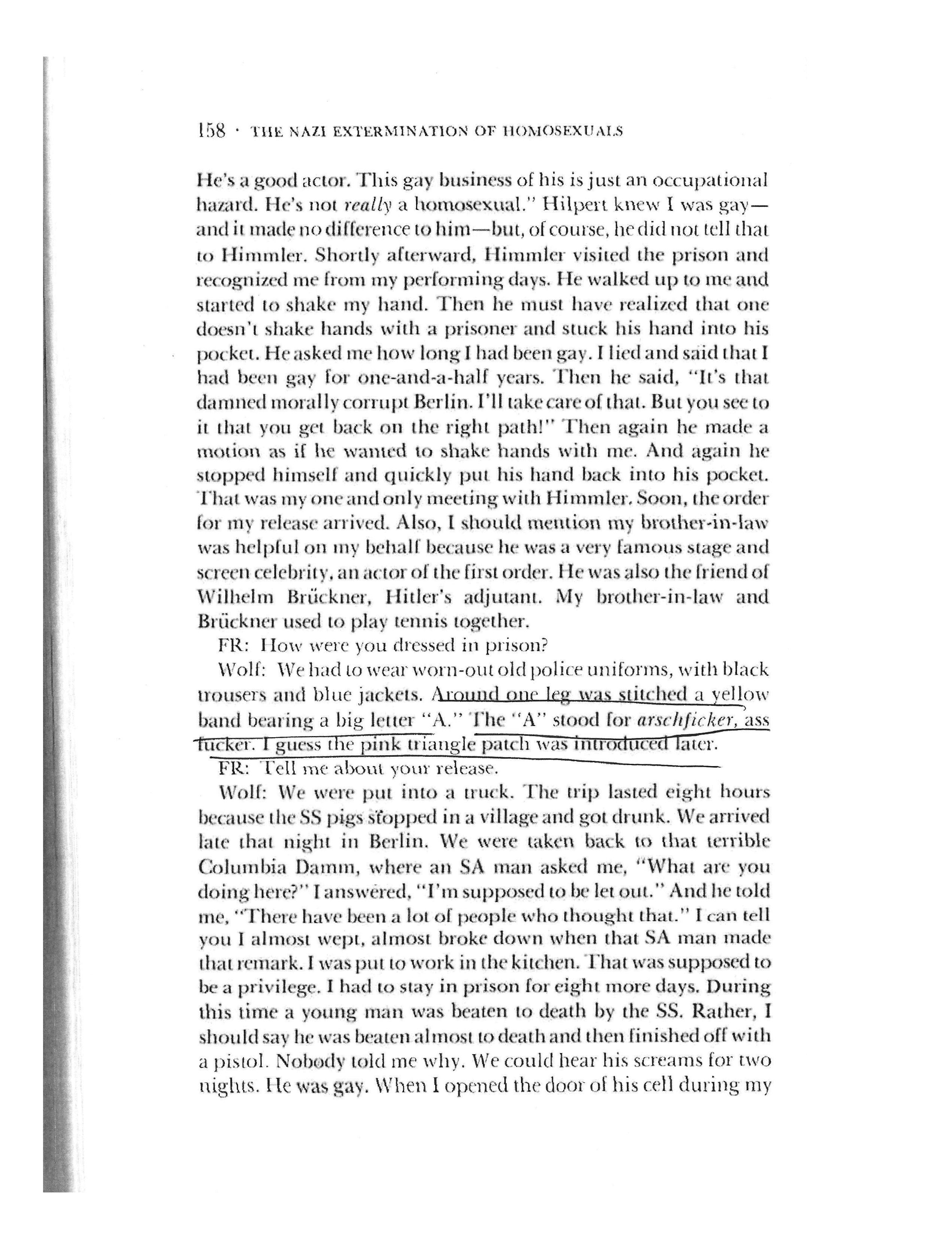
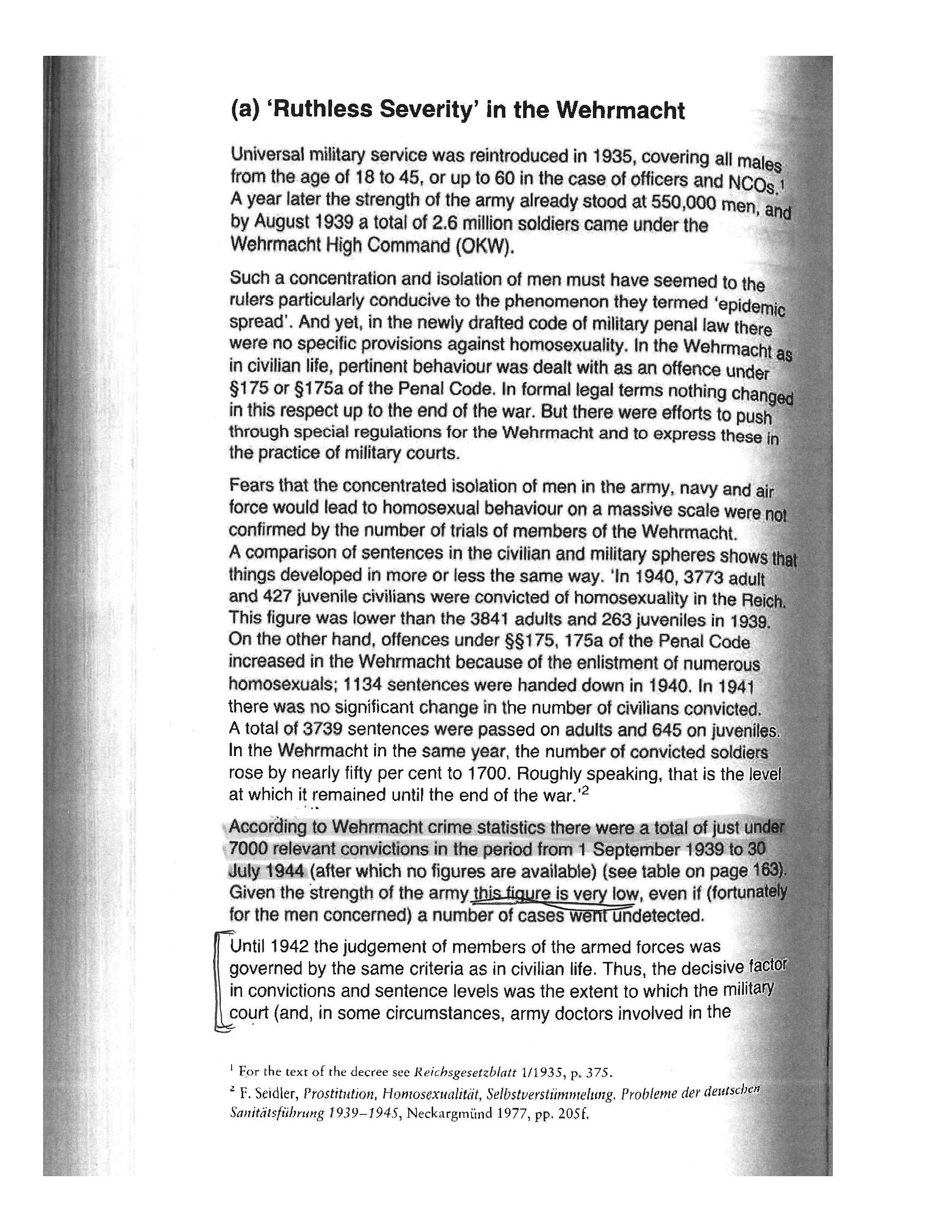
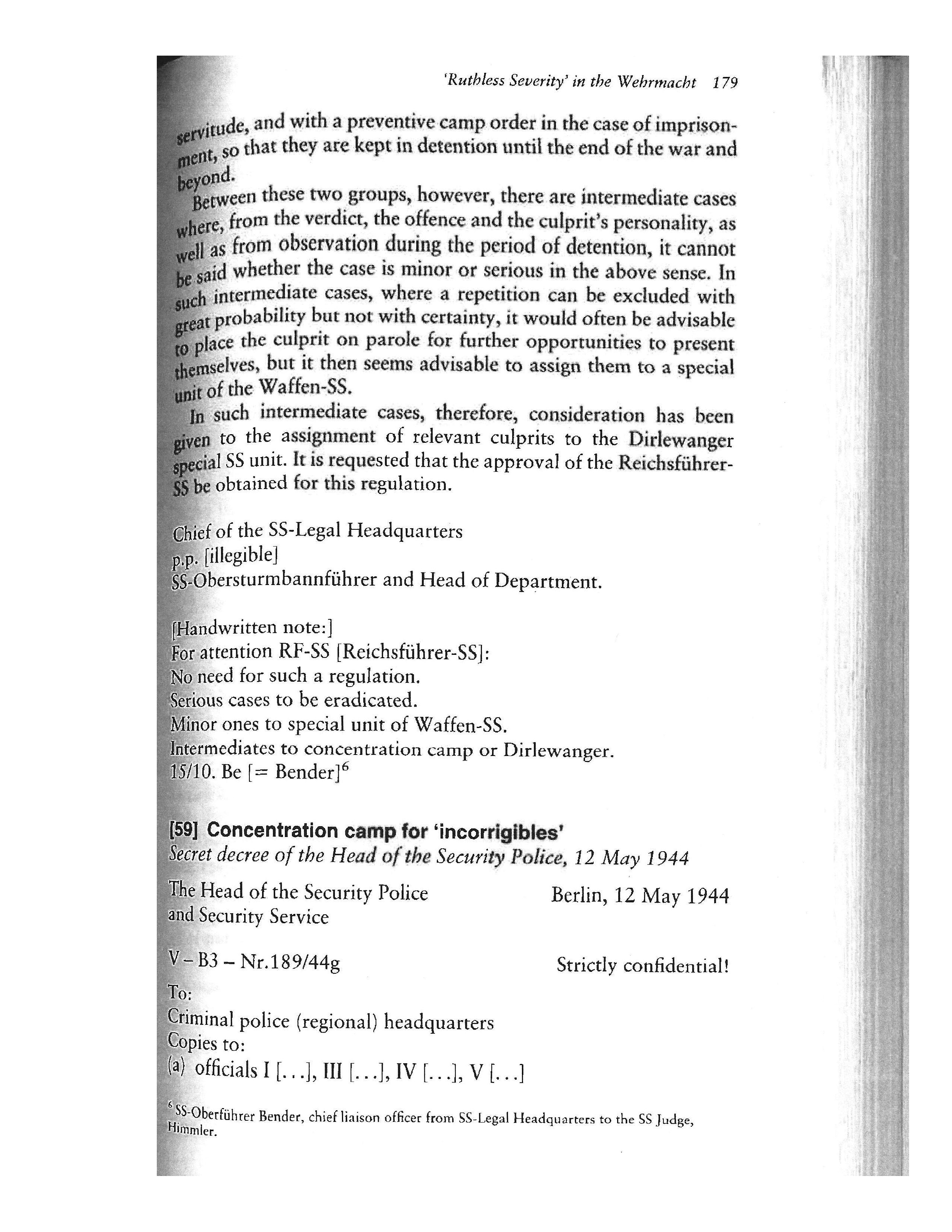
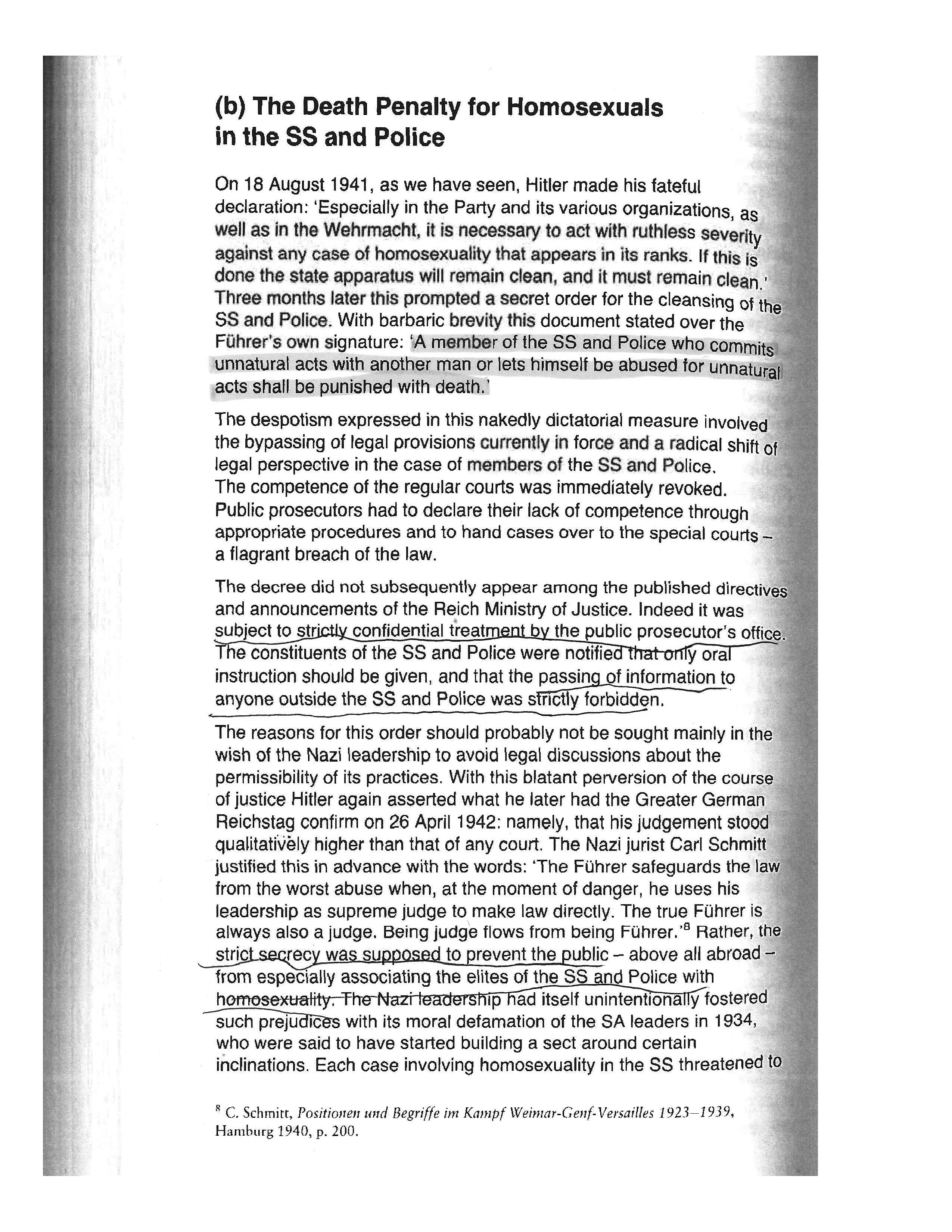
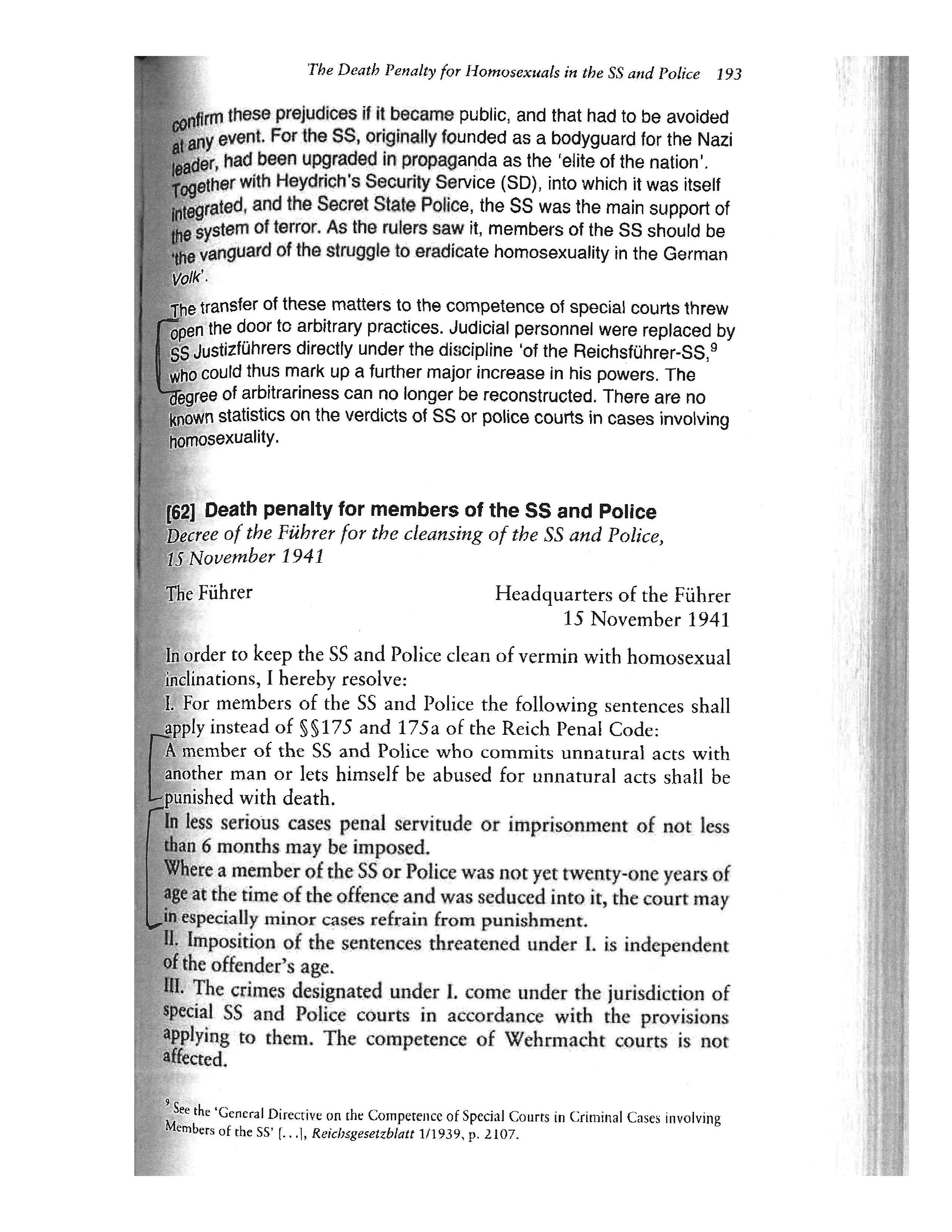
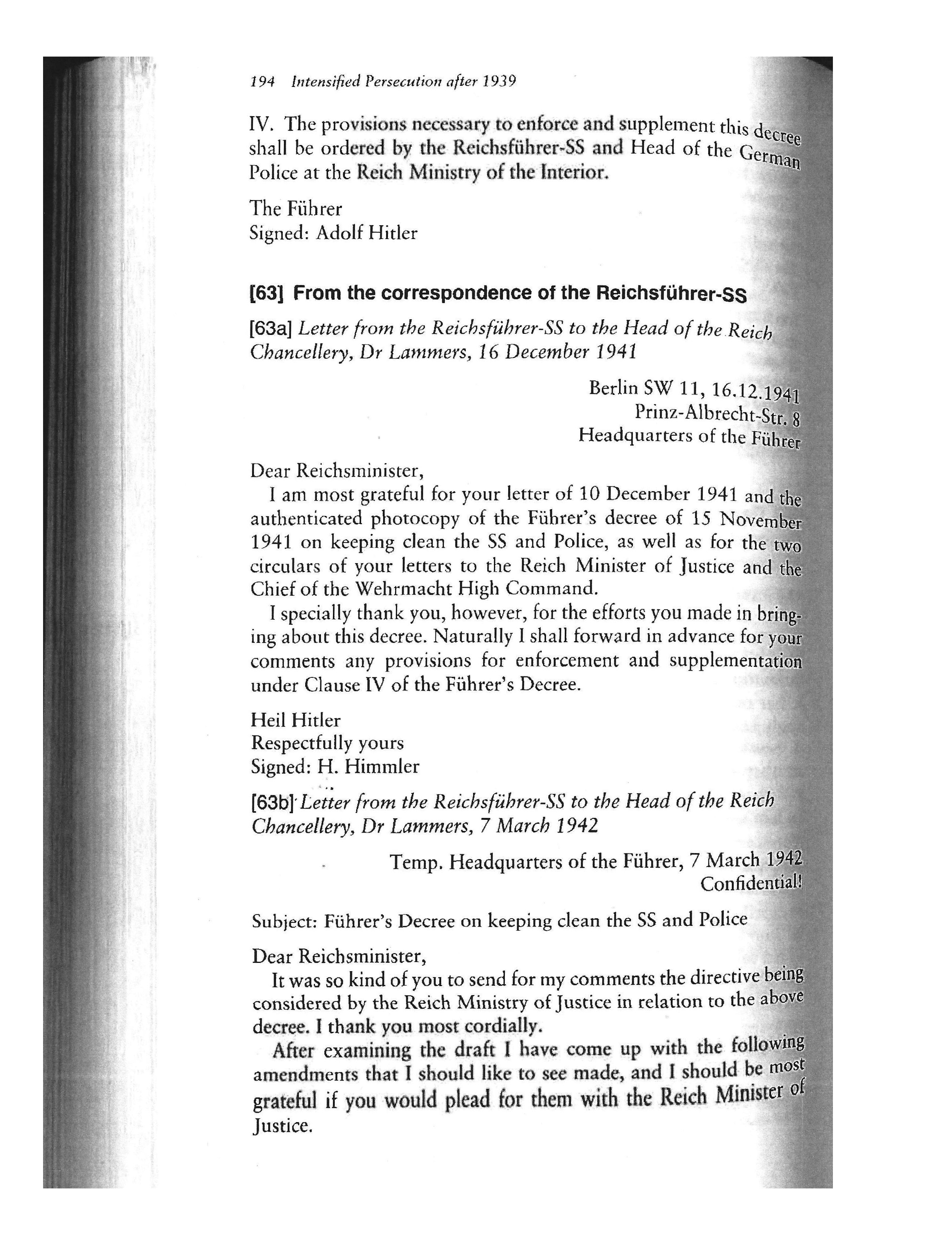
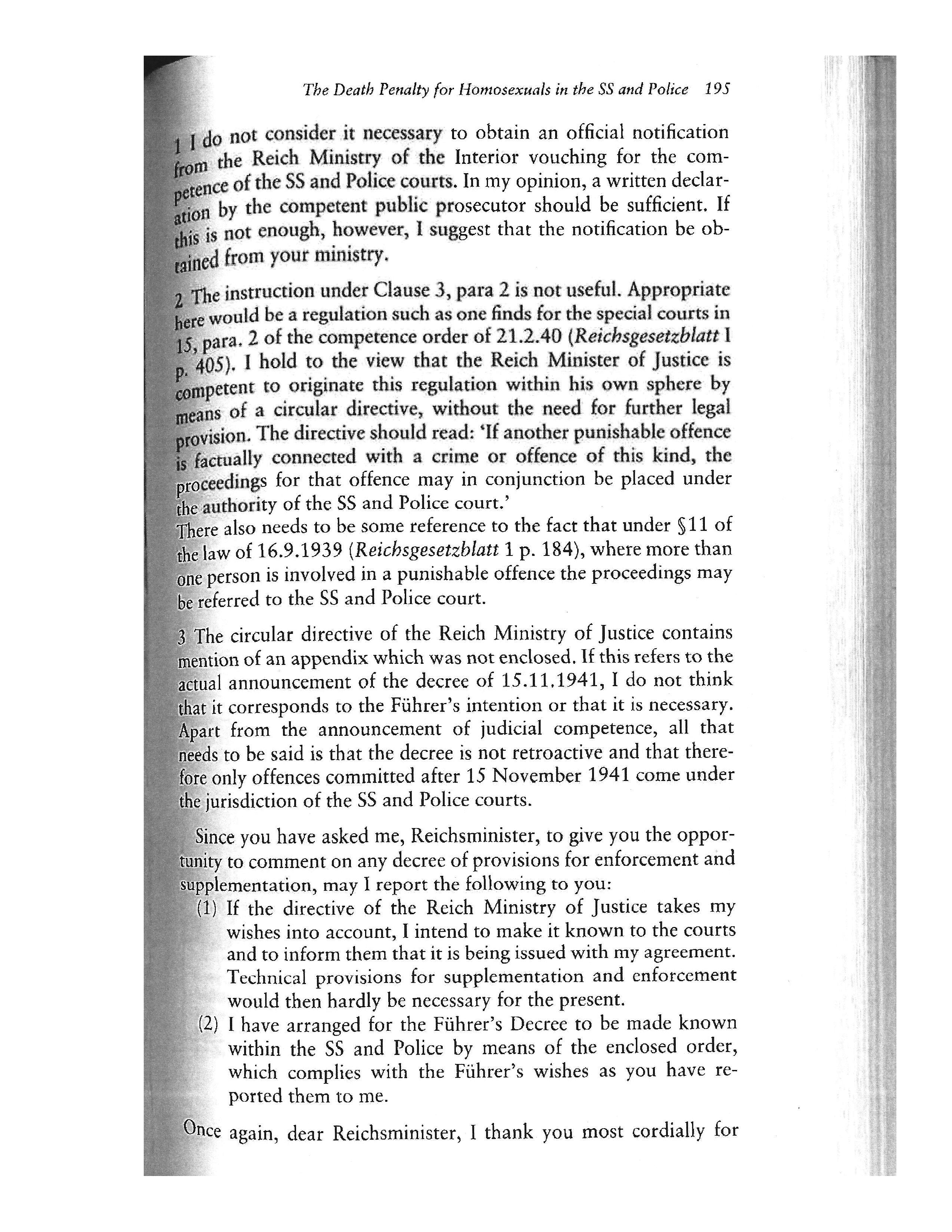
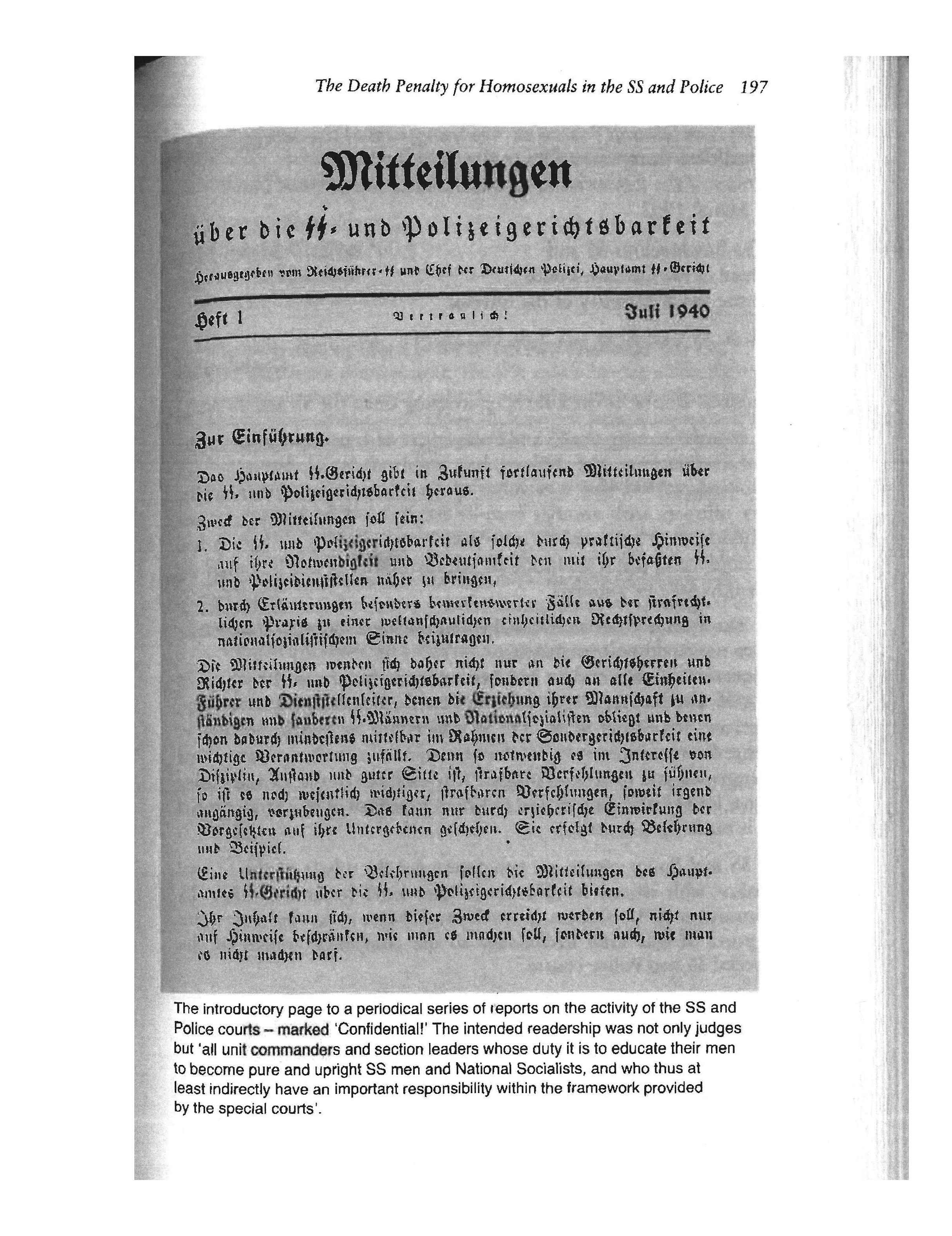
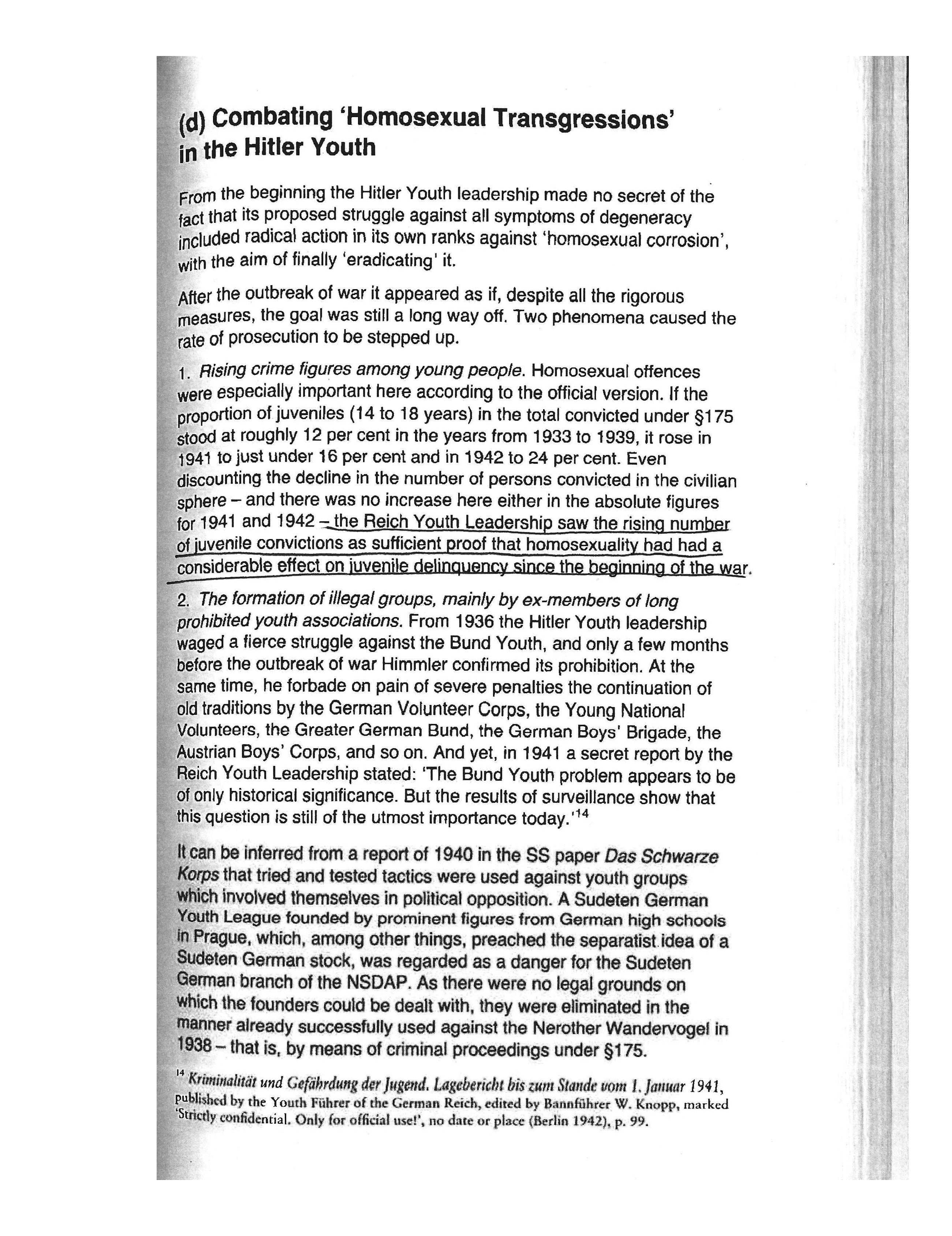
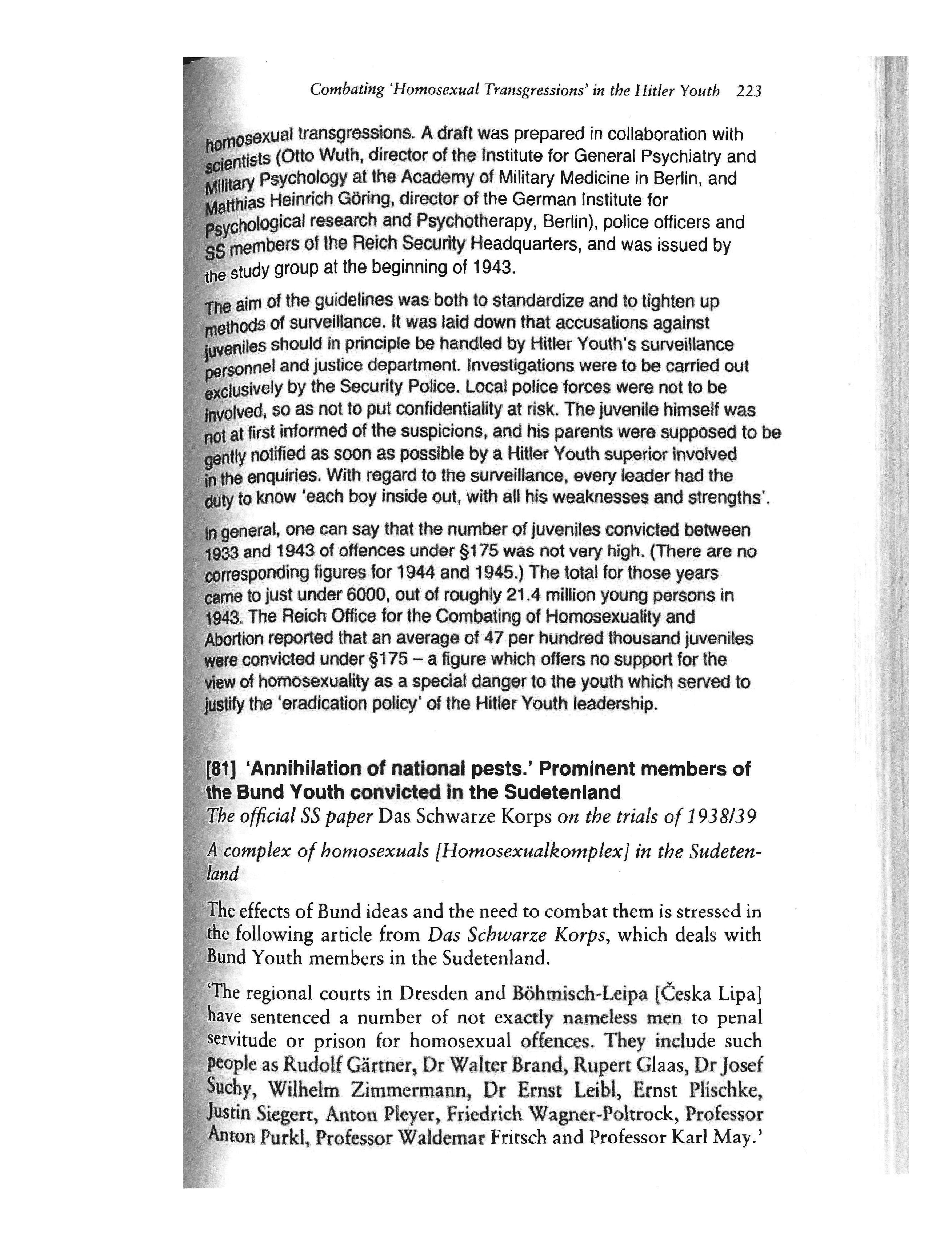
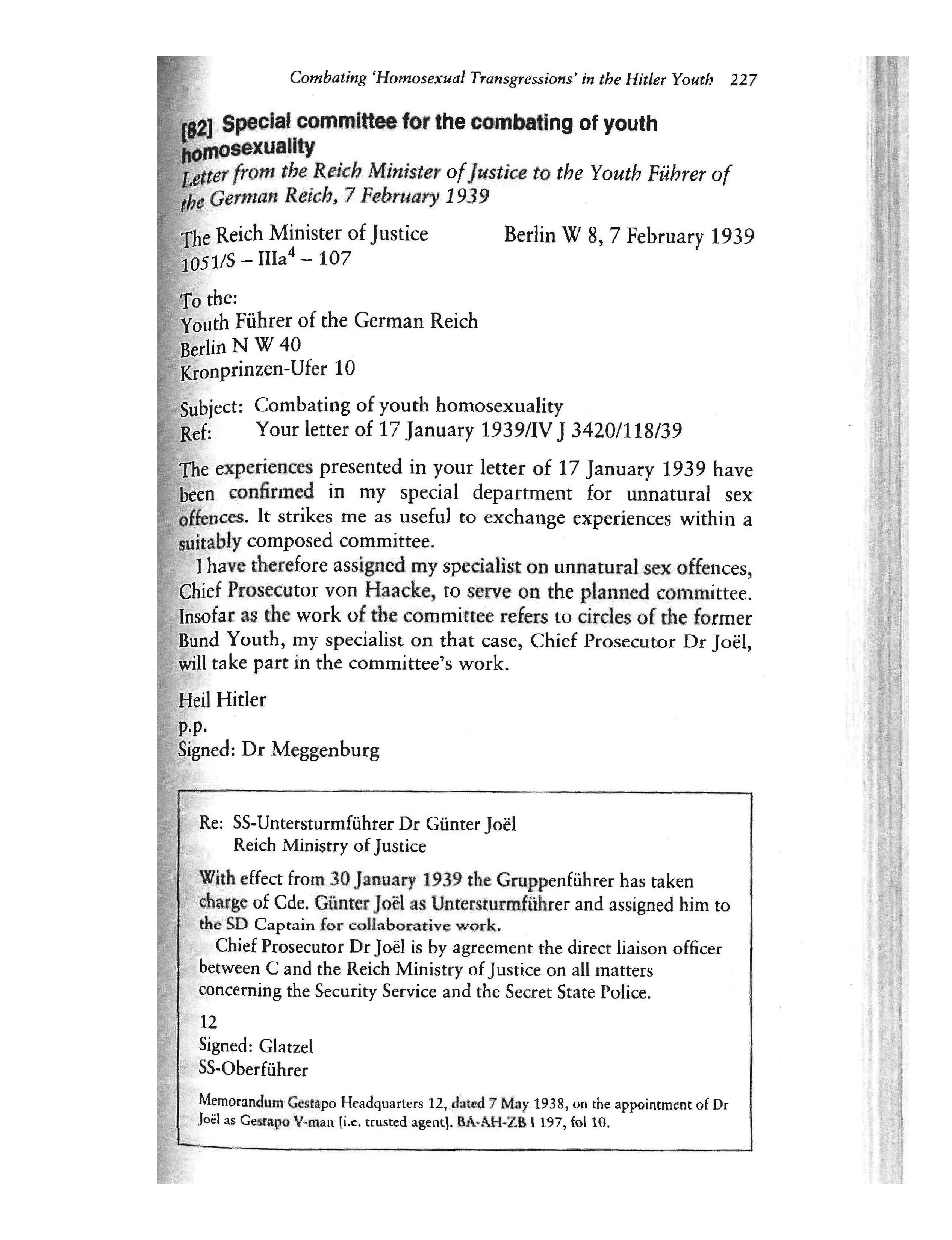
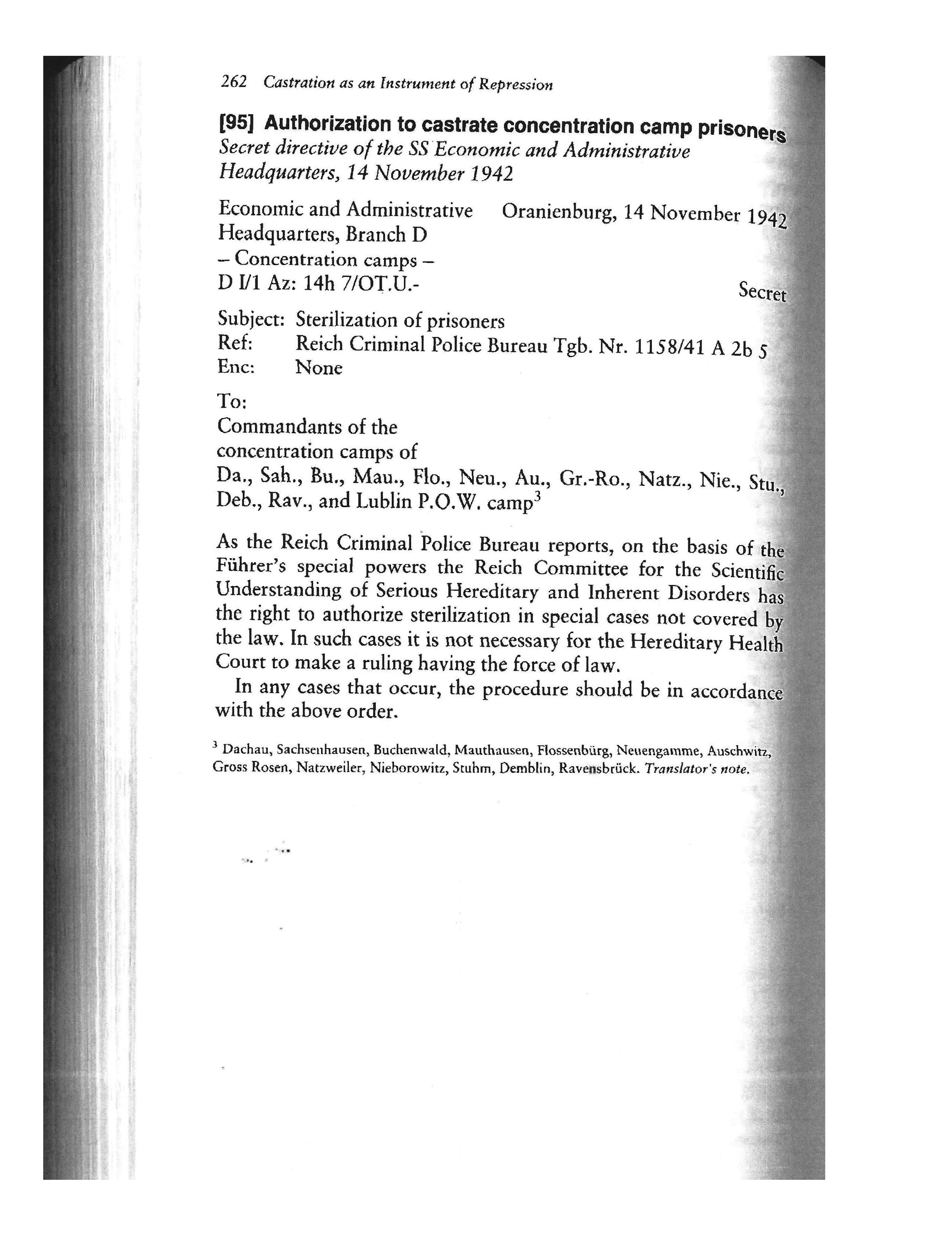
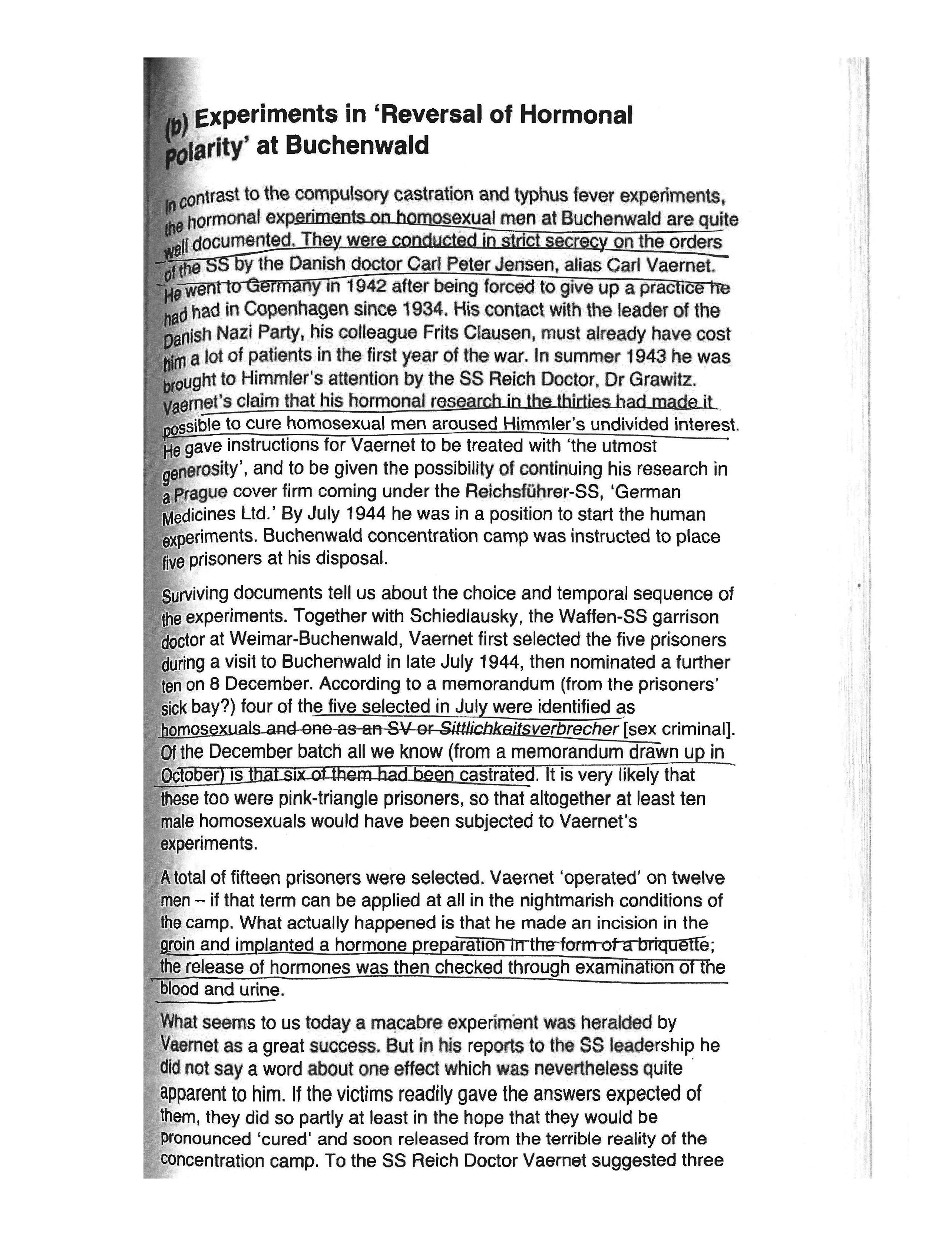
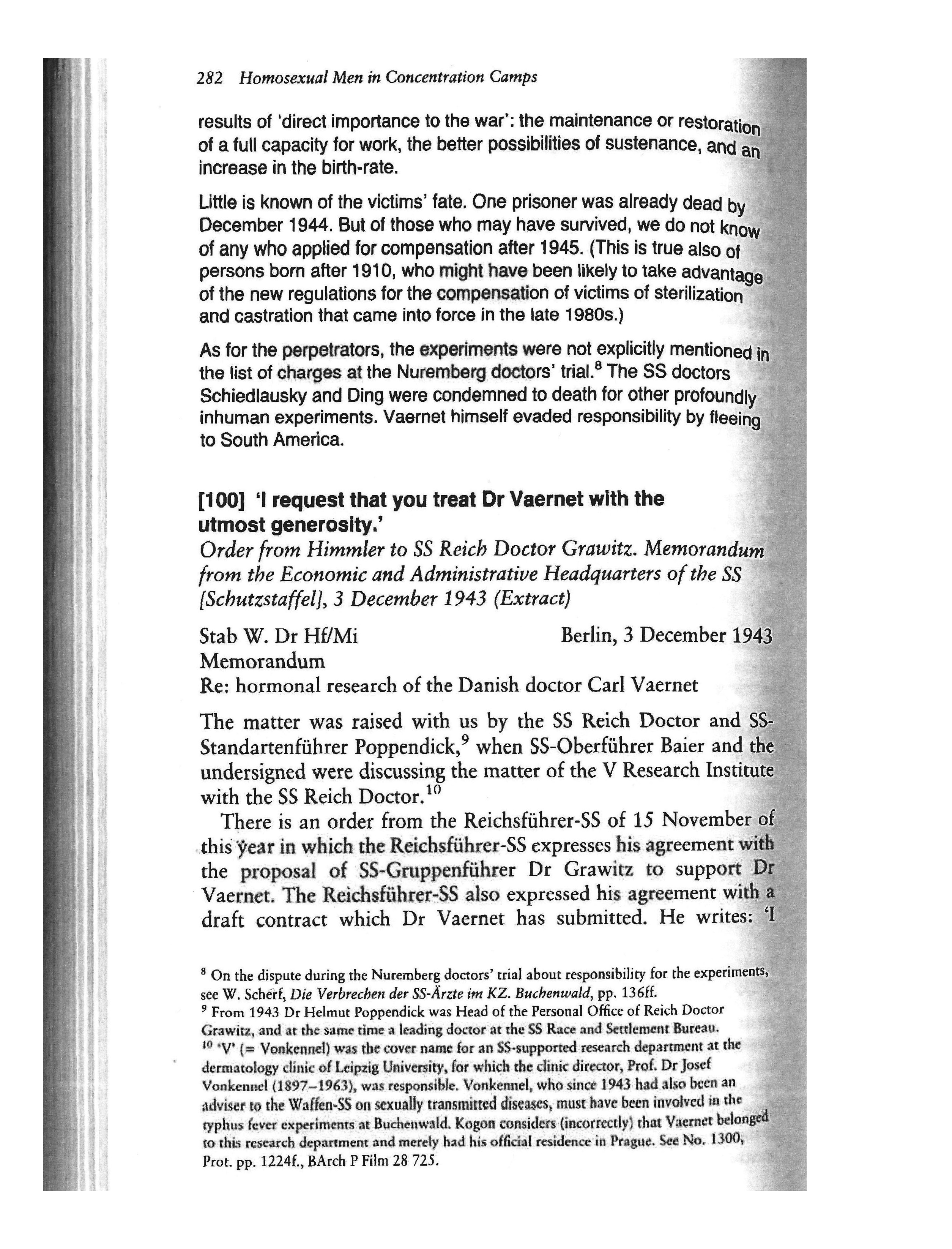
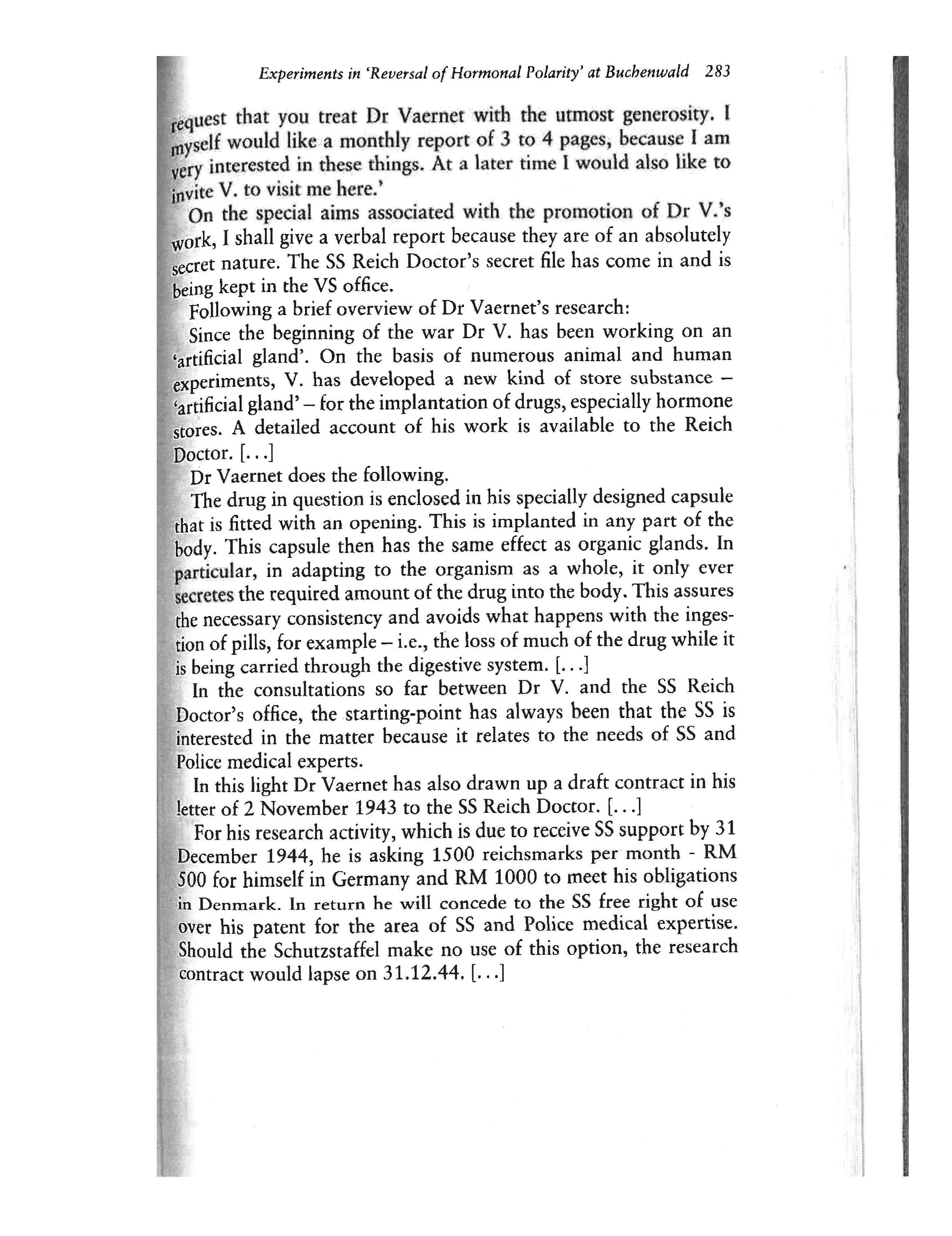
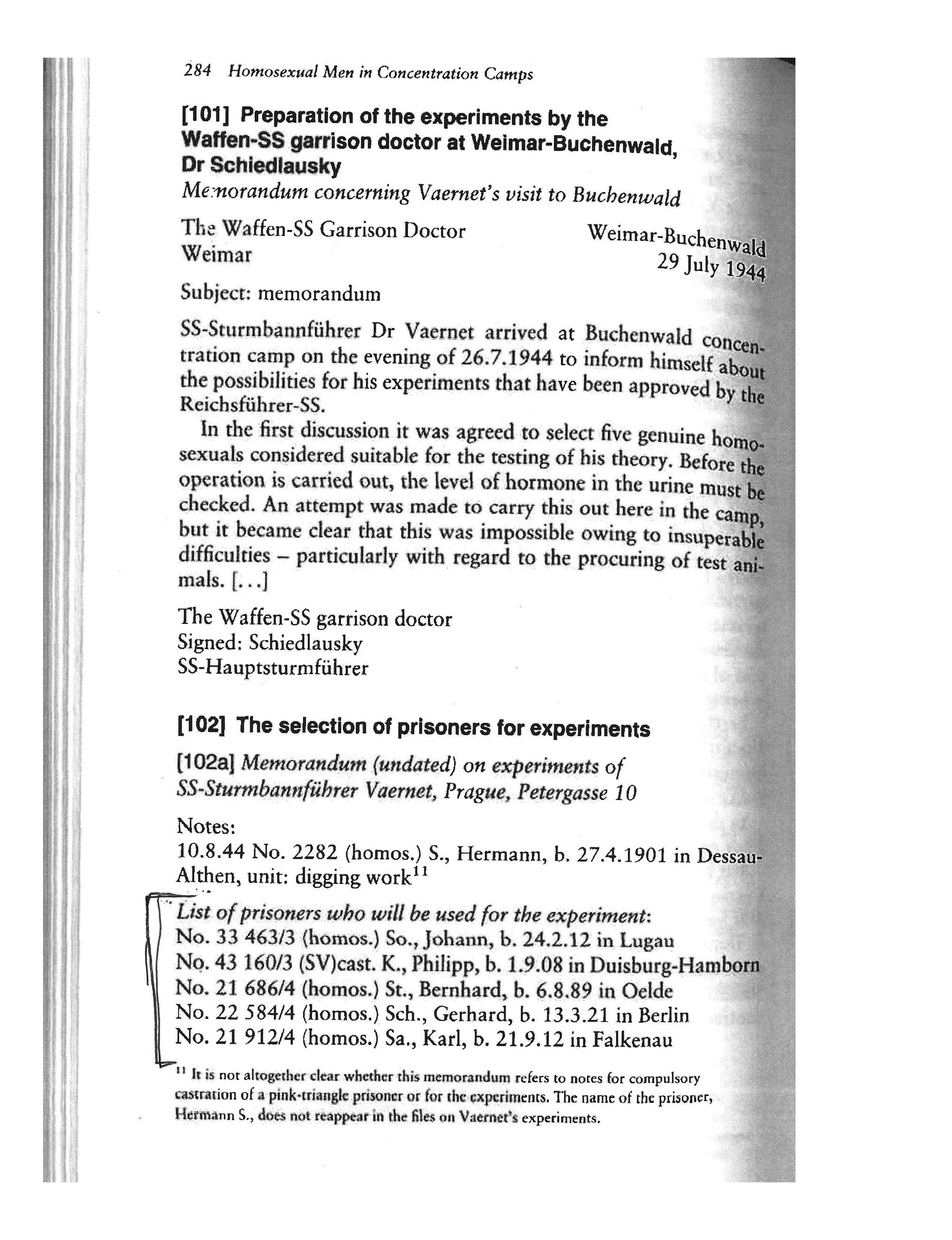
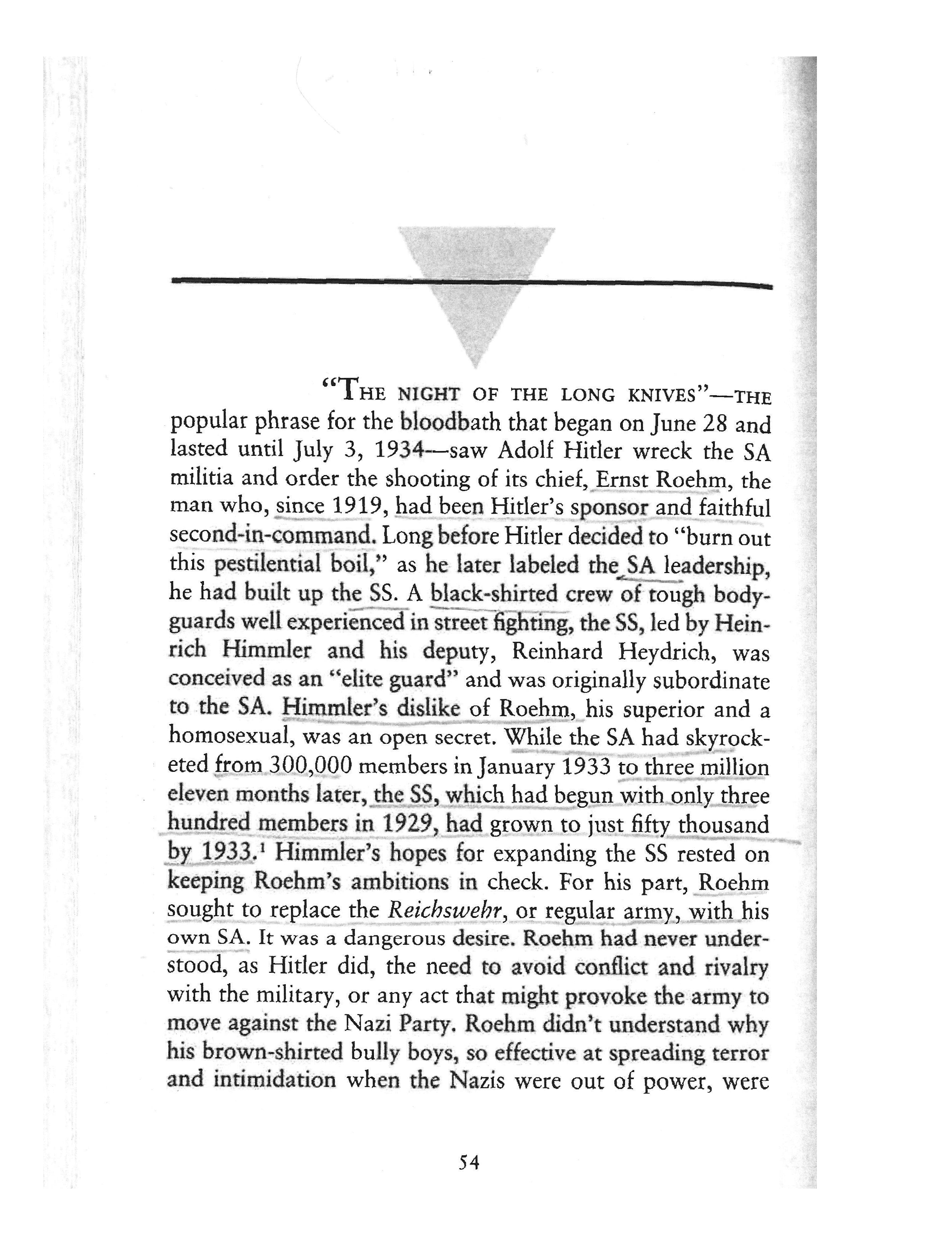
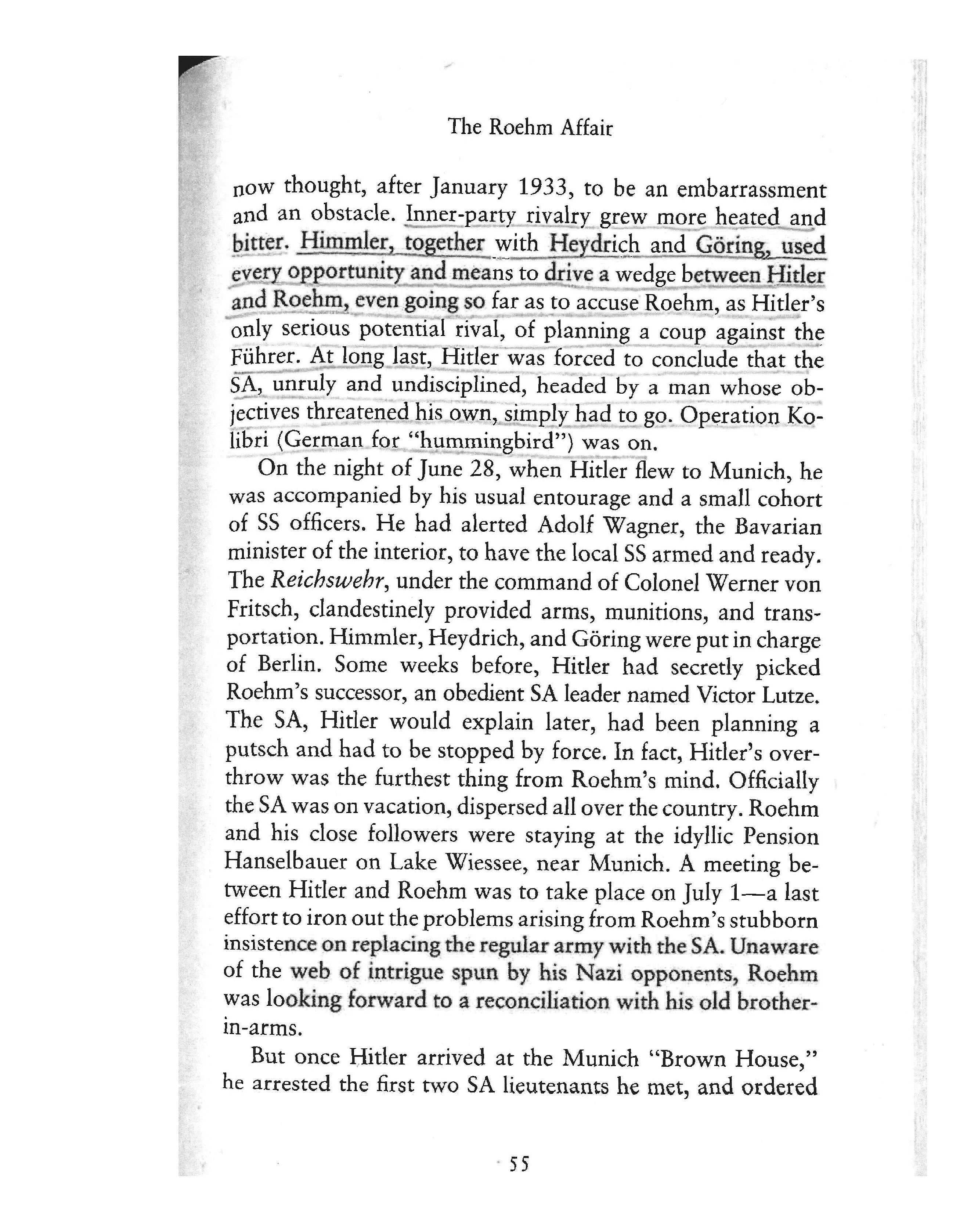
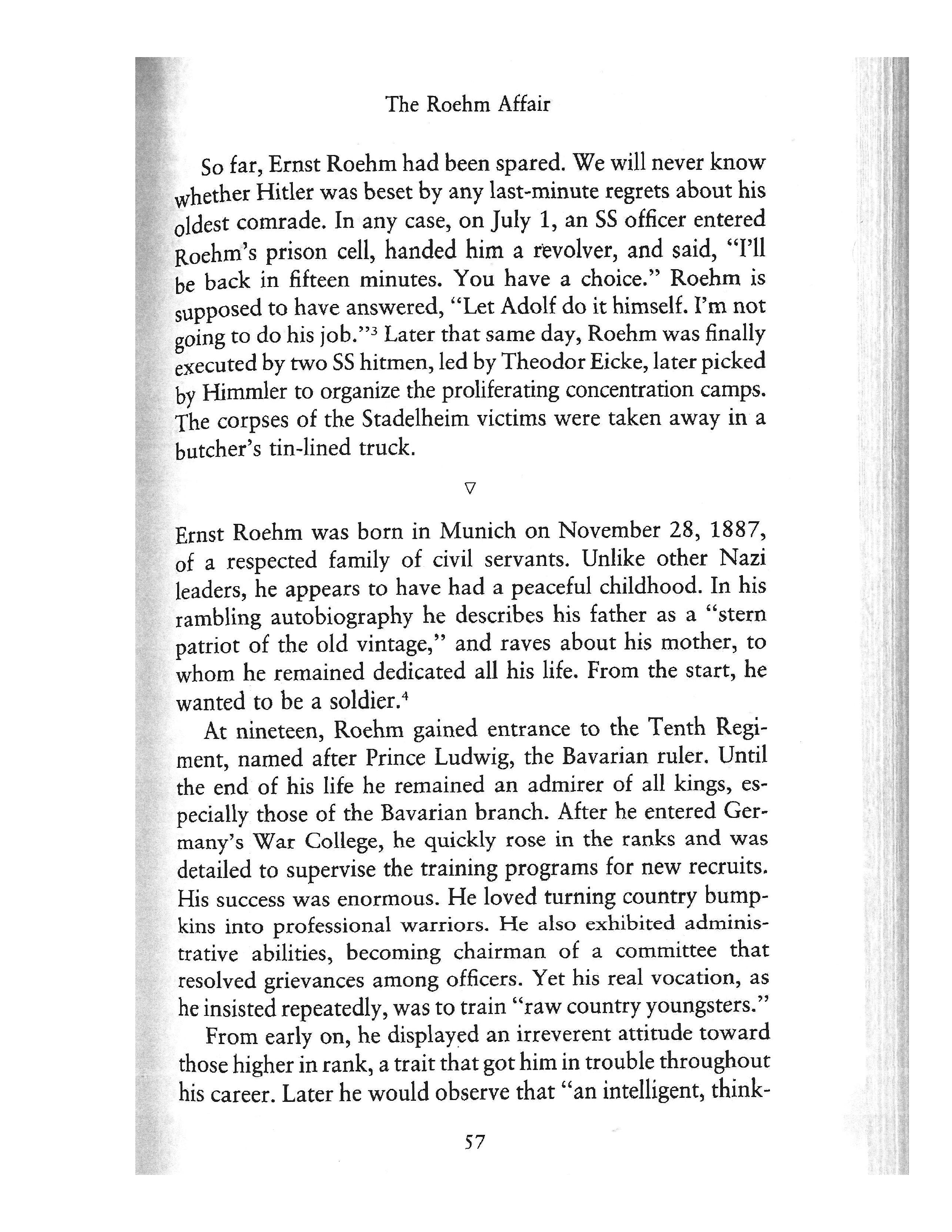
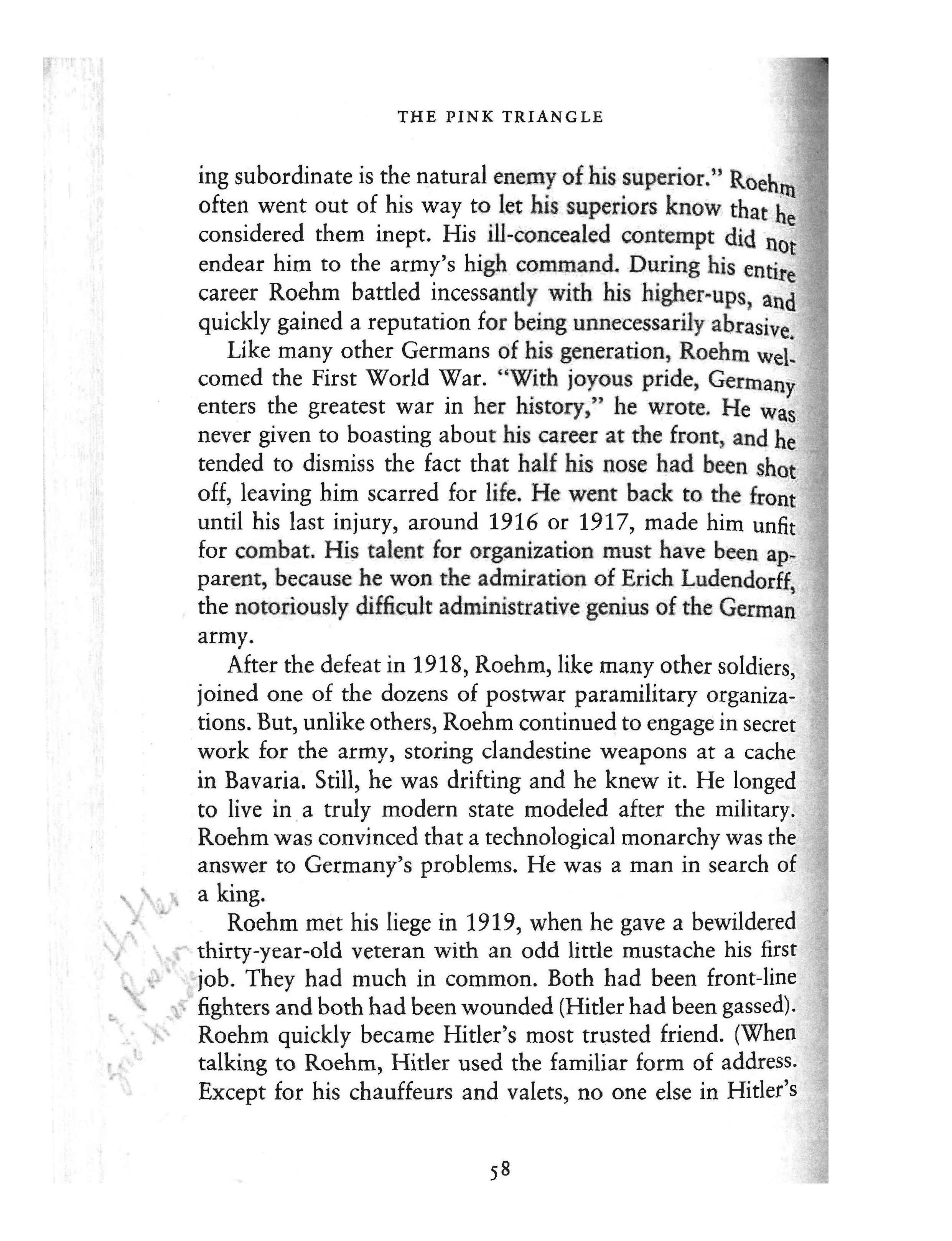
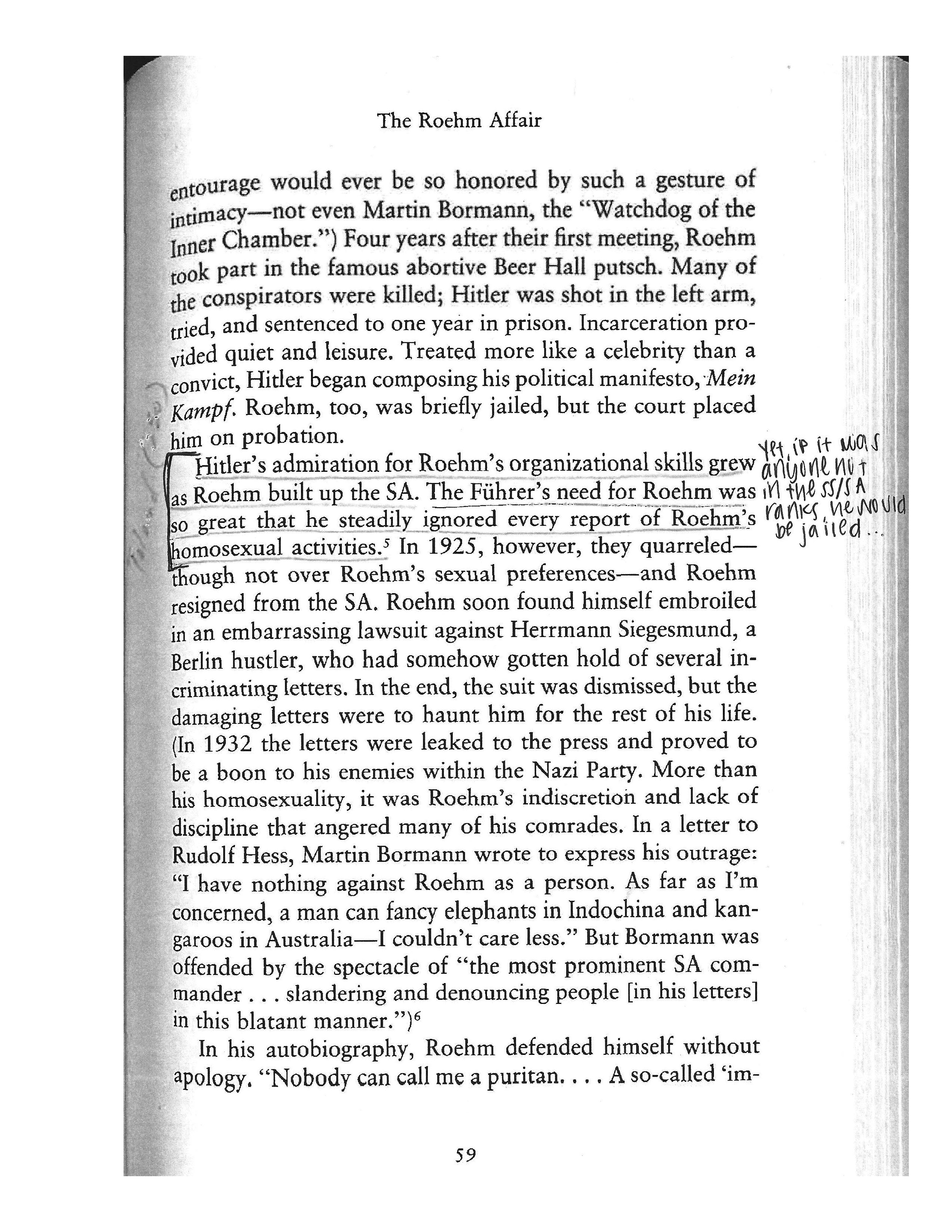
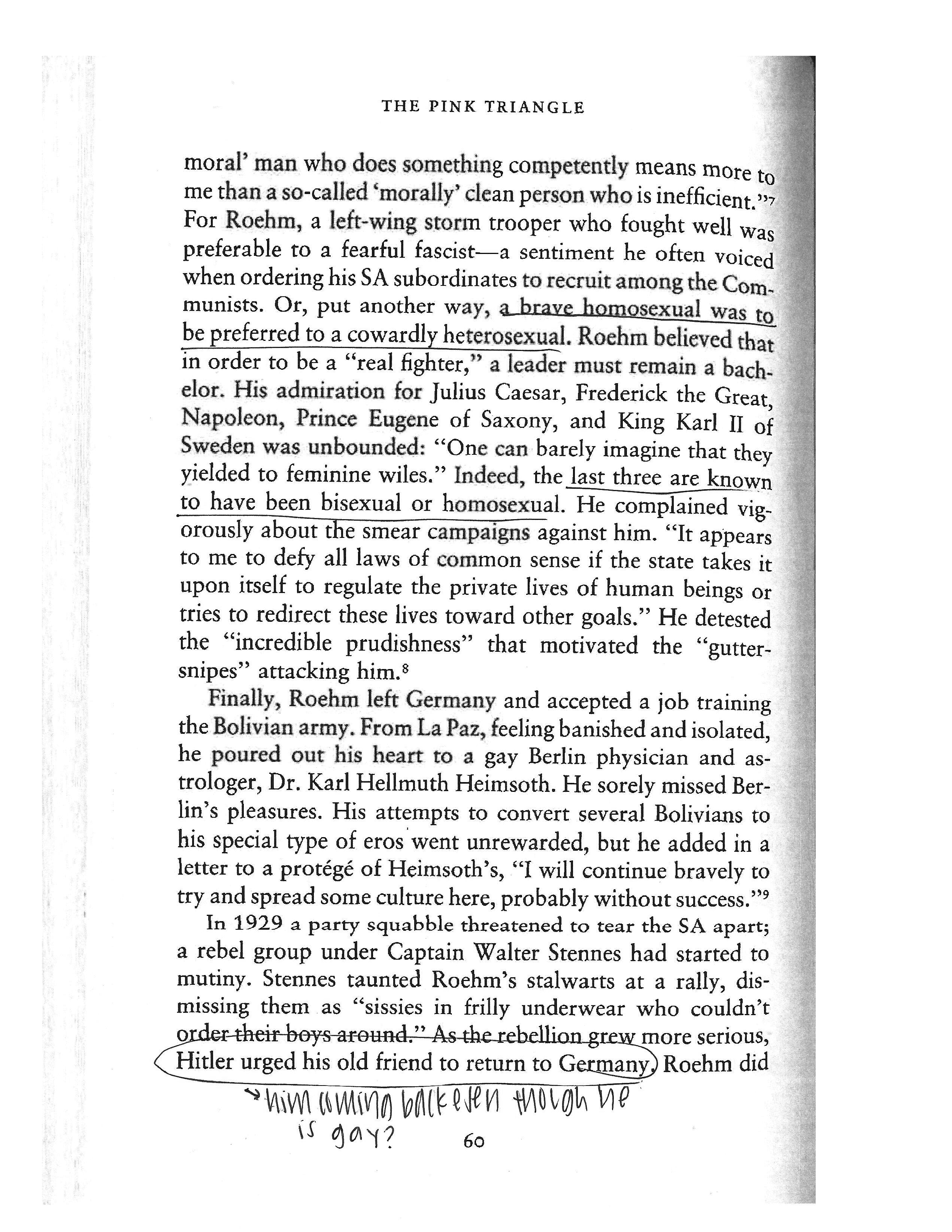
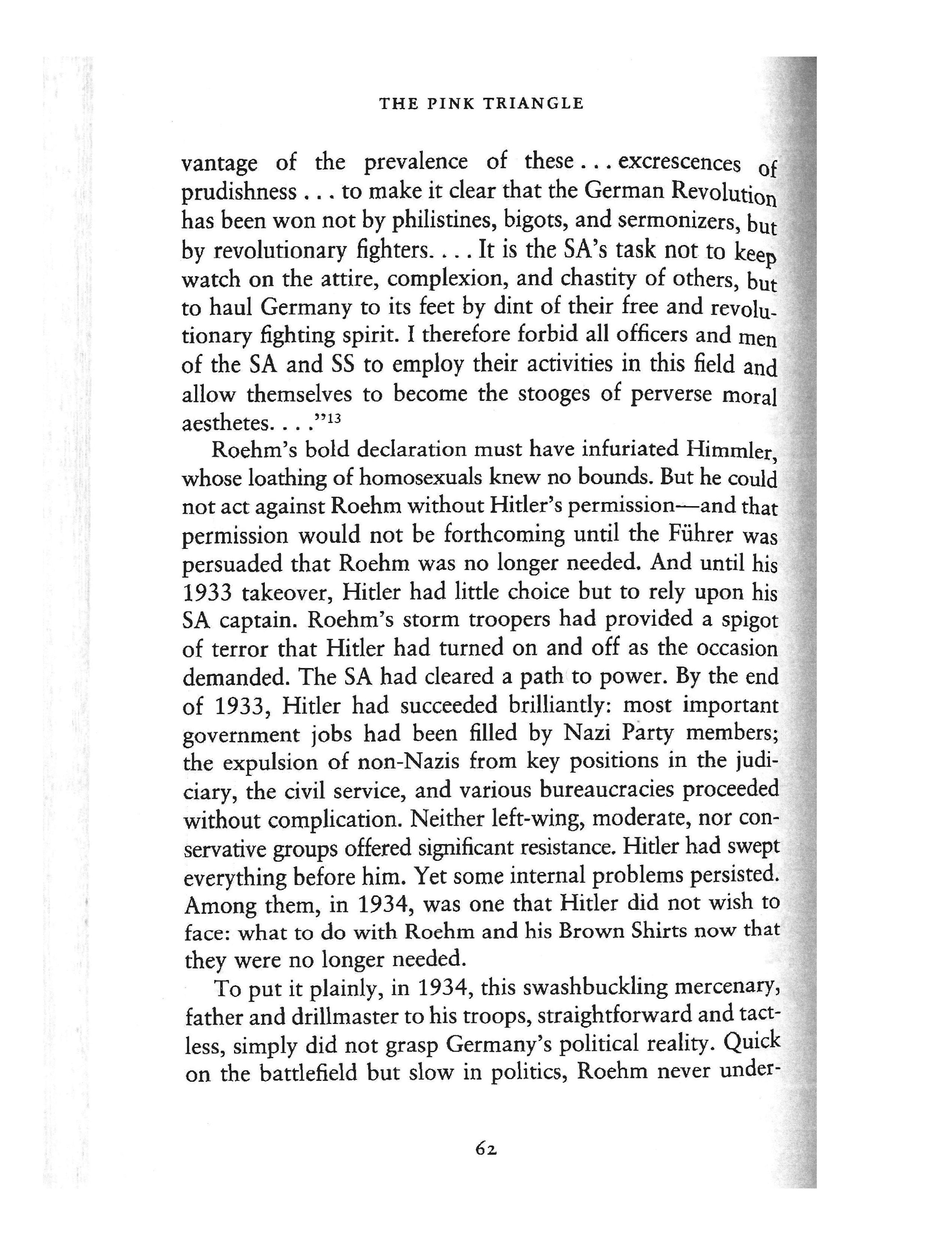
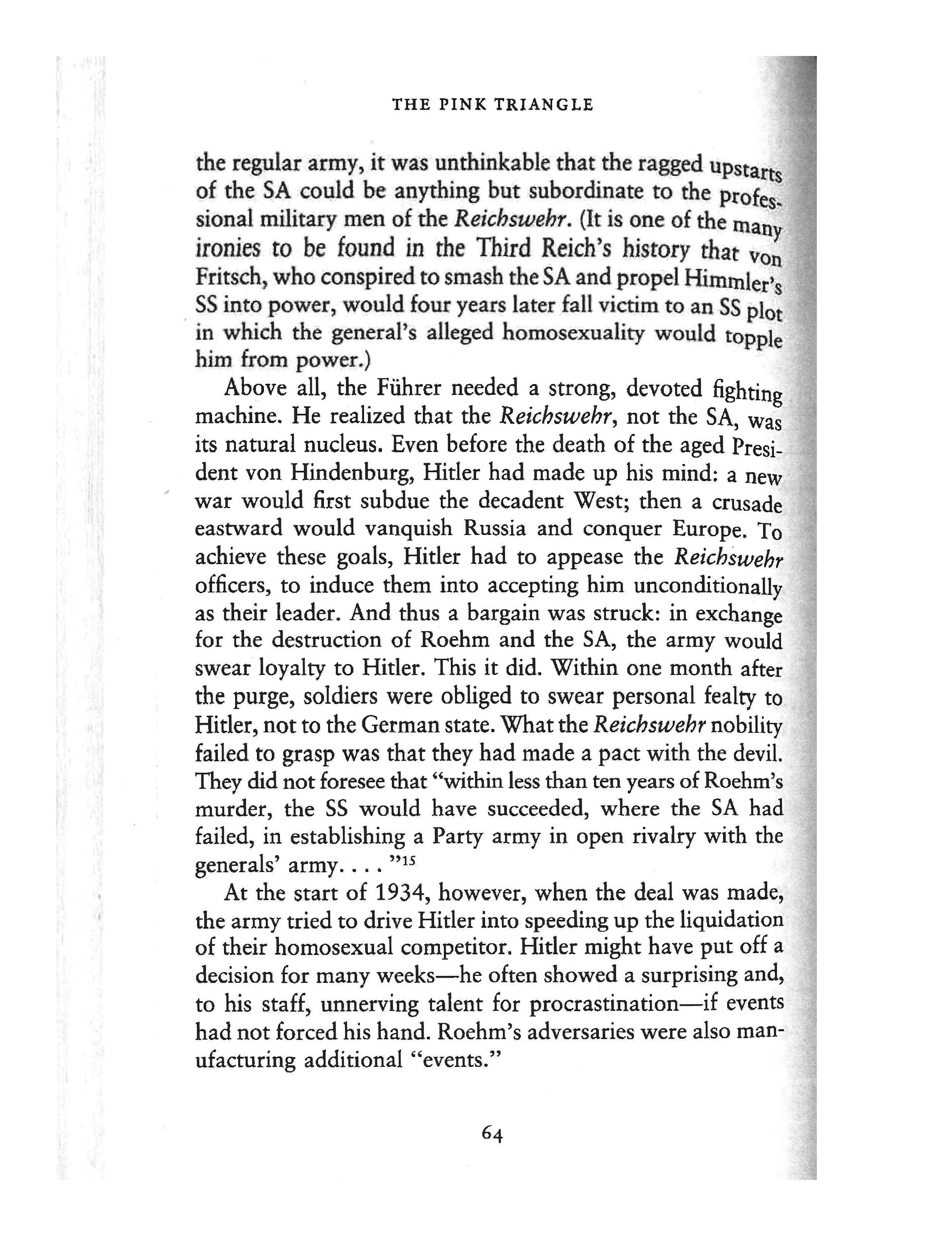
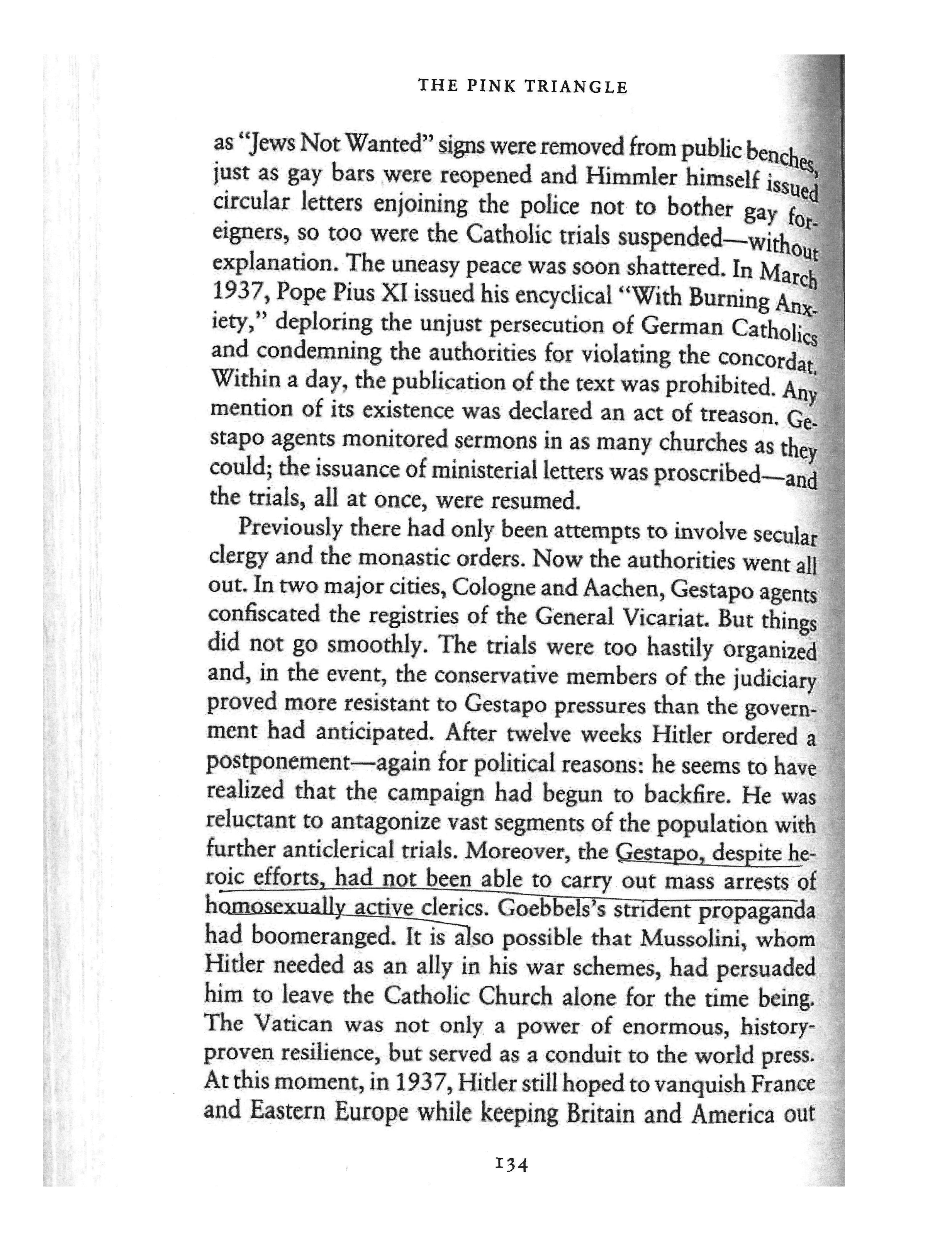
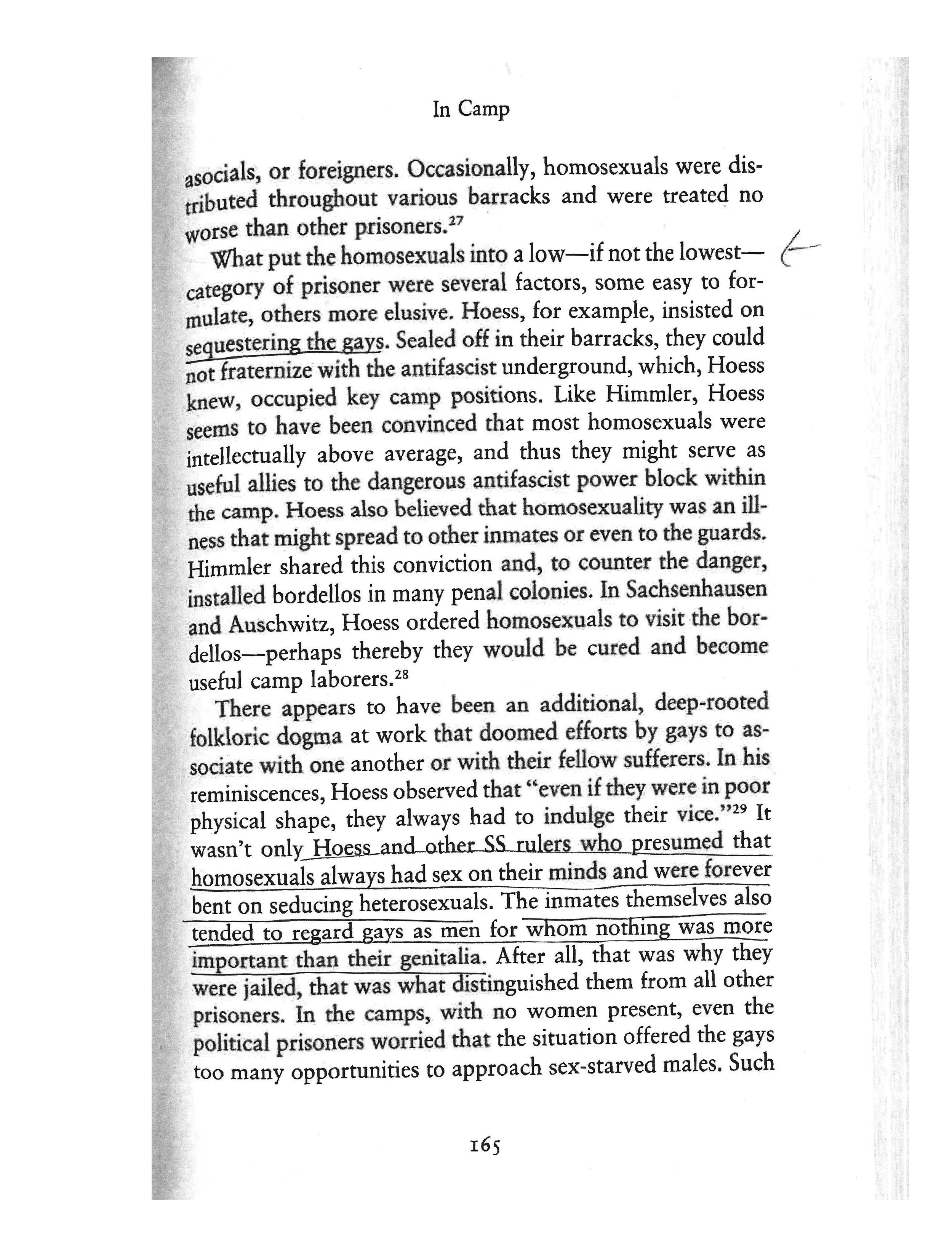
if you were in the SS, you just get a free pass? like oh, you’re gay, but you work for us...so just don’t be gay! it’s a game of picking and choosing. choosing what works best for your agenda. thanks hitler. it’s so similar to donald trump and his agenda with the media. why pick and choose the reporters that will extend your agenda, but punish those that don’t fit that? but we aren’t in a dictatorship, right?
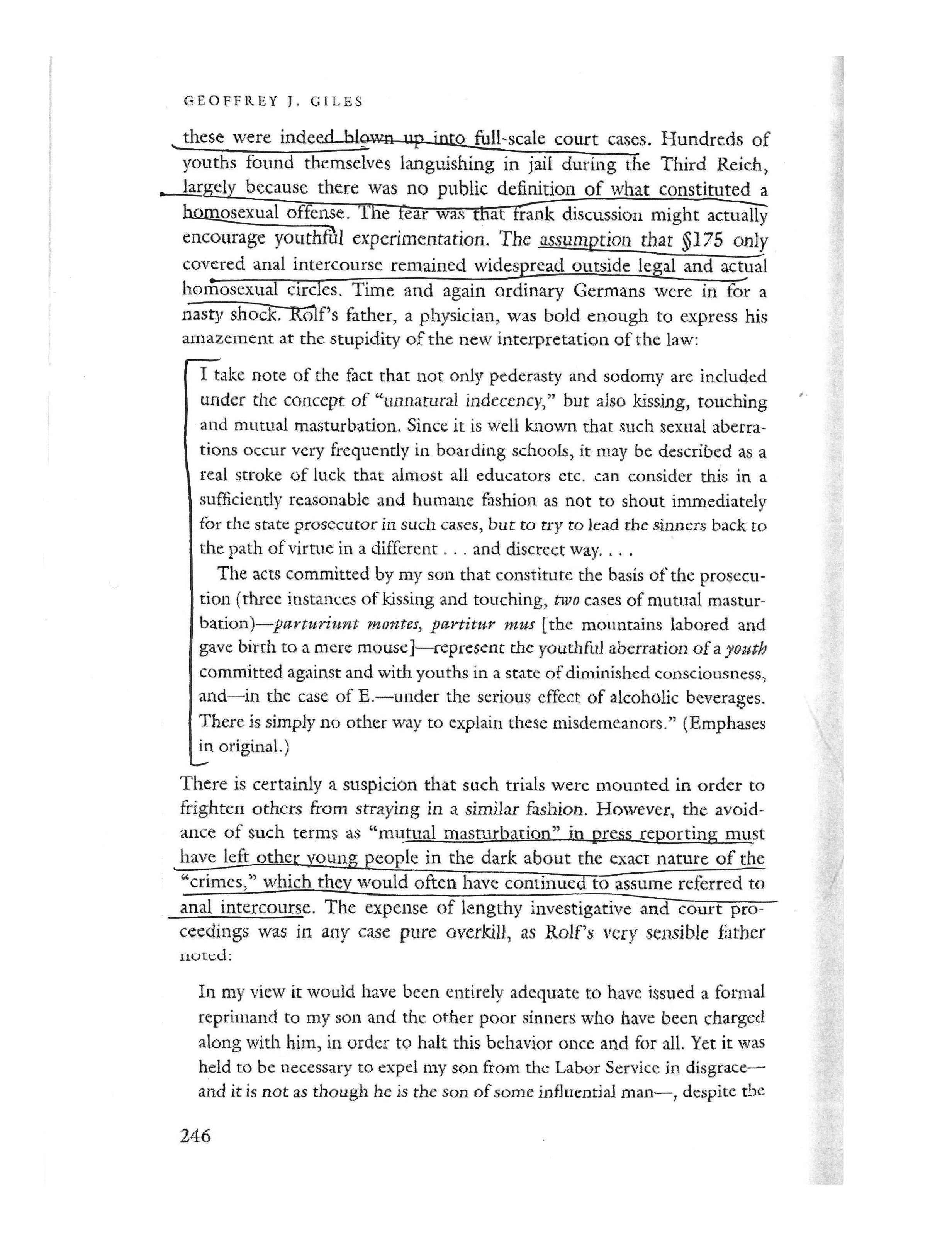
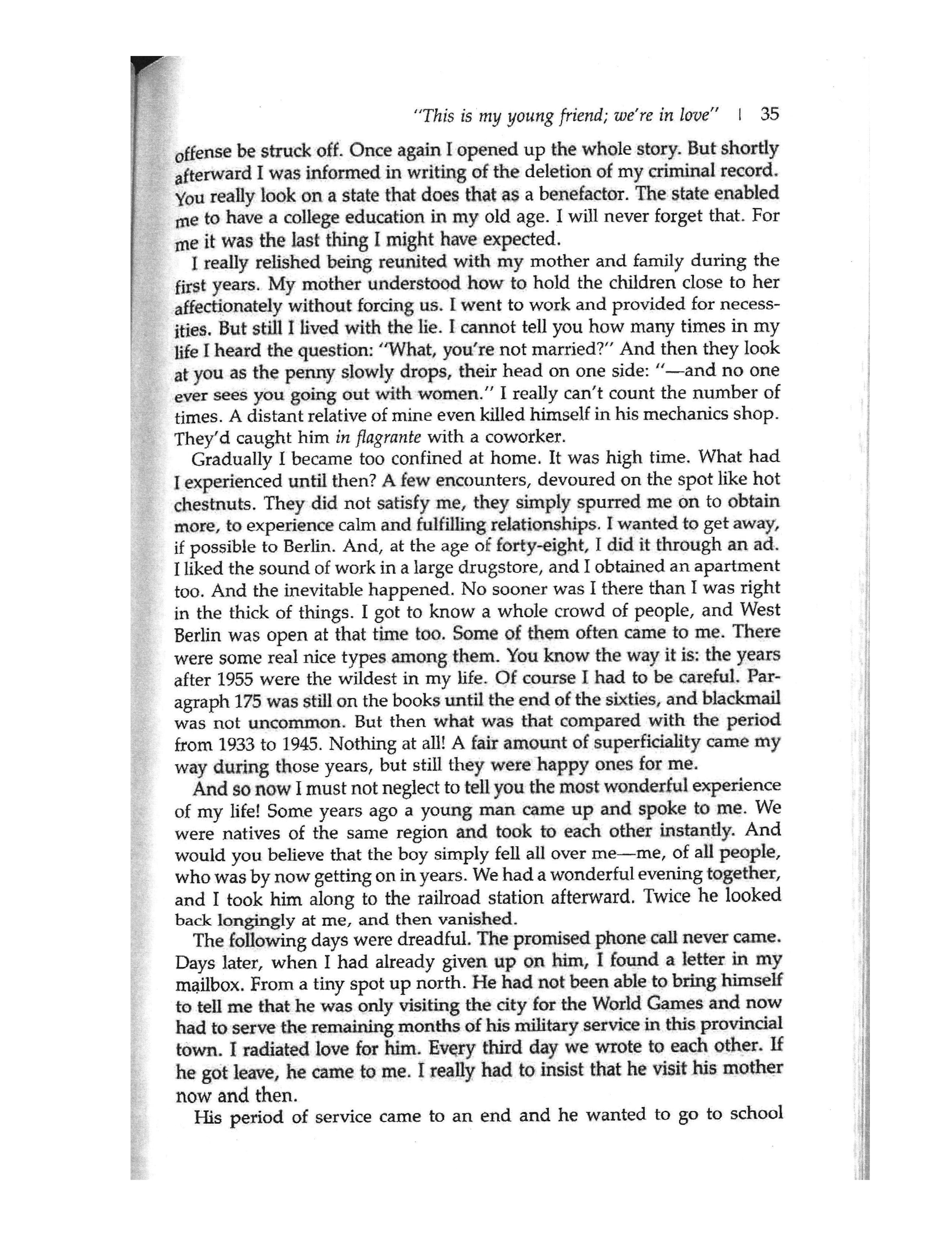
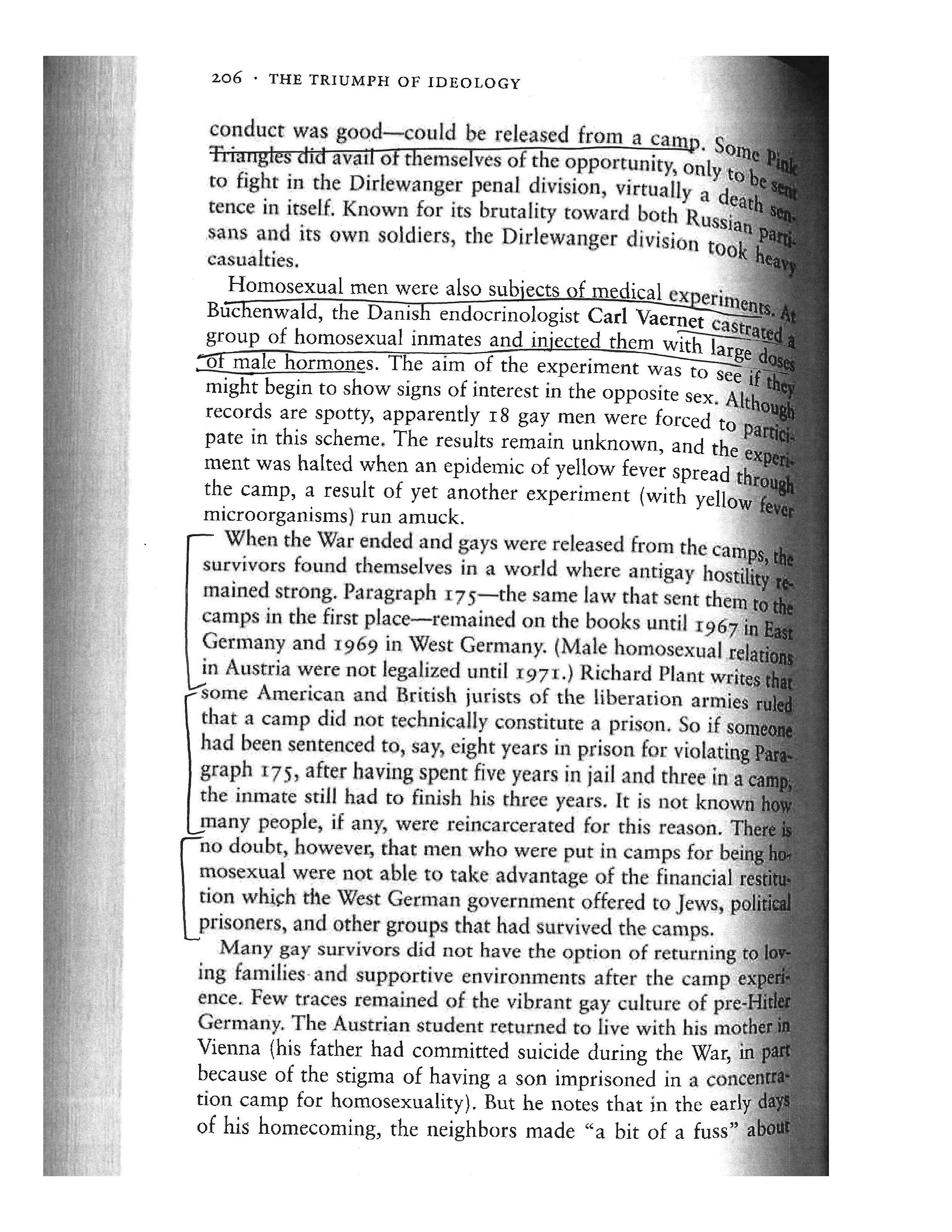
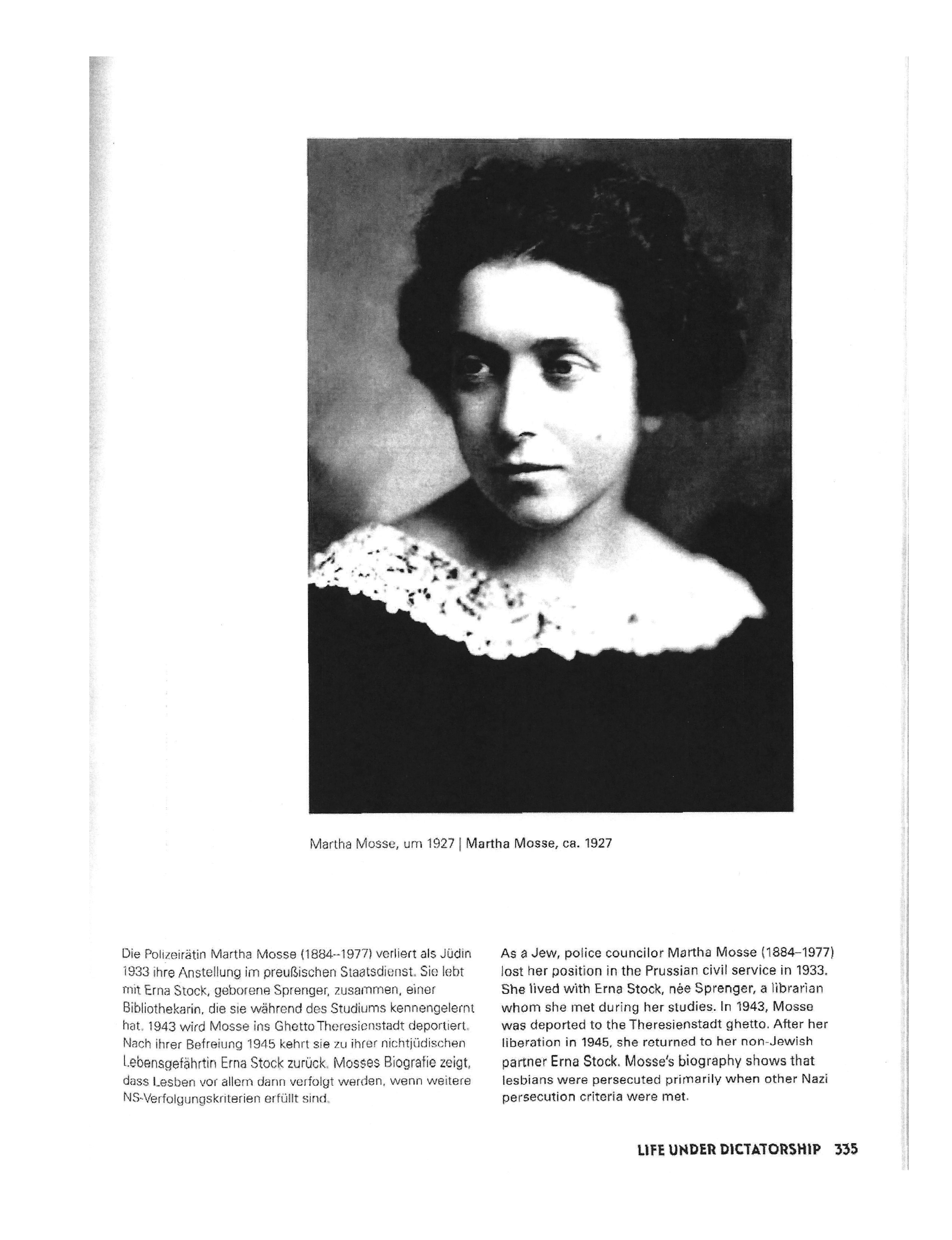
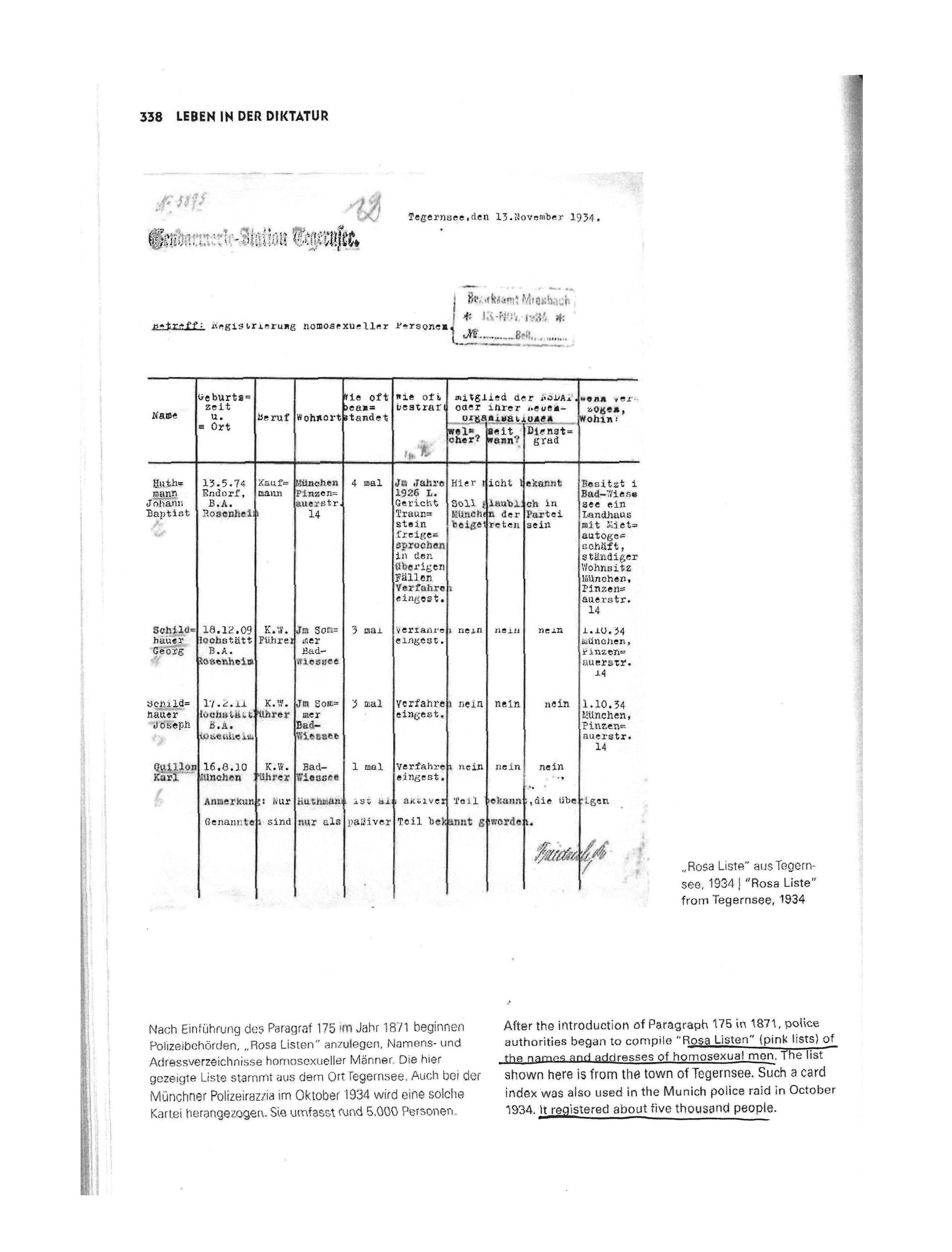
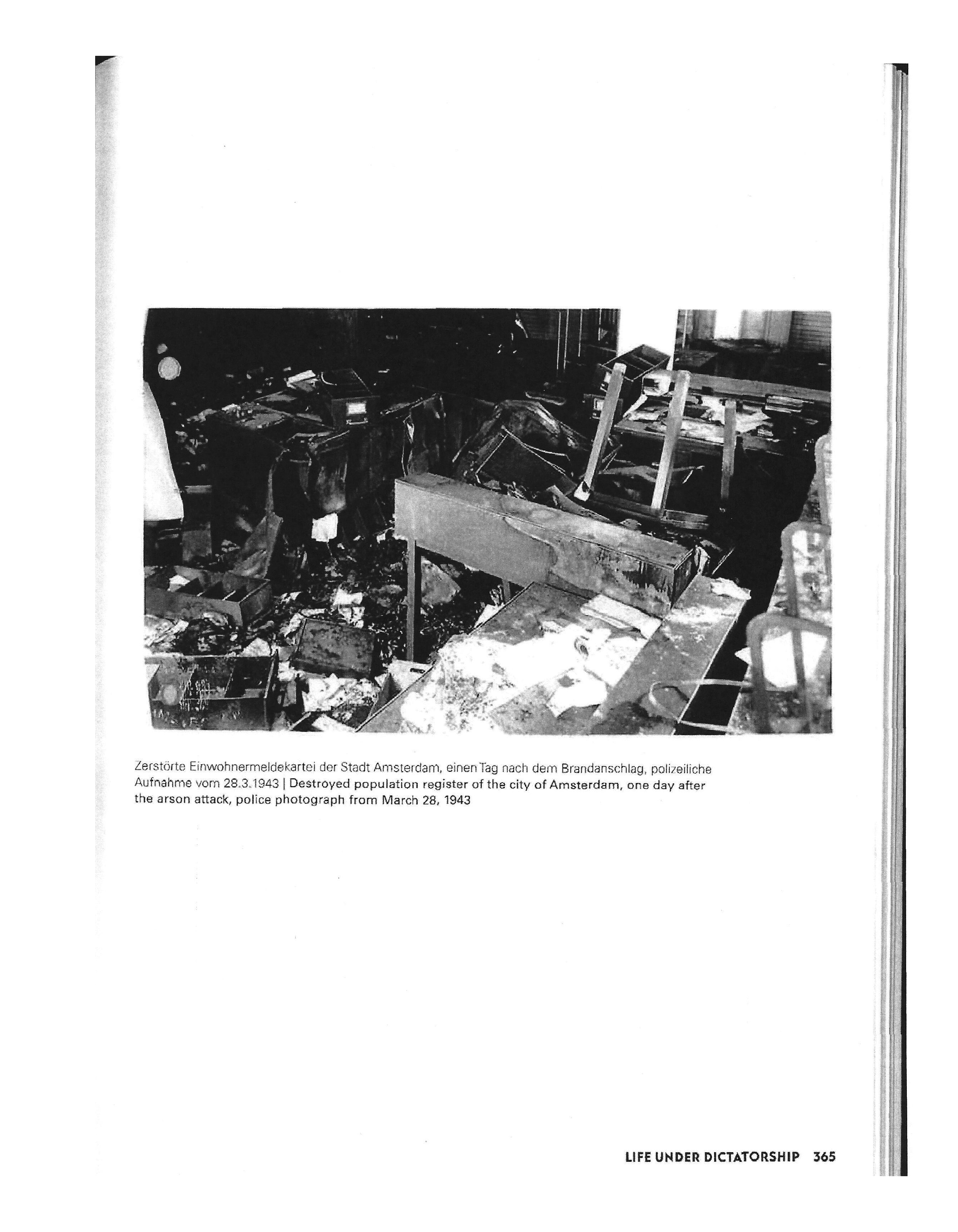
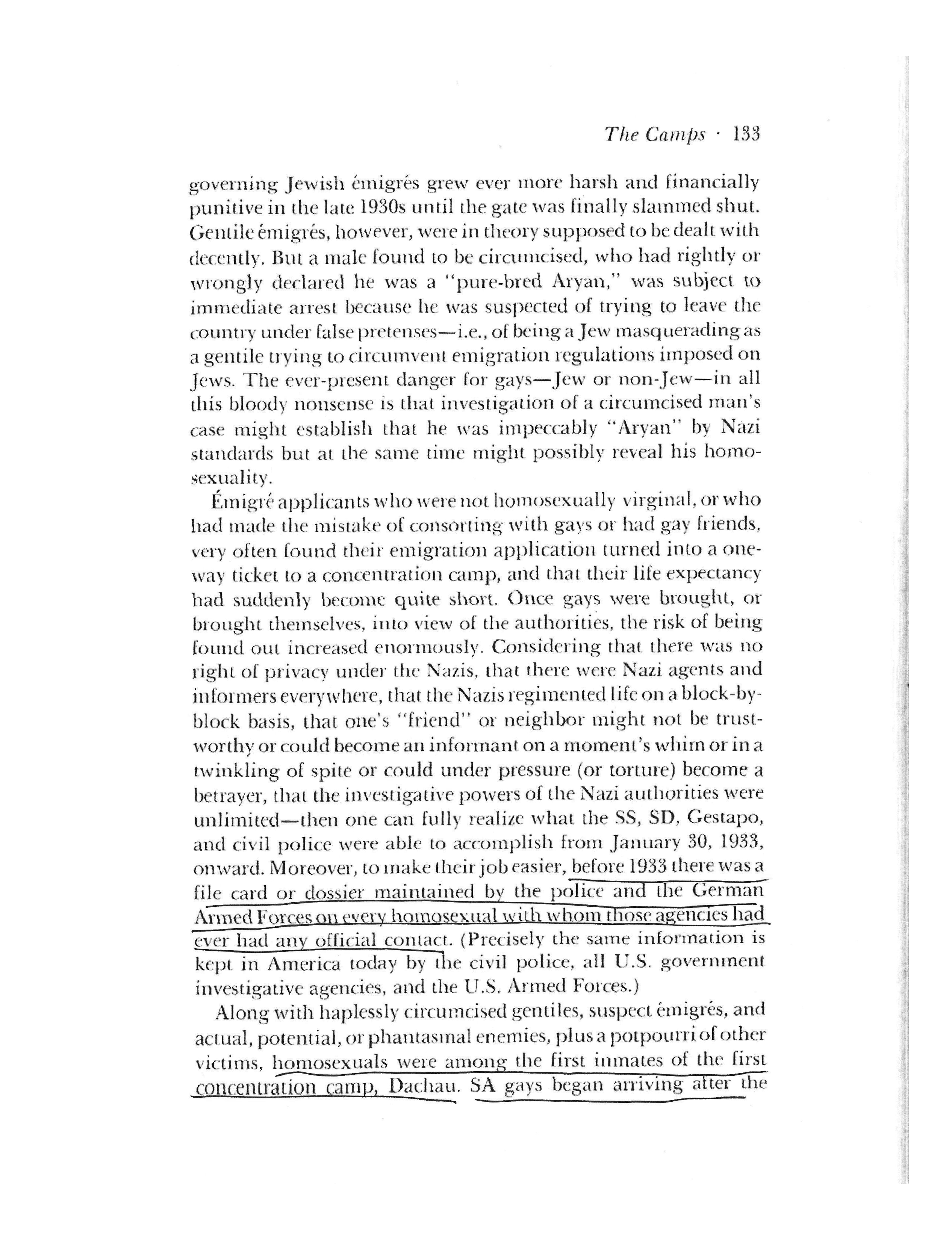
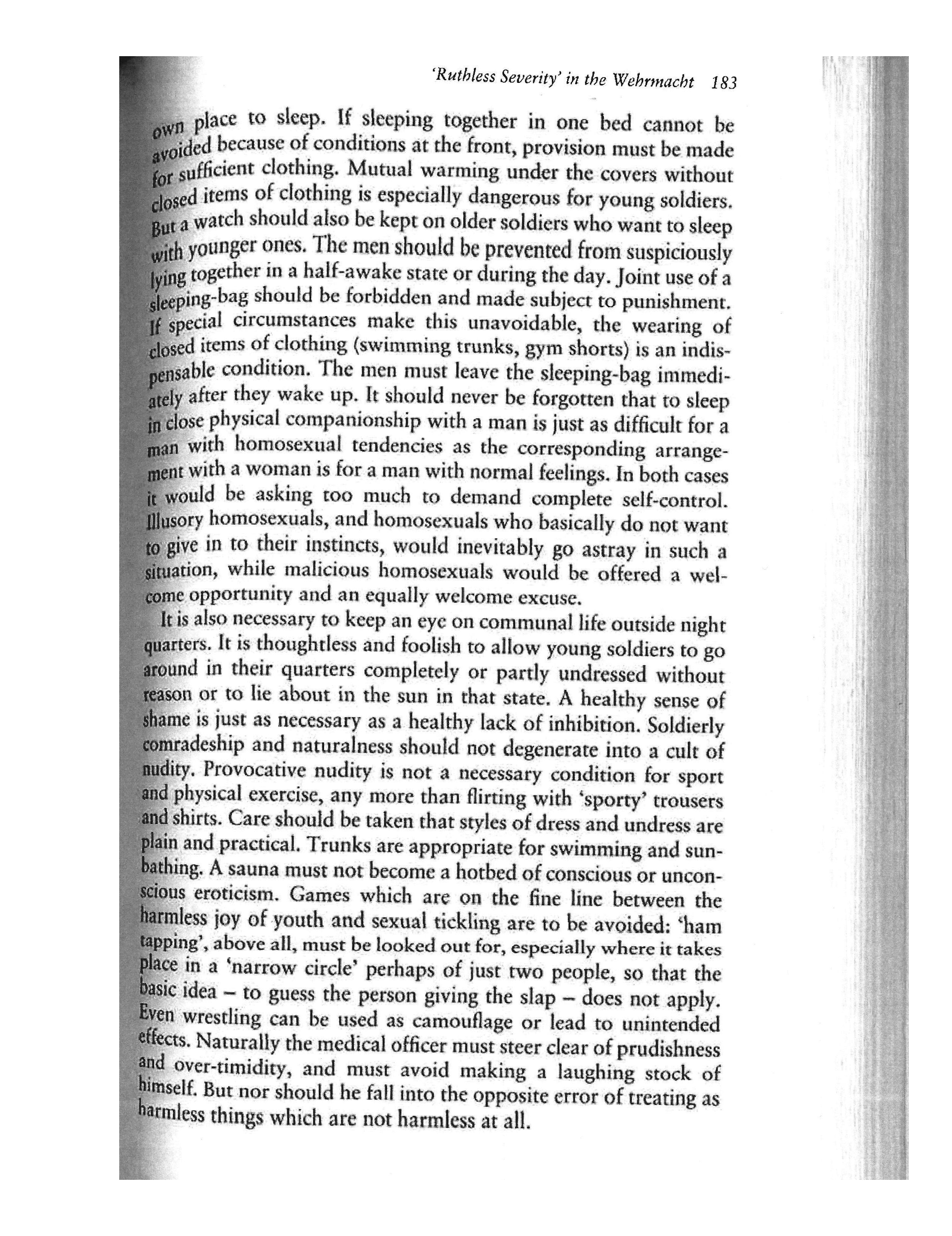
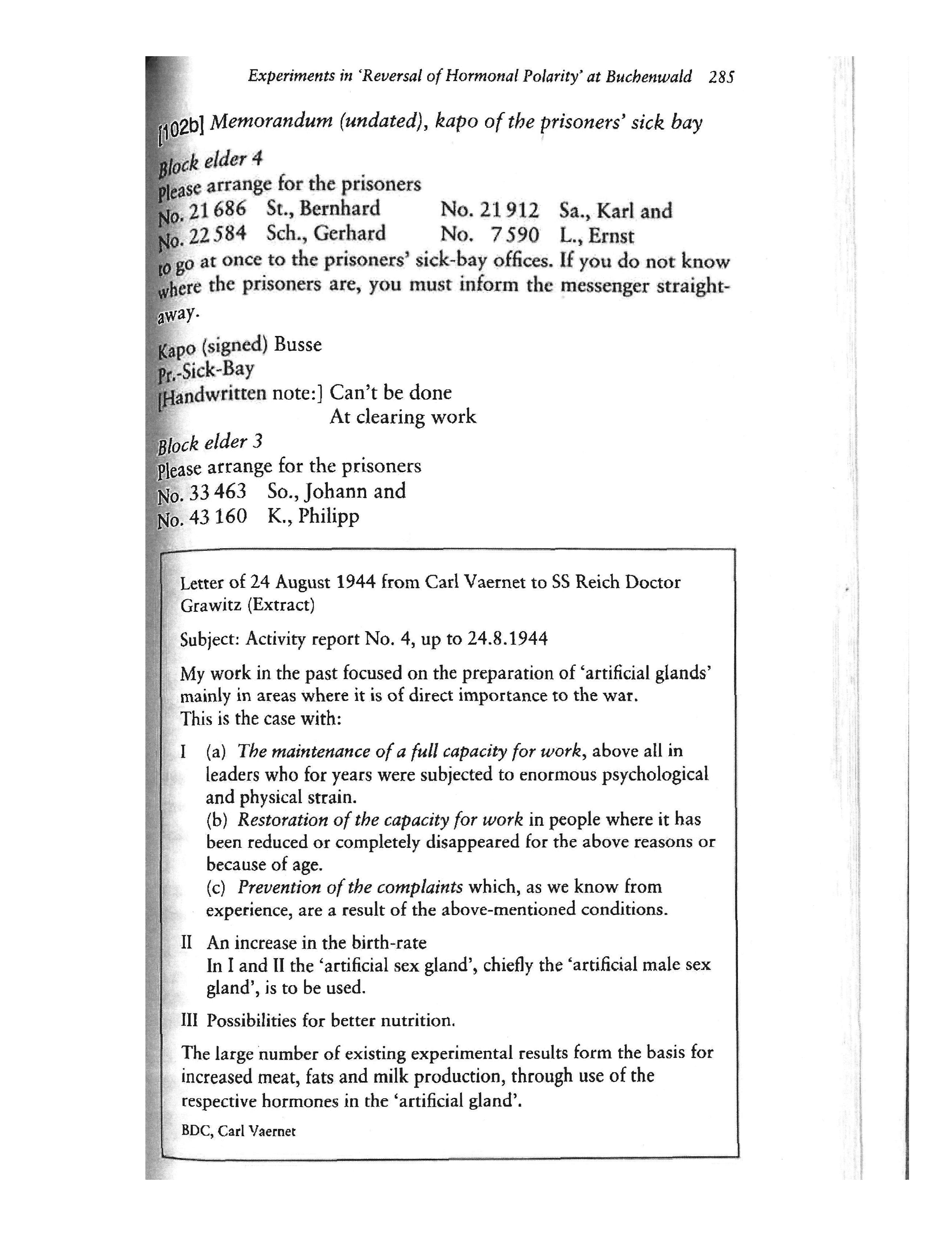
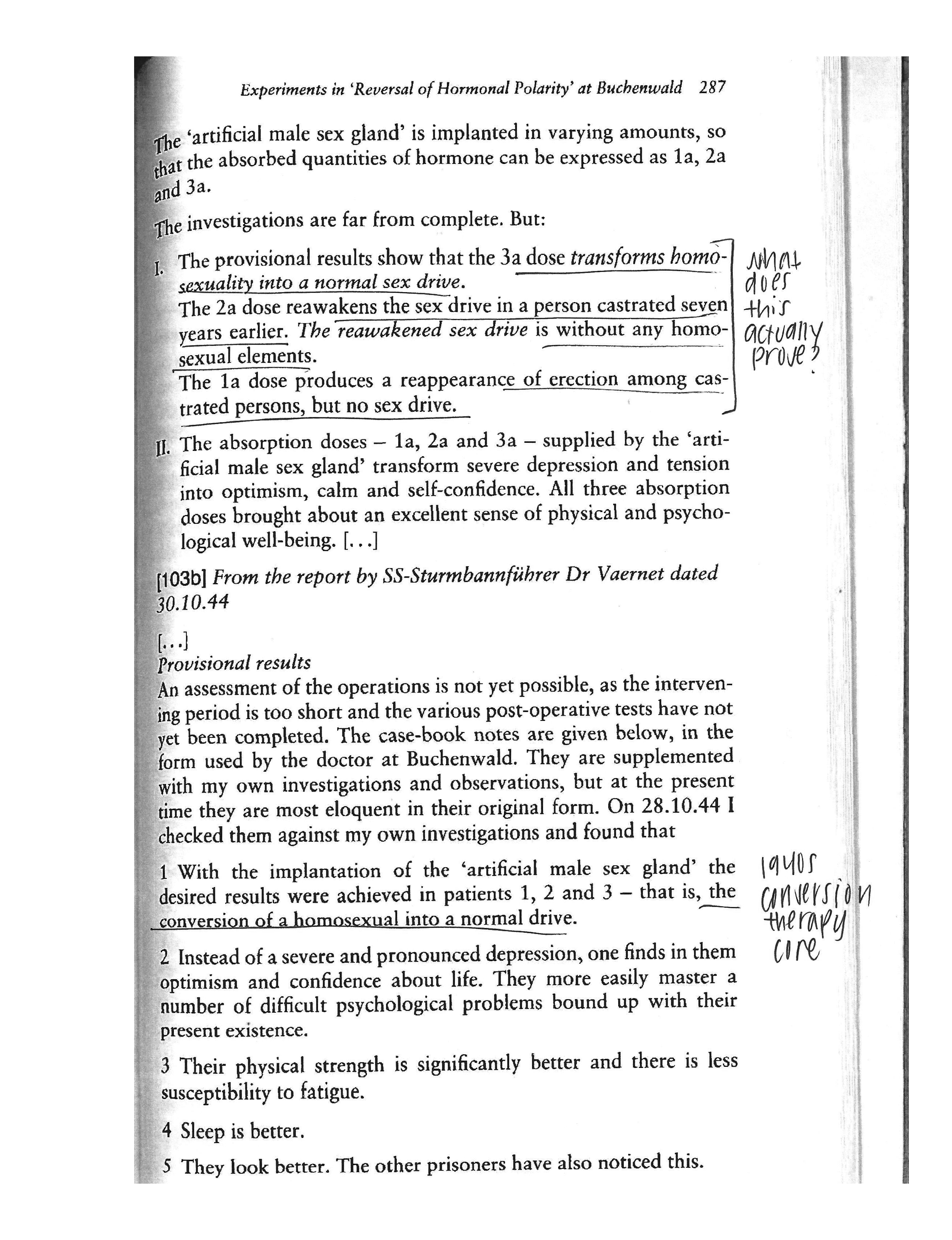
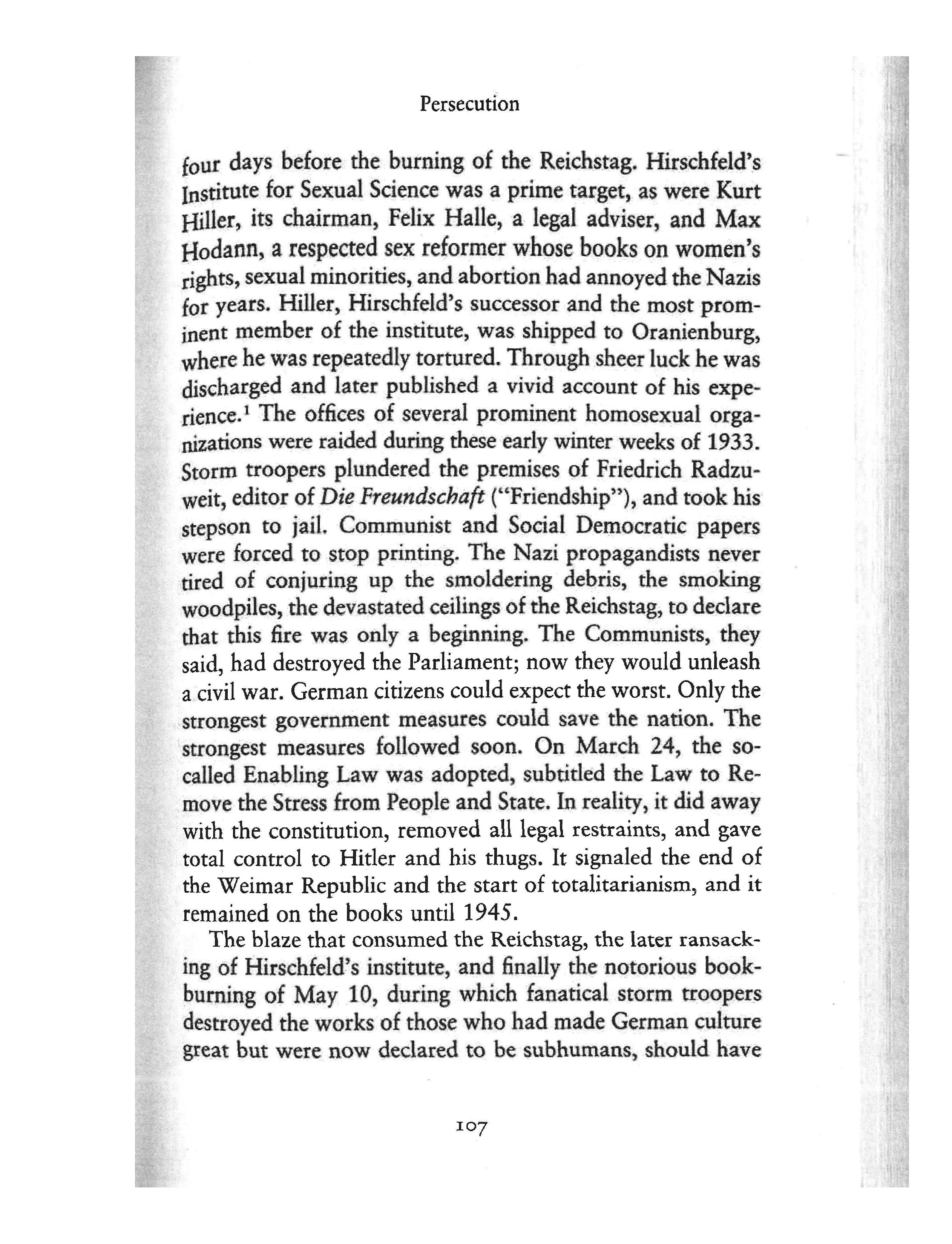
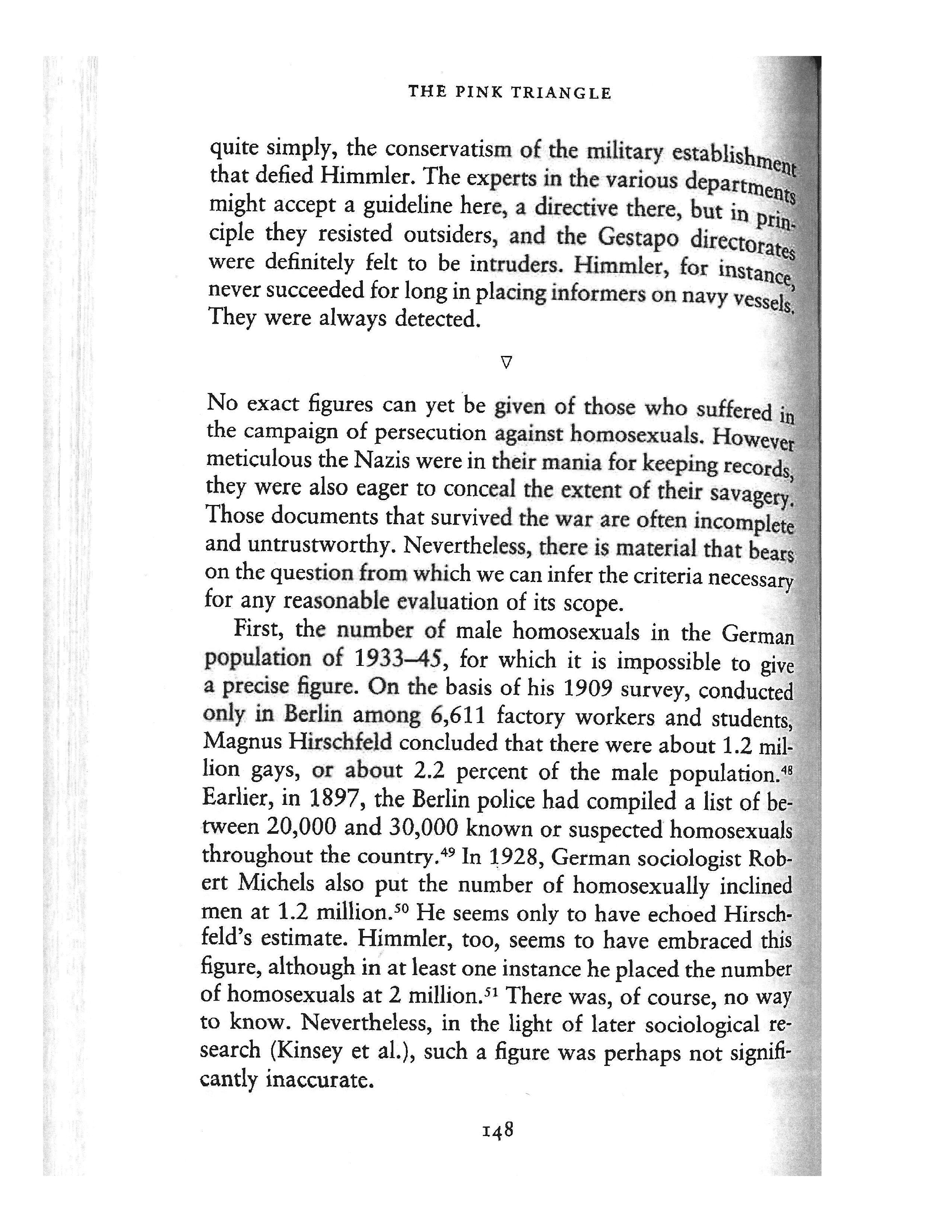
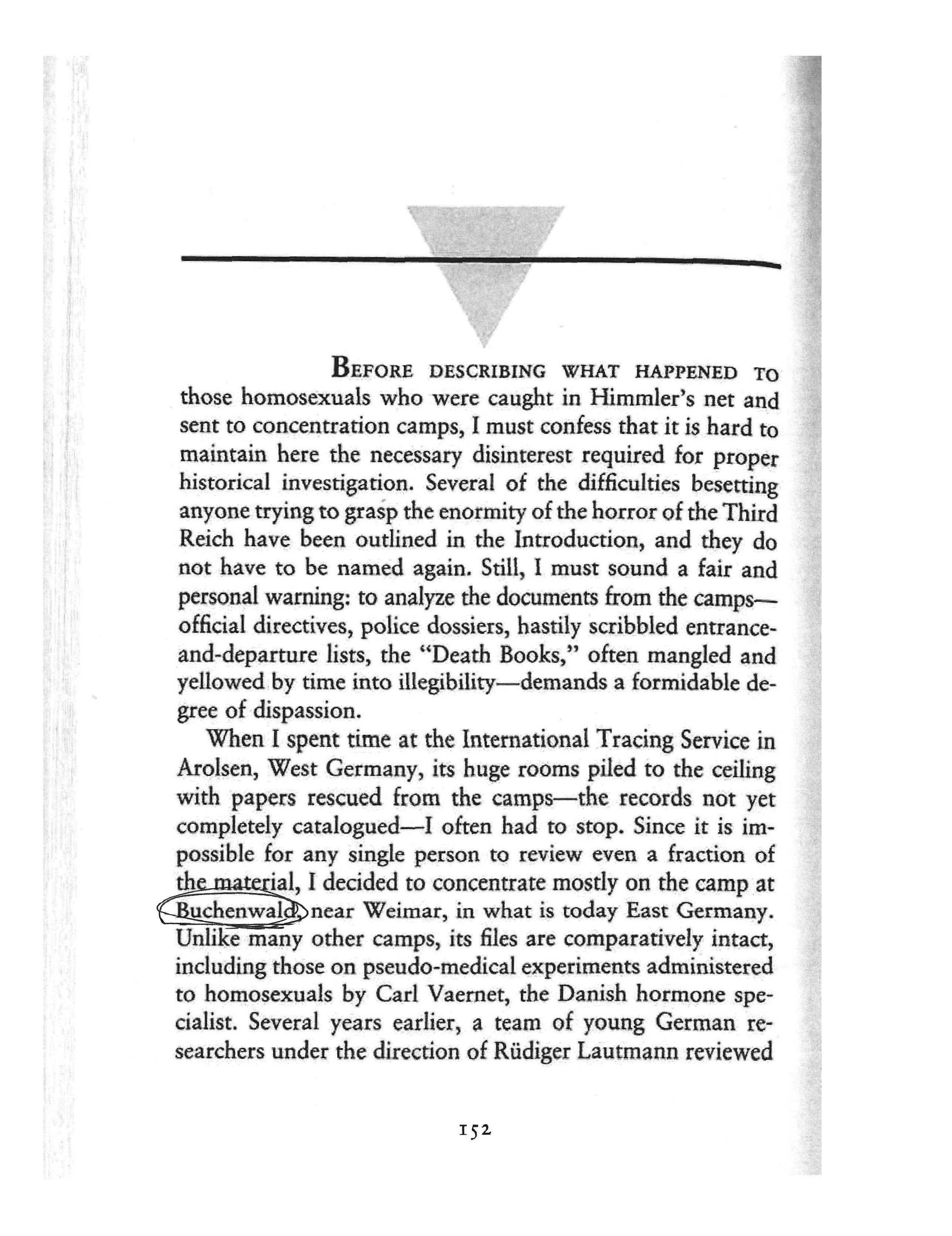
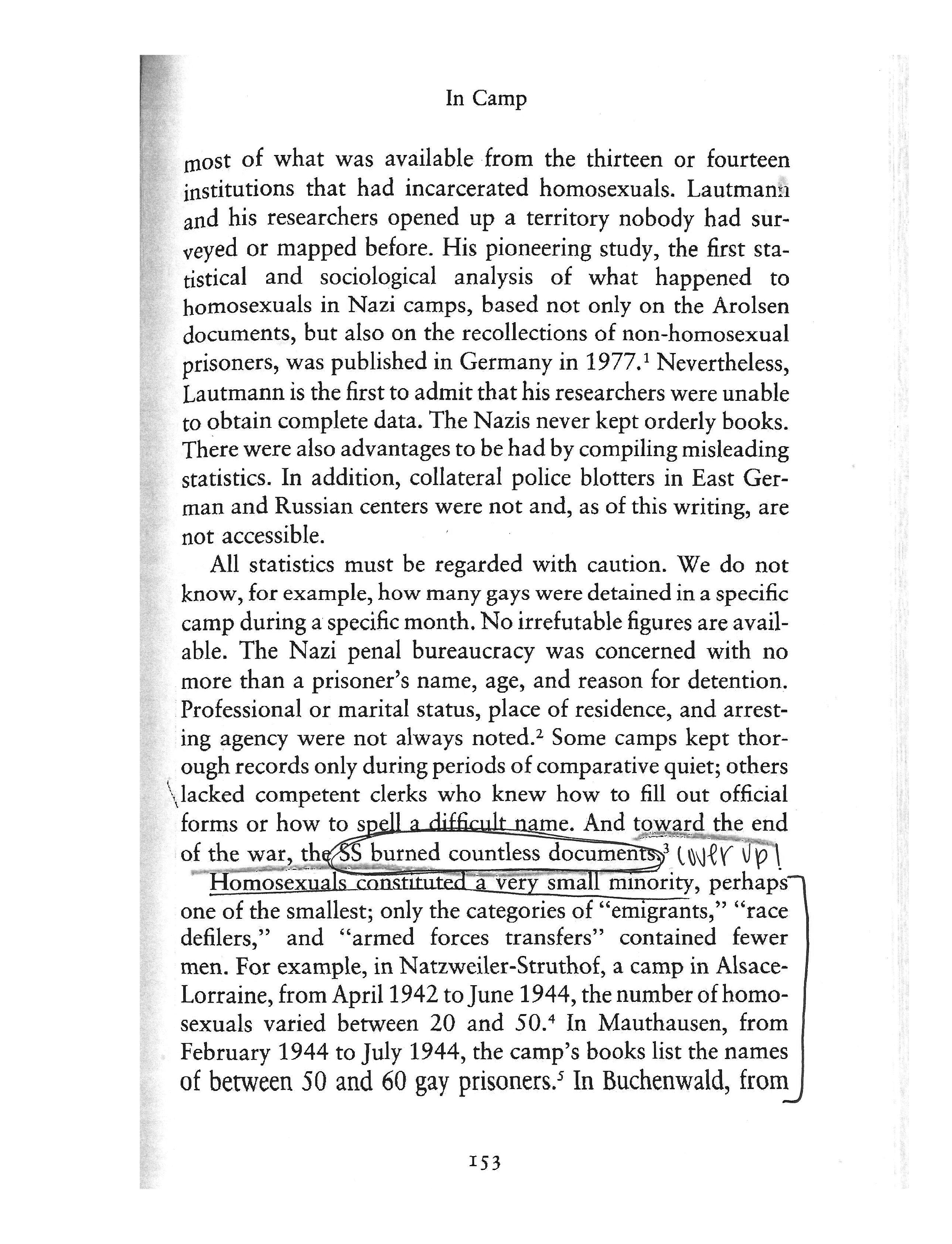
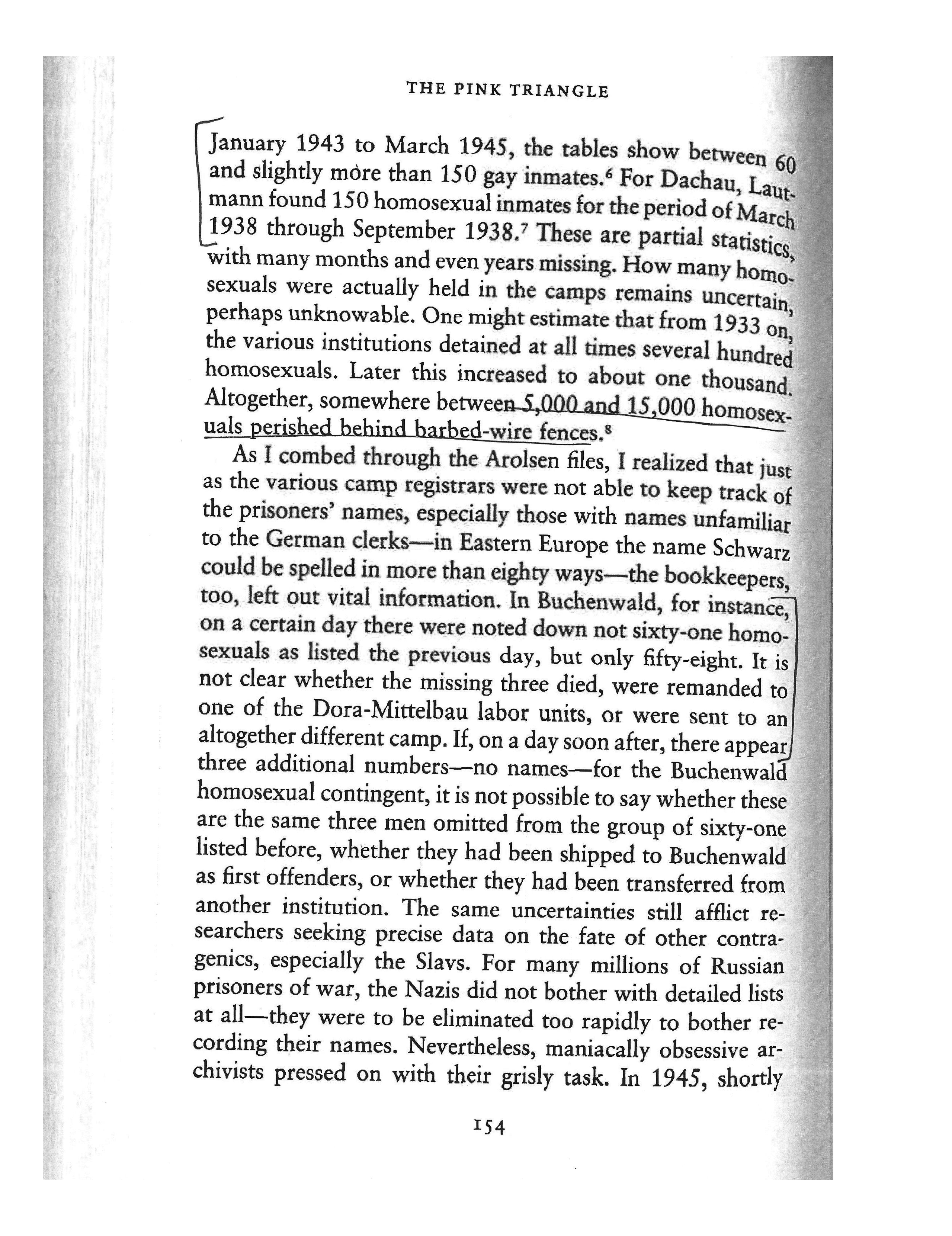
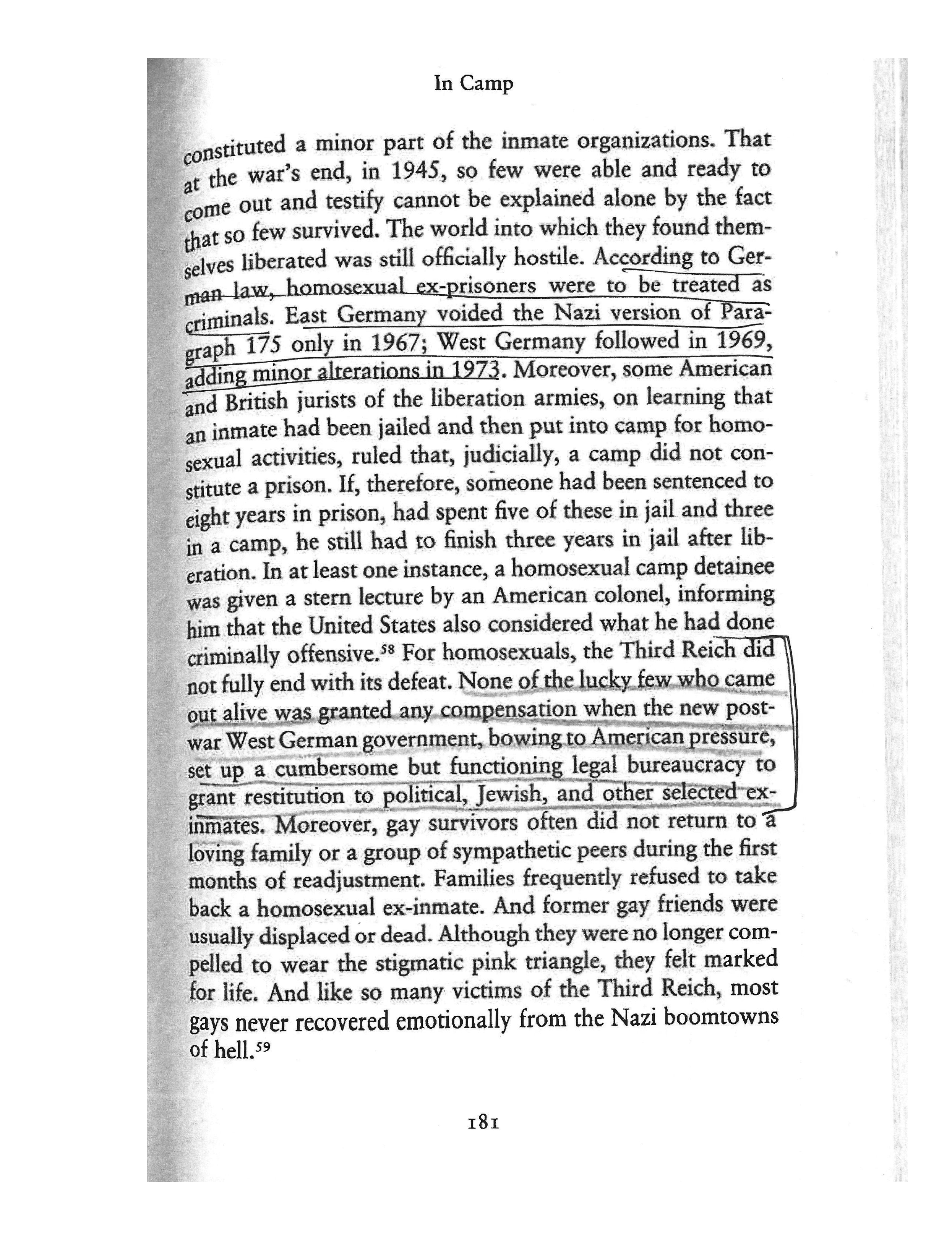
with libraries getting defunded, it truly does feel like we are losing pieces of history right before our eyes. sometimes it doesn’t feel as real that you are “losing” something until you actually see it. for example, the queer people of world war ii have their history overlooked. their experiences aren’t something you hear about often, especially when many who survived the war don’t want to relive their experiences. however, most of this history that i feel like we do have exists in libraries. what happens when they inevitably disappear? what else will we lose? what else becomes overlooked? what parts of history will get overwritten? preserving history is something that has become so important. so many are backing up websites, media, publications, articles, etc. now that all of that is at risk.
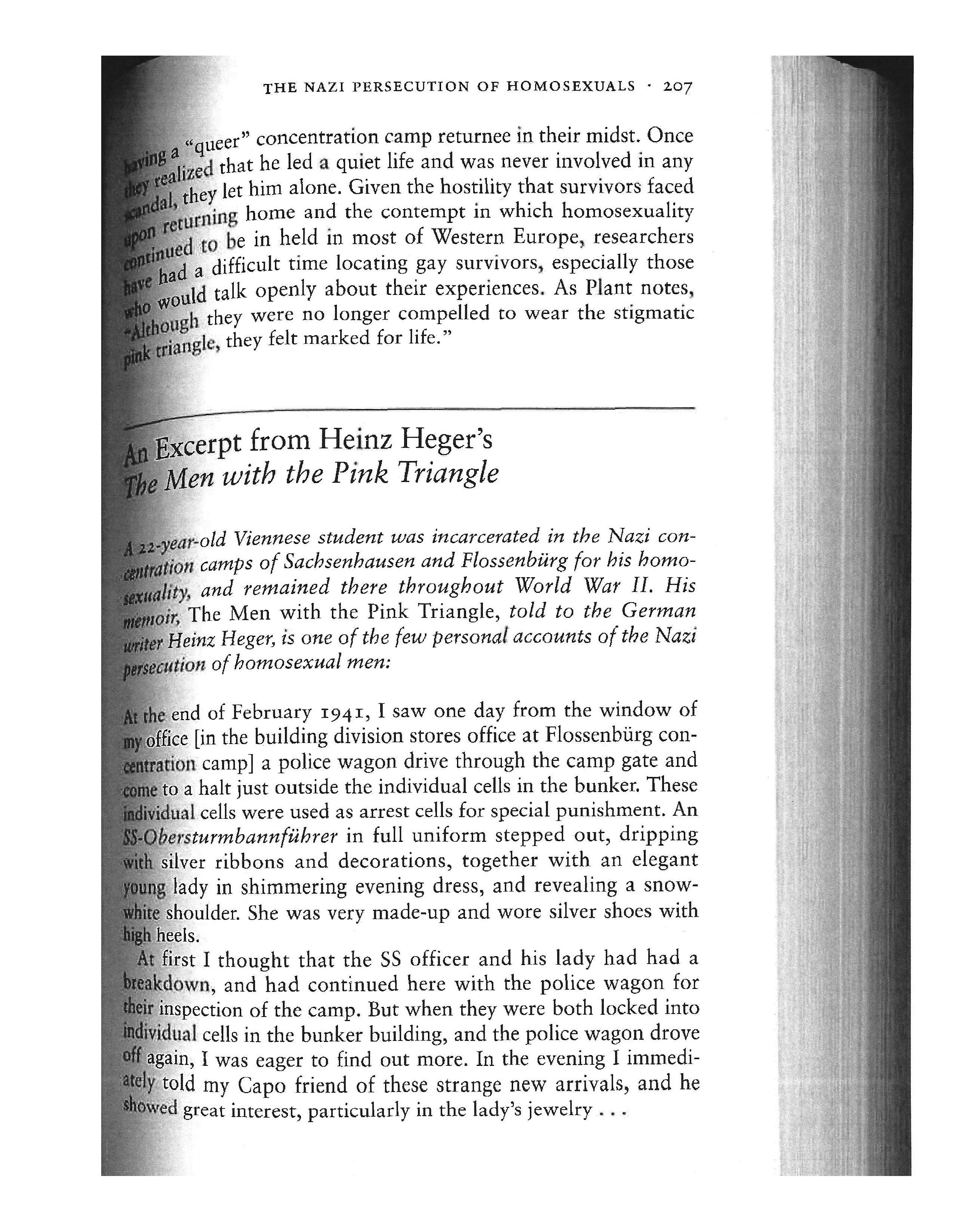
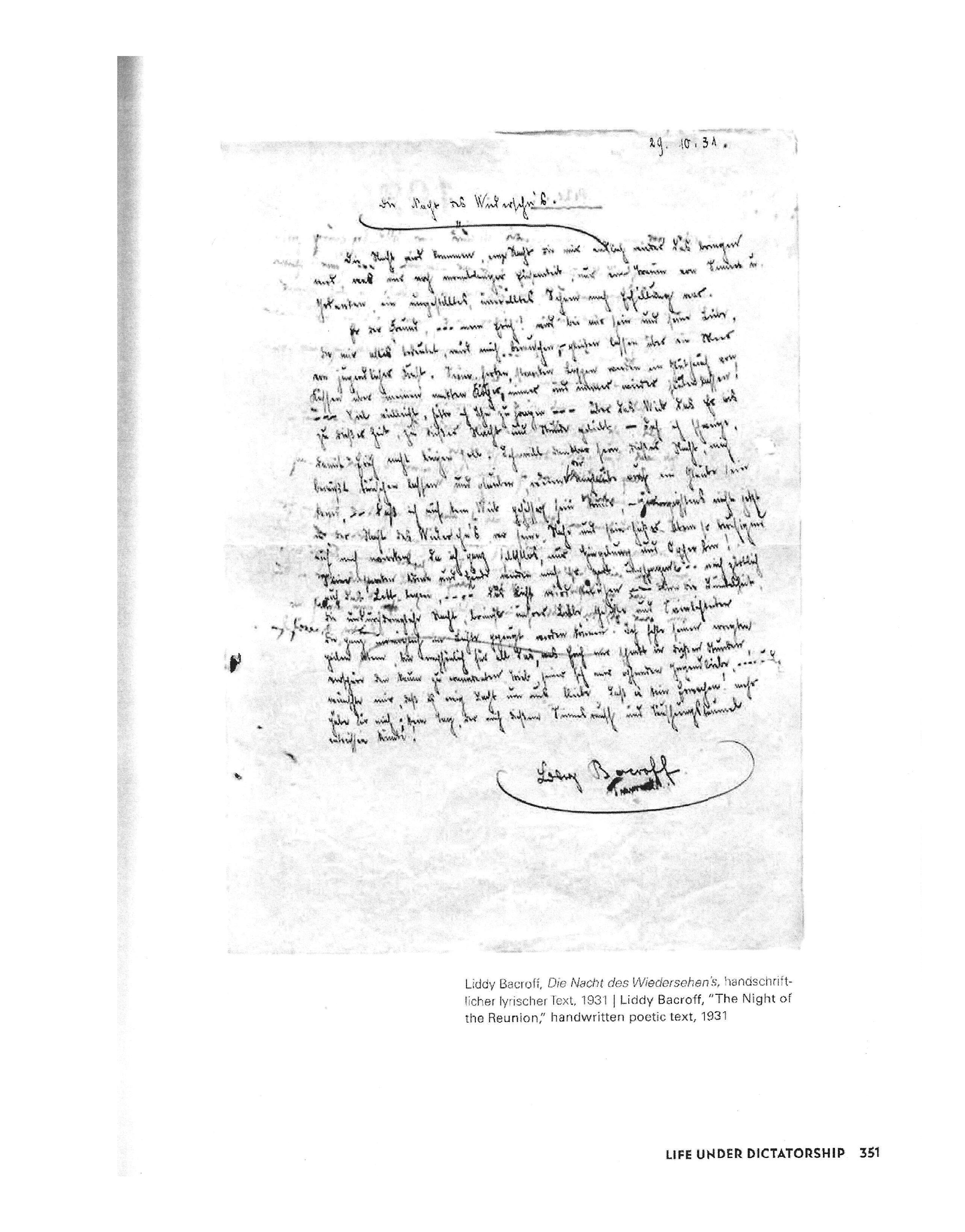
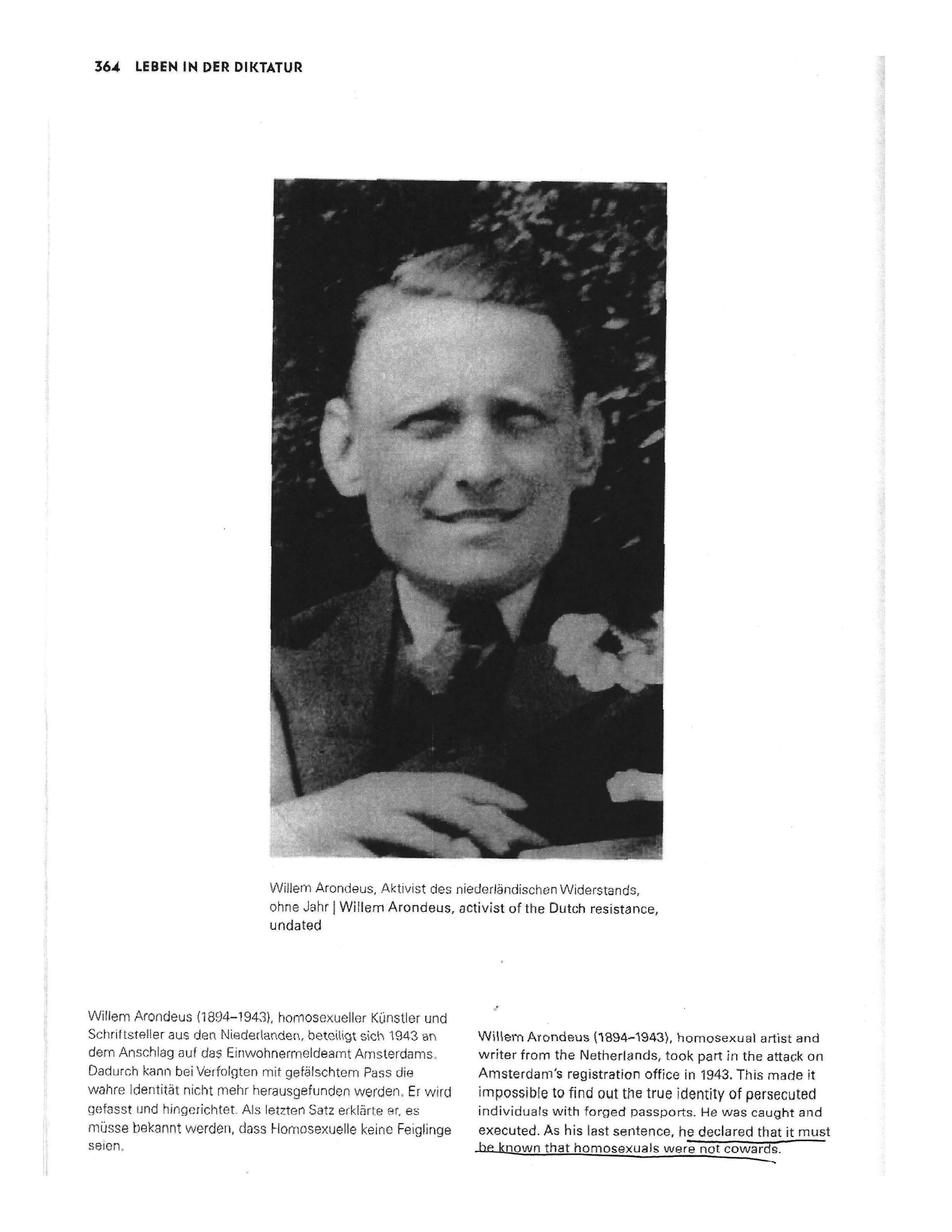
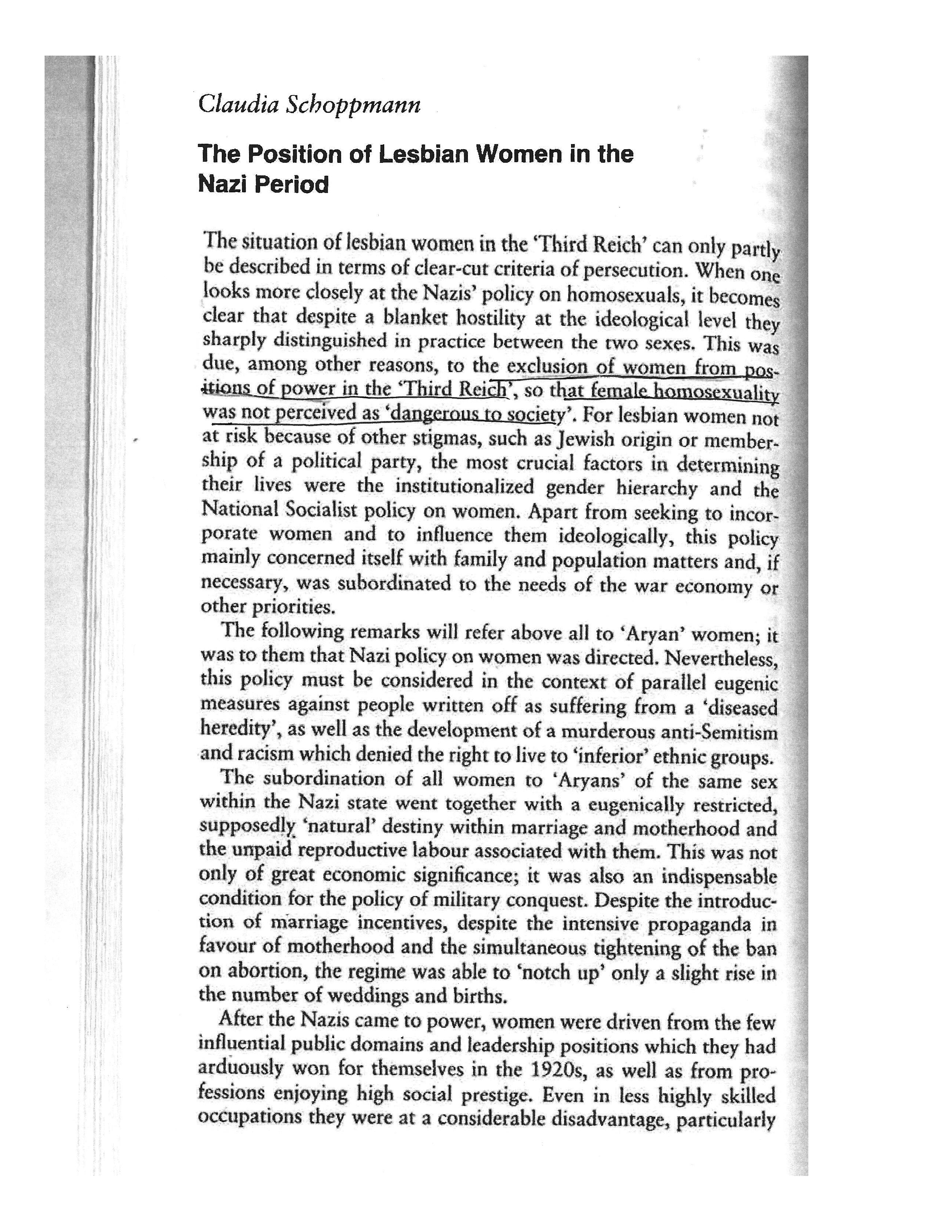
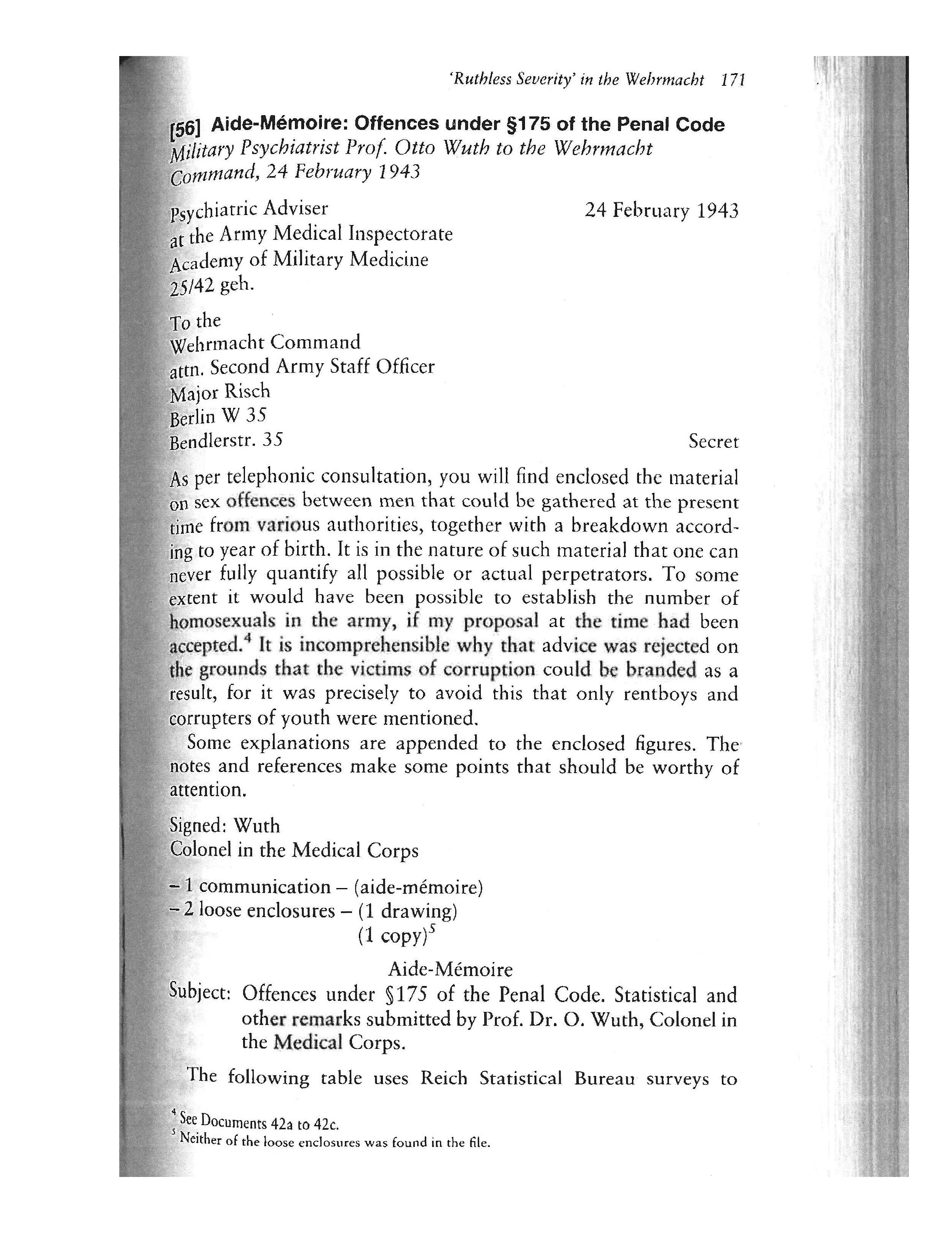
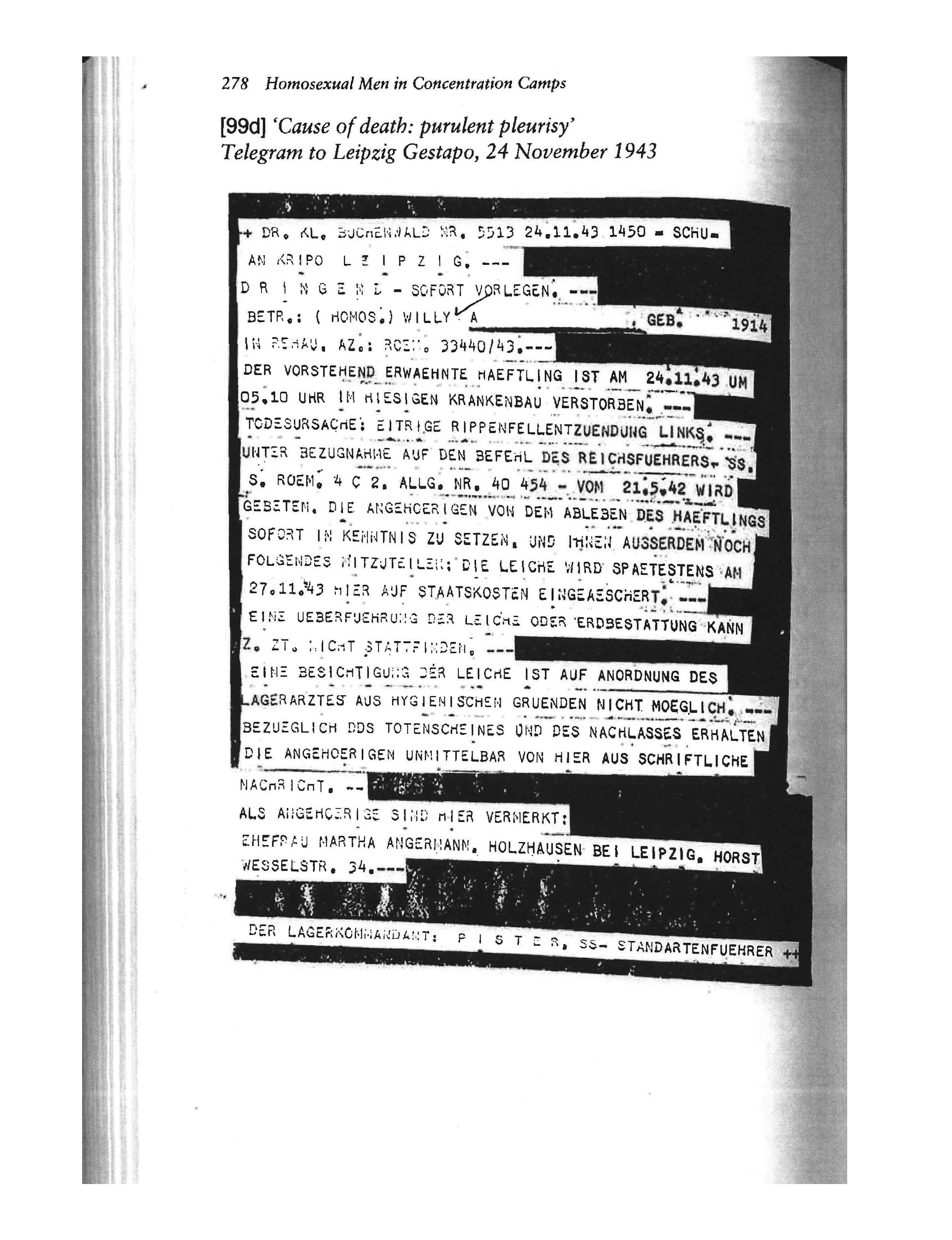
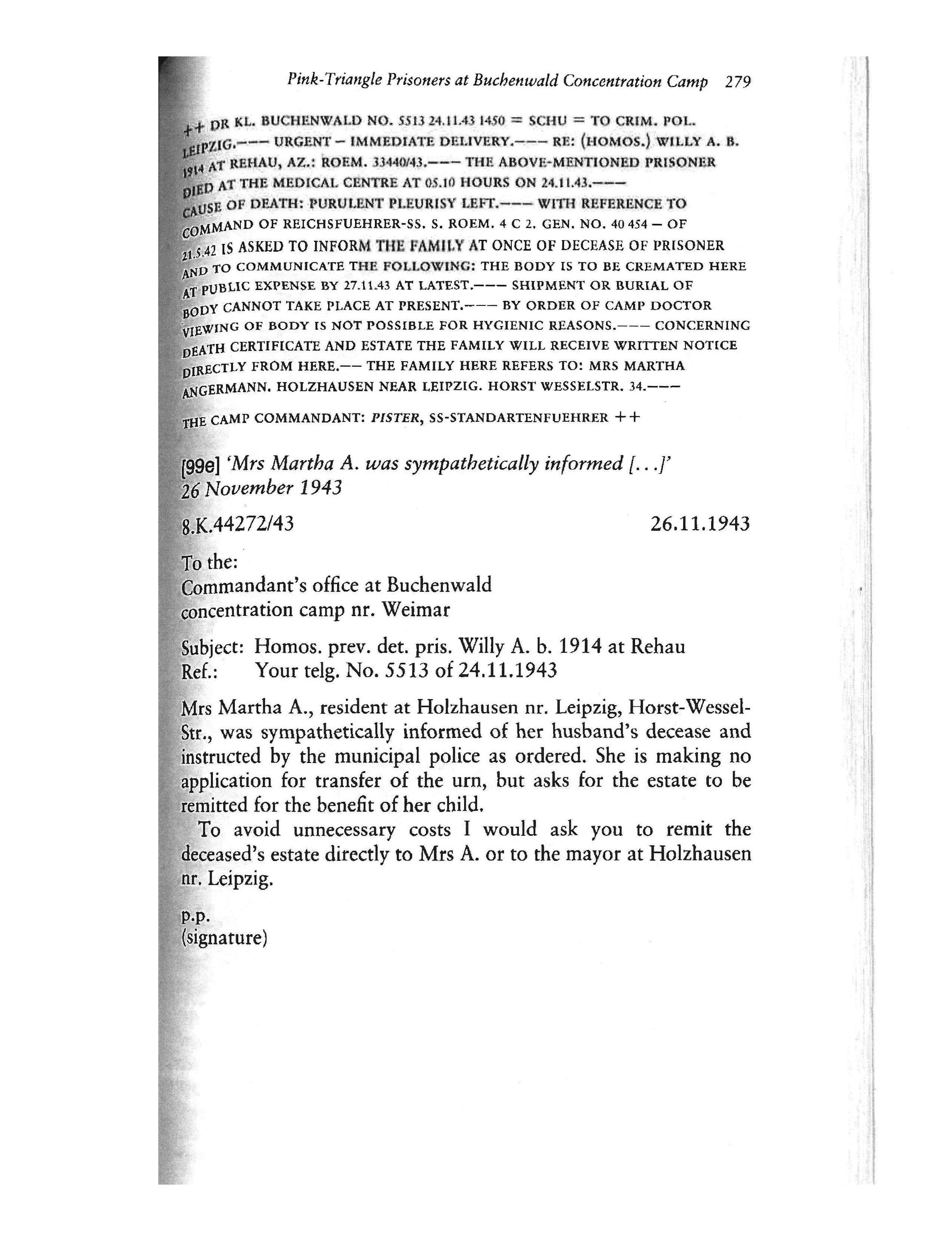
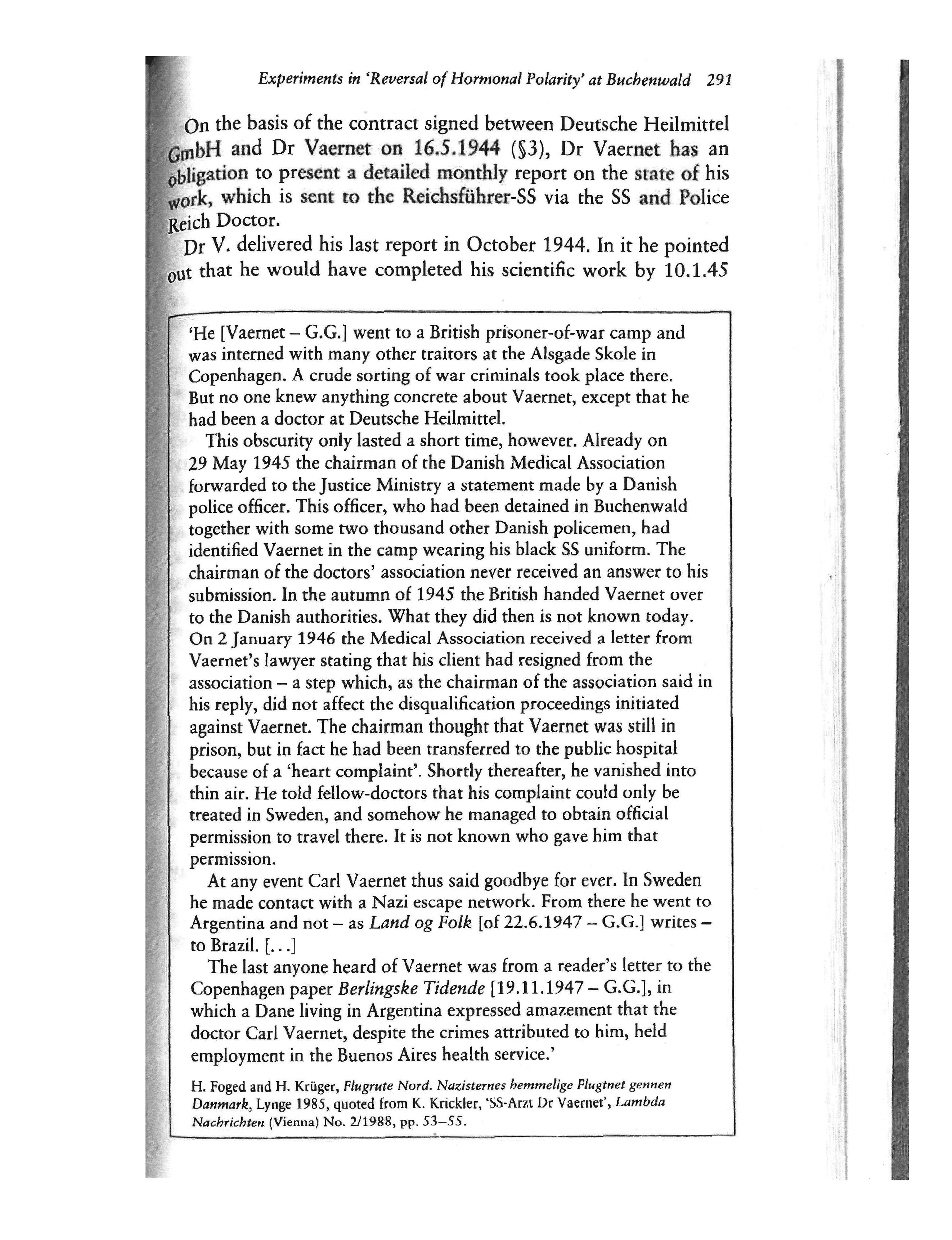
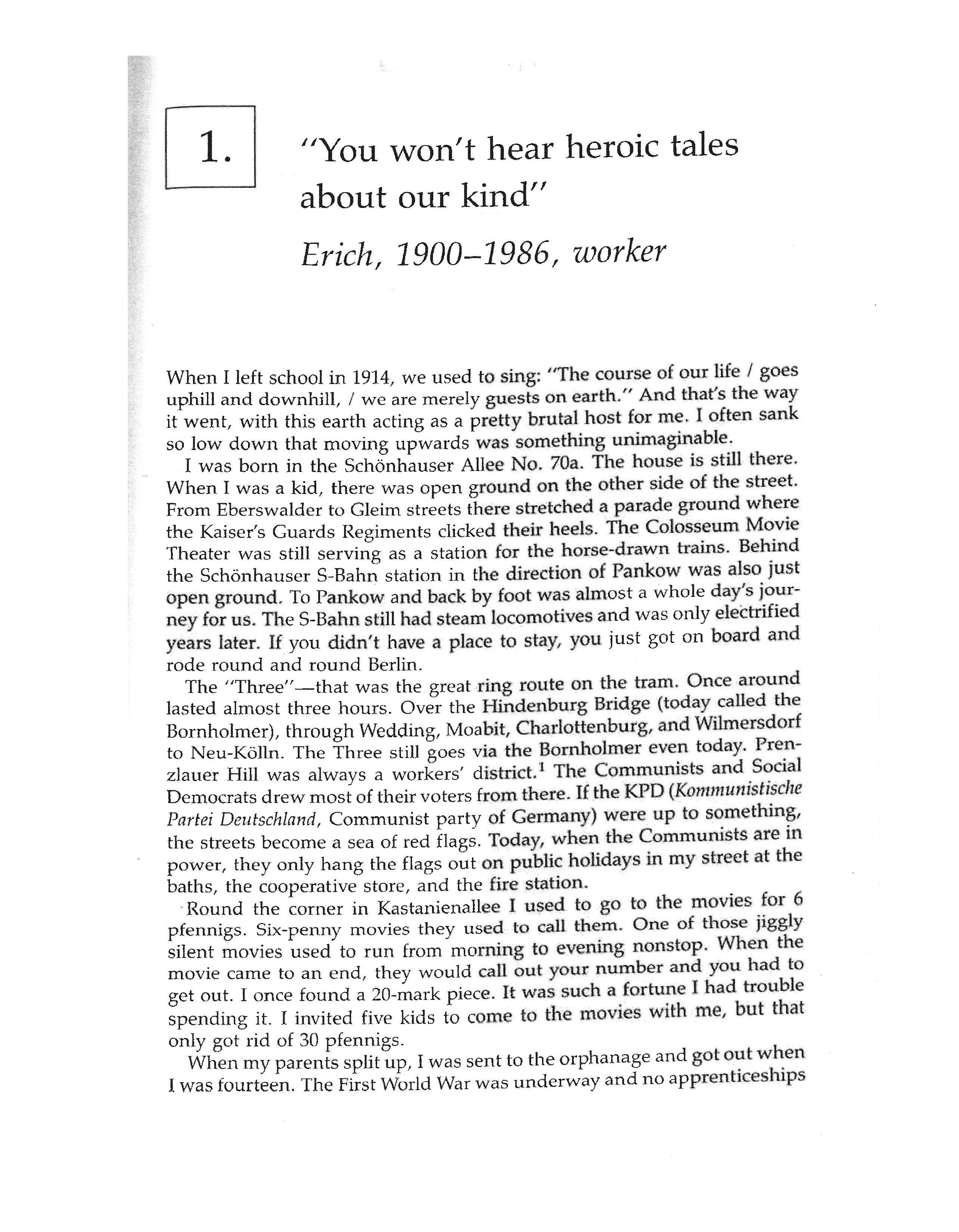
one thing i find myself thinking about a lot is the voices that have become silenced. i think of this primarily through people who have died, but it can relate to people who don’t have the power or privilege to speak up. we don’t really know their stories. especially if they don’t want to relive their stories. that leads to less information about the topics being known. but in a way, research is about highlighting these voices. you have to have some idea how you get to where you are. queer history everywhere, but also primarily in germany, would not be the same without the people who lived through these harsh regimes. their voices have just been diminished throughout history, to the point where we have to find a way to resurface them.
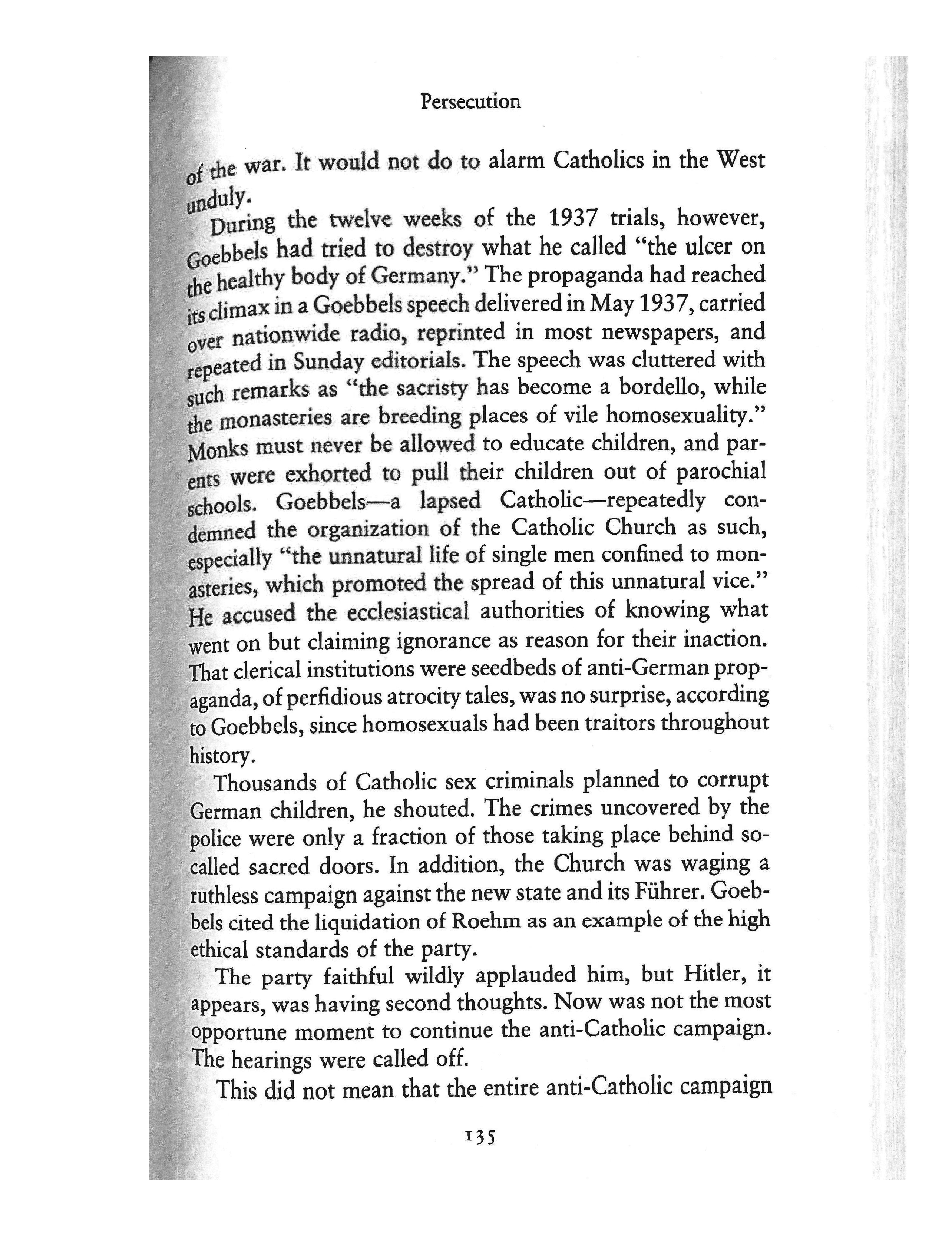
let’s take a moment to talk about the nazi idolization that’s happening now. at the presidential inauguration this year, elon musk did the nazi salute. kanye west had merch that is legitimately just a swastika. why is there gratification towards a dictatorship that consistently took away peoples’ rights if they didn’t fit into their “perfect” race? the nazi’s got away with murdering gay men, jewish people, disabled people. millions died. why are we glorifying them?
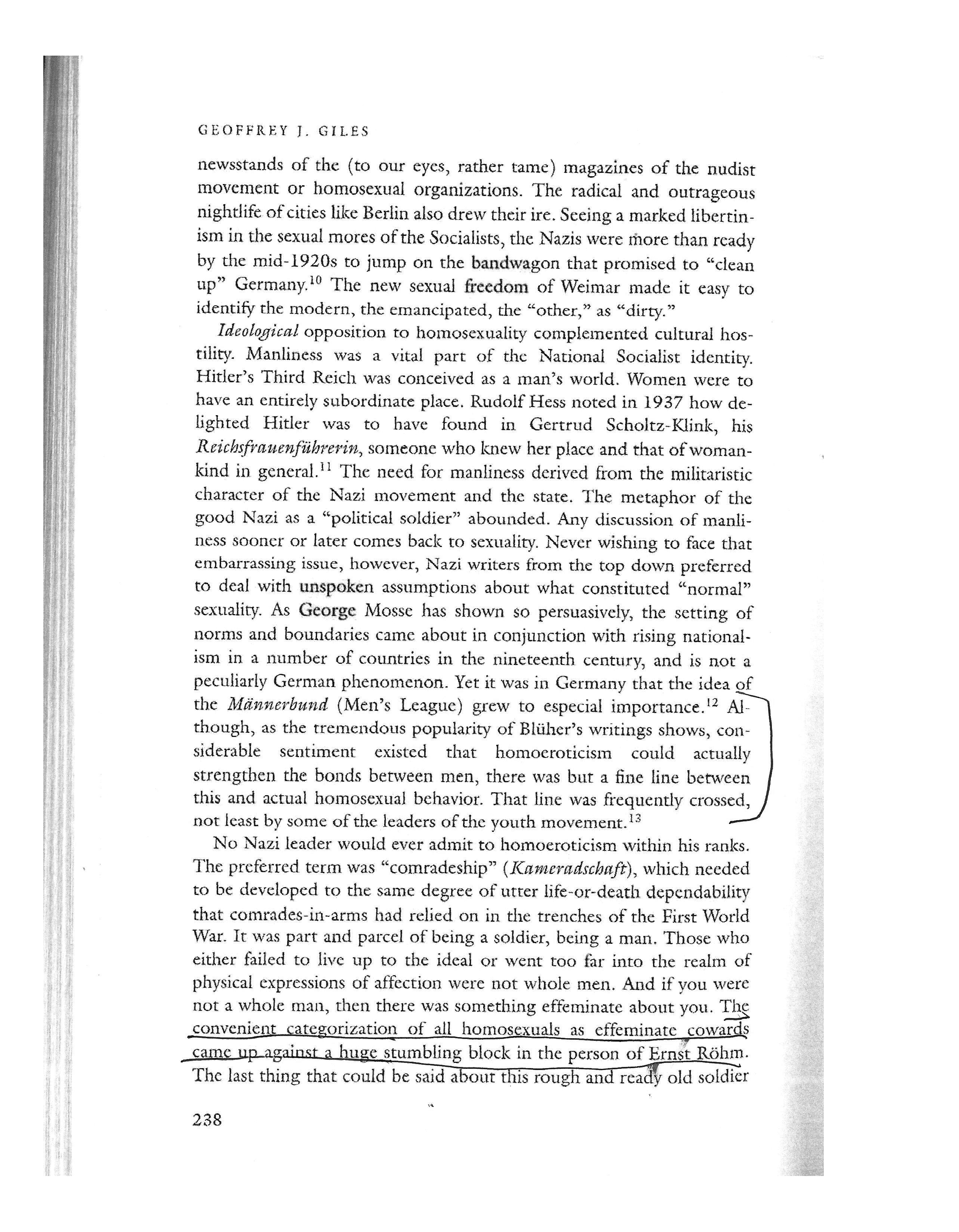
sure, we could say there’s some relation in today’s political climate. more and more rights are being taken away from people that aren’t the “ideal”. books are getting banned left and right for those that don’t “conform”.
how much progress do we have to derail to get to where we need to go? how much progress will get overlooked?
left and right things are changing. first transgender rights are being taken away. now, dei is getting removed. why are these things so scary? why should they be taken away? aren’t they helping? how do we live in a world that revolves around conformity, inequity, and exclusion? would anyone ever be equal?