scroll →
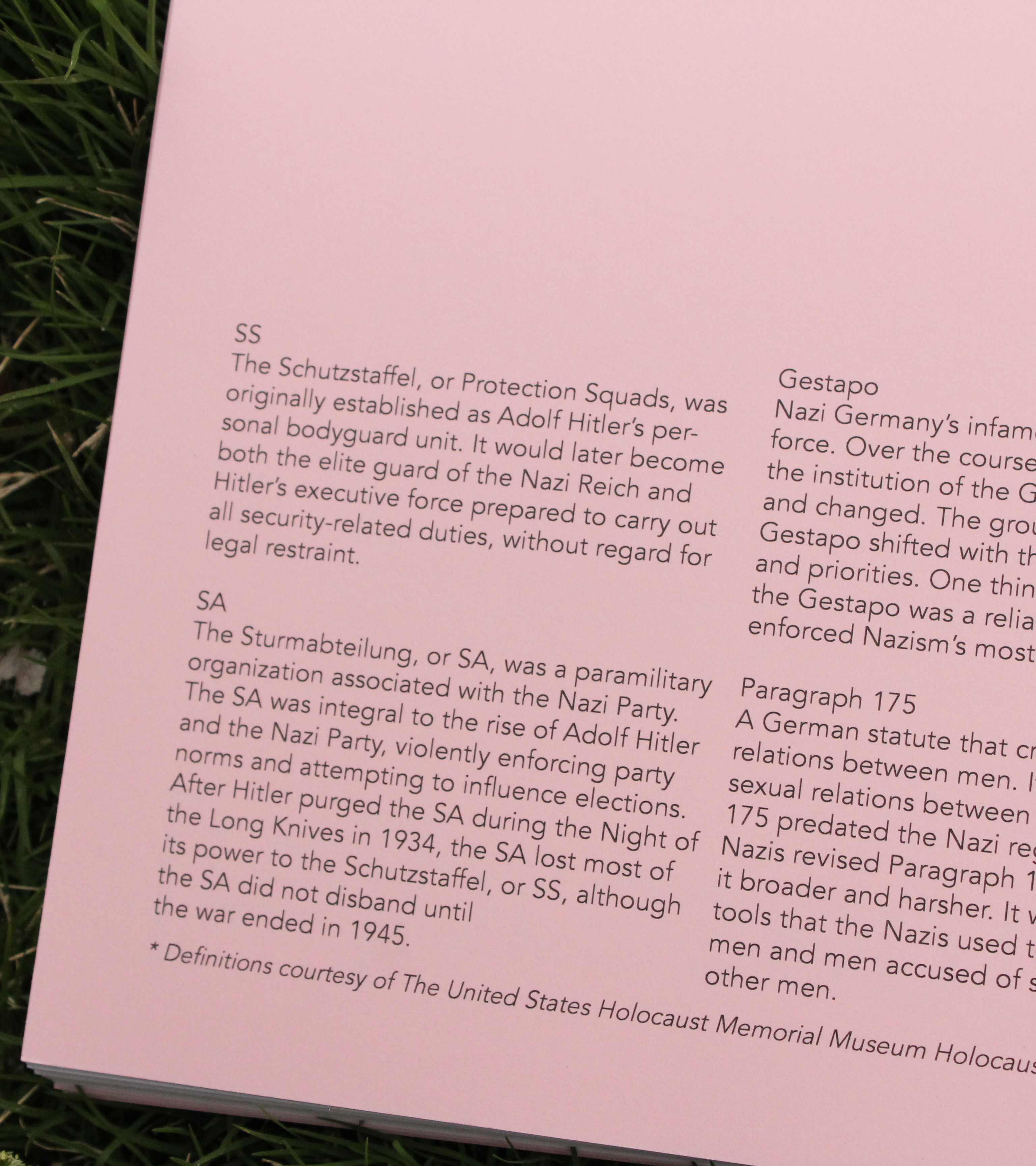
glossary
SS
The Schutzstaffel, or Protection Squads, was originally established as Adolf Hitler's personal bodyguard unit. It would later become both the elite guard of the Nazi Reich and Hitler's executive force prepared to carry out all security-related duties, without regard for legal restraint.
SA
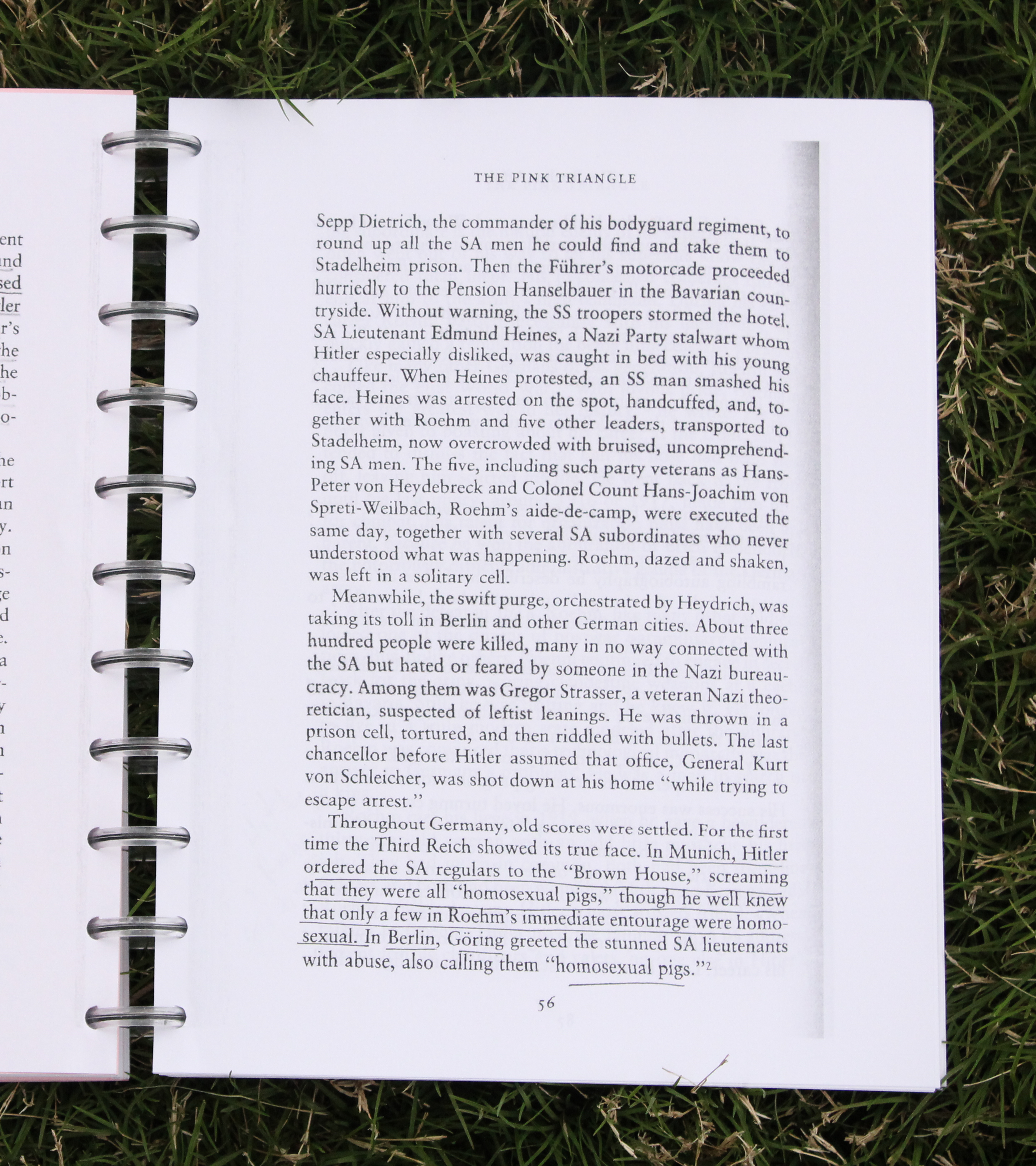
The Sturmabteilung, or SA, was a paramilitary organization associated with the Nazi Party. The SA was integral to the rise of Adolf Hitler and the Nazi Party, violently enforcing party norms and attempting to influence elections. After Hitler purged the SA during the Night of the Long Knives in 1934, the SA lost most of its power to the Schutzstaffel, or SS, although the SA did not disband until the war ended in 1945.
Gestapo
Nazi Germany's infamous political police force. Over the course of the Nazi era, the institution of the Gestapo expanded and changed. The groups targeted by the Gestapo shifted with the regime's policies and priorities. One thing remained consistent: the Gestapo was a reliably brutal tool that enforced Nazism's most radical impulses.
Paragraph 175
A German statute that criminalized sexual relations between men. It did not criminalize sexual relations between women. Paragraph 175 predated the Nazi regime. However, the Nazis revised Paragraph 175 in 1935 to make it broader and harsher. It was one of the main tools that the Nazis used to persecute gay men and men accused of sexual relations with other men.
Definitions courtesy of The United States Holocaust Memorial Museum Holocaust Encyclopedia
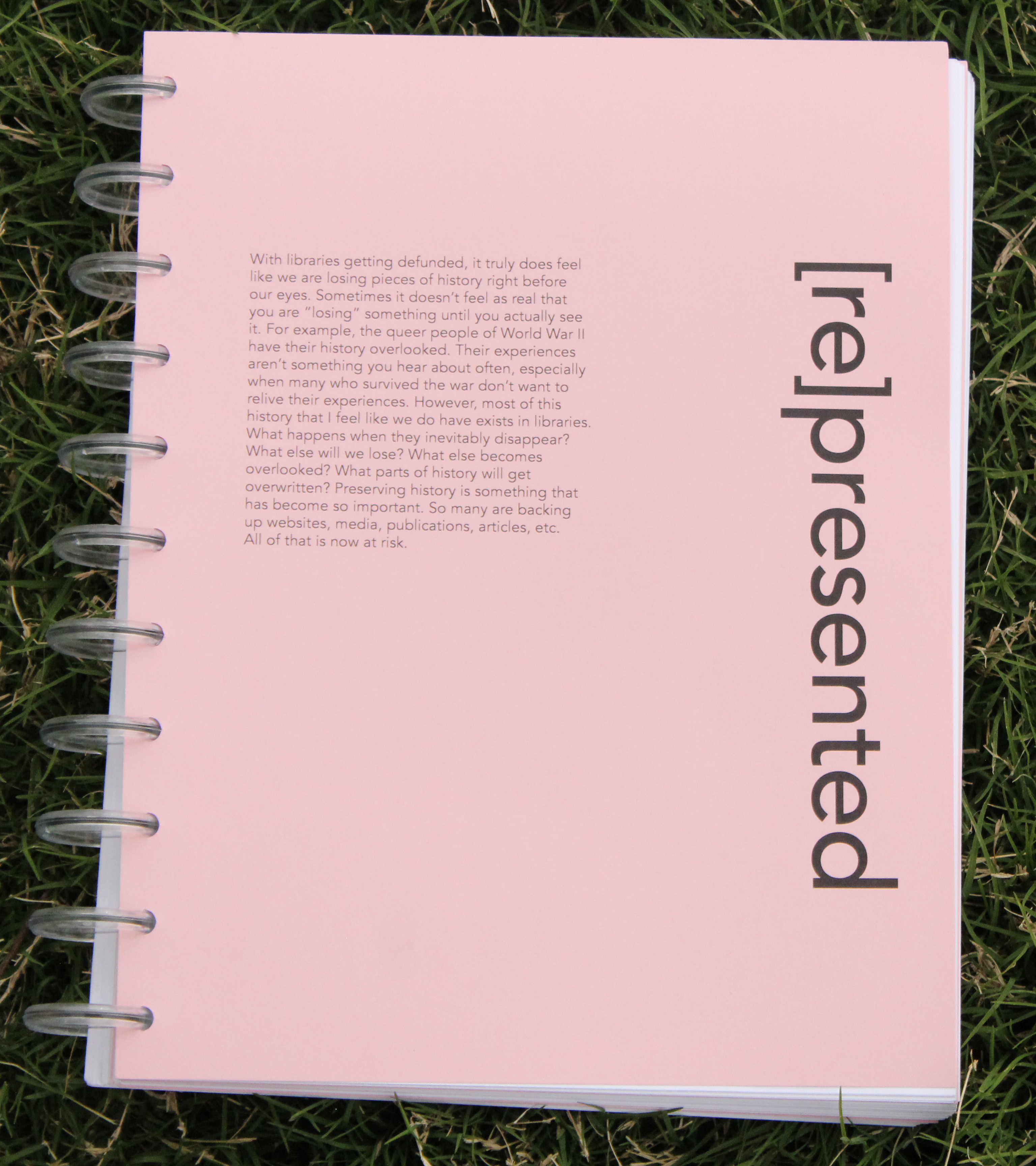
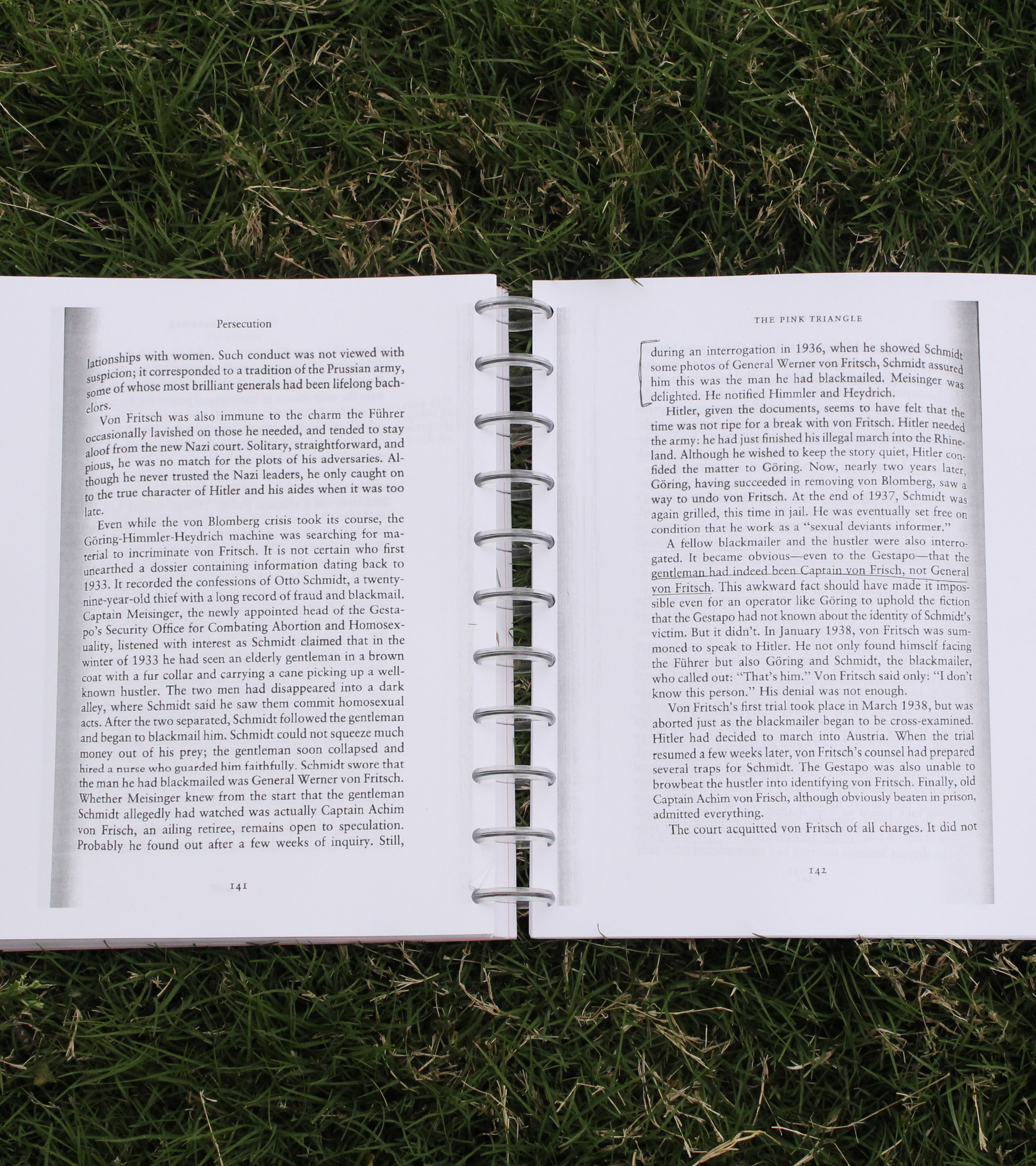
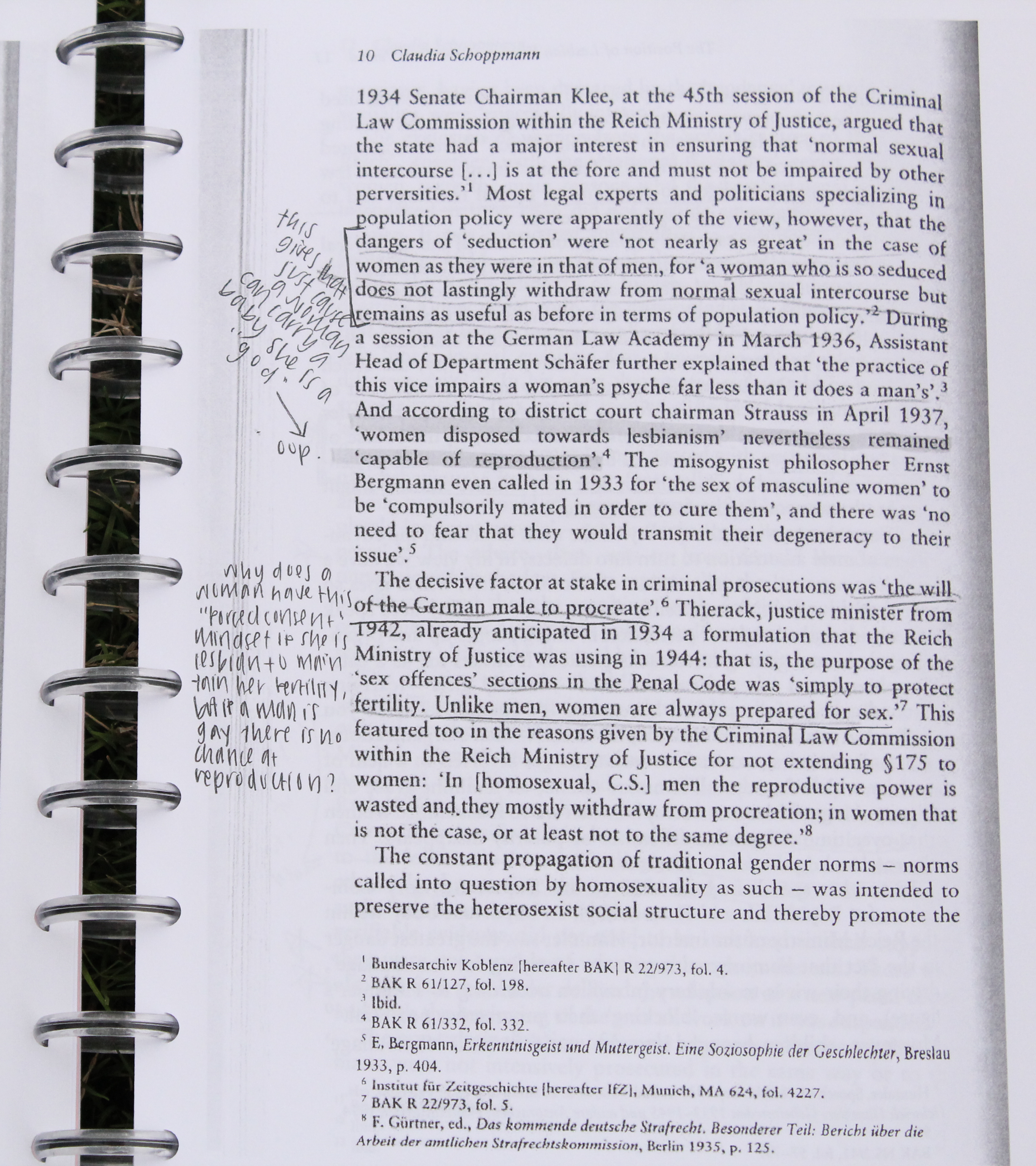
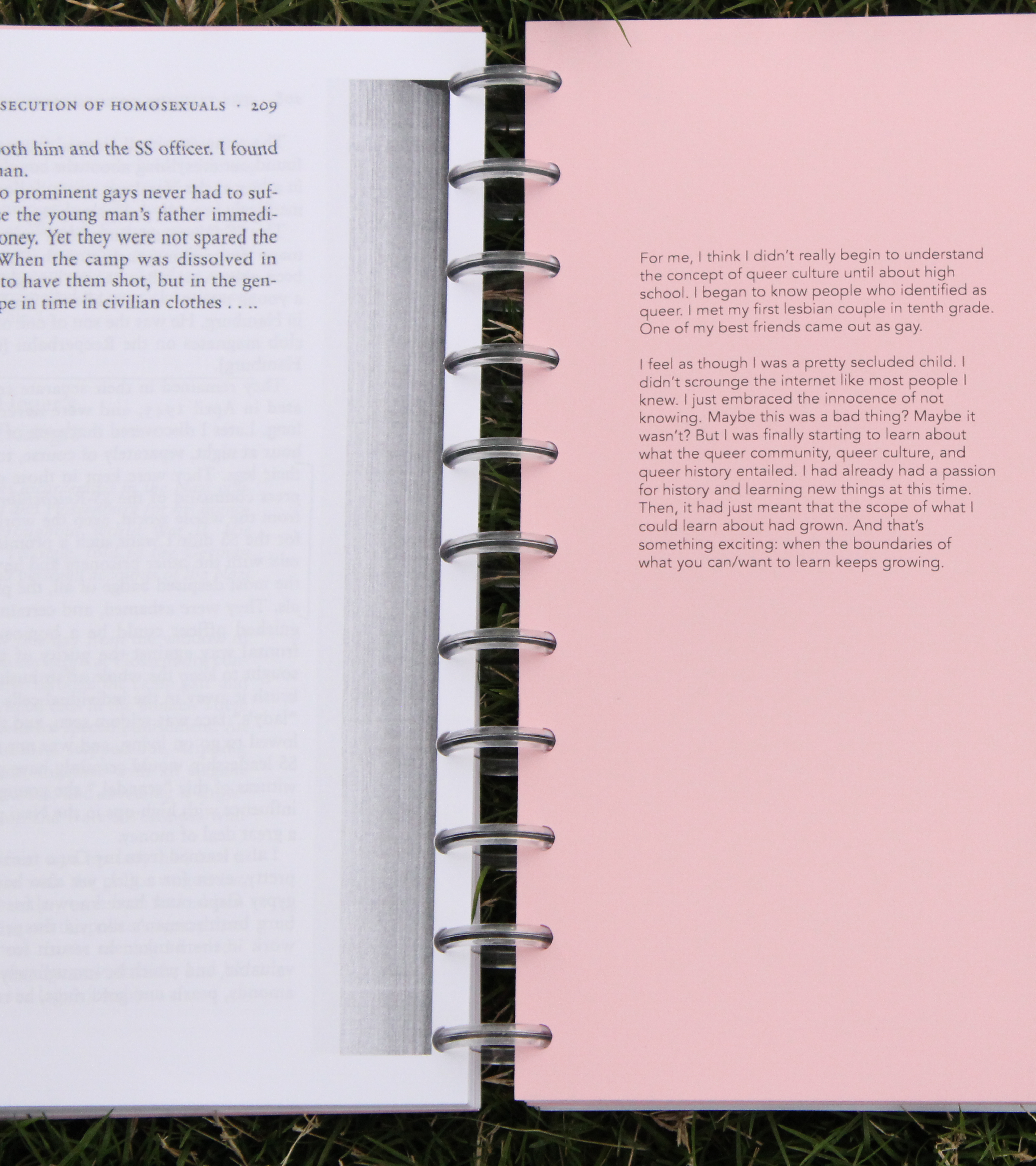
[re]presented is a reader with the goal of re-presenting history as it relates to the relationship of homosexuality within the nazi ranks. it’s a collection of scholarly and personal writing on a topic that is overlooked in history, especially in a time where the same issues are arising again. It is compiled, written, and designed by Jenna Casey.